
Basic information
- Standard SMILES
O=[N+]([O-])c1cc[n+]([O-])cc1- InChIKey
RXKNNAKAVAHBNK-UHFFFAOYSA-N- Molecular formula
- C5H4N2O3
- Average molar mass
- 140.1 g/mol
- Monoisotopic mass
- 140.02219199
Overview
Pyridine, 4-nitro-, 1-oxide is a solid. (EPA, 1998)
Names & identifiers
- Preferred name
- 4-Nitropyridine N-oxide
- IUPAC
- 4-nitro-1-oxidopyridin-1-ium
- English name
- 4-Nitropyridine N-oxide
- Molecular formula
- C5H4N2O3
- Molecular weight
- 140.1
Names & synonyms
4-Nitropyridine N-oxide1124-33-04-Nitropyridine 1-oxidep-Nitropyridine N-oxidePYRIDINE, 4-NITRO-, 1-OXIDE4-Nitropyridine oxideNSC-5079NSC-130895ULB29Z652DAvitrol 100EPA Pesticide Chemical Code 597300AI3-25256
Show more names
NSC 130895AKOS 93467avitrol100caswellno604aa4-Nitropyridine N-ox4-Nitropyridin-N-oxidNITROPYRIDINE-N-OXIDE
RefChem:870693214-395-44-Nitropyridine-N-oxide4-Nitropyridine-1-oxide4-nitropyridin-1-ium-1-olate4-nitro-1-oxidopyridin-1-iumDTXSID90415244-nitropyridin-1-ol
Database identifiers
- CAS
1124-33-0- PubChem CID
- 14300
- DTXSID
DTXSID9041524- ChEMBL
CHEMBL3187617- UNII
- ULB29Z652D
- EC Number
- 214-395-4
- Nikkaji
- J3.660I
Properties
Computed structural properties
- XLogP
- -0.6
- Topological polar surface area
- 71.3 Ų
- Hydrogen bond donors
- 0
- Hydrogen bond acceptors
- 3
- Rotatable bonds
- 0
- Heavy atoms
- 10
- Formal charge
- 0
- Complexity
- 125
Experimental & physicochemical properties
PesticidesPesticides -> Other Insecticides
LogPlog Kow = -0.55
DecompositionWhen heated to decomposition it emits toxic fumes of /nitrogen oxides/.
Melting Point160.5 °C
Vapor Pressure0.000594 [mmHg]
Physical Description
Pyridine, 4-nitro-, 1-oxide is a solid. (EPA, 1998)
Solid; [CAMEO] Crystalline solid; [MSDSonline]
Collision Cross Section119.2 Ų [M-H]- [CCS Type: DT; Buffer gas: N2; Ionization: ESI-; Dataset: TOXCAST; Source Identifier: DTXSID9041524]
Physicochemical properties
- Melting point
- 159 · 159-162 °C (lit.)
- Boiling point
- 256.56 °C · 256.56°C (rough estimate)
- Density
- 1.5657 · 1.5657 (rough estimate)
- refractive index
- 1.48 · 1.4800 (estimate)
- storage temp.
- Inert atmosphere,Room Temperature
- solubility
- soluble in DMSO
- form
- Crystals or Powder
- pka
- -1.37 · -1.37±0.10(Predicted)
- color
- Yellow to brown
- Water Solubility
- insoluble
- BRN
- 124331 · 124331
- InChI
- InChI=1S/C5H4N2O3/c8-6-3-1-5(2-4-6)7(9)10/h1-4H
- InChIKey
- RXKNNAKAVAHBNK-UHFFFAOYSA-N
- SMILES
- C1[N+]([O-])=CC=C([N+]([O-])=O)C=1
- CAS DataBase Reference
- 1124 · 1124-33-0(CAS DataBase Reference)
- EWG's Food Scores
- 1 · 1
- FDA UNII
- 29 Z652D · ULB29Z652D
- NIST Chemistry Reference
- -1 · Pyridine-1-oxide, 4-nitro-(1124-33-0)
- EPA Substance Registry System
- 4 · 4-Nitropyridine-1-oxide (1124-33-0)
- Symbol(GHS)
- 8 · GHS08,GHS06
- Signal word
- Danger
- Hazard statements
- 301 · H301-H315-H319-H335-H300-H341
- Precautionary statements
- 261 · P261-P301+P310-P305+P351+P338-P201-P301+P310a-P405-P501a
- Hazard Codes
- T
- Risk Statements
- 25 · 25-36/37/38-40-23/24/25
- Safety Statements
- 26 · 26-45-37/39-28A-36-22
- RIDADR
- 2811 · UN 2811 6.1/PG 3
- WGK Germany
- 3 · 3
- RTECS
- 6380000 · UT6380000
- TSCA
- TSCA listed
- HazardClass
- 6.1 · 6.1
- PackingGroup
- III
- HS Code
- 29333999 · 29333999
- Hazardous Substances Data
- 1124 · 1124-33-0(Hazardous Substances Data)
- Toxicity
- 50 orl-rat: · LD50 orl-rat: 107 mg/kg JWMAA9 29,830,65
- Limited Quantities
- 5 kg · 5.0 kg (11 lbs) (solid)
- Excepted Quantities
- Max Inner Pack (30g or 30ml) and Max Outer Pack (1Kg or 1L)
Safety & regulation
GHS classification
GHS Classification
Danger
H301 (90%): Toxic if swallowed [Danger Acute toxicity, oral]
P261, P264, P264+P265, P270, P271, P280, P301+P316, P302+P352, P304+P340, P305+P351+P338, P319, P321, P330, P332+P317, P337+P317, P362+P364, P403+P233, P405, and P501 (click each P-code to see the statement)
Aggregated GHS information provided per 50 reports by companies from 9 notifications to the ECHA C&L Inventory. Each notification may be associated with multiple companies.
Hazard information
DOT LabelPoison
Fire HazardsWhen heated to decomposition, it emits very toxic fumes of nitrogen oxides. Avoid decomposing heat. (EPA, 1998)
Health HazardsHigh toxicity via oral exposure. (EPA, 1998)
Hazards SummaryEffects in high-dose animal studies include tremor and convulsions; Oral LD50 (wild birds) = 8 mg/kg; Tumorigenic in mice by RTECS criteria; [RTECS]
Reactive GroupAmines, Phosphines, and Pyridines
Reactivity ProfileAromatic nitro compounds range from slight to strong oxidizing agents. If mixed with reducing agents, including hydrides, sulfides and nitrides, they may begin a vigorous reaction.
Air and Water ReactionsMay be deliquescent.
CERCLA Reportable Quantities
Releases of CERCLA hazardous substances are subject to the release reporting requirement of CERCLA section 103, codified at 40 CFR part 302, in addition to the requirements of 40 CFR part 355. Pyridine, 4-nitro-, 1-oxide is an extremely hazardous substance (EHS) subject to reporting requirements when stored in amounts in excess of its threshold planning quantity (TPQ) of 500 or 10,000 lbs. Extremely hazardous substances that are solids are subject to either of two threshold planning quantities ... The lower quantity applies only if the solid exists in powdered form and has a particle size less than 100 microns; or is handled in solution or in molten form; or meets the criteria for a National Fire Protection Association (NFPA) rating of 2, 3 or 4 for reactivity. If the solid does not meet any of these criteria, it is subject to the upper ... threshold planning quantity ... .
Hazard Classes and CategoriesAcute Tox. 3 (90%)
Explosive Limits and PotentialMixtures with diethyl-1,4-dihydro-2,6-dimethylpyridine-3,5-dicarboxylate explode when heated above 130 °C.
Skin, Eye, and Respiratory IrritationsPyridine and its derivatives cause local irritation on contact with the skin, mucous membranes and cornea. /Pyridine and its derivatives/
Hazardous Reactivities and IncompatibilitiesMixtures with diethyl-1,4-dihydro-2,6-dimethylpyridine-3,5-dicarboxylate explode when heated above 130 °C.
Safety & protection
Fire FightingExcerpt from ERG Guide 154 [Substances - Toxic and/or Corrosive (Non-Combustible)]:
First AidNote: No cases of human poisoning with pyridine, 4-nitro-, 1-oxide have been described.
Nonfire Spill ResponseExcerpt from ERG Guide 154 [Substances - Toxic and/or Corrosive (Non-Combustible)]:
Disposal Methods
SRP: At the time of review, criteria for land treatment or burial (sanitary landfill) disposal practices are subject to significant revision. Prior to implementing land disposal of waste residue (including waste sludge), consult with environmental regulatory agencies for guidance on acceptable disposal practices.
Preventive Measures
SRP: The scientific literature for the use of contact lenses in industry is conflicting. The benefit or detrimental effects of wearing contact lenses depend not only upon the substance, but also on factors including the form of the substance, characteristics and duration of the exposure, the uses of other eye protection equipment, and the hygiene of the lenses. However, there may be individual substances whose irritating or corrosive properties are such that the wearing of contact lenses would be harmful to the eye. In those specific cases, contact lenses should not be worn. In any event, the usual eye protection equipment should be worn even when contact lenses are in place.
Isolation and EvacuationExcerpt from ERG Guide 154 [Substances - Toxic and/or Corrosive (Non-Combustible)]:
Protective Action Criteria (PAC)
0.32 [mg/m3]
3.5 [mg/m3]
21 [mg/m3]
Personal Protective Equipment (PPE)
For emergency situations, wear a positive pressure, pressure-demand, full facepiece self-contained breathing apparatus (SCBA) or pressure- demand supplied air respirator with escape SCBA and a fully-encapsulating, chemical resistant suit. (EPA, 1998)
... WORKERS SHOULD BE PROVIDED WITH PERSONAL PROTECTIVE EQUIPMENT. A CHARCOAL GAS-MASK CANISTER RESPIRATOR HAS BEEN ... EFFECTIVE ... . /PYRIDINE/
RUBBER & PLASTIC GLOVES SHOULD NOT BE RELIED UPON TO PREVENT SKIN CONTACT BECAUSE ... MANY ... . /PYRIDINE/ DERIV PENETRATE THESE MATERIALS. /PYRIDINE/
Depending on the extent of possible contact, workers should be provided with personal protective equipment. A charcoal gas mask canister respirator has been found to be effective against a 2% pyridine concentration at 30 l/min for 1 hr. Rubber and plastic gloves should not be relied upon to prevent skin contact because pyridine and many of its derivatives penetrate these materials ... . /Pyridine, homologues, and derivatives/
Toxicology
Adverse EffectsNeurotoxin - Other CNS neurotoxin
Antidote and Emergency Treatment
/SRP:/ Basic treatment: Establish a patent airway. Suction if necessary. Watch for signs of respiratory insufficiency and assist ventilations if needed. Administer oxygen by nonrebreather mask at 10 to 15 L/min. Monitor for pulmonary edema and treat if necessary ... . Monitor for shock and treat if necessary ... . Anticipate seizures and treat if necessary ... . For eye contamination, flush eyes immediately with water. Irrigate each eye continuously with normal saline during transport ... . Do not use emetics. For ingestion, rinse mouth and administer 5 ml/kg up to 200 ml of water for dilution if the patient can swallow, has a strong gag reflex, and does not drool ... . Cover skin burns with dry sterile dressings after decontamination ... . /Poison A and B/
/SRP:/ Advanced treatment: Consider orotracheal or nasotracheal intubation for airway control in the patient who is unconscious, has severe pulmonary edema, or is in respiratory arrest. Positive pressure ventilation techniques with a bag valve mask device may be beneficial. Monitor cardiac rhythm and treat arrhythmias as necessary ... . Start an IV with D5W /SRP: "To keep open", minimal flow rate/. Use lactated Ringer's if signs of hypovolemia are present. Watch for signs of fluid overload. Consider drug therapy for pulmonary edema ... . For hypotension with signs of hypovolemia, administer fluid cautiously. Watch for signs of fluid overload ... . Treat seizures with diazepam (Valium) ... . Use proparacaine hydrochloride to assist eye irrigation ... . /Poison A and B/
Non-Human Toxicity ValuesLD50 Rat oral 107 mg/kg
Regulatory information
CERCLA Reportable Quantities
Releases of CERCLA hazardous substances are subject to the release reporting requirement of CERCLA section 103, codified at 40 CFR part 302, in addition to the requirements of 40 CFR part 355. Pyridine, 4-nitro-, 1-oxide is an extremely hazardous substance (EHS) subject to reporting requirements when stored in amounts in excess of its threshold planning quantity (TPQ) of 500 or 10,000 lbs. Extremely hazardous substances that are solids are subject to either of two threshold planning quantities ... The lower quantity applies only if the solid exists in powdered form and has a particle size less than 100 microns; or is handled in solution or in molten form; or meets the criteria for a National Fire Protection Association (NFPA) rating of 2, 3 or 4 for reactivity. If the solid does not meet any of these criteria, it is subject to the upper ... threshold planning quantity ... .
Safety data
- wgk
- 3
- tsca
- TSCA listed
- rtecs
- UT6380000
- ridadr
- UN 2811 6.1/PG 3
- hs_code
- 29333999
- Toxicity
- LD50 orl-rat: 107 mg/kg JWMAA9 29,830,65
- risk_code
- 25-36/37/38-40-23/24/25
- Signal word
- Danger
- Symbol(GHS)
- GHS08,GHS06
- hazard_code
- T
- safety_code
- 26-45-37/39-28A-36-22
- hazard_class
- 6.1
- packing_group
- III
- Hazard statements
- H301-H315-H319-H335-H300-H341
- Limited Quantities
- 5.0 kg (11 lbs) (solid)
- Excepted Quantities
- Max Inner Pack (30g or 30ml) and Max Outer Pack (1Kg or 1L)
- Precautionary statements
- P261-P301+P310-P305+P351+P338-P201-P301+P310a-P405-P501a
- Hazardous Substances Data
- 1124-33-0(Hazardous Substances Data)
Chemistry & industry
Uses & manufacturing
Uses
Not currently registered with the EPA for pesticide use in the US; [HSDB]
Farming (Pesticides) [Category: Industry]
For Pyridine, 4-nitro-, 1-oxide (USEPA/OPP Pesticide Code: 597300) there are 0 labels match. /SRP: Not registered for current use in the U.S., but approved pesticide uses may change periodically and so federal, state and local authorities must be consulted for currently approved uses./
Methods of ManufacturingNitration of pyridine N-oxide
Formulations/Preparations98% min purity grade
General Manufacturing InformationPyridine, 4-nitro-, 1-oxide: ACTIVE
Applications
Uses4-Nitropyridine N-oxide may be used in the preparation of several 4-substituted pyridine-N-oxides and pyridines.
UsesThe N-oxide derivative of a nitrated pyridine that has been shown to inhibit Na,K-ATPase activity. 4-Nitropyridine N-Oxide is a quorum sensing inhibitor.
General DescriptionSolid.
Preparation methods
Preparationpyridine is reluctant to undergo electrophilic nitration, pyridine-N-oxide is activated to electrophilic attack and nitration gives 4-nitropyridine-N-oxidel.
Upstream & downstream products
Upstream raw materials
Downstream products
Suppliers50 total
梯希爱(上海)化成工业发展有限公司021-67121386 · [email protected]
郑州阿尔法化工有限公司+86-18530059196 · [email protected]
上海阿拉丁生化科技股份有限公司400-6206333 13167063860 · [email protected]
温州共赢化学有限公司+86-0086-577-64498589 +86-15355981851 · [email protected]
上海泰矶林实业有限公司02150630626 17717886015 · [email protected]
INTATRADE GmbH+49 3493/605464 · [email protected]
Dayang Chem (Hangzhou) Co.,Ltd.+86-0571-88938639 17705817739 · [email protected]
韶远科技(上海)有限公司021-50795510 4000665055 · [email protected]
科瑞迪化学400-821-5857 021-64326257 · [email protected]
Syntechem Co.,Ltd[email protected]
南通萧畅医药贸易有限公司0513-82104991 18862997351 · [email protected]
北京华威锐科化工有限公司0757-86329057 18934348241 · [email protected]
阿法埃莎(中国)化学有限公司400-6106006 · [email protected]
上海凯盟化学科技有限公司18916626092
太原市瑞和丰科贸有限公司+86 351 7031519 · [email protected]
安耐吉化学&3A(安徽泽升科技股份有限公司)400-0056266 · [email protected]
上海瀚鸿科技股份有限公司021-54306202 13764082696 · [email protected]
上海相辉医药科技有限公司13761987713 · [email protected]
上海景颜化工科技有限公司13817811078 · [email protected]
嘉兴市艾森化工有限公司0573-85285100 18627885956 · [email protected]
Pure Chemistry Scientific Inc.001-857-928-2050 or 1-888-588-9418 · [email protected]
上海隆盛化工有限公司58099637 13585536065 · [email protected]
上海瀚香生物科技有限公司177-54423994 17754423994 · [email protected]
孝感深远化工有限公司15527621225; 15527621225 · [email protected]
山东西亚化学有限公司13355009207 13355009207 · [email protected]
玛雅试剂+86 (573) 82222445 (0)18006601000 452520369 · [email protected]
四川库利南科技有限公司400-1166-196 18981987031 · [email protected]
上海思域化工科技有限公司86-21-34053660 · [email protected]
赛默飞世尔科技(中国)有限公司800-810-5118 · [email protected]
北京伊诺凯科技有限公司400-810-7969 010-59572699 · [email protected]
TCI AMERICA800-4238616 · [email protected]
TOKYO CHEMICAL INDUSTRY CO., LTD.03-36680489 · [email protected]
TCI Europe320-37350700 · [email protected]
上海贤鼎生物科技有限公司4009209199 · [email protected]
越林试剂021-62960152 · [email protected]
无锡中坤生化科技有限公司+86 0510-85629785
上海灏云化工科技有限公司021-68367562 · [email protected]
上海湄水化工科技有限公司021-60549325 18616193163
上海将来实业股份有限公司400-0066400 13621662912 · [email protected]
上海将来实业股份有限公司021-61552785 · [email protected]
安徽科迪达化工有限公司0554-2106669 · [email protected]
HBCChem, Inc.+1-510-219-6317 · [email protected]
上海石洋化工有限公司021-56795766 · [email protected]
雷丁试剂0510-85629785 18013409632 · [email protected]
上海御略医药科技有限公司021-60345187 13671753212 · [email protected]
上海鑫圭生物科技有限公司15121041756 · [email protected]
济南泺合医药技术有限公司86-0531-68658065 15726150375 · [email protected]
江苏艾康生物医药研发有限公司025-66028182 17714375163 · [email protected]
凯试(上海)科技有限公司021-50135380 · [email protected]
湖北巨胜科技有限公司027-59599241 18871490274 · [email protected]
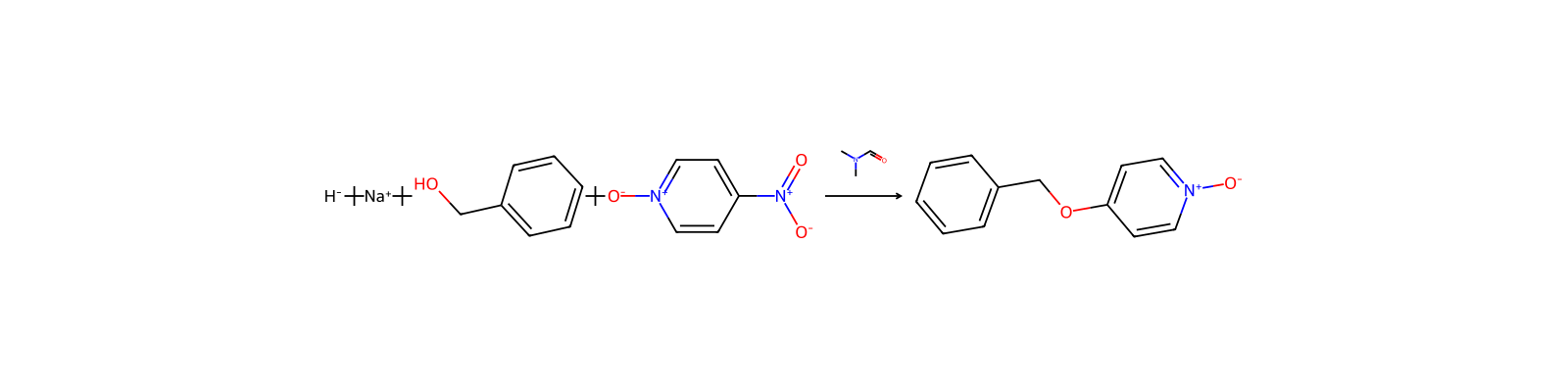
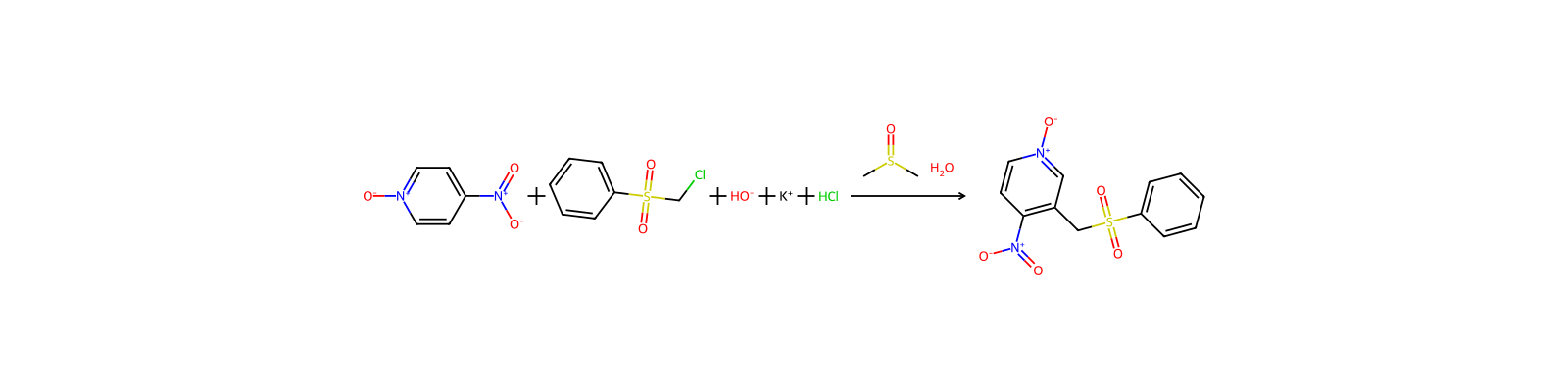
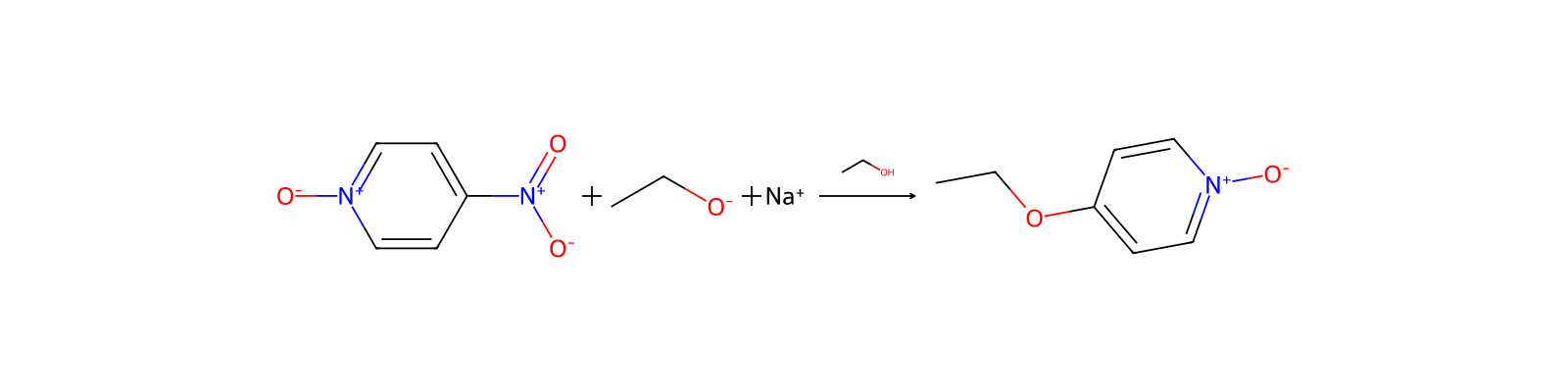
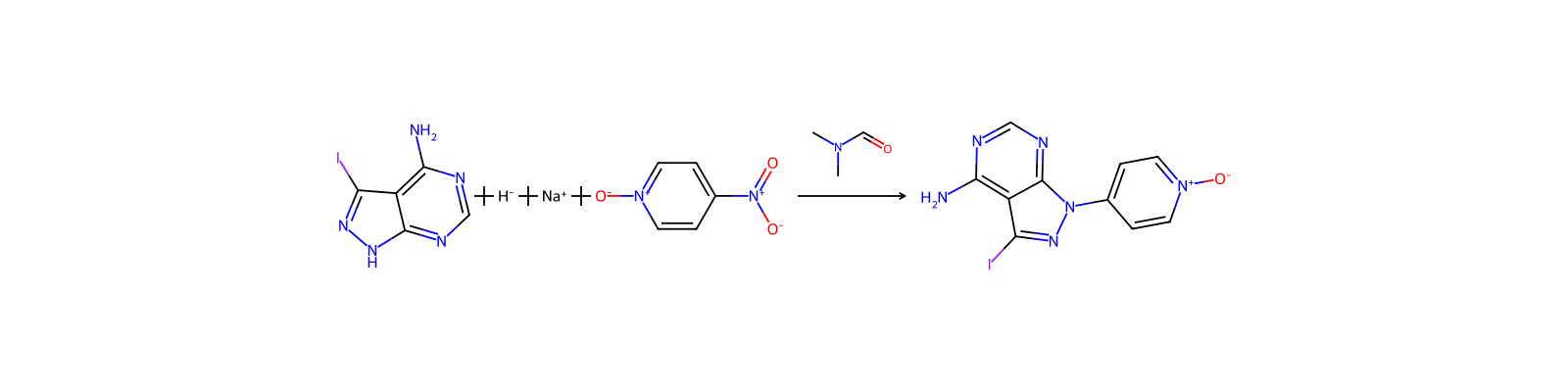
Related reactions
32 records




Linked notes
Loading…