
2,4-Dihydroxybenzoic Acid
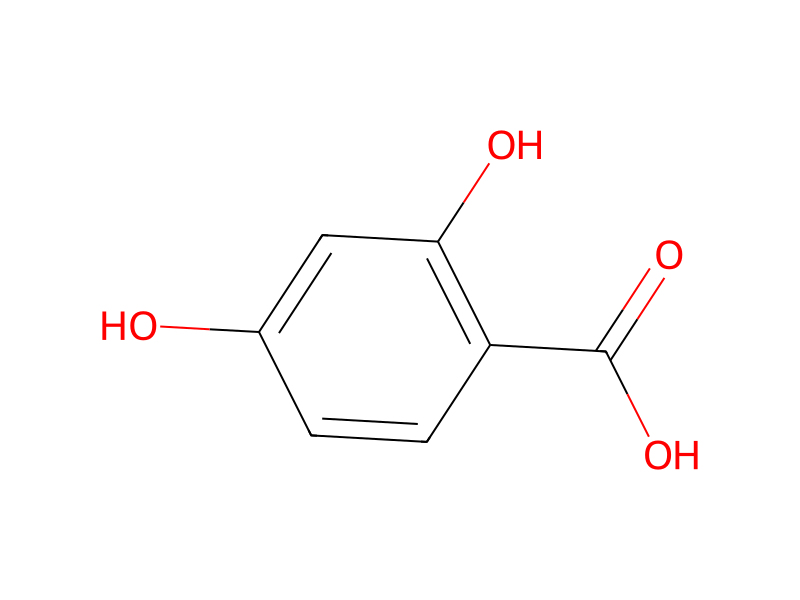
Basic information
- CAS
89-86-1- Standard SMILES
O=C(O)c1ccc(O)cc1O- InChIKey
UIAFKZKHHVMJGS-UHFFFAOYSA-N- Molecular formula
- C7H6O4
- Average molar mass
- 154.12 g/mol
- Monoisotopic mass
- 154.02660867
Overview
2,4-dihydroxybenzoic acid is a dihydroxybenzoic acid that is benzoic acid substituted by hydroxy groups at positions 2 and 4. It has a role as a flavouring agent, a plant metabolite and a human urinary metabolite. It is a dihydroxybenzoic acid, a monocarboxylic acid and a member of resorcinols. It is a conjugate acid of a 2,4-dihydroxybenzoate.
Names & identifiers
- Preferred name
- 2,4-Dihydroxybenzoic Acid
- IUPAC
- 2,4-dihydroxybenzoic acid
- English name
- 2,4-Dihydroxybenzoic acid
- Molecular formula
- C7H6O4
- Molecular weight
- 154.12
Names & synonyms
2,4-dihydroxybenzoic acid89-86-1beta-Resorcylic acid4-Hydroxysalicylic acid4-Carboxyresorcinolp-Hydroxysalicylic acidBenzoic acid, 2,4-dihydroxy-beta-Resorcinolic acidRESORCYLIC ACID, BETACoupler 320DTXSID0025074LU39SC9JYL
Show more names
2,4-Dhba2,4-Dihydrox2,4-Dihydroxybenzoesure4-Dihydroxybenzoic acidSodium aminosalicylate Impurity 32,4-Dihydroxybenzoic Acid, ≥ 98.0%2,4-DIHYDROXYBENZOIC ACID / BETA-RESORCYLIC ACIDBRA
FEMA NO. 3798NSC-4740NSC-13564DTXCID205074RefChem:567952201-946-92,4-Resorcylic acid.beta.-Resorcylic acid
Database identifiers
- CAS
89-86-1- PubChem CID
- 1491
- DTXSID
DTXSID0025074- ChEMBL
Properties
Computed structural properties
- XLogP
- 1.6
- Topological polar surface area
- 77.8 Ų
- Hydrogen bond donors
- 3
- Hydrogen bond acceptors
- 4
- Rotatable bonds
- 1
- Heavy atoms
- 11
- Formal charge
- 0
- Complexity
- 157
Experimental & physicochemical properties
Chemical ClassesOther Classes -> Other Aromatic Compounds
DrugsPharmaceuticals -> Listed in ZINC15
SpringerMaterials PropertiesCrystal structure
LogP
1.63
1.41
Food AdditivesFLAVORING AGENT OR ADJUVANT -> FDA Substance added to food
Flavoring AgentsEU Flavoring substances
Solubility
5.78 mg/mL at 25 °C
soluble in hot water, organic solvents, oils
soluble (in ethanol)
Endocrine DisruptorsPotential endocrine disrupting compound
Boiling Point309.00 to 310.00 °C. @ 760.00 mm Hg
Melting Point218 - 219 °C
Safety & regulation
Safety information is for reference only and does not replace the supplier’s Safety Data Sheet (SDS), applicable regulations, or professional assessment.
GHS classification
GHS Classification
Warning
H315 (89.1%): Causes skin irritation [Warning Skin corrosion/irritation]
P261, P264, P264+P265, P271, P280, P302+P352, P304+P340, P305+P351+P338, P319, P321, P332+P317, P337+P317, P362+P364, P403+P233, P405, and P501 (click each P-code to see the statement)
Aggregated GHS information provided per 55 reports by companies from 11 notifications to the ECHA C&L Inventory. Each notification may be associated with multiple companies.
Hazard information
Regulatory Information
Chemical: Benzoic acid, 2,4-dihydroxy-
Commission Regulation (EC) No 1565/2000 (Repealed by Com. Implementing Reg. (EU) No 872/2012)
REACH registered substance: 2,4-dihydroxybenzoic acid (EC: 201-946-9)
Benzoic acid, 2,4-dihydroxy-: Does not have an individual approval but may be used under an appropriate group standard
Hazards SummaryIntraperitoneal LD50 (mouse) > 800 mg/kg; [RTECS] Safe when used as a flavoring agent in food; [JECFA] A skin and strong eye irritant; [Alfa Aesar MSDS]
Hazard Classes and CategoriesSkin Irrit. 2 (89.1%)
Safety & protection
Protective Action Criteria (PAC)
10 [mg/m3]
110 [mg/m3]
660 [mg/m3]
Safety data
- PPE
- dust mask type N95 (US), Eyeshields, Gloves
Chemistry & industry
Pharmacology
Cellular LocationsCytoplasm
Uses & manufacturing
Uses
Used as a test reagent for iron and an intermediate (dyestuffs and drugs); [Merck Index] Used as flavoring agent or adjuvant; [FDA]
Synthetic Polymer MALDI Matrix Compounds
Use Classification
Flavouring Agent -> FLAVOURING_AGENT -> JECFA Functional Classes
Flavoring Agents -> JECFA Flavorings Index
Flavouring Agent -> FLAVOURING_AGENT -> JECFA Functional Classes
General Manufacturing InformationBenzoic acid, 2,4-dihydroxy-: ACTIVE
Applications
Uses2,4-Dihydroxybenzoic acid is a useful synthetic intermediate. An organic building block for plastics and rubber products.
OccurrenceReported present in avocados, beer, red wine, roast coffee, sherry, smoked sausage and white wine
Uses2,4-Dihydroxybenzoic acid is used in Intermediates, Plasticizers, Plastic and Rubber Products, a organic building block.
UsesIntermediate for dyestuffs and drugs; spot test reagent for iron.
Preparation methods
PreparationIt is derived from the hydroxylation of resorcinol.
PreparationPrepared from resorcinol and potassium bicarbonate in glycerol or water by heating and passing carbon dioxide through the mixture.
Upstream & downstream products
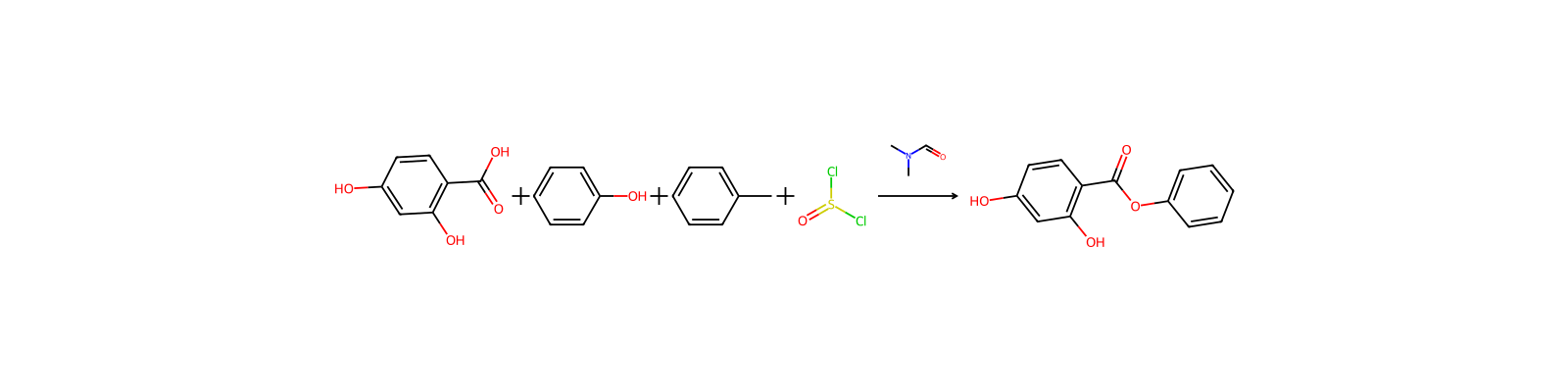
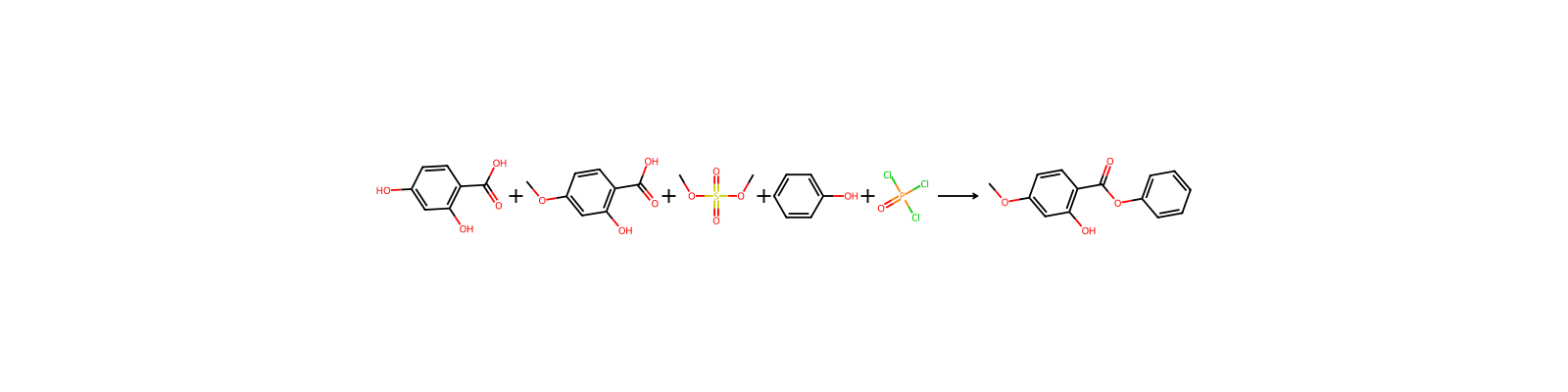
Related reactions
52 records





Compound notes
Loading…