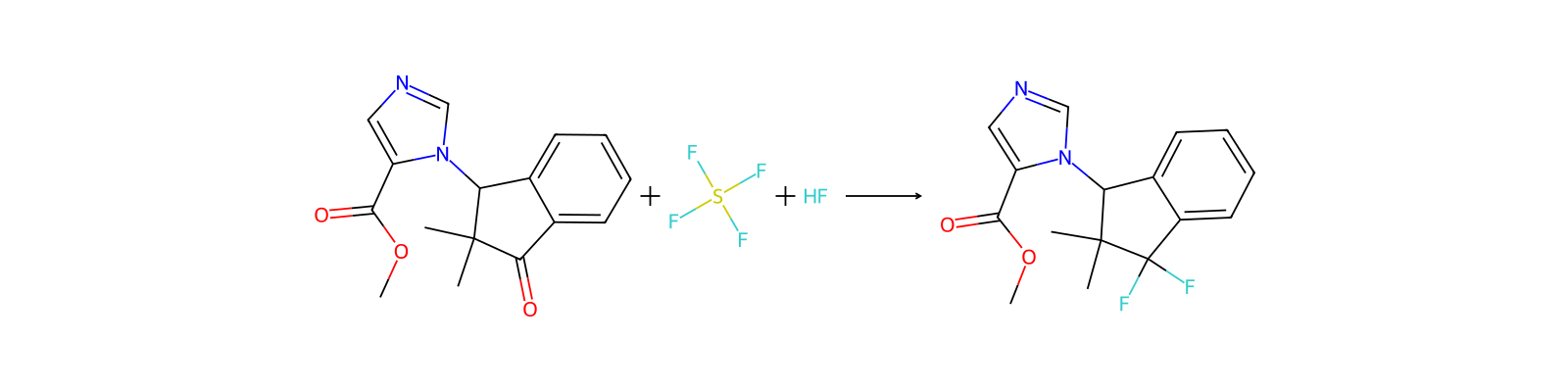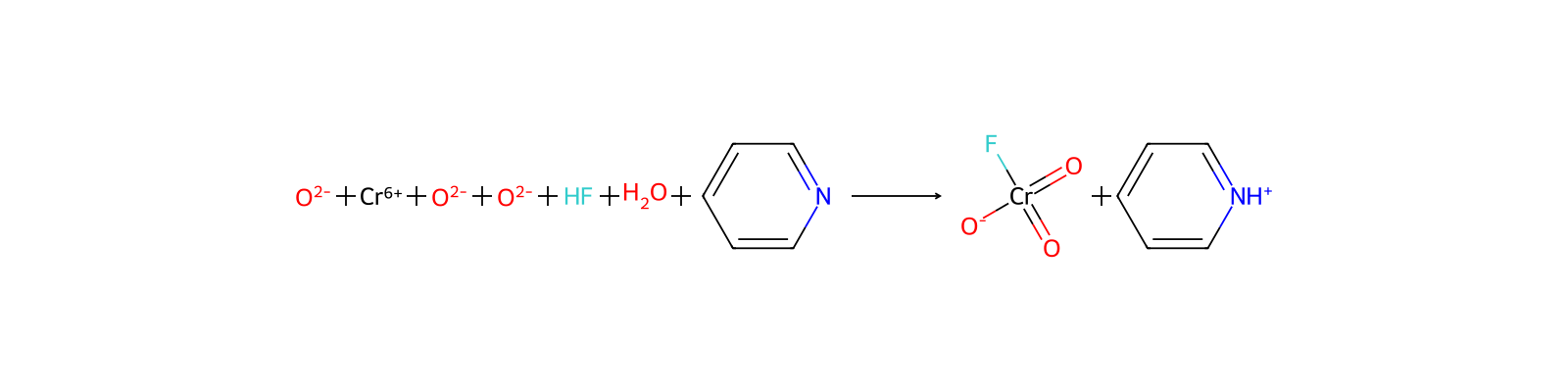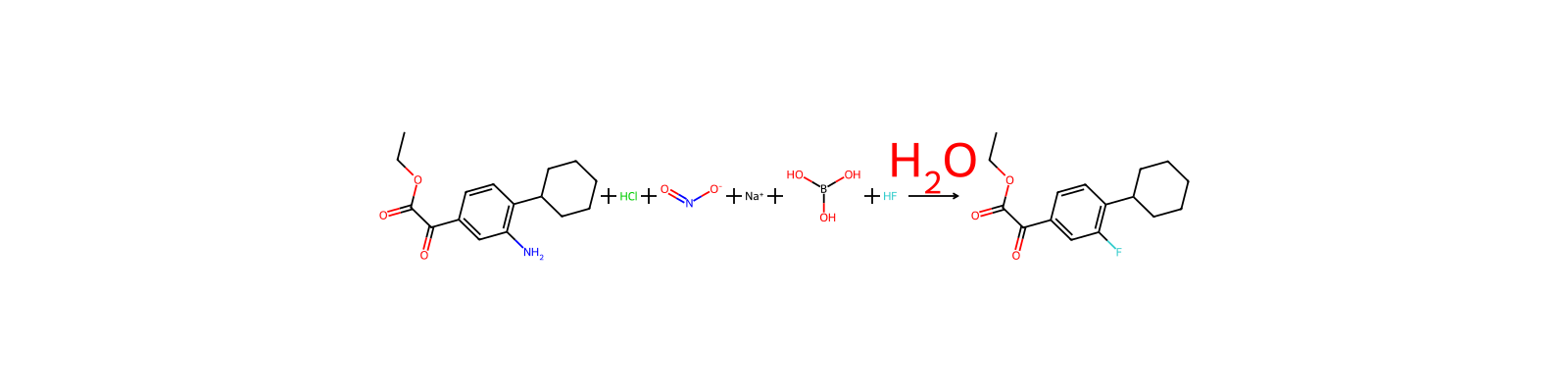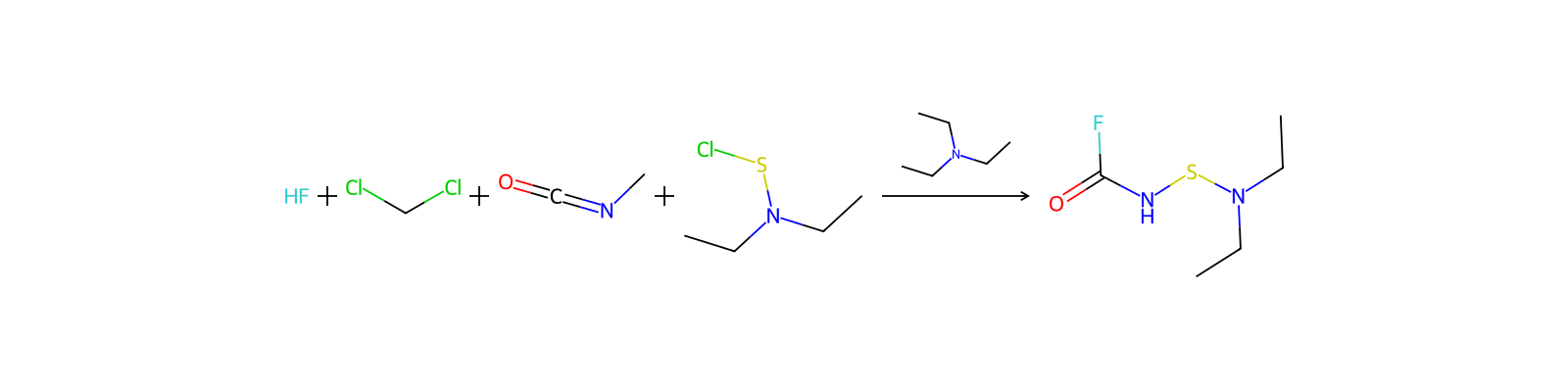
12381-92-9FKRHYYFGTRYWZRS-UHFFFAOYSA-NHydrogen fluoride is a colorless, fuming liquid or gas with a strong, irritating odor. It is usually shipped in steel cylinders as a compressed gas. Hydrogen fluoride readily dissolves in water to form colorless hydrofluoric acid solutions; dilute solutions are visibly indistinguishable from water.
12381-92-9、37249-79-9、7664-39-3DTXSID1049641CHEMBL1232767CHEBI:24061Hazardous Air Pollutants (HAPs)
Toxic Gases & Vapors -> Acids, Inorganic
Corrosives
-> NIOSH Emergency Response Categories
1.23 for 70% solution (ICSC, 2024) - Denser than water; will sink
0.991 at 67.1 °F (EPA, 1998) - Less dense than water; will float
1.002 at 0 °C/4 °C
Critical density, 0.29 g/mL; critical compressibility factor 0.117; density, liquid: 0.958 g/mL at 25 °C; heat of fusion: 3.931 kJ/mol at 83.6 °C; heat capacity at constant pressure (liquid at 16 °C): 50.6 J/(mol K); heat of formation, ideal gas: -272.5 kJ/mol at 25 °C; free energy of formation, ideal gas: -274.6 kJ/mol at 25 °C entropy, ideal gas: 173.7 J/(mol K) at 25 °C; molar refractivity: 2.13 cu cm; dielectric constant: 83.6 at 0 °C; dipole moment: 6.104X10⁻³⁰ Cm; thermal conductivity at 25 °C (J/s cm °C): 4.1X10⁻³ (liquid); 2.1X10⁻⁴ vapor; cryoscopic constant (Kf): 1.52 m/kg °C; ebullioscopic constant (Kb): 1.9 mol/kg °C
Safety information is for reference only and does not replace the supplier’s Safety Data Sheet (SDS), applicable regulations, or professional assessment.
Danger
H300: Fatal if swallowed [Danger Acute toxicity, oral]
P260, P262, P264, P270, P271, P280, P284, P301+P316, P301+P330+P331, P302+P352, P302+P361+P354, P304+P340, P305+P354+P338, P316, P320, P321, P330, P361+P364, P363, P403+P233, P405, and P501 (click each P-code to see the statement)
Danger
H300: Fatal if swallowed [Danger Acute toxicity, oral]
P260, P262, P264, P270, P271, P280, P284, P301+P316, P301+P330+P331, P302+P352, P302+P361+P354, P304+P340, P305+P354+P338, P316, P320, P321, P330, P361+P364, P363, P403+P233, P405, and P501 (click each P-code to see the statement)
Chemical: Hydrofluoric acid
Hazard Traits - Musculoskeletal Toxicity; Ocular Toxicity; Respiratory Toxicity
Hydrofluoric acid is listed on the EPA's Chemical Data Reporting (CDR) system. Manufacturers and importers of Hydrofluoric acid are required to report information about their production and use of this chemical to the EPA under the Toxic Substances Control Act (TSCA). (40 eCFR Part 711)
REACH registered substance: Hydrogen fluoride (EC: 231-634-8)
Hydrofluoric acid: Does not have an individual approval but may be used under an appropriate group standard
The New Jersey Worker and Community Right to Know Act requires public and private employers to provide information about hazardous substances at their workplaces. (N.J.S.A. 34:5A-1 et. seq.)
PEC / SN / Other assessments - Hydrofluoric acid: Health and Environment
- Indoor Air: Hydrogen fluoride/hydrofluoric acid can be released into indoor air as a liquid spray (aerosol), or as a gas.
Concentrated solutions (>40%) and anhydrous hydrogen fluoride are sufficiently acidic to cause immediate injury due to the activity of the hydrogen ion. However, the more significant injury to the tissues and systemic toxicity are mediated by the cellular toxicity and chemical activity of the fluoride ion. Fluoride binds irreversibly to calcium and magnesium resulting in precipitation and much of the cellular and systemic toxicity is mediated via this action. The fluoride ion is the most electronegative element in the periodic table; it is a relatively small ion and therefore diffuses readily; and, because hydrogen fluoride is a weak acid, there are sufficiently uncharged species to allow tissue penetration. The fluoride ion is an inhibitor of glycolysis (Embden-Meyerhoff pathway) and it attacks many different cellular constituents including cell membranes and lipids, destroying cell membranes and producing cell necrosis. Severe hypocalcemia and hypomagnesemia are produced by hydrogen fluoride absorption causing tetany and disturbances of cardiac rhythm.
The toxic effects of hydrogen fluoride are due primarily to the fluoride ion, which is able to penetrate tissues and bind intracellular calcium and magnesium. This results in cell destruction and local bone demineralization. Systemic deficiency of calcium and magnesium and excess of potassium can occur. Hypocalcemia can cause tetany, decreased myocardial contractility, and possible cardiovascular collapse, while hyperkalemia has been suggested to cause ventricular fibrillation leading to death. The adverse action of the fluoride ion may progress for several days before symptoms appear.
Fluoride ions are incorporated into bone by substituting for hydroxyl groups in the carbonate-apatite structure to produce hydroxyfluorapatite, thus altering the mineral structure of the bone. Alteration in mineralization increases hardness and bone mass, but also decreases mechanical strength. A portion of the circulating inorganic fluoride acts as an enzyme inhibitor because it forms metalfluoride-phosphate complexes that interfere with the activity of those enzymes requiring a metal ion cofactor. In addition, fluoride may interact directly with the enzyme or the substrate. It is a general inhibitor of the energy production system of the cell. Fluorine may bind calcium and decrease its concentration. This is thought to indirectly inhibit amelogeninase activity, resulting in altered crystal growth and subsequently causing dental fluorosis. (L963)
Loading…
Relative density (water = 1): 1.0 (liquid at 4 °C)
Relative density (water = 1): 1.23
Miscible (ICSC, 2024)
Miscible (NIOSH, 2024)
Miscible with water
Very soluble in water
Very soluble in alcohol, slightly soluble in ether, soluble in many organic solvents
Solubility (wt% at 5 °C): 2.54 (benzene); 1.80 (toluene); 1.28 (m-xylene); 0.27 (tetralin)
152 °F at 760 mmHg for 70% solution (ICSC, 2024)
67.1 °F at 760 mmHg (EPA, 1998)
19.51 °C; 2.5 °C at 400 mm Hg; -13.2 °C at 200 mm Hg; -28.2 °C at 100 mm Hg; -45.0 °C at 40 mm Hg; -56.0 °C at 20 mm Hg; -74.7 °C at 5 mm Hg
20 °C
66,4 °C
67 °F
Corrosive Poison
Corrosive Poison
Excerpt from ERG Guide 157 [Substances - Toxic and/or Corrosive (Non-Combustible / Water-Sensitive)]:
When heated, it emits highly corrosive fumes of fluorides. Its corrosive action on metals can result in formation of hydrogen in containers and piping to create fire hazard. Toxic and irritating vapors are generated when heated. Will attack glass, concrete, and certain metals, especially those containing silica, such as cast iron. Will attack natural rubber, leather, and many organic materials. May generate flammable hydrogen gas in contact with some metals. (EPA, 1998)
· Non-combustible, substance itself does not burn but may decompose upon heating to produce corrosive and/or toxic fumes.
· Some may burn but none ignite readily.
Not combustible. Many reactions may cause fire or explosion. Risk of fire and explosion on contact with incompatible substances. See Chemical Dangers.
Excerpt from ERG Guide 157 [Substances - Toxic and/or Corrosive (Non-Combustible / Water-Sensitive)]:
Ingestion of an estimated 1.5 grams produced sudden death without gross pathological damage. Repeated ingestion of small amounts resulted in moderately advanced hardening of the bones. Contact of skin with anhydrous liquid produces severe burns. Inhalation of anhydrous hydrogen fluoride or hydrogen fluoride mist or vapors can cause severe respiratory tract irritation that may be fatal. (EPA, 1998)
· TOXIC and/or CORROSIVE; inhalation, ingestion or contact (skin, eyes) with vapors, dusts or substance may cause severe injury, burns or death.
· TOXIC and/or CORROSIVE; may be fatal if inhaled, ingested or absorbed through skin.
Hydrogen fluoride is a colorless, fuming liquid or gas with a strong, irritating odor. It is usually shipped in steel cylinders as a compressed gas. Hydrogen fluoride readily dissolves in water to form colorless hydrofluoric acid solutions; dilute solutions are visibly indistinguishable from water.
Hydrogen fluoride is used in the production of aluminum and chlorofluorocarbons, and in the glass etching and chemical industries. Acute (short-term) inhalation exposure to gaseous hydrogen fluoride can cause severe respiratory damage in humans, including severe irritation and lung edema. Severe eye irritation and skin burns may occur following eye or skin exposure in humans. Chronic (long-term) exposure in workers has resulted in skeletal fluorosis, a bone disease. Animal studies have reported effects on the lungs, liver, and kidneys from acute and chronic inhalation exposure to hydrogen fluoride. Studies investigating the carcinogenic potential of hydrogen fluoride are inconclusive. EPA has not classified hydrogen fluoride for carcinogenicity.
Aqueous hydrogen fluoride = hydrofluoric acid; [NIOSH] Industrial solutions of 45% and 53% are sold commercially. [ACGIH] Over-the-counter solutions usually contain 6-12%. Adverse effects caused by different concentrations of solutions include immediate burns after contact with 50% and greater, delayed pain and swelling up to 8 hours after contact with 20-50%, and injury delayed by 12-24 hours after contact with 20% or less. [ATSDR Medical Management] Solutions 30-70% are highly corrosive to skin; [Quick CPC] Listed as one of the major irritant airborne toxicants; [LaDou, p. 523] The following chemicals can release HF when spilled in water: Fluorosulfonic acid, Antimony pentafluoride, Iodine pentafluoride, Uranium hexafluoride, Bromine trifluoride, and Bromine pentafluoride. [ERG 2016] See the Process, Toxic Gas from Spilling Chemical in Water. See the Disease, Hydrofluoric acid, toxic effect. Hydrogen fluoride is fibrogenic to the lungs in the context of an acute inhalation exposure complicated by bronchiolitis obliterans.
1790 157
1052 125
1052 125(anhydrous)
1790 157(solution)
Fluoride Salts, Soluble
Symbol: T+, C; R: 26/27/28-35; S: (1/2)-7/9-26-36/37/39-45
UN Hazard Class: 8; UN Subsidiary Risks: 6.1; UN Pack Group: I
Excerpt from ERG Guide 157 [Substances - Toxic and/or Corrosive (Non-Combustible / Water-Sensitive)]:
Use water on fires in which hydrofluoric acid is involved. (EPA, 1998)
In case of fire in the surroundings, use appropriate extinguishing media. In case of fire: keep cylinder cool by spraying with water. Combat fire from a sheltered position.
In case of fire in the surroundings, use appropriate extinguishing media. In case of fire: keep drums, etc., cool by spraying with water. Combat fire from a sheltered position.
- UN 1052, anhydrous hydrogen (HF), may burn, but it does not ignite readily.
Fresh air, rest. Half-upright position. Artificial respiration may be needed. Refer immediately for medical attention.
Wear protective gloves when administering first aid. Remove contaminated clothes. Rinse skin with plenty of water or shower. Refer immediately for medical attention.
Rinse with plenty of water (remove contact lenses if easily possible). Refer immediately for medical attention.
Rinse mouth. Give nothing to drink. Do NOT induce vomiting. Refer immediately for medical attention.
Fresh air, rest. Half-upright position. Artificial respiration may be needed. Refer immediately for medical attention.
Wear protective gloves when administering first aid. Remove contaminated clothes. Rinse skin with plenty of water or shower. Refer immediately for medical attention.
· CALL 911. Then call emergency response telephone number on shipping paper. If shipping paper not available or no answer, refer to appropriate telephone number listed on the inside back cover.
· ELIMINATE all ignition sources (no smoking, flares, sparks or flames) from immediate area.
· CALL 911. Then call emergency response telephone number on shipping paper. If shipping paper not available or no answer, refer to appropriate telephone number listed on the inside back cover.
· Do not touch or walk through spilled material.
Excerpt from ERG Guide 157 [Substances - Toxic and/or Corrosive (Non-Combustible / Water-Sensitive)]:
Warning: Hydrogen fluoride is highly corrosive. Effects may be delayed from 1 to 24 hours. Caution is advised.
General First Aid:
General First Aid:
(General first aid procedures)
Cool. Well closed. Fireproof if in building. Ventilation along the floor. Separated from food and feedstuffs and incompatible materials. Store in an area without drain or sewer access. See Chemical Dangers.
Store only in original container. Separated from food and feedstuffs and incompatible materials. See Chemical Dangers. Cool. Ventilation along the floor. Store in an area without drain or sewer access.
· Wear positive pressure self-contained breathing apparatus (SCBA).
TIH (Toxic Inhalation Hazard) - Term used to describe gases and volatile liquids that are toxic when inhaled. Some are TIH materials themselves, e.g., chlorine, and some release TIH gases when spilled in water, e.g., chlorosilanes. [ERG 2016].
1.0 [ppm], as F[German Research Foundation (DFG)]
Hydrogen fluoride should be stored in cool, dry, well ventilated areas out of the direct rays of the sun.
Keep container tightly closed in a dry and well-ventilated place. Containers which are opened must be carefully resealed and kept upright to prevent leakage. Store in corrosive resistant polyethylene container with a resistant inner liner. Do not store in glass Storage class (TRGS 510): Non-combustible, acute toxic Cat. 1 and 2 / very toxic hazardous materials
ACCIDENTAL RELEASE MEASURES; Personal precautions, protective equipment and emergency procedures: Wear respiratory protection. Avoid breathing vapours, mist or gas. Ensure adequate ventilation. Evacuate personnel to safe areas. Environmental precautions: Prevent further leakage or spillage if safe to do so. Do not let product enter drains. Methods and materials for containment and cleaning up: Soak up with inert absorbent material and dispose of as hazardous waste. Keep in suitable, closed containers for disposal.
1. Ventilate area of spill or leak to disperse gas. 2. If in gaseous form, stop flow of gas. If source of leak is cylinder & leak cannot be stopped ... remove ... to safe place in open air, & repair leak or allow cylinder to empty. 3. If in liq form, allow to vaporize & disperse the gas.
Excerpt from ERG Guide 157 [Substances - Toxic and/or Corrosive (Non-Combustible / Water-Sensitive)]:
Excerpt from ERG Guide 125 [Gases - Toxic and/or Corrosive]:
Generators of waste (equal to or greater than 100 kg/mo) containing this contaminant, EPA hazardous waste number D002 and U134, must conform with USEPA regulations in storage, transportation, treatment and disposal of waste.
SRP: Wastewater from contaminant suppression, cleaning of protective clothing/equipment, or contaminated sites should be contained and evaluated for subject chemical or decomposition product concentrations. Concentrations shall be lower than applicable environmental discharge or disposal criteria. Alternatively, pretreatment and/or discharge to a permitted wastewater treatment facility is acceptable only after review by the governing authority and assurance that "pass through" violations will not occur. Due consideration shall be given to remediation worker exposure (inhalation, dermal and ingestion) as well as fate during treatment, transfer and disposal. If it is not practicable to manage the chemical in this fashion, it must be evaluated in accordance with EPA 40 CFR Part 261, specifically Subpart B, in order to determine the appropriate local, state and federal requirements for disposal.
Product: Offer surplus and non-recyclable solutions to a licensed disposal company. Contact a licensed professional waste disposal service to dispose of this material. Dissolve or mix the material with a combustible solvent and burn in a chemical incinerator equipped with an afterburner and scrubber. Contaminated packaging: Dispose of as unused product.
Hydrofluoric acid concentrations in urine from 21 hydrogen fluoride workers ranged from 1.17 mg/L (preshift), 2.00-2.50 mg/L (mid shift) to 3.50 mg/L postshift. Levels in 82 unepxosed workers were 0.59, 0.60-0.57 and 0.58 mg/L, respectively. The work involved washing glass tubes for TV picture tubes and etching semiconductors(1).
Hydrofluoric acid exposure is often treated with calcium gluconate, a source of Ca2+ that sequesters the fluoride ions. HF chemical burns can be treated with a water wash and 2.5% calcium gluconate gel or special rinsing solutions. However, because it is absorbed, medical treatment is necessary; rinsing off is usually not enough. Intra-arterial infusions of calcium chloride have also shown great effectiveness in treating burns.
We describe a nonlethal, delayed onset case of combined acute inhalation of hydrofluoric acid (HFA) and nitric acid (NA) together with a review of the literature. Our patient was exposed to fumes of a 12% HFA and 22% NA solution in a closed environment and suffered during several months after the incident from exertional dyspnoea but recovered completely. Since HFA and NA are dangerous and widely used substances, preparedness for exposure is mandatory. After inhalational exposure, the principles of decontamination with attention to treatment of the skin for HFA burns together with general medical incident management should be applied. The severity of combined NA and HFA intoxication depends on the concentration, the nature of the contact and the duration of exposure but other factors may also be involved. Therapy resistant hypoxia and death have been reported in the literature. Inhalation injury from HFA alone is rare but systemic toxicity should be anticipated. Calcium is advocated as the cornerstone of local and systemic therapy. NA inhalation alone is very rare and causes heavy pulmonary irritation. Massive pulmonary secretions seem a sign of very severe intoxication and treatment appears to be mainly supportive.
Hydrogen fluoride (HF) induced injury symptoms in sweet corn were reduced when nitrogen dioxide was combined with HF at 0.5 ug fluoride/cu m but not at 1.5 ug fluoride/cu m. Development of lesions were delayed 1 or 2 days in comparison to plants exposed to hydrogen fluoride only.
The paper describes a fatal case of accidental ingestion of a mixture of hydrochloric acid and hydrofluoric acid. The man was admitted to hospital, where appropriate treatment, adequate to his condition, was instituted. Numerous ventricular fibrillation episodes, for which the patient was defibrillated repeatedly, were observed during the period of hospitalization. The patient was in a critical condition, with progressive symptoms of hypovolemic shock and multiorgan failure. On the next day after admission, signs of electromechanical dissociation progressing to asystole were noted. The instituted resuscitation procedure proved ineffective and the patient died. Autopsy revealed brownish discoloration of the esophageal, gastric, and small intestinal mucous membranes. Numerous ulcerations without signs of perforation were found both in the esophagus and in the stomach. The mucous membrane of the small intestine demonstrated focal rubefactions, whereas no focal lesions of the large intestinal mucosa were seen. Microscopic investigation of the biopsy specimens collected from the stomach, duodenum and small intestine revealed mucous membrane necrosis foci, reaching the deeper layers of the wall of these organs. The mucous membrane of the large intestine was congested. Bioptates obtained from the lungs indicated the presence of hemorrhagic infarcts and focal extravasations. Poisoning with the aforementioned acids with consequent necrosis of the esophageal, gastric, duodenal and small intestinal walls with hemorrhages to the gastrointestinal tract, as well as extravasations and hemorrhagic infarcts in the lungs was considered to be the cause of death.
Recent experimental in vivo studies have shown that aqueous solutions of stannous fluoride (SnF(2)) and hydrofluoric acid (HF) can reduce enamel solubility after 5 min. The aim of this study was to evaluate the longer-term protective effect of SnF(2) (0.78%, pH 2.9) and HF (0.2%, pH 2.0) (both approximately 0.1 mol/L F) using the same experimental model. Labial surfaces of healthy anterior teeth (all four surfaces when possible, otherwise a pair of surfaces) in 103 subjects (n = 399 teeth) were exposed to citric acid (0.01 mol/L, pH 2.7). The acid was applied using a peristaltic pump (5 mL, 6 mL/min) and was collected in coded test tubes (etch I). The test solutions were then applied to the same surfaces of the teeth (1 min, 6 mL/min). After either 1, 7, 14 or 28 days, citric acid was again applied to the same surfaces and subsequently collected (etch II). Enamel solubility was examined by assessment of calcium concentration in etch I and etch II solutions using atom absorption spectroscopy. Median values were calculated for all time periods and statistical analysis was carried out using the Wilcoxon signed-ranks test. Results showed that HF reduced enamel solubility by 54 and 36% after 1 and 7 days, respectively. After 14 and 28 days, there was no longer any effect. SnF(2) showed no protective effect after the first day. Given these results, repeated application of HF and especially SnF(2) may be necessary to improve the protective effect of these fluorides, and this requires further testing.
Thirty-three rabbits were inflicted with burn by 55% of hydrofluoric acid covering 5% total body surface area (TBSA), and were randomly divided into 3 groups, i.e. A (n = 13, with 5 mL/kg/hr of isotonic saline intravenous infusion), B (n = 10, with isotonic saline and 50 g/L of calcium gluconate infusion in dose of 20 mg/kg at different time points), and C (n = 10, with the same treatment as B group, and with excision of burn wound at 0.5 post burn hour) groups. The serum levels of fluoride and calcium were determined before and after various postburn hours, and the mortality rate was statistically analyzed. The serum level of fluoride in A (8.37 +/- 2.62 mg/L) and B (8.59 +/- 2.25 mg/L) groups reached the peak value at 1 postburn hour (PBH), which was 107 times higher than that before the burn injury. The serum level of fluoride in B group was significantly lower than that in A group at 24 PBH (P < 0.05), while that in C group declined to (6.20 +/- 0.23) mg/L, which was obviously lower than that in A and B groups (P < 0.01). The serum calcium level declined after burns, reaching the lowest level at 8 to 12 PBH and began to increase at 24 PBH. Compared with normal calcium value, the serum level of calcium in A, B and C groups declined to as much as 46%, 32% and 26%, respectively. Statistically significant difference was found between C and B groups (P < 0.01). (3) The mortality rate in the three groups within 72 PBH were 30.8%, 12.5% and 0.0%, respectively.
Serious systemic effects and local effects by all routes of exposure.
inhalation, skin absorption (liquid), ingestion (solution), skin and/or eye contact
Hydrogen fluoride/hydrofluoric acid can be absorbed systemically into the body by ingestion, inhalation, or skin or eye contact. Eye exposure to hydrogen fluoride/hydrofluoric acid is highly unlikely to result in systemic toxicity. Inhalation is an important route of exposure.
Oral (A116) ; inhalation (A116) ; dermal (A116)
IDENTIFICATION AND USE: Hydrogen fluoride is a gas at room temperature but it is available most frequently in aqueous solutions. Solutions up to 70% are available. It is used for etching glass and cleaning in the manufacture of glass, semiconductors, computer chips and ceramics and industrial applications. It can also be used for rust removal in commercial and home laundry operations, as well as in milling titanium, petroleum exploration, metallurgy laboratories, dental laboratories, janitorial products for tile cleaning, aluminum brighteners. HUMAN STUDIES: Hydrogen fluoride is highly corrosive to all tissues. Systemic absorption occurs following skin exposure or ingestion; severe and rapid hypocalcemia may result with cardiac dysrhythmia and arrest. The effects on the heart are due to hypocalcemia. These include the prolongation of the QT interval, arrhythmias (ventricular tachycardia, fibrillation and electromechanical dissociation. These effects result in hypotension and cardiac arrest. After inhalation, severe pulmonary injury may occur with pulmonary edema and bronchopneumonia. Tetany may result due to hypocalcemia after systemic absorption. Severe and delayed injury can occur with burns may develop after a symptom free interval of 24 hours. This is particularly true of exposures of dilute (<20%) solutions. With concentrated solutions (>40%), the effects are more rapid and pronounced with immediate pain and skin damage. Eye contamination causes similarly severe toxicity. Fatal exposures to hydrogen fluoride have been reported. One case involved a death due to refractory hypocalcemia about 12 hours after exposure of 2.5% body surface area to anhydrous hydrogen fluoride. A death was reported after 13 hours from a 9%-10% body surface area burn from 70% hydrogen fluoride. ANIMAL STUDIES: Experimental splash burns in rabbits have shown 20% solution to cause immediate damage with total corneal opacification with conjunctival ischemia, and corneal stromal edema within an hour, followed by necrosis of anterior ocular structures. An 8% solution produced ischemia and corneal stromal edema persisting for 40-65 days, accompanied by corneal vascularization. Even a 2% solution caused mild persistent stromal edema and vascularization, but after 0.5% solution there was recovery in 10 days. In one study rats exposed to hydrogen fluoride had hepatic centrilobular injury. When rats were exposed through inhalation to hydrogen fluoride, irritation of the mucous membranes of the eyes and nose, weakness, and a decrease in body weight were observed in the poisoned animals. Severe irritant to guinea pigs and rabbits. On exposure, the animals' eyes were kept closed, paroxysms of coughing and sneezing were frequent, respiration was slowed, and there were copious discharges from the eyes and nose. Pulmonary damage included massive hemorrhage, edema, congestion, and emphysema.Thirty day exposures of five laboratory animal species to hydrogen fluoride at levels that bracketed the maximal and minimal effects were performed at 8.6 and 30 ppm in 6-hr, daily exposures. Exposure at the higher concentration was lethal to all the rats and mice, but not to guinea pigs, rabbits, and dogs. Among the surviving animals, the rabbits showed a slight reduction in body weight, the dogs were apparently unaffected, and the guinea pigs began to lose weight after the third week of exposure. Exposure at 8.6 ppm for 6 hr/day failed to alter significantly normal weight gains in any of the animals except rabbits. Hydrogen fluoride was negative for dominant lethal mutations following inhalation exposure in mice. Increases in the occurrence of chromosome aberrations were found in the bone marrow cells of rats exposed by inhalation to 1.0 mg/cu m hydrogen fluoride 6 hours/day, 6 days/week for 1 month. ECOTOXICITY STUDIES: Bufo gargarizans tadpoles were chronically exposed to waterborne fluoride at measured concentrations ranging from 0.4 to 61.2 mg F-/L for 70 days from Gosner stage 26 to completion of metamorphosis. The chronic exposure caused a concentration-dependent mortality in all tested fluoride concentrations. In adult zebrafish chronic fluoride exposure impairs the redox balance, affects DNA repair machinery with pro-apoptotic implications and suppresses pro-inflammatory cytokines expression abrogating host immunity to bacterial infections.
/AQUATIC SPECIES/ Bufo gargarizans tadpoles were chronically exposed to waterborne fluoride at measured concentrations ranging from 0.4 to 61.2 mg F-/L for 70 days from Gosner stage 26 to completion of metamorphosis. The chronic exposure caused a concentration-dependent mortality in all tested fluoride concentrations. Total length, snout-to-vent length (SVL), body mass, and developmental stage of tadpoles were significantly inhibited at 42.6 mg F-/L. In addition, significant metamorphic delay and increase in size at completion of metamorphosis occurred after exposure to 19.8 mg F-/L. Moreover, 19.8 mg F-/L suppressed the bone mineralization of larvae at completion of metamorphosis. However, the bone mineralization could be enhanced by 4.1 mg F-/L. In conclusion, our results suggested that the presence of high concentrations of fluoride could increase mortality risk, delay metamorphosis, and suppress skeletal ossification in B. gargarizans larvae. /Sodium fluoride/
/AQUATIC SPECIES/ The present study describes the immunotoxic effect of chronic fluoride exposure on adult zebrafish (Danio rerio). Zebrafish were exposed to fluoride (71.12 mg/L; 1/10 LC50) for 30 d and the expression of selected genes studied. We observed significant elevation in the detoxification pathway gene cyp1a suggesting chronic exposure to non-lethal concentration of fluoride is indeed toxic to fish. Fluoride mediated pro-oxidative stress is implicated with the downregulation in superoxide dismutase 1 and 2 (sod1/2) genes. Fluoride affected DNA repair machinery by abrogating the expression of the DNA repair gene rad51 and growth arrest and DNA damage inducible beta a gene gadd45ba. The upregulated expression of casp3a coupled with altered Bcl-2 associated X protein/B-cell lymphoma 2 ratio (baxa/bcl2a) clearly suggested chronic fluoride exposure induced the apoptotic cascade in zebrafish. Fluoride-exposed zebrafish when challenged with non-lethal dose of fish pathogen A. hydrophila revealed gross histopathology in spleen, bacterial persistence and significant mortality. We report that fluoride interferes with system-level output of pro-inflammatory cytokines tumour necrosis factor-a, interleukin-1beta and interferon-gamma, as a consequence, bacteria replicate efficiently causing significant fish mortality. We conclude, chronic fluoride exposure impairs the redox balance, affects DNA repair machinery with pro-apoptotic implications and suppresses pro-inflammatory cytokines expression abrogating host immunity to bacterial infections. /Sodium fluoride/
/AQUATIC SPECIES/ The present study was performed to investigate the toxicity of fluoride to a variety of freshwater aquatic organisms and to establish whether water quality variables contribute substantively to modifying its toxicity. Water hardness, chloride, and alkalinity were tested as possible toxicity modifying factors for fluoride using acute toxicity tests with Hyalella azteca and Oncorhynchus mykiss. Chloride appeared to be the major toxicity modifying factor for fluoride in these acute toxicity tests. The chronic toxicity of fluoride was evaluated with a variety of species, including 3 fish (Pimephales promelas, O. mykiss, and Salvelinus namaycush), 3 invertebrates (Ceriodaphnia dubia, H. azteca, and Chironomus dilutus), 1 plant (Lemna minor), and 1 alga (Pseudokirchneriella subcapitata). Hyalella azteca was the most sensitive species overall, and O. mykiss was the most sensitive species of fish. The role of chloride as a toxicity modifying factor was inconsistent between species in the chronic toxicity tests. /Sodium fluoride/
Burning sensation. Sore throat. Cough. Laboured breathing. Shortness of breath. Nausea. Vomiting. Symptoms may be delayed.
MAY BE ABSORBED! Redness. Pain. Serious skin burns. Blisters. See Inhalation.
Redness. Pain. Severe burns.
Burns in mouth and throat. Burning sensation. Abdominal pain. Vomiting. Shock or collapse.
Cough. Sore throat. Burning sensation. Shortness of breath. Laboured breathing. Nausea. Vomiting. Symptoms may be delayed.
MAY BE ABSORBED! Redness. Pain. Serious skin burns. Blisters. See Inhalation.
D002; A solid waste containing hydrofluoric acid may become characterized as a hazardous waste when subjected to testing for corrosivity as stipulated in 40 CFR 261.21, and if so characterized, must be managed as a hazardous waste.
U134; As stipulated in 40 CFR 261.33, when hydrofluoric acid, as a commercial chemical product or manufacturing chemical intermediate or an off-specification commercial chemical product or a manufacturing chemical intermediate, becomes a waste, it must be managed according to Federal and/or State hazardous waste regulations. Also defined as a hazardous waste is any residue, contaminated soil, water, or other debris resulting from the cleanup of a spill, into water or on dry land, of this waste. Generators of small quantities of this waste may qualify for partial exclusion from hazardous waste regulations (40 CFR 261.5).
Listed as a hazardous air pollutant (HAP) generally known or suspected to cause serious health problems. The Clean Air Act, as amended in 1990, directs EPA to set standards requiring major sources to sharply reduce routine emissions of toxic pollutants. EPA is required to establish and phase in specific performance based standards for all air emission sources that emit one or more of the listed pollutants. Hydrofluoric acid is included on this list.
Persons in charge of vessels or facilities are required to notify the National Response Center (NRC) immediately, when there is a release of this designated hazardous substance, in an amount equal to or greater than its reportable quantity of 100 lb or 45.4 kg. The toll free number of the NRC is (800) 424-8802. The rule for determining when notification is required is stated in 40 CFR 302.4 (section IV. D.3.b).
Releases of CERCLA hazardous substances are subject to the release reporting requirement of CERCLA section 103, codified at 40 CFR part 302, in addition to the requirements of 40 CFR part 355. Hydrogen fluoride is an extremely hazardous substance (EHS) subject to reporting requirements when stored in amounts in excess of its threshold planning quantity (TPQ) of 100 lbs.
Hydrofluoric acid is designated as a hazardous substance under section 311(b)(2)(A) of the Federal Water Pollution Control Act and further regulated by the Clean Water Act Amendments of 1977 and 1978. These regulations apply to discharges of this substance. This designation includes any isomers and hydrates, as well as any solutions and mixtures containing this substance.
Hydrofluoric acid (conc.50% or greater)
50.00
1,000
Toxic chemical that can be released at a facility.
Hydrogen fluoride(anhydrous)
1.00
Increases in plasma fluoride levels were observed in humans inhaling 0.8-2.8 or 2.9-6.0 ppm fluoride as hydrogen fluoride of 60 minutes; maximum plasma concentrations were observed 60-90 minutes after exposure initiation.
A study in rats suggests that hydrogen fluoride is absorbed primarily by the upper respiratory tract, and that removal of hydrogen fluoride from inhaled air by the upper respiratory tract approaches 100% for exposures that range from 30 to 176 mg fluoride/cu m. Furthermore, it is apparent that distribution to the blood is rapid. Immediately following 40 minutes of intermittent exposure, plasma fluoride concentrations correlated closely (correlation coefficient = 0.98; p<0.01) with the concentration of hydrogen fluoride in the air passed through the surgically isolated upper respiratory tract. Plasma levels were not measured at time points <40 minutes.
To define the relationship between ionic fluoride concentration in the serum of workers and the amount of hydrofluoric acid (HF) in the work environment, pre-and postshift serum and urine samples of 142 HF workers and 270 unexposed workers were examined. The maximum and minimum concentrations of HF in the air in each workshop varied from the mean by less than 30%. The preexposure levels of serum and urinary fluoride in HF workers were higher (P < 0.001) than the control values. This suggests that fluoride excretion from the body continues for at least 12 hr. The postshift serum and urinary fluoride concentrations of these workers were significantly higher (P < 0.001) than the preshift concentrations. A good correlation (r = 0.64) was obtained between postshift serum fluoride and postshift urine fluoride. There was a linear relationship between mean serum fluoride concentration and HF concentration in the workshop. A mean fluoride concentration of 82.3 ug/L with a lower fiducial limit (95%, P = 0.05) of 57.9 ug/L was estimated to correspond to an atmospheric HF concentration of 3 ppm. ...
A study /was conducted/ to determine the absorption of inhaled hydrofluoric acid. Two human subjects were exposed for an 8 hour period in an industrial environment to fluorides consisting primarily of hydrogen fluoride and silicon tetrafluoride at an average airborne concentration of 3.8 mg F/cu m. Urine specimens were collected at 2 hour intervals during exposure and or approximately 2 days afterwards. There was a rapid rise in urinary fluoride excretion during exposure, and a peak output was reached in 2-4 hours after cessation of exposure. Within 24 hours, the urinary fluoride levels returned practically to base levels, although a slight elevation persisted into the following day. The total amounts of fluoride excreted daily by the two subjects were as follows: day of exposure, 9.64 and 8.56 mg fluoride; first day after exposure, 1.67 and 2.49; second day, 0.99 and 1.31; and third day, 0.89 and 1.34. The baseline daily urinary fluoride excretions before exposure were 0.9 and 1.2 mg fluoride, respectively.
For more Absorption, Distribution and Excretion (Complete) data for Hydrogen fluoride (18 total), please visit the HSDB record page.
Hydrogen fluoride is used in the production of most fluorine-containing chemicals. It is used in the production of refrigerants, herbicides, pharmaceuticals, high-octane gasoline, aluminum, plastics, electrical components, and fluorescent light bulbs. Anhydrous hydrogen fluoride is used as a catalyst in the petroleum alkylation, a process that increases the octane rating of petroleum. In uranium chemicals production, hydrogen fluoride is used to convert uranium oxide (yellow cake, U3O8) to UF4 before further fluorination to UF6.
Used as a catalyst and fluorinating agent; used to etch glass, pickle stainless steel, and control pH in oil well operations; [ACGIH] Used as a wet etchant in semiconductor manufacturing at a standard concentration of 49%; [CSH, p. 46]
Steel Producing [Category: Industry]
Enameling [Category: Hobbies]
For hydrogen fluoride (USEPA/OPP Pesticide Code: 45601) there are 0 label matches. /SRP: Not registered for current use in the U.S., but approved pesticide uses may change periodically and so federal, state and local authorities must be consulted for currently approved uses./
Cleaning cast iron, copper, brass; removing efflorescence from brick and stone, or sand particle from metallic castings; working over too heavily weighted silks; frosting, etching glass and enamel; polishing crystal glass; decomposing cellulose; enameling and galvanizing iron; increasing porosity of ceramics ... in analytical work to determine silicon dioxide, etc. /Hydrofluoric acid/
(1972) 1.27X10+10 G
(1975) 4.2X10+10 G
2023: 550,000,000 - <700,000,000 lb
(1972) 3.2X10+11 G
(1975) 2.85X10+11 G
(1984) 1.73x10+11 g /combined anhydrous and technical hydrofluoric acid as 100% hydrogen fluoride/
Production volumes for non-confidential chemicals reported under the Inventory Update Rule. [Table#1603]
For more U.S. Production (Complete) data for Hydrogen fluoride (6 total), please visit the HSDB record page.
Global Hydrofluoric Acid Demand: 650,000 tonnes (2001)
40.6% AS AN INTERMED FOR FLUOROCARBONS; 25.6% AS AN INTERMED FOR ALUMINUM FLUORIDE; 11.6% AS AN INTERMED FOR CRYOLITE; 4.3% AS A GASOLINE ALKYLATION CATALYST; 1.7% AS AN INTERMED FOR URANIUM HEXAFLUORIDE; 16.2% IN OTHER APPLICATIONS (1972). /Hydrofluoric acid/
65% was used in fluorocarbons; 10% in fluorides & other chemicals; 8% in aqueous solutions (100% Hydrogen Fluoride Basis); 5% in aluminum fluoride (merchant); 5% in petroleum alkylation; 4% in nuclear applications (uranium); and 3% in miscellaneous use (1984). /Hydrofluoric acid/
58% was used in fluorocarbons; chemical derivatives, 16%; petroleum alkylation catalysts, 5%; stainless steel pickling, 4%; aluminum manufacture, 4%; uranium chemicals, 3%; miscellaneous, 10%. /Hydrofluoric acid/
For more Consumption Patterns (Complete) data for Hydrogen fluoride (6 total), please visit the HSDB record page.
Obtained by the action of sulfuric acid on fluorspar (calcium fluoride). /Hydrogen fluoride gas/
Solution of hydrogen fluoride gas in water. Obtained by distilling calcium fluoride with sulfuric acid. /Hydrofluoric acid/
Distillation from the reaction product of calcium fluoride and sulfuric acid, also from fluosilicic acid. /Hydrogen fluoride gas/
Essentially all hydrogen fluoride manufactured worldwide is made from fluorspar and sulfuric acid ... . Generally, yields on both fluorspar and sulfuric acid are greater than 90% in commercial plants. /Hydrogen fluoride gas/
Grades: CP; technical; 38%, 47%, 53%, 70%. /Hydrofluoric acid/
Grade: To 99.9% minimum purity. /Hydrogen fluoride gas/
Available commercially as a 70% solution in steel containers or as a 50% solution in plastic lined containers. /Hydrofluoric acid/
Machinery Manufacturing
Hydrofluoric acid: ACTIVE
Producers of Hydrofluoric acid (thousand tonnes/year)
North American Producers of Hydrofluoric Acid
On the demand side, hydrofluoric acid continues to expand because of strong demand for replacement fluorocarbons, especially hydrofluorocarbons (HFCs) 125, 134a and 245fa, which consume more hydrofluoric acid than the hydrochlorofluorocarbons (HCFCs) they are replacing. The HFC replacements have no ozone-depletion potential because they contain no chlorine atoms. The most successful HFC replacement compound is HFC 134a. It is the main replacement for CFC 12 in automobile air conditioners and is being used as the refrigerant in new commercial chillers and refrigerators and as the propellant in aerosols and tire inflators. HFCs 23, 32, 125, 143a, 152a, 227ea, 236fa, 245fa, and 4310 also are being produced domestically but in much smaller quantities. These HFCs are being used individually or in blends as replacements for CFCs and HCFCs.
UsesHydrogen fluoride is the most important compound of fluorine. Anhydrous hydrogen fluoride is used in the production of most fluorine-containing chemicals. It is used in the production of refrigerants, herbicides, pharmaceuticals, high-octane gasoline, aluminum, plastics, electrical components, and fluorescent light bulbs. Aqueous hydrofluoric acid is used in stainless steel pickling, glass etching, metalcoatings, exotic metal extraction, and quartz purification(Hance et al. 1997).The most important use of hydrogen fluoride is in the production of fluorocarbon chemicals, including hydrofluorocarbons, hydrofluorochlorocarbons, and fluoropolymers; 60% of production is used for this purpose. Demand for hydrogen fluoride for fluorocarbons, broadly used as refrigerants, is increasing as a nonchlorinated alternative to ozone-depleting chlorofluorocarbons.(Production of fluorocarbons uses more hydrogen fluoride than production of chlorofluorocarbons.) The next most important uses of hydrogen fluoride are:chemical derivatives,18%; aluminum manufacturing,6%; stainless steel pickling,5%; petroleum alkylation catalysts, 4%; and uranium chemicals production,3%.Miscellaneous other uses include glassetching, herbicides, and rare metals(CMR 2002).Generally, the aluminum industry consumes 10-40 kg of fluoride per metric ton of aluminum produced.The AlF, used in aluminum reduction cells may be produced directly from acid-grade fluorspar or byproduct fluorosilicic acid, rather than from hydrogen fluoride. Anhydrous hydrogen fluoride is used as a catalyst in the petroleum alkylation, a process that increases the octane rating of petroleum. In uranium chemicals production, hydrogen fluoride is used to convert uranium oxide(yellow cake,U3O8) to UF4. before further fluorination to UF6.
DescriptionHydrofluoric acid is a solution of hydrogen fluoride in water. Hydrofluoric acid is highly corrosive inorganic acid. It is utilized widely in the manufacture of ceramics and graphite, in the electropolishing and pickling of metals, in the etching and frosting of glass, in the semiconductor industry as etchant and cleaning agent, in the chemical and oil-refining industries, and in cleaning solutions, laundry powder and pesticides. Hydrofluoric acid is also widely used in the preparation of many useful fluorine compounds, such as Teflon, Freon, fluorocarbons, and many medications such as fluoxetine (Prozac).
HistoryAnhydrous hydrogen fluoride was first prepared by Fremy in 1856. It mayhave been made earlier in 1670 by Schwankhard in the process of etchingglass using fluorspar and acid.Hydrogen fluoride is the most important fluorine compound, in terms ofamounts produced and the vast number of uses. The largest application of thiscompound is in the manufacture of aluminum fluoride and sodium aluminumfluoride (cryolite) for electrolytic production of aluminum. Another majorapplication is in the manufacture of chlorofluorocarbons, which are used asrefrigerants and foaming agents; for making polymers; and for pressurizinggases. Another important application is in the processing of uranium whereHF converts uranium dioxide to uranium tetrafluoride and hexafluoride,respectively. Uranium hexafluoride is used to separate isotopes of uraniumby diffusion.Hydrogen fluoride also is used as a catalyst in alkylation of aromatic com-pounds and for dimerization of isobutene. Other catalytic applications are inisomerization, polymerization, and dehydration reactions. Other uses are in366HYDROGEN FLUORIDEpp-03-25-new dots.qxd 10/23/02 2:38 PM Page 366 etching and polishing glasses for manufacturing light bulbs and TV tubes; inextraction of ores; in pickling stainless steel; in acidizing oil-wells; to removelaundry stains; for sample digestion in metal analysis; for removal of sandduring metal castings; as a stabilizer for rocket propellant oxidizers; and inpreparation of a number of fluoride alts of metals.
UsesHydrofluoric acid is used as a fluorinatingagent, as a catalyst, and in uranium refining.It is also used for etching glass and forpickling stainless steel. Hydrogen fluoridegas is produced when an inorganic fluoride is distilled with concentrated sulfuricacid.
UsesCleaning cast iron, copper, brass; removing efflorescence from brick and stone, or sand particles from metallic castings; working over too heavily weighted silks; frosting, etching glass and enamel; polishing crystal glass; decomposing cellulose; enameling and galvanizing iron; increasing porosity of ceramics. Its salts are used as insecticides and to arrest undesirable fermentation in brewing. Also used in analytical work to determine SiO2, etc.
UsesDiluted hydrofluoric acid (1-3 %wt) is used in the "Oil Patch" in a mixture with other acids (HCl or organic acids) in order to stimulate the production of water, oil and gas wells specifically where sandstone is involved. HF is also used in oil refining. In a standard oil-refinery process known as Alkylation, isobutane is alkylated with low-molecular weight alkenes (primarily a mixture of propylene and butylene) in the presence of a strong acid catalyst, hydrofluoric acid. The catalyst is able to protonate the alkenes (propylene, butylene) to produce reactive carbo-cations , which cause alkylation of isobutane. The phases separate spontaneously, so the acid phase is vigorously mixed with the hydrocarbon phase to create sufficient contact surface. Hydrofluoric acid (HF) is used principally in organofluorine chemistry. Additionally, most high-volume inorganic fluoride compounds are prepared from hydrofluoric acid. Foremost are Na3AlF6, (Cryolite), and AlF3(aluminum trifluoride). A molten mixture of these solids serves as a high-temperature solvent for the production of metallic aluminum. Concerns about fluorides in the environment have led to a search for alternative technologies. Other inorganic fluorides prepared from hydrofluoric acid include NaF and UF6.The ability of hydrofluoric acid to dissolve metal oxides is the basis of several applications. It removes oxide impurities from stainless steel in a process called pickling. Surface oxides are removed from silicon with hydrofluoric acid in the Semiconductor Industry. For this purpose, dilute hydrofluoric acid is sold as a household rust stain remover. Recently, it has even been used in “Car-Wash” facilities in “wheel cleaner” compounds. Due to its ability to dissolve oxides, hydrofluoric acid is useful for dissolving rock samples (usually powdered) prior to analysis. Similarly, this acid has been used to extract organic fossils from silicate rocks. Fossiliferous rock may be immersed directly into the acid, or a cellulose nitrate film may be applied (dissolved in amyl acetate), which adheres to the organic component and allows the rock to be dissolved around it.
General DescriptionHF is a colorless inorganic acid. Hydrogen fluoride may be formed by reacting calcium fluoride and sulfuric acid at 200oC. The fluoride in the acid has very high affinity to silicon, making it useful in etching or removal of silicon.
DefinitionA colorless liquid produced by dissolving hydrogen fluoride in water. It is a weak acid, but will dissolve most silicates and hence can be used to etch glass. As the interatomic distance in HF is relatively small, the H–F bond energy is very high and hydrogen fluoride is not a good proton donor. It does, however, form hydrogen bonds.
DefinitionChEBI: A diatomic molecule containing covalently bonded hydrogen and fluorine atoms.
In addition to being a highly corrosive liquid, hydrofluoric acid is also a contact poison. As with most acids HF can cause tissue burns through the denaturation of proteins and partial hydrolysis of proteins. Most proteins denature at pH values of less than 3-4. The large-scale denaturation of proteins, de-esterification of lipids and subsequent desiccation of tissues leads to chemical burns. Owing to its low acid dissociation constant, HF as a neutral lipid-soluble molecule penetrates tissue more rapidly than typical mineral acids. Because of the ability of hydrofluoric acid to penetrate tissue, poisoning can occur readily through exposure of skin or eyes, or when inhaled or swallowed. HF also interferes with nerve function, meaning that burns may not initially be painful. In the body, hydrofluoric acid reacts with the ubiquitous biologically important ions Ca2+ and Mg2+. Formation of insoluble calcium fluoride is proposed as the etiology for both precipitous fall in serum calcium and the severe pain associated with tissue toxicity. In some cases, exposures can lead to hypocalcemia. Inorganic fluoride inhibits adenylate cyclase activity required for antidiuretic hormone effect on the distal convoluted tubule of the kidney. Fluoride also stimulates intrarenal vasodilation, leading to increased medullary blood flow, which interferes with the counter current mechanism in the kidney required for concentration of urine.
/PLANTS/ Considerable differences exist in plant sensitivity to atmospheric fluoride, but little or no injury will occur when the most sensitive species are exposed to about 0.2 ug/cu m air, and many species tolerate concn many times higher than this. /Fluoride/