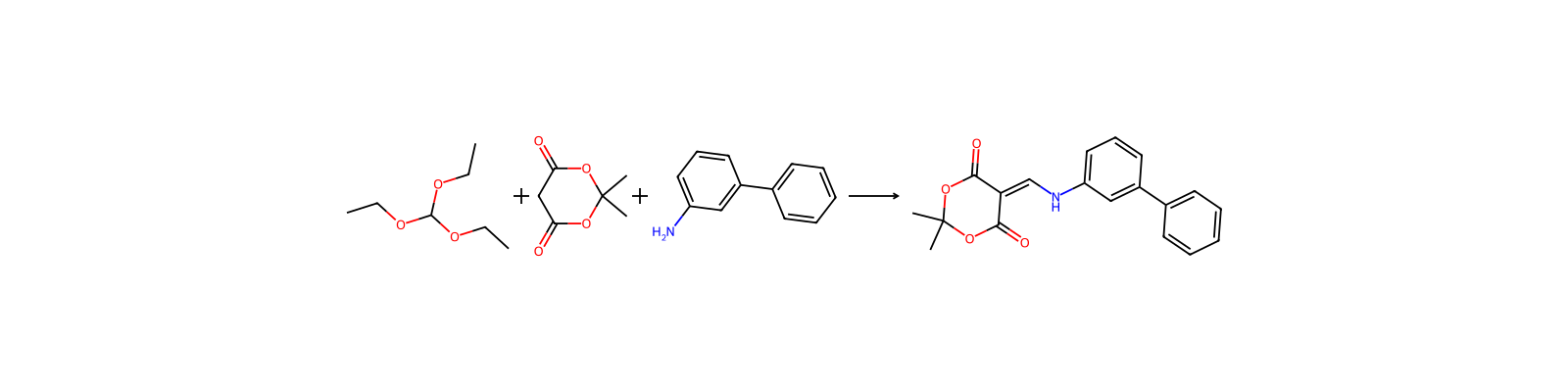
3-Aminobiphenyl
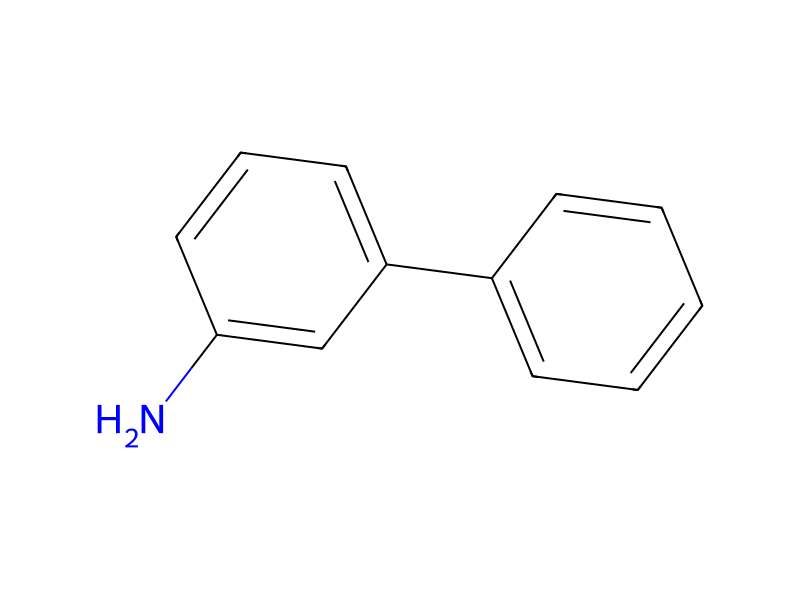
Basic information
- CAS
2243-47-2- Standard SMILES
Nc1cccc(-c2ccccc2)c1- InChIKey
MUNOBADFTHUUFG-UHFFFAOYSA-N- Molecular formula
- C12H11N
- Average molar mass
- 169.22 g/mol
- Monoisotopic mass
- 169.08914935
Overview
3-Aminobiphenyl is an amine derivative of biphenyl. It is used to manufacture azo dyes. It is a known human carcinogen[2] and so it has been largely replaced by less toxic compounds.
Names & identifiers
- Preferred name
- 3-Aminobiphenyl
- IUPAC
- 3-phenylaniline
- English name
- 3-Aminobiphenyl
- Molecular formula
- C12H11N
- Molecular weight
- 169.22
Names & synonyms
3-Aminobiphenyl2243-47-2m-Aminobiphenyl3-BIPHENYLAMINEm-PhenylanilineP632PQP3U1DTXSID2036825RefChem:497716DTXCID0016825675-679-53-Phenylaniline[1,1'-Biphenyl]-3-amine
Show more names
AKOS BAR-2291AMINOBIPHENYL(3-)
biphenyl-3-aminebiphenyl-3-ylamine3-Aminodiphenyl(1,1'-Biphenyl)-3-amineMFCD00047846CHEMBL16426843-AMINO-1,1'-BIPHENYL3-phenylphenylamine
Database identifiers
- CAS
2243-47-2、41674-04-8- PubChem CID
- 16717
- DTXSID
DTXSID2036825- ChEMBL
CHEMBL1642684- UNII
- P632PQP3U1
- EC Number
- 675-679-5
- Nikkaji
- J70.024J
Properties
Computed structural properties
- XLogP
- 3.3
- Topological polar surface area
- 26 Ų
- Hydrogen bond donors
- 1
- Hydrogen bond acceptors
- 1
- Rotatable bonds
- 1
- Heavy atoms
- 13
- Formal charge
- 0
- Complexity
- 149
Experimental & physicochemical properties
SpringerMaterials Properties13C nuclear magnetic resonance spectrum
Physicochemical properties
- Melting point
- 31 · 31–31.5 °C (87.8–88.7 °F; 304.1–304.6 K)
- Boiling point
- 177 · 177–8 °C (351–46 °F; 450–281 K)
- Density
- 1.077 g/cm3 · 1.077 g/cm3
- refractive index
- 1.6125 · 1.6125 (estimate)
- Flash point
- 110 °C · > 110 °C - closed cup
- storage temp.
- Keep in dark place,Inert atmosphere,Room temperature
- solubility
- soluble in Methanol
- pka
- 4.25 · 4.25(at 18℃)
- form
- solid
- color
- white
- InChI
- 1S/C12H11N/c13-12-8-4-7-11(9-12)10-5-2-1-3-6-10/h1-9H,13H2
- InChIKey
- MUNOBADFTHUUFG-UHFFFAOYSA-N
Safety & regulation
Safety information is for reference only and does not replace the supplier’s Safety Data Sheet (SDS), applicable regulations, or professional assessment.
GHS classification
GHS Classification
Warning
H302 (97.6%): Harmful if swallowed [Warning Acute toxicity, oral]
P261, P264, P264+P265, P270, P271, P280, P301+P317, P302+P352, P304+P340, P305+P351+P338, P319, P321, P330, P332+P317, P337+P317, P362+P364, P403+P233, P405, and P501 (click each P-code to see the statement)
Aggregated GHS information provided per 42 reports by companies from 5 notifications to the ECHA C&L Inventory. Each notification may be associated with multiple companies.
Hazard information
Hazard Classes and CategoriesAcute Tox. 4 (97.6%)
Toxicology
Carcinogen ClassificationNot listed by IARC.
Safety data
- wgk
- 3
- rtecs
- DU8900000
- ridadr
- UN2811
- hs_code
- 2921499090
- risk_code
- 20/21/22-36/37/38-51-22
- Signal word
- Warning
- Symbol(GHS)
- GHS07
- hazard_code
- Xi,Xn,N
- hazard_note
- Irritant
- safety_code
- 26-36/37/39-36-61-45-25-24
- hazard_class
- 6.1
- Storage Class
- 11 - Combustible Solids
Chemistry & industry
Uses & manufacturing
UsesIt is used to manufacture azo dyes.
Applications
UsesProduct of smoking tobacco
Upstream & downstream products
Upstream raw materials
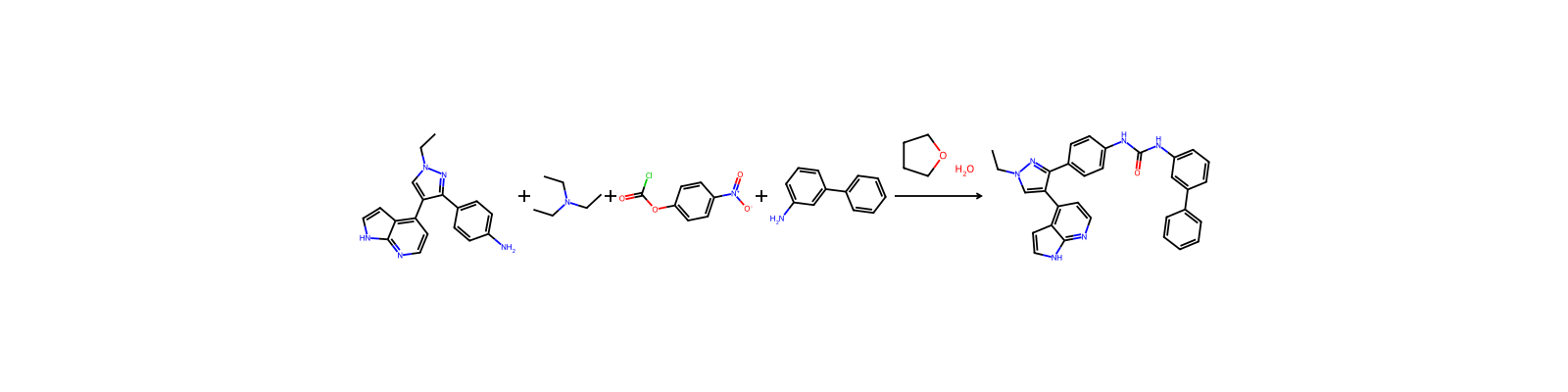
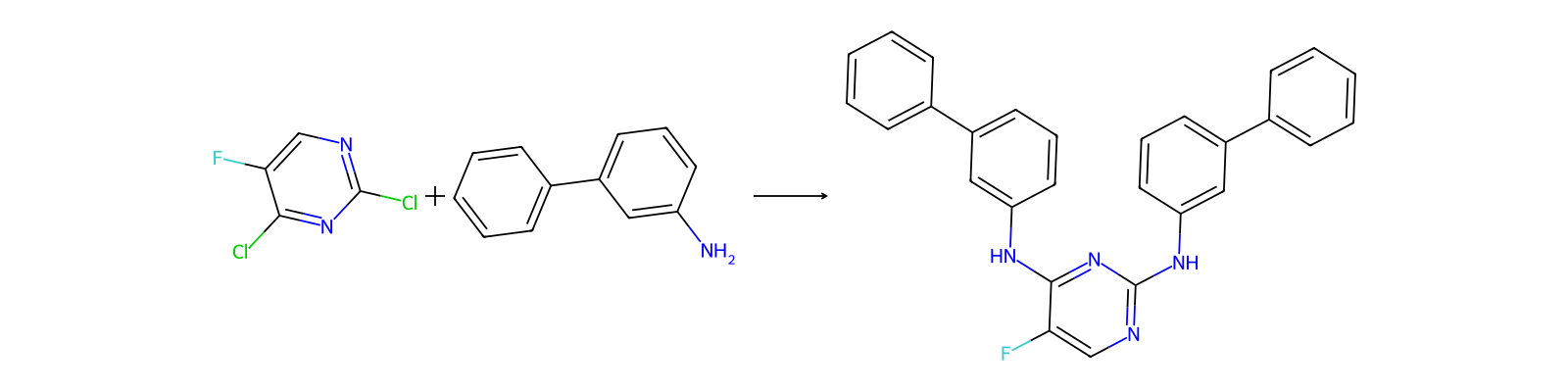
Related reactions
111 records


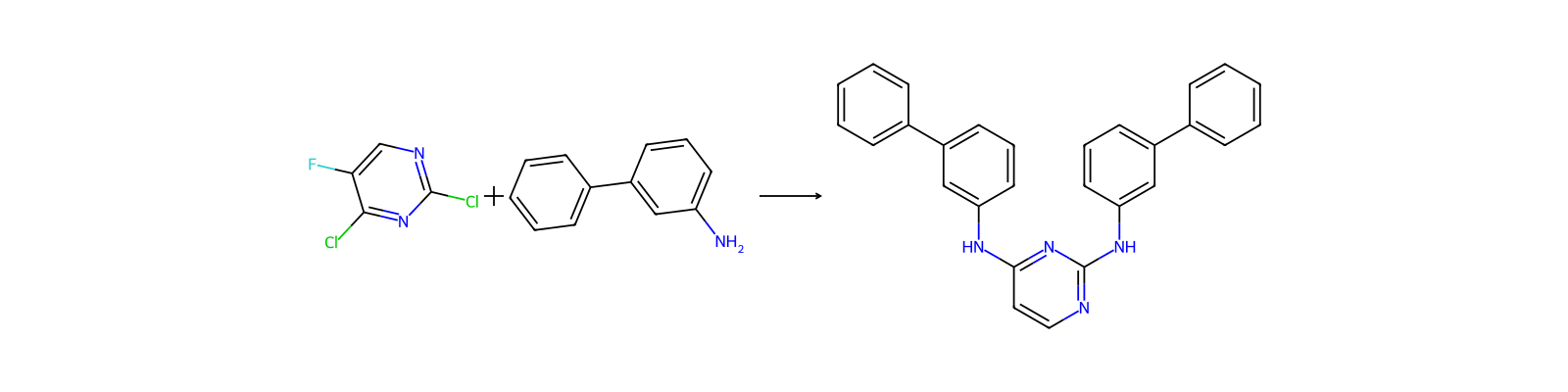
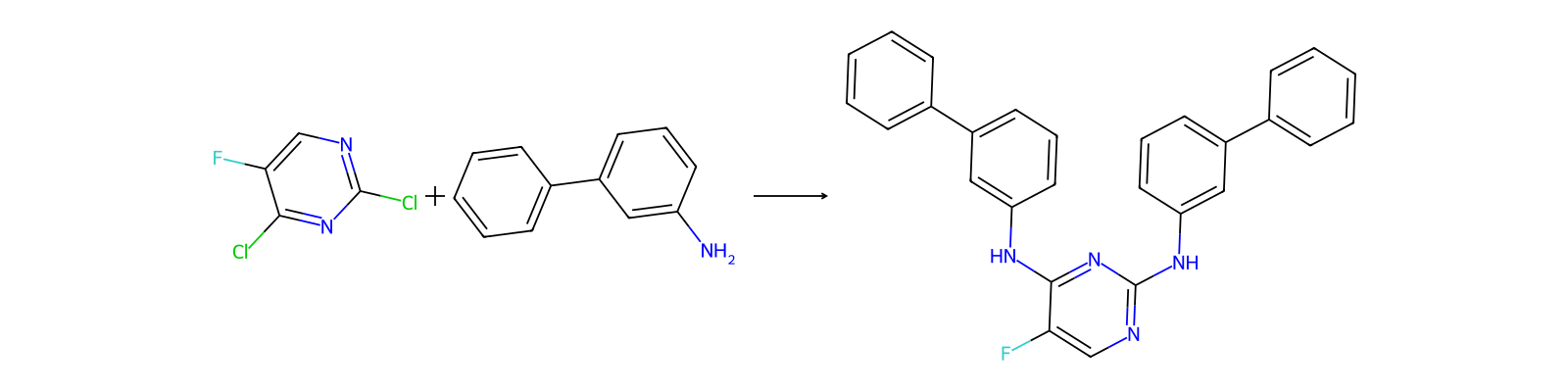
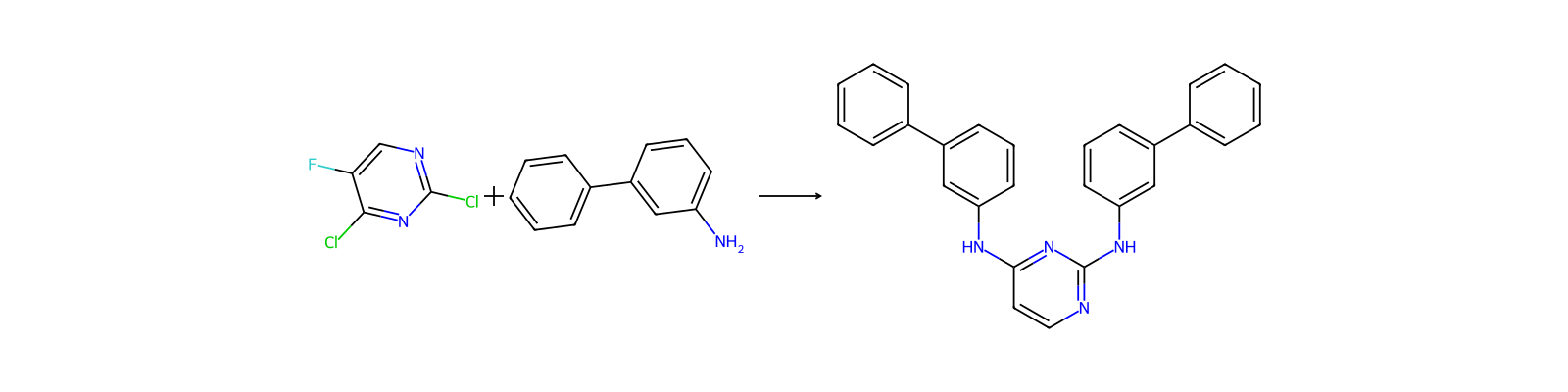
Compound notes
Loading…