Basic information
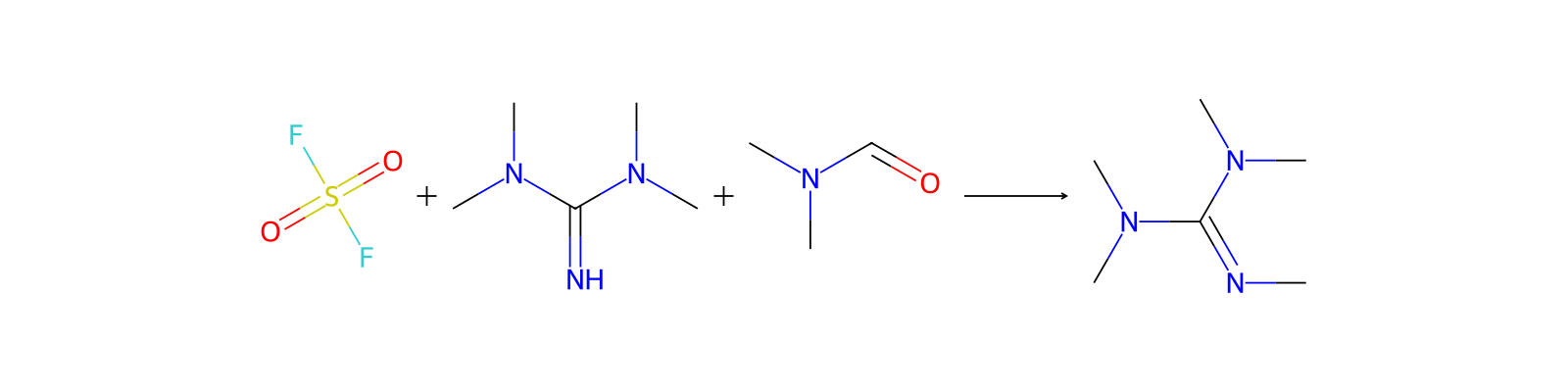
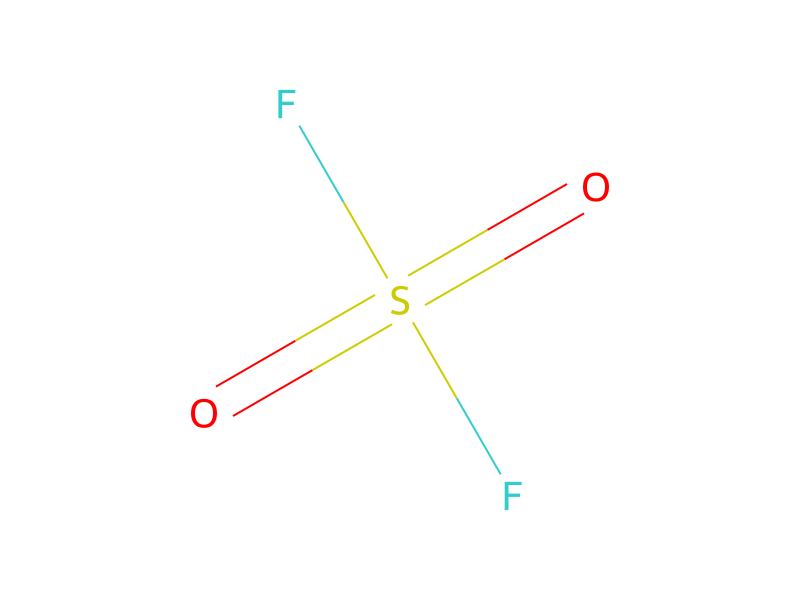
- Standard SMILES
O=S(=O)(F)F- InChIKey
OBTWBSRJZRCYQV-UHFFFAOYSA-N- Molecular formula
- F2O2S
- Average molar mass
- 102.06 g/mol
- Monoisotopic mass
- 101.95870674
Names & identifiers
- Preferred name
- Sulfuryl fluoride
- IUPAC
- sulfuryl difluoride
- English name
- SULFURYL FLUORIDE
- Molecular formula
- F2O2S
- Molecular weight
- 102.06
Names & synonyms
SULFURYL FLUORIDESulfuryl difluorideSulfonyl fluoride2699-79-8Sulphuryl fluorideVikaneSulfuric oxyfluorideVikane fumigantSulphuryl difluorideSulfur difluoride dioxidesulfonyl difluorideFluorure de sulfuryle
Show more names
SO2F2sulfurylsulfuryldifluorideVulkaneVikane[R]vikanefumigantsurfuryfluoride
Sulfur dioxide difluorideFluoro de sulfuriloDTXSID903494564B59K7U6QCHEBI:39287RefChem:186729DTXCID7014945220-281-5
Database identifiers
- CAS
2699-79-8- PubChem CID
- 17607
- DTXSID
DTXSID9034945- ChEBI
CHEBI:39287- UNII
- 64B59K7U6Q
- EC Number
- 220-281-5
- Nikkaji
- J95.298B
Properties
Computed structural properties
- XLogP
- 0.7
- Topological polar surface area
- 42.5 Ų
- Hydrogen bond donors
- 0
- Hydrogen bond acceptors
- 4
- Rotatable bonds
- 0
- Heavy atoms
- 5
- Formal charge
- 0
- Complexity
- 85
Experimental & physicochemical properties
OdorOdorless
Density
3.72 G/L (GAS), 1.7 G/L (LIQ)
Density = 4.172 g/L
3.72 g/l
1.7 @ -55°C
3.72(relative gas density)
Color/FormColorless gas [Note: shipped as a liquified compressed gas]
Solubility
0.2 % at 32 °F (NIOSH, 2024)
4-5 ml gas/100 ml water; 24-27 ml gas/100 ml alc; 136-138 ml gas/100 ml carbon tetrachloride; 210-220 ml gas/100 ml toluene
SLIGHTLY SOL IN ALKALIS
MISCIBLE WITH METHYL BROMIDE; SPARINGLY SOL IN MOST ORG SOLVENTS
In ethanol 0.24 to 0.27 L/L; in toluene 2.1 to 2.2 L/L; in carbon tetrachloride 1.36 to I.38 L/L
For more Solubility (Complete) data for SULFURYL FLUORIDE (6 total), please visit the HSDB record page.
CorrosivityNON-CORROSIVE
Boiling Point
-68 °F at 760 mmHg (NIOSH, 2024)
-55.38 °C
-55.3 °C
-68 °F
-55 °C @760 [mm Hg]
-68 °F
DecompositionWhen heated to decomposition it emits toxic fumes of /sulfur oxides and hydrogen fluoride/.
Melting Point
-212 °F (NIOSH, 2024)
-135.82 °C
-135.8 °C
-212 °F
-137 °C
-212 °F
Vapor Density
3.72 (NIOSH, 2024) - Heavier than air; will sink (Relative to Air)
3.5 (Air= 1)
Relative vapor density (air = 1): 3.5
3.72
Vapor Pressure
15.8 atm at 70 °F (NIOSH, 2024)
Vapor pressure = 9150 mm Hg at 50 °F (10 °C)
1.7X10+6 Pa at 21 °C (12.8 mm Hg at 21.1 °C)
Vapor pressure, kPa at 21.1 °C: 1700
15.8 atm at 70 °F
12000 [mm Hg] @21 °C
Ionization Potential
13.04 eV
13.04 eV
Physical Description
Sulfuryl fluoride appears as a colorless odorless gas. Shipped as a liquefied gas under its own vapor pressure. Noncombustible. Heavier than air. Very toxic by inhalation. Contact with the unconfined liquid can cause frostbite. Prolonged exposure to heat can cause containers to rupture violently and rocket. Used as an insecticide fumigant in wooden structures to control termites and wood-infesting beetles, and used in organic synthesis.
Colorless, odorless gas. [insecticide/fumigant] [Note: Shipped as a liquefied compressed gas.] [NIOSH]
COLOURLESS ODOURLESS COMPRESSED OR LIQUEFIED GAS.
Colorless, odorless gas.
Colorless, odorless gas. [insecticide/fumigant] [Note: Shipped as a liquefied compressed gas.]
Physicochemical properties
- Melting point
- -121 · -121,4°C
- Boiling point
- -55 · -55,2°C
- Density
- 4.55 g/L; · gas: 4.55g/L; liq; 1.7 [CRC10]
- solubility
- 2 O, · slightly soluble in H2O, ethanol; soluble in toluene,ctc
- form
- colorless gas
- color
- colorless
- Water Solubility
- 2 F2/100mL · mL SO2F2/100mL solvent: 4–5, H2O; 24–27, alcohol; 210–220, toluene; 136–138, CCl4, [MER06]
- Specific Heat Capacity
- 0.65 J/ · Cp(gas): 0.65 J/(g·K), at 25℃
- Henry's Law Constant
- 8.9 · 8.9×10-5 mol/(m3Pa) at 25℃, Cady and Misra (1974)
- Stability
- Stable. Reacts with water.
- InChI
- InChI=1S/F2O2S/c1-5(2,3)4
- InChIKey
- OBTWBSRJZRCYQV-UHFFFAOYSA-N
- SMILES
- S(F)(F)(=O)=O
- CAS DataBase Reference
- 2699 · 2699-79-8(CAS DataBase Reference)
- FDA UNII
- 64 B59K7U6Q · 64B59K7U6Q
- EPA Substance Registry System
- Sulfuryl fluoride (2699-79-8)
- Symbol(GHS)
- 4 · GHS04,GHS06,GHS08,GHS09
- Signal word
- Danger
- Hazard statements
- 331 · H331-H373-H400
- Precautionary statements
- 261 · P261-P271-P260-P273-P304+P340-P311-P314-P391-P403+P233-P405-P501
- Hazard Codes
- C,N,T
- Risk Statements
- 23 · 23/25-36/37/38-50-48/20-23
- Safety Statements
- 23 · 23-37/39-45-61-60-63
- RIDADR
- 2191 · UN 2191
- OEB
- A
- OEL
- 5 ppm · TWA: 5 ppm (20 mg/m3), STEL: 10 ppm (40 mg/m3)
- Hazard Note
- Corrosive
- TSCA
- TSCA listed
- HazardClass
- 2.3 · 2.3
- Hazardous Substances Data
- 2699 · 2699-79-8(Hazardous Substances Data)
- Toxicity
- 50 · guinea pig,LD50,oral,100mg/kg (100mg/kg),Dow Chemical Company Reports.
- IDLA
- 200 ppm · 200 ppm
Safety & regulation
GHS classification
GHS Classification
Danger
H331: Toxic if inhaled [Danger Acute toxicity, inhalation];H373 **: May causes damage to organs through prolonged or repeated exposure [Warning Specific target organ toxicity, repeated exposure];H400: Very toxic to aquatic life [Warning Hazardous to the aquatic environment, acute hazard]
P260, P261, P271, P273, P304+P340, P316, P319, P321, P391, P403+P233, P405, and P501 (click each P-code to see the statement)
Danger
Hazard information
Hazards IdentificationToxic/poison by inhalation (TIH/PIH)
Regulatory Information
Regulation (EC) No 396/2005 (amended)
Sulfuryl fluoride is listed in the dataset of EPA Human Health Benchmarks for Pesticides under the Safe Drinking Water Act (40 eCFR 141)
2010/38/EU, Reg. (EU) 2017/270, Reg. (EU) 2018/184, Reg. (EU) 2023/1757, Reg. (EU) 540/2011
Sulphuryl fluoride: HSNO Approval: HSR001381 Approved with controls
The New Jersey Worker and Community Right to Know Act requires public and private employers to provide information about hazardous substances at their workplaces. (N.J.S.A. 34:5A-1 et. seq.)
DOT LabelPoison Gas
Fire Hazards
Excerpt from ERG Guide 123 [Gases - Toxic]:;Some may burn but none ignite readily. Vapors from liquefied gas are initially heavier than air and spread along ground. Cylinders exposed to fire may vent and release toxic and/or corrosive gas through pressure relief devices. Containers may explode when heated. Ruptured cylinders may rocket. (ERG, 2024)
· Some may burn but none ignite readily.;· Vapors from liquefied gas are initially heavier than air and spread along ground.;· Cylinders exposed to fire may vent and release toxic and/or corrosive gas through pressure relief devices.;· Containers may explode when heated.;· Ruptured cylinders may rocket.
Not combustible. Gives off irritating or toxic fumes (or gases) in a fire.
Fire PotentialNoncombustible
Health Hazards
Excerpt from ERG Guide 123 [Gases - Toxic]:;TOXIC; may be fatal if inhaled or absorbed through skin. Vapors may be irritating and/or corrosive. Contact with gas or liquefied gas may cause burns, severe injury and/or frostbite. Fire will produce irritating, corrosive and/or toxic gases. Runoff from fire control or dilution water may cause environmental contamination. (ERG, 2024)
· TOXIC; may be fatal if inhaled or absorbed through skin.;· Vapors may be irritating and/or corrosive.;· Contact with gas or liquefied gas may cause burns, severe injury and/or frostbite.;· Fire will produce irritating, corrosive and/or toxic gases.;· Runoff from fire control or dilution water may cause environmental contamination.
Hazards Summary
Concentrations inside fumigated structures are as high as 4000 to 40,000 ppm. Inhalation exposure may cause pulmonary edema. [ACGIH] Because sulfuryl fluoride is heavier than air, workers who re-enter a treated area are at risk for fatal hypoxia. Muscle twitching and seizures have been reported after acute poisoning. [EPA Pesticides, p. 161] Possible frostbite from contact with liquid; [NIOSH] The exact toxic mechanism is not known, but increased fluoride ion concentrations have been found in poisoned victims. Systemic fluorosis may result from sulfuryl fluoride poisoning. Fluoride can cause hypocalcemia and hyperkalemia with secondary arrhythmias and central nervous effects including agitation, tetany, and seizures. [AHLS, p. 266-7] This gas has no warning properties, but chloropicrin is often added. After chronic inhalation studies, animals have evidence of liver injury. [HSDB] See FLUORIDES.
DOT ID and Guide
2191 123
2191 123
Reactive GroupFluoride Salts, Soluble
UN ClassificationUN Hazard Class: 2.3
Special Reports
USEPA/Office of Pesticide Programs; Reregistration Eligibility Decision Document - Sulfuryl Fluoride p.5-9. EPA 738-F-93-012 (1992) This document reviews information available on sulfuryl flouride as on 1992 (before this substance was considered as a replacement for methyl bromide).[Available from, as of February 15, 2007: http://www.epa.gov/pesticides/reregistration/status.htm]
Sulfuryl Fluoride, Pesticide Tolerance; Federal Register; July 15, 2005 http://www.epa.gov/EPA-PEST/2005/July/Day-15/p13982.htm contains most recent information on EPA's evaluation of this chemical.
FIFRA Requirements
As the federal pesticide law FIFRA directs, EPA is conducting a comprehensive review of older pesticides to consider their health and environmental effects and make decisions about their future use. Under this pesticide reregistration program, EPA examines health and safety data for pesticide active ingredients initially registered before November 1, 1984, and determines whether they are eligible for reregistration. In addition, all pesticides must meet the new safety standard of the Food Quality Protection Act of 1996. Sulfuryl fluoride is found on List A, which contains most food use pesticides and consists of the 194 chemical cases (or 350 individual active ingredients) for which EPA issued registration standards prior to FIFRA, as amended in 1988. Case No: 0176; Pesticide type: antimicrobial; Registration Standard Date: 06/30/85; Case Status: RED Approved 09/93; OPP has made a decision that some/all uses of the pesticide are eligible for reregistration, as reflected in a Reregistration Eligibility Decision (RED) document.; Active ingredient (AI): Sulfuryl fluoride; Data Call-in (DCI) Date(s): 07/20/90, 11/10/92, 09/30/93; AI Status: OPP has completed a Reregistration Eligibility Decision (RED) document for the case/AI.
Safety & protection
Fire Fighting
Excerpt from ERG Guide 123 [Gases - Toxic]:;SMALL FIRE: Dry chemical or CO2.;LARGE FIRE: Water spray, fog or regular foam. Do not get water inside containers. If it can be done safely, move undamaged containers away from the area around the fire. Damaged cylinders should be handled only by specialists.;FIRE INVOLVING TANKS: Fight fire from maximum distance or use unmanned master stream devices or monitor nozzles. Cool containers with flooding quantities of water until well after fire is out. Do not direct water at source of leak or safety devices; icing may occur. Withdraw immediately in case of rising sound from venting safety devices or discoloration of tank. ALWAYS stay away from tanks in direct contact with flames. (ERG, 2024)
In case of fire in the surroundings, use appropriate extinguishing media. In case of fire: keep cylinder cool by spraying with water.
First Aid Measures
Fresh air, rest. Half-upright position. Refer immediately for medical attention.
ON FROSTBITE: rinse with plenty of water, do NOT remove clothes. Refer immediately for medical attention .
ON FROSTBITE: rinse with plenty of water. Refer immediately for medical attention. Keep rinsing during transport for medical attention.
Accidental Release Measures
· CALL 911. Then call emergency response telephone number on shipping paper. If shipping paper not available or no answer, refer to appropriate telephone number listed on the inside back cover.;· Keep unauthorized personnel away.;· Stay upwind, uphill and/or upstream.;· Many gases are heavier than air and will spread along the ground and collect in low or confined areas (sewers, basements, tanks, etc.).;· Ventilate closed spaces before entering, but only if properly trained and equipped.
· Do not touch or walk through spilled material.;· Stop leak if you can do it without risk.;· If possible, turn leaking containers so that gas escapes rather than liquid.;· Prevent entry into waterways, sewers, basements or confined areas.;· Use water spray to reduce vapors or divert vapor cloud drift. Avoid allowing water runoff to contact spilled material.;· Do not direct water at spill or source of leak.;· Isolate area until gas has dispersed.
First Aid
Excerpt from NIOSH Pocket Guide for Sulfuryl fluoride:;Eye: FROSTBITE - If eye tissue is frozen, seek medical attention immediately; if tissue is not frozen, immediately and thoroughly flush the eyes with large amounts of water for at least 15 minutes, occasionally lifting the lower and upper eyelids. If irritation, pain, swelling, lacrimation, or photophobia persist, get medical attention as soon as possible.;Skin: FROSTBITE - If frostbite has occurred, seek medical attention immediately; do NOT rub the affected areas or flush them with water. In order to prevent further tissue damage, do NOT attempt to remove frozen clothing from frostbitten areas. If frostbite has NOT occurred, immediately and thoroughly wash contaminated skin with soap and water.;Breathing: RESPIRATORY SUPPORT - If a person breathes large amounts of this chemical, move the exposed person to fresh air at once. If breathing has stopped, perform artificial respiration. Keep the affected person warm and at rest. Get medical attention as soon as possible. (NIOSH, 2024)
General First Aid:;· Call 911 or emergency medical service.;· Ensure that medical personnel are aware of the material(s) involved, take precautions to protect themselves and avoid contamination.;· Move victim to fresh air if it can be done safely.;· Administer oxygen if breathing is difficult.;· If victim is not breathing:;-- DO NOT perform mouth-to-mouth resuscitation; the victim may have ingested or inhaled the substance.;-- If equipped and pulse detected, wash face and mouth, then give artificial respiration using a proper respiratory medical device (bag-valve mask, pocket mask equipped with a one-way valve or other device).;-- If no pulse detected or no respiratory medical device available, provide continuous compressions. Conduct a pulse check every two minutes or monitor for any signs of spontaneous respirations.;· Remove and isolate contaminated clothing and shoes.;· For minor skin contact, avoid spreading material on unaffected skin.;· In case of contact with substance, remove immediately by flushing skin or eyes with running water for at least 20 minutes.;· For severe burns, immediate medical attention is required.;· Effects of exposure (inhalation, ingestion, or skin contact) to substance may be delayed.;· Keep victim calm and warm.;· Keep victim under observation.;· For further assistance, contact your local Poison Control Center.;· Note: Basic Life Support (BLS) and Advanced Life Support (ALS) should be done by trained professionals.;Specific First Aid:;· In case of contact with liquefied gas, only medical personnel should attempt thawing frosted parts.
(General first aid procedures);Eye: Frostbite - If eye tissue is frozen, seek medical attention immediately; if tissue is not frozen, immediately and thoroughly flush the eyes with large amounts of water for at least 15 minutes, occasionally lifting the lower and upper eyelids. If irritation, pain, swelling, lacrimation, or photophobia persist, get medical attention as soon as possible.;Skin: Frostbite - Compressed gases may create low temperatures when they expand rapidly. Leaks and uses that allow rapid expansion may cause a frostbite hazard. Wear appropriate personal protective clothing to prevent the skin from becoming frozen.;Breathing: Respiratory support
Safe StorageFireproof if in building. Cool. Ventilation along the floor.
Exposure Control and Personal Protection
· Wear positive pressure self-contained breathing apparatus (SCBA).;· Wear chemical protective clothing that is specifically recommended by the manufacturer when there is NO RISK OF FIRE.;· Structural firefighters' protective clothing provides thermal protection but only limited chemical protection.
TIH (Toxic Inhalation Hazard) - Term used to describe gases and volatile liquids that are toxic when inhaled. Some are TIH materials themselves, e.g., chlorine, and some release TIH gases when spilled in water, e.g., chlorosilanes. [ERG 2016].
Fire Fighting Procedures
If material involved in fire: extinguish fire using agent suitable for type of surrounding fire. (Material itself does not burn or burns with difficulty.) Cool all affected containers with flooding quantities of water. Apply water from as far a distance as possible.
Storage Conditions
Store in dry, cool, well ventilated area under lock and key. Post as a pesticide storage area. If the storage area is in an occupied building, the storage area must have either 1) a forced air ventilation system that meets required local ordinances for the storage of hazardous materials and operates continuously; or 2) be equipped with a permanently mounted and properly maintained and functioning sulfuryl fluoride monitoring device designed to alert occupants of the building if sulfuryl fluoride in the air of the storage area is greater than 1 ppm. Store cylinders upright, secured to a rack or wall to prevent tipping. Do not contaminate water, food, or feed by storage. Cylinders should not be subjected to rough handling or mechanical shock such as dropping, bumping, dragging, or sliding. Do not transport any cylinders in closed vehicles where they occupy the same common airspace as personnel. Transport securely only in an upright position. Do not remove valve protection bonnet and safety cap until immediately before use. Replace safety cap and valve protection bonnet when cylinder is not in use. /Vikane/
MAY BE STORED IN COMPRESSED FORM IN STEEL CYLINDERS OR IN GASOMETER OVER SULFURIC ACID.
Store cylinders upright, away from heat in a secured, well ventilated area away from dwellings and work areas. Do not contaminate or store near food, feed, or drugs. When not in use, all full and partially used or empty cylinders must have the valve closed and the valve cover hood securely in place.
Cleanup Methods
Leak Procedures: Evacuate immediate area of leak. Use a NIOSH ... approved positive pressure self-contained breathing apparatus (SCBA, not SCUBA) or combination air-supplied/SCSA respirator ... for entry into affected areas to correct problem. Move leaking or damaged cylinder outdoors or to an isolated location, observing strict safety precautions. Work upwind if possible. Do not permit entry into leakage area by unprotected persons until concentration of fumigant in the breathing zone is determined to be 1 part per miliion (ppm) or less, as determined by a detection device with sufficient sensitivity ... /Vikane/
Nonfire Spill Response
Excerpt from ERG Guide 123 [Gases - Toxic]:;Do not touch or walk through spilled material. Stop leak if you can do it without risk. If possible, turn leaking containers so that gas escapes rather than liquid. Prevent entry into waterways, sewers, basements or confined areas. Use water spray to reduce vapors or divert vapor cloud drift. Avoid allowing water runoff to contact spilled material. Do not direct water at spill or source of leak. Isolate area until gas has dispersed. (ERG, 2024)
Disposal Methods
SRP: The most favorable course of action is to use an alternative chemical product with less inherent propensity for occupational exposure or environmental contamination. Recycle any unused portion of the material for its approved use or return it to the manufacturer or supplier. Ultimate disposal of the chemical must consider: the material's impact on air quality; potential migration in soil or water; effects on animal, aquatic, and plant life; and conformance with environmental and public health regulations.
Cylinder and Product Disposal: Promptly return all empty cylinders to your distributor of Vikane. Follow proper cylinder handling directions above. Pesticide wastes are acutely hazardous, Improper disposal of excess pesticide is a violation of Federal law. If these wastes cannot be disposed of by use according to label instructions, consult your State Pesticide or Environmental Control Agency, or the Hazardous Waste Representative at the nearest EPA Regional Office for guidance. /Vikane/
The following disposal method has been suggested ... allow gas to flow into a mixed solution of caustic soda and slaked lime.
Spillage Disposal
Evacuate danger area! Consult an expert! Personal protection: gas-tight chemical protection suit including self-contained breathing apparatus. Isolate the area until the gas has dispersed. Shut off cylinder if possible. Remove vapour with fine water spray. Do NOT let this chemical enter the environment.
Toxicology
Interactions
Therapeutic treatment with calcium gluconate was evaluated ... Rats were exposed to 4000 or 10,000 ppm sulfuryl fluoride for 45 or 16 min (sufficient to result in 100% lethality within 3 hr), respectively, or were treated ip with calcium gluconate prior to and after exposure to sulfuryl fluoride. Animals which were still alive 3 days after exposure ... were considered to have survived. In separate groups of rats, serum fluoride levels were determined in rats exposed to sulfuryl fluoride alone or pretreated with calcium gluconate. Four of five rats pretreated with calcium gluconate prior to exposure to 4000 ppm sulfuryl fluoride survived 3 days after dosing. The other rat died 90 min after exposure. Treatment with calcium gluconate after exposure to sulfuryl fluoride was not effective. While survival was incr in rats pretreated with calcium gluconate, the surviving animals were extremely debilitated with no apparent protection from convulsions. Animals pretreated with calcium gluconate did not survive exposure to 10,000 ppm sulfuryl fluoride. Admin of calcium gluconate resulted in approx 10% incr in serum calcium levels and did not appear to affect serum fluoride or magnesium levels.
Since the cause of death in rats pre- or postexposure treated with calcium gluconate appeared to be due to convulsions, rats were pretreated with 1 of 3 anticonvulsants (phenobarbital, diazepam, or diphenylhydantoin) prior to exposure to 4000 ppm sulfuryl fluoride or were treated postexposure with phenobarbital and diazepam ... Phenobarbital was the most effective anticonvulsant followed by diazepam with 5 of 5 and 4 of 5 pretreated with phenobarbital and diazepam surviving exposure to 4000 ppm for 50 min. Diphenylhydantoin accentuated the adverse effects of sulfuryl fluoride. At higher concn of sulfuryl fluoride, 10,000 ppm, phenobarbital was also ineffective.
Target OrgansEyes, skin, respiratory system, central nervous system, kidneys
Adverse Effects
Neurotoxin - Other CNS neurotoxin;Occupational hepatotoxin - Secondary hepatotoxins: the potential for toxic effect in the occupational setting is based on cases of poisoning by human ingestion or animal experimentation.;Toxic Pneumonitis - Inflammation of the lungs induced by inhalation of metal fumes or toxic gases and vapors.
Exposure Routes
The substance can be absorbed into the body by inhalation.
inhalation, skin and/or eye contact (liquid)
Milk Concentrations
/Experimental/ The principal route of fluoride excretion is via the urine. Some excretion takes place through sweat and feces, and fluoride also appears in saliva. Fluoride crosses the placenta; it rarely seems to be excreted in milk to any significant extent. /Fluorides/
Ecotoxicity Excerpts
/PLANTS/ Orchid plants and a grapefruit tree suffered considerable damage when vikane (SO2F2) was used to fumigate a termite-ridden house 15-30 ft away. Orchids developed black rot and leaf tip rot after 1 wk, and the tree lost its leaves and fruit after 4 days.
/PLANTS/ ... Phytotoxic but with little effect on the germination of weed & crop seeds.
Signs and Symptoms
Sore throat. Cough. Shortness of breath. Nausea. Vomiting. Weakness. Heart palpitations. Convulsions. Unconsciousness.
ON CONTACT WITH LIQUID: FROSTBITE.
Redness. ON CONTACT WITH LIQUID: FROSTBITE.
conjunctivitis, rhinitis, pharyngitis, paresthesia; liquid: frostbite: In Animals: narcosis, tremor, convulsions; pulmonary edema; kidney injury
ICSC Environmental DataThe substance is very toxic to aquatic organisms.
Medical SurveillanceConsider the points of attack /respiratory system, central nervous system/ in preplacement and periodic physical examination.
Human Toxicity Excerpts
/SIGNS AND SYMPTOMS/ ... Vikane is a gas which has no warning properties such as odor or eye irritation. (However, chloropicrin is used as a warning agent and is a known lachrymator). Early symptoms of exposure to Vikane are respiratory irritation and central nervous system depression. Excitation may follow. Slowed movement, reduced awareness, and slow or garbled speech may be noted. Prolonged exposure can produce lung irritation, pulmonary edema, nausea, and abdominal pain. Repeated exposure to high concentrations can result in significant lung and kidney damage. Single exposures at high concentrations have resulted in death. ... /Vikane/
/SIGNS AND SYMPTOMS/ Poisonings and fatalities have been reported in humans following inhalation exposure to sulfuryl fluoride. The severity of these effects has depended on the concentration of sulfuryl fluoride and the duration of exposure. Short-term inhalation exposure to high concentrations has caused respiratory irritation, pulmonary edema, nausea, abdominal pain, central nervous system depression, and numbness in the extremities. ... Prolonged chronic inhalation exposures to concentrations of sulfuryl fluoride gas significantly above the threshold limit value (TLV) of 5 ppm have caused fluorosis in humans because sulfuryl fluoride is converted to fluoride anion in the body. Fluorosis is characterized by binding of fluoride anion to teeth (causing mottling of the teeth) and to bone. Sulfuryl fluoride and fluoride anion are the residues of concern associated with sulfuryl fluoride. /Fluoride anion/[EPA 40 CFR Part 180
/SIGNS AND SYMPTOMS/ When released from pressurized steel cylinders, sulfuryl fluoride causes freezing of skin and eye tissues on contact.[EPA 40 CFR Part 180
/SIGNS AND SYMPTOMS/ Accidental human exposure caused nausea, vomiting, cramps, itching.
For more Human Toxicity Excerpts (Complete) data for SULFURYL FLUORIDE (16 total), please visit the HSDB record page.
Non-Human Toxicity Excerpts
/LABORATORY ANIMALS: Acute Exposure/ Male rats that inhaled 4000 ppm sulfuryl fluoride survived about 2.5 hours; tonic convulsions were observed just prior to death. With exposure to concentrations up to 40,000 ppm, the time to death decreased in a concentration-dependent manner. Pulmonary edema, cyanosis, respiratory arrest, and convulsions preceded death at the higher concentrations. Because circulating fluoride was elevated in the animals that died, the authors considered that the toxicity of sulfuryl fluoride was due, at least in part, to fluoride.
/LABORATORY ANIMALS: Acute Exposure/ Mice are more sensitive than rats to the acute effects of inhaled sulfuryl fluoride, whereas rabbits were considered somewhat less sensitive; tonic convulsions were recorded after exposure and aveolar hemorrhage/pulmonary congestion was seen in those that inhaled greater than or equal to 6000 ppm.
/LABORATORY ANIMALS: Acute Exposure/ Liq sulfuryl fluoride directly contacting skin can result in frostbite ... Animals exposed to lethal doses of sulfuryl fluoride had tremors and convulsions. The convulsions were characterized by stiffening of the animal to a very rigid position and the toppling over backward. Excessive salivation, loss of bladder control, and chromodacryorrhea were observed also.
/LABORATORY ANIMALS: Acute Exposure/ B6C3F1 mice were exposed to 400, 600, or 1000 ppm for 4 hr ... All animals died within 90 min after termination of the exposure to 1000 ppm and within 6 days following exposure to 600 ppm. Body tremors were observed in several female mice shortly after exposure to 600 ppm and animals surviving after the exposure period were lethargic prior to death. There were no clinically visible effects noted in mice exposed to 400 ppm ...[Krieger, R. (ed.). Handbook of Pesticide Toxicology. Volume 2, 2nd ed. 2001. Academic Press, San Diego, California., p. 1882]
For more Non-Human Toxicity Excerpts (Complete) data for SULFURYL FLUORIDE (52 total), please visit the HSDB record page.
Evidence for CarcinogenicityCancer Classification: Not Likely to be Carcinogenic to Humans
Regulatory information
Regulatory Information
Regulation (EC) No 396/2005 (amended)
Sulfuryl fluoride is listed in the dataset of EPA Human Health Benchmarks for Pesticides under the Safe Drinking Water Act (40 eCFR 141)
2010/38/EU, Reg. (EU) 2017/270, Reg. (EU) 2018/184, Reg. (EU) 2023/1757, Reg. (EU) 540/2011
Sulphuryl fluoride: HSNO Approval: HSR001381 Approved with controls
The New Jersey Worker and Community Right to Know Act requires public and private employers to provide information about hazardous substances at their workplaces. (N.J.S.A. 34:5A-1 et. seq.)
FIFRA Requirements
As the federal pesticide law FIFRA directs, EPA is conducting a comprehensive review of older pesticides to consider their health and environmental effects and make decisions about their future use. Under this pesticide reregistration program, EPA examines health and safety data for pesticide active ingredients initially registered before November 1, 1984, and determines whether they are eligible for reregistration. In addition, all pesticides must meet the new safety standard of the Food Quality Protection Act of 1996. Sulfuryl fluoride is found on List A, which contains most food use pesticides and consists of the 194 chemical cases (or 350 individual active ingredients) for which EPA issued registration standards prior to FIFRA, as amended in 1988. Case No: 0176; Pesticide type: antimicrobial; Registration Standard Date: 06/30/85; Case Status: RED Approved 09/93; OPP has made a decision that some/all uses of the pesticide are eligible for reregistration, as reflected in a Reregistration Eligibility Decision (RED) document.; Active ingredient (AI): Sulfuryl fluoride; Data Call-in (DCI) Date(s): 07/20/90, 11/10/92, 09/30/93; AI Status: OPP has completed a Reregistration Eligibility Decision (RED) document for the case/AI.
Safety data
- OEB
- A
- OEL
- TWA: 5 ppm (20 mg/m3), STEL: 10 ppm (40 mg/m3)
- IDLA
- 200 ppm
- tsca
- TSCA listed
- ridadr
- UN 2191
- Toxicity
- guinea pig,LD50,oral,100mg/kg (100mg/kg),Dow Chemical Company Reports.
- risk_code
- 23/25-36/37/38-50-48/20-23
- Signal word
- Danger
- Symbol(GHS)
- GHS04,GHS06,GHS08,GHS09
- hazard_code
- C,N,T
- hazard_note
- Corrosive
- safety_code
- 23-37/39-45-61-60-63
- hazard_class
- 2.3
- Hazard statements
- H331-H373-H400
- Precautionary statements
- P261-P271-P260-P273-P304+P340-P311-P314-P391-P403+P233-P405-P501
- Hazardous Substances Data
- 2699-79-8(Hazardous Substances Data)
Chemistry & industry
Pharmacology
Mechanism of Action
The fluoride ion may play a role in the mechanism of action of sulfuryl fluoride in insects and possibly also in mammals. Serum fluoride levels have been elevated from control values in several species, including mice, rats, rabbits, and dogs, following acute or subchronic exposure to sulfuryl fluoride. Many of the observations in rodents overexposed to sulfuryl fluoride seem to be typical of acute fluoride poisoning.
Biological Half-Life
... Bone retains about 60% of iv-injected fluoride and that the half-time for this uptake is only about 13 min; both blood and extracellular fluid levels therefore decr rapidly. After ingestion of sodium fluoride, plasma fluoride levels show a much slower change with a half-life of about 3 hr ... /Fluorides/
Metabolism/Metabolites
Identification of fluorosulfate and sulfate in blood and urine suggests that SO(2)F(2) is hydrolyzed to fluorosulfate, with release of fluoride, followed by further hydrolysis to sulfate and release of the remaining fluoride.
4 jugular vein cannulated Fischer 344 male rats and 4 non-cannulated males per group received nose-only inhalation exposure (4 hours) to 35S-Sulfuryl Fluoride at 30 and 300 ppm. Additionally, 18 non-cannulated males per group were exposed (4 hours, nose-only inhalation) to non-radiolabelled sulfuryl fluoride at 30 and 300 ppm and 8 non-cannulated males served as a vehicle control (dry, compressed air) group. Time-weighted actual exposure concentrations over the 4-hour treatment period with 35S-sulfuryl fluoride were 28.4 ppm (0.26 uCi/L of atmosphere) and 274 ppm (2.8 uCi/L of atmosphere) at the 30 ppm and 300 ppm nominal levels respectively. Values were 31.2 ppm and 312 ppm at 30 ppm and 300 ppm respectively for non-radiolabelled sulfuryl fluoride exposures. Venous blood samples (0.15 mL) were collected from cannulated rats at 0.25, 0.5, 1, 2, 3, and 4 hours during inhalation exposure and 0.5, 1, 2, 4, 6, 12, 24, 36, 48, 72, 96, 120, and 168 hours post-exposure. 3 animals per group exposed to non-radiolabelled sulfuryl fluoride were sacrificed after 2 and 4 hours of exposure and 2, 4, 8, and 20 hours post exposure to measure fluoride ion content in plasma, brain, and kidney. Additionally, fluoride ion content was determined in plasma, brain, and kidney of 2 control rats per group at the beginning and end of exposure and 4 and 8 hours post-exposure. No radioactivity was detected in expired air of the 300 ppm group animals at 24 hours post exposure, therefore, collection of expired air was not continued for the remaining sampling intervals of the group and not performed at all for 30 ppm animals. ... Metabolites Identified Following 35S-Sulfuryl Fluoride Exposure. Two radiolabeled metabolites, sulfate and fluorosulfate, both hydrolysis products of sulfuryl fluoride, were identified in whole blood and urine. ... Metabolic release of fluoride ions was proposed as the cause of toxicity in sulfuryl fluoride exposure ... therefore, quantification was performed. Elevated l
... It was shown that termites fumigated with a nonlethal concentration of (35)S-sulfuryl fluoride excreted inorganic sulfate, indicating that fluoride had been released. Then, using the labeled metabolic pool technique, separate studies of termites prefed sodium (14)C-acetate or on (32)P-phosphate showed that fumigated termites exhibited a spectrum of metabolic changes characteristic of fluoride toxicity.
Absorption, Distribution and Excretion
Solutions of fluoride salts are rapidly and almost completely absorbed from the gastrointestinal tract, probably by simple diffusion ... Less than 10% of the ingested fluoride is excreted in the feces, but the proportion varies with circumstances ... The simultaneous presence of strongly fluoride-binding ions, especially calcium ions, will reduce the absorption of fluoride ... In patients ingesting aluminum-containing antacids, fluoride absorption decr to about 40%, and the retention decr to nil. /Fluorides/
In the industrial environment, the respiratory tract is the major route of absorption of both gaseous and particulate fluoride. Hydrogen fluoride being highly soluble in water is rapidly taken up in the upper respiratory tract ... Depending on their aerodynamic characteristics, fluoride-containing particles will be deposited in the nasopharynx, the tracheo-bronchial tree and the alveoli ... Dermal absorption of fluoride has only been reported in the case of burns resulting from exposure to hydrofluoric acid ... . /Fluorides/
About 75% of the blood fluoride is present in the plasma; the rest is mainly in or on the red blood cells ... Fluoride in human serum exists in both ionic and nonionic forms. ... For the general population under steady-state conditions of exposure, the concn of fluoride ions in plasma is directly related to the fluoride content of the drinking water. /Fluorides/
Fluoride ions are taken up rapidly by bone by replacing hydroxyl ions in bone apatite. /Fluorides/
For more Absorption, Distribution and Excretion (Complete) data for SULFURYL FLUORIDE (9 total), please visit the HSDB record page.
Uses & manufacturing
Uses
Used as a structural fumigant to kill termites; [ACGIH]
Farming (Pesticides) [Category: Industry]
For sulfuryl fluoride (USEPA/OPP Pesticide Code: 078003) ACTIVE products with label matches. /SRP: Registered for use in the U.S. but approved pesticide uses may change periodically and so federal, state and local authorities must be consulted for currently approved uses./
Insecticide, fumigant
Sulfuryl fluoride is an insecticide used to fumigate closed structures and their contents such as domestic dwellings, garages, barns, storage buildings, commercial warehouses, ships in port, and railroad cars. It controls numerous insect pests including termites, powder post beetles, old house borers, bedbugs, carpet beetles, clothes moths and cockroaches, as well as rats and mice. The end-use product is marketed as a liquid gas in pressurized steel containers.
In January 2004, USEPA registered sulfuryl fluoride (ProFume) as an alternative to methyl bromide for use in structures and mills of cereal grains, dried fruit and tree nuts. In May of 2005, the State of California also registered sulfuryl fluoride for these uses. In July 2005, USEPA expanded the sulfuryl fluoride label by increasing sites to include food processing facilities and more commodities. New York was the last state to register this product in December 2005.
Methods of Manufacturing
MADE BY THERMAL DECOMP OF BARIUM DI(FLUOROSULFATE) ... .
Prepared by heating barium difluorosulfite; alternate preparation from silver fluoride and sulfur dioxide.
Sulfuryl fluoride may be made by: burning fluorine in sulfur dioxide; heating barium fluorosulfonate.
Formulations/Preparations
MASTER FUME Active Ingredient 99.8% Sulfuryl fluoride
DOW AGROSCIENCES/PROFUME GAS FUMIGANT Active Ingredient 99.8% sulfuryl fluoride
VIKANE Active Ingredient 99.8% sulfuryl fluoride
ZYTHOR Active Ingredient 99.3% Sulfuryl fluoride
For more Formulations/Preparations (Complete) data for SULFURYL FLUORIDE (8 total), please visit the HSDB record page.
General Manufacturing Information
Sulfuryl fluoride: ACTIVE
Sulfuryl fluoride is dispensed as a pressurized gas from a steel cylinder through a hose into the interior of an enclosed, sealed structure. People must be evacuated from the structure before it is treated; chlorpicrin, which produces a strong odor and eye irritation, is used as a warning agent and is released within the structure 5 to 10 minutes before sulfuryl fluoride is applied to ensure that the site is vacated. After treatment, the structure remains closed for a period of time (refer to the product label for specific times regarding target pest and environmental conditions) after which the applicator reenters and begins to aerate the area. People not wearing a respirator may not reenter the treated structure until air levels of sulfuryl fluoride have declined to 5 part per million (ppm) or less. Because sulfuryl fluoride is a Restricted Use Pesticide, it may only be applied by or under the direct supervision of a trained, certified applicator.
Sulfuryl fluoride has been registered for fumigation of structures for termites under the brand name Vikane for many years. Sulfuryl fluoride is considered to be a methyl bromide replacement for some of these post-harvest fumigation uses. Under the Profume product label, grain processing facilities and stored cereal grains, dried fruits and tree nuts will be fumigated at a maximum use rate of 1,500 ounces/ hours/1,000 ft3 (1,500 milligrams/hours/ liter (mg/hr/L) or 200 mg-hr/L under vacuum conditions. Commodities treated with Profume must be aerated for at least 24 hours before entering commerce.[EPA 40 CFR Part 180
The information available suggests that sulfuryl fluoride structural fumigation costs are comparable to methyl bromide at for the temperatures evaluated (85, 80, and 75 degrees Fahrenheit) when targeting post-embryonic pest life stages. Therefore, use of sulfuryl fluoride appears to be economically feasible in these instances and temperatures. ...Due to increased costs of fumigation, the adoption of sulfuryl fluoride may not be feasible for certain facilities having low profit margins. Sulfuryl fluoride may be a feasible alternative to methyl bromide for post-harvest commodity fumigation in some cases, but in other cases may not be due to efficacy, regulatory, and cost considerations.
UNDER CONDITIONS OF USAGE AS A GRAIN FUMIGANT, SULFURYL FLUORIDE REACTED WITH PROTEIN AND RELEASED INORGANIC FLUORIDE. SOME SULFATE WAS ALSO FOUND.
For more General Manufacturing Information (Complete) data for SULFURYL FLUORIDE (6 total), please visit the HSDB record page.
Applications
DescriptionSulfuryl fluoride is used as an alternative to methyl bromide. It is highly soluble in water and most organic solvents. It is extremely volatile. It is moderately toxic to humans and there are concerns that it may be a reproduction/fertility toxicant. It is moderately toxic to honeybees, aquatic fauna and flora.
UsesSulfuryl fluoride is another promising chemical, which is widely used for control of termites, and stored-product insects. This chemical shows considerable promise and is undergoing registration procedures as replacement for methyl bromide in several countries including the United States, Great Britain, Italy, and France. The fumigant has vapour pressure of about ten times higher (13,442 mm of Hg at 25oC) than that of methyl bromide and hence it is more penetrative into treated commodities which is a significant benefit in situations where insect infestations are located deep within cracks or machinery in premises such as flour mills . The fumigant has several other advantages as a replacement for methyl bromide; it is nonreactive with structural materials and components of electronic equipment, is non flammable and has not caused problems of taint following treatment of a wide range of materials. However the sulfuryl fluoride was found to be less effective in controlling the insect eggs.
UsesInsect fumigant
UsesFumigant insecticide; termiticide.
General DescriptionA colorless odorless gas. Shipped as a liquefied gas under its own vapor pressure. Noncombustible. Heavier than air. Very toxic by inhalation. Contact with the unconfined liquid can cause frostbite. Prolonged exposure to heat can cause containers to rupture violently and rocket.
Upstream & downstream products
Upstream raw materials
Downstream products
Suppliers49 total
安徽旺山旺水特种气体有限公司15906197626 · [email protected]
江西核研院新材料有限公司18901398682 18901398682 · [email protected]
山东昱轩化工产品有限公司18953919089
VladaChem GmbH+49-7246-3082843 +86-18411632868 · [email protected]
上海迈瑞尔生化科技有限公司4006356688 18621169109 · [email protected]
江苏普乐司生物科技有限公司0513-66017706 18551496367 · [email protected]
尚澜气体(上海)有限公司4001882517 13323475516 · [email protected]
山东洛克化工有限公司17653113209 13065062079 · [email protected]
上海嘉斯保气体有限公司13218776790 13218776790 · [email protected]
上海瀚扬化工产品有限公司13356258271
济南市万理气体有限公司13245484555 · [email protected]
时美拓特种气体(上海)有限公司15757158480 · [email protected]
淄博桓明新材料有限公司15264351707 15264351707 · [email protected]
上氟科技021-65170832 15601903708
上海湄水化工科技有限公司021-60549325 18616193163
天津阿尔塔科技有限公司022-65378550-8551 · [email protected]
HANGZHOU LEAP CHEM CO., LTD.+86-571-87711850 +86-15355479329 · [email protected]
广东翁江化学试剂有限公司0751-2886766 13927870850 · [email protected]
山东智尚新材料有限公司+8617653113209 · [email protected]
上海辰楚化学有限公司13651748127
陕西缔都医药化工有限公司029-029-81120477 17792793610 · [email protected]
茂图气体设备(上海)有限公司17301833415 · [email protected]
南通市苏北化工原料有限公司0513-85290972 18762756250 · [email protected]
安泰精细化工技术有限公司18503026267 · [email protected]
成都康巴斯生物科技有限公司18582381569 · [email protected]
盼得(上海)国际贸易有限公司80159919 18662931292 · [email protected]
巴师傅(上海)生物医药科技有限公司60662071 18117346937 · [email protected]
河南天孚化工有限公司+86-0371-55170693 +86-19937530512 · [email protected]
厦门盈融达化工有限公司+86-0592-6210733 · [email protected]
湖南嘉航医药科技有限公司85567275 15200744171 · [email protected]
SHANDONG ZHI SHANG CHEMICAL CO.LTD0531-68652808 18953170293 · [email protected]
海蔚化学86-21-51086038 · [email protected]
山东凌凯药业有限公司0536-15069696213 15069696213 · [email protected]
ANHUI WITOP BIOTECH CO., LTD+8618071025641 · [email protected]
XIAMEN AMITY INDUSTRY AND TRADE CO., LTD.+8618950047208 · [email protected]
武汉吉鑫益邦生物科技有限公司59768661 13297943853 · [email protected]
SUZHOU SENFEIDA CHEMICAL CO.,LTD+86-0512-83500002 +86-15195660023 · [email protected]
湖北奕化新材料科技有限公司17754433341 18086038039
上海杰股生物科技有限公司021-51698675 · [email protected]
南京一览生物科技有限公司13851808754 · [email protected]
Richest Group Ltd18017061086 · [email protected]
江苏艾康生物医药研发有限公司025-58859352 18651614124 · [email protected]
江苏博思特化工科技有限公司87161895 15651337098 · [email protected]
Hefei TNJ Chemical Industry Co.,Ltd.+86-0551-65418671 +86-189 4982 3763 · [email protected]
CD Chemical Group Limited+86-13651442114 · [email protected]
江苏雷恩环保科技有限公司66814573 16651336298 · [email protected]
南通润丰石油化工有限公司66814565 18912298907 · [email protected]
山东项靖邦能源有限公司15550001115 15550001115 · [email protected]
南通众合化工新材料有限公司0513-85666561 15950816326 · [email protected]
Additional notes
DefinitionChEBI: Sulfuryl difluoride is a sulfuryl halide. It has a role as a fumigant insecticide.
Related reactions
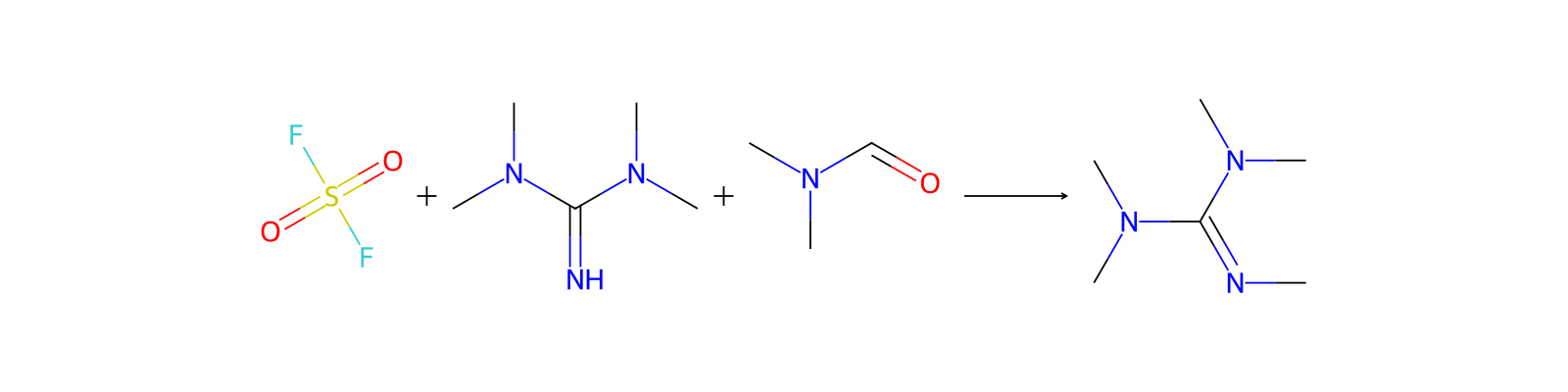
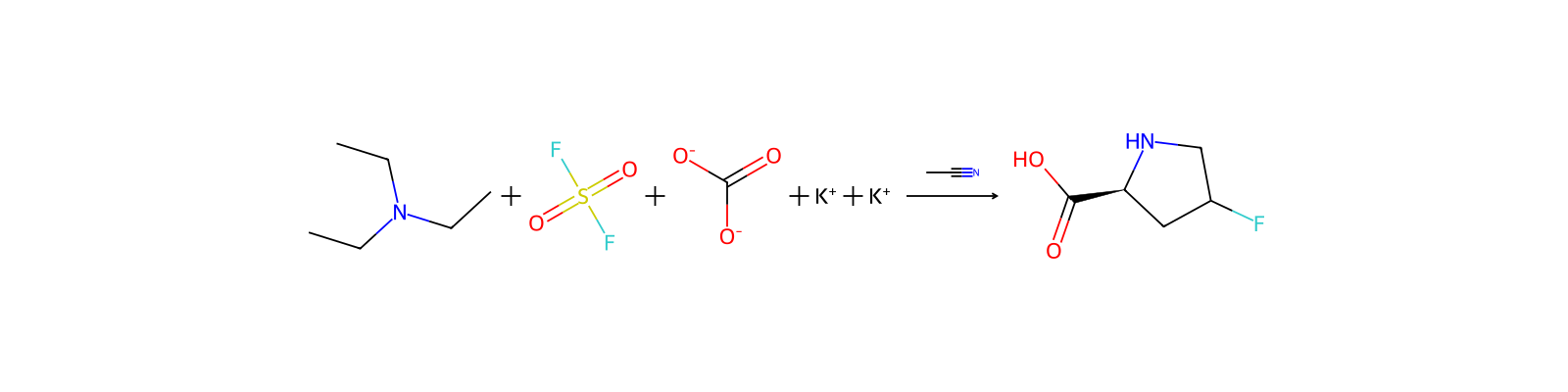
16 records





Linked notes
Loading…