
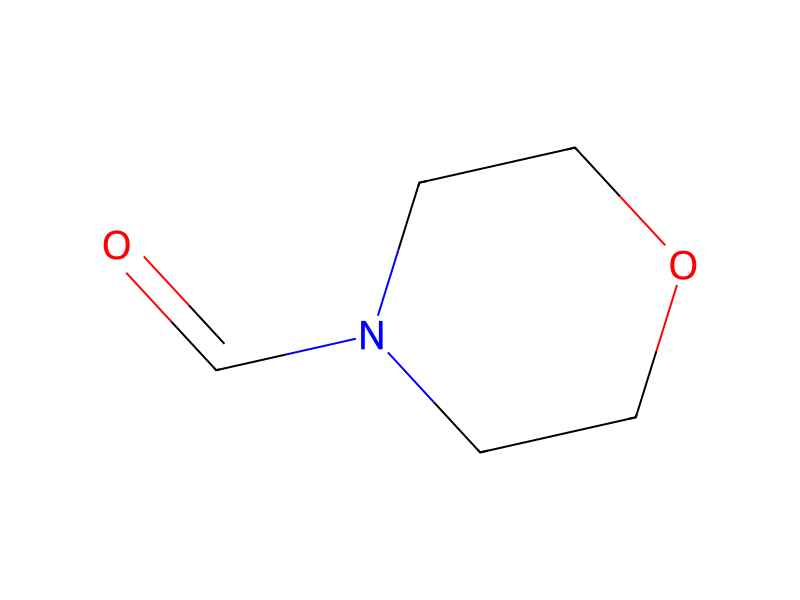
Basic information
- Standard SMILES
O=CN1CCOCC1- InChIKey
LCEDQNDDFOCWGG-UHFFFAOYSA-N- Molecular formula
- C5H9NO2
- Average molar mass
- 115.13 g/mol
- Monoisotopic mass
- 115.06332853
Overview
structure in first source
Names & identifiers
- Preferred name
- N-Formylmorpholine
- IUPAC
- morpholine-4-carbaldehyde
- English name
- 4-Formylmorpholine
- Molecular formula
- C5H9NO2
- Molecular weight
- 115.13
Names & synonyms
4-Formylmorpholine4394-85-84-MorpholinecarboxaldehydeN-FORMYLMORPHOLINEMorpholine, 4-formyl-DTXSID7044427D1E63XO4RHNSC-14833DTXCID5024427RefChem:99981224-518-3morpholine-4-carbaldehyde
Show more names
FormmorpholimeN-FormylmorpholN-Formyl MorpholinTIMTEC-BB SBB0076704-Formylmorpholine>
N-FormylmorfolinMFCD000061704-MorpholinecarbaldehydeN-formyl morpholineN-Formylmorfolin [Czech]formyl morpholineUNII-D1E63XO4RHN-formyhnorpholine
Database identifiers
- CAS
4394-85-8- PubChem CID
- 20417
- DTXSID
DTXSID7044427- UNII
- D1E63XO4RH
- EC Number
- 224-518-3
- Nikkaji
- J149.689A
Properties
Computed structural properties
- XLogP
- -0.6
- Topological polar surface area
- 29.5 Ų
- Hydrogen bond donors
- 0
- Hydrogen bond acceptors
- 2
- Rotatable bonds
- 0
- Heavy atoms
- 8
- Formal charge
- 0
- Complexity
- 78.5
Experimental & physicochemical properties
Chemical ClassesNitrogen Compounds -> Morpholines
SpringerMaterials PropertiesBoiling point
Vapor Pressure0.32 [mmHg]
Physical Description
Liquid; CBI
Clear colorless liquid; mp = 20-23 deg C; [Sigma-Aldrich MSDS]
Physicochemical properties
- Melting point
- 20 · 20-23 °C (lit.)
- Boiling point
- 236 · 236-237 °C (lit.)
- Density
- 1.145 g/mL · 1.145 g/mL at 25 °C (lit.)
- vapor pressure
- 0.03 hPa · 0.03 hPa (20 °C)
- refractive index
- 20 · n20/D 1.485(lit.)
- Flash point
- 230 °F · >230 °F
- storage temp.
- 30 °C · Store below +30°C.
- solubility
- SOLUBLE
- pka
- -0.75 · -0.75±0.20(Predicted)
- form
- Liquid
- color
- Clear yellow
- PH
- 10 · 10 (250g/l, H2O, 20℃)
- explosive limit
- 1.2 · 1.2-8.2%(V)
- Water Solubility
- SOLUBLE
- Sensitive
- Hygroscopic
- BRN
- 110293 · 110293
- Cosmetics Ingredients Functions
- SOLVENT
- InChI
- 1S/C5H9NO2/c7-5-6-1-3-8-4-2-6/h5H,1-4H2
- InChIKey
- LCEDQNDDFOCWGG-UHFFFAOYSA-N
- SMILES
- [H]C(=O)N1CCOCC1
- LogP
- -1.2 at · -1.2 at 23℃
- CAS DataBase Reference
- 4394 · 4394-85-8(CAS DataBase Reference)
- EWG's Food Scores
- 1 · 1
- FDA UNII
- 1 E63XO4RH · D1E63XO4RH
- NIST Chemistry Reference
- N-Formylmorpholine(4394-85-8)
- EPA Substance Registry System
- 4 · 4-Morpholinecarboxaldehyde (4394-85-8)
- UNSPSC Code
- 41116107 · 41116107
- NACRES
- 24 · NA.24
- Symbol(GHS)
- 7 · GHS07
- Signal word
- Warning
- Hazard statements
- 317 · H317
- Precautionary statements
- 261 · P261-P272-P280-P302+P352-P333+P313-P362+P364
- PPE
- Eyeshields, Gloves, multi-purpose combination respirator cartridge (US)
- Risk Statements
- 36 · 36/37/38
- Safety Statements
- 23 · 23-24/25
- WGK Germany
- 3 · 3
- RTECS
- 9694000 · QD9694000
- Autoignition Temperature
- 345 °C · 345 °C DIN 51794
- TSCA
- TSCA listed
- HS Code
- 29349990 · 29349990
- Storage Class
- 11 · 11 - Combustible Solids
- Hazard Classifications
- 1 · Skin Sens. 1
- Toxicity
- 50 orally · LD50 orally in Rabbit: > 7360 mg/kg LD50 dermal Rabbit > 18400 mg/kg
- REACH Registrations
- Active
Safety & regulation
GHS classification
GHS Classification
Warning
H317 (74.1%): May cause an allergic skin reaction [Warning Sensitization, Skin]
P261, P264+P265, P271, P272, P280, P302+P352, P304+P340, P305+P351+P338, P319, P321, P333+P317, P337+P317, P362+P364, P403+P233, P405, and P501 (click each P-code to see the statement)
Aggregated GHS information provided per 259 reports by companies from 9 notifications to the ECHA C&L Inventory. Each notification may be associated with multiple companies.
Warning
H317: May cause an allergic skin reaction [Warning Sensitization, Skin]
Hazard information
Regulatory Information
Chemical: 4-Morpholinecarboxaldehyde
4-Morpholinecarboxaldehyde is listed on the EPA's Chemical Data Reporting (CDR) system. Manufacturers and importers of 4-Morpholinecarboxaldehyde are required to report information about their production and use of this chemical to the EPA under the Toxic Substances Control Act (TSCA). (40 eCFR Part 711)
PMN - indicates a commenced PMN (Pre-Manufacture Notices) substance.
Status: Active Update: 29-03-2023 https://echa.europa.eu/registration-dossier/-/registered-dossier/11158
4-Morpholinecarboxaldehyde: Does not have an individual approval but may be used under an appropriate group standard
Hazards Summary
A mild skin and eye irritant; Oral LD50 (rat) = 6.5 mL/kg; [RTECS] May cause skin sensitization; [ECHA REACH Registrations] Search for (4394-85-8[EC/RN Number]) AND (dermatitis OR allergic OR sensitizer OR sensitization): no results; [PubMed] An eye and mild skin irritant; [Sigma-Aldrich MSDS]
Hazard Classes and Categories
Skin Sens. 1 (74.1%)
Skin sensitization - Category 1B
Safety data
- PPE
- Eyeshields, Gloves, multi-purpose combination respirator cartridge (US)
- wgk
- 3
- tsca
- TSCA listed
- rtecs
- QD9694000
- hs_code
- 29349990
- Toxicity
- LD50 orally in Rabbit: > 7360 mg/kg LD50 dermal Rabbit > 18400 mg/kg
- risk_code
- 36/37/38
- Signal word
- Warning
- Symbol(GHS)
- GHS07
- safety_code
- 23-24/25
- Storage Class
- 11 - Combustible Solids
- Hazard statements
- H317
- REACH Registrations
- Active
- Hazard Classifications
- Skin Sens. 1
- Autoignition Temperature
- 345 °C DIN 51794
- Precautionary statements
- P261-P272-P280-P302+P352-P333+P313-P362+P364
Chemistry & industry
Uses & manufacturing
Uses
Used as an intermediate, laboratory reagent, in gas treatment, cleaning agents, and professional and consumer coatings; [ECHA REACH Registrations]
Painting (Pigments, Binders, and Biocides) [Category: Paint]
U.S. Production2023: 75,000 - <500,000 lb
Consumer UsesViscosity modifiers
Industry UsesIntermediate
General Manufacturing Information
Computer and Electronic Product Manufacturing
4-Morpholinecarboxaldehyde: ACTIVE
Applications
Description4-Formylmorpholine is an excellent non-protonic solvent. It is widely used as a solvent and extractant for aromatics. It is used as a detergent for acid gases. In the field of organic synthesis, it can be used to prepare labelled 14C, 4-(trifluoromethyl)morpholine, 3-alkyl-2-chloro-5,6-dihydrobenzaldehyde, triple-biphenyldialdehyde and phenylpropargyl aldehyde. It plays an important role in the desulphurisation of natural gas, syngas, flue gas and petrol.
Uses4-Formylmorpholine is widely used as a solvent and extracting agent for aromatics. It is used as a scrubbing agent for acidic gases. It is employed in the preparation of adenine hydrochloride labeled with 14C, 4-(trifluoromethyl)morpholine, 3-alkyl-2-chloro-5,6-dihydrobenzaldehyde and terphenyl dialdehyde. It plays an important role in the desulfurization of natural gas, synthetic gas, flue gas and gasoline.
Uses4-Formylmorpholine has been used in the preparation of:adenine hydrochloride labelled with 14Cterphenyl dialdehyde
General DescriptionTreatment of 4-formylmorpholine with sulphur tetrafluoride in the presence of potassium fluoride gives 4-(trifluoromethyl)morpholine in excellent yields. 4-Formylmorpholine reacts with series of 2-alkyl-2-cyclohexen-1-ones in the presence of POCl3 to give the corresponding 3-alkyl-2-chloro-5,6-dihydrobenzaldehydes and allylic alcohols (by-product).
Upstream & downstream products
Upstream raw materials
Downstream products
Suppliers50 total
国药集团化学试剂有限公司86-21-63210123 · [email protected]
梯希爱(上海)化成工业发展有限公司021-67121386 · [email protected]
上海阿拉丁生化科技股份有限公司400-6206333 13167063860 · [email protected]
山东前元高分子材料有限公司18678041314 18765609661 · [email protected]
韶远科技(上海)有限公司021-50795510 4000665055 · [email protected]
科瑞迪化学400-821-5857 021-64326257 · [email protected]
上海迈瑞尔生化科技有限公司4006356688 18621169109 · [email protected]
阿法埃莎(中国)化学有限公司400-6106006 · [email protected]
安耐吉化学&3A(安徽泽升科技股份有限公司)400-0056266 · [email protected]
上海瀚鸿科技股份有限公司021-54306202 13764082696 · [email protected]
上海景颜化工科技有限公司13817811078 · [email protected]
嘉兴市艾森化工有限公司0573-85285100 18627885956 · [email protected]
上海比阳实业有限公司+86-15021878111 · [email protected]
湖北微斯汀科技有限公司027-61182895 13367240285 · [email protected]
山东西亚化学有限公司13355009207 13355009207 · [email protected]
玛雅试剂+86 (573) 82222445 (0)18006601000 452520369 · [email protected]
四川库利南科技有限公司400-1166-196 18981987031 · [email protected]
天津希恩思生化科技有限公司400 638 7771 · [email protected]
湖南汇百侍生物科技有限公司0731-85526065 13308475853 · [email protected]
艾科试剂4008-755-333 18080918076 · [email protected]
上海思域化工科技有限公司86-21-34053660 · [email protected]
赛默飞世尔科技(中国)有限公司800-810-5118 · [email protected]
北京伊诺凯科技有限公司400-810-7969 010-59572699 · [email protected]
上海健超生物科技有限公司150-2103-5486 18017383231 · [email protected]
TCI AMERICA800-4238616 · [email protected]
TOKYO CHEMICAL INDUSTRY CO., LTD.03-36680489 · [email protected]
TCI Europe320-37350700 · [email protected]
上海睿升化工科技有限公司+86-021-50935922
上海将来实业股份有限公司021-61552785 · [email protected]
安徽科迪达化工有限公司0554-2106669 · [email protected]
HBCChem, Inc.+1-510-219-6317 · [email protected]
日照力德士化工有限公司010-51268198 · [email protected]
美岚实业(上海)有限公司021-58958189 · [email protected]
上海石洋化工有限公司021-56795766 · [email protected]
上海爱蝶实业有限公司021-58957966 18930537195 · [email protected]
成都零六生物科技有限公司400-1166-196 13458535857 · [email protected]
广拓化学(上海)有限公司021-60899189-8001 18918189673 · [email protected]
湖南华腾制药有限公司400-8592883 · [email protected]
上海馨远医药科技有限公司021-24206007 13764915196 · [email protected]
杭州宇昊化工科技有限公司0571-82693216 · [email protected]
上海御略医药科技有限公司021-60345187 13671753212 · [email protected]
上海麦克林生化科技股份有限公司15221275939 15221275939 · [email protected]
杭州杰恒化工有限公司0571-87396432 · [email protected]
青岛瑞那斯高分子材料有限公司0532-0532-86867058 18562606086 · [email protected]
上海有朋化工有限公司021-69005955 13701776567 · [email protected]
北京海力扬化学科技有限公司13718199399 · [email protected]
四川海诺威科技有限公司13708085536 13708085536 · [email protected]
江苏艾康生物医药研发有限公司025-66028182 17714375163 · [email protected]
上海凯赛化工有限公司021-33516722 13701817765 · [email protected]
上海彤源化工有限公司021-021-69182866 13701855675 · [email protected]
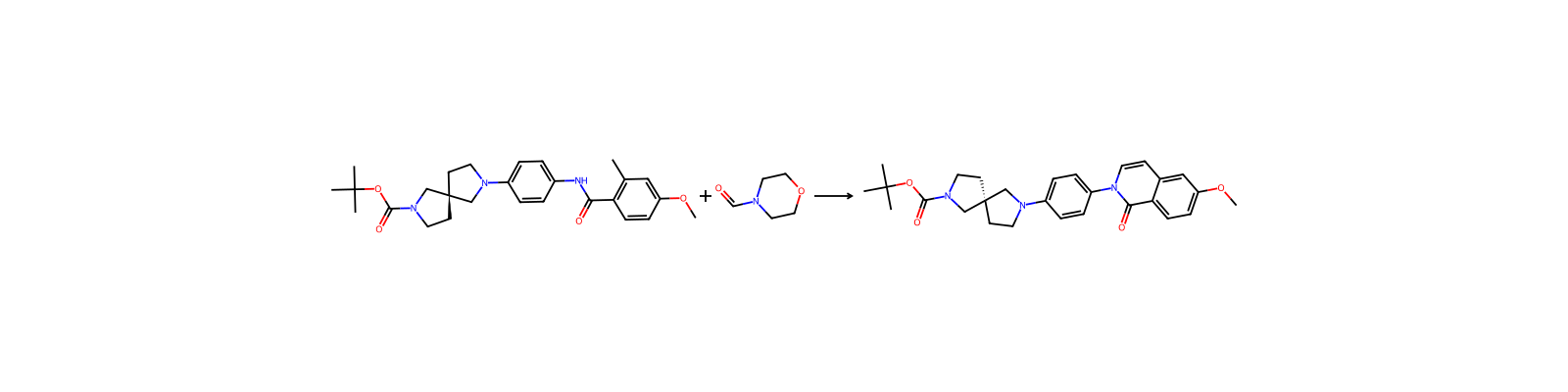
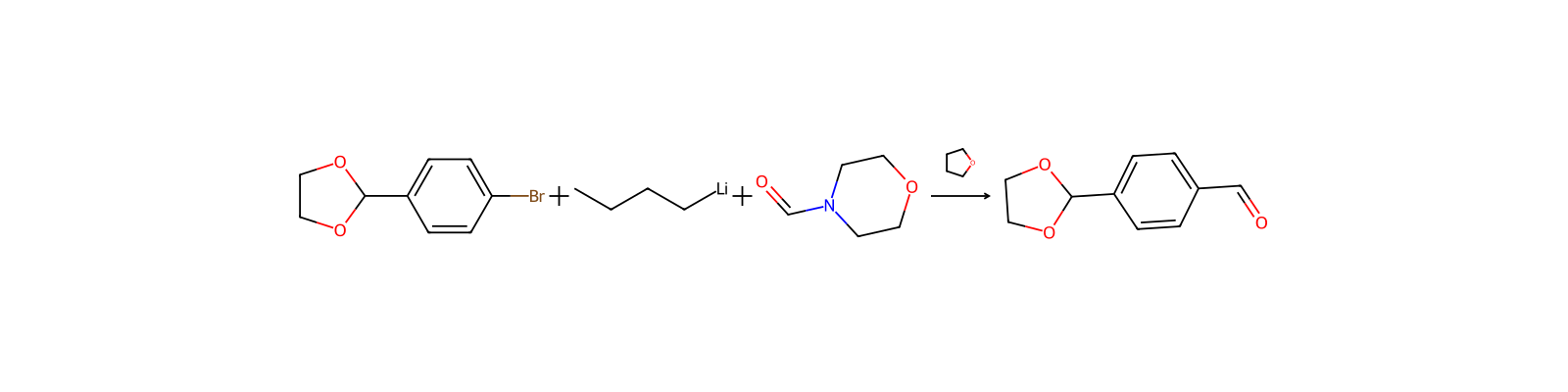
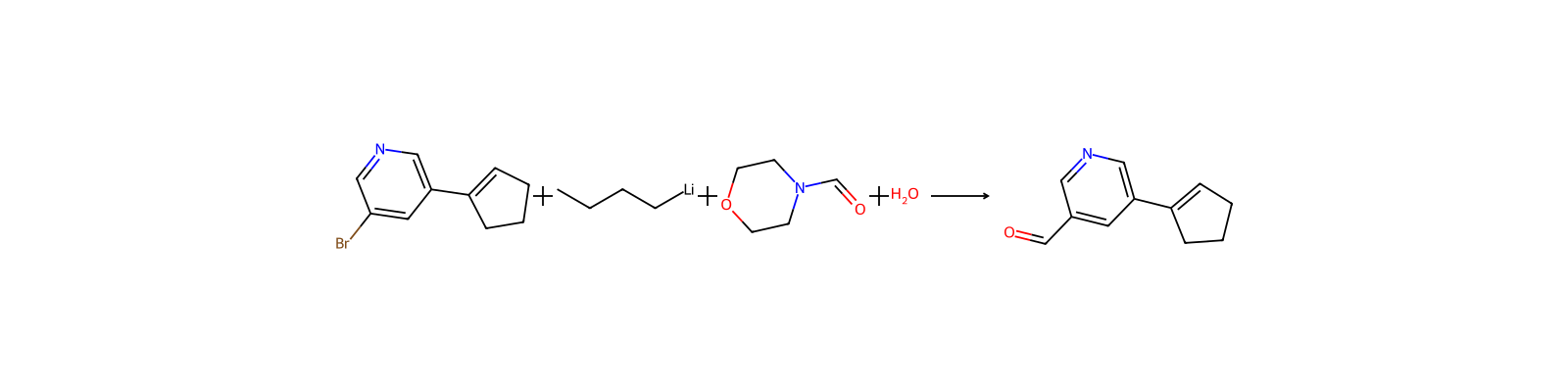
Related reactions
174 records




Linked notes
Loading…