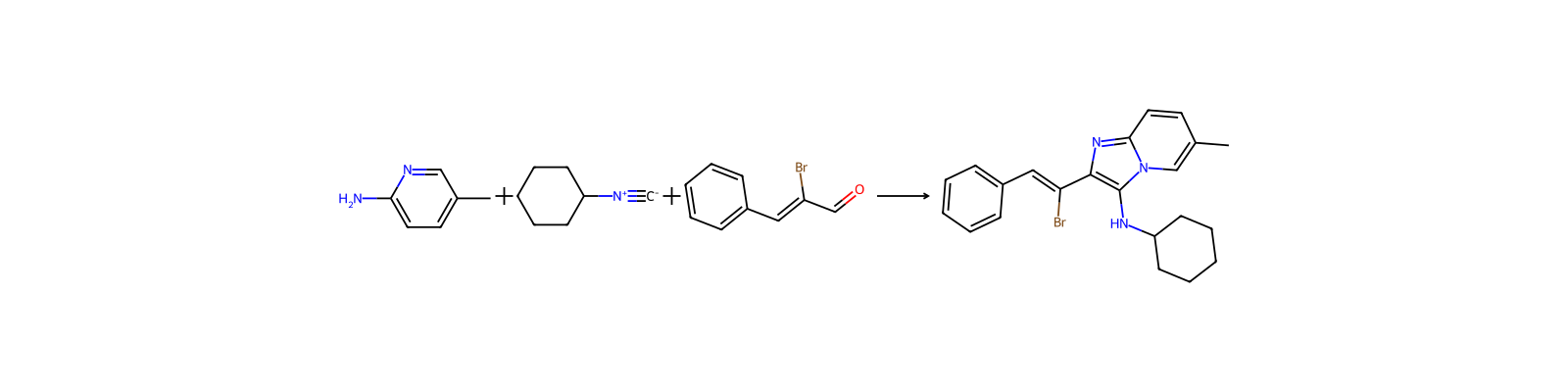
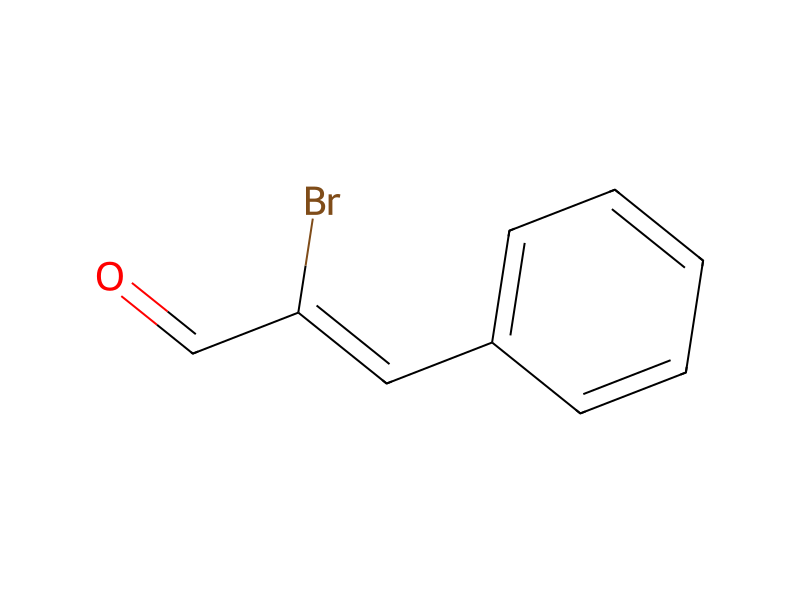
Basic information
- Standard SMILES
O=CC(Br)=Cc1ccccc1- InChIKey
WQRWNOKNRHCLHV-UHFFFAOYSA-N- Molecular formula
- C9H7BrO
- Average molar mass
- 211.05 g/mol
- Monoisotopic mass
- 209.96803
Names & identifiers
- Preferred name
- alpha-Bromocinnamaldehyde
- IUPAC
- 2-bromo-3-phenylprop-2-enal
- English name
- α-Bromocinnamaldehyde
- Molecular formula
- C9H7BrO
- Molecular weight
- 211.06
Names & synonyms
DTXSID301021256Bromocinnamalalpha-Bromocinnamic aldehydeRefChem:555414DTXCID601506310226-637-62-Bromocinnamaldehyde5443-49-2alpha-Bromocinnamaldehyde2-bromo-3-phenylprop-2-enalMFCD0000696599686-39-2
Show more names
2-bromo-3-phenyl-2-propenal(Z)-2-Bromo-3-phenylacrylaldehydeb36b37B 37Alphabrocineα-BromocinnamaLAKOS BBS-00003210α-Bromociamaldehyde
a-Bromocinnamaldehydebromocinnamaldehyde2-bromo-3-phenyl-propenalSCHEMBL567063SCHEMBL58042092-bromo-3-phenyl-prop-2-enalSY048553DB-020609
Database identifiers
- CAS
5443-49-2- PubChem CID
- 21585
- DTXSID
DTXSID301021256- EC Number
- 226-637-6
Properties
Computed structural properties
- XLogP
- 2.7
- Topological polar surface area
- 17.1 Ų
- Hydrogen bond donors
- 0
- Hydrogen bond acceptors
- 1
- Rotatable bonds
- 2
- Heavy atoms
- 11
- Formal charge
- 0
- Complexity
- 157
Experimental & physicochemical properties
Physical DescriptionTan crystalline powder; [Alfa Aesar MSDS]
Physicochemical properties
- Melting point
- 66 · 66-68 °C(lit.)
- Boiling point
- 304.4 · 304.4±30.0 °C(Predicted)
- Density
- 1.427 · 1.4270 (rough estimate)
- refractive index
- 1.572 · 1.5720 (estimate)
- storage temp.
- 2 · 2-8°C
- form
- Crystalline Powder
- color
- Light yellow to ochre
- Cosmetics Ingredients Functions
- FRAGRANCE
- InChI
- InChI=1S/C9H7BrO/c10-9(7-11)6-8-4-2-1-3-5-8/h1-7H
- InChIKey
- WQRWNOKNRHCLHV-UHFFFAOYSA-N
- SMILES
- C(=O)C(Br)=CC1=CC=CC=C1
- LogP
- 2.491 · 2.491 (est)
- CAS DataBase Reference
- 5443 · 5443-49-2(CAS DataBase Reference)
- EWG's Food Scores
- 1 · 1
- NIST Chemistry Reference
- 2 · 2-Propenal, 2-bromo-3-phenyl-(5443-49-2)
- UNSPSC Code
- 12352100 · 12352100
- Symbol(GHS)
- 7 · GHS07
- Signal word
- Warning
- Hazard statements
- 302 · H302-H315-H319-H335
- Precautionary statements
- 261 · P261-P264-P270-P301+P312-P302+P352-P305+P351+P338
- target organs
- Respiratory system
- PPE
- 95 · dust mask type N95 (US), Eyeshields, Gloves
- Hazard Codes
- Xn
- Risk Statements
- 22 · 22-36/37/38
- Safety Statements
- 26 · 26-36/37/39-22
- RIDADR
- 3335 · UN 3335
- WGK Germany
- 3 · 3
- RTECS
- 6480000 · GD6480000
- HS Code
- 29130000 · 29130000
- Storage Class
- 11 · 11 - Combustible Solids
- Hazard Classifications
- 4 OralEye · Acute Tox. 4 OralEye Irrit. 2Skin Irrit. 2STOT SE 3
Safety & regulation
GHS classification
GHS Classification
Warning
H302 (100%): Harmful if swallowed [Warning Acute toxicity, oral];H315 (100%): Causes skin irritation [Warning Skin corrosion/irritation];H319 (100%): Causes serious eye irritation [Warning Serious eye damage/eye irritation];H335 (97.8%): May cause respiratory irritation [Warning Specific target organ toxicity, single exposure; Respiratory tract irritation]
P261, P264, P264+P265, P270, P271, P280, P301+P317, P302+P352, P304+P340, P305+P351+P338, P319, P321, P330, P332+P317, P337+P317, P362+P364, P403+P233, P405, and P501 (click each P-code to see the statement)
Aggregated GHS information provided per 46 reports by companies from 6 notifications to the ECHA C&L Inventory. Each notification may be associated with multiple companies.;Information may vary between notifications depending on impurities, additives, and other factors. The percentage value in parenthesis indicates the notified classification ratio from companies that provide hazard codes. Only hazard codes with percentage values above 10% are shown. For more detailed information, please visit ECHA C&L website.
Hazard information
Hazards SummaryCauses somnolence in oral, intraperitoneal, and subcutaneous lethal-dose studies of rats; [RTECS] A skin and strong eye irritant; Toxic by ingestion; [Alfa Aesar MSDS]
Hazard Classes and CategoriesAcute Tox. 4 (100%);Skin Irrit. 2 (100%);Eye Irrit. 2 (100%);STOT SE 3 (97.8%)
Safety data
- PPE
- dust mask type N95 (US), Eyeshields, Gloves
- wgk
- 3
- rtecs
- GD6480000
- ridadr
- UN 3335
- hs_code
- 29130000
- risk_code
- 22-36/37/38
- Signal word
- Warning
- Symbol(GHS)
- GHS07
- hazard_code
- Xn
- safety_code
- 26-36/37/39-22
- Storage Class
- 11 - Combustible Solids
- target organs
- Respiratory system
- Hazard statements
- H302-H315-H319-H335
- Hazard Classifications
- Acute Tox. 4 OralEye Irrit. 2Skin Irrit. 2STOT SE 3
- Precautionary statements
- P261-P264-P270-P301+P312-P302+P352-P305+P351+P338
Chemistry & industry
Uses & manufacturing
UsesAnti-mildew agent. [ChemIDplus]
Use ClassificationCosmetics -> Masking
Applications
Usesα-Bromocinnamaldehyde was used in the synthesis of 3,4-diaryl 1H-pyrazoles. It was also used in the preparation of spiro imidazolidine-oxazolidine intermediate via guanidinium ylide mediated aziridination.
General Descriptionα-Bromocinnamaldehyde is commonly employed as an anti-mildew agent in commercial products.
Upstream & downstream products
Upstream raw materials
Downstream products
Suppliers50 total
梯希爱(上海)化成工业发展有限公司021-67121386 · [email protected]
上海阿拉丁生化科技股份有限公司400-6206333 13167063860 · [email protected]
上海凌富药物研究有限公司+86(21)5895 0110 19945755304 · [email protected]
上海麦克林生化科技股份有限公司021-50706066 15221275939 · [email protected]
武汉欣扬瑞和化学科技有限公司13720274133 · [email protected]
上海腾准生物科技有限公司19821570922 · [email protected]
陕西缔都新材料有限公司029-63373950 17392216152 · [email protected]
普善实业(陕西)有限公司029-81310890 18165209495 · [email protected]
宁波季诺化学品有限公司0574-87314919 057487319282 · [email protected]
湖北科乐精细化工有限公司027-59101668 19945030958 · [email protected]
Dayang Chem (Hangzhou) Co.,Ltd.+86-0571-88938639 17705817739 · [email protected]
郑州鸿晟医药科技有限公司0371-55695890 15637198702 · [email protected]
科瑞迪化学400-821-5857 021-64326257 · [email protected]
淮安嘉目生物科技有限公司0517-83187139 18205232085 · [email protected]
毕佳索(上海毕得医药科技股份有限公司)400-6005915 · [email protected]
Syntechem Co.,Ltd[email protected]
上海迈瑞尔生化科技有限公司4006356688 18621169109 · [email protected]
北京索莱宝科技有限公司010-50973130 17801761073 · [email protected]
上海辅欣医药科技有限公司+86-021-021-50872116 · [email protected]
上海颖心实验室设备有限公司021-59178156 17002132182 · [email protected]
阿法埃莎(中国)化学有限公司400-6106006 · [email protected]
安耐吉化学&3A(安徽泽升科技股份有限公司)400-0056266 · [email protected]
上海瀚鸿科技股份有限公司021-54306202 13764082696 · [email protected]
上海钰康生物科技有限公司18939844854 · [email protected]
广东方信生物科技有限公司0751-2838688 13376594225 · [email protected]
上海钰康生物科技有限公司+86-18930848214 +86-021-56762820 · [email protected]
山东西亚化学有限公司13355009207 13355009207 · [email protected]
上海健超生物科技有限公司15021035486 18081542813 · [email protected]
玛雅试剂+86 (573) 82222445 (0)18006601000 452520369 · [email protected]
天津希恩思生化科技有限公司400 638 7771 · [email protected]
艾科试剂4008-755-333 18080918076 · [email protected]
上海思域化工科技有限公司86-21-34053660 · [email protected]
赛默飞世尔科技(中国)有限公司800-810-5118 · [email protected]
南京诺利斯医药科技有限公司13901585132 · [email protected]
TCI AMERICA800-4238616 · [email protected]
TOKYO CHEMICAL INDUSTRY CO., LTD.03-36680489 · [email protected]
TCI Europe320-37350700 · [email protected]
上海贤鼎生物科技有限公司4009209199 · [email protected]
深圳市石金谷科技有限公司(0086)755-61930359 (0086)18038192047 · [email protected]
上海将来实业股份有限公司400-0066400 13621662912 · [email protected]
上海将来实业股份有限公司021-61552785 · [email protected]
安徽科迪达化工有限公司0554-2106669 · [email protected]
成都零六生物科技有限公司400-1166-196 13458535857 · [email protected]
雷丁试剂0510-85629785 18013409632 · [email protected]
上海创赛科技有限公司400-6087598 15021221957 · [email protected]
上海兴鲁化工科技有限公司02120970332 · [email protected]
Sigma-Aldrich西格玛奥德里奇(上海)贸易有限公司021-61415566 800-8193336 · [email protected]
Alfa Chemistry1-516-6625404 · [email protected]
上海谱振生物科技有限公司4001650900 13817534909 · [email protected]
广东翁江化学试剂有限公司0751-2886766 13927870850 · [email protected]
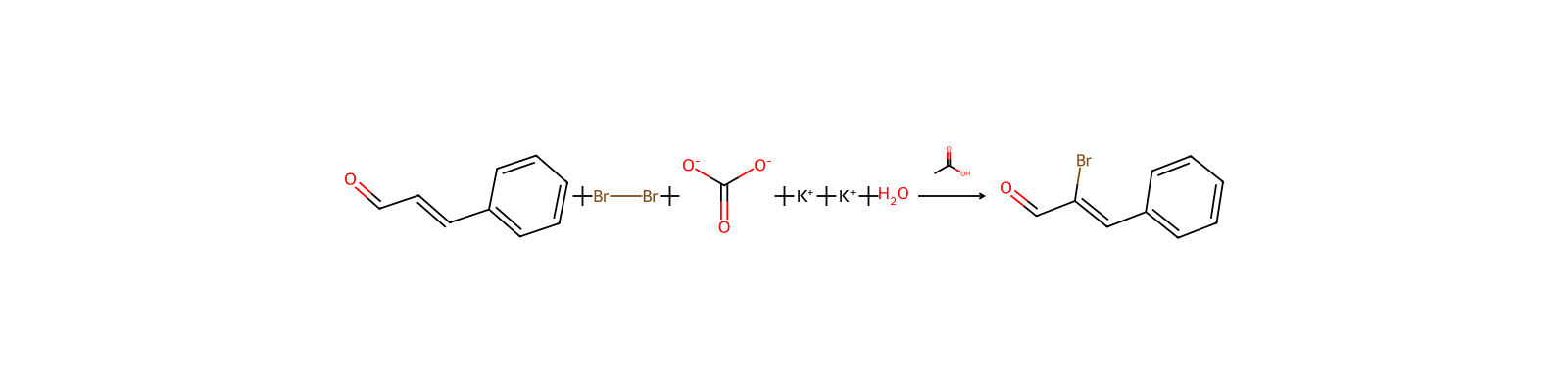
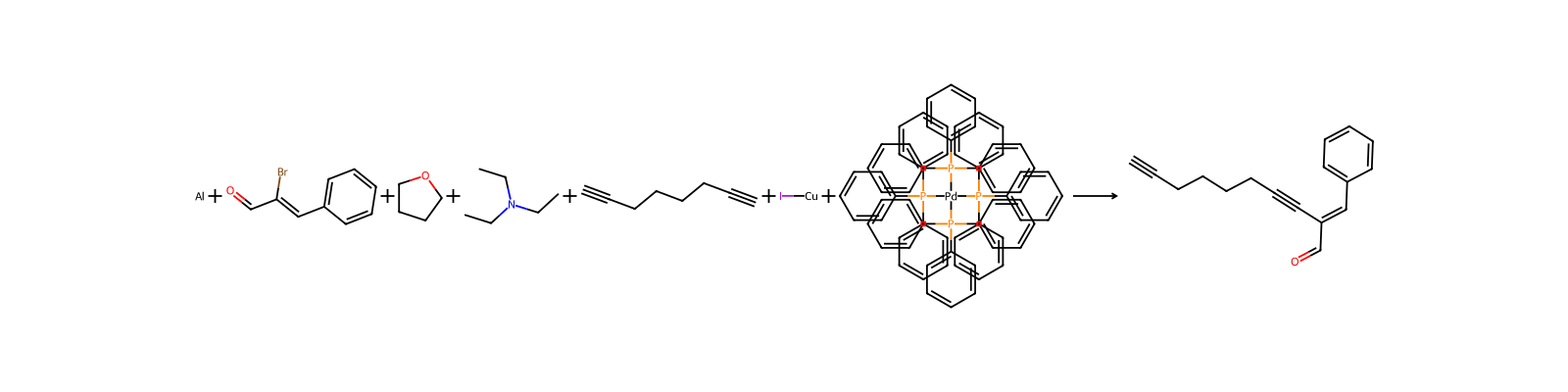
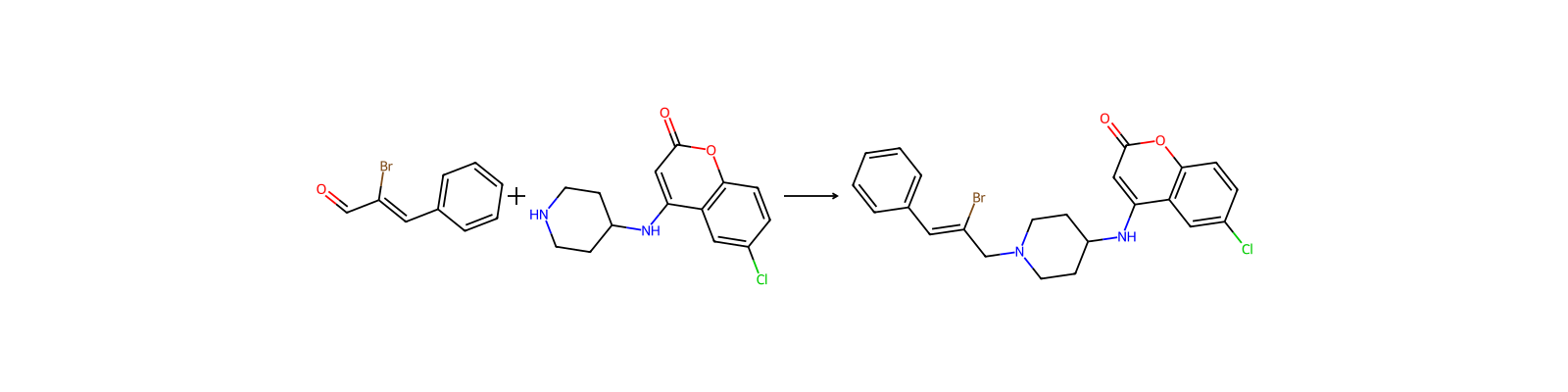
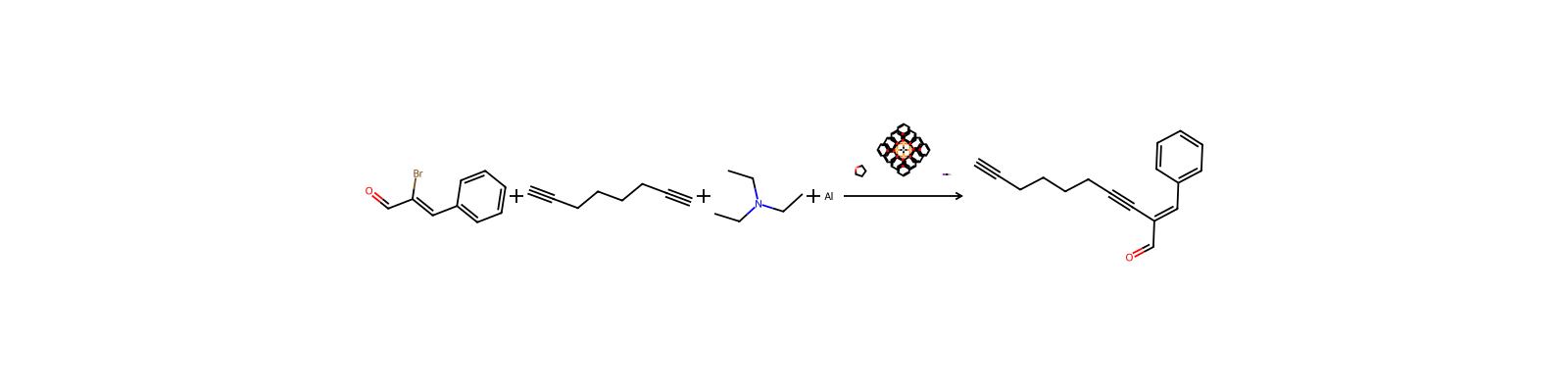
Related reactions
8 records



Linked notes
Loading…