HomeMCPWorkbenchSkills
HomeWorkbenchNotificationsMe
Huagongshe Open Program:[email protected]AI access: llms.txt · MCP GuidePrivacy Policy · Terms of Service · Supportv1.7.8
  1. Home
  2. /Compound

Deoxycholic Acid

HCID 222528
NotesReactions
Basic informationOverviewNames & identifiersPropertiesSafety & regulationChemistry & industryRelated reactionsCompound notes
Substructure searchFind similar structures

Basic information

CAS
83-44-3
Standard SMILES
C[C@H](CCC(=O)O)[C@H]1CC[C@H]2[C@@H]3CC[C@@H]4C[C@H](O)CC[C@]4(C)[C@H]3C[C@H](O)[C@]12C
InChIKey
KXGVEGMKQFWNSR-LLQZFEROSA-N
Molecular formula
C24H40O4
Average molar mass
392.6 g/mol
Monoisotopic mass
392.29265976

Overview

Deoxycholic acid is a bile acid that is 5beta-cholan-24-oic acid substituted by hydroxy groups at positions 3 and 12 respectively. It has a role as a human blood serum metabolite. It is a C24-steroid, a dihydroxy-5beta-cholanic acid and a bile acid. It is a conjugate acid of a deoxycholate.

Names & identifiers

Preferred name
Deoxycholic Acid
IUPAC
(4R)-4-[(3R,5R,8R,9S,10S,12S,13R,14S,17R)-3,12-dihydroxy-10,13-dimethyl-2,3,4,5,6,7,8,9,11,12,14,15,16,17-tetradecahydro-1H-cyclopenta[a]phenanthren-17-yl]pentanoic acid
English name
Deoxycholic acid
Molecular formula
C24H40O4
Molecular weight
392.58

Names & synonyms

DEOXYCHOLIC ACID83-44-3CholerebicCholeic acidCholorebicDegalolDroxolanDeoxycholatic acidPyrocholSeptocholDesoxycholsaeure7-Deoxycholic acid
Show more names
DEOXYCHOLATEdeoxycholicDESOXYCHOLIC ACID(R)-4-((3R,5R,8R,9S,10S,12S,13R,14S,17R)-3,12-dihydroxy-10,13-diMethylhexadecahydro-1H-cyclopenta[a]phenanthren-17-yl)pentanoic acidCHOLAIC ACIDDEOXYCHOLIC ACID FREE ACID SIGMAULTRANSC 8797
7alpha-Deoxycholic acid3alpha,12alpha-Dihydroxy-5beta-cholanic acidCholic acid, deoxy-3,12-Dihydroxycholanic acidATX-101Dihydroxycholanoic acidDeoxy cholic acid3alpha,12alpha-Dihydroxy-5beta-cholan-24-oic acid

Database identifiers

CAS
83-44-3
PubChem CID
222528
DTXSID
DTXSID0042662
ChEMBL
CHEMBL406393、CHEMBL453873

Properties

Computed structural properties

XLogP
4.9
Topological polar surface area
77.8 Ų
Hydrogen bond donors
3
Hydrogen bond acceptors
4
Rotatable bonds
4
Heavy atoms
28
Formal charge
0
Complexity
605

Experimental & physicochemical properties

Chemical Classes · 2 items

Bile Acids -> Quant Bile Acids

Other Classes -> Organic Acids

DrugsPharmaceuticals -> Listed in ZINC15
LipidsLipids -> Sterol Lipids [ST] -> Bile acids and derivatives [ST04] -> C24 bile acids, alcohols, and derivatives [ST0401]
SpringerMaterials PropertiesCrystal structure
LogP · 2 items

log Kow = 3.50

3.50

Food AdditivesEMULSIFIER OR EMULSIFIER SALT -> FDA Substance added to food
Color/FormCRYSTALS FROM ALC
Solubility · 4 items

SOLUBILITY IN WATER: GREATER THAN 333 G/L @ 15 °C /NA SALT/

@ 15 °C: 0.24 G/L IN WATER, 220.7 G/L IN ALC, IN ETHER: 1.16 G/L, IN CHLOROFORM: 2.94 G/L, IN BENZENE: 0.12 G/L, IN ACETONE: 10.46 G/L, IN GLACIAL ACETIC ACID: 9.06 G/L; SOL IN SOLN OF ALKALI HYDROXIDES OR CARBONATES

water solubility = 43.6 mg/l @ 20 °C

0.0436 mg/mL

Safety & regulation

GHS classification

GHS Classification · 4 items

Warning

H302 (100%): Harmful if swallowed [Warning Acute toxicity, oral]

P261, P264, P264+P265, P270, P271, P280, P301+P317, P302+P352, P304+P340, P305+P351+P338, P319, P321, P330, P332+P317, P337+P317, P362+P364, P403+P233, P405, and P501 (click each P-code to see the statement)

Aggregated GHS information provided per 49 reports by companies from 7 notifications to the ECHA C&L Inventory. Each notification may be associated with multiple companies.

Hazard information

Regulatory Information · 3 items

Chemical: Cholan-24-oic acid, 3,12-dihydroxy-, (3.alpha.,5.beta.,12.alpha.)-

Status: Active Update: 24-05-2018 https://echa.europa.eu/registration-dossier/-/registered-dossier/24692

Deoxycholic acid: Does not have an individual approval but may be used under an appropriate group standard

Other Safety InformationIMAP assessments - Cholan-24-oic acid, 3,12-dihydroxy-, (3.alpha.,5.beta.,12.alpha.)-: Human health tier I assessment
Hazards SummaryEmergency treatment: symptomatic drug ingestion; [HSDB] An irritant; [MSDSonline]
Hazard Classes and CategoriesAcute Tox. 4 (100%)

Safety & protection

Disposal Methods · 1 item

SRP: At the time of review, criteria for land treatment or burial (sanitary landfill) disposal practices are subject to significant revision. Prior to implementing land disposal of waste residue (including waste sludge), consult with environmental regulatory agencies for guidance on acceptable disposal practices.

Toxicology

Chemistry & industry

Pharmacology

ATC Code · 2 items

D - Dermatologicals

QD - Dermatologicals

Bionecessity · 1 item

Normal functioning of the GI tract depends on appropriate synthesis and enterohepatic circulation of bile acids ... which are synthesized from cholesterol The primary bile acids are cholic acid and chenodeoxycholic acid. Bacterial metabolism of these primary bile acids in the colon forms secondary bile acids, of which deoxycholic acid is the principal specie. Secondary bile acids are absorbed in the colon and cycle with the primary bile acids. Cholic acid, chenodeoxycholic acid, and deoxy- cholic acid constitute 95% of the biliary bile acids.

Protein Binding98%
Mechanism of Action · 3 items

As a bile acid, deoxycholic acid emulsifies fat in the gut. Synthetically derived deoxycholic acid, when injected, stimulates a targeted breakdown of adipose cells by disrupting the cell membrane and causing adipocytolysis. This results in an inflammatory reaction and clearing of the adipose tissue remnants by macrophages. Deoxycholic acid's actions are reduced by albumin and tissue-associated proteins, therefore its effect is limited to protein-poor subcutaneous fat tissue. Protein-rich tissues like muscle and skin are unaffected by deoxycholic acid, contributing to its safety profile.

IN SOLN CONJUGATED BILE SALTS FORM MICELLES IN WHICH LIPID MATERIALS MAY BE ENTRAINED. ...ALSO PROMOTE DIGESTION OF FATS BY STIMULATING PANCREATIC SECRETION & BY ACTIVATING PANCREATIC LIPASE. ... DEOXYCHOLIC.../ACID/ PROMOTE/S/ NET EXCRETION OF NA, K, & WATER IN COLON...MAY BE...FACTORS REGULATING COLONIC ABSORPTION.

DEOXYCHOLATE ADMIN DECR ABSORPTION OF CHOLESTEROL FROM HUMAN INTESTINAL TRACT. IT APPEARED TO INFLUENCE INTESTINAL FLORA AS ASSESSED INDIRECTLY BY ANALYSIS OF TYPES OF NEUTRAL STEROLS ELIM WITH FECES.

Metabolism/MetabolitesDeoxycholic acid is not metabolized to any significant extent under normal conditions.
FDA Pharmacological Classification · 6 items

005990WHZZ

DEOXYCHOLIC ACID

Related reactions

18 records
New reaction record
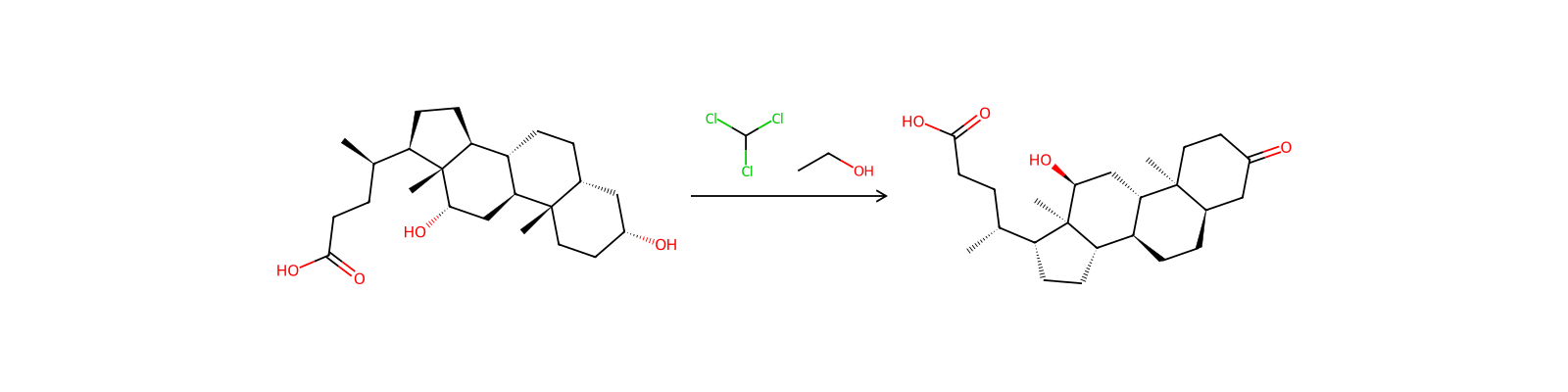
HRID 241529 reaction equation
HRID 241529As reactantuspto-grants-2014_02
HRID 258235 reaction equation
HRID 258235As reactantuspto-grants-1993_11
HRID 385172 reaction equation
HRID 385172As productuspto-grants-2013_02
HRID 463532 reaction equation
HRID 463532As reactantuspto-grants-1985_05
HRID 481936 reaction equation
HRID 481936As productuspto-grants-1998_08
HRID 586111 reaction equation
HRID 586111As reactantuspto-grants-2005_08
HRID 601753 reaction equation
HRID 601753As productuspto-grants-2011_03
HRID 1296194 reaction equation
HRID 1296194As productuspto-grants-2007_07
Page 1 of 3

Compound notes

Loading…

On this pageBasic informationOverviewNames & identifiersPropertiesSafety & regulationChemistry & industryRelated reactionsCompound notes
ChEBI
CHEBI:28834
UNII
005990WHZZ
EC Number
201-478-5
Nikkaji
J3.873C
Human Drugs · 2 items

FDA approved drugs -> Active ingredient

FDA approved drugs -> Active ingredient

DecompositionWhen heated to decomposition it emits acrid smoke and irritating fumes.
Melting Point · 2 items

176-178 °C

171 - 174 °C

Food Contact SubstancesFCS -> FDA Inventory of Food Contact Substances Listed in 21 CFR

Physicochemical properties

Melting point
171 · 171-174 °C(lit.)
alpha
55 · 55 º (c=1, EtOH)
Boiling point
437.26 °C · 437.26°C (rough estimate)
Density
0.9985 · 0.9985 (rough estimate)
vapor pressure
0.004 Pa · 0.004Pa at 20℃
refractive index
1.446 · 1.4460 (estimate)
Flash point
9 ℃ · 9℃
storage temp.
room temp
solubility
0.24 g/L · 0.24 g/L (15°C)
pka
5.15 · 5.15(at 20℃)
form
Solid
color
White to Off-White
biological source
ox bile
optical activity
20 · [α]20/D +54±1°, c = 1% in ethanol
Water Solubility
0.24 g/L · 0.24 g/L (15 ºC)
Merck
14 · 14,2899
BRN
3219882 · 3219882
Stability
Stable. Combustible. Incompatible with strong oxidizing agents.
Cosmetics Ingredients Functions
SKIN CONDITIONINGHUMECTANTSKIN CONDITIONING - EMOLLIENT
InChIKey
KXGVEGMKQFWNSR-LLQZFEROSA-N
SMILES
C[C@H](CCC(O)=O)[C@H]1CC[C@H]2[C@@H]3CC[C@@H]4C[C@H](O)CC[C@]4(C)[C@H]3C[C@H](O)[C@]12C
LogP
5.34 at · 5.34 at 22℃ and pH5.7
Surface tension
54 mN/m · 54mN/m at 51.3mg/L and 20℃
CAS DataBase Reference
83 · 83-44-3(CAS DataBase Reference)
SCOGS (Select Committee on GRAS Substances)
Desoxycholic acid
Substances Added to Food (formerly EAFUS)
DESOXYCHOLIC ACID
FDA 21 CFR
178.101 · 178.1010
FDA UNII
5990 WHZZ · 005990WHZZ
ATC code
11 AX24 · D11AX24
EPA Substance Registry System
-24 · Cholan-24-oic acid, 3,12-dihydroxy-, (3.alpha.,5.beta.,12.alpha.)- (83-44-3)
UNSPSC Code
41116107 · 41116107
NACRES
77 · NA.77
Symbol(GHS)
7 · GHS07
Signal word
Warning
Hazard statements
302 · H302
Precautionary statements
301 · P301+P312+P330
target organs
Eyes,Central nervous system
Hazard Codes
Xn
Risk Statements
22 · 22-36/37/38-37-20/21/22
Safety Statements
26 · 26-36-37/39-22
RIDADR
1230 · UN1230 - class 3 - PG 2 - Methanol, solution
WGK Germany
3 · 3
RTECS
2100000 · FZ2100000
TSCA
TSCA listed
HS Code
29181990 · 29181990
Storage Class
3 · 3 - Flammable liquids
Hazard Classifications
3 DermalAcute · Acute Tox. 3 DermalAcute Tox. 3 InhalationAcute Tox. 3 OralFlam. Liq. 2STOT SE 1
Hazardous Substances Data
83 · 83-44-3(Hazardous Substances Data)
Toxicity
50 oral · LD50 oral in rat: 1gm/kg
REACH Registrations
Active
Interactions · 3 items

...COMPETITION FOR EXTRAVASCULAR BINDING SITES BY DEOXYCHOLIC ACID MAY EXPLAIN REDUCED VOL OF DISTRIBUTION OF BROMSULFOPHTHALEIN IN PRESENCE OF BILE ACID.

COMPD INCL DEOXYCHOLATE POTENTIATED ANTISTAPHYLOCOCCI ACTIVITY OF GENTAMYCIN, MONOMYCIN, KANAMYCIN, & NEOMYCIN.

Deoxycholic acid was tested alone and as a promoter of N-nitrosobis(2-hydroxypropyl)amine induced carcinogenesis in the hamster. Three groups of 5 to 6-wk-old male Syrian hamsters (SYR)/NI were used and 10 animals per group were given subcutaneous injections of 0.9% NaCl, once per week for 5 weeks. Group 1 received no further treatment; groups 2 and 3 received 0.1% and 0.5% DCA in their feed for 30 weeks, respectively. Animals were autopsied at week 35. There was no significant difference in body wt. between groups 1 and 2, whereas there was a significant decrease in body weight for group 3 (P<0.005). There were no liver tumors, bile duct proliferation, gallbladder lesions or polyps, pancreatic lesions, or pancreatic duct hyperplasia in these 3 groups. In the promoter study, three groups of 5 to 6-wk-old hamsters (number not stated) were given a subcutaneous injection of 500 mg/kg body wt. N-nitrosobis(2-hydroxypropyl)amine per week for 5 weeks. Group 4 received no further treatment and the N-nitrosobis(2-hydroxypropyl)amine treatment was followed by 0.1% DCA (group 5) , or 0.5% DCA (group 6) in the feed for 30 weeks. There was a significant body weight loss (P<0.005) for groups 5 and 6 compared to group 4. DCA significantly increased the induction of cholangiocarcinomas 10/19 in group 5 (P<0.006); 9/25 in group 6 (P<0.05) compared to group 4 which had 1/15. Pancreatic carcinomas were significantly increased in group 5 (14/19, P<0.03). Therefore, under the conditions of this experiment, DCA was not carcinogenic when given alone but was an effective promoter of N-nitrosobis(2-hydroxypropyl)amine-induced hepatic and pancreatic carcinogenesis in hamsters.

Health EffectsChronically high levels of deoxycholic acid are associated with several forms of cancer including colon cancer.
Natural Pollution Sources · 2 items

DEOXYCHOLIC /ACID IS/...FORMED IN INTESTINE BY ACTION OF /ENTERIC/ BACTERIA ON SECRETED BILE ACIDS.

OCCURS IN BILE OF MAN, OX, SHEEP, DOG, GOAT & RABBIT.

Human Toxicity Excerpts · 2 items

Excess bile acids reaching the colon can reduce net water absorption and cause diarrhea. /Bile acids/

FOLLOWING IV INJECTION OF BILE SALTS...THERE IS MARKED FALL IN BLOOD PRESSURE ACCOMPANIED BY A BRADYCARDIA. ...JAUNDICE... IV, BILE SALTS CAUSE SKELETAL MUSCULAR HYPERACTIVITY, TWITCHING, SPASM, DECR IN THRESHOLD FOR NERVE IMPULSES. ...BILE ACIDS...CAUSE LYSIS OF RED & WHITE BLOOD CELLS. /BILE SALTS & BILE ACIDS/

Carcinogen ClassificationNot listed by IARC.
Drug Induced Liver Injury · 6 items

Drug Induced Liver Injury Rank (DILIrank 2.0)

Deoxycholic acid

vNo-DILI-concern

0

No match

DOI:10.1016/j.drudis.2016.02.015

Non-Human Toxicity Excerpts · 5 items

IN DOGS, BILE SALTS DAMAGE GASTRIC MUCOSAL BARRIER, WHICH RESULTS IN BACK DIFFUSION OF ACID. ALTHOUGH NET DIFFUSION INTO LUMEN IS DIMINISHED, MUCOSAL CONCN IS INCREASED & ULCERATION OCCURS. /BILE SALTS/

DEOXYCHOLIC ACID ADDED TO CULTURES: WAS HIGHLY TOXIC TO RAT FIBROBLASTS & COLON CANCER CELLS, LESS TOXIC TO LIVER EPITHELIAL CELLS.

3 MMOL/L INSTILLED INTO RAT COLON LUMEN INCR PERMEABILITY TO WATER & TO UREA, MANNITOL & LACTOSE; DID NOT AFFECT OSMOTIC FILTRATION COEFFICIENTS.

CHOLIC ACID, TAUROCHOLIC ACID, GLYCOCHOLIC ACID, & DEOXYCHOLIC ACID EXERTED ANTIMICROBIAL ACTIVITY AGAINST STAPH IN VITRO: DEOXYCHOLATE MOST EFFECTIVE.

Although hepatocarcinogenesis has been reported to be promoted by exogenous administration of bile acids, the relation of endogenous bile acids to hepatocarcinogenesis is not completely understood. This study investigates the relationship between serum concentration of bile acids, the appearance of preneoplastic change, glutathione S-transferase placental form positive foci in the liver of male Donryu rats which had been fed 0.06% 3'-methyl-4-dimethylamino-azobenzene, and the effects of gomisin A, previously reported to inhibit the tumor promotion process. During the feeding of 3'-methyl-4-dimethylamino-azobenzene for 5 wks, the concn of serum bile acids were found to have increased significantly to several times the levels found at the start of the experiment. The increase of serum bile acids, especially deoxycholic acid, and the appearance of preneoplastic lesions, the number and area of glutathione S-transferase placental-positive foci in the liver, were significantly inhibited by simultaneous oral administration of gomisin A (30 mg/kg). When deoxycholic acid (100 mg/kg) was orally administered after an initiation by 3'-methyl-4-dimethylamino-azobenzene, serum bile acids and preneoplastic changes were significantly increased, these increases were inhibited by combined feeding of 0.03% gomisin A in the diet. There were good correlations between the serum concn of deoxycholic acid and the number of glutathione S-transferase placental-positive foci in the liver in both experimental protocols. These results confirm that deoxycholic acid is an endogenous risk factor for hepatocarcinogenesis and suggest that anti-promoter effect of gomisin A is based on improving metabolism of bile acids, including deoxycholic acid.

Safety data

wgk
3
tsca
TSCA listed
rtecs
FZ2100000
ridadr
UN1230 - class 3 - PG 2 - Methanol, solution
hs_code
29181990
Toxicity
LD50 oral in rat: 1gm/kg
risk_code
22-36/37/38-37-20/21/22
Signal word
Warning
Symbol(GHS)
GHS07
hazard_code
Xn
safety_code
26-36-37/39-22
Storage Class
3 - Flammable liquids
target organs
Eyes,Central nervous system
Hazard statements
H302
REACH Registrations
Active
Hazard Classifications
Acute Tox. 3 DermalAcute Tox. 3 InhalationAcute Tox. 3 OralFlam. Liq. 2STOT SE 1
Precautionary statements
P301+P312+P330
Hazardous Substances Data
83-44-3(Hazardous Substances Data)

Established Pharmacologic Class [EPC] - Cytolytic Agent

Physiologic Effects [PE] - Decreased Cell Membrane Integrity

Deoxycholic acid is a Cytolytic Agent. The physiologic effect of deoxycholic acid is by means of Decreased Cell Membrane Integrity.

DEOXYCHOLIC ACID

MeSH Pharmacological ClassificationGastrointestinal agents that stimulate the flow of bile into the duodenum (cholagogues) or stimulate the production of bile by the liver (choleretic).
Absorption, Distribution and Excretion · 3 items

Deoxycholic acid is rapidly absorbed after subcutaneous administration. After maximum recommended single treatment dose, 100mg, the post-treatment plasma levels returned to endogenous levels within 24 hours. With the proposed treatment guideline, no accumulation is expected.

The exogenous deoxycholic acid joins the endogenous bile acid pool in the enterohepatic circulation and is excreted unchanged in feces along with endogenous deoxycholic acid.

LIVER NORMALLY SECRETES APPROX 24 G OF BILE SALTS IN 700 TO 1000 ML OF BILE IN 24 HR. MOST OF BILE SALTS ARE REABSORBED IN LOWER SMALL INTESTINE & AGAIN BECOME AVAILABLE FOR SECRETION. ... POOL OF BILE SALTS IS APPROX 2 TO 5 G. /BILE SALTS/

Tissue LocationsErythrocyte
Cellular LocationsExtracellular
Metabolite Pathways27-Hydroxylase Deficiency

Uses & manufacturing

Uses · 3 items

Naturally occurs in the bile of man, ox, sheep, dog, goat, and rabbit; [Merck Index] Used as emulsifying agent in food, a precursor in the synthesis of cortisone, and a gallbladder stimulant; [HSDB]

EMULSIFYING AGENT IN FOOD; PRECURSOR FOR ORG SYNTHESIS OF CORTISONE

CHOLERETIC

Methods of Manufacturing · 2 items

ISOLATION: WIELAND, SIEBERT, Z PHYSIOL CHEM 262, 1 (1939). FROM CHOLIC ACID: SIFFERD, US PATENT 2,765,316 (1956 TO ARMOUR). STRUCTURE & SYNTHESIS: LF LIESER, M FIESER, STEROIDS (REINHOLD, NY, 1959). LAB PREPN FROM OX BILE: GATTERMANN-WIELAND, PRAXIS DES ORGANISCHEN CHEMIKERS (DE GRUYTER, BERLIN, 40TH ED, 1961) PAGE 361.

Isolation from bile.

Formulations/PreparationsGRADES: TECHNICAL; FCC (AS DESOXYCHOLIC ACID)
Use ClassificationFood Additives -> EMULSIFIER -> JECFA Functional Classes
General Manufacturing Information · 5 items

Cholan-24-oic acid, 3,12-dihydroxy-, (3.alpha.,5.beta.,12.alpha.)-: ACTIVE

COMPLEXES WITH FATTY ACIDS HAVE BEEN STUDIED EXTENSIVELY: SOBOTKA, GOLDBERG, BIOCHEM J 26, 555 (1932); SOBOTKA, CHEM REV 15, 362 (1934). SURFACE ACTIVITY: IDEM, CHEMISTRY OF THE STEROIDS, NY (1938).

BILE ACIDS DO NOT OCCUR IN BILE AS SUCH BUT RATHER AS THE SALT FORM CONJUGATED WITH TAURINE OR GLYCINE. /BILE ACIDS/

AN ADDUCT WITH MENTHOL IS MARKETED UNDER NAME DEGALOL.

FORMS MOLECULAR COORDINATION COMPD (SO CALLED CHOLEIC ACIDS) WITH MANY SUBSTANCES;

Applications · 5 items

DescriptionDeoxycholic acid sodium salt, which is a secondary bile acid and the metabolite of intestinal bacteria, provides a nonsurgical treatment to significantly reduce submental fat in adults via injection directly into moderate-to-severe fatty tissue below the neck. When injected into fatty tissue, deoxycholic acid helps destroy fat cells. Although deoxycholic acid has many applications beyond human health, the application as a dyslipidemia drug was licensed to Kythera from Los Angeles Biomedical Institute at Harbor-UCLA Medical Center in 2007. Allergan acquired Kythera recently in 2015.

UsesA Cholic Acid (C432600) derivative used as a component in cell lysis buffers.

Usesantiinflammatory, immunomodulator, antineoplastic

UsesDeoxycholic acid has been used in a modified procedure to recover 40-80% of a protein from a 1 μg/mL solution. It forms complexes with fatty acid. Used as an emulsifying agent in food, a precursor in the synthesis of cortisone, and a gallbladder stimulant. It has been used to study assess how physiological concentrations of ursodeoxycholic acid (UDCA) vs. deoxycholic acid (DCA) affect barrier function in mouse intestinal tissue. Deoxycholic acid has been used in a study to assess a pH-Responsive Mechanism of a Deoxycholic Acid and Folate Co-Modified Chitosan Micelle under Cancerous Environment. It has also been used in a study to investigate dose-dependent anti-inflammatory effect of ursodeoxycholic acid in experimental colitis.

General DescriptionThis [TM="Certified Spiking Solution" is suitable for use as starting material in the preparation of linearity standards, calibrators, and controls in LC-MS/MS and GC/MS bile acid testing methods. Deoxycholic acid (DCA), also known as deoxycholate and cholanoic acid is a secondary bile acid that aids in the absorption of fats in the intestine. Mass spectrometry-based analysis of DCA is routinely performed in clinical diagnostic testing applications including neonatal testing of inborn errors of bile acid synthesis and differentiating among types of familial intrahepatic cholestasis.

Upstream & downstream products

Downstream products

Taurodeoxycholic acid sodium saltGlycodeoxycholic acidSodium deoxycholate

Suppliers101 total

国药集团化学试剂有限公司86-21-63210123 · [email protected]
北京华美互利生物化工010-56205725 · [email protected]
梯希爱(上海)化成工业发展有限公司021-67121386 · [email protected]
上海阿拉丁生化科技股份有限公司400-6206333 13167063860 · [email protected]
INTATRADE GmbH+49 3493/605464 · [email protected]
上海如吉生物科技发展有限公司+86-21-65211385-8001 36031160 · [email protected]
Syntechem Co.,Ltd[email protected]
上海迈瑞尔生化科技有限公司4006356688 18621169109 · [email protected]
大连美仑生物技术有限公司0411-62910999 13889544652 · [email protected]
阿法埃莎(中国)化学有限公司400-6106006 · [email protected]
上海瀚鸿科技股份有限公司021-54306202 13764082696 · [email protected]
上海柯维化学技术有限公司021-64609169 18901607656 · [email protected]
西安康诺化工有限公司029-86107037-8014 18292830413
成都普菲德生物技术有限公司028-82610909 13388174823 · [email protected]
上海泰坦科技股份有限公司400-6009262 15618770481 · [email protected]
深圳虹彩祥根生物科技有限公司+86-0755-89668383 · [email protected]
MedChemexpress LLC021-58955995 · [email protected]
武汉丰泰威远科技有限公司027-87465837 19945049750 · [email protected]
云南西力生物技术股份有限公司0871-65217109 · [email protected]
山东西亚化学有限公司13355009207 13355009207 · [email protected]
四川库利南科技有限公司400-1166-196 18981987031 · [email protected]
上海耐士化工科技有限公司400-188-0725 +86 21 34310725 13611771617
天津希恩思生化科技有限公司400 638 7771 · [email protected]
湖南汇百侍生物科技有限公司0731-85526065 13308475853 · [email protected]
成都健腾生物技术有限公司86-28-85159085 · [email protected]
斯百全化学(上海)有限公司021-021-021-67601398-809-809-809 15221380277 · [email protected]
上海源叶生物科技有限公司13636370518 · [email protected]
艾科试剂4008-755-333 18080918076 · [email protected]
上海思域化工科技有限公司86-21-34053660 · [email protected]
赛默飞世尔科技(中国)有限公司800-810-5118 · [email protected]
北京伊诺凯科技有限公司400-810-7969 010-59572699 · [email protected]
AdooQ BioScience, LLC+1 (866) 930-6790 · [email protected]
上海遐瑞医药科技有限公司+86 21 61551611
TOKYO CHEMICAL INDUSTRY CO., LTD.03-36680489 · [email protected]
TCI Europe320-37350700 · [email protected]
深圳振强药物研发有限公司0755-66853366 13670046396 · [email protected]
深圳康特腾科技有限公司86-0755-86635001 · [email protected]
广州爱纯医药科技有限公司020-39119399 18927568969 · [email protected]
南京生利德生物科技有限公司025-57798810 18652991625 · [email protected]
陕西帕尼尔生物科技有限公司13720616393;029-84385017-8003 13720616393 · [email protected]
上海陶素生化科技有限公司021-33632979 · [email protected]
成都瑞芬思德丹生物科技有限公司2355253622; 18981954830 · [email protected]
上海倍卓生物科技有限公司021-61119791,13386096464 · [email protected]
湖北鑫源顺医药化工有限公司13971561712, 13995564702, 027-50664929 · [email protected]
上海将来实业股份有限公司021-61552785 · [email protected]
HBCChem, Inc.+1-510-219-6317 · [email protected]
晟斯化工科技(上海)有限公司+86 13590492756 · [email protected]
四川省维克奇生物科技有限公司028-81700200 18116577057 · [email protected]
成都零六生物科技有限公司400-1166-196 13458535857 · [email protected]
雷丁试剂0510-85629785 18013409632 · [email protected]
Additional notes · 1 item

DefinitionChEBI: Deoxycholic acid is a bile acid that is 5beta-cholan-24-oic acid substituted by hydroxy groups at positions 3 and 12 respectively. It has a role as a human blood serum metabolite. It is a bile acid, a dihydroxy-5beta-cholanic acid and a C24-steroid. It is a conjugate acid of a deoxycholate.