
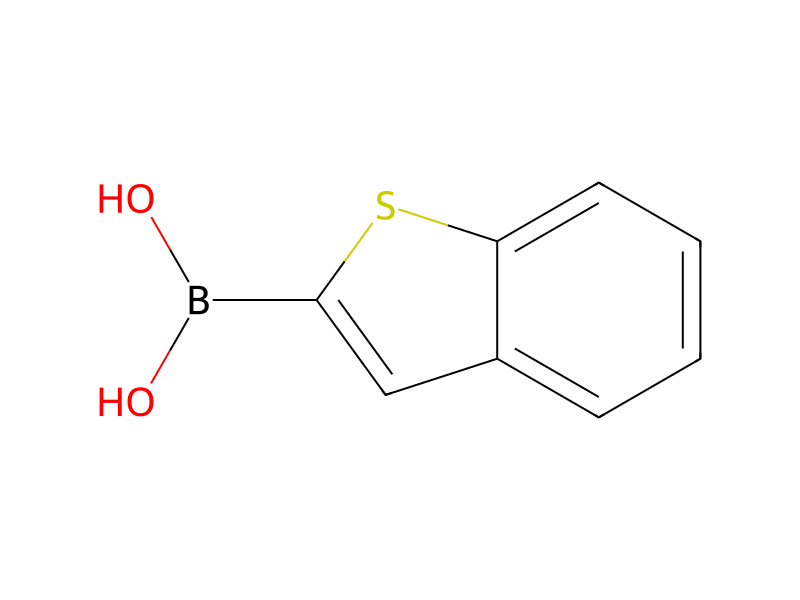
Basic information
- Standard SMILES
OB(O)c1cc2ccccc2s1- InChIKey
YNCYPMUJDDXIRH-UHFFFAOYSA-N- Molecular formula
- C8H7BO2S
- Average molar mass
- 178.02 g/mol
- Monoisotopic mass
- 178.0259808
Names & identifiers
- Preferred name
- Benzo(B)Thiophene-2-Boronic Acid
- IUPAC
- 1-benzothiophen-2-ylboronic acid
- English name
- Benzo[b]thien-2-ylboronic acid
- Molecular formula
- C8H7BO2S
- Molecular weight
- 178.02
Names & synonyms
98437-23-1benzo[b]thiophen-2-ylboronic acid2-benzothienylboronic acidBENZO[B]THIOPHENE-2-BORONIC ACIDBenzothiophene-2-boronic acidbenzo(b)thiophene-2-boronic acidThianaphthene-2-boronic acidSME05QG1FJBenzo(B)thiophen-2-ylboronic acid(1-benzothiophen-2-yl)boronic acidDTXSID80274363RefChem:565173
Show more names
Benzo1-BENZOTHIOPHENE-2-BORONIC ACIDBenzothien-2-yl Boronic AcidBenzo[b]thiophen-2-boronic acid
DTXCID50225842671-850-31-Benzothiophen-2-ylboronic acid1-benzothien-2-ylboronic acidBenzo[b]thiophene-2-ylboronic AcidBENZO[B]THIEN-2-YLBORONIC ACIDMFCD01075674Benzothiophen-2-ylboronic acid
Database identifiers
- CAS
98437-23-1- PubChem CID
- 2359
- DTXSID
DTXSID80274363- ChEMBL
CHEMBL34964- UNII
- SME05QG1FJ
- EC Number
- 671-850-3
- Nikkaji
- J920.026F
Properties
Computed structural properties
- Topological polar surface area
- 68.7 Ų
- Hydrogen bond donors
- 2
- Hydrogen bond acceptors
- 3
- Rotatable bonds
- 1
- Heavy atoms
- 12
- Formal charge
- 0
- Complexity
- 165
Physicochemical properties
- Melting point
- 254 · 254-256 °C
- Boiling point
- 390.2 · 390.2±34.0 °C(Predicted)
- Density
- 1.35 · 1.35±0.1 g/cm3(Predicted)
- storage temp.
- -20 °C · Inert atmosphere,Store in freezer, under -20°C
- solubility
- soluble in Tetrahydrofuran
- form
- Powder
- pka
- 6.99 · 6.99±0.30(Predicted)
- color
- White to off-white
- Water Solubility
- Insoluble in water.
- BRN
- 1637924 · 1637924
- InChI
- InChI=1S/C8H7BO2S/c10-9(11)8-5-6-3-1-2-4-7(6)12-8/h1-5,10-11H
- InChIKey
- YNCYPMUJDDXIRH-UHFFFAOYSA-N
- SMILES
- B(C1SC2=CC=CC=C2C=1)(O)O
- CAS DataBase Reference
- 98437 · 98437-23-1(CAS DataBase Reference)
- FDA UNII
- 5 QG1FJ · SME05QG1FJ
- UNSPSC Code
- 12352103 · 12352103
- NACRES
- 22 · NA.22
- Symbol(GHS)
- 7 · GHS07
- Signal word
- Warning
- Hazard statements
- 302 · H302-H412
- Precautionary statements
- 264 · P264-P270-P273-P301+P312-P501
- PPE
- 95 · Eyeshields, Gloves, type N95 (US)
- Hazard Codes
- Xi,Xn
- Risk Statements
- 36 · 36/37/38-20/21/22
- Safety Statements
- 37 · 37/39-26-36
- WGK Germany
- 3 · 3
- HazardClass
- IRRITANT
- HS Code
- 29349990 · 29349990
- Storage Class
- 11 · 11 - Combustible Solids
- Hazard Classifications
- 4 OralAquatic · Acute Tox. 4 OralAquatic Chronic 3
Safety & regulation
GHS classification
GHS Classification
Warning
H302 (16.7%): Harmful if swallowed [Warning Acute toxicity, oral];H315 (91.7%): Causes skin irritation [Warning Skin corrosion/irritation];H319 (91.7%): Causes serious eye irritation [Warning Serious eye damage/eye irritation];H335 (83.3%): May cause respiratory irritation [Warning Specific target organ toxicity, single exposure; Respiratory tract irritation]
P261, P264, P264+P265, P270, P271, P280, P301+P317, P302+P352, P304+P340, P305+P351+P338, P319, P321, P330, P332+P317, P337+P317, P362+P364, P403+P233, P405, and P501 (click each P-code to see the statement)
Aggregated GHS information provided per 12 reports by companies from 8 notifications to the ECHA C&L Inventory. Each notification may be associated with multiple companies.;Information may vary between notifications depending on impurities, additives, and other factors. The percentage value in parenthesis indicates the notified classification ratio from companies that provide hazard codes. Only hazard codes with percentage values above 10% are shown. For more detailed information, please visit ECHA C&L website.
Hazard information
Hazard Classes and CategoriesAcute Tox. 4 (16.7%);Skin Irrit. 2 (91.7%);Eye Irrit. 2A (91.7%);STOT SE 3 (83.3%)
Safety data
- PPE
- Eyeshields, Gloves, type N95 (US)
- wgk
- 3
- hs_code
- 29349990
- risk_code
- 36/37/38-20/21/22
- Signal word
- Warning
- Symbol(GHS)
- GHS07
- hazard_code
- Xi,Xn
- safety_code
- 37/39-26-36
- hazard_class
- IRRITANT
- Storage Class
- 11 - Combustible Solids
- Hazard statements
- H302-H412
- Hazard Classifications
- Acute Tox. 4 OralAquatic Chronic 3
- Precautionary statements
- P264-P270-P273-P301+P312-P501
Chemistry & industry
Pharmacology
MeSH Pharmacological ClassificationEndogenous substances and drugs that inhibit or block the activity of BETA-LACTAMASES.
Applications
UsesThianaphthene-2-boronic Acid is used in the preparation of 3-(dihydroxyboryl)benzoic acids as D,D-carboxypeptidase R39 inhibitors.
Usessuzuki reaction
UsesThianaphthene-2-boronic Acid is used in the preparation of 3-(dihydroxyboryl)benzoic acids as D,D-carboxypeptidase R39 inhibitors.
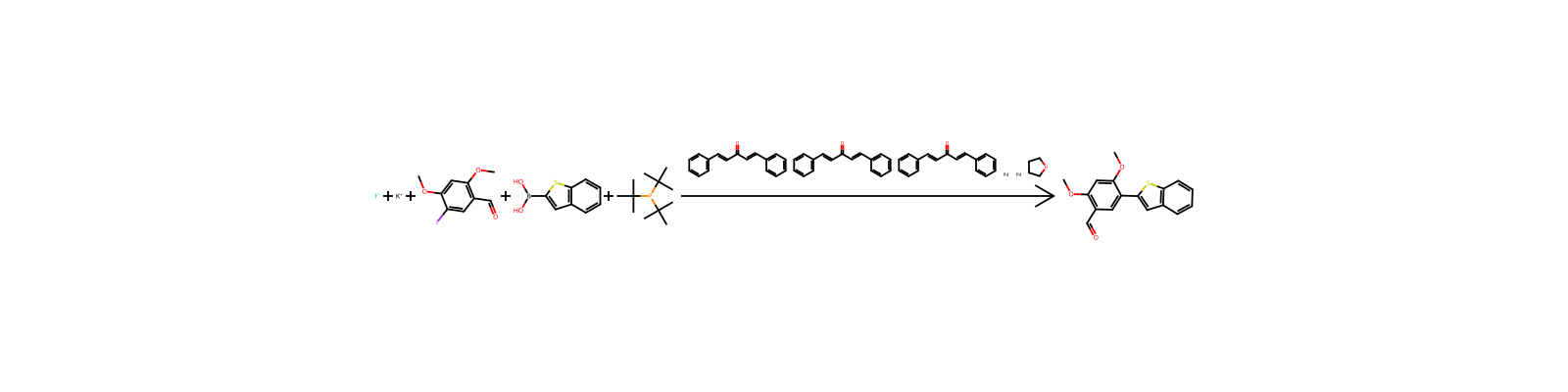
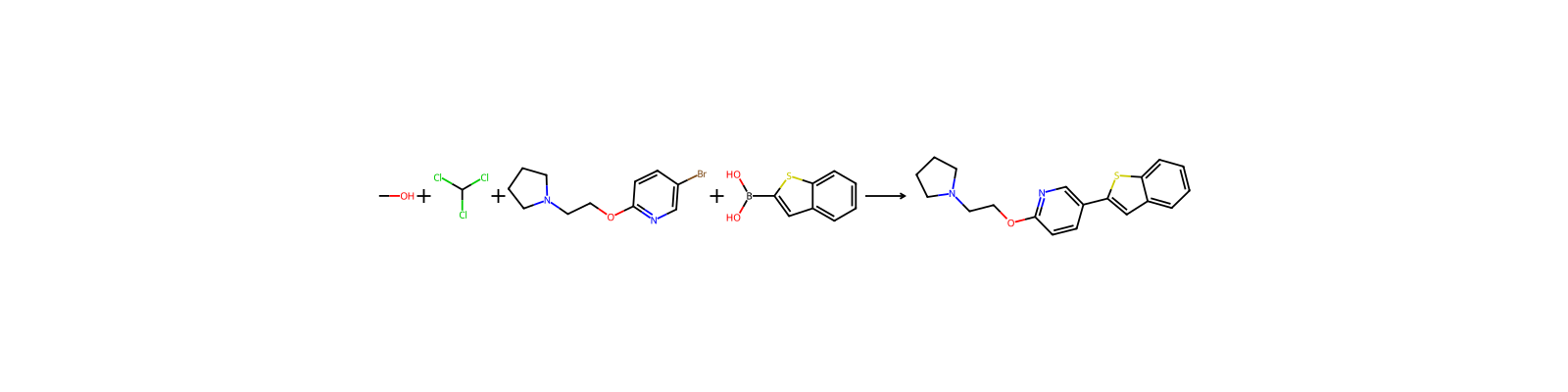
UsesReactant involved in:PDE4 inhibitorsChemoselective modification of oncolytic adenovirusSynthesis of phosphorescent sensor for quantification of copper(II) ionUV promoted phenanthridine synthesesPreparation of CYP11B1 inhibitors for treatment of cortisol dependent diseasesSuzuki-Miyaura cross-coupling reactions
Upstream & downstream products
Upstream raw materials
Downstream products
Suppliers50 total
国药集团化学试剂有限公司86-21-63210123 · [email protected]
梯希爱(上海)化成工业发展有限公司021-67121386 · [email protected]
衢州润东化工有限公司0570-8789886 18892685668 · [email protected]
上海阿拉丁生化科技股份有限公司400-6206333 13167063860 · [email protected]
INTATRADE GmbH+49 3493/605464 · [email protected]
T&W GROUP021-61551611 13296011611 · [email protected]
韶远科技(上海)有限公司021-50795510 4000665055 · [email protected]
科瑞迪化学400-821-5857 021-64326257 · [email protected]
安徽秀朗新材料科技有限公司0550-5261666 19901505185
Syntechem Co.,Ltd[email protected]
上海迈瑞尔生化科技有限公司4006356688 18621169109 · [email protected]
北京华威锐科化工有限公司0757-86329057 18934348241 · [email protected]
阿法埃莎(中国)化学有限公司400-6106006 · [email protected]
安耐吉化学&3A(安徽泽升科技股份有限公司)400-0056266 · [email protected]
武汉凯威斯科技有限公司86-027-67849912 · [email protected]
上海柏卡化学技术有限公司400-026-1533/(021) 6478-0600 · [email protected]
上海瀚鸿科技股份有限公司021-54306202 13764082696 · [email protected]
石家庄德科达化工有限公司0311-67790228 15531158659 · [email protected]
上海相辉医药科技有限公司13761987713 · [email protected]
嘉兴市艾森化工有限公司0573-85285100 18627885956 · [email protected]
北京绿人科技有限责任公司010- 89781189-8112 18511583708
郑州药领医药科技有限公司13526569071 · [email protected]
上海隆盛化工有限公司58099637 13585536065 · [email protected]
杭州东帆化学有限公司86-0571-85151182
瀚商化工科技有限公司021-50521775 15800962688
四川库利南科技有限公司400-1166-196 18981987031 · [email protected]
天津希恩思生化科技有限公司400 638 7771 · [email protected]
陕西纯晶萃光电科技有限公司+86-13152027579 13152027579 · [email protected]
河南多贝化工有限公司0370-2785118 17550508557 · [email protected]
艾科试剂4008-755-333 18080918076 · [email protected]
上海思域化工科技有限公司86-21-34053660 · [email protected]
赛默飞世尔科技(中国)有限公司800-810-5118 · [email protected]
北京伊诺凯科技有限公司400-810-7969 010-59572699 · [email protected]
江苏艾康生物医药研发有限公司025-66113011 13913916777 · [email protected]
TCI AMERICA800-4238616 · [email protected]
TOKYO CHEMICAL INDUSTRY CO., LTD.03-36680489 · [email protected]
TCI Europe320-37350700 · [email protected]
上海贤鼎生物科技有限公司4009209199 · [email protected]
越林试剂021-62960152 · [email protected]
上海睿升化工科技有限公司+86-021-50935922
Clearsynth Labs Limited+91-22-26355700 · [email protected]
苏州爱玛特生物科技有限公司0512-56316828 4008675858 · [email protected]
上海默达医药科技有限公司+86 (0)21 51320687 51371369 1744605818
上海创赛科技有限公司400-6087598 15021221957 · [email protected]
上海鑫圭生物科技有限公司15121041756 · [email protected]
杭州杰恒化工有限公司0571-87396432 · [email protected]
北京八亿时空液晶科技股份有限公司0086-18600516188 18600516188 · [email protected]
上海孚一生物科技有限公司+86 (21) 61124340
湖北巨胜科技有限公司027-59599241 18871490274 · [email protected]
Sigma-Aldrich西格玛奥德里奇(上海)贸易有限公司021-61415566 800-8193336 · [email protected]
Related reactions
152 records





Linked notes
Loading…