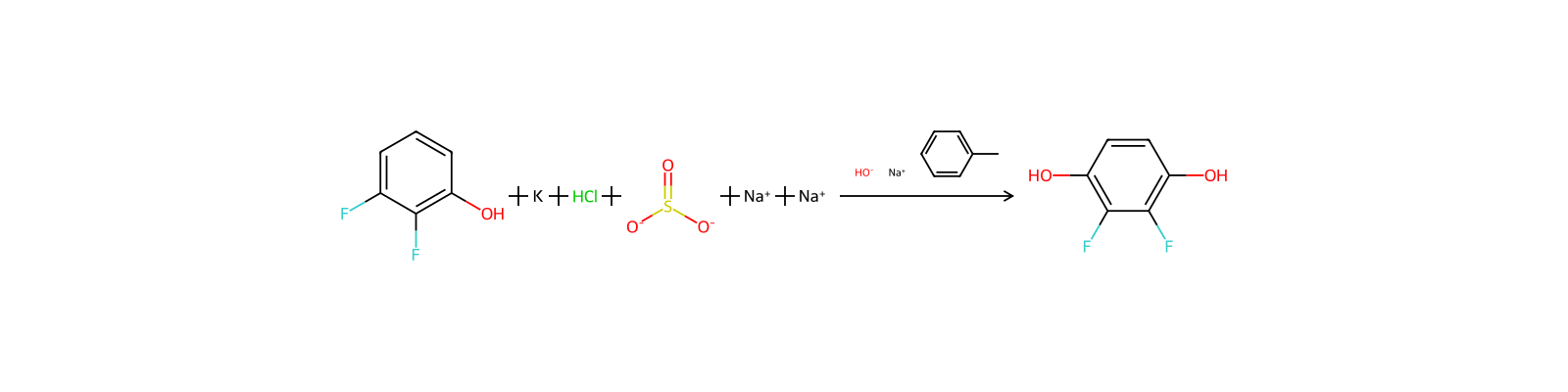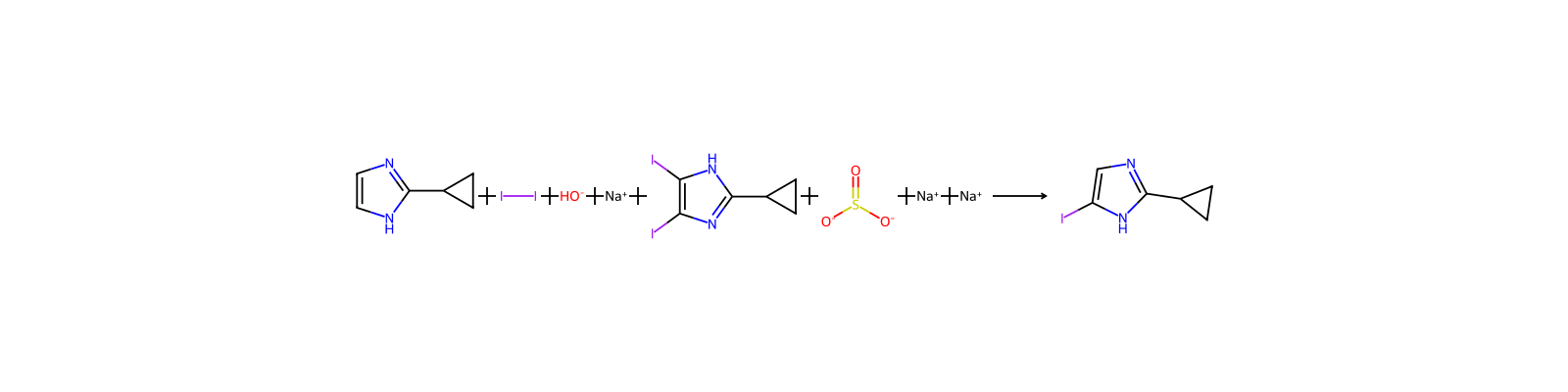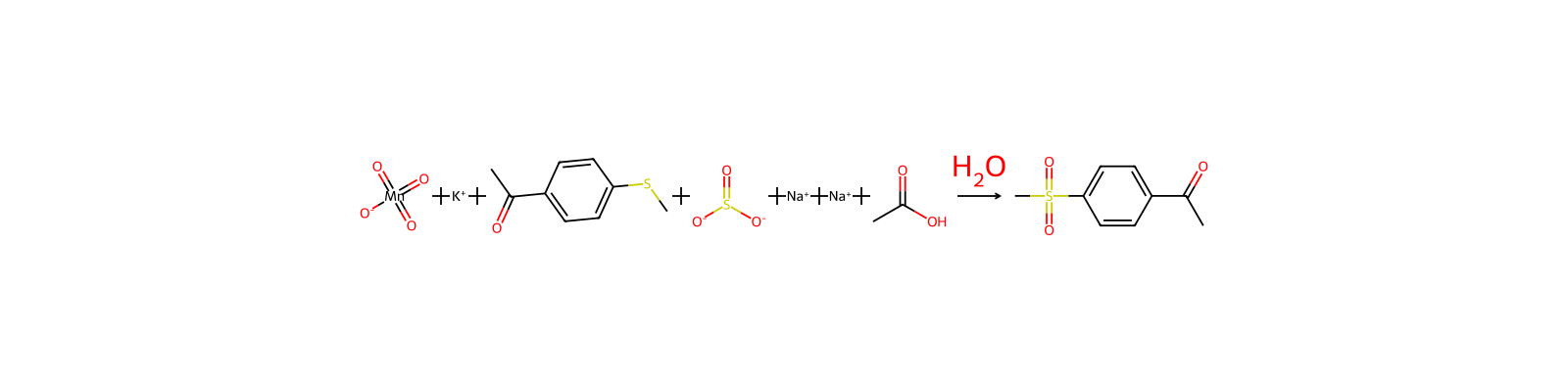
HRID 1065As reactant
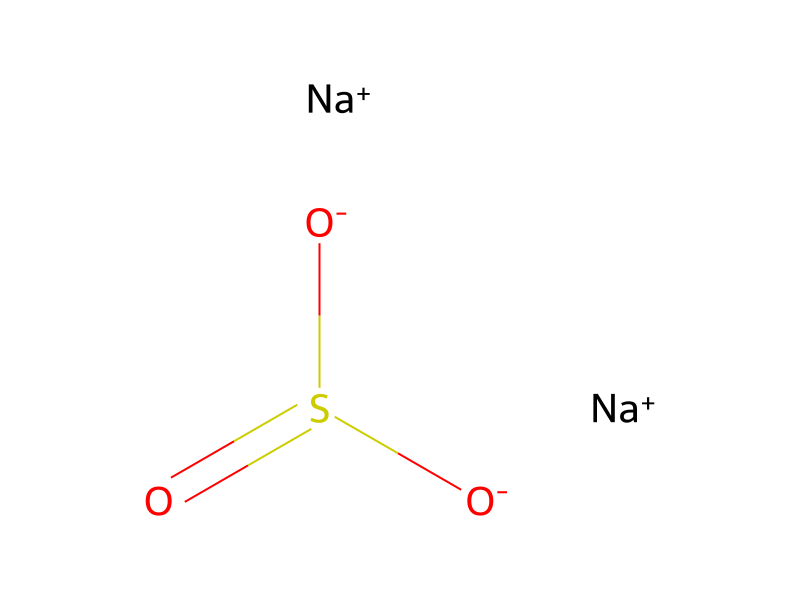
7757-83-7O=S([O-])[O-].[Na+].[Na+]GEHJYWRUCIMESM-UHFFFAOYSA-LSodium sulfite is a white odorless powder. Density 2.633 g / cm3. Moderately toxic. Sinks in water and dissolves slowly. Also transported as a heptahydrate Na2SO3.7H2O.
7757-83-7DTXSID2044260CHEMBL1945334CHEBI:86477Cosmetic ingredients (Sodium Sulfite) -> CIR (Cosmetic Ingredient Review)
Preservative
8,5-11,5 (anhydrous: 10 % solution; heptahydrate: 20 % solution)
pH about 9
2.633 at 59 °F (USCG, 1999) - Denser than water; will sink
2.63 g/cu cm
2.63 g/cm³
2.633 @25 °C
Small crystals or powder
White hexagonal crystals
White crystals or powder
Safety information is for reference only and does not replace the supplier’s Safety Data Sheet (SDS), applicable regulations, or professional assessment.
This chemical does not meet GHS hazard criteria for 24.9% (618 of 2482) of reports.
Danger
H302 (18.3%): Harmful if swallowed [Warning Acute toxicity, oral]
P260, P264, P264+P265, P270, P280, P301+P317, P301+P330+P331, P302+P352, P302+P361+P354, P304+P340, P305+P351+P338, P305+P354+P338, P316, P321, P330, P332+P317, P337+P317, P362+P364, P363, P405, and P501 (click each P-code to see the statement)
Aggregated GHS information provided per 2482 reports by companies from 19 notifications to the ECHA C&L Inventory. Each notification may be associated with multiple companies.
Not Classified
Chemical: Sulfurous acid, disodium salt
Sulfurous acid, sodium salt (1:2) is listed on the EPA's Chemical Data Reporting (CDR) system. Manufacturers and importers of Sulfurous acid, sodium salt (1:2) are required to report information about their production and use of this chemical to the EPA under the Toxic Substances Control Act (TSCA). (40 eCFR Part 711)
REACH registered substance: Sodium sulphite (EC: 231-821-4)
Disodium sulphite: Does not have an individual approval but may be used under an appropriate group standard
Literature sources indicate that this compound is noncombustible. (NTP, 1992)
Not combustible. Gives off irritating or toxic fumes (or gases) in a fire.
When ingested, solutions cause gastric irritation by the liberation of sulfurous acid. Because of rapid oxidation to sulfate, sulfites are well tolerated until large doses are reached; then violent colic and diarrhea, circulatory disturbances, central nervous depression, and death can occur. (USCG, 1999)
CIR ingredient: Sodium Sulfite
Used in developing photographs, bleaching textiles, manufacturing dyes, silvering glass, and preserving meat; Also used as an antiseptic, disinfectant, and water treatment chemical for industrial boilers and oil wells; [HSDB] Used in photography (preservative); [www.ci.tucson.az.us/arthazards/medium.html]
Petroleum Production and Refining [Category: Industry]
For sodium sulfite (USEPA/OPP Pesticide Code: 078203) there are 0 labels match. /SRP: Not registered for current use in the U.S., but approved pesticide uses may change periodically and so federal, state and local authorities must be consulted for currently approved uses./
Chiefly in photographic developers and instead of "hypo" for fixing prints; bleaching wool, straw, silk; generating SO2; as reducer in manufacture of dyes; silvering glass; removing traces of Cl in bleached textiles and paper; preserving meat, egg yolks, etc. Reducing agent.
BLEACHING AGENT, EG, FOR PERMANGANATE STAINS; DISINFECTANT; PRESERVATIVE FOR FOOD AND BEVERAGES; ANTIOXIDANT & STABILIZING AGENT FOR PHARMACEUTICALS;: SOLUBILIZING AGENT FOR DYES AND OTHER CHEMICALS; MANUFACTURE OF SODIUM HYDROSULFITE
(1977) No Data
(1979) No Data
(1977) No Data
(1979) No Data
(1987) 4.54X10+8 g /estimated/
Soluble in 3.2 parts (NTP, 1992)
Colorless, monoclinic crystals; demsity: 1.56 g/cu cm; solubility: 30.7 g/100 g water at 25 °C; slightly solluble in ethanol; unstable /Sodium sulfite heptahydrate/
In water, 30.7 g/100 g water at 25 °C
Soluble in 3.2 parts water
Soluble in glycerol; very slightly soluble in alcohol
Sparingly soluble in alcohol
Decomposes (NTP, 1992)
Decomposes
A case of occupational asthma, confirmed by specific inhalation challenge, was reported in a worker whose job was to sprinkle dry metabisulfite on potatoes. [Malo JL, Cartier A, Desjardins A. Occupational asthma caused by dry metabisulphite. Thorax 1995 May;50(5); 585-6.] Similar cases have been reported in the wine, laundry, and lobster fishing industries. [Madsen J, Sherson D, Kjoller H, Hansen I, Rasmussen K. Occupational asthma caused by sodium disulphite in Norwegian lobster fishing. Occup Environ Med 2004;61:873-874] Sulfites are not classifiable as to carcinogenicity to humans. [IARC] See SULFITES.
This substance is generally recognized as safe when used as a chemical preservative in accordance with good manufacturing practice, except that it is not used in meats; in food recognized as a source of vitamin B1; on fruits and vegetables intended to be served raw to consumers or sold raw to consumers, or to be presented to consumers as fresh.
This substance is generally recognized as safe when used as a chemical preservative in accordance with good manufacturing or feeding practice, except that it is not used in meats or in food recognized as a source of vitamin B1.
Nair B, Elmore AR; Final report on the safety assessment of sodium sulfite, potassium sulfite, ammonium sulfite, sodium bisulfite, ammonium bisulfite, sodium metabisulfite and potassium metabisulfite. Int J Toxicol 22 (Suppl 2) :63-88 (2003) Cosmetic Ingredients Review Expert Panel report.
SODIUM SULFITE is a reducing agent, particularly under basic conditions. Reacts with oxidizing agents such as peroxides, epoxides, oxoacids. Emits toxic fumes of sodium oxide and oxides of sulfur if heated to decomposition [Lewis, 3rd ed., 1993, p. 1174].
Fires involving this material can be controlled with a dry chemical, carbon dioxide or Halon extinguisher. (NTP, 1992)
In case of fire in the surroundings, use appropriate extinguishing media.
Fresh air, rest. Half-upright position. Seek medical attention if you feel unwell.
Remove contaminated clothes. Rinse skin with plenty of water or shower.
Rinse with plenty of water (remove contact lenses if easily possible).
Rinse mouth. Give one or two glasses of water to drink. Rest.
EYES: First check the victim for contact lenses and remove if present. Flush victim's eyes with water or normal saline solution for 20 to 30 minutes while simultaneously calling a hospital or poison control center. Do not put any ointments, oils, or medication in the victim's eyes without specific instructions from a physician. IMMEDIATELY transport the victim after flushing eyes to a hospital even if no symptoms (such as redness or irritation) develop.
ACCIDENTAL RELEASE MEASURES; Personal precautions, protective equipment and emergency procedures: Wear respiratory protection. Avoid dust formation. Avoid breathing vapors, mist or gas. Avoid breathing dust. Environmental precautions: Do not let product enter drains. Methods and materials for containment and cleaning up: Pick up and arrange disposal without creating dust. Sweep up and shovel. Do not flush with water. Keep in suitable, closed containers for disposal.
SMALL SPILLS AND LEAKAGE: If you spill this chemical, you should dampen the solid spill material with water, then transfer the dampened material to a suitable container. Use absorbent paper dampened with water to pick up any remaining material. Seal your contaminated clothing and the absorbent paper in a vapor-tight plastic bag for eventual disposal. Wash all contaminated surfaces with a soap and water solution. Do not reenter the contaminated area until the Safety Officer (or other responsible person) has verified that the area has been properly cleaned.
SRP: Recycle any unused portion of the material for its approved use or return it to the manufacturer or supplier. Ultimate disposal of the chemical must consider: the material's impact on air quality; potential migration in air, soil or water; effects on animal, aquatic and plant life; and conformance with environmental and public health regulations. If it is possible or reasonable use an alternative chemical product with less inherent propensity for occupational harm/injury/toxicity or environmental contamination.
Product: Offer surplus and non-recyclable solutions to a licensed disposal company. Contact a licensed professional waste disposal service to dispose of this material. Contaminated packaging: Dispose of as unused product.
Personal protection: filter respirator for inorganic gases and vapours adapted to the airborne concentration of the substance. Do NOT let this chemical enter the environment. Sweep spilled substance into covered containers. If appropriate, moisten first to prevent dusting. Carefully collect remainder. Then store and dispose of according to local regulations.
Further processing of solid materials may result in the formation of combustible dusts. The potential for combustible dust formation should be taken into consideration before additional processing occurs. Provide appropriate exhaust ventilation at places where dust is formed.
ACCIDENTAL RELEASE MEASURES; Personal precautions, protective equipment and emergency procedures: Wear respiratory protection. Avoid dust formation. Avoid breathing vapors, mist or gas. Avoid breathing dust.
Gloves must be inspected prior to use. Use proper glove removal technique (without touching glove's outer surface) to avoid skin contact with this product. Dispose of contaminated gloves after use in accordance with applicable laws and good laboratory practices. Wash and dry hands.
Handle in accordance with good industrial hygiene and safety practice. Wash hands before breaks and at the end of workday.
SRP: Local exhaust ventilation should be applied wherever there is an incidence of point source emissions or dispersion of regulated contaminants in the work area. Ventilation control of the contaminant as close to its point of generation is both the most economical and safest method to minimize personnel exposure to airborne contaminants. Ensure that the local ventilation moves the contaminant away from the worker.
We investigated the effects of sodium sulfite (Na(2)SO(3)) on rhinovirus (RV)-induced chemokine production in A549 airway epithelial cells. Our results demonstrated that the treatment of A549 cells with 2,500 uM Na(2)SO(3) enhanced the mRNA expression of RV-induced interleukin (IL)-8 1.8 fold (p=0.025); and regulated on activation, normal T-cell expressed and secreted (RANTES), 2.9 fold (p=0.025). Moreover, the secretion of IL-8, RANTES, and interferon-gamma-inducible protein (IP)-10 was increased in a statistically significant manner without affecting cell viability and RV replication. Our results suggest that Na(2)SO(3) may potentiate RV infection by enhancing chemokine production.
Foods contain various additives that affect our daily lives. At present, food additive safety evaluation standards are based on the toxicity of single additives, but food additives are often used in combination and may have additive, synergistic or antagonistic actions. The current study investigated the toxicity of food additives and mechanisms of damage in HepG2 cells using High Content Analysis (HCA). We used the CCK-8 assay to determine cell viability, providing an experimental basis for determining the safety of food additives. All of the food additives tested were observed to decrease the growth of HepG2 cells in a dose-dependent manner. Sunset yellow and sodium sulfite had IC50 values of 1.06, and 0.30 g/L at 24 hr, respectively. HCA showed that both sunset yellow and sodium sulfite had synergistic effects on cell number, membrane permeability, mitochondrial membrane potential, intracellular calcium level, oxidative stress, and high dose group DNA damage.
Sulfur dioxide is a typical air pollutant. Sulfite, which is formed at the bronchial mucosa from inhaled sulfur dioxide, might play a role in the exacerbation of asthma. In this study, we investigated the effects of sodium sulfite and its interaction with a house dust mite (Dermatophagoides pteronyssinus, Der p) on allergic sensitization and airway inflammation. BALB/c mice were divided into four groups: control (n=10), mite intranasal (mIN, n=12), sodium sulfite intranasal (sIN, n=12) and mIN + sIN (n=12). In non-control groups, the mice were sensitized on day 8 and day 15 with mite allergen subcutaneously. Mite allergen was then administrated intranasally from day 15 to day 22 in mIN and mIN+sIN groups. Sodium sulfite was administrated in sIN and mIN + sIN groups intranasally from Day 1 to Day 22. Plasma Der p-specific IgE, IgG2a, lung histopathology and cytokine levels (IL-5 and IFN-gamma) were analyzed. In comparison between mIN (or sIN) and mIN + sIN group, Der p-specific IgE levels were significantly higher in mIN + sIN group (p<0.01). Besides, Der p-specific IgG2a level was significantly lower in mIN + sIN group than mIN (or sIN) group (p<0.01). The peribronchiolar, alveolar and total inflammatory scores were increased in the mIN + sIN group comparing with the control group (p<0.05, p< 0.01, p<0.01, respectively). Lung supernatant in mIN + sIN group has higher IL-5/IFN-gamma ratio than control, mIN or sIN group (all p<0.05). Our study concluded sodium sulfite may enhance allergic sensitization as well as airway inflammation in mite allergen sensitized BALB/c mice.
Obesity leads to the activation of pro-inflammatory pathways, resulting in a state of low-grade inflammation. Recently, several studies have shown that the exposure to lipopolysaccharide (LPS) could initiate and maintain a chronic state of low-grade inflammation in obese people. As the daily intake of food additives has increased substantially, the aim of the present study was to investigate a potential influence of food additives on the release of leptin, IL-6 and nitrite in the presence of LPS in murine adipocytes. Leptin, IL-6 and nitrite concentrations were analyzed in the supernatants of murine 3T3-L1 adipocytes after co-incubation with LPS and the food preservatives, sodium sulfite (SS), sodium benzoate (SB) and the spice and colorant, curcumin, for 24 hr. In addition, the kinetics of leptin secretion was analyzed. A significant and dose-dependent decrease in leptin was observed after incubating the cells with SB and curcumin for 12 and 24 hr, whereas SS decreased leptin concentrations after 24 hr of treatment. Moreover, SS increased, while curcumin decreased LPS-stimulated secretion of IL-6, whereas SB had no such effect. None of the compounds that were investigated influenced nitrite production. The food additives SS, SB and curcumin affect the leptin release after co-incubation with LPS from cultured adipocytes in a dose- and time-dependent manner. Decreased leptin release during the consumption of nutrition-derived food additives could decrease the amount of circulating leptin to which the central nervous system is exposed and may therefore contribute to an obesogenic environment.
For more Interactions (Complete) data for Sodium sulfite (8 total), please visit the HSDB record page.
LC50; Species: Daphnia magna (Water flea); Conditions: freshwater, static, 21-25 °C; Concentration: 299000 ug/L for 25 hr
LC50; Species: Daphnia magna (Water flea); Conditions: freshwater, static, 21-25 °C; Concentration: 273000 ug/L for 50 hr
LC50; Species: Daphnia magna (Water flea); Conditions: freshwater, static, 21-25 °C; Concentration: 203000 ug/L for 4.2 days
Safe in the present practices of use and concentration. Ingredient, concentration, and use information are available in documents discoverable at https://cir-reports.cir-safety.org
IDENTIFICATION AND USE: Sodium sulfite forms small white crystals or powder. Sodium sulfite used as reducing agent and antioxidant in cosmetic formulations. Other uses include paper industry, water treatment, and dietary supplements. It is also used as antioxidant and antiseptic in veterinary. HUMAN STUDIES: Clinical oral and ocular-exposure studies reported no adverse effects. Sodium sulfite was not irritating or sensitizing in clinical tests. It may however, produce positive reactions in dermatologic patients under patch test. The majority of patients with positive reactions to sodium metabisulfite are also positive to sodium sulfite. Most studies report a prevalence of sulfite sensitivity of 3 to 10% among asthmatic subjects who ingest these additives. However, the severity of these reactions varies, and steroid-dependent asthmatics, those with marked airway hyperresponsiveness, and children with chronic asthma, appear to be at greater risk. Chronic irritation and inflammation of the respiratory tract and alteration of the sense of smell and taste is not uncommon a result of frequent exposure to 30 to 100 ppm. ANIMAL STUDIES: A single exposure to low concentrations of a sodium sulfite fine aerosol produced dose-related changes in the lung capacity parameters of guinea pigs. A 3-day exposure of rats to a sodium sulfite fine aerosol produced mild pulmonary edema and irritation of the tracheal epithelium. In rats, sodium sulfite heptahydrate at large doses (up to 3.3 g/kg) produced fetal toxicity but not teratogenicity. Sodium sulfite was negative in mutagenicity studies.
/HUMAN EXPOSURE STUDIES/ Sulfites are in widespread use as preservatives/antioxidants. There is increasing recognition of allergic contact dermatitis caused by sodium metabisulfite; however, contact allergy to sodium sulfite is less well recognized. We sought to establish the prevalence of positive patch test reactions to sodium sulfite in our patient population and investigate its relationship with sodium metabisulfite. Over a 4-month period, 183 patients referred for patch testing were tested with sodium sulfite 1% pet. in addition to sodium metabisulfite 1% pet., which already forms part of our baseline series. Positive allergic reactions occurred to sodium metabisulfite in 5.5% of the tested patients and to sodium sulfite in 3.8% of the tested patients. Sixty percent of patients with a positive reaction to sodium metabisulfite were positive to sodium sulfite. Only 1 patient (0.6%) with a negative reaction to sodium metabisulfite showed a positive reaction to sodium sulfite. This study shows that the majority of patients with positive reactions to sodium metabisulfite are also positive to sodium sulfite. Routinely patch testing with sodium sulfite is probably unnecessary, as most patients with positive reactions will also react to sodium metabisulfite. Clinicians should consider advising patients to avoid sodium sulfite and other sulfites when a positive allergic reaction to sodium metabisulfite occurs.
/SIGNS AND SYMPTOMS/ Chronic irritation and inflammation of the respiratory tract and alteration of the sense of smell and taste is not uncommon a result of frequent exposure to 30 to 100 ppm.
/SIGNS AND SYMPTOMS/ Clinical oral and ocular-exposure studies reported no adverse effects. Sodium sulfite was not irritating or sensitizing in clinical tests. These ingredients, however, may produce positive reactions in dermatologic patients under patch test.
/SIGNS AND SYMPTOMS/ Sulfites are widely used as preservative and antioxidant additives in the food and pharmaceutical industries. Exposure to sulfites has been reported to induce a range of adverse clinical effects in sensitive individuals, ranging from dermatitis, urticaria, flushing, hypotension, abdominal pain and diarrhea to life-threatening anaphylactic and asthmatic reactions. Exposure to the sulfites arises mainly from the consumption of foods and drinks that contain these additives; however exposure may also occur through the use of pharmaceutical products, as well as in occupational settings. Most studies report a prevalence of sulfite sensitivity of 3 to 10% among asthmatic subjects who ingest these additives. However, the severity of these reactions varies, and steroid-dependent asthmatics, those with marked airway hyperresponsiveness, and children with chronic asthma, appear to be at greater risk. Although a number of potential mechanisms have been proposed, the precise mechanisms underlying sulfite sensitivity remain unclear. /Sulfites/
For more Human Toxicity Excerpts (Complete) data for Sodium sulfite (8 total), please visit the HSDB record page.
/LABORATORY ANIMALS: Acute Exposure/ /In/ rats exposed to aerosols of sodium sulfite 0.1-15 mg/cu m and particle sizes of approx 1 um, increased rates of glycoprotein secretion were observed for tracheae and increased wet to dry wt ratios of right apical lobes were also observed.
/LABORATORY ANIMALS: Acute Exposure/ Guinea pigs were exposed (head only) for 1 hr to submicrometer sodium sulfite aerosols at 474, 669, and 972 ug SO3/cu m. Respiratory mechanics were measured in unanesthetized animals before, during, and after exposure. Dose-related increases in resistance and decreases in compliance were observed. At 972 ug SO3/cu m, the sodium sulfite aerosol caused a 50% increase in resistance and a 19% decrease in compliance. These changes were still present 1 hr after the end of exposure. The results were used to assess the irritant potency of sodium sulfite aerosol. Another group of guinea pigs was exposed whole body for 1 hr to the same aerosol at 0, 204, 395, and 1152 ug SO3/cu m. ... As compared to controls, total lung capacity, vital capacity, functional residual capacity, residual volume, and diffusion capacity for carbon monoxide were all decreased with increasing concentrations of sodium sulfite. Dose-related increases in wet lung weights were also observed.
/LABORATORY ANIMALS: Acute Exposure/ Groups of six male Sprague-Dawley rats were exposed for 3 days to Sodium Sulfite aerosols at concentrations of 0.1, 1, 5, or 15 mg/cu m (sulfur dioxide equivalents of 0.2 to 2.7 ppm). The particle size was approximately 1 um. Two control groups were exposed to either 15 mg/cu m sulfate aerosol or filtered air. Responses were measured as follows: tracheal explants were cultured to measure glycoprotein secretion rates, lung homogenates were analyzed for protein, DNA and RNA concentrations, and the wet weight to dry weight ratios of the right apical lung lobes were determined. Increased glycoprotein secretion was observed in rats dosed with >/= 5 mg/cu m, and increased wet to dry weight ratios of right apical lobes were observed in rats dosed with >/=1 mg/cu m. The investigators concluded that the rats responded with "mild pulmonary edema." Exposure to >/= 5 mg/cu m resulted in an irritation response by the tracheal epithelium.
/LABORATORY ANIMALS: Acute Exposure/ Guinea pigs were exposed head-only for 1 hr to 474, 669, and 972 ug/cu m Sodium Sulfite aerosol. Respiratory mechanics were measured in unanesthetized animals before, during, and after exposure. Dose-related increases in resistance (50% increase at highest dose) and decreases in compliance (19% decrease at highest dose) were observed. Changes were present 1 hr after exposure ended. Another group of guinea pigs was exposed whole-body to the same aerosol at 204, 395, and 1152 ug/cu m. After exposure, lung volume, diffusion capacity for carbon monoxide, and wet lung weight were evaluated in anesthetized, tracheotomized animals. Compared to controls, total lung capacity, vital capacity, functional residual capacity, residual volume, and diffusion capacity for carbon monoxide were all decreased in exposed guinea pigs. A dose-related increase in wet lung weight was found.
Most studies report a prevalence of sulfite sensitivity of 3 to 10% among asthmatic subjects who ingest these additives. However, the severity of these reactions varies, and steroid-dependent asthmatics, those with marked airway hyperresponsiveness, and children with chronic asthma, appear to be at greater risk. /Sulfites/
Some asthmatics are said to be dangerously sensitive to minute amounts of sulfites in foods. /Sulfites/
Evaluation: There is inadequate evidence for the carcinogenicity in humans of sulfur dioxide, sulfites, bisulfites and metabisulfites. There is limited evidence for the carcinogenicity in experimental animals of sulfur dioxide. There is inadequate evidence for the carcinogenicity in experimental animals of sulfites, bisulfites and metabisulfites. Overall evaluation: Sulfur dioxide, sulfites, bisulfites and metabisulfites are not classifiable as to their carcinogenicity to humans (Group 3).
According to the 2016 TSCA Inventory Update Reporting data, 39 reporting facilities estimate the number of persons reasonably likely to be exposed during the manufacturing, processing, or use of sodium sulfite in the United States may be as low as 10 workers to less than 10,000 but unknown or unreasonably ascertainable as to how many workers per plant; the data may be greatly underestimated due to confidential business information (CBI) or unknown values(1).
NIOSH (NOES Survey 1981-1983) has statistically estimated that 309,663 workers (122,038 of these were female) were potentially exposed to sodium sulfite in the US(1).
This substance is generally recognized as safe when used as a chemical preservative in accordance with good manufacturing practice, except that it is not used in meats; in food recognized as a source of vitamin B1; on fruits and vegetables intended to be served raw to consumers or sold raw to consumers, or to be presented to consumers as fresh.
This substance is generally recognized as safe when used as a chemical preservative in accordance with good manufacturing or feeding practice, except that it is not used in meats or in food recognized as a source of vitamin B1.
2023: 250,000,000 - <400,000,000 lb
(1976) 2.22X10+9 G (MIN CONSUMPTION IN FOODS)
(1979) No Data
(1987) 9.52X10+10 g /estimated/
Non-confidential 2016 Chemical Data Reporting (CDR) information on the production and use of chemicals manufactured or imported into the United States. Chemical: Sodium sulfite:
End use pattern: pulp and paper, 65%; water and waste treatment, 15%; photography, 10%; oil recovery, 5%; miscellaneous, 5% (1986)
CHEMICAL PROFILE: Sodium sulfite. Pulp and paper industry, 58%; water treatment, 12%; photography, 9%; miscellaneous, including textile bleaching, food preservatives, chemical intermediate, ore flotation and oil recovery, 13%; exports, 8%.
CHEMICAL PROFILE: Sodium sulfite. Demand: 1986: 130,000 tons; 1987: 133,000 tons; 1991 /projected/: 147,000 tons.
Demand 1997, 100,000 tons; 1998, 102,000 tons; 2002, 107,000 tons /projected, pulp and paper 55%, water treatment 20%, photography 10%, oil recovery 5%, miscellaneous uses 10%.
It is produced by treating a suspension of sodium hydroxide or sodium carbonate with sulfur dioxide. The temperature is maintained at 60 - 80 °C for optimal crystal separation. The sodium sulfite suspension formed is centrifuged and the salt dried.
(1) Sulfur dioxide is reacted with soda ash and water and a solution of the resulting sodium bisulfite is treated with additional soda ash; (2) by-product of the caustic fusion process for phenol.
Grades: reagent; technical; FCC /Food Chemical Codex/.
Sodium sulfite is sold in various purity grades containing 90-98% Na2SO3.
General Chem Corp (Previously Allied), Stauffer, VA Chem produce a technical grade sodium sulfite anhydrous with a minimum typical analysis of 96.5%, Granular Technical has a typical analysis of 98.0% with food & photographic grades at 98.6%. Koppers supplies on-purpose material made from sulfur dioxide... with an analysis of 96-97%... Koppers also produces 89-91% material as a by-product of resorcinol manufacture...
EPA Safer Chemical Functional Use Classes -> Processing Aids and Additives
Safer Chemical Classes -> Green circle - The chemical has been verified to be of low concern
Food additives
Food Additives -> ANTIOXIDANT; PRESERVATIVE -> JECFA Functional Classes
Food Additives -> ANTIOXIDANT; PRESERVATIVE -> JECFA Functional Classes
Cosmetics -> Preservative
Wholesale and Retail Trade
Sulfurous acid, sodium salt (1:2): ACTIVE
The commercial heptahydrate (about 90% pure, remainder consisting chiefly of sulfate) has been largely replaced by commercial anhydrous salt (about 96-99% pure) which is more stable. /Sodium sulfite heptahydrate/
(Vet): to help stabilize parenterals and mastitis suspensions. May be used topically where it is both antifungal and a keratin softener.
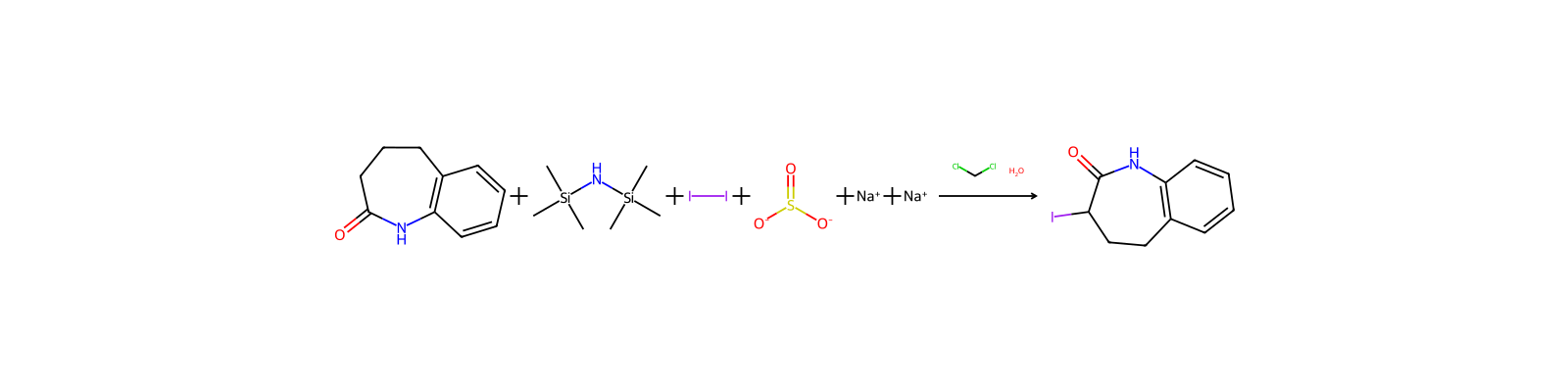
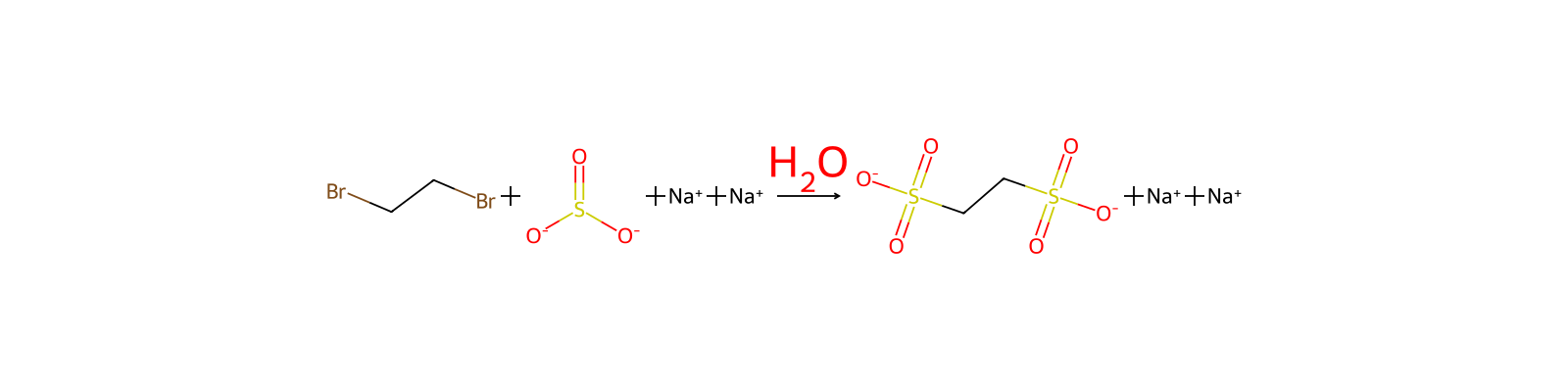
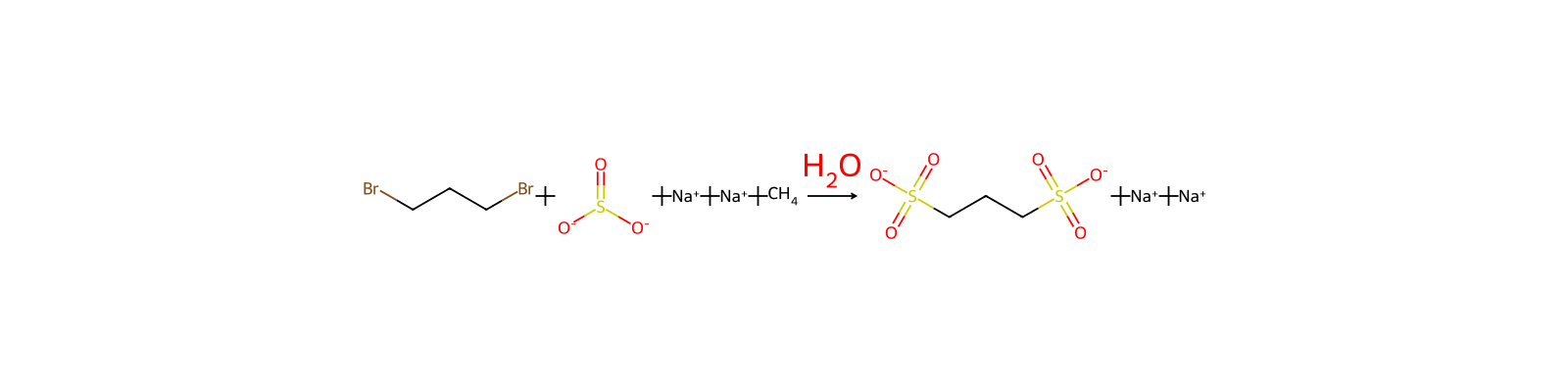
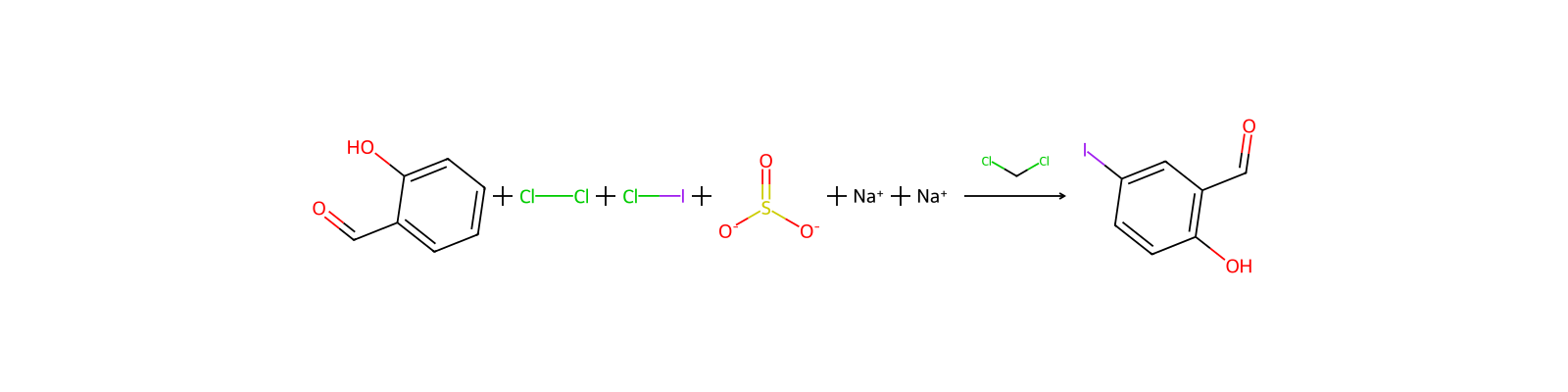
The classical method of placing a sulfonate group on an aliphatic chain is to react an aliphatic halide with sodium sulfite
DescriptionAs a soluble sodium salt of sulfurous acid, Sodium sulfite (Na2SO3) shows blenching, de-sulfurizing and dechlorinating properties which is widely applied in various fields. It is primarily used in the pulp and papermaking industry due to its blenching activity. It can serve as a good additive to help preserve the fresh appearance of good products. Besides, sodium sulfite is a component in many pharmaceuticals, which is effective to maintain the potency and stability of drugs. It can also be applied for water treatment as an oxygen scavenger agent and applied in flue gas desulfurization and preservation of photo developer solutions, etc.
UsesSodium sulfite (Na2SO3) is an antioxidant, used as a preservative except with meats. It is also used for water treatment and in photography and textile bleaching.
UsesThese white crystals were prepared by passing sulfurous gas over moist sodium carbonate. Sodium sulfite is soluble in water but less so in alcohol. It was used as a preservative for alkaline developers and as a hypo clearing agent in photographic printing.
Usessodium sulfite has anti-septic, preservative, and anti-oxidant properties. Sodium sulfite is also a topical anti-fungal.
UsesPaper industry (semichemical pulp), reduc- ing agent (dyes), water treatment, photographic developer, food preservative and antioxidant, tex- tile bleaching (antichlor).
General DescriptionWhite odorless powder. Density 2.633 g / cm3. Moderately toxic. Sinks in water and dissolves slowly. Also transported as a heptahydrate Na2SO3.7H2O.
Definitionsodium sulphite: A white solid,Na2SO3, existing in an anhydrousform (r.d. 2.63) and as a heptahydrate(r.d. 1.59). Sodium sulphite is solublein water and because it is readily oxidizedit is widely used as a convenientreducing agent. It is preparedby reacting sulphur dioxide with eithersodium carbonate or sodium hydroxide.Dilute mineral acids reversethis process and release sulphur dioxide.Sodium sulphite is used as ableaching agent in textiles and inpaper manufacture. Its use as an antioxidantin some canned foodstuffsgives rise to a slightly sulphuroussmell immediately on opening, butits use is prohibited in meats or foodsthat contain vitamin B1. Sodium sulphitesolutions are occasionally usedas biological preservatives.
DefinitionChEBI: An inorganic sodium salt having sulfite as the counterion.
For more Non-Human Toxicity Excerpts (Complete) data for Sodium sulfite (9 total), please visit the HSDB record page.