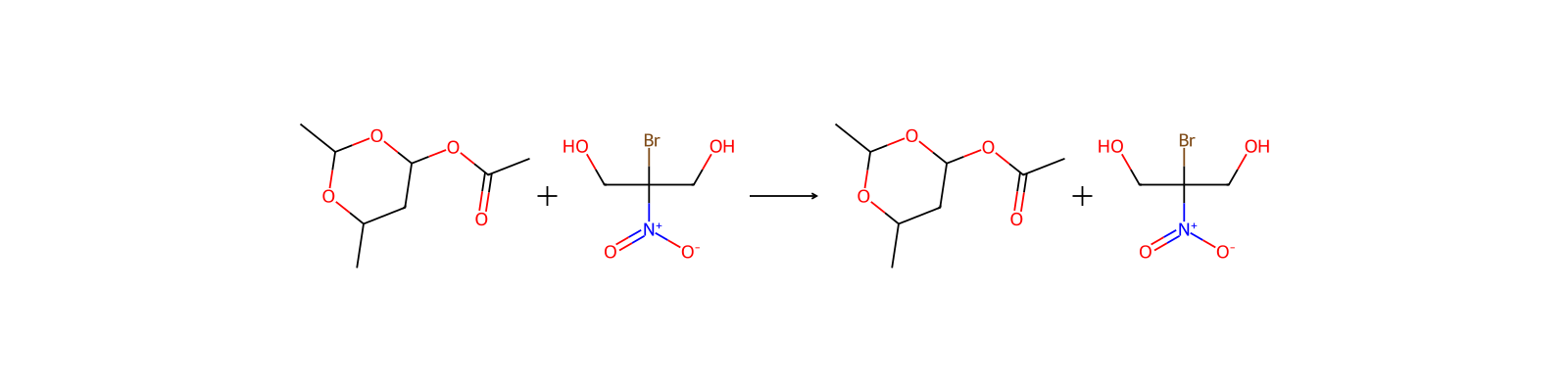
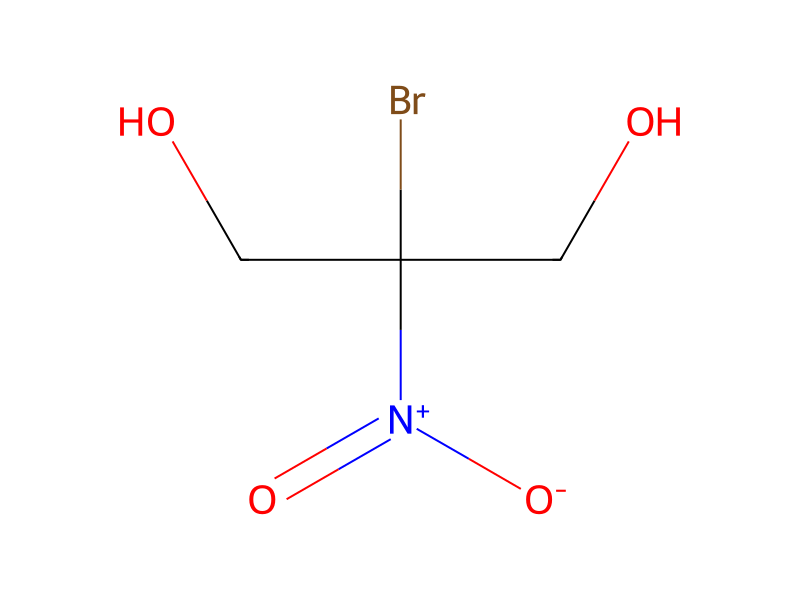
Basic information
- Standard SMILES
O=[N+]([O-])C(Br)(CO)CO- InChIKey
LVDKZNITIUWNER-UHFFFAOYSA-N- Molecular formula
- C3H6BrNO4
- Average molar mass
- 199.99 g/mol
- Monoisotopic mass
- 198.94801977
Overview
2-bromo-2-nitropropane-1,3-diol appears as white crystals. Ignite easily and burn readily. May detonate under strong shock. Decomposes when heated, evolving toxic gases. Toxic by skin absorption, inhalation or ingestion.
Names & identifiers
- Preferred name
- Bronopol
- IUPAC
- 2-bromo-2-nitropropane-1,3-diol
- English name
- Bronopol
- Molecular formula
- C3H6BrNO4
- Molecular weight
- 199.99
Names & synonyms
bronopol52-51-72-Bromo-2-nitro-1,3-propanediol2-Bromo-2-nitropropane-1,3-diolBronosolBronocotBronotakBronidiolBronopoluLexgard bronopolOnyxide 500Bronopolum
Show more names
Bronopol 1g [52-51-7]Broponol2-BroMo-2-nitropropane-12-Bromo-2-nitro-1,3-propanedioBronopol(2-BroMo-2-nitro-1,3-propanedio1)
1,3-Propanediol, 2-bromo-2-nitro-2-Nitro-2-bromo-1,3-propanediolDTXSID8024652beta-Bromo-beta-nitrotrimethyleneglycol2-bromo-2-nitro-propane-1,3-diolNSC-1410216PU1E16C9W2-Bromo-2-nitropropan-1,3-diol
Database identifiers
- CAS
52-51-7- PubChem CID
- 2450
- DTXSID
DTXSID8024652- ChEMBL
CHEMBL1408862- ChEBI
CHEBI:31306- UNII
- 6PU1E16C9W
- EC Number
- 200-143-0
- Nikkaji
- J1.911I
Properties
Computed structural properties
- XLogP
- -0.6
- Topological polar surface area
- 86.3 Ų
- Hydrogen bond donors
- 2
- Hydrogen bond acceptors
- 4
- Rotatable bonds
- 2
- Heavy atoms
- 9
- Formal charge
- 0
- Complexity
- 107
Experimental & physicochemical properties
Chemical ClassesOther Uses -> Biocides/Disinfectants
DrugsPharmaceuticals -> Listed in ZINC15
Cosmetics
Cosmetic ingredients (2-Bromo-2-Nitropropane-1,3-Diol) -> CIR (Cosmetic Ingredient Review)
Preservative
Pesticides
Bactericides, Fungicides
Active substance -> EU Pesticides database: Not approved
LogP0.18
OdorOdorless
DensityRelative density (water = 1): 1.9
Color/Form
White crystalline powder
Crystals from ethyl acetate-chloroform
Solubility
greater than or equal to 100 mg/mL at 63 °F (NTP, 1992)
25-25g/100mL at 22°C
In water, 2.5X10+5 mg/L at 22 °C
Soluble in alcohol, ethyl acetate. Slightly soluble in chloroform, acetone, ether, benzene. Insoluble in ligroin.
Solubility in water, g/100ml at 23 °C: 28 (freely soluble)
Flash Point167 °C
Animal DrugsPharmaceuticals -> UK Veterinary Medicines Directorate List
Boiling Point305.1 °F at 760 mmHg (NTP, 1992)
Physicochemical properties
- Melting point
- 130 · 130-133 °C(lit.)
- Boiling point
- 358 · 358.0±42.0 °C(Predicted)
- Density
- 2.0002 · 2.0002 (rough estimate)
- refractive index
- 1.62 · 1.6200 (estimate)
- Flash point
- 167 °C · 167°C
- storage temp.
- Inert atmosphere,Room Temperature
- solubility
- 2 O: · H2O: soluble100mg/mL, clear, colorless to faintly yellow
- pka
- 12.02 · 12.02±0.10(Predicted)
- form
- Crystals or Crystalline Powder
- color
- White to yellow
- Odor
- odorless
- Water Solubility
- 25 g/100 · 25 g/100 mL (22 ºC)
- Merck
- 14 · 14,1447
- BRN
- 1705868 · 1705868
- Henry's Law Constant
- 7.6 · 7.6×105 mol/(m3Pa) at 25℃, HSDB (2015)
- Stability
- Stable. Hygroscopic. Incompatible with strong oxidizing agents, strong bases, strong reducing agents, acid chlorides and anhydrides, moisture.
- Major Application
- agriculturecleaning productscosmeticsenvironmentalfood and beveragespersonal care
- Cosmetics Ingredients Functions
- PRESERVATIVE
- Cosmetic Ingredient Review (CIR)
- Bronopol (52-51-7)
- InChI
- 1S/C3H6BrNO4/c4-3(1-6,2-7)5(8)9/h6-7H,1-2H2
- InChIKey
- LVDKZNITIUWNER-UHFFFAOYSA-N
- SMILES
- OCC(Br)(CO)[N+]([O-])=O
- LogP
- 1.15 · 1.150 (est)
- CAS DataBase Reference
- 52 · 52-51-7(CAS DataBase Reference)
- Indirect Additives used in Food Contact Substances
- 2 · 2-BROMO-2-NITRO-1,3-PROPANEDIOL
- FDA 21 CFR
- 175.105 · 175.105; 176.170; 176.300
- FDA UNII
- 6 PU1E16C9W · 6PU1E16C9W
- NIST Chemistry Reference
- Bronopol(52-51-7)
- Pesticides Freedom of Information Act (FOIA)
- Bronopol
- EPA Substance Registry System
- Bronopol (52-51-7)
- UNSPSC Code
- 41116107 · 41116107
- NACRES
- 24 · NA.24
- Symbol(GHS)
- 5 · GHS05,GHS07,GHS09
- Signal word
- Danger
- Hazard statements
- 302 · H302+H312-H315-H318-H335-H410
- Precautionary statements
- 261 · P261-P273-P280-P301+P312-P302+P352+P312-P305+P351+P338
- target organs
- Respiratory system
- PPE
- 95 · dust mask type N95 (US), Eyeshields, Faceshields, Gloves
- Hazard Codes
- Xn,N
- Risk Statements
- 21 · 21/22-37/38-41-50
- Safety Statements
- 26 · 26-37/39-61-36/37/39
- RIDADR
- 3241 · UN 3241
- WGK Germany
- 2 · 2
- RTECS
- 3385000 · TY3385000
- F
- 4.2 · 4.2-8-9-21
- TSCA
- TSCA listed
- HazardClass
- 4.1 · 4.1
- PackingGroup
- III
- HS Code
- 29055999 · 29055999
- Storage Class
- 4.1 B · 4.1B - Flammable solid hazardous materials
- Hazard Classifications
- 4 DermalAcute · Acute Tox. 4 DermalAcute Tox. 4 OralAquatic Acute 1Aquatic Chronic 1Eye Dam. 1Skin Irrit. 2STOT SE 3
- Hazardous Substances Data
- 52 · 52-51-7(Hazardous Substances Data)
- Toxicity
- 50 in · LD50 in mice, rats (mg/kg): 350, 400 orally (Croshaw)
- REACH Registrations
- Active
- Limited Quantities
- 5 Kg · 5.0 Kg (11 lbs) (solid)
- Excepted Quantities
- Max Inner Pack (30g or 30ml) and Max Outer Pack (1Kg or 1L)
Safety & regulation
GHS classification
GHS Classification
Danger
H302: Harmful if swallowed [Warning Acute toxicity, oral]
P261, P264, P264+P265, P270, P271, P273, P280, P301+P317, P302+P352, P304+P340, P305+P354+P338, P317, P319, P321, P330, P332+P317, P362+P364, P391, P403+P233, P405, and P501 (click each P-code to see the statement)
This chemical does not meet GHS hazard criteria for < 0.1% (1 of 2149) of reports.
Danger
H301 (14.4%): Toxic if swallowed [Danger Acute toxicity, oral]
Hazard information
Regulatory Information
Chemical: 1,3-Propanediol, 2-bromo-2-nitro-
1,3-Propanediol, 2-bromo-2-nitro- is listed on the EPA's Chemical Data Reporting (CDR) system. Manufacturers and importers of 1,3-Propanediol, 2-bromo-2-nitro- are required to report information about their production and use of this chemical to the EPA under the Toxic Substances Control Act (TSCA). (40 eCFR Part 711)
2002/2076
Status: Active Update: 01-12-2022 https://echa.europa.eu/registration-dossier/-/registered-dossier/11419
Bronopol: HSNO Approval: HSR003563 Approved with controls
Other Safety InformationIMAP assessments - 1,3-Propanediol, 2-bromo-2-nitro-: Human health tier II assessment
DOT LabelFlammable Solid
Fire Hazards
Excerpt from ERG Guide 133 [Flammable Solids]:
· Flammable/combustible material.
Flammable. Gives off irritating or toxic fumes (or gases) in a fire. Finely dispersed particles form explosive mixtures in air.
Fire PotentialCombustible.
Health Hazards
Excerpt from ERG Guide 133 [Flammable Solids]:
· Fire may produce irritating and/or toxic gases.
Hazards Summary
Bronopol is a skin sensitizer. Cosmetic preparations contain concentrations of 0.01% to 0.02%. Significant irritant effects are seen when the concentration reaches 1% or greater. [Marks, p. 136-7] Skin sensitization reported in dairy workers and a veterinarian using a gel for ultrasound examinations; [Kanerva, p. 1762] A skin, eye, and respiratory tract irritant; A skin sensitizer; [ICSC]
DOT ID and Guide3241 133
FDA Requirements2-Bromo-2-nitro-1,3-propanediol is an indirect food additive for use only as a component of adhesives. Limit: For use only as an antibacterial preservative.
Reactive GroupAlcohols and Polyols
EC ClassificationSymbol: Xn, N; R: 21/22-37/38-41-50; S: (2)-26-37/39-61
UN ClassificationUN Hazard Class: 4.1; UN Pack Group: III
Safety & protection
Fire Fighting
Excerpt from ERG Guide 133 [Flammable Solids]:
Use water spray, powder, alcohol-resistant foam, carbon dioxide.
First Aid Measures
Fresh air, rest.
Remove contaminated clothes. Rinse skin with plenty of water or shower.
First rinse with plenty of water for several minutes (remove contact lenses if easily possible), then refer for medical attention.
Rinse mouth. Refer for medical attention .
Accidental Release Measures
· CALL 911. Then call emergency response telephone number on shipping paper. If shipping paper not available or no answer, refer to appropriate telephone number listed on the inside back cover.
· ELIMINATE all ignition sources (no smoking, flares, sparks or flames) from immediate area.
First Aid
EYES: First check the victim for contact lenses and remove if present. Flush victim's eyes with water or normal saline solution for 20 to 30 minutes while simultaneously calling a hospital or poison control center. Do not put any ointments, oils, or medication in the victim's eyes without specific instructions from a physician. IMMEDIATELY transport the victim after flushing eyes to a hospital even if no symptoms (such as redness or irritation) develop.
General First Aid:
Safe Storage
Fireproof. Separated from food and feedstuffs and incompatible materials. See Chemical Dangers. Dry. Well closed. Keep in a well-ventilated room. Store in an area without drain or sewer access. Provision to contain effluent from fire extinguishing.
Exposure Control and Personal Protection· Wear positive pressure self-contained breathing apparatus (SCBA).
Fire Fighting Procedures
Wear self contained breathing apparatus for fire fighting if necessary.
Use water spray to cool unopened containers.
Suitable extinguishing media: Use water spray, alcohol-resistant foam, dry chemical or carbon dioxide.
Powder, alcohol-resistant foam, water spray, carbon dioxide.
Storage Conditions
Keep container tightly closed in a dry well-ventilated place.
Separated from food and feedstuffs and incompatible materials. Dry. Well closed. Keep in a well-ventilated room.
Cleanup Methods
Sweep up and shovel. Contain spillage, and then collect with an electrically protected vacuum cleaner or by wet-brushing and place in container for disposal according to local regulations ... Keep in suitable, closed containers for disposal. Contain spillage, pick up with an electrically protected vacuum cleaner or by wet-brushing and transfer to a container for disposal according to local regulations ... .
Prevent further leakage or spillage if safe to do so. Do not let product enter drains. Discharge into the environment must be avoided.
Wear respiratory protection. Avoid dust formation. Avoid breathing vapors, mist or gas. Ensure adequate ventilation. Evacuate personnel to safe areas. Avoid breathing dust.
Sweep spilled substance into containers; if appropriate, moisten first to prevent dusting. Carefully collect remainder, then remove to safe place. (Extra personal protection: P2 filter respirator for harmful particles).
Nonfire Spill ResponseExcerpt from ERG Guide 133 [Flammable Solids]:
Disposal Methods
SRP: The most favorable course of action is to use an alternative chemical product with less inherent propensity for occupational exposure or environmental contamination. Recycle any unused portion of the material for its approved use or return it to the manufacturer or supplier. Ultimate disposal of the chemical must consider: the material's impact on air quality; potential migration in soil or water; effects on animal, aquatic, and plant life; and conformance with environmental and public health regulations.
Product: Burn in a chemical incinerator equipped with an afterburner and scrubber but exert extra care in igniting as this material is highly flammable. Offer surplus and non-recyclable solutions to a licensed disposal company. Contact a licensed professional waste disposal service to dispose of this material.
Contaminated packaging: Dispose of as unused product.
Spillage Disposal
Personal protection: particulate filter respirator adapted to the airborne concentration of the substance. Do NOT let this chemical enter the environment. Sweep spilled substance into covered containers. If appropriate, moisten first to prevent dusting. Carefully collect remainder. Then store and dispose of according to local regulations.
Toxicology
Treatment
EYES: irrigate opened eyes for several minutes under running water. INGESTION: do not induce vomiting. Rinse mouth with water (never give anything by mouth to an unconscious person). Seek immediate medical advice. SKIN: should be treated immediately by rinsing the affected parts in cold running water for at least 15 minutes, followed by thorough washing with soap and water. If necessary, the person should shower and change contaminated clothing and shoes, and then must seek medical attention. INHALATION: supply fresh air. If required provide artificial respiration.
Health EffectsBronopol may react to produce nitrosamines, which are believed to be carcinogenic. It also releases formaldehyde, a known human carcinogen. (L962, A2881)
Ecotoxicity Values
LD50; Species: Anas platyrhynchos (Mallard duck) oral 509.5 mg/kg /99.4% a.i./ /from table/
LC50; Species: Anas platyrhynchos (Mallard duck) oral >10,000 ppm /in the diet/ for 8 days /100% a.i./ /from table/
LC50; Species: Colinus virginianus (Northern bobwhite) oral 4487.6 ppm /in the diet/ /8 days /100% a.i./ /from table/
LC50; Species: Oncorhynchus mykiss (Rainbow trout); Conditions: flow through; Concentration: 41.6 ppm for 96 hr (95% confidence interval: 36-45 ppm) /100% a.i./ /from table/
For more Ecotoxicity Values (Complete) data for BRONOPOL (9 total), please visit the HSDB record page.
Environmental Fate
TERRESTRIAL FATE: Based on a classification scheme(1), an estimated Koc value of 1(SRC), determined from a structure estimation method(2), indicates that bronopol is expected to have very high mobility in soil(SRC). Volatilization of bronopol from moist soil surfaces is not expected to be an important fate process(SRC) given an estimated Henry's Law constant of 1.3X10⁻¹¹ atm-cu m/mole(SRC), based upon its vapor pressure, 1.26X10⁻⁵ mm Hg(3), and water solubility, 2.5X10+5 mg/L(4). Bronopol is not expected to volatilize from dry soil surfaces(SRC) based upon its vapor pressure(3). A 0% of theoretical BOD using activated sludge in the Japanese MITI test(5) suggests that biodegradation is not an important environmental fate process in soil(SRC).
AQUATIC FATE: Based on a classification scheme(1), an estimated Koc value of 1(SRC), determined from a structure estimation method(2), indicates that bronopol is not expected to adsorb to suspended solids and sediment(SRC). Volatilization from water surfaces is not expected(3) based upon an estimated Henry's Law constant of 1.3X10⁻¹¹ atm-cu m/mole(SRC), derived from its vapor pressure, 1.26X10⁻⁵ mm Hg(4), and water solubility, 2.5X10+5 mg/L(5). Bronopol is stable to hydrolysis under normal environmental conditions. At 20 °C, the hydrolysis half-life was extrapolated to be about 18 years at pH 4, about 1.5 years at pH 6, and approximately 2 months at pH 8(6). Bronopol rapidly photodegrades at pH 4 exhibiting a photolysis half-life of 24 hours in water(6). According to a classification scheme(7), an estimated BCF of 1(SRC), from an estimated log Kow of -0.64(2) and a regression-derived equation(2), suggests the potential for bioconcentration in aquatic organisms is low(SRC). Bronopol was not biodegraded using a mixed culture sewage sludge test(8); therefore, biodegradation is not expected to be an important fate process in the aquatic environment(SRC).
ATMOSPHERIC FATE: According to a model of gas/particle partitioning of semivolatile organic compounds in the atmosphere(1), bronopol, which has a vapor pressure of 1.26X10⁻⁵ mm Hg at 20 °C(2), is expected to exist in both the vapor and particulate phases in the ambient atmosphere. Vapor-phase bronopol is degraded in the atmosphere by reaction with photochemically-produced hydroxyl radicals(SRC); the half-life for this reaction in air is estimated to be 11 days(SRC), calculated from its rate constant of 1.3X10⁻¹² cu cm/molecule-sec at 25 °C(SRC) that was derived using a structure estimation method(2). Particulate-phase bronopol may be removed from the air by wet and dry deposition(SRC). Bronopol rapidly photodegrades at pH 4 exhibiting a photolysis half-life of 24 hours in water; under natural sunlight, a photolysis half-life of 2 days is expected(3). Therefore, bronopol may be susceptible to direct photolysis(SRC).
Adverse EffectsSkin Sensitizer - An agent that can induce an allergic reaction in the skin.
Exposure Routes
The substance can be absorbed into the body by inhalation of its aerosol, through the skin and by ingestion.
Oral (A2881) ; inhalation (A2881) ; dermal (A2881)
Toxicity Summary
The evidence at hand indicates 2-Bromo-2-Nitropropane-1,3-Diol to be safe as a cosmetic ingredient at concentrations up to and including 0.1 percent except under circumstances where its action with amines or amides can result in the formation of nitrosamines or nitrosamides.
Safe for use in cosmetics, with qualifications
While Bronopol is not in itself a nitrosating agent, under conditions where it decomposes (alkaline solution and/or elevated temperatures) it can liberate nitrite and low levels of formaldehyde. These decomposition products can react with any secondary amines or amides (which may contaminate cosmetic products) to produce significant levels of nitrosamines, which are believed to be carcinogenic. Once in the body, nitrosamines are activated by cytochrome P-450 enzymes. They are then believed to induce their carcinogenic effects by forming DNA adducts at the N- and O-atoms. Formaldehyde itself is also carcinogenic. It is likely that formaldehyde toxicity occurs when intracellular levels saturate formaldehyde dehydrogenase activity, allowing the unmetabolized intact molecule to exert its effects. Formaldehyde is known to form cross links between protein and DNA and undergo metabolic incorporation into macromolecules (DNA, RNA, and proteins). (L962, L643, L1889, A2878, A2879, A2880, A2881, L1893)
Signs and Symptoms
Cough. Sore throat.
Redness.
Redness. Stinging sensation. Pain. Burns.
Sore throat. Tingling sensation.
Ongoing Test Status
EPA has released the first beta version (version 0.5) of the Interactive Chemical Safety for Sustainability (iCSS) Dashboard. The beta version of the iCSS Dashboard provides an interactive tool to explore rapid, automated (or in vitro high-throughput) chemical screening data generated by the Toxicity Forecaster (ToxCast) project and the federal Toxicity Testing in the 21st century (Tox21) collaboration. /The title compound was tested by ToxCast and/or Tox21 assays; See the data in Chemical Explorer/[USEPA; ICSS Dashboard Application; Available from, as of March 28, 2014: http://actor.epa.gov/dashboard/]
The following link will take the user to the National Toxicology Program (NTP) Test Agent Search Results page, which tabulates all of the "Standard Toxicology & Carcinogenesis Studies", "Developmental Studies", and "Genetic Toxicity Studies" performed with this chemical. Clicking on the "Testing Status" link will take the user to the status (i.e., in review, in progress, in preparation, on test, completed, etc.) and results of all the studies that the NTP has done on this chemical.[Available from, as of February 24, 2014: http://ntp-apps.niehs.nih.gov/ntp_tox/index.cfm?fuseaction=ntpsearch.searchresults&searchterm=52-51-7]
ICSC Environmental DataThe substance is very toxic to aquatic organisms. The substance may cause long-term effects in the aquatic environment.
Soil Adsorption/Mobility
Using a structure estimation method based on molecular connectivity indices(1), the Koc of bronopol can be estimated to be 1(SRC). According to a classification scheme(2), this estimated Koc value suggests that bronopol is expected to have very high mobility in soil.
Human Toxicity Excerpts
/HUMAN EXPOSURE STUDIES/ A total of 8149 patients were patch tested with the preservative Bronopol in 7 European contact clinics. The majority of patients were investigated in London. Reactivity was low, with a total of 10 irritant (0.12%) and 38 allergic reactions (0.47%). In only 17 cases (0.21%) was the patch test reaction to Bronopol considered to be of current or past clinical relevance. ...Based on these figures, the present sensitization rate to Bronopol in Europe seems to be quite low, which may be related to its less frequent use as a preservative in cosmetics and medicaments in comparison to parabens or isothiazolinones.
/CASE REPORTS/ Six cases of contact allergy to bronopol are described (5 females, 1 male; mean age, 60.8 years). Four patients suffered from stasis dermatitis of the lower leg. The cause of sensitization has been traced to bronopol-containing ointments in 5 of 6 cases. For patch testing 0.25% bronopol in petrolatum is recommended. One-third of the patients were also sensitized to formaldehyde, which is a degradation product of bronopol.
/CASE REPORTS/ Two cases of allergic dermatitis caused by occupational exposure to cosmetic creams were summarized. Two males, 25 and 54 years old, who were employed as perfume and cosmetic component formulators at a Polish cosmetics factory were evaluated for hand and arm dermatitis. The patients reported that their dermatitis tended to clear during short absences from work and on holidays. The 25 year old patient reported that a soap that he used during a holiday exacerbated his symptoms. The patients were patch tested with the Polish standard allergen series, a preservative series, workplace allergens, and Bronopol, a commercial preparation containing bromonitropropanediol. ... Both patients reported that their jobs involved weighing 36 grams to 0.1 kilogram Bronopol daily. Their dermatitis developed a few weeks after Bronopol from a new supplier was introduced. The patients changed to jobs that did not involve contact with cosmetic components. Their dermatoses cleared and had not recurred when examined 6 and 9 months later.
/CASE REPORTS/ A case of allergic contact dermatitis in a veterinary surgeon was described. A 35 year old male veterinary surgeon developed a painful erythematous swelling on his left arm extending from the fingers to the mid upper arm. He stated that he had abraded his arm at work 2 weeks previously. Because he was employed as an equine gynecologist the cause of the inflammation was thought to be cellulitis. He was treated with oral penicillin and flucloxacillin and his arm was elevated in a sling. With his left arm immobilized he had to use his right arm at work. He returned 4 days later with the erythematous swelling now present on the right arm. The swelling on both arms was treated as contact dermatitis with corticosteroids and emollients. Further inquiry about his occupation revealed that he practiced as a specialist stud farm veterinarian and he spent much of his time performing ultrasonic examinations through the rectum of thoroughbred mares to assess the state of the ovaries and pregnancy. This required a full arm rectal examination. Shortly before his left arm became swollen, he had started using a new lubricant jelly, Vet-Lubrigel. He was advised to use an alternative lubricant. His arms improved rapidly after he switched to the new lubricant. Subsequent patch testing showed that he was allergic to both Vet-Lubrigel and its preservative Bronopol.
/ALTERNATIVE and IN VITRO TESTS/ Formaldehyde and formaldehyde releasers are widely used preservatives and represent an important group of skin sensitizers. Formaldehyde is very often suspected to be the sensitizing agent of formaldehyde-releasers; however, many reported clinical cases of contact allergy to these molecules such as bronopol (2-bromo-2-nitropropane-1,3-diol) indicate negative skin reactions to formaldehyde suggesting a more complex mechanism. The aim of this study was to compare the chemical reactivity and biological activity of formaldehyde with those of two formaldehyde releasers: 2-bromo-2-nitropropane-1,3-diol and 1,3-dimethylol-5,5-dimethylhydantoin. A key step in the sensitization to chemicals is the formation of the hapten-protein antigenic complex via covalent binding between the chemical sensitizer and amino acids in proteins. The chemical reactivity of the three compounds was thus addressed using (13)C NMR analysis of adduct formation upon incubation with a set of nucleophilic amino acids. The biological activity was measured in two in vitro models based on dendritic cells and a monocytic cell line (CD34-DC and THP-1 model) through monitoring of a panel of biomarkers. The results obtained show that 2-bromo-2-nitropropane-1,3-diol produces low amount of free formaldehyde in physiological buffers but that its degradation generates various molecules including 2-bromoethanol. In addition, 2-bromo-2-nitropropane-1,3-diol also generates adducts with amino acids, not observed with formaldehyde alone, that could be explained by the reactivity of 2-bromoethanol. In parallel, in a cellular approach using the human monocytic THP-1 cell line, 2-bromo-2-nitropropane-1,3-diol activates THP-1 cells at concentrations that are not correlated to simple formaldehyde release. This observation is confirmed in the more physiological model CD34-DC. Moreover, in the THP-1 model, the expression profiles of several biomarkers are specific to 2-bromo-2-nitropropane-1,3-diol. Finally, the use in the cellular model of the pure degradation products identified by NMR reveals the reactivity of bromonitromethane. In contrast, 1,3-dimethylol-5,5-dimethylhydantoin presents chemical and biological reactivities similar to those of formaldehyde. Taken together, these data suggest that 2-bromo-2-nitropropane-1,3-diol is an atypical formaldehyde releaser, releasing low amounts of formaldehyde at physiological conditions but producing multiple degradation products among which 2-bromoethanol and bromonitromethane are potential candidates for explaining the specific allergic reactions to 2-bromo-2-nitropropane-1,3-diol.
Regulatory information
FDA Requirements2-Bromo-2-nitro-1,3-propanediol is an indirect food additive for use only as a component of adhesives. Limit: For use only as an antibacterial preservative.
FIFRA Requirements
Residues of 2-ethyl-1-hexanol are exempted from the requirement of a tolerance when used in accordance with good agricultural practice as inert (or occasionally active) ingredients in pesticide formulations applied to growing crops or to raw agricultural commodities after harvest. Use: In-can preservative. Limit: 0.04% or less by weight of the total pesticide formulation.
Residues of 2-ethyl-1-hexanol are exempted from the requirement of a tolerance when used in accordance with good agricultural practice as inert (or occasionally active) ingredients in pesticide formulations applied to animals. Use: In-can preservative. Limit: 0.04% or less by weight of the total pesticide formulation.
Based on the reviews of the generic data for the active ingredient bronopol, the Agency has sufficient information on the health effects of bronopol and on its potential for causing adverse effects in fish, wildlife and the environment. The Agency has determined that bronopol products, labeled and used as specified in this Reregistration Eligibility Decision document, will not pose unreasonable risks to humans or the environment as long as label restrictions prescribed in this RED are followed. Therefore, the Agency concludes that products containing bronopol for all currently registered uses are eligible for reregistration.
As the federal pesticide law FIFRA directs, EPA is conducting a comprehensive review of older pesticides to consider their health and environmental effects and make decisions about their continued use. Under this pesticide reregistration program, EPA examines newer health and safety data for pesticide active ingredients initially registered before November 1, 1984, and determines whether the use of the pesticide does not pose unreasonable risk in accordance to newer saftey standards, such as those described in the Food Quality Protection Act of 1996. Pesticides for which EPA had not issued Registration Standards prior to the effective date of FIFRA '88 were divided into three lists based upon their potential for human exposure and other factors, with List B containing pesticides of greater concern than those on List C, and with List C containing pesticides of greater concern than those on List D. Bronopol is found on List B. Case No: 2770; Pesticide type: herbicide, antimicrobial; Case Status: RED Approved 09/1995; OPP has made a decision that some/all uses of the pesticide are eligible for reregistration, as reflected in a Reregistration Eligibility Decision (RED) document.; Active ingredient (AI): 2-bronopol; Data Call-in (DCI) Date(s): 06/14/1991, 08/18/1995; AI Status: OPP has completed a Reregistration Eligibility Decision (RED) for the case/AI.
Safety data
- F
- 4.2-8-9-21
- PPE
- dust mask type N95 (US), Eyeshields, Faceshields, Gloves
- wgk
- 2
- tsca
- TSCA listed
- rtecs
- TY3385000
- ridadr
- UN 3241
- hs_code
- 29055999
- Toxicity
- LD50 in mice, rats (mg/kg): 350, 400 orally (Croshaw)
- risk_code
- 21/22-37/38-41-50
- Signal word
- Danger
- Symbol(GHS)
- GHS05,GHS07,GHS09
- hazard_code
- Xn,N
- safety_code
- 26-37/39-61-36/37/39
- hazard_class
- 4.1
- Storage Class
- 4.1B - Flammable solid hazardous materials
- packing_group
- III
- target organs
- Respiratory system
- Hazard statements
- H302+H312-H315-H318-H335-H410
- Limited Quantities
- 5.0 Kg (11 lbs) (solid)
- Excepted Quantities
- Max Inner Pack (30g or 30ml) and Max Outer Pack (1Kg or 1L)
- REACH Registrations
- Active
- Hazard Classifications
- Acute Tox. 4 DermalAcute Tox. 4 OralAquatic Acute 1Aquatic Chronic 1Eye Dam. 1Skin Irrit. 2STOT SE 3
- Precautionary statements
- P261-P273-P280-P301+P312-P302+P352+P312-P305+P351+P338
- Hazardous Substances Data
- 52-51-7(Hazardous Substances Data)
Chemistry & industry
Pharmacology
ATC CodeQD - Dermatologicals
Protein BindingNo data available.
Pharmacodynamics
At concentrations of 12.5 to 50 μg/mL, bronopol mediated an inhibitory activity against various strains of Gram negative and positive bacteria _in vitro_. The bactericidal activity is reported to be greater against Gram-negative bacteria than against Gram-positive cocci. Bronopol was also demonstrated to be effective against various fungal species, but the inhibitory action is reported to be minimal compared to that of against bacterial species. The inhibitory activity of bronopol decreases with increasing pH of the media. Bronopol also elicits an anti-protozoal activity, as demonstrated with _Ichthyophthirius multifiliis_ _in vitro_ and _in vivo_. It is proposed that bronopol affects the survival of all free-living stages of _I. multifiliis_.
Mechanism of Action
It is proposed that bronopol generates biocide-induced bacteriostasis followed by a growth at an inhibited rate in bacteria, via two distinct reactions between bronopol and essential thiols within the bacterial cell. Under aerobic conditions, bronopol catalyzes the oxidation of thiol groups, such as cysteine, to disulfides. This reaction is accompanied by rapid consumption of oxygen, where oxygen acts as the final oxidant. During the conversion of cysteine to cystine, radical anion intermediates such as superoxide and peroxide are formed from bronopol to exert a direct bactericidal activity. The oxidation of excess thiols alters the redox state to create anoxic conditions, leading to a second reaction involving the oxidation of intracellular thiols such as glutathione to its disulfide. The resulting effects are inhibition of enzyme function, and reduced growth rate following the bacteriostatic period. Under the anoxic conditions, the reaction between thiol and bronopol decelerates without the involvement of oxygen and the consumption of bronopol predominates. Bronopol is ultimately removed from the reaction via consumption and resumption of bacterial growth occurs.
...Under aerobic conditions, bronopol catalytically oxidizes thiol-containing materials such as cysteine, with atmospheric oxygen as the final oxidant. By-products of this reaction are active oxygen species such as superoxide and peroxide, which are directly responsible for the bactericidal activity of the compound and for the reduced growth rate after the bacteriostatic period.
Biological Half-Life
The half-life of bronopol in the biological systems is not reported in the literature. The half-life value reported for bronopol reflects the environment fate of the compound. When released into the air as vapours, bronopol is degraded in the atmosphere by reaction with photochemically-produced hydroxyl radicals where the half life for this reaction is approximately 11 days. The photolysis half-life is 24 hours in water but may be up to 2 days under natural sunlight.
Metabolism/Metabolites
Bronopol undergoes degradation in aqueous medium to form bromonitroethanol from a retroaldol reaction with the liberation of an equimolar amount of formaldehyde. Formaldehyde is a degradation product of bronopol, which may cause sensitization. Bromonitroethanol further decomposes to formaldehyde and bromonitromethane. Bromonitroethanol may also break down to release a nitrite ion and 2-bromoethanol.
Approx. 40% of the topically applied dose of antibacterial agent [(14)C] bronopol([(14)C]BP) was absorbed through the rat skin within 24 hr. Of the applied radioactivity, about 19% was excreted in the urine, feces and expired air. The 24 hr recoveries of (14)C in the urine and expired air were 15 and 2%, respectively, of the dose applied to the skin, and 74 and 9%, respectively, of the dose given intravenously. The TLC of the urines showed three metabolites, but no unchanged [(14)C]BP in both groups. The results suggest that rat skin is quite permeable to bronopol.
Transformation products usually differ in environmental behaviors and toxicological properties from the parent contaminants, and probably cause potential risks to the environment. Toxicity evolution of a labile preservative, bronopol, upon primary aquatic degradation processes was investigated. Bronopol rapidly hydrolyzed in natural waters, and primarily produced more stable 2-bromo-2-nitroethanol (BNE) and bromonitromethane (BNM). Light enhanced degradation of the targeted compounds with water site specific photoactivity. The bond order analysis theoretically revealed that the reversible retroaldol reactions were primary degradation routes for bronopol and BNE. Judging from toxicity assays and the relative pesticide toxicity index, these degradation products (i.e., BNE and BNM), more persistent and higher toxic than the parent, probably accumulated in natural waters and resulted in higher or prolonging adverse impacts. Therefore, these transformation products should be included into the assessment of ecological risks of non-persistent and low toxic chemicals such as the preservative bronopol.
The major metabolite /in animals/ has been identified as 2-nitropropane-1,3-diol.
The only metabolite identified in urine was BTS 23 913 (2-nitropropane-1,3- diol or desbromo-bronopol), accounting for 45-50% of the radioactivity taken for analyses. The remaining radioactivity was not identified (one radioactive peak and radioactivity not resolved into peaks). Unchanged bronopol was not detected.
Nitrosamines can enter the body via ingestion, inhalation, or dermal contact. Once in the body, nitrosamines are metabolized by cytochrome P-450 enzymes, which essentially activates them into carcinogens. Sarcosine is metabolized to glycine by the enzyme sarcosine dehydrogenase. Formaldehyde may be absorbed following inhalation, oral, or dermal exposure. It is an essential metabolic intermediate in all cells and is produced during the normal metabolism of serine, glycine, methionine, and choline and also by the demethylation of N-, S-, and O-methyl compounds. Exogenous formaldehyde is metabolized to formate by the enzyme formaldehyde dehydrogenase at the initial site of contact. After oxidation of formaldehyde to formate, the carbon atom is further oxidized to carbon dioxide or incorporated into purines, thymidine, and amino acids via tetrahydrofolatedependent one-carbon biosynthetic pathways. Formaldehyde is not stored in the body and is excreted in the urine (primarily as formic acid), incorporated into other cellular molecules, or exhaled as carbon dioxide. (A2878, A2879, L1892, L962)
FDA Pharmacological Classification
6PU1E16C9W
BRONOPOL
Established Pharmacologic Class [EPC] - Standardized Chemical Allergen
Physiologic Effects [PE] - Increased Histamine Release
Physiologic Effects [PE] - Cell-mediated Immunity
Chemical Structure [CS] - Allergens
MeSH Pharmacological Classification
Substances that prevent infectious agents or organisms from spreading or kill infectious agents in order to prevent the spread of infection.
Substances used on humans and other animals that destroy harmful microorganisms or inhibit their activity. They are distinguished from DISINFECTANTS, which are used on inanimate objects.
Substances used for the detection, identification, analysis, etc. of chemical, biological, or pathologic processes or conditions. Indicators are substances that change in physical appearance, e.g., color, at or approaching the endpoint of a chemical titration, e.g., on the passage between acidity and alkalinity. Reagents are substances used for the detection or determination of another substance by chemical or microscopical means, especially analysis. Types of reagents are precipitants, solvents, oxidizers, reducers, fluxes, and colorimetric reagents. (From Grant & Hackh's Chemical Dictionary, 5th ed, p301, p499)
Absorption, Distribution and Excretion
Bronopol was rapidly absorbed in animal studies. It may be absorbed via aerosol inhalation, dermal contact, and ingestion. In rats, approximately 40% of the topically applied dose of bronopol was absorbed through the skin within 24 hr. Following oral administration of 1 mg/kg in rats, the peak plasma concentrations of bronopol were reached up to 2 hours post-dosing.
Metabolism studies indicate that bronopol is primarily excreted in the urine. In rats, about 19% of dermally-applied bronopol was excreted in the urine, feces and expired air. Following oral administration of 1 mg/kg radiolabelled bronopol in rats, approximately 81% and 6% of the administered radioactivity was recovered in the urine and expired air, respectively, within a period of 24 hours. Following intravenous administration in rat, the recoveries in the urine and expired air were 74% and 9% of the dose, respectively.
The highest concentrations of bronopol were detected in the excretory organs of rat such as kidney, liver, and lung. The lowest concentration was in the fat.
No data available.
The rat metabolism data for bronopol consist of four separate studies conducted with male and female Sprague-Dawley rats. Animals were treated by gavage with (14)C bronopol (radiochemical purity: >95-100%). In the first study animals received a single dose of 10 mg/kg. The second study employed a higher dose of 50 mg/kg. Doses higher the 50 mg/kg caused respiratory problems and death. The third study's dose was 10 mg/kg (14 daily doses of nonradioactive, 100% pure, bronopol, followed by one dose of (14)C-bronopol). Urine, feces and CO2 were collected for 7 days after dosing, at which time the rats were killed and the tissues examined for radioactivity. Because, irrespective of the dose, most of the administered (14)C was excreted in urine (64-78% in 24 hours and 68-83% in 7 days), urine was used for the identification of metabolites in the fourth study. Feces, CO2 and tissues represented minor routes of excretion of (14)C. Very little (14)C was also detected in the whole blood and plasma. From the results of these four studies... /it was/ concluded that bronopol administered orally was rapidly absorbed and rapidly excreted by the rats of both sexes, with urine being the major route of excretion.
Oral doses are rapidly absorbed and rapidly excreted, mainly in the urine /in animals/.
Uses & manufacturing
Uses
CIR ingredient: 2-Bromo-2-Nitropropane-1,3-Diol
Bronopol is a preservative and antiseptic used in cosmetics and topical medications. It is used as a preservative in paints, textiles, cooling towers, humidifiers, and hide processing. [Marks, p. 136-7] Used in cleaning agents, paints, cosmetics, glues, paper mills, water systems, metalworking fluids, polishes, and printing inks; [Kanerva, p. 405]
Metal Machining [Category: Heat or Machine]
Preparing and mounting animal skins (taxidermy) [Category: Hobbies]
For bronopol (USEPA/OPP Pesticide Code: 216400) ACTIVE products with label matches. /SRP: Registered for use in the U.S. but approved pesticide uses may change periodically and so federal, state and local authorities must be consulted for currently approved uses./
For seed treatment on cotton for Xanthomonas campestris (blackarm diseae).
U.S. Production
2023: <50,000 lb
Production volumes for non-confidential chemicals reported under the Inventory Update Rule.[Table#6821]
Production volume for non-confidential chemicals reported under the 2006 Inventory Update Rule. Chemical: 1,3-Propanediol, 2-bromo-2-nitro-. Aggregated National Production Volume: < 500,000 pounds.
Consumer UsesAnti-adhesive/cohesive
Industry UsesAnti-adhesive/cohesive
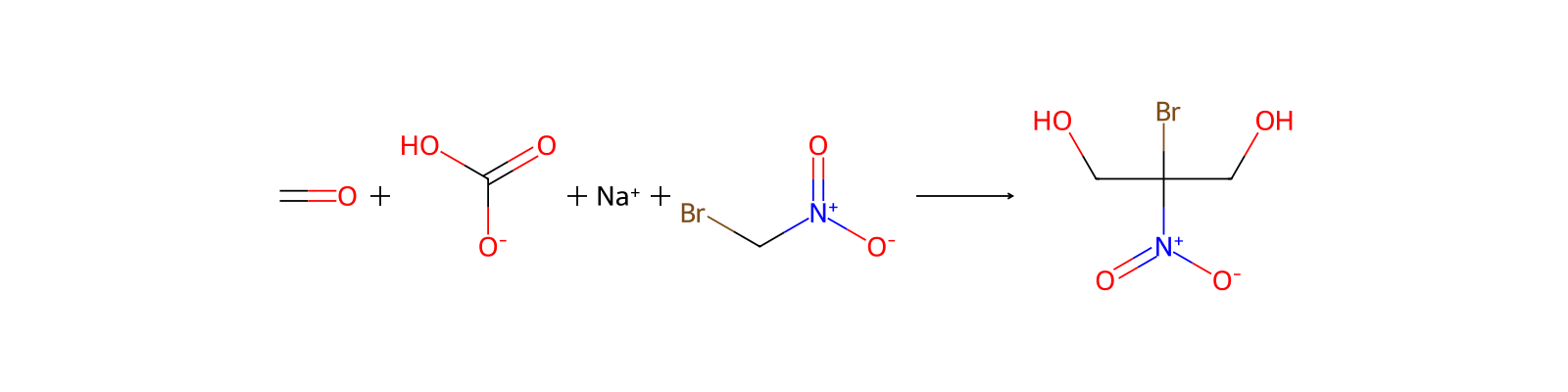
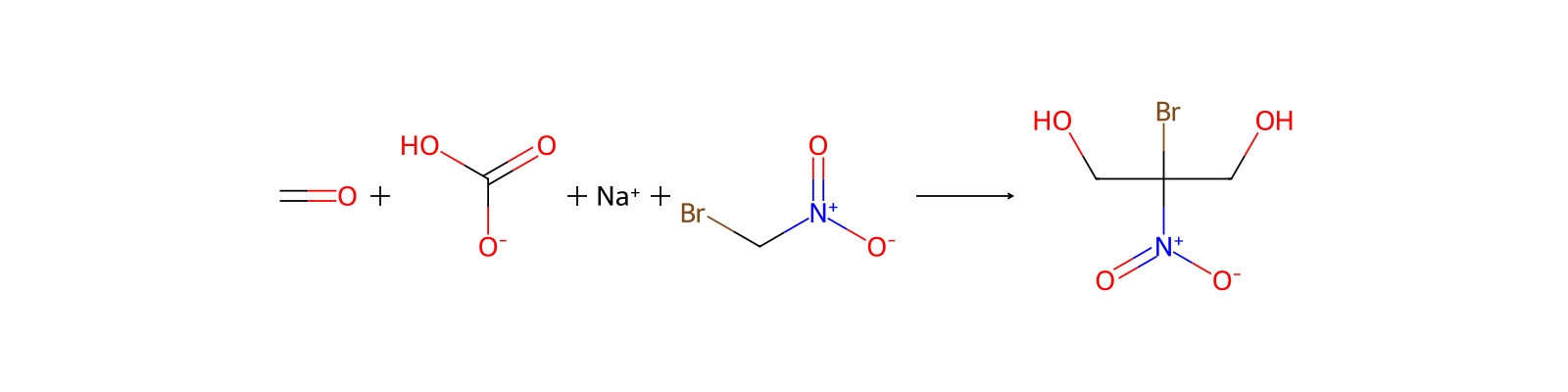
Methods of ManufacturingBronopol is made by the bromination of the sodium salt of 2-nitropropane-1,3-diol.
Formulations/Preparations
Trade name: Onyxide 500
Formulation types registered: pelleted/tableted, crystalline, soluble concentrate/liquid, soluble concentrate/solid.
Tradename: Bronotak
Powder for dry application.
For more Formulations/Preparations (Complete) data for BRONOPOL (49 total), please visit the HSDB record page.
Household ProductsInformation on 38 consumer products that contain 2-Bromo-2-nitropropane-1,3-diol in the following categories is provided:
Use ClassificationCosmetics -> Preservative
General Manufacturing Information
Paint and Coating Manufacturing
1,3-Propanediol, 2-bromo-2-nitro-: ACTIVE
The WHO Recommended Classification of Pesticides by Hazard identifies bronopol (technical grade) as Class II: moderately hazardous; Main Use: bacteriostat (soil).
Applications
DescriptionBronopol, a formaldehyde releaser, was reported as an allergen in dairy workers. In a recent case report, bronopol was contained in a lubricant jelly used for ultrasound examination and caused contact dermatitis in a veterinary surgeon.
UsesFirst synthesized in 1897, bronopol was primarily used as an effective preservative agent and possesses a wide spectrum of antibacterial activity and inhibits the growth of fungi and yeasts. It can be used in the formulation of a wide variety of cosmetic and personal care products, especially in leave-on and rinse-off shampoos, creams, lotions, rinses and eye makeup to protect the product integrity by preventing or slowing bacterial growth.Bronopol is used as a microbiocide/microbiostat in oil field systems, air washer systems, air conditioning/humidifying systems, cooling water systems, papermills, absorbent clays, metal working fluids, printing inks, paints, adhesives and consumer/institutional products. A formulating technical material is also registered.https://www.ulprospector.comhttps://www3.epa.gov
UsesBronopol has been used as reference standard in ultra performance liquid chromatography (UPLC) coupled to inductively coupled plasma mass spectrometry (UPLC-ICP-MS) method for determination of bromine containing preservatives from cosmetic products.
General DescriptionWhite crystals. Ignite easily and burn readily. May detonate under strong shock. Decomposes when heated, evolving toxic gases. Toxic by skin absorption, inhalation or ingestion.
Upstream & downstream products
Upstream raw materials
Downstream products
Suppliers50 total
国药集团化学试剂有限公司86-21-63210123 · [email protected]
梯希爱(上海)化成工业发展有限公司021-67121386 · [email protected]
上海阿拉丁生化科技股份有限公司400-6206333 13167063860 · [email protected]
T&W GROUP021-61551611 13296011611 · [email protected]
上海如吉生物科技发展有限公司+86-21-65211385-8001 36031160 · [email protected]
南京兰亚化工贸易有限公司+86-25-8331-5620 · [email protected]
科瑞迪化学400-821-5857 021-64326257 · [email protected]
Syntechem Co.,Ltd[email protected]
上海迈瑞尔生化科技有限公司4006356688 18621169109 · [email protected]
阿法埃莎(中国)化学有限公司400-6106006 · [email protected]
南京仕浪药业有限公司86-25-87797880,81,82 -809 · [email protected]
太原市瑞和丰科贸有限公司+86 351 7031519 · [email protected]
安耐吉化学&3A(安徽泽升科技股份有限公司)400-0056266 · [email protected]
上海瀚鸿科技股份有限公司021-54306202 13764082696 · [email protected]
上海景颜化工科技有限公司13817811078 · [email protected]
Pure Chemistry Scientific Inc.001-857-928-2050 or 1-888-588-9418 · [email protected]
江苏省太仓市严林化工厂0512-53410118 13776174836 · [email protected]
上海泰坦科技股份有限公司400-6009262 15618770481 · [email protected]
MedChemexpress LLC021-58955995 · [email protected]
武汉赛沃尔化工有限公司027-85613400 18707177243 · [email protected]
合肥天健化工有限公司551-65418679 15856988503;15837135945 · [email protected]
孝感深远化工有限公司15527621225; 15527621225 · [email protected]
Beckmann-Kenko GmbH+49 4241 9308 88 · [email protected]
山东西亚化学有限公司13355009207 13355009207 · [email protected]
玛雅试剂+86 (573) 82222445 (0)18006601000 452520369 · [email protected]
四川库利南科技有限公司400-1166-196 18981987031 · [email protected]
天津希恩思生化科技有限公司400 638 7771 · [email protected]
湖南汇百侍生物科技有限公司0731-85526065 13308475853 · [email protected]
Connect Chemicals GmbH+49 2102 2077 19 · [email protected]
上海源叶生物科技有限公司13636370518 · [email protected]
艾科试剂4008-755-333 18080918076 · [email protected]
上海思域化工科技有限公司86-21-34053660 · [email protected]
赛默飞世尔科技(中国)有限公司800-810-5118 · [email protected]
北京伊诺凯科技有限公司400-810-7969 010-59572699 · [email protected]
TCI AMERICA800-4238616 · [email protected]
TOKYO CHEMICAL INDUSTRY CO., LTD.03-36680489 · [email protected]
TCI Europe320-37350700 · [email protected]
上海贤鼎生物科技有限公司4009209199 · [email protected]
深圳振强药物研发有限公司0755-66853366 13670046396 · [email protected]
南京杜莱生物技术有限公司025-84699383-8003;025-846993838003-8003 18013301590 · [email protected]
上海倍卓生物科技有限公司021-61119791,13386096464 · [email protected]
北京环宇世纪化学科技有限公司hysj_bj.com
上海将来实业股份有限公司400-0066400 13621662912 · [email protected]
上海将来实业股份有限公司021-61552785 · [email protected]
HBCChem, Inc.+1-510-219-6317 · [email protected]
日照力德士化工有限公司010-51268198 · [email protected]
郑州鸿晟医药科技有限公司0371-0371-13526885213 15637198702 · [email protected]
上海爱蝶实业有限公司021-58957966 18930537195 · [email protected]
成都零六生物科技有限公司400-1166-196 13458535857 · [email protected]
广拓化学(上海)有限公司021-60899189-8001 18918189673 · [email protected]
Additional notes
DefinitionChEBI: Bronopol is a nitro compound.
Related reactions
9 records





Linked notes
Loading…