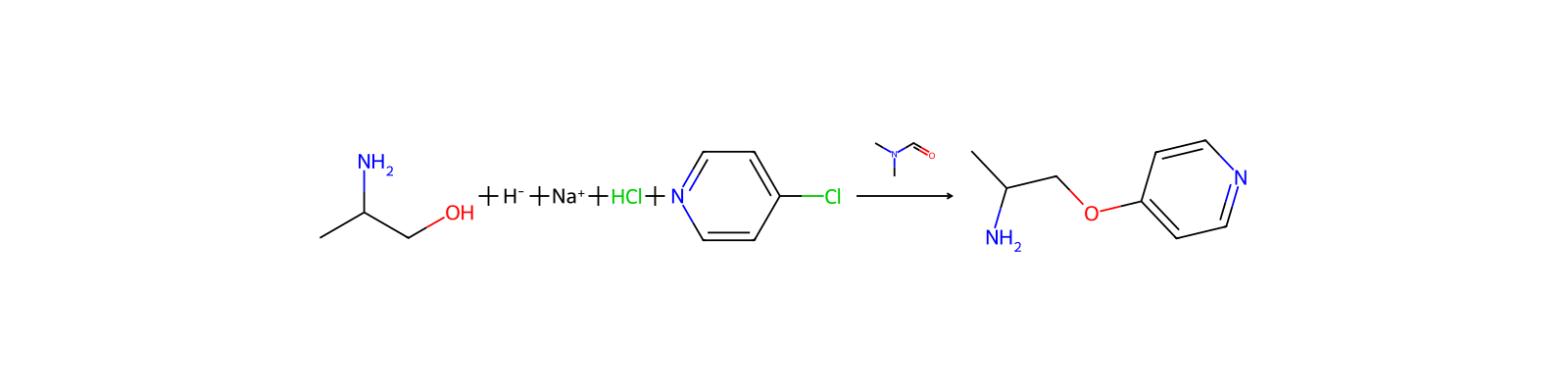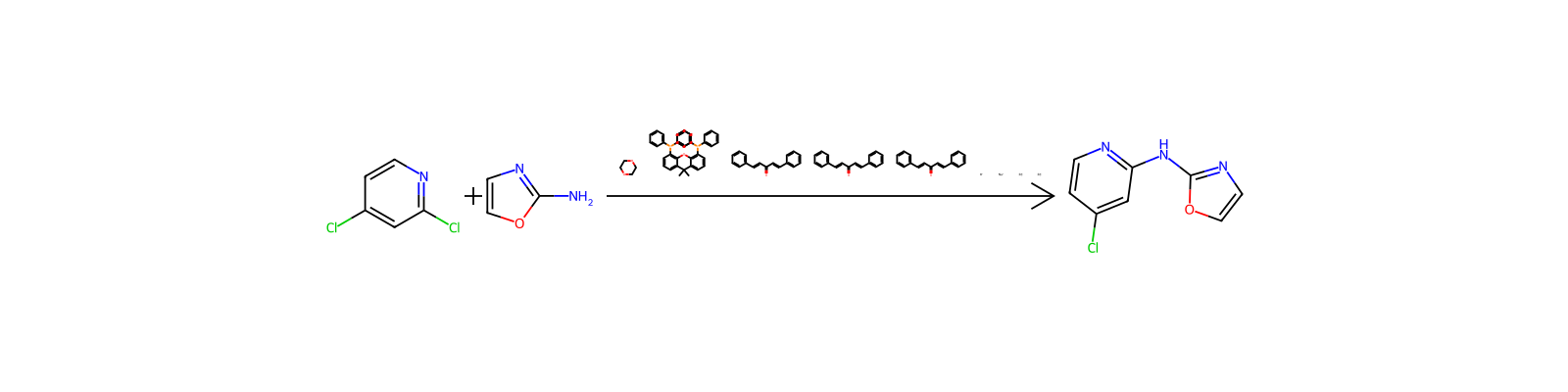
HRID 360As reagent

7646-69-7[H-].[Na+]BZKBCQXYZZXSCO-UHFFFAOYSA-NSee also: Sodium hydride (NaD) (annotation moved to); Sodium hydride (annotation moved to).
7646-69-7DTXSID90893680Safety information is for reference only and does not replace the supplier’s Safety Data Sheet (SDS), applicable regulations, or professional assessment.
CSL00007
N,N-DIMETHYLFORMAMIDE + SODIUM HYDRIDE
Thermal runaway reaction already at temperatures > 40°C
Deprotonation
C&EN
6/29/18
UsesSodium hydride can be used for condensation and alkylation reaction and can be used as a polymerization catalyst, used for the manufacture of drug synthetic and used in fragrance industry, used for manufacturing boron hydrides, used as metal surface rust, reducing agents, condensing agent, desiccant and Clay Johnson's reagents. Used as a condensing agent, an alkylating agent and a reducing agent, etc. It is an important reductant for Pharmaceutical, perfumes, dyes, but also as a drying agent, an alkylating agent, etc.
DescriptionSodium hydride, is a binary salt that has a specific hazard of releasing hydrogen upon contact with water. It is an odorless powder that is violently water reactive. The four-digit UN identification number is 1427. The NFPA 704 designation is health 3, flammability 3, and reactivity 2. The white space at the bottom of the diamond has a W with a slash through it, indicating water reactivity.
UsesAt low temperatures where reducing properties of sodium are undesirable as in the condensation of ketones and aldehydes with acid esters; in solution with molten sodium hydroxide for the reduction of oxide scale on metals; at high temperatures as a reducing agent and reduction catalyst.
UsesSodium hydride is used to enhance the condensation reactions of carbonyl compounds through the Dieckmann condensation, Stobbe condensation, Darzens condensation and Claisen condensation. It acts as a reducing agent used to prepare diborane from boron trifluoride. It is also used in fuel cell vehicles. Further, it is used to dry some organic solvents. In addition to this, it is involved in the preparation of sulfur ylides, which is utilized for the conversion of ketones into epoxides.
UsesDirect intercalation into C60 results in the superconducting material (NaH)4C60.
General DescriptionA silvery to whitish powder or slurry in oil. Used to make other chemicals.
PreparationSodium hydride is prepared by passing hydrogen gas into molten sodium metal dispersed in oil. Alternatively, the hydride can be made by passing hydrogen into sodium dispersed over the surface of an inert solid, such as, hydrocarbon above 200°C 2Na + H2 → 2NaH
Definitionsodium hydride: A white crystallinesolid, NaH; cubic; r.d. 0.92; decomposesabove 300°C (slow);completely decomposed at 800°C.Sodium hydride is prepared by thereaction of pure dry hydrogen withsodium at 350°C. Electrolysis ofsodium hydride in molten LiCl/KClleads to the evolution of hydrogen;this is taken as evidence for the ionicnature of NaH and the presence ofthe hydride ion (H–). It reacts violentlywith water to give sodium hydroxideand hydrogen, with halogensto give the halide and appropriatehydrogen halide, and ignites spontaneouslywith oxygen at 230°C. It is apowerful reducing agent with severallaboratory applications.