
HomeMCPWorkbenchSkills
HomeWorkbenchNotificationsMe
llms.txt · MCP GuidePrivacy Policy · Terms of Service · Supportv1.8.0
  1. Home
  2. /Compound

Hydrogen Bromide

HCID 260
New noteNew reactionRequest quotes
Print preview
Basic informationOverviewNames & identifiersPropertiesSafety & regulationChemistry & industryRelated reactionsCompound notes
Substructure searchFind similar structures

Basic information

CAS
10035-10-6
Standard SMILES
Br
InChIKey
CPELXLSAUQHCOX-UHFFFAOYSA-N
Molecular formula
BrH
Average molar mass
80.91 g/mol
Monoisotopic mass
79.92616

Overview

Hydrobromic acid, solution appears as a colorless to yellow aqueous solution with a pungent odor. Fumes irritate the eyes and mucous membranes. Corrosive to metals and tissue.

Names & identifiers

Preferred name
Hydrogen Bromide
IUPAC
bromane
English name
Hydrogen bromide
Molecular formula
BrH
Molecular weight
80.91

Names & synonyms

Hydrogen bromideHYDROBROMIC ACID10035-10-6bromaneBromowodorBromwasserstoffBroomwaterstofAcido bromidricoAcide bromhydriqueHydrogen bromide (HBr)Anhydrous hydrobromic acidHydrogen bromide, anhydrous
Show more names
HBRHBR/ACOHHydrobromichydrobromic acid 48%Hydrogen bromide solutionHydrogen bromide in acetic acidhydrobroMic acid in acetic acidHydrobromic Acid (47%)
Acido bromhidricoHydrogen monobromide3IY7CNP8XJBromure d'hydrogene anhydreBromuro de hidrogeno anhidrobromure d'hydrogeneCHEBI:47266DTXSID0029713

Database identifiers

CAS
10035-10-6
PubChem CID
260
DTXSID
DTXSID0029713
ChEMBL
CHEMBL1231461
ChEBI
CHEBI:22927
UNII
3IY7CNP8XJ
EC Number
233-113-0
Nikkaji
J95.186B

Properties

Computed structural properties

XLogP
1
Topological polar surface area
0 Ų
Hydrogen bond donors
1
Hydrogen bond acceptors
0
Rotatable bonds
0
Heavy atoms
1
Formal charge
0
Complexity
0

Experimental & physicochemical properties

Chemical Classes · 2 items

Toxic Gases & Vapors -> Acids, Inorganic

Corrosives

pHAqueous solutions are strongly acidic
SpringerMaterials Propertiesthermal expansion coefficient
Odor · 2 items

Sharp, irritating odor

Acrid odor

TasteFumes have a sour taste
Density · 6 items

2.14 at -88.6 °F (USCG, 1999) - Denser than water; will sink

3.307 g/L

Density: 2.603 g/ cu cm at -84 °C (liquid)

A solution of hydrogen bromide gas in water. Colorless or faintly yellow; slowly darkens on exposure to air and light; miscible with water, alcohol; density: 1.517 (50% HBr solution); 1.38 (40% HBr solution); 1.13 (34% HBr solution); 1.08 (10% HBr solution); miscible with water and alcohol /Hydrobromic acid/

Relative density (water = 1): 1.8

2.14 at -88.6 °F

Color/Form · 2 items

Colorless gas

Colorless gas [Note: Shipped as a liquified compressed gas]

Safety & regulation

Safety information is for reference only and does not replace the supplier’s Safety Data Sheet (SDS), applicable regulations, or professional assessment.

GHS classification

GHS Classification · 6 items

Danger

H314: Causes severe skin burns and eye damage [Danger Skin corrosion/irritation]

P260, P261, P264, P271, P280, P301+P330+P331, P302+P361+P354, P304+P340, P305+P354+P338, P316, P319, P321, P363, P403+P233, P405, and P501 (click each P-code to see the statement)

This chemical does not meet GHS hazard criteria for 0.2% (1 of 432) of reports.

Danger

H280 (32.9%): Contains gas under pressure; may explode if heated [Warning Gases under pressure]

Hazard information

Hazards IdentificationToxic/poison by inhalation (TIH/PIH)
Regulatory Information · 5 items

Chemical: Hydrobromic acid

Hydrobromic acid is listed on the EPA's Chemical Data Reporting (CDR) system. Manufacturers and importers of Hydrobromic acid are required to report information about their production and use of this chemical to the EPA under the Toxic Substances Control Act (TSCA). (40 eCFR Part 711)

REACH registered substance: Hydrogen bromide (EC: 233-113-0)

Hydrogen bromide: HSNO Approval: HSR004091 Approved with controls

The New Jersey Worker and Community Right to Know Act requires public and private employers to provide information about hazardous substances at their workplaces. (N.J.S.A. 34:5A-1 et. seq.)

Other Safety InformationIMAP assessments - Hydrobromic acid: Human health tier I assessment
DOT Label · 2 items

Corrosive

Poison Gas Corrosive

Fire Hazards · 5 items

Excerpt from ERG Guide 154 [Substances - Toxic and/or Corrosive (Non-Combustible)]:

Behavior in Fire: Pressurized container may explode and release toxic, irritating vapor. (USCG, 1999)

Chemistry & industry

Pharmacology

Metabolism/Metabolites · 1 item

Bromine is mainly absorbed via inhalation, but may also enter the body through dermal contact. Bromine salts can be ingested. Due to its reactivity, bromine quickly forms bromide and may be deposited in the tissues, displacing other halogens. (L626)

Uses & manufacturing

Uses · 6 items

Used in synthesis of organic compounds and bromides; also used to dissolve ores and catalyze alkylation; [ACGIH] Dilute HBr used in holography (color bleach); [www.ci.tucson.az.us/arthazards/medium.html]

Photographic Processing [Category: Other]

Pharmaceutical intermediate. /Hydrogen bromide gas/

Isomerization of conjugated diolefins. /Hydrobromic acid/

Analytical chemistry, solvent for ore minerals. /Hydrobromic acid/

Hydrogen bromide is utilized in: production of inorganic bromides by reaction with the appropriate aqueous solution or slurry of metal hydroxides, oxides, or carbonates; production of organic bromides by reaction with alkyl alcohols or alkenes; reaction with alkynes to form bromoalkenes; opening epoxides and lactones; as a catalyst for oxidations; and alkylations and condensations in organic chemistry. /Hydrogen bromide gas/

U.S. Production · 4 items

2023: 100,000,000 - <500,000,000 lb

(1977) 4.99X10+9 G

Production volumes for non-confidential chemicals reported under the Inventory Update Rule.[Table#1657]

Non-confidential 2016 Chemical Data Reporting (CDR) information on the production and use of chemicals manufactured or imported into the United States. Chemical: hydrobromic acid:

Industry UsesChemical reaction regulator
Methods of Manufacturing · 5 items

Hydrogen bromide is prepared commercially by the direct gas-phase reaction of hydrogen and bromine ... The reaction can be conducted without catalyst by maintaining a self-sustaining flame within an enclosed burner. /Hydrogen bromide gas/

Related reactions

11,929 records
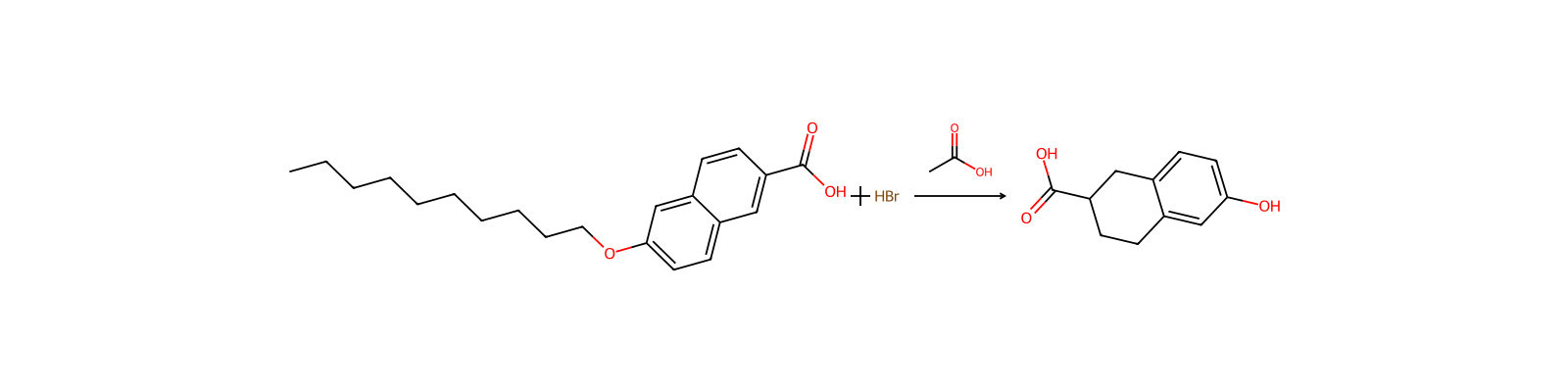
New reaction record
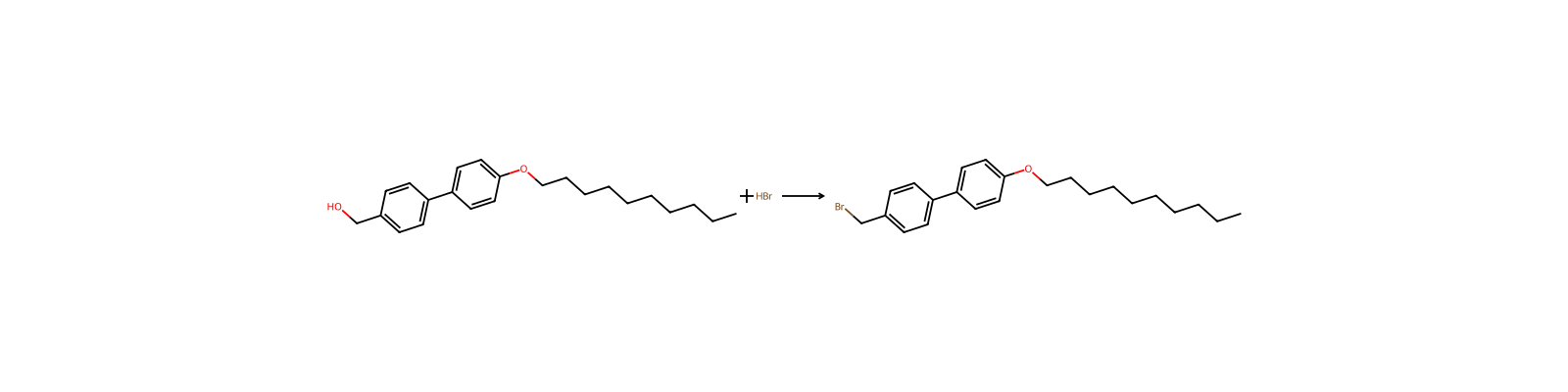
HRID 1177 reaction equation
HRID 1177As reactantuspto-grants-1998_03
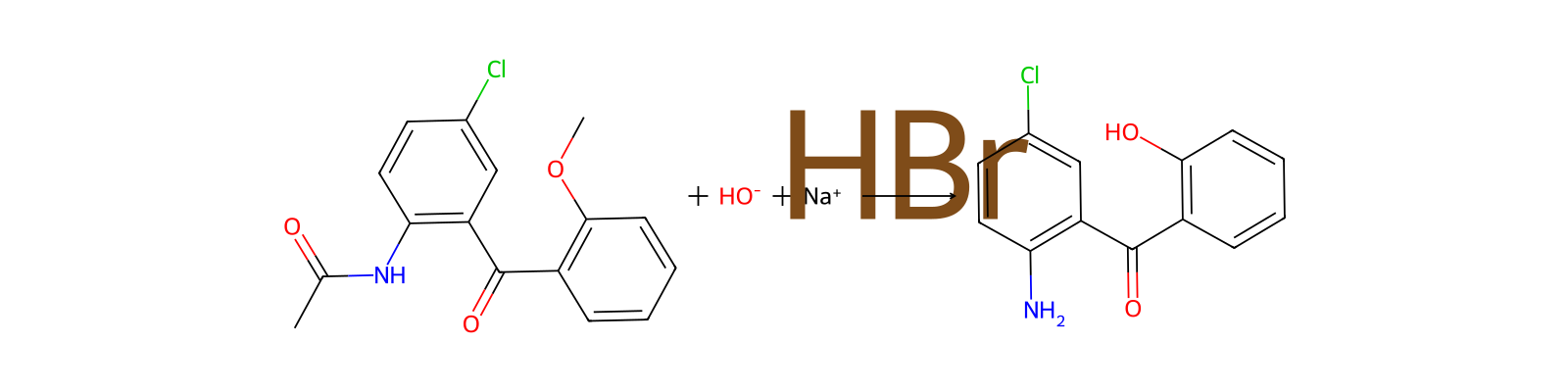
HRID 1416 reaction equation
HRID 1416As reactantuspto-grants-1998_03
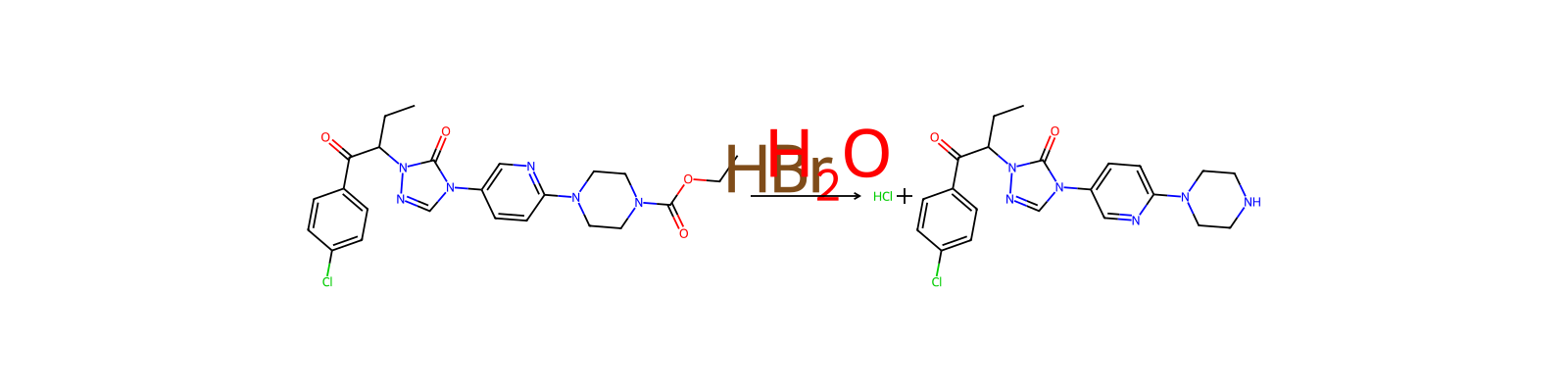
HRID 1428 reaction equation
HRID 1428As reactantuspto-grants-1998_03
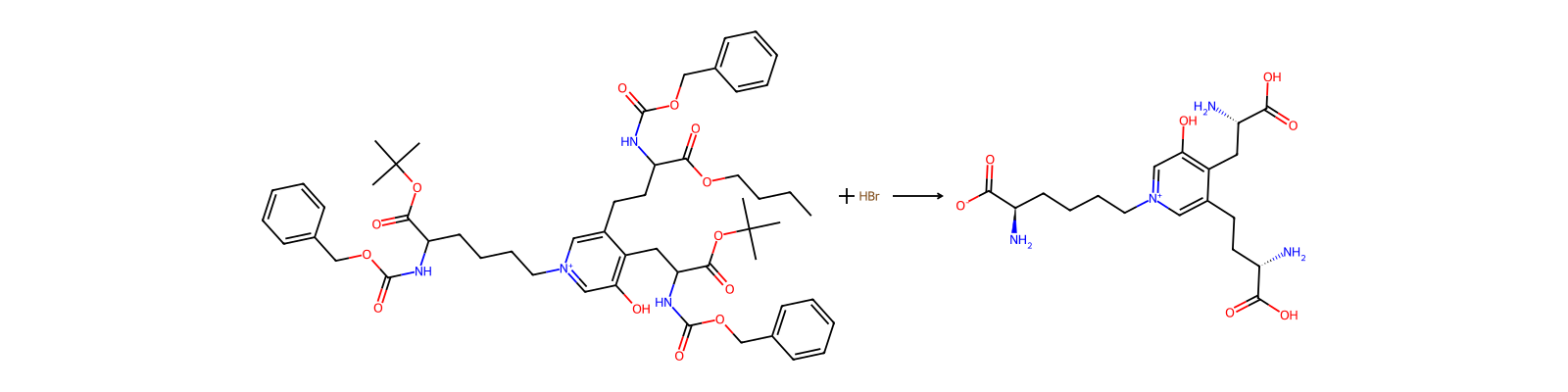
HRID 1523 reaction equation
HRID 1523As reactantuspto-grants-1998_03
HRID 1797 reaction equation
HRID 1797As solventuspto-grants-1998_03
HRID 1798 reaction equation
HRID 1798As solventuspto-grants-1998_03
HRID 2092 reaction equation
HRID 2092As solventuspto-grants-1998_03
HRID 2208 reaction equation
HRID 2208As solventuspto-grants-1998_03
Page 1 of 500

Compound notes

Loading…

On this pageBasic informationOverviewNames & identifiersPropertiesSafety & regulationChemistry & industryRelated reactionsCompound notes
More actions
New noteNew reactionRequest quotes
Solubility · 6 items

49 % (NIOSH, 2024)

221 g/100 cc water at 0 °C; 130 g/100 cc water at 100 °C

Freely soluble in water; 1 volume of water dissolves 600 volumes of HBr at 0 °C

204.0 g/ 100 g water at 15 °C

Very soluble in water

For more Solubility (Complete) data for Hydrogen bromide (6 total), please visit the HSDB record page.

CorrosivityCorrosive
Boiling Point · 6 items

-88.2 °F at 760 mmHg (USCG, 1999)

-66.38 °C

-67 °C

-88.2 °F

-66.5 °C @760 [mm Hg]

-88 °F

Decomposition · 2 items

Hazardous decomposition products formed under fire conditions - Hydrogen bromide gas.

When heated to decomposition ... it emits toxic and corrosive fumes of /hydrogen bromide/.

Melting Point · 6 items

-124 °F (NIOSH, 2024)

-86.80 °C

-87 °C

-124 °F

-87 °C

-124 °F

Physicochemical properties

Melting point
87 °C · −87 °C(lit.)
Boiling point
67 °C · −67 °C(lit.)
Density
1.49 g/mL · 1.49 g/mL at 25 °C (lit.)
vapor density
2.8 · 2.8 (vs air)
vapor pressure
334.7 psi · 334.7 psi ( 21 °C)
refractive index
20 · n20/D 1.438
Flash point
40 °C · 40°C
storage temp.
30 °C · Store below +30°C.
solubility
soluble
pka
-9 · -9(at 25℃)
form
Solution
color
Light yellow, brown
Specific Gravity
1.49 · 1.49
PH
3.01 · 3.01(1 mM solution);2.04(10 mM solution);1.08(100 mM solution)
Odor
2 ppm · Sharp, irritating odor detectable at 2 ppm
Water Solubility
soluble
Specific Heat Capacity
0.36 J/ · Cp(gas): 0.36 J/(g·K), at 25℃
Sensitive
Hygroscopic
Merck
14 · 14,4778
BRN
3587158 · 3587158
Henry's Law Constant
6.8 · 6.8×10-2 mol/(m3Pa) at 25℃, Hayer et al. (2022)
Exposure limits
2 ppm · ACGIH:TLV-CEILING 2 ppm (6.6 mg/m3)OSHA:PEL-TWA 3 ppm (10 mg/m3)NIOSH:REL-Ceiling 3 ppm
Dielectric constant
7 · 7.0(-85℃)
Stability
Stable. Incompatible with strong bases, strong oxidizing agents, ammonia, ozone, fluorine, water, metals. Air and light sensitive.
Cosmetics Ingredients Functions
BUFFERING
InChI
1S/BrH/h1H
InChIKey
CPELXLSAUQHCOX-UHFFFAOYSA-N
SMILES
Br
LogP
0.629 at · 0.629 at 25℃
CAS DataBase Reference
10035 · 10035-10-6(CAS DataBase Reference)
EWG's Food Scores
1 · 1
FDA UNII
3 IY7CNP8XJ · 3IY7CNP8XJ
NIST Chemistry Reference
Hydrogen bromide(10035-10-6)
EPA Substance Registry System
Hydrobromic acid (10035-10-6)
UNSPSC Code
12352301 · 12352301
NACRES
21 · NB.21
Symbol(GHS)
2 · GHS02,GHS05,GHS06,GHS08
Signal word
Danger
Hazard statements
301 · H301+H311+H331-H314-H370-H372-H335-H402-H226-H290
Precautionary statements
501 · P501-P273-P270-P240-P260-P210-P233-P234-P243-P241-P242-P271-P264-P280-P370+P378-P390-P308+P311-P361+P364-P303+P361+P353-P301+P330+P331-P301+P310+P330-P304+P340+P310-P305+P351+P338+P310-P403+P233-P403+P235-P406-P405
target organs
Respiratory system
Hazard Codes
C,Xi
Risk Statements
35 · 35-37-34-10-36/37/38
Safety Statements
26 · 26-45-7/9-36/37/39
OEL
3 ppm · Ceiling: 3 ppm (10 mg/m3)
RIDADR
1048 · UN 1048
WGK Germany
1 · 1
RTECS
3850000 · MW3850000
TSCA
TSCA listed
DOT Classification
2.3 · 2.3, Hazard Zone C (Gas poisonous by inhalation)
HazardClass
2.3 · 2.3
HS Code
28111990 · 28111990
Storage Class
8 B · 8B - Non-combustible corrosive hazardous materials
Hazard Classifications
1 Met · Eye Dam. 1Met. Corr. 1Skin Corr. 1BSTOT SE 3
Hazardous Substances Data
10035 · 10035-10-6(Hazardous Substances Data)
Toxicity
50 in · LC50 in mice, rats: 814, 2858 ppm by inhalation, K. C. Back et al., Reclassification of Materials Listed as Transportation Health Hazards (TSA-20-72-3, PB 214-270, 1972)
IDLA
35 ppm · 35 ppm(116 mg/m3)
REACH Registrations
Active
Limited Quantities
1 L · 1.0 L (0.3 gallons) (liquid) or 1 Kg (2.2 lbs) (solid)
Excepted Quantities
Max Inner Pack (30g or 30ml) and Max Outer Pack (500g or 500ml)

· Non-combustible, substance itself does not burn but may decompose upon heating to produce corrosive and/or toxic fumes.

· Some may burn but none ignite readily.

Not combustible. Heating will cause rise in pressure with risk of bursting. Risk of fire and explosion on contact with metals as a result of hydrogen formation.

Fire PotentialNot combustible. Heating will cause rise in pressure with risk of bursting.
Health Hazards · 4 items

Excerpt from ERG Guide 154 [Substances - Toxic and/or Corrosive (Non-Combustible)]:

Inhalation causes severe irritation of nose and upper respiratory tract, lung injury. Ingestion causes burns of mouth and stomach. Contact with eyes causes severe irritation and burns. Contact with skin causes irritation and burns. (USCG, 1999)

· TOXIC and/or CORROSIVE; inhalation, ingestion or skin contact with material may cause severe injury or death.

· TOXIC and/or CORROSIVE; may be fatal if inhaled, ingested or absorbed through skin.

Hazards Summary · 1 item

Aqueous hydrogen bromide = Hydrobromic acid; [NIOSH] Skin contact with acid solutions may cause burns. HBr, compared to HCl, is more toxic to rats, and considerably more toxic to mice in acute inhalation studies. [ACGIH] Highly corrosive to skin; [Quick CPC] Possible frostbite from contact with liquid; [NIOSH] A corrosive substance that can cause pulmonary edema; [ICSC] The following chemicals can release HBr when spilled in water: Boron tribromide, Phosphorus pentabromide, Acetyl bromide, and Aluminum bromide. [ERG 2016] See the Process, Toxic Gas from Spilling Chemical in Water. Hydrogen bromide is fibrogenic to the lungs in the context of an acute inhalation exposure complicated by bronchiolitis obliterans.

DOT ID and Guide · 4 items

1788 154

1048 125

1048 125(anhydrous)

1788 154(solution)

Reactive Group · 2 items

Acids, Strong Non-oxidizing

Acids, Strong Non-oxidizing

EC ClassificationSymbol: C; R: 35-37; S: (1/2)-7/9-26-45
UN ClassificationUN Hazard Class: 2.3; UN Subsidiary Risks: 8

Safety & protection

Fire Fighting · 3 items

Excerpt from ERG Guide 154 [Substances - Toxic and/or Corrosive (Non-Combustible)]:

Excerpt from ERG Guide 125 [Gases - Toxic and/or Corrosive]:

In case of fire in the surroundings, use appropriate extinguishing media. In case of fire: keep cylinder cool by spraying with water. NO direct contact with water.

First Aid Measures · 3 items

Fresh air, rest. Half-upright position. Refer for medical attention.

ON FROSTBITE: rinse with plenty of water, do NOT remove clothes. Refer for medical attention .

First rinse with plenty of water for several minutes (remove contact lenses if easily possible), then refer for medical attention.

Accidental Release Measures · 4 items

· CALL 911. Then call emergency response telephone number on shipping paper. If shipping paper not available or no answer, refer to appropriate telephone number listed on the inside back cover.

· ELIMINATE all ignition sources (no smoking, flares, sparks or flames) from immediate area.

· CALL 911. Then call emergency response telephone number on shipping paper. If shipping paper not available or no answer, refer to appropriate telephone number listed on the inside back cover.

· Do not touch or walk through spilled material.

First Aid · 5 items

Excerpt from ERG Guide 154 [Substances - Toxic and/or Corrosive (Non-Combustible)]:

Excerpt from NIOSH Pocket Guide for Hydrogen bromide:

General First Aid:

General First Aid:

(General first aid procedures)

Safe StorageSeparated from incompatible materials. See Chemical Dangers. Cool. Dry. Ventilation along the floor.
Exposure Control and Personal Protection · 4 items

· Wear positive pressure self-contained breathing apparatus (SCBA).

· Wear positive pressure self-contained breathing apparatus (SCBA).

TIH (Toxic Inhalation Hazard) - Term used to describe gases and volatile liquids that are toxic when inhaled. Some are TIH materials themselves, e.g., chlorine, and some release TIH gases when spilled in water, e.g., chlorosilanes. [ERG 2016].

2.0 [ppm]

Fire Fighting Procedures · 5 items

Suitable extinguishing media: Use water spray, alcohol-resistant foam, dry chemical or carbon dioxide.

Advice for firefighters: Wear self-contained breathing apparatus for firefighting if necessary.

Use water spray to cool unopened containers.

Extinguish fire using agent suitable for surrounding fire. Use flooding quantities of water. Use water spray to keep fire-exposed containers cool. Approach fire from upwind to avoid hazardous vapors. /Hydrobromic acid solution/

For more Fire Fighting Procedures (Complete) data for Hydrogen bromide (6 total), please visit the HSDB record page.

Storage Conditions · 3 items

Separated from incompatible materials. ... Cool. Dry. Ventilation along the floor.

Keep container tightly closed in a dry and well-ventilated place. Containers which are opened must be carefully resealed and kept upright to prevent leakage.

Store in a cool, dry, well-ventilated location. Separate from alkalies, oxidizing materials, amines, halogens, and metals. /Hydrobromic acid solution/

Cleanup Methods · 3 items

Evacuate danger area! Consult an expert! Personal protection: gas-tight chemical protection suit including self-contained breathing apparatus. Ventilation. NEVER direct water jet on liquid. Remove gas with fine water spray.

ACCIDENTAL RELEASE MEASURES: Personal precautions, protective equipment and emergency procedures: Wear respiratory protection. Avoid breathing vapors, mist or gas. Ensure adequate ventilation. Evacuate personnel to safe areas. Environmental precautions: Prevent further leakage or spillage if safe to do so. Do not let product enter drains. Methods and materials for containment and cleaning up: Clean up promptly by sweeping or vacuum.

Stop or control the leak, if this can be done without undue risk. Absorb in noncombustible material for proper disposal. /Hydrobromic acid solution/

Nonfire Spill Response · 2 items

Excerpt from ERG Guide 154 [Substances - Toxic and/or Corrosive (Non-Combustible)]:

Excerpt from ERG Guide 125 [Gases - Toxic and/or Corrosive]:

Disposal Methods · 3 items

Generators of waste (equal to or greater than 100 kg/mo) containing this contaminant, EPA hazardous waste number D002, must conform with USEPA regulations in storage, transportation, treatment and disposal of waste.

SRP: Wastewater from contaminant suppression, cleaning of protective clothing/equipment, or contaminated sites should be contained and evaluated for subject chemical or decomposition product concentrations. Concentrations shall be lower than applicable environmental discharge or disposal criteria. Alternatively, pretreatment and/or discharge to a permitted wastewater treatment facility is acceptable only after review by the governing authority and assurance that "pass through" violations will not occur. Due consideration shall be given to remediation worker exposure (inhalation, dermal and ingestion) as well as fate during treatment, transfer and disposal. If it is not practicable to manage the chemical in this fashion, it must be evaluated in accordance with EPA 40 CFR Part 261, specifically Subpart B, in order to determine the appropriate local, state and federal requirements for disposal.

Product: Offer surplus and non-recyclable solutions to a licensed disposal company. Contact a licensed professional waste disposal service to dispose of this material; Contaminated packaging: Dispose of as unused product.

Spillage DisposalEvacuate danger area! Consult an expert! Personal protection: gas-tight chemical protection suit including self-contained breathing apparatus. Ventilation. NEVER direct water jet on liquid. Remove gas with fine water spray.

Toxicology

Treatment · 1 item

EYES: irrigate opened eyes for several minutes under running water. INGESTION: do not induce vomiting. Rinse mouth with water (never give anything by mouth to an unconscious person). Seek immediate medical advice. SKIN: should be treated immediately by rinsing the affected parts in cold running water for at least 15 minutes, followed by thorough washing with soap and water. If necessary, the person should shower and change contaminated clothing and shoes, and then must seek medical attention. INHALATION: supply fresh air. If required provide artificial respiration.

Target OrgansEyes, skin, respiratory system
Health Effects · 1 item

Bromine vapour causes irritation and direct damage to the mucous membranes. Elemental bromine also burns the skin. The bromide ion is a central nervous system depressant and chronic exposure produces neuronal effects. This is called bromism and can result in central reactions reaching from somnolence to coma, cachexia, exicosis, loss of reflexes or pathologic reflexes, clonic seizures, tremor, ataxia, loss of neural sensitivity, paresis, papillar edema of the eyes, abnormal speech, cerebral edema, delirium, aggressiveness, and psychoses. (L625, L626, L627)

Adverse EffectsDermatotoxin - Skin burns.
Exposure Routes · 3 items

The substance can be absorbed into the body by inhalation.

inhalation, ingestion (solution), skin and/or eye contact

Oral (L626) ; inhalation (L626) ; dermal (L626)

Toxicity Summary · 2 items

IDENTIFICATION AND USE: Hydrogen bromide (HBr) is a colorless gas. It is utilized in the production of inorganic bromides and organic bromides, in reaction with alkynes to form bromoalkenes, opening epoxides and lactones, as a catalyst for oxidations, and in alkylations and condensations in organic chemistry. It is also used in analytical chemistry, and as a solvent for ore minerals. HUMAN STUDIES: Nose and throat irritation occurred in human subjects exposed to HBr for several minutes at concentrations of 3 ppm (1 of 6 subjects) and 4 ppm (3 of 6 subjects) respectively for several minutes. No effects were observed at 2 ppm, but detectable odor was noted at all exposure levels (2 to 6 ppm). No eye irritation was noted. The odor threshold is given as 6.667 mg/cu m and the irritating concentration as 10.00 mg/cu m. Concentrations of 0.13-0.2% are lethal. HBr is also corrosive to skin and mucous membranes and can cause severe burns. Exposure to high concentrations may result in dermatitis. Severe exposures result in pulmonary edema, and often laryngeal spasm. Ingestion causes burns of mouth and stomach. A 60-year-old laboratory technician developed pulmonary infiltrates consistent with chemical pneumonitis following accidental exposure to a mixture of hydrogen bromide and phosphorus tribromide. Two patients developed acute pneumonitis followed by reactive airways dysfunction syndrome after bathing in a hot tub. Bromine and hydrobromic acid generated from a widely used water disinfectant were implicated as the underlying cause. ANIMAL STUDIES: In rats, tissue injury following nose-breathing exposure to HBr was confined to the nasal region. However, mouth-breathing exposure in rats caused higher mortality rates and major tissue disruption in the trachea, including epithelial, submucosal, glandular, and cartilage necrosis, and accumulations of inflammatory cells and exudates. More peripheral lung damage was manifested by lung gravimetric increases and histopathologic changes primarily in the larger conducting airways. HBr causes more severe burns to rat skin than hydrogen chloride or hydrogen iodide.

Bromine is a powerful oxidizing agent and is able to release oxygen free radicals from the water in mucous membranes. These free radicals are also potent oxidizers and produce tissue damage. In additon, the formation of hydrobromic and bromic acids will result in secondary irritation. The bromide ion is also known to affect the central nervous system, causing bromism. This is believed to be a result of bromide ions substituting for chloride ions in the in actions of neurotransmitters and transport systems, thus affecting numerous synaptic processes. (L626, L627, A543)

Signs and Symptoms · 5 items

Burning sensation. Cough. Sore throat. Laboured breathing. Shortness of breath. Symptoms may be delayed.

ON CONTACT WITH LIQUID: FROSTBITE. Redness. Pain. Blisters.

Redness. Pain. Severe deep burns.

irritation eyes, skin, nose, throat; solution: eye, skin burns; liquid: frostbite

Bromine vapour causes irritation and direct damage to the mucous membranes. Symptoms include lacrimation, rhinorrhoea, eye irritation with mucous secretions from the oropharyngeal and upper airways, coughing, dyspnoea, choking, wheezing, epistaxis, and headache. The bromide ion is a central nervous system depressant producing ataxia, slurred speech, tremor, nausea, vomiting, lethargy, dizziness, visual disturbances, unsteadiness, headaches, impaired memory and concentration, disorientation and hallucinations. This is called bromism. (L626, L627)

Effluent Concentrations · 1 item

Hydrogen bromide was not detected in emissions from combustion of mixed plastics with coal in a bubbling fluidized bed boiler(1). The compound is formed and released as a result of high heating of electronic circuit boards containing brominated flame retardants(2).

Natural Pollution SourcesHydrogen bromide is found in gases from volcanoes(1).
Atmospheric Concentrations · 1 item

Airborne hydrogen bromide concentrations ranged from less than the detection limit (0.01 ppm) to 0.11 ppm in a monitoring study for airborne vapors during structural foam molding of ignition resistant high impact polystyrene. Hydrogen bromide gas is the primary decomposition product of concern from the flame retardant system(1).

Human Toxicity Excerpts · 5 items

/HUMAN EXPOSURE STUDIES/ Nose and throat irritation occurred in human subjects exposed to HBr for several minutes at concentrations of 3 ppm (1 of 6 subjects) and 4 ppm (3 of 6 subjects) respectively for several minutes. No effects were observed at 2 ppm, but detectable odor was noted at all exposure levels (2 to 6 ppm). No eye irritation was noted at all concentrations exposed. The odor threshold is given as 6.667 mg/cu m and the irritating concentration as 10.00 mg/cu m.

/SIGNS AND SYMPTOMS/ ... Highly toxic /gas/ ... Being severely irritating to upper resp tract. The ... /acid/ formed neutralizes the alkali of tissues and can cause death as a result of edema or spasm of larynx and inflammation of upper resp system. Concn of 0.13-0.2% are lethal ... In exposures lasting a few min.

/SIGNS AND SYMPTOMS/ /GAS/ ... Also corrosive to skin and mucous membranes and can cause severe burns. Exposure to high concn may ... Result in dermatitis. Contact with eyes rapidly causes severe irritation of eyes and eyelids.

/SIGNS AND SYMPTOMS/ Inhalation of hydrogen bromide causes irritation of the upper respiratory tract, and a concentration of about 35 ppm causes irritation of the throat after short exposure. More severe exposures result in pulmonary edema, and often in laryngeal spasm.

For more Human Toxicity Excerpts (Complete) data for Hydrogen bromide (8 total), please visit the HSDB record page.

Artificial Pollution SourcesHydrogen bromide's production and use in the manufacture of other bromine compounds, chemical reagent and catalyst(1) may result in its release to the environment through various waste streams(SRC).

Regulatory information

RCRA RequirementsD002; A solid waste containing hydrobromic acid may become characterized as a hazardous waste when subjected to testing for corrosivity as stipulated in 40 CFR 261.21, and if so characterized, must be managed as a hazardous waste.
DHS Chemicals of Interest (COI) · 4 items

Hydrogen bromide(anhydrous)

95.33

500

Weapons of Mass Effect chemical material that, if stolen or diverted, can be converted into weapons using simple chemistry, equipment, or techniques.

Safety data

OEL
Ceiling: 3 ppm (10 mg/m3)
wgk
1
IDLA
35 ppm(116 mg/m3)
tsca
TSCA listed
rtecs
MW3850000
ridadr
UN 1048
hs_code
28111990
Toxicity
LC50 in mice, rats: 814, 2858 ppm by inhalation, K. C. Back et al., Reclassification of Materials Listed as Transportation Health Hazards (TSA-20-72-3, PB 214-270, 1972)
risk_code
35-37-34-10-36/37/38
Signal word
Danger
Symbol(GHS)
GHS02,GHS05,GHS06,GHS08
hazard_code
C,Xi
safety_code
26-45-7/9-36/37/39
hazard_class
2.3
Storage Class
8B - Non-combustible corrosive hazardous materials
target organs
Respiratory system
Hazard statements
H301+H311+H331-H314-H370-H372-H335-H402-H226-H290
DOT Classification
2.3, Hazard Zone C (Gas poisonous by inhalation)
Limited Quantities
1.0 L (0.3 gallons) (liquid) or 1 Kg (2.2 lbs) (solid)
Excepted Quantities
Max Inner Pack (30g or 30ml) and Max Outer Pack (500g or 500ml)
REACH Registrations
Active
Hazard Classifications
Eye Dam. 1Met. Corr. 1Skin Corr. 1BSTOT SE 3
Precautionary statements
P501-P273-P270-P240-P260-P210-P233-P234-P243-P241-P242-P271-P264-P280-P370+P378-P390-P308+P311-P361+P364-P303+P361+P353-P301+P330+P331-P301+P310+P330-P304+P340+P310-P305+P351+P338+P310-P403+P233-P403+P235-P406-P405
Hazardous Substances Data
10035-10-6(Hazardous Substances Data)

(1) By passing hydrogen with bromine vapor over warm platinum sponge which acts as a catalyst; (2) As a by-product in the bromination of organic compounds. /Hydrogen bromide gas/

By dissolving hydrogen bromide in water or by distilling from a mixture of sodium bromide and 50% sulfuric acid. /Hydrobromic acid/

The anhydrous gas is produced industrially by burning bromine in the presence of excess hydrogen at 500 °C or by reacting bromine with hydrogen at 375 °C over platinized silica gel or platinized asbestos catalyst. Generation of hydrogen bromide as a byproduct during bromination of aromatic compounds is another major source of the industrial gas, although the hydrogen bromide is less pure. In either case, entrained bromine can be removed by scrubbing with phosphorous acid or by activated carbon. The gas is liquefied by compression for storage and shipment in cylinders. Methods for laboratory preparation include reaction of bromine with 1,2,3,4-tetrahydronaphthalene at 20 °C or by the reaction of bromine with sulfur dioxide and water followed by distillation.

Constant-boiling hydrobromic acid distills at 124.3 °C at atmospheric pressure and contains 47.63 wt% hydrogen bromide. The boiling point and hydrogen bromide concentration can be partially controlled by varying the pressure during distillation. These solutions are produced industrially by dissolution of hydrogen bromide in water.

Formulations/Preparations · 4 items

Grade: Up to 99.8% minimum purity. /Hydrogen bromide gas/

Grades: Technical 40%; Medicinal 48%, 62% /Hydrobromic acid/

The aqueous acid is commercially available as colorless 48% and 62% solutions.

Anhydrous hydrogen bromide is commonly available in 99.8 % purity in cylinders containing 6.8, 13.6, or 68 kg at 2.2 MPa at 21.1 °C.

General Manufacturing Information · 3 items

Plastics Product Manufacturing

Hydrobromic acid: ACTIVE

Liquefied hydrobromic acid is available commercially in cylinders and various strengths of aqueous hydrobromic acid are available in drums or tank cars.

Applications · 6 items

Uses(1) Hydrogen bromide is the basic raw material for the manufacture of a variety of inorganic bromide (Such as sodium bromide, potassium bromide, lithium bromide and calcium bromide and so on) and some alkyl bromide (Such as methyl bromide, bromoethane and so on). It is used in medicine to synthesize the synthesis of sedatives and anesthetics, etc. and also is a good solvent for some metal minerals, used in the refinement of high purity metals. In the petroleum industry, it is used as the separation of alkoxy and phenoxy compounds, and a catalyst for the oxidation of cyclic hydrocarbons and chain hydrocarbons to ketones, acid or peroxide. Also used in synthetic dyes and spices. (2) For the manufacture of inorganic and organic bromide; also used for synthetic perfumes, dyes and so on. (3) For the refinement of high purity and bromide synthesis, also used as analytical reagents (4) Determination of sulfur, selenium, bismuth, zinc and iron. Separation of tin from arsenic and antimony. Alkylation catalyst. Reducing agent. Organic Synthesis. Preparation of organic and inorganic bromides. High purity metal refining. (5) It is the basic raw material for the manufacture of a variety of inorganic bromide (Such as sodium bromide, potassium bromide, lithium bromide and calcium bromide and so on ) and some alkyl bromide (Such as methyl bromide, bromoethane and so on). It is used in medicine to synthesize the synthesis of sedatives and anesthetics, etc. and also is a good solvent for some metal minerals, used in the refinement of high purity metals. In the petroleum industry, it is used as the separation of alkoxy and phenoxy compounds, and a catalyst for the oxidation of cyclic hydrocarbons and chain hydrocarbons to ketones, acid or peroxide. Also used in synthetic dyes and spices. It is used in the manufacture of various bromine compounds, can also be used for medicine, dyes, spices and other industries. For the purification of high purity and synthesis of bromide, and also for analysis reagents. For the manufacture of inorganic and organic bromide; also used for synthetic perfumes, dyes and so on. (6) Used as analytical reagent. Determination of sulfur and selenium, separation of tin from arsenic and antimony, determination of bismuth, zinc and iron, alkylation catalyst.

DescriptionHydrobromic Acid is a strong acid formed by dissolving the diatomic molecule HBr in water. “Constant-boiling” hydrobromic acid is an aqueous solution that distills at 124.3°C and contains 47.6% HBr by weight. Hydrobromic acid has a pKa of 9, making it a stronger acid than hydrochloric acid, but not as strong as HI, hydroiodic acid. Hydrobromic acid is one of the strongest mineral acids known. Hydrobromic acid is mainly used for the production of inorganic bromides, especially the bromides of zinc, calcium, and sodium. It is a useful reagent for generating organobromine compounds. Certain ethers are cleaved with HBr. It also catalyzes alkylation reactions and the extraction of certain ores. Industrially significant organic compounds prepared from hydrobromic acid include allyl bromide, tetrabromobis(phenol), and bromoacetic acid. Hydrobromic acid can be prepared in the laboratory via the reaction of Br2, SO2 and water. Another laboratory preparation involves the production of anhydrous HBr, which is then dissolved in water. Hydrobromic acid has commonly been prepared industrially by reacting bromine with either sulfur or phosphorous and water. However, it can also be produced electrolytically. It can also be prepared by treating bromides with nonoxidizing acids like phosphoric or acetic acids. Hydrobromic acid is available commercially in various concentrations and purities.

UsesHydrogen bromide is used as a reagent and catalyst in several types of organic reactions such as the formation of alkyl bromides from alcohols.It is also used as a source material in the preparation of inorganic bromides. Hydrogen bromide serves as a catalyst in alkylation reactions. It has also been reportedly used in the controlled oxidation of aliphatic and alicyclic hydrocarbons to peroxides, ketones, and acids. In organic synthesis, hydrogen bromide is used to substitute bromine for aliphatic chlorine in the presence of aluminum catalyst.

UsesThe Concentrated acid is used principally in analytical chemistry and organic preparations.

UsesHydrobromic acid is used in the manufacture of bromide, as an alkylation catalyst, and in organic synthesis.

General DescriptionHydrobromic acid solution (HBr) is a clear, yellow or brown colored liquid. Its reaction with K has been studied by a molecular beam technique.

Preparation methods · 1 item

PreparationHydrogen bromide gas may be produced by combustion of hydrogen inbromine vapor at 37.5°C using a catalyst such as platinized asbestos or pla-tinized silica gel. Unreacted free bromine is removed from the product bypassing the gaseous product mixture over hot activated charcoal. Hydrogenbromide formed may be absorbed in water to obtain the acid; or may be cooledand liquefied for shipment in cylinders. Hydrobromic acid may be prepared in the laboratory by distillation of asolution of potassium bromide with dilute sulfuric acid: 2KBr + H2SO4 → K2SO4 + HBr The acid may be prepared by several other methods, as well, including reac-tion of bromine either with sulfur and water; or with phosphorus and water: 2Br2 + S + 2H2O → 4HBr + SO2 Hydrobromic acid also may be prepared by hydrogen exchange with a sodiumor potassium bromide solution when the solution is passed through a cation-exchange resin. Hydrobromic acid is stored and shipped in drums, tanks, carboys, or bot-tles, labeled as corrosive materials. The anhydrous gas is stored and shippedin cylinders under its vapor pressure.

Upstream & downstream products

Upstream raw materials

SulfurSulfur dioxideBarium hydroxideCarbon dioxideHydrogenBromineAcetic acidSulphurWhite phosphorusPhosphorus1,2-DichlorobenzeneBarium sulfate

Downstream products

8-Bromotheophylline2-(Dibromoacetyl benzimidazole hydro bromic acid saltMethyl 2-amino-2-(4-hydroxyphenyl)acetate4-Bromopiperidine hydrobromide8-Bromooctanoic acid2-Methoxy-6-methylbenzoic acid4,4'-Bis(bromomethyl)biphenyl3,8-Dimethyl-1,10-phenanthrolineCyclohexylamine hydrobromide2-Mercaptopyrimidin-4-ol1,10-Dibromodecane4-Bromo-o-xylene2-Bromo-1-(4,6-dimethoxypyrimidin-2-yl)ethanone9-Bromo-9-phenylfluorene10-Methylsulfonyl)capric acid5-Methylpyridine-3-boronic acid3-(2-Bromoacetyl)pyridine hydrobromide2,6-Diamino-3-bromopyridine4-Bromo-7-chloroquinoline10-Bromodecanoic acid3-Furoic acid8-Bromo-1-octanol1,1,3,3-TetrabromoacetoneBromosuccinic acid3-Hydroxy-1-methylpiperidine4-(Bromoacetyl)pyridine hydrobromide2-Amino-5-bromothiazole monohydrobromide4-Bromo-2,3,5,6-tetrafluoropyridine4-Methylbenzyl bromide2-Acetylamino-3-bromo-5-methylpyridine(2-Fluorobenzyl)methylamine3-Bromo-2,6-diaminopyridine ,95%4-Bromo-1,2-difluorobenzene2-Bromo-3-methoxy-6-methylpyridine2-Bromo-3-hydroxy-6-methylpyridine4-Trifluoromethylbenzylsulfonyl chlorideZinc bromide1-Hydroxy-2-butanone2-(2-Aminoethyl)isothiourea dihydrobromide1-Hexanethiol
Additional notes · 3 items

DefinitionA colorless liquid produced by adding hydrogen bromide to water. It shows the typical properties of a strong acid and it is a strong reducing agent. A convenient way of producing hydrobromic acid is to bubble hydrogen sulfide through bromine water. Although it is not as strong as hydrochloric acid it dissociates extensively in water and is a good proton donor.

Definitionhydrogen bromide: A colourlessgas, HBr; m.p. –88.5°C; b.p. –67°C. Itcan be made by direct combinationof the elements using a platinum catalyst.It is a strong acid dissociatingextensively in solution (hydrobromicacid).

DefinitionHydrogen bromide in aqueous solution.