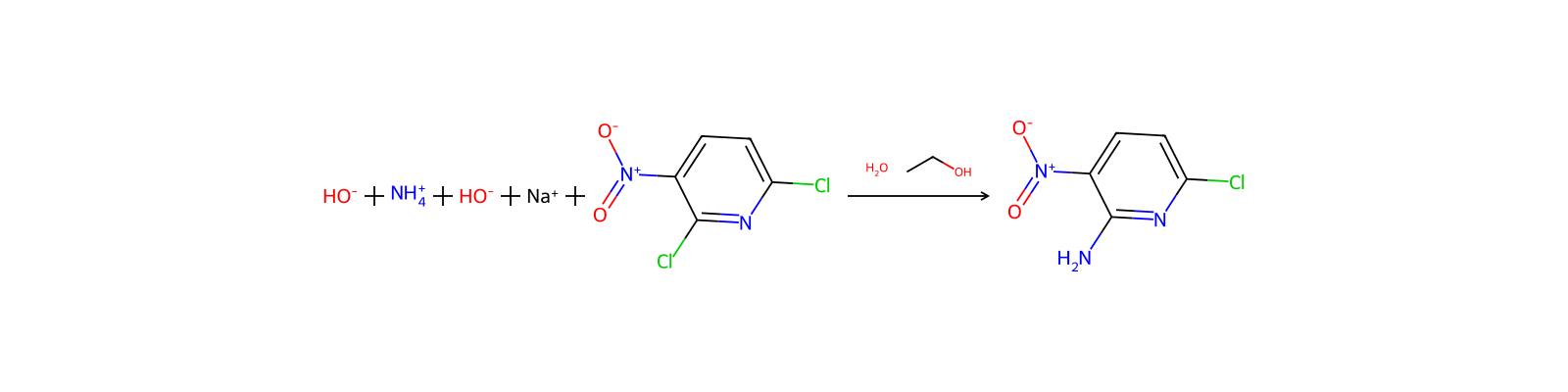
6-Chloro-3-nitropyridin-2-ylamine
Completing data — refresh the page later to see the latest

Basic information
- CAS
27048-04-0- Standard SMILES
Nc1nc(Cl)ccc1[N+](=O)[O-]- InChIKey
WERABQRUGJIMKQ-UHFFFAOYSA-N- Molecular formula
- C5H4ClN3O2
- Average molar mass
- 173.56 g/mol
- Monoisotopic mass
- 172.99920405
Names & identifiers
- Preferred name
- 6-Chloro-3-nitropyridin-2-ylamine
- IUPAC
- 6-chloro-3-nitropyridin-2-amine
- English name
- 2-Amino-6-chloro-3-nitropyridine
- Molecular formula
- C5H4ClN3O2
- Molecular weight
- 173.56
Names & synonyms
2-Amino-6-chloro-3-nitropyridine27048-04-06-Chloro-3-nitropyridin-2-ylamineEINECS 248-188-5DTXSID40181524RefChem:541676DTXCID80104015248-188-56-chloro-3-nitropyridin-2-amine2-Amino-3-nitro-6-chloropyridine136901-10-5MFCD00044350
Show more names
LABOTEST-BB LT000125992-Amino-6-chloro-3-nitrop...2-amino-3-nitrochloropyridine6-Chlor-3-nitropyridin-2-amin2-Amino-3-nitro-6-chloropyridi2-Amino-6-chloro-nitro pyridne2-Amino-6-chlor-3-nitropyridinFlupirtinemaleateintermediateI
6-chloro-3-nitro-2-pyridinamine6-Amino-2-chloro-5-nitropyridine6-chloro-3-nitro-pyridin-2-amine2-Pyridinamine, 6-chloro-3-nitro-6-Chloro-3-nitro-pyridin-2-ylamine6-Chloro-3-nitro-2-pyridylamineSCHEMBL1100926-Chloro-3-nitro-2-aminopyridine
Database identifiers
- CAS
27048-04-0- PubChem CID
- 2724035
- DTXSID
DTXSID40181524- EC Number
- 248-188-5
- Nikkaji
- J308.439F
Properties
Computed structural propertiesFilling in
- XLogP
- 1.8
- Topological polar surface area
- 84.7 Ų
- Hydrogen bond donors
- 1
- Hydrogen bond acceptors
- 4
- Rotatable bonds
- 0
- Heavy atoms
- 11
- Formal charge
- 0
- Complexity
- 160
Physicochemical properties
- Melting point
- 195 · 195-196
- Boiling point
- 339.9 · 339.9±37.0 °C(Predicted)
- Density
- 1.596 · 1.596±0.06 g/cm3(Predicted)
- storage temp.
- 2 · Keep in dark place,Inert atmosphere,2-8°C
- solubility
- Chloroform, DMSO
- form
- Crystalline
- pka
- -1.69 · -1.69±0.50(Predicted)
- color
- Yellow
- Water Solubility
- Slightly soluble in water. Soluble in dimethyl sulfoxide and chloroform.
- InChI
- InChI=1S/C5H4ClN3O2/c6-4-2-1-3(9(10)11)5(7)8-4/h1-2H,(H2,7,8)
- InChIKey
- WERABQRUGJIMKQ-UHFFFAOYSA-N
- SMILES
- C1(N)=NC(Cl)=CC=C1[N+]([O-])=O
- CAS DataBase Reference
- 27048 · 27048-04-0(CAS DataBase Reference)
- Symbol(GHS)
- 6 · GHS06
- Signal word
- Warning
Safety & regulation
Safety information is for reference only and does not replace the supplier’s Safety Data Sheet (SDS), applicable regulations, or professional assessment.
GHS classification
GHS Classification
This chemical does not meet GHS hazard criteria for 5.3% (1 of 19) of reports.
Warning
H302 (21.1%): Harmful if swallowed [Warning Acute toxicity, oral]
P261, P264, P264+P265, P270, P271, P280, P301+P317, P302+P352, P304+P340, P305+P351+P338, P317, P319, P321, P330, P332+P317, P337+P317, P362+P364, P403+P233, P405, and P501 (click each P-code to see the statement)
Aggregated GHS information provided per 19 reports by companies from 6 notifications to the ECHA C&L Inventory. Each notification may be associated with multiple companies.
Hazard information
Regulatory InformationStatus: Active Update: 15-03-2018 https://echa.europa.eu/registration-dossier/-/registered-dossier/23183
Hazard Classes and CategoriesAcute Tox. 4 (21.1%)
Safety data
- ridadr
- 2811
- hs_code
- 29333999
- risk_code
- 36/37/38
- Signal word
- Warning
- Symbol(GHS)
- GHS06
- hazard_code
- Xi
- hazard_note
- Irritant
- safety_code
- 22-26-36/37/39
- hazard_class
- 6.1
- packing_group
- Ⅲ
- Hazard statements
- H302-H312-H315-H319-H331-H335
- REACH Registrations
Chemistry & industry
Applications
Description2-Amino-6-chloro-3-nitropyridine is a cytotoxic drug that has been shown to have anti-viral potency, as well as antiviral activity in an activity test. It is synthesized by reacting hydrogen tartrate with oxadiazole, and then hydrolyzing the resulting product with chloride. 2-Amino-6-chloro-3-nitropyridine has also been shown to inhibit human immunodeficiency virus type 1 (HIV) replication in vitro and to be effective against other viruses such as type 2 influenza. This drug can bind to the viral envelope and inhibit fusion of the viral membrane with host cells by preventing the release of viral contents into the cytoplasm. The binding affinity of 2-amino 6-chloro 3 nitropyridine for chloride may be due to hydrogen bonding interactions.
UsesIt is an important raw material and intermediate used in organic synthesis, pharmaceuticals, agrochemicals and dyestuffs.
Upstream & downstream products
Upstream raw materials
Downstream products
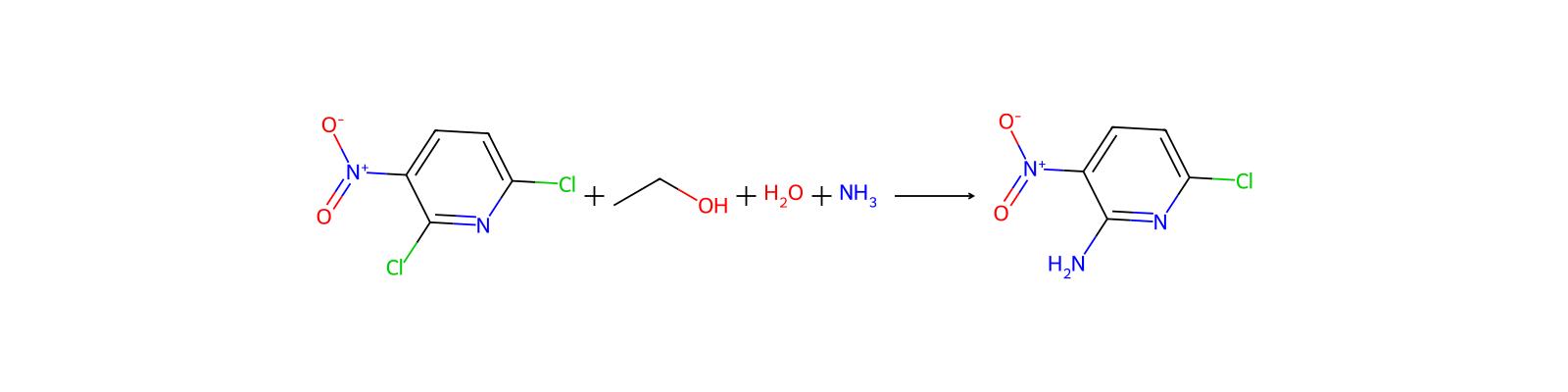
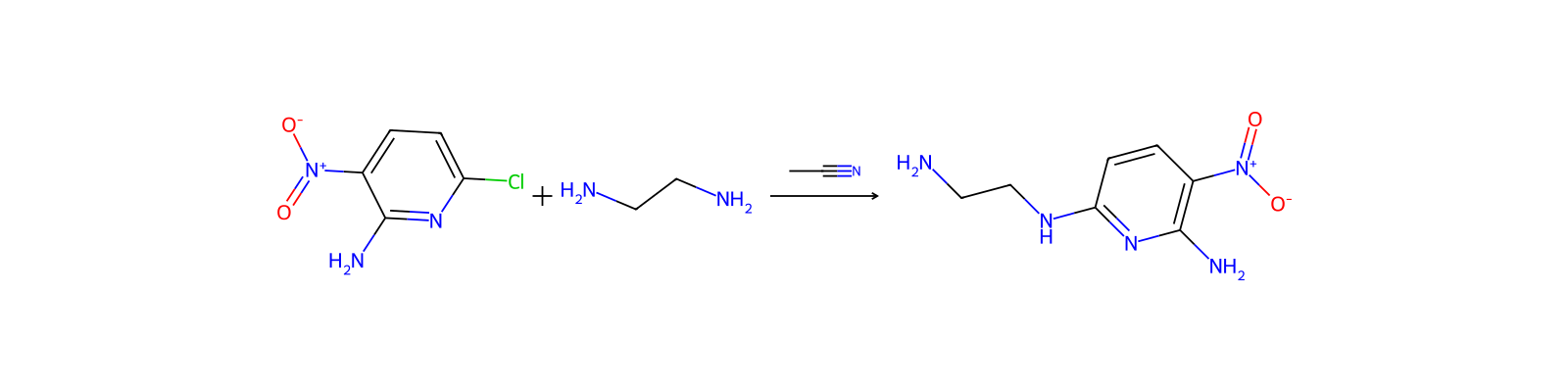
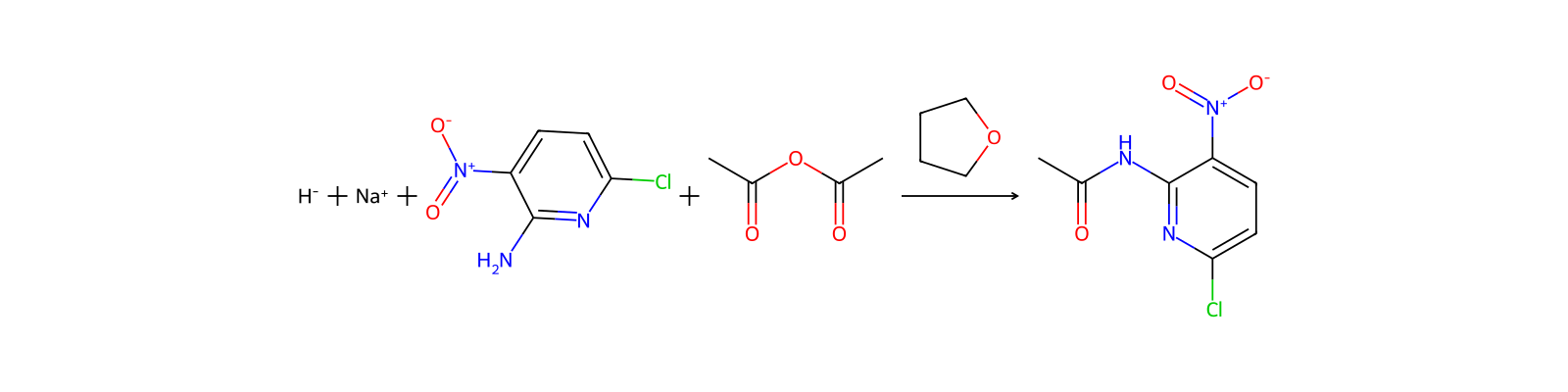
Related reactions
236 records



Compound notes
Loading…