HomeMCPSkillsWorkbenchOpenChem
HomeWorkbenchNotificationsMe
llms.txt · skill.md · MCP GuidePrivacy Policy · Terms of Service · Supportv1.8.4
  1. Home
  2. /Compound

Lithium diisopropylamide

HCID 2724682
New reaction
Print
Basic informationNames & identifiersPropertiesSafety & regulationChemistry & industryRelated reactionsCompound notes
Substructure searchFind similar structures

Basic information

CAS
4111-54-0
Standard SMILES
CC(C)[N-]C(C)C.[Li+]
InChIKey
ZCSHNCUQKCANBX-UHFFFAOYSA-N
Molecular formula
C6.H14.Li.N
Average molar mass
107.1 g/mol
Monoisotopic mass
107.12862789

Names & identifiers

Preferred name
Lithium diisopropylamide
IUPAC
lithium di(propan-2-yl)azanide
English name
Lithium diisopropylamide
Molecular formula
C6H16LiN
Molecular weight
109.14

Names & synonyms

Lithium diisopropylamide4111-54-0lithiodiisopropylamine2-Propanamine, N-(1-methylethyl)-, lithium saltEINECS 223-893-0diisopropylamine lithium saltEC 223-893-02-Propanamine, N-(1-methylethyl)-, lithium salt (1:1)DTXSID6063305DIISOPROPYLAMINE LITHIUM SALT [MI]RefChem:799533DTXCID4039863
Show more names
LDALithium saltLITHIUM DIISOPROPYLAMINElithium,di(propan-2-yl)azanidelithium diisopropylamide (LDA)Lithium diisopropylamide solutionDIISithium diisopropyLLithiuM diisopropylaMidLITHIUM DIISOPROPYLAMIDE THF COMPLEX
2Propanamine, N(1methylethyl), lithium salt223-893-0DiisopropylaminolithiumUNII-OL028KIW1IOL028KIW1Ilithium;di(propan-2-yl)azanideC6H14LiNlithium N,N-diisopropylamide

Database identifiers

CAS
4111-54-0
PubChem CID
2724682
DTXSID
DTXSID6063305
UNII
OL028KIW1I
EC Number
223-893-0
Nikkaji
J224.914F

Properties

Computed structural properties

Topological polar surface area
1 Ų
Hydrogen bond donors
0
Hydrogen bond acceptors
1
Rotatable bonds
2
Heavy atoms
8
Formal charge
0
Complexity
37.8

Experimental & physicochemical properties

Chemical ClassesMetals -> Organic Compounds, Metal Salts
Density0.79 @25 °C
Physical Description · 2 items

Wet Solid

Solid; [Merck Index]

Physicochemical properties

Melting point
6 · decomposes [MER06]
Boiling point
65 °C · 65 °C
Density
0.864 g/mL · 0.864 g/mL at 25 °C (lit.)
vapor density
1 · >1 (vs air)
Flash point
91 °F · 91 °F
storage temp.
2 · 2-8°C
solubility
soluble in ethyl ether; insoluble in hydrocarbon solvents
form
liquid
color
brown
Water Solubility
decomposes
Sensitive
Air & Moisture Sensitive

Safety & regulation

Safety information is for reference only and does not replace the supplier’s Safety Data Sheet (SDS), applicable regulations, or professional assessment.

GHS classification

GHS Classification · 4 items

Danger

H228 (15.4%): Flammable solid [Danger Flammable solids]

P210, P222, P231, P233, P240, P241, P260, P264, P264+P265, P280, P301+P330+P331, P302+P335+P334, P302+P361+P354, P304+P340, P305+P354+P338, P316, P317, P321, P363, P370+P378, P405, and P501 (click each P-code to see the statement)

Aggregated GHS information provided per 208 reports by companies from 8 notifications to the ECHA C&L Inventory. Each notification may be associated with multiple companies.

Hazard information

Regulatory Information · 5 items

Chemical: 2-Propanamine, N-(1-methylethyl)-, lithium salt

2-Propanamine, N-(1-methylethyl)-, lithium salt (1:1) is listed on the EPA's Chemical Data Reporting (CDR) system. Manufacturers and importers of 2-Propanamine, N-(1-methylethyl)-, lithium salt (1:1) are required to report information about their production and use of this chemical to the EPA under the Toxic Substances Control Act (TSCA). (40 eCFR Part 711)

PMN - indicates a commenced PMN (Pre-Manufacture Notices) substance.

REACH registered substance: Lithium diisopropylamide (EC: 223-893-0)

2-Propanamine, N-(1-methylethyl)-, lithium salt: Does not have an individual approval but may be used under an appropriate group standard

Hazards SummaryPyrophoric; Reacts with water evolving flammable gases that may spontaneously ignite; Causes burns; Inhalation may cause corrosive injuries to upper respiratory tract and lungs; Possible teratogen; [Sigma-Aldrich MSDS] See Diisopropylamine.
Hazard Classes and CategoriesFlam. Sol. 1 (15.4%)

Safety & protection

Chemistry & industry

Uses & manufacturing

UsesUsed as a pH adjuster (perfumes) and in organic synthesis; [Merck Index]
U.S. Production2023: 50,000 - <250,000 lb
Industry UsesIntermediate
General Manufacturing Information · 2 items

Pharmaceutical and Medicine Manufacturing

2-Propanamine, N-(1-methylethyl)-, lithium salt (1:1): ACTIVE

Applications · 4 items

UsespH adjuster in colognes and toilet waters. In organic synthesis, particularly, the lithium salt.

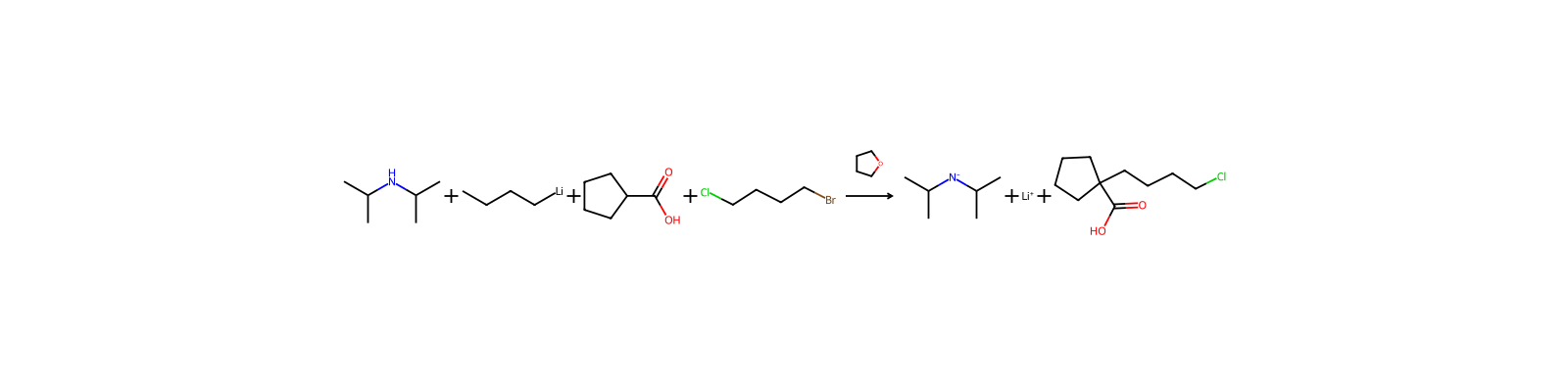
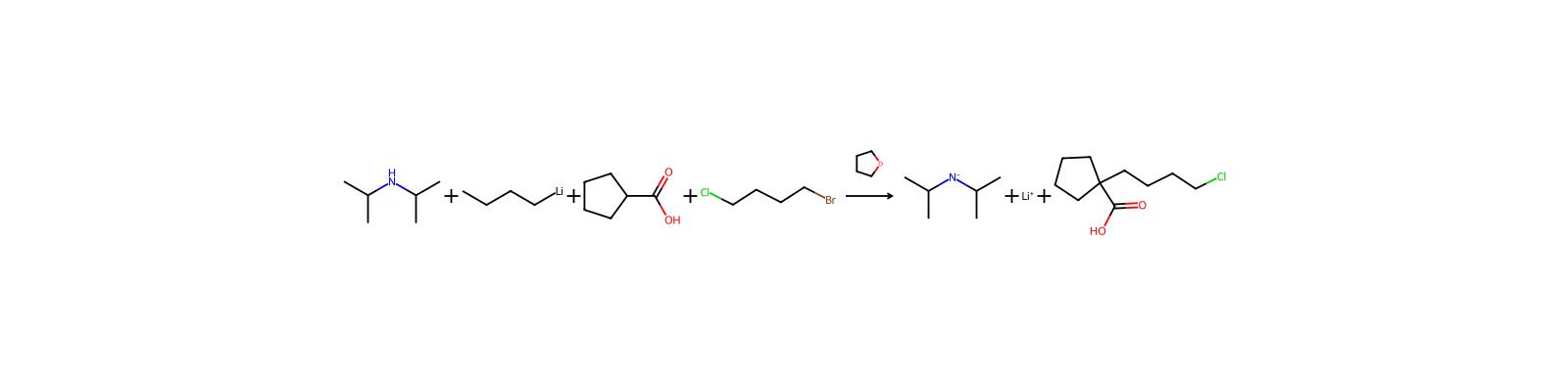
UsesLithium diisopropylamide is a sterically hindered nonnucleophilic strong base used for selective deprotonations, especially for the production of kinetic enolates (i.e., the thermodynamically less favored isomer) and (hetero-)aromatic carbanions. In the production of the serum lipid regulating agent Gemfibrozil one key intermediate is formed by quenching an ester enolate with 1-bromo-3-chloropropane.

UsesLithium diisopropylamide solution (LDA) can be used:As an initiator in the anionic polymerization of D,L-lactide and methyl methacrylate.To facilitate ester enolization.To convert carboxylic acids to enediolate intermediates for preparing trifluoromethyl ketones.In ortho-lithiation of arylsulfonyloxazolidinones to prepare N-substituted saccharin analogs.To catalyze ortholithiation and Fries rearrangement of aryl carbamates.As a promoter in the isomerization of allylic ethers to (Z)-propenyl ethers.

General DescriptionThis material is in a solution of THF/Hexanes (ca. 1:7 ratio, respectively)

Upstream & downstream products

Downstream products

3-Fluoro-2-iodopyridine-4-carboxylic acid

Related reactions

4,671 records
New reaction record
HRID 920As reactant
HRID 1200As product
HRID 1336As product
HRID 1839As reactant
HRID 1849As reactant
HRID 1862As reactant
HRID 1870As reactant
HRID 1874As reactant
PreviousPage 1 of 584

Compound notes

On this pageBasic informationNames & identifiersPropertiesSafety & regulationChemistry & industryRelated reactionsCompound notes
Merck
14 · 14,3196
BRN
3655042 · 3655042
InChI
1S/C6H14N.Li/c1-5(2)7-6(3)4;/h5-6H,1-4H3;/q-1;+1
InChIKey
ZCSHNCUQKCANBX-UHFFFAOYSA-N
SMILES
[Li]N(C(C)C)C(C)C
CAS DataBase Reference
4111 · 4111-54-0(CAS DataBase Reference)
FDA UNII
28 KIW1I · OL028KIW1I
EPA Substance Registry System
2 · 2-Propanamine, N-(1-methylethyl)-, lithium salt (4111-54-0)
UNSPSC Code
12352107 · 12352107
NACRES
22 · NA.22
Symbol(GHS)
2 · GHS02,GHS05
Signal word
Danger
Hazard statements
250 · H250-H314
Precautionary statements
231 · P231+P232-P260-P280-P303+P361+P353-P305+P351+P338-P370+P378
target organs
Central nervous system, Nervous system
Hazard Codes
C,N,F
Risk Statements
14 · 14-17-34-67-65-51/53-35-19-15-11-50/53-14/15-10-40-23/24/25-62-63-37-48/20
Safety Statements
26 · 26-36/37/39-43-45-60-61-62-8-16-23-33-27
RIDADR
3399 · UN 3399 4.3/PG 2
WGK Germany
3 · 3
F
1 · 1-10
TSCA
TSCA listed
HazardClass
4.2 · 4.2
PackingGroup
I
HS Code
29211990 · 29211990
Storage Class
3 · 3 - Flammable liquids
Hazard Classifications
2 Asp · Aquatic Chronic 2Asp. Tox. 1Eye Dam. 1Flam. Liq. 2Repr. 2Skin Corr. 1BSTOT RE 1 InhalationSTOT SE 3
REACH Registrations
Active
Protective Action Criteria (PAC) · 3 items

2.5 [mg/m3]

28 [mg/m3]

170 [mg/m3]

Toxicology

Adverse EffectsDermatotoxin - Skin burns.

Safety data

F
1-10
wgk
3
tsca
TSCA listed
ridadr
UN 3399 4.3/PG 2
hs_code
29211990
risk_code
14-17-34-67-65-51/53-35-19-15-11-50/53-14/15-10-40-23/24/25-62-63-37-48/20
Signal word
Danger
Symbol(GHS)
GHS02,GHS05
hazard_code
C,N,F
safety_code
26-36/37/39-43-45-60-61-62-8-16-23-33-27
hazard_class
4.2
Storage Class
3 - Flammable liquids
packing_group
I
target organs
Central nervous system, Nervous system
Hazard statements
H250-H314
REACH Registrations
Active
Hazard Classifications
Aquatic Chronic 2Asp. Tox. 1Eye Dam. 1Flam. Liq. 2Repr. 2Skin Corr. 1BSTOT RE 1 InhalationSTOT SE 3
Precautionary statements
P231+P232-P260-P280-P303+P361+P353-P305+P351+P338-P370+P378
Ethyl 2-oxocyclopentylacetate
6-Fluoro-1H-pyrazolo[3,4-b]pyridine-3-carbonitrile
2-Chloro-4-iodopyridine-3-carboxaldehyde
5-Amino-2-methoxy-isonicotinic acid
1-(2,6-Difluoropyridin-3-yl)propan-1-one
Ethyl 3-furancarboxylate
4-Allyl-piperidine-1,4-dicarboxylic acid mono-tert-butyl ester
6-Fluoro-1H-pyrazolo[3,4-b]pyridine-3-carboxylic acid
4-Chloronicotinic acid
3-Bromothiophene-2-carbaldehyde
3-Bromothiophene-2-carbonyl chloride
3-Fluoroquinoline-4-carboxylic acid
3-Chlorothiophene-2-carboxylic acid
1H-Azepine-3-carboxylicacid,hexahydro-,methylester(9CI)
2-Fluoro-3-pyridylboronic acid
3-Chlorothiophene-2-carbonyl chloride
Rimonabant hydrochloride
3-Bromothiophene-2-carboxamide
5-Fluoro-2-methoxypyridine-4-boronic acid
2-Methoxypyridine-3-boronic acid
(4-Methoxy-1H-pyrrolo[2,3-b]pyridin-2-yl)methanol
2-(4-Methoxy-1H-pyrrolo[2,3-b]pyridin-2-yl)ethanamine
4-Methoxy-1H-pyrrolo[2,3-b]pyridine-2-carbaldehyde
3-Furanmethanol
5-Bromo-2-fluoropyridine-3-carbaldehyde
Ethyl 4-methoxy-1H-pyrrolo[2,3-b]pyridine-2-carboxylate
1-(Phenylsulfonyl)-1H-indole-2-carbaldehyde
3,5-Difluoropyridine-4-carbaldehyde