
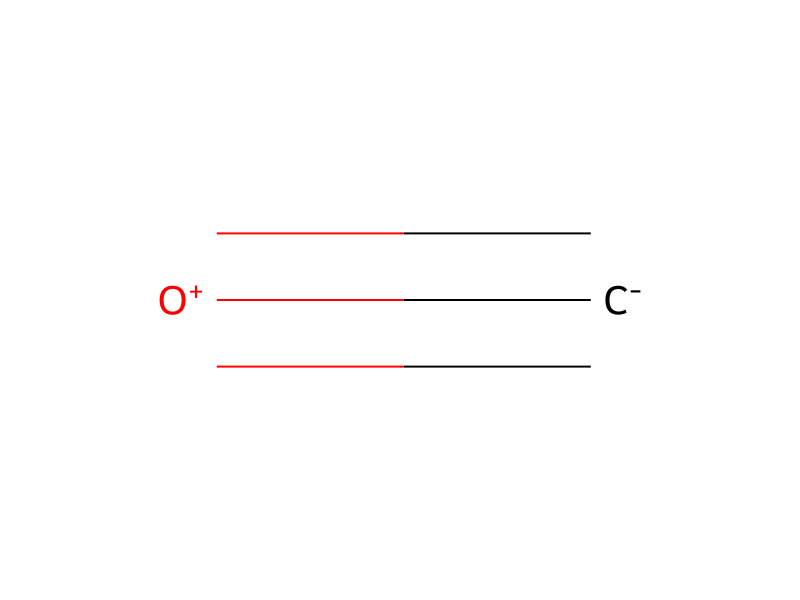
Basic information
- Standard SMILES
[C-]#[O+]- InChIKey
UGFAIRIUMAVXCW-UHFFFAOYSA-N- Molecular formula
- CO
- Average molar mass
- 28.01 g/mol
- Monoisotopic mass
- 27.99491462
Overview
Carbon monoxide is a colorless, nonirritating, odorless, and tasteless gas. It is found in both outdoor and indoor air.
Names & identifiers
- Preferred name
- Carbon Monoxide
- IUPAC
- carbon monoxide
- English name
- Carbon monoxide
- Molecular formula
- CO
- Molecular weight
- 0
Names & synonyms
carbon monoxidecarbon monooxideCarbonic oxide630-08-0Carbon oxide (CO)carbon(II) oxideExhaust gasFlue gasmonoxideKohlenmonoxidKoolmonoxydeKohlenoxyd
Show more names
Wegla tlenekOxyde de carboneCarbone (oxyde de)Carboneum oxygenisatumCarbonio (ossido di)DTXSID50272737U1EE4V452CHEBI:17245
Database identifiers
- CAS
35907-63-2、630-08-0- PubChem CID
- 281
- DTXSID
DTXSID5027273- ChEMBL
CHEMBL1231840- ChEBI
CHEBI:17245- UNII
- 7U1EE4V452
- EC Number
- 211-128-3、685-227-9
- Nikkaji
- J1.401.546I、J369.708H
Properties
Computed structural properties
- XLogP
- 0.7
- Topological polar surface area
- 1 Ų
- Hydrogen bond donors
- 0
- Hydrogen bond acceptors
- 1
- Rotatable bonds
- 0
- Heavy atoms
- 2
- Formal charge
- 0
- Complexity
- 10
Experimental & physicochemical properties
Chemical Classes
Toxic Gases & Vapors -> Chemical Asphyxiants
Teratogens
SpringerMaterials PropertiesDunham energy parameter
Pesticides
Rodenticides
Active substance -> EU Pesticides database: Not approved
LogP0.83
OdorOdorless
TasteTasteless
Density
0.791 at -312.7 °F (USCG, 1999) - Less dense than water; will float
1.250 g/L at 0 °C/4 °C
Density at critical point = 301.0 kg/cu m
Density of liquid = 788.6 kg/cu m at 81.63 K
Density of solid, hexagonal = 929 kg/cu m at 65 K
0.791 at -312.7 °F
ViscosityViscosity gas at 273 K = 16.62 uN s/sq m
Color/FormColorless gas [Note: Shipped as a nonliquefied or liquefied compressed gas].
Solubility
2 % (NIOSH, 2024)
2 % (NIOSH, 2024)
Soluble in benzene
Freely absorbed by a concentrated solution of cuprous chloride in hydrochloric acid or ammonium hydroxide; Appreciably soluble in some organic solvents, such as ethyl acetate, chloroform, acetic acid; solubility in methanol and ethanol about 7 times as great as in water.
Sparingly soluble in water: 3.3 ml/100 ml at 0 °C, 2.3 ml/100 ml at 20 °C
1.48 mg/mL at 25 °C
Flash Point
Flammable gas
NA (Gas)
Boiling Point
-312.7 °F at 760 mmHg (USCG, 1999)
-313 °F at 760 mmHg (NIOSH, 2024)
-191.5 °C
-191 °C
-313 °F
-191.5 °C @760 [mm Hg]
Physicochemical properties
- Melting point
- -205 °C · -205 °C
- Boiling point
- -191.5 °C · -191.5 °C
- Density
- 1.25 E-3 · 1.25E-3 g/cm3(Temp: 0 °C)
- Symbol(GHS)
- 2 · GHS02,GHS04,GHS06,GHS08
- Signal word
- Danger
- Hazard statements
- 220 · H220-H280-H331-H360D-H372
- Precautionary statements
- 202 · P202-P210-P304+P340+P311-P308+P313-P403+P233-P410+P403
Safety & regulation
GHS classification
GHS Classification
Danger
H220: Extremely flammable gas [Danger Flammable gases]
P203, P210, P222, P260, P261, P264, P270, P271, P280, P304+P340, P316, P318, P319, P321, P377, P381, P403, P403+P233, P405, and P501 (click each P-code to see the statement)
Danger
H220 (87.3%): Extremely flammable gas [Danger Flammable gases]
P203, P210, P222, P260, P261, P264, P270, P271, P280, P304+P340, P316, P318, P319, P321, P377, P381, P403, P403+P233, P405, P410+P403, and P501 (click each P-code to see the statement)
Hazard information
Hazards Identification
Toxic/poison by inhalation (TIH/PIH)
Toxic/poison by inhalation (TIH/PIH)
Regulatory Information
Chemical: Carbon monoxide
Hazard Traits - Cardiovascular Toxicity; Developmental Toxicity; Neurotoxicity; Reproductive Toxicity
Carbon monoxide is listed on the EPA's Chemical Data Reporting (CDR) system. Manufacturers and importers of Carbon monoxide are required to report information about their production and use of this chemical to the EPA under the Toxic Substances Control Act (TSCA). (40 eCFR Part 711)
2008/967
Status: Active Update: 27-04-2023 https://echa.europa.eu/registration-dossier/-/registered-dossier/15368
Carbon monoxide: HSNO Approval: HSR001056 Approved with controls
Other Safety InformationIMAP assessments - Carbon monoxide: Human health tier II assessment
DOT Label
Poison Gas Flammable Gas
Poison Gas Flammable Gas
Fire Hazards
Special Hazards of Combustion Products: Asphyxiation due to carbon dioxide production may result.
Excerpt from ERG Guide 168 [Carbon Monoxide (Refrigerated Liquid)]:
· EXTREMELY FLAMMABLE.
· Flammable; may be ignited by heat, sparks or flames.
Extremely flammable. Heating will cause rise in pressure with risk of bursting. Gas/air mixtures are explosive.
Fire PotentialFlammable gas.
Health Hazards
Inhalation causes headache, dizziness, weakness of limbs, confusion, nausea, unconsciousness, and finally death. 0.04% conc., 2-3 hr. or 0.06% conc., 1 hr.- headache and discomfort; with moderate exercise, 0.1-0.2% will produce throbbing in the head in about 1/2 hr., a tendency to stagger in about 1 1/2 hr., and confusion of the mind, headache, and nausea in about 2 hrs. 0.20-25% usually produces unconsciousness in about 1/2 hr. Inhalation of a 0.4% conc. can prove fatal in less than 1 hr. Inhalation of high concentrations can cause sudden, unexpected collapse. Contact of liquid with skin will cause frostbite. (USCG, 1999)
Excerpt from ERG Guide 168 [Carbon Monoxide (Refrigerated Liquid)]:
· TOXIC; Extremely Hazardous.
· TOXIC; may be fatal if inhaled or absorbed through skin. Some may cause severe skin burns and eye damage.
Hazards Summary
Carbon monoxide is a colorless, nonirritating, odorless, and tasteless gas. It is found in both outdoor and indoor air.
Carboxyhemoglobin 1/2 life in the body = 4 hours in room air and 60-90 minutes in 100% oxygen; Nonsmoker normal = 2%; Smoker = 5-7%; Neurological symptoms = 30%; Death = 40-50%; Carbon monoxide is the most common cause of chemical asphyxia. There is limited positive data that carbon monoxide causes low birth weight and fetal death in humans. In animals, there is strong positive data that it causes birth defects and neonatal mortality and limited positive data that it causes testicular damage. [ATSDR Case Studies, #29] Decreased exercise time to onset of angina or ischemia was observed at COHb levels as low as 3% and increased ventricular arrhythmias at COHb levels of 6%. [ACGIH] Early on, symptoms include headache, dizziness, and disorientation. More prolonged or severe hypoxia is accompanied by a varying combination of tremor, chorea, spasticity, dystonia, rigidity, and bradykinesia. Recovery from the hypoxia may be incomplete. Residual dementia, spasticity, cortical blindness, and parkinsonian features are relatively common. [Ladou, p. 430]
DOT ID and Guide
9202 168
1016 119
1016 119
9202 168(cryogenic liquid)
Reactive Group
Reducing Agents, Weak
Reducing Agents, Weak
EC ClassificationSymbol: F+, T; R: 12-23-48/23-61; S: 53-45; Note: E
UN ClassificationUN Hazard Class: 2.3; UN Subsidiary Risks: 2.1
Safety & protection
Fire Fighting
Excerpt from ERG Guide 119 [Gases - Toxic - Flammable]:
Excerpt from ERG Guide 168 [Carbon Monoxide (Refrigerated Liquid)]:
Shut off supply; if not possible and no risk to surroundings, let the fire burn itself out. In other cases extinguish with carbon dioxide, water spray, powder. In case of fire: keep cylinder cool by spraying with water. Combat fire from a sheltered position.
First Aid MeasuresFresh air, rest. Administration of oxygen may be needed. Artificial respiration may be needed. Refer immediately for medical attention.
Accidental Release Measures
· CALL 911. Then call emergency response telephone number on shipping paper. If shipping paper not available or no answer, refer to appropriate telephone number listed on the inside back cover.
· ELIMINATE all ignition sources (no smoking, flares, sparks or flames) from immediate area.
· CALL 911. Then call emergency response telephone number on shipping paper. If shipping paper not available or no answer, refer to appropriate telephone number listed on the inside back cover.
· ELIMINATE all ignition sources (no smoking, flares, sparks or flames) from immediate area.
First Aid
Excerpt from NIOSH Pocket Guide for Carbon monoxide:
Excerpt from NIOSH Pocket Guide for Carbon monoxide:
General First Aid:
General First Aid:
(General first aid procedures)
Safe StorageFireproof. Cool. Keep in a well-ventilated room.
Firefighting Hazards
Flame has very little color. Containers may explode in fire.
Carbon monoxide is the most frequent cause of immediate fire deaths, and carbon monoxide poisoning should be suspected in every fire victim. Carbon monoxide levels at fires may reach 10%, which can raise carboxyhemoglobin levels in active firefighters without respiratory protection to 75% within 1 minute.
Asphyxiation due to carbon dioxide production may result /from combustion/.
Exposure Control and Personal Protection
· Wear positive pressure self-contained breathing apparatus (SCBA).
· Wear positive pressure self-contained breathing apparatus (SCBA).
Biological Exposure Indices (BEI) [ACGIH] - Carboxyhemoglobin in blood = 3.5% of hemoglobin at end of shift; carbon monoxide in end-exhaled air = 20 ppm at end of shift;
30.0 [ppm]
Fire Fighting Procedures
Stop flow of gas before extinguishing fire. Use water spray to keep fire-exposed containers cool. Fire situation may require evacuation.
Use powder or carbon dioxide.
If material on fire or involved in fire: Do not extinguish fire unless flow can be stopped. Use water in flooding quantities as fog. Cool all affected containers with flooding quantities of water. Apply water from as far a distance as possible.
Let fire burn; shut off flow of gas and cool adjacent exposures with water. Extinguish (only if wearing self-contained breathing apparatus) with dry chemicals or carbon dioxide.
Storage Conditions
Store in a cool, dry, well-ventilated location.
Remove the sources of ignition. Electric installation should be explosion-proof construction. Protect container against sunlight, and store in well-ventilated, safe areas.
Cleanup Methods
1. Ventilate area of leak or release to disperse gas. 2. Stop flow of gas. If source of leak is a cylinder and the leak cannot be stopped in place, remove the leaking cylinder to a safe place in the open air and repair the leak or allow the cylinder to empty.
Use water spray to cool and disperse vapors and protect personnel. With cryogenic liquids, releases may require isolation or evacuation.
Gas leakage: By forced ventilation, maintain concentration of gas below the range of explosive mixture. Remove the tank or cylinder to an open area. Leave to bleed off in the atmosphere.
Nonfire Spill Response
Excerpt from ERG Guide 119 [Gases - Toxic - Flammable]:
Excerpt from ERG Guide 168 [Carbon Monoxide (Refrigerated Liquid)]:
Disposal Methods
SRP: The most favorable course of action is to use an alternative chemical product with less inherent propensity for occupational harm/injury/toxicity or environmental contamination. Recycle any unused portion of the material for its approved use or return it to the manufacturer or supplier. Ultimate disposal of the chemical must consider: the material's impact on air quality; potential migration in soil or water; effects on animal and plant life; and conformance with environmental and public health regulations.
Incineration: Remove leaky cylinders to remote area to empty; then return to supplier with label indicating that repairs are needed. The waste carbon monoxide can be piped to an approved incinerator or the cylinder can be placed in a pit to burn carbon monoxide to carbon dioxide under controlled conditions.
Toxicology
Toxicological InformationCDC-ATSDR Toxicological Profile
Treatment
Carbon monoxide poisoning is first treated by immediate removal from the source of exposure. High-flow or 100% oxygen should then be administered by a nonrebreather reservoir oxygen mask. Oxygen hastens the dissociation of carbon monoxide from hemoglobin, improving tissue oxygenation by reducing carbon monoxides biological half-life. Hyperbaric oxygen may also be used, as it increases carboxyhemoglobin dissociation to a greater extent than normal oxygen. (L961)
Interactions
Combined exposure to carbon monoxide plus hydrogen cyanide had an additive effect in rats, as evidenced by increases in mortality rate. Results from this series of experiments showed that the exposed animals died at lower carbon monoxide concentrations as the levels of hydrogen cyanide increased. In the presence of hydrogen cyanide, carboxyhemoglobin at equilibrium was less than that measured in the absence of hydrogen cyanide; however, the initial rate of carboxyhemoglobin formation was the same. This apparent depressive effect of hydrogen cyanide on carboxyhemoglobin formation may explain the reason for the low carboxyhemoglobin levels (<50%) seen in some people who died in a fire.
Combined exposure of rats to carbon monoxide plus nitric oxide for 3 hr caused a significant (P < 0.01) increase in mean methemoglobin levels when compared with methemoglobin levels in rats exposed to nitric oxide alone. No significant changes were observed in blood carboxyhemoglobin levels compared with exposure to carbon monoxide alone or to carbon monoxide plus nitric oxide. Combined exposure also caused significant behavioral changes..
In the study of interactions of intraperitoneal carbon monoxide administration with psychoactive drugs on operant behavior of mice, d-amphetamine, chlorpromazine, nicotine, diazepam and morphine were studied in addition to alcohol and pentobarbital. As with alcohol, a suggestion of greater than additive effects was obtained from combinations of carbon monoxide with both d-amphetamine and chlorpromazine; however, in these cases, the differences from additivity did not reach statistical significance. Effects of carbon monoxide in combination with nicotine, caffeine and morphine were additive.
A large interaction of carbon monoxide exposure and alcohol administration /was observed/ on operant behavior in animals. Mice, trained to lever press for water reinforcement, were tested with 1.1 g alcohol/kg body weight and various doses of carbon monoxide, alone and in combination. An unusual feature of this study was that both alcohol and carbon monoxide were administered by intraperitoneal injection. A dose of alcohol that had little effect on rates of lever pressing when given alone resulted in large rate-decreasing effects when given in combination with doses of carbon monoxide that also had no effects when given alone. Typically, behavioral effects of carbon monoxide alone were not seen under these test conditions until carboxyhemoglobin saturations greater than 40-50% were obtained. Thus, alcohol about doubled the acute toxicity of carbon monoxide in this study.
For more Interactions (Complete) data for Carbon monoxide (12 total), please visit the HSDB record page.
Target Organs
Cardiovascular (Heart and Blood Vessels), Death, Developmental (effects while organs are developing), Hematological (Blood Forming), Neurological (Nervous System), Respiratory (From the Nose to the Lungs)
cardiovascular system, lungs, blood, central nervous system
Health EffectsChronic exposure to low levels of carbon monoxide may cause persistent headaches, lightheadedness, depression, confusion, memory loss, and nausea and vomiting. (L961)
Environmental Fate
ATMOSPHERIC FATE: A photochemical model was used to quantify the sensitivity of the tropospheric oxidants ozone (O3) and OH to changes in methane (CH4), carbon monoxide (CO), and NO emissions and to perturbations in climate and stratospheric chemistry. In most cases, incr CH4 and CO emissions will suppress OH (neg coefficients) in incr O3 (pos coefficients) except in areas where NO and O3 influenced by pollution are sufficient to incr OH. In most regions, NO, CO, and CH4 emission incr will suppress OH and incr O3, but these trends may be opposed by stratospheric O3 depletion and climate change.
Adverse EffectsNeurotoxin - Parkinsonism
Exposure Routes
The substance can be absorbed into the body by inhalation.
inhalation, skin and/or eye contact (liquid)
Inhalation (L960)
Toxicity Summary
It is a product of the incomplete combustion of carbon-containing fuels and is also produced by natural processes or by biotransformation of halomethanes within the human body. With external exposures to additional carbon monoxide, subtle effects can begin to occur, and exposure to higher levels can result in death. The health effects of carbon monoxide are largely the result of the formation of carboxyhemoglobin (COHb), which impairs the oxygen carrying capacity of the blood ... During typical daily activities, people encounter carbon monoxide in a variety of microenvironments - while travelling in motor vehicles, working at their jobs, visiting urban locations associated with combustion sources, or cooking or heating with domestic gas, charcoal or wood fires - as well as in tobacco smoke. ... Studies of human exposure have shown that motor vehicle exhaust is the most important source for regularly encountered elevated carbon monoxide levels ... The workplace is another important setting for carbon monoxide exposures ... Certain industrial processes can expose workers to carbon monoxide produced directly or as a byproduct ... Carbon monoxide is absorbed through the lungs, and the concentration of carboxyhemoglobin will depend ... mainly on the concentrations of inspired carbon monoxide and oxygen ... and will also depend on the duration of exposure, pulmonary ventilation, and the concentration of carboxyhemoglobin originally present ... In addition to its reaction with hemoglobin, carbon monoxide combines with myoglobin, cytochromes, and metalloenzymes such as cytochromoe c oxidase and cytochrome P-450 ... The binding of carbon monoxide to hemoglobin, producing carboxyhemoglobin and decreasing the oxygen carrying capacity of blood, appears to be the principal mechanism of action underlying the induction of toxic effects of low-level carbon monoxide exposures. The precise mechanisms by which toxic effects are induced ... are not understood fully but likely include the induction of a hypoxic state in many tissues of diverse organ systems ... A unique feature of carbon monoxide exposure, therefore, is that the blood carboxyhemoglobin level represents a useful biological marker of the dose that the individual has received ... The formation of carboxyhemoglobin is a reversible process; however, because of the tight binding of carbon monoxide to hemoglobin, the elimination half-time is quite long, ranging from 2 to 6.5 hr ... The level of carboxyhemoglobin in the blood may be determined directly by blood analysis or indirectly by measuring carbon monoxide in exhaled breath ... Decreased oxygen uptake and the resultant decreased work capacity under maximal exercise conditions have clearly been shown to occur ... However, of greater concern at more typical ambient carbon monoxide exposure levels are certain cardiovascular effects (i.e., aggravation of angina symptoms during exercise) likely to occur in a smaller, but sizeable, segment of the general population. This group, chronic angina patients, is currently viewed as the most sensitive risk group for carbon monoxide exposure effects ... The adverse health consequences of low level carbon monoxide exposure to patients with ischemic heart disease are very difficult to predict in the at-risk population of individuals with heart disease ... At high carbon monoxide concentrations, excessive increases in hemoglobin and hematocrit may impose an additional workload on the heart and compromise blood flow to the tissues ... It is unlikely that carbon monoxide has any direct effects on lung tissue except for extremely high concentrations associated with carbon monoxide poisoning ... Occupational or accidental exposure to the products of combustion and pyrolysis, particularly indoors, may lead to acute decrements in lung function if the carboxyhemoglobin levels are high. It is difficult, however, to separate the potential effects of carbon monoxide from those due to other respiratory irritants in the smoke and exhaust ... Of special note are those individuals who are taking drugs with primary or secondary depressant effects that would be expected to exacerbate carbon monoxide-related neurobehavorial decrements. Other groups at possible increased risk for carbon monoxide-induced neurobehavorial effects are the aged and ill ... Under normal circumstances, the brain can increase blood flow or tissue oxygen extraction to compensate for the hypoxia caused by exposure to carbon monoxide ...
... Studies in several laboratory animal species provide strong evidence that maternal carbon monoxide exposures ... produce reductions of birth weight, cardiomegaly, delays in behavorial development and disruptions in cognitive function ... Laboratory animal studies suggest that enzyme metabolism of xenobiotic compounds may be affected by carbon monoxide exposure ... The decreases in xenobiotic metabolism shown with carbon monoxide exposure might be important to individuals receiving treatment with drugs ... Tissues of highly active oxygen metabolism, such as heart, brain, liver, kidney, and muscle, may be particularly sensitive to carbon monoxide poisoning. There are reports ... of effects on liver, kidney, bone and the immune capacity of the lung and spleen. It is generally agreed that the severe tissue damage occurring during acute carbon monoxide poisoning is due to one of more of the following: (1) ischemia resulting from the formation of carboxyhemoglogin, (2) inhibition of oxygen release from oxyhemoglobin, (3) inhibition of oxygen release from oxyhemoglobin, (3) inhibition of cellular cytochrome function (e.g., cytochrome oxidases) and (4) metabolic acidosis ... Whereas certain data also suggest that perinatal effects (e.g., reduced birth weight, slowed post-natal developments, sudden infant death syndrome) are associated with carbon monoxide exposure, insufficient evidence exists by which to either qualitatively confirm such an association in humans or establish any pertinent exposure-effect relationships ... There remains little direct information on the possible enhancement of carbon monoxide toxicity by concomitant drug use or abuse ... The greatest evidence for a potentially important interaction of carbon monoxide comes from studies with alcohol in both laboratory animals and humans, where at least additive effects have been obtained. The significance of this is augmented by the high probable incidence of combined alcohol use and carbon monoxide exposure ... Besides being a source of carbon monoxide for smokers as well as non-smokers, tobacco smoke is also a source of other chemicals with which environmental carbon monoxide could interact ... On the basis of known effects described, patients with reproducible exercise-induced ischemia appear to be the best established as a sensitive group within the general population that is at increased risk for experiencing health effects of concern (i.e., decreased exercise duration due to exacerbation of cardiovascular symptoms) at ambient or near-ambient carbon monoxide concentrations ... Decrements in exercise duration in the healthy population would therefore be of concern mainly to competing athletes, rather than to ordinary people carrying out the common activities of daily life. It can be hypothesized, however, from both clinical and theoretical work and from experimental research on laboratory animals, that certain other groups in the population may be at probable risk from exposure to carbon monoxide. Identifiable probable risk groups can be categorized by gender differences; by age ...; by genetic variations ...; by pre-existing diseases ...; or by the use of medications, recreational drugs or alterations in environment ... Unfortunately, little empirical evidence is currently available by which to specify health effects associated with ambient or near-ambient carbon monoxide exposure to these probable risk groups ...
... Carbon monoxide is responsible for a large percentage of the accidental poisonings and deaths reported throughout the world each year ... Outdoors, concentrations of carbon monoxide are highest near street intersections, in congested traffic, near exhaust gases from internal combustion engines and from industrial sources, and in poorly ventilated areas such as parking garages and tunnels. Indoors, carbon monoxide concentrations are highest in workplaces or in homes that have faulty or poorly vented combustion appliances or downdrafts or backdrafts. The symptoms and signs of acute carbon monoxide poisoning correlate poorly with the level of carboxyhemoglobin measured at the time of arrival at the hospital ... Neurological symptoms of carbon monoxide poisoning can ocur, such as headache, dizziness, weakness, nausea, confusion, disorientation and visual disturbances. Exertional dyspnea, increases in pulse and respiratory rates and syncope are observed with continuous exposure ... When carboxyhemoglobin levels are higher than 50%, convulsions and cardiopulmonary arrest may occur. Complications occur frequently in carbon monoxide poisoning (immediate death, myocardial impairment, hypotension, arrhythmias, pulmonary edema). Perhaps the most insidious effect of carbon monoxide poisoning is the delayed development of neuropyschiatric impairment ... and the neurobehavioral consequences, especially in children. Carbon monoxide poisoning during pregnancy results in high risk for the mother, by increasing the short-term complications rate and for the fetus by causing fetal death, developmental disorders, and cerebral anoxic lesions. Furthermore, the severity of fetal intoxication cannot be assessed by the maternal rate. Carbon monoxide poisoning occurs frequently, has severe consequences, including immediate death, involves complications and late sequelae and is often overlooked ...
Carbon monoxide possesses a higher affinity than oxygen for hemoglobin, leading to the formation of carboxyhemoglobin, this provoking anoxemia. Carbon monoxide also binds to myoglobin, impairing its ability to utilize oxygen. It can also bind to cytochrome c oxidase, though with a lesser affinity than oxygen. This interferes with aerobic metabolism and efficient ATP synthesis. As a result, cells switch to anaerobic metabolism, causing anoxia, lactic acidosis, and eventual cell death. Carbon monoxide also causes endothelial cell and platelet release of nitric oxide, and the formation of oxygen free radicals. This results in lipid peroxidation, leading to edema and necrosis within the brain. (L961)
Ecotoxicity Excerpts
/AQUATIC SPECIES/ At concentrations of 28-350 mg/L in the air and a light intensity of 18 klux, carbon monoxide had no effect on growth of Chlorella cultures. However, at 4.5 klux, the lowest concentration of CO inhibited the algal growth rate.
/OTHER TERRESTRIAL SPECIES/ Ladybirds and stick insects exposed to high levels of carbon monoxide (80% CO, 20% O) for < 10 days, all survived. When exposed for > 10 days, they died.
/OTHER TERRESTRIAL SPECIES/ At levels of 100 ppm (50%), CO had negligible effects on the behavior of Enchytraeus species, Arion fasciatus, Tracheoniscus rathkei, Diploiulus species, Liobunum calcar, and several other forest litter invertebrates. Also, it had no effect on the health and biological functions of the various organisms.
/PLANTS/ Leaves of 35 species of temperate and tropical plants absorbed CO in light from air containing 6 ppm CO at an average rate of 190 nL/kg of fresh wt. CO uptake by 9 species, having widely different rates of absorption, was proportional to CO concn in the range 0 to 100 ppm. Absorbed CO was metabolized either by oxidation to carbon dioxide and fixation as such or by reduction and incorporation into serine. CO had various effects on the photosynthesis of leaves of different species, acting like an inhibitory at concn as low as 65 ppm, or exerting no influence, or even permitting an increase in net CO2 fixation at 99% CO because of the absence of oxygen.
Signs and Symptoms
Shortness of breath. Headache. Weakness. Irregular heartbeat. Chest pain. Nausea. Dizziness. Unconsciousness.
headache, tachypnea, nausea, lassitude (weakness, exhaustion), dizziness, confusion, hallucinations; cyanosis; depressed S-T segment of electrocardiogram, angina, syncope
Early symptoms of acute carbon monoxide poisoning are nonspecific and include headaches, nausea, and fatigue. Symptoms may progress to tachycardia and hypertension. The central nervous system is one of the organ systems most sensitive to poisoning and symptoms displayed include dizziness, ataxia, confusion, convulsions, unconsciousness, respiratory arrest, and even death. (L961)
Medical Surveillance
This clinical policy focuses on critical issues concerning the management of adult patients presenting to the emergency department (ED) with acute symptomatic carbon monoxide (CO) poisoning. The subcommittee reviewed the medical literature relevant to the questions posed. The critical questions are: Should hyperbaric oxygen (HBO(2)) therapy be used for the treatment of patients with acute CO poisoning; and Can clinical or laboratory criteria identify CO-poisoned patients who are most or least likely to benefit from this therapy? Recommendations are provided on the basis of the strength of evidence of the literature. Level A recommendations represent patient management principles that reflect a high degree of clinical certainty; Level B recommendations represent patient management principles that reflect moderate clinical certainty; and Level C recommendations represent other patient management strategies that are based on preliminary, inconclusive, or conflicting evidence, or based on committee consensus. This clinical policy is intended for physicians working in hospital-based EDs. .
Patients with acute carbon monoxide poisoning commonly have cognitive sequelae. ... A double-blind, randomized trial /was conducted/ to evaluate the effect of hyperbaric-oxygen treatment on such cognitive sequelae. METHODS: ... Patients with symptomatic acute carbon monoxide poisoning /were randomly assigned/ in equal proportions to three chamber sessions within a 24-hour period, consisting of either three hyperbaric-oxygen treatments or one normobaric-oxygen treatment plus two sessions of exposure to normobaric room air. Oxygen treatments were administered from a high-flow reservoir through a face mask that prevented rebreathing or by endotracheal tube. Neuropsychological tests were administered immediately after chamber sessions 1 and 3, and 2 weeks, 6 weeks, 6 months, and 12 months after enrollment. The primary outcome was cognitive sequelae six weeks after carbon monoxide poisoning. RESULTS: The trial was stopped after the third of four scheduled interim analyses, at which point there were 76 patients in each group. Cognitive sequelae at six weeks were less frequent in the hyperbaric-oxygen group (19 of 76 [25.0 percent]) than in the normobaric-oxygen group (35 of 76 [46.1 percent], P=0.007), even after adjustment for cerebellar dysfunction and for stratification variables (adjusted odds ratio, 0.45 [95 percent confidence interval, 0.22 to 0.92]; P=0.03). The presence of cerebellar dysfunction before treatment was associated with the occurrence of cognitive sequelae (odds ratio, 5.71 [95 percent confidence interval, 1.69 to 19.31]; P=0.005) and was more frequent in the normobaric-oxygen group (15 percent vs. 4 percent, P=0.03). Cognitive sequelae were less frequent in the hyperbaric-oxygen group at 12 months, according to the intention-to-treat analysis (P=0.04). CONCLUSIONS: Three hyperbaric-oxygen treatments within a 24-hour period appeared to reduce the risk of cognitive sequelae 6 weeks and 12 months after acute carbon monoxide poisoning.
The aim of this study was to make a retrospective descriptive analysis of the features of children with acute carbon monoxide poisoning (COP). We evaluated 74 children (43 girls, 31 boys; age range 1 to 17.8 years) who were consecutively admitted to our emergency unit and hospitalized with accidental acute COP between June 2003 and June 2005. All patients received normobaric oxygen therapy until their carboxyhemoglobin (COHb) levels were decreased below 2% and their symptoms resolved. Thirty-eight of 74 patients (51.4%) also received hyperbaric oxygen (HBO) therapy as indicated by signs and symptoms or COHb levels. COHb levels were significantly higher and hospitalization period was longer in the children who had abnormal neurological findings (p<0.05 for both). All patients showed complete recovery without neurological sequelae except one who had visual impairment at discharge, and antiepileptic therapy was started because of epilepsy after seven months...
Clinical studies suggest that all patients admitted to hospital with moderate to severe CO poisoning should routinely undergo ECG and serial evaluation of cardiac markers, and that those with positive signs of myocardial cytonecrosis or preexisting ischemic heart disease should also undergo echocardiography. A finding of myocardial damage in patients with CO poisoning seems to indicate an unfavorable long-term prognosis, although it needs further confirmation.
For more Medical Surveillance (Complete) data for Carbon monoxide (7 total), please visit the HSDB record page.
Safety data
- Signal word
- Danger
- Symbol(GHS)
- GHS02,GHS04,GHS06,GHS08
- Hazard statements
- H220-H280-H331-H360D-H372
- Precautionary statements
- P202-P210-P304+P340+P311-P308+P313-P403+P233-P410+P403
Chemistry & industry
Pharmacology
ATC Code
V - Various
QV - Various
Protein BindingBinds with very high affinity to hemoglobin in humans.
Pharmacodynamics
Carbon monoxide is used to measure the diffusing capacity for carbon monoxide (DLCO), also known as the transfer factor for carbon monoxide. It is a measure of the gas transfer from inspired gas to the circulatory system (red blood cells in particular). It is used in a particular pulmonary function test called "the single-breath test". DLCO, measured for clinical and research purposes almost exclusively by the single-breath method is an important and very useful pulmonary function test. It is useful in the evaluation of patients with dyspnea, obstructive lung diseases, restrictive lung diseases, and in patients with diseases of the pulmonary vasculature. The measurement of DLCO using carbon monoxide is representative of the surface area available, the volume of blood present in the pulmonary capillaries, as well as the thickness of the alveolar-capillary membrane. **Conditions that increase DLCO:** Heart failure, erythrocythemia, alveolar hemorrhage, asthma **Conditions that decrease DLCO:** emphysema, pulmonary fibrosis, pulmonary hypertension, pulmonary embolism In addition to the above uses, carbon monoxide (CO) is increasingly being accepted in recent years as a protective molecule with important signaling capabilities in both physiological/homeostatic and pathophysiological situations. The endogenous production of CO occurs via the activity of constitutive (heme oxygenase 2) and inducible (heme oxygenase 1) heme oxygenase enzymes, which are both responsible for the breakdown of heme. Through the generation of its products, which in addition to carbon monoxide, includes the biliary pigments biliverdin, bilirubin and ferrous iron, the heme oxygenase 1 system also have an essential role in the regulation of the stress response and in cell adaptation to injury. Preclinical studies have suggested potential benefits of carbon monoxide in cardiovascular disease, inflammatory disorders, as well as organ transplantation.
Mechanism of Action
In respiratory testing, the diffusing capacity for carbon monoxide (DLCO) is a measure of the ability of gas to transfer from the alveoli across the alveolar epithelium and the capillary endothelium to the red blood cells. The DLCO depends not only on the area and thickness of the blood-gas barrier but additionally on the volume of blood in the pulmonary capillaries. The distribution of alveolar volume and ventilation also has an impact on the measurement. DLCO is measured by sampling end-expiratory gas for carbon monoxide (CO) after patients inspire a small and safe amount of exogenous CO, hold their breath, and exhale. Measured DLCO is adjusted for alveolar volume (which is estimated from dilution of helium) and the patient’s hematocrit level. DLCO is reported as mL/min/mm Hg and as a percentage of a predicted value. Carbon monoxide exerts effects on cell metabolism through both hypoxic and non-hypoxic modes of action. Both mechanisms of action are thought to be the result of the ability of carbon monoxide to bind strongly to heme and alter the function and/or metabolism of heme proteins. The binding affinity of carbon monoxide for hemoglobin is more than 200 times greater than that of oxygen for hemoglobin. The formation of carboxyhemoglobin (COHb) decreases the O2 carrying capacity of blood and disrupts the release of O2 from Hb for its use in tissues. Through similar mechanisms, carbon monoxide diminishes the O2 storage in muscle cells by binding to and displacing O2 from, myoglobin. Though all human tissues are vulnerable to carbon monoxide-induced hypoxic injury, those with the highest O2 demand are especially vulnerable, including the brain and heart. Most of the non-hypoxic mechanisms of action of carbon monoxide have been thought to be due to binding of carbon monoxide to heme in proteins other than Hb. The most notable targets of carbon monoxide include components of many important physiological regulatory systems, including brain and muscle oxygen storage and use(myoglobin, neuroglobin); nitric oxide cell signaling (e.g., nitric oxide synthase, guanylyl cyclase); prostaglandin cell signaling (cyclooxygenase, prostaglandin H synthase); energy metabolism and mitochondrial respiration (cytochrome c oxidase, cytochrome c, NADPH oxidase); steroid and drug metabolism (cytochrome P450); cellular redox balance and reactive oxygen species (ROS; catalase, peroxidases); and numerous transcription factors (e.g., neuronal PAS domain protein, NPAS2, implicated in regulation of circadian rhythm). In meat processing, carbon monoxide reacts with myoglobin, to form carboxymyoglobin, imparting a red appearance to the meat.
The binding of carbon monoxide to hemoglobin, producing carboxyhemoglobin and decreasing the oxygen carrying capacity of blood, appears to be the principal mechanism of action underlying the induction of toxic effects of low-level carbon monoxide exposures. The precise mechanisms by which toxic effects are induced via carboxyhemoglobin formation are not understood fully but likely include the induction of a hypoxic state in many tissues of diverse organ systems. Alternative or secondary mechanisms of carbon monoxide-induced toxicity (besides carboxyhaemoglobin) have been hypothesized, but none has been demonstrated to operate at relatively low (near-ambient) carbon monoxide exposure levels.
Carbon monoxide is known to react with a variety of metal-containing proteins found in nature. Carbon monoxide-binding metalloproteins present in mammalian tissues include oxygen carrier proteins such as hemoglobin and myoglobin as well as metalloenzymes (oxidoreductases) such as cytochrome c oxidase, cytochromes of the P-450 type, tryptophan oxygenase and dopamine hydroxylase. These metalloproteins contain iron and/or copper centers at their active sites that form metal-ligand complexes with carbon monoxide in competition with molecular oxygen. Carbon monoxide and oxygen form complexes with metalloenzymes only when the iron and copper are in their reduced forms (Fe(II), Cu(I)). ... The competitive relationship between carbon monoxide and oxygen for the active site of intracellular hemoproteins is usually described by the Warburg partition coefficient (R), which is the carbon monoxide/oxygen ratio that produces 50% inhibition of the oxygen uptake of the enzyme, or, in the case of myoglobin, a 50% decrease in the number of available oxygen binding sites.
Carbon monoxide ... reacts /in the blood stream/ with hemoglobin to form carboxyhemoglobin, a form which is incapable of combining with oxygen. Exposure to air containing 0.4% of carbon monoxide for 20-30 min results in the conversion of 70% of the hemoglobin in the blood to carboxyhemoglobin.
Carbon monoxide binds tightly to the reduced form of iron in hemoglobin, reducing the delivery of oxygen to tissues. Although this has for many years been thought to be the sole mechanism of toxicity of carbon monoxide, there is evidence to suggest that carbon monoxide also binds to cytochrome a + a3.
For more Mechanism of Action (Complete) data for Carbon monoxide (8 total), please visit the HSDB record page.
Biological Half-Life
The half-life of carbon monoxide at room air temperature is 3-4 hours. 100% oxygen reduces the half-life to 30-90 minutes; hyperbaric oxygen at 2.5 atm (atmosphere units) with 100% oxygen reduces it to 15-23 minutes.
Elimination 1/2 life: 5-6 hours (shortened by administration of oxygen); [TDR, p. 283]
The half-time of carbon monoxide disappearance from blood under normal recovery conditions while breathing air showed considerable between-individual variance. For carboxyhemoglobin concentrations of 2-10%, the half-time ranged from 3 to 5 hr; others reported the range to be 2-6.5 hr for slightly higher initial concentrations of carboxyhemoglobin.
The biological half-life of carbon monoxide concentration in the blood of sedentary adults is about 2-5 hr. The elimination of carbon monoxide becomes slower with time, and the lower the initial level of carboxyhemoglobin, the slower the rate of excretion.
Metabolism/Metabolites
Metabolism of the dihalomethanes leads to dehalogenation, and the end product is carbon monoxide ... The carbon monoxide appears to arise from a formyl halide intermediate resulting from the loss of one halide atom from the halocarbon. This intermediate as an alternative to losing carbon monoxide can covalently bind to cellular protein or lipid.
In addition to exogenous sources, humans are also exposed to small amounts of carbon monoxide produced endogenously. In the process of natural degradation of hemoglobin to bile pigments, in concert with the microsomal reduced nicotinamide adenine dinucleotide phosphate (NADPH) cytochrome P-450 reductase, two heme oxygenase isoenzymes, HO-1 and HO-2, catalyse the oxidative breakdown of the alpha-methene bridge of the tetrapyrrole ring of heme, leading to the formation of biliverdin and carbon monoxide. The major site of heme breakdown, and therefore the major organ for production of endogenous carbon monoxide, is the liver. The spleen and the erythropoietic system are other important catabolic generators of carbon monoxide ... Other hemoproteins, such as myoglobin, cytochromes, peroxidases and catalase, contribute approximately 20-25% to the total amount of carbon monoxide generated. Approximately 0.4 mL carbon monoxide/hr is formed by hemoglobin catabolism, and about 0.1 mL/hr originates from non-hemoglobin sources.
Any disturbance leading to increased destruction of red blood cells and accelerated breakdown of other haemoproteins would lead to increased production of carbon monoxide. Hematomas, intravascular hemolysis of red blood cells, blood transfusion and ineffective erythropoiesis will all elevate the carbon monoxide concentration in the blood. Degradation of red blood cells under pathological conditions such as anemias (hemolytic, sideroblastic, sickle cell), thalassaemia, Gilbert's syndrome with hemolysis and other hematological diseases will also accelerate carbon monoxide production.
The primary factors that determine the final level of carboxyhemoglobin are: the amount of inspired carbon monoxide; minute alveolar ventilation at rest and during exercise; endogenous carbon monoxide production; blood volume; barometric pressure; and the relative diffusion capability of the lungs. The rate of diffusion from the alveoli and the binding of carbon monoxide with the blood hemoglobin are the steps limiting the rate of uptake into the blood.
For more Metabolism/Metabolites (Complete) data for Carbon monoxide (6 total), please visit the HSDB record page.
MeSH Pharmacological Classification
Drugs that are chemically similar to naturally occurring metabolites, but differ enough to interfere with normal metabolic pathways. (From AMA Drug Evaluations Annual, 1994, p2033)
Endogenously produced lipid-soluble gaseous molecules which function as neurotransmitters and signal mediators targeting ION CHANNELS and transporters.
Absorption, Distribution and Excretion
Although CO is not one of the respiratory gases, the similarity of physico-chemical properties of CO and oxygen (O2) permits an extension of the findings of studies on the kinetics of transport of O2 to those of CO. The rate of formation and elimination of COHb, its concentration in blood, and its catabolism is controlled by numerous physical factors and physiological mechanisms. The absorption of carbon monoxide from the consumption treated food products is not significant. Risk of CO toxicity from the packaging process or from consumption of CO-treated meats is negligible.
Carbon monoxide is eliminated through the lungs when air free of carbon monoxide is inhaled.
... /Carbon monoxide/ readily crosses placenta.
Carbon monoxide is not a cumulative poison in the usual sense. Carboxyhemoglobin is fully dissociable, and once exposure has been terminated, the pigment will revert to oxyhemoglobin. Liberated carbon monoxide is eliminated via the lungs.
The absorption of carbon monoxide is said not to occur, but its absorption followed by oxidation within the epidermis has not been excluded.
For more Absorption, Distribution and Excretion (Complete) data for Carbon monoxide (13 total), please visit the HSDB record page.
Cellular LocationsCytoplasm
Metabolite PathwaysAcute Intermittent Porphyria
Uses & manufacturing
Uses
An incomplete combustion product of carbon-containing materials and an emission of internal combustion engines; [ACGIH] Sewer construction workers can be poisoned by carbon monoxide migrating through the soil from nearby use of explosives. [Appl Occup Environ Hyg 2002 Mar;17(3):152-3]
Aluminum Producing [Category: Industry]
Ceramics making [Category: Hobbies]
Reducing agent in metallurgical operations; in organic synthesis especially in the Fischer-Tropsch process for petroleum-type products and in the oxo reaction; in the manuf of metal carbonyls
Unisolated component of gaseous fuels, eg, water gas; chem int for phosgene, methanol, acetic acid, acrylic acid, synthetic fuels (non-US use), dimethylformamide, oxo alcohols via aldehydes (eg, butyl alcohol), methyl formate, alkyl carbonates, and silicon carbide fibers; comonomer in ethylene-carbon monoxide copolymer; reducing agent in iron ore processing; purification agent for nickel via nickel carbonyl; chem int for other metal carbonyls, eg, tungsten carbonyl; chem int for ethylene glycol (former use)
Carbon monoxide is increasingly being used on a very large scale for the production of chemical intermediates. It is used in the production of hydrogen, heterogeneous catalysts, pure metals, phosgene, aluminum chloride, acetic acid, acetic anhydride, formic acid, methyl formate, N,N-dimethylformamide, acrylic acid, propanoic acid and as a reducing agent in blast furnaces; a large variety of chemicals, ranging from saturated hydrocarbons to oxygenated compounds are produced using syngas (CO and H2) as a feedstock.
U.S. Exports(1984) 1.14X10+13 g /Carbon Dioxide, Nitrous Oxide, and Carbon Monoxide/
U.S. Production
2023: 4,000,000,000 - <5,500,000,000 lb
(1977) At least 2.8x10+12 g (incl captive mfr)
(1982) Probably greater than 9.08x10+6 g
> 1 million tons annually (Europe)
Production volumes for non-confidential chemicals reported under the Inventory Update Rule. [Table#2384]
For more U.S. Production (Complete) data for Carbon monoxide (6 total), please visit the HSDB record page.
Consumer UsesProcessing aids not otherwise specified
Industry UsesProcessing aids not otherwise specified
Methods of Manufacturing
Separation from synthesis gas, eg, water or coke oven gas, by either absorption by salt solutions, eg, cuprous ammonium salts, or by low temperature condensation or fractionation; reaction of carbon dioxide and coke
Produced on industrial scale by partial oxidation of hydrocarbon gases from natural gas or by gasification of coal and coke. Conveniently prepared in lab by heating calcium carbonate with zinc dust; by dehydration of formic acid with H2SO4.
Carbon monoxide is formed by the incomplete combustion of carbonaceous materials or by the reduction of carbon dioxide. It can also be formed by the decomposition of organic compounds such as aldehydes. Carbon monoxide can also be recovered from the off-gas of several industrial processes such as blast furnace processes or calcium carbide synthesis.
Incomplete combustion of carbonaceous materials is commonly employed for the manufacture of commercial quantities of carbon monoxide. ... In most production processes the initial product is a gas mixture containing carbon monoxide. The most important processes are: 1) gasification of coal, 2) steam reforming/CO2 reforming (for light hydrocarbons up to naphtha) and 3) partial oxidation of hydrocarbons (for hydrocarbons heavier than naphtha). To obtain the pure gases, the mixtures must be separated. The main gas that is produced together with carbon monoxide is hydrogen. Many applications need a synthesis gas that is a combination of carbon monoxide with hydrogen. Therefore the separation of carbon monoxide or the adjustment of the carbon monoxide hydrogen ratio are the following production steps. The carbon monoxide can be separated by various procedures: 1) reversible complexation (copper ammonium salt wash) at elevated pressure, followed by desorption by pressure release, 2) cryogenic separation: low-temperature partial condensation and fractionation; liquid methane scrubbing and separation, 3) pressure-swing adsorption and 4) permeable membranes.
(1) Made almost pure by placing a mixture of oxygen and carbon dioxide in contact with incandescent graphite, coke, or anthracite. (2) Action of steam on hot coke or coal (water gas) or on natural gas (synthesis gas). In the latter case, carbon dioxide is removed by absorption in amine solution, and the hydrogen and carbon monoxide separated in a low-temperature unit. (3) By-product in chemical reactions. (4) Combustion of organic compound with limited amount of oxygen, as in automobile cylinders. (5) Dehydration of formic acid.
Formulations/Preparations
Grade: commercial, 98.0-99.0%; C.P., 99.0-99.5%; ultra-high purity, 99.8%; research, 99.97-99.99%
Available as two-component mixtures in air, argon, helium, hydrogen, nitrogen and carbon dioxide.
General Manufacturing Information
Plastics Material and Resin Manufacturing
Carbon monoxide: ACTIVE
Suppliers10 total
安徽旺山旺水特种气体有限公司15906197626 · [email protected]
尚澜气体(上海)有限公司4001882517 13323475516 · [email protected]
上海嘉斯保气体有限公司13218776790 13218776790 · [email protected]
南兴化工(江苏)有限公司0512-66387035 18662433356 · [email protected]
热耳科技(上海)有限公司021-64400900 15800436310 · [email protected]
茂图气体设备(上海)有限公司17301833415 · [email protected]
上海万千化工有限公司18796480002 18796480002 · [email protected]
上海亿万化工有限公司00-18662433356 18662433356 · [email protected]
青岛腾龙微波科技有限公司0532-83818797 17669478191 · [email protected]
全椒亚格泰电子新材料科技有限公司+8613913851441 13913851441 · [email protected]
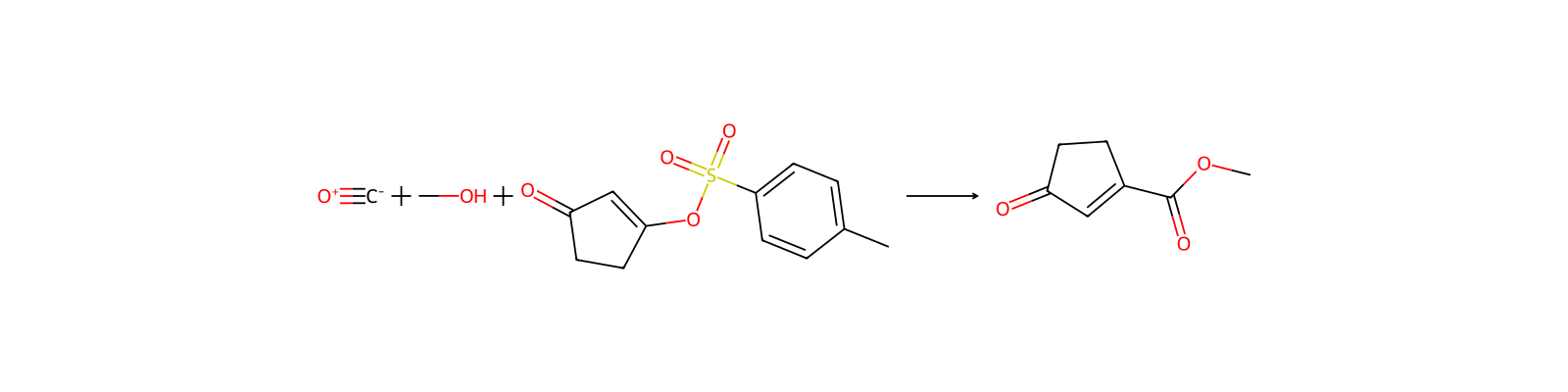
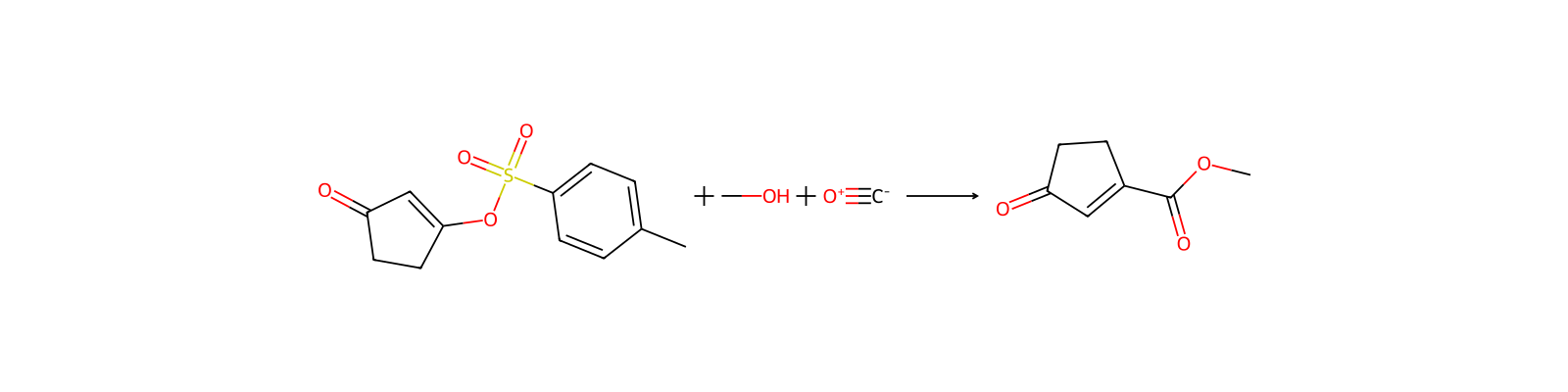
Related reactions
483 records



Linked notes
Loading…