Basic information
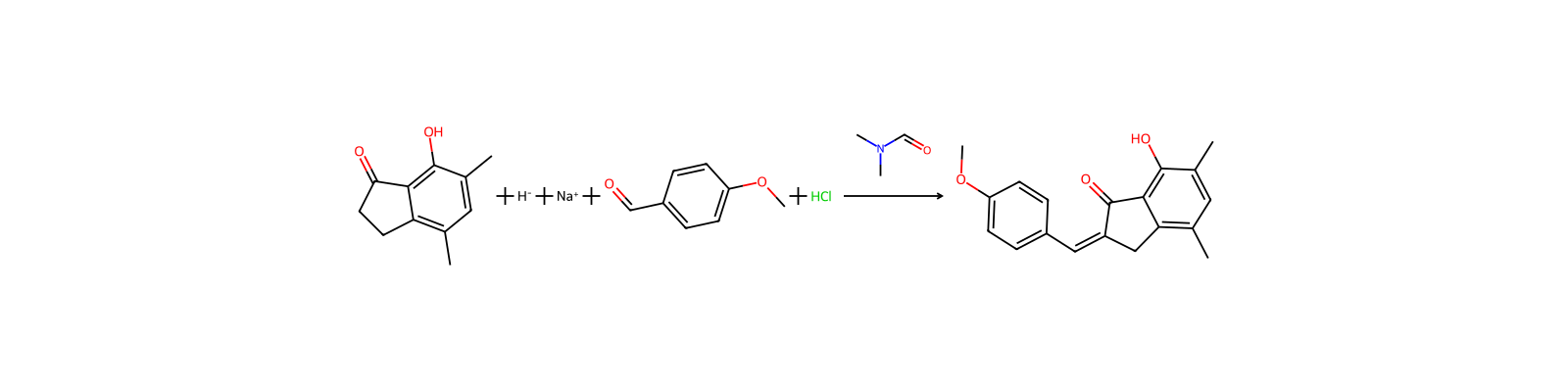
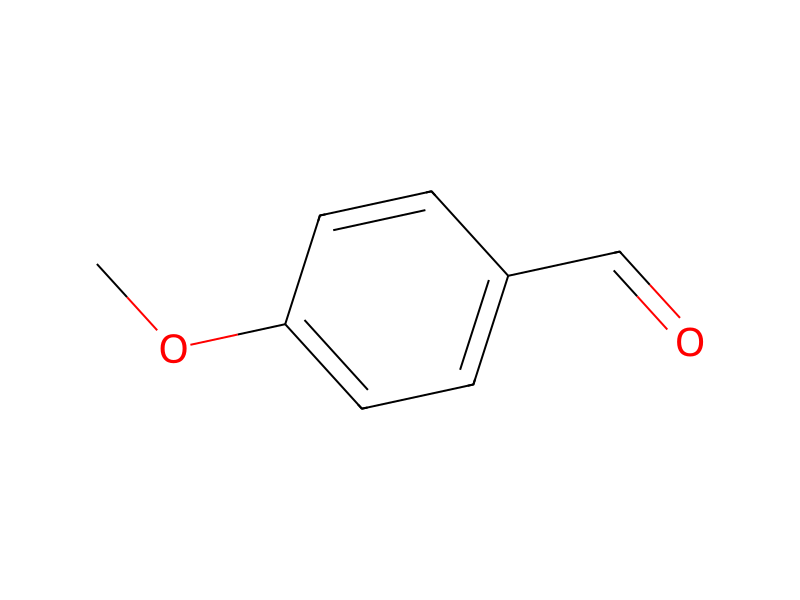
- Standard SMILES
COc1ccc(C=O)cc1- InChIKey
ZRSNZINYAWTAHE-UHFFFAOYSA-N- Molecular formula
- C8H8O2
- Average molar mass
- 136.15 g/mol
- Monoisotopic mass
- 136.0524295
Overview
P-methoxybenzaldehyde is a member of the class of benzaldehydes consisting of benzaldehyde itself carrying a methoxy substituent at position 4. It has a role as an insect repellent, a plant metabolite, a bacterial metabolite and a human urinary metabolite.
Names & identifiers
- Preferred name
- 4-Methoxybenzaldehyde
- IUPAC
- 4-methoxybenzaldehyde
- English name
- anisaldehyde
- Molecular formula
- C8H8O2
- Molecular weight
- 0
Names & synonyms
4-Methoxybenzaldehyde123-11-5P-ANISALDEHYDEAnisaldehydep-Methoxybenzaldehyde4-AnisaldehydeBenzaldehyde, 4-methoxy-Crateginep-FormylanisoleObepinp-Anisic aldehydepara-anisaldehyde
Show more names
ar-AnisaldehydeMETHOXYBENZALDEHYDE(UNSPECIFIED)1-Chloro-4-(methylsulfanyl)benzene
4-Methoxy-benzaldehydeFEMA No. 2670DTXSID20269979PA5V6656VNSC-5590DTXCID906997CHEBI:28235RefChem:44849
Database identifiers
- CAS
123-11-5、50984-52-6- PubChem CID
- 31244
- DTXSID
DTXSID2026997- ChEMBL
CHEMBL161598- ChEBI
CHEBI:28235- UNII
- 9PA5V6656V
- EC Number
- 204-602-6、256-891-3
- Nikkaji
- J3.618H
Properties
Computed structural properties
- XLogP
- 1.8
- Topological polar surface area
- 26.3 Ų
- Hydrogen bond donors
- 0
- Hydrogen bond acceptors
- 2
- Rotatable bonds
- 2
- Heavy atoms
- 10
- Formal charge
- 0
- Complexity
- 104
Experimental & physicochemical properties
Chemical ClassesOther Classes -> Benzaldehydes
SpringerMaterials PropertiesSchoenflies notation
FragrancesFragrance Ingredient (p-Methoxybenzaldehyde) -> IFRA transparency List
LogP
log Kow = 1.76
1.76
1.61
Odor
Hawthorn odor
Odor resembles that of coumarin
Sweet powdery, spicy creamy, fruity, vanilla and hay-like. Coumarin, almond, anisic with berry nuances.
Taste
Sweet powdery, spicy creamy, spice anise, nutty, cherry pit and almond-like nuances.
It has a bitter flavor above 30 to 40 ppm.
Food AdditivesFLAVORING AGENT OR ADJUVANT -> FDA Substance added to food
Density
1.1191 g/cu cm at 15 °C
1.115-1.123
Flavoring AgentsEU Flavoring substances
ViscosityDynamic viscosity = 4.22 mPa s at 25 °C 2017
Color/Form
Oily liquid
Colorless to pale yellow liquid
Solubility
In water, 4.29X10+3 mg/L at 25 °C
Insoluble in water
Miscible with ethanol, diethyl ether; very soluble in acetone, chloroform; soluble in benzene.
Soluble in 5 volumes of 5% alcohol
4.29 mg/mL at 25 °C
poorly soluble in water, glycols, glycerol; soluble in organic solvents, oils
Physicochemical properties
- LogP
- 1.7 · 1.700 (est)
Safety & regulation
GHS classification
GHS Classification
This chemical does not meet GHS hazard criteria for 57% (2268 of 3980) of all reports.
Warning
H302 (40.1%): Harmful if swallowed [Warning Acute toxicity, oral]
P264, P270, P301+P317, P330, and P501 (click each P-code to see the statement)
Aggregated GHS information provided per 3980 reports by companies from 23 notifications to the ECHA C&L Inventory.
Warning
Hazard information
Regulatory Information
Chemical: Benzaldehyde, 4-methoxy-
Commission Regulation (EC) No 1565/2000 (Repealed by Com. Implementing Reg. (EU) No 872/2012)
Benzaldehyde, 4-methoxy- is listed on the EPA's Chemical Data Reporting (CDR) system. Manufacturers and importers of Benzaldehyde, 4-methoxy- are required to report information about their production and use of this chemical to the EPA under the Toxic Substances Control Act (TSCA). (40 eCFR Part 711)
Status: Active Update: 30-08-2022 https://echa.europa.eu/registration-dossier/-/registered-dossier/13682
4-Anisaldehyde: Does not have an individual approval but may be used under an appropriate group standard
Fire PotentialCombustible liquid
Hazards Summary
A mutagen and moderate skin irritant; Causes somnolence in lethal-dose feeding studies of rats; Causes GI necrosis and fatty liver in high-dose feeding studies of mice; [RTECS] In humans at 10% in petrolatum, there was no irritation after 48 hours closed-patch testing; [HSDB] Safe when used as a flavoring agent in food; [JECFA] An irritant; May cause damage to GI tract and liver; [MSDSonline]
FDA Requirements
Synthetic flavoring substances and adjuvants may be safely used in food in accordance with the following conditions. (a) They are used in the minimum quantity required to produce their intended effect, and otherwise in accordance with all the principles of good manufacturing practice. (b) They consist of one or more of the following, used alone or in combination with flavoring substances and adjuvants generally recognized as safe in food, prior-sanctioned for such use, or regulated by an appropriate section in this part. p-Anisaldehyde is included on this list.
TSCA Requirements
Section 8(a) of TSCA requires manufacturers of this chemical substance to report preliminary assessment information concerned with production, exposure, and use to EPA as cited in the preamble in 51 FR 41329. Effective date: 9/30/91; Reporting date: 11/27/91.
Pursuant to section 8(d) of TSCA, EPA promulgated a model Health and Safety Data Reporting Rule. The section 8(d) model rule requires manufacturers, importers, and processors of listed chemical substances and mixtures to submit to EPA copies and lists of unpublished health and safety studies. Benzaldehyde, 4-methoxy- is included on this list. Effective date: 9/30/91; Sunset date: 6/30/98.
Hazard Classes and Categories
Acute Tox. 4 (40.1%)
Reproductive toxicity - Category 2
Skin, Eye, and Respiratory IrritationsA skin irritant
Hazardous Reactivities and IncompatibilitiesIncompatible materials: Strong bases, strong oxidizing agents, strong reducing agents.
Safety & protection
Fire Fighting Procedures
Suitable extinguishing media: Use water spray, alcohol-resistant foam, dry chemical or carbon dioxide.
Advice for firefighters: Wear self-contained breathing apparatus for firefighting if necessary.
Storage ConditionsKeep container tightly closed in a dry and well-ventilated place.
Cleanup Methods
ACCIDENTAL RELEASE MEASURES: Personal precautions, protective equipment and emergency procedures: Use personal protective equipment. Avoid breathing vapors, mist or gas. Environmental precautions: Do not let product enter drains. Methods and materials for containment and cleaning up: Soak up with inert absorbent material and dispose of as hazardous waste. Keep in suitable, closed containers for disposal.
Disposal Methods
SRP: Recycle any unused portion of the material for its approved use or return it to the manufacturer or supplier. Ultimate disposal of the chemical must consider: the material's impact on air quality; potential migration in air, soil or water; effects on animal, aquatic and plant life; and conformance with environmental and public health regulations. If it is possible or reasonable use an alternative chemical product with less inherent propensity for occupational harm/injury/toxicity or environmental contamination.
Product: Offer surplus and non-recyclable solutions to a licensed disposal company. Contaminated packaging: Dispose of as unused product.
Preventive Measures
ACCIDENTAL RELEASE MEASURES: Personal precautions, protective equipment and emergency procedures: Use personal protective equipment. Avoid breathing vapors, mist or gas. Environmental precautions: Do not let product enter drains.
Appropriate engineering controls: Handle in accordance with good industrial hygiene and safety practice. Wash hands before breaks and at the end of workday.
Gloves must be inspected prior to use. Use proper glove removal technique (without touching glove's outer surface) to avoid skin contact with this product. Dispose of contaminated gloves after use in accordance with applicable laws and good laboratory practices. Wash and dry hands.
SRP: The scientific literature for the use of contact lenses by industrial workers is inconsistent. The benefits or detrimental effects of wearing contact lenses depend not only upon the substance, but also on factors including the form of the substance, characteristics and duration of the exposure, the uses of other eye protection equipment, and the hygiene of the lenses. However, there may be individual substances whose irritating or corrosive properties are such that the wearing of contact lenses would be harmful to the eye. In those specific cases, contact lenses should not be worn. In any event, the usual eye protection equipment should be worn even when contact lenses are in place.
Personal Protective Equipment (PPE)
Eye/face protection: Use equipment for eye protection tested and approved under appropriate government standards such as NIOSH (US) or EN 166 (EU).
Skin protection: Handle with gloves.
Body Protection: Impervious clothing. The type of protective equipment must be selected according to the concentration and amount of the dangerous substance at the specific workplace.
Respiratory protection: Where risk assessment shows air-purifying respirators are appropriate use a full-face respirator with multipurpose combination (US) or type ABEK (EN 14387) respirator cartridges as a backup to engineering controls. If the respirator is the sole means of protection, use a full-face supplied air respirator. Use respirators and components tested and approved under appropriate government standards such as NIOSH (US) or CEN (EU).
Toxicology
Interactions
It has been suggested that aromatic aldehydes may reduce cytochrome c. Therefore, interaction of the aromatic aldehydes, p-anisaldehyde, benzaldehyde, p-tolualdehyde, p-carboxybenzaldehyde, p-chlorobenzaldehyde and p-nitrobenzaldehyde, with rat liver mitochondria was examined in vitro. Although both pyruvate/malate- and succinate-mediated respiration, as well as that mediated by other citric acid cycle intermediates, were inhibited by the aromatic aldehydes (0.5 to 1.0 mM), cytochrome c oxidase was not inhibited by aromatic aldehydes (1.0 to 20 mM). There was a marked inhibition of succinic dehydrogenase and both ADP- and DNP-stimulated respiration by benzaldehyde (2 to 20 mM). Since both pyruvate/malate- and succinate-mediated respiration were inhibited by the aromatic aldehydes without inhibition of cytochrome c oxidase, several sites of inhibition, possibly both at the site of transport of substrates and the active enzymes, may exist. Benzaldehyde, 300 uM, inhibited pyruvate/malate-mediated state 3 respiration by 50% which suggests that no additional functional group or metabolism to another species is required for these inhibitory effects.
Environmental Fate
TERRESTRIAL FATE: Based on a classification scheme(1), an estimated Koc value of 53(SRC), determined from a log Kow of 1.76(2) and a regression-derived equation(3), indicates that p-anisaldehyde is expected to high mobility in soil(SRC). Volatilization of p-anisaldehyde from moist soil surfaces is expected to be an important fate process(SRC) given an estimated Henry's Law constant of 1.4X10⁻⁵ atm-cu m/mole(SRC) derived from its vapor pressure, 3.29X10⁻² mm Hg(4), and water solubility, 4.29X10+3 mg/L(5). p-Anisaldehyde has a vapor pressure of 3.29X10⁻² mm Hg at 25 °C(4) and exists as a liquid under environmental conditions; therefore, p-anisaldehyde may volatilize from dry soil. A 99% of theoretical BOD using activated sludge in the Japanese MITI test(6) suggests that biodegradation is an important environmental fate process in soil(SRC).
AQUATIC FATE: Based on a classification scheme(1), an estimated Koc value of 53(SRC), determined from a log Kow of 1.76(2) and a regression-derived equation(3), indicates that p-anisaldehyde is not expected to adsorb to suspended solids and sediment(SRC). Volatilization from water surfaces is expected(4) based upon an estimated Henry's Law constant of 1.4X10⁻⁵ atm-cu m/mole(SRC) derived from its vapor pressure, 3.29X10⁻² mm Hg(5), and water solubility, 4.29X10+3 mg/L(6). Using this Henry's Law constant and an estimation method(4), volatilization half-lives for a model river and model lake are 20 days and 230 days, respectively(SRC). According to a classification scheme(6), an estimated BCF of 6.7(SRC), from its log Kow(2) and a regression-derived equation(3), suggests the potential for bioconcentration in aquatic organisms is low(SRC). A 99% of theoretical BOD using activated sludge in the Japanese MITI test(7) suggests that biodegradation is an important environmental fate process in water(SRC).
ATMOSPHERIC FATE: According to a model of gas/particle partitioning of semivolatile organic compounds in the atmosphere(1), p-anisaldehyde, which has a vapor pressure of 3.29X10⁻² mm Hg at 25 °C(2), is expected to exist solely as a vapor in the ambient atmosphere. Vapor-phase p-anisaldehyde is degraded in the atmosphere by reaction with photochemically-produced hydroxyl radicals(SRC); the half-life for this reaction in air is estimated to be 15 hours(SRC), calculated from its rate constant of 2.5X10⁻¹¹ cu cm/molecule-sec at 25 °C(SRC) that was derived using a structure estimation method(3). p-Anisaldehyde absorbs UV light at wavelengths >290 nm(4) and, therefore, may be susceptible to direct photolysis by sunlight(SRC).
Food Survey Valuesp-Anisaldehyde was detected at mean concentrations of 74.2, 47.4,.and 16.3 ug/kg, in honeydew honey extracts from holm-oak, oak, and forest honeys, respectively(1).
Adverse EffectsNeurotoxin - Other CNS neurotoxin
Toxicity Summary
IDENTIFICATION AND USE: p-Anisaldehyde is oily liquid. It is used in perfumery and toilet soaps. It is also used in organic syntheses. p-Anisaldehyde is also an intermediate in many industrial processes. HUMAN STUDIES: When tested at 10% in petrolatum, it produced no irritation after a 48 hr closed-patch test on human subjects. A maximization test was carried out on 25 volunteers. The material was tested at a concentration of 10% in petrolatum and produced no sensitization reactions. p-Anisaldehyde was positive for sister chromatid exchange in human lymph oocytes but not Chinese Hamster Ovary (CHO) cells in vitro. ANIMAL STUDIES: In a combined oral repeated-dose/reproductive/developmental toxicity screening test in rats, decreased body weights, decreased platelets and hypertrophy of hepatocytes were noted at 100 mg/kg/day. In reproduction studies, it showed significantly reduced fertility index, number of pups/litter, delivery index and number of live pups at 500 mg/kg/day. It was not mutagenic in bacteria but it was mutagenic in mouse lymphoma cells in vitro.
Average Daily IntakeAnnual consumption is 5550.00 lb. Individual consumption is 0.004703 mg/kg/day.
Plant Concentrationsp-Anisaldehyde occurence in plants(1).[Table#4112]
Ongoing Test Status
EPA has released the Interactive Chemical Safety for Sustainability (iCSS) Dashboard. The iCSS Dashboard provides an interactive tool to explore rapid, automated (or in vitro high-throughput) chemical screening data generated by the Toxicity Forecaster (ToxCast) project and the federal Toxicity Testing in the 21st century (Tox21) collaboration. /The title compound was tested by ToxCast and/or Tox21 assays/[USEPA; ICSS Dashboard Application; Available from, as of November 16, 2017: http://actor.epa.gov/dashboard/]
The following link will take the user to the National Toxicology Program (NTP) Test Status of Agents Search page, which tabulates the results and current status of tests such as "Short-Term Toxicity Studies", "Long-term Carcinogenicity Studies", "Developmental Studies", "Genetic Toxicology Studies", etc., performed with this chemical. Testing status for p-anisaldehyde is available.[Available from, as of November 3, 2017: https://ntpsearch.niehs.nih.gov/?e=True&ContentType=Testing+Status]
Effluent Concentrations
In 1999, ortho-, meta-, and para-anisaldehyde, had a reported combined emission factor of 0.38 mg/L for light duty passenger vehicles, emissions were measured in inside the Caldecott tunnel on Highway 24 near San Francisco Bay, California(1); a study conducted in July and August 2006, measuring emissions from inside the Caldecott tunnel omitted isomers of anisaldehyde due to analytical method limitations(2). Anisaldehyde (as the combined isomers ortho-, meta-, and para-) was detected in light- and heavy-duty vehicle exhaust at the Pennsylvania Tuscarora Mountain Tunnel inlet at 0.0058 ug/m cu and outlet at 0.014 ug/m cu with a calculated emission factor of 0.017 mg/km(3).
Soil Adsorption/Mobility
The Koc of p-anisaldehyde is estimated as 53(SRC), using a log Kow of 1.76(1) and a regression-derived equation(2). According to a classification scheme(3), this estimated Koc value suggests that p-anisaldehyde is expected to have high mobility in soil.
Natural Pollution Sources
p-Anisaldehyde is a metabolic product of odoriferous fungus Lentinus Lepidus; of wood rotting fungus Polyporus benzoinus; of Daldaldea juniperina(1). p-Anisaldehyde occurs in many essential oils, often together with anethole(2). The compound is reportedly found in essential oils and extracts of vanilla, acacia farnesiana, magnolia salicifolia maxim, eric arborea, pirus communis, and boswellia serrata; also in anise, fennel and star anise (especially when aged due to oxidation of anethol), cranberry, black current, cinnamon and basil(3).
Atmospheric ConcentrationsURBAN/SUBURBAN: p-Anisaldehyde was detected in ambient air samples collected from Roseville, California, in summer 2006 and winter 2006/2007, at average concentrations of 6.9-7.4 ng/m cu and 1.2-2.1 ng/m cu, respectively(1).
Regulatory information
FDA Requirements
Synthetic flavoring substances and adjuvants may be safely used in food in accordance with the following conditions. (a) They are used in the minimum quantity required to produce their intended effect, and otherwise in accordance with all the principles of good manufacturing practice. (b) They consist of one or more of the following, used alone or in combination with flavoring substances and adjuvants generally recognized as safe in food, prior-sanctioned for such use, or regulated by an appropriate section in this part. p-Anisaldehyde is included on this list.
TSCA Requirements
Section 8(a) of TSCA requires manufacturers of this chemical substance to report preliminary assessment information concerned with production, exposure, and use to EPA as cited in the preamble in 51 FR 41329. Effective date: 9/30/91; Reporting date: 11/27/91.
Pursuant to section 8(d) of TSCA, EPA promulgated a model Health and Safety Data Reporting Rule. The section 8(d) model rule requires manufacturers, importers, and processors of listed chemical substances and mixtures to submit to EPA copies and lists of unpublished health and safety studies. Benzaldehyde, 4-methoxy- is included on this list. Effective date: 9/30/91; Sunset date: 6/30/98.
Chemistry & industry
Pharmacology
Metabolism/MetabolitesAnisic aldehyde undergoes a very slight degree of demethylation with oxidation of its aldehyde group to an acid group, the major metabolite excreted being anisic acid.
Cellular LocationsCytoplasm
Uses & manufacturing
Uses
Metabolite of Lentinus lepidus (oderiforous fungus), Polyporus benzoinus (wood rotting fungus), and Daldalea juniperina; [Merck Index] Found in various essential oils and extracts; Used to make insect attractants (especially for cockroaches); Also used in electroplating and in fragrances and flavors; [HSDB]
Electroplating [Category: Plate]
Perfumery and toilet soaps; ... also used in organic syntheses.
p-Anisaldehyde is an intermediate in many industrial processes.
Reported uses (ppm):
Intermediate for antihistamines, electroplating.
U.S. Exports
(1972) No Data
(1975) No Data
U.S. Imports
(1972) No Data
(1975) No Data
U.S. Production
2023: 8,500,000 - <10,000,000 lb
(1972) 4.8X10+8 GRAMS
Non-confidential 2016 Chemical Data Reporting (CDR) information on the production and use of chemicals manufactured or imported into the United States. Chemical: p-Anisaldehyde:
Consumer UsesNot Known or Reasonably Ascertainable
Industry UsesNot Known or Reasonably Ascertainable
IFRA Fragrance Standards
p-Methoxybenzaldehyde
p-Methoxybenzaldehyde; Anisaldehyde; p-Anisaldehyde; Anisic aldehyde; Anisyl aldehyde; Benzaldehyde, 4-methoxy; 4-Methoxybenzaldehyde; Aubepine P Cresol (commercial name); Aubepine liquid (commercial name)
IFRA_STD_054.pdf
51
IFRA 51st Amendment - Guidance for the use of IFRA Standards
Restriction: This material should be used only in the limited quantity as stated in the Standard
Methods of Manufacturing
By methylation and oxidation of p-cresol and also by oxidation of anethole.
OXIDATION OF ANETHOLE WITH CHROMIC ACID; METHYLATION OF P-CRESOL TO P-CRESYL METHYL ETHER, FOLLOWED BY OXIDATION WITH MANGANESE DIOXIDE
Formulations/PreparationsLiquid and crystals, the latter being the disulfite compound.
Household ProductsInformation on 136 consumer products that contain Anisaldehyde in the following categories is provided:
Use Classification
Fragrance Ingredients
Flavouring Agent -> FLAVOURING_AGENT -> JECFA Functional Classes
Flavoring Agents -> JECFA Flavorings Index
Flavouring Agent -> FLAVOURING_AGENT -> JECFA Functional Classes
Flavouring Agent -> FLAVOURING_AGENT -> JECFA Functional Classes
Flavouring Agent -> FLAVOURING_AGENT -> JECFA Functional Classes
General Manufacturing Information
Soap, Cleaning Compound, and Toilet Preparation Manufacturing
Benzaldehyde, 4-methoxy-: ACTIVE
Suppliers50 total
国药集团化学试剂有限公司86-21-63210123 · [email protected]
梯希爱(上海)化成工业发展有限公司021-67121386 · [email protected]
上海阿拉丁生化科技股份有限公司400-6206333 13167063860 · [email protected]
T&W GROUP021-61551611 13296011611 · [email protected]
爱斯特(成都)生物制药股份有限公司+86-28-85122536 85324413 · [email protected]
韶远科技(上海)有限公司021-50795510 4000665055 · [email protected]
江阴市宝源化工有限公司0510-86326538 13915249541 · [email protected]
科瑞迪化学400-821-5857 021-64326257 · [email protected]
Syntechem Co.,Ltd[email protected]
上海迈瑞尔生化科技有限公司4006356688 18621169109 · [email protected]
大连美仑生物技术有限公司0411-62910999 13889544652 · [email protected]
阿法埃莎(中国)化学有限公司400-6106006 · [email protected]
安耐吉化学&3A(安徽泽升科技股份有限公司)400-0056266 · [email protected]
上海瀚鸿科技股份有限公司021-54306202 13764082696 · [email protected]
成都普菲德生物技术有限公司028-82610909 13388174823 · [email protected]
吉良化学21-62165282 · [email protected]
上海景颜化工科技有限公司13817811078 · [email protected]
上海尚饮思生化医药有限公司021-021-57872719 13761402923 · [email protected]
嘉兴市艾森化工有限公司0573-85285100 18627885956 · [email protected]
Pure Chemistry Scientific Inc.001-857-928-2050 or 1-888-588-9418 · [email protected]
上海隆盛化工有限公司58099637 13585536065 · [email protected]
武汉丰泰威远科技有限公司027-87465837 19945049750 · [email protected]
孝感深远化工有限公司15527621225; 15527621225 · [email protected]
山东西亚化学有限公司13355009207 13355009207 · [email protected]
唐山默内德贸易有限公司0315-8309571 15633399667 · [email protected]
玛雅试剂+86 (573) 82222445 (0)18006601000 452520369 · [email protected]
四川库利南科技有限公司400-1166-196 18981987031 · [email protected]
天津希恩思生化科技有限公司400 638 7771 · [email protected]
湖南汇百侍生物科技有限公司0731-85526065 13308475853 · [email protected]
河南多贝化工有限公司0370-2785118 17550508557 · [email protected]
斯百全化学(上海)有限公司021-021-021-67601398-809-809-809 15221380277 · [email protected]
上海源叶生物科技有限公司13636370518 · [email protected]
艾科试剂4008-755-333 18080918076 · [email protected]
青岛保税区鲁联国际贸易有限公司0532-83893697 18561902820 · [email protected]
天津科创医药中间体技术生产力促进有限公司022-60116533 13207668525 · [email protected]
上海思域化工科技有限公司86-21-34053660 · [email protected]
赛默飞世尔科技(中国)有限公司800-810-5118 · [email protected]
北京伊诺凯科技有限公司400-810-7969 010-59572699 · [email protected]
江苏艾康生物医药研发有限公司025-66113011 13913916777 · [email protected]
TCI AMERICA800-4238616 · [email protected]
TOKYO CHEMICAL INDUSTRY CO., LTD.03-36680489 · [email protected]
TCI Europe320-37350700 · [email protected]
上海贤鼎生物科技有限公司4009209199 · [email protected]
深圳振强药物研发有限公司0755-66853366 13670046396 · [email protected]
上海卓锐化工有限公司021-69180038
深圳康特腾科技有限公司86-0755-86635001 · [email protected]
苏州安尼康药物研发有限公司0512-69369885 · [email protected]
Clearsynth Labs Limited+91-22-26355700 · [email protected]
深圳市石金谷科技有限公司(0086)755-61930359 (0086)18038192047 · [email protected]
上海乐晨国际贸易有限公司021-67256163 · [email protected]
Additional notes
DefinitionChEBI: P-methoxybenzaldehyde is a member of the class of benzaldehydes consisting of benzaldehyde itself carrying a methoxy substituent at position 4. It has a role as an insect repellent, a human urinary metabolite, a plant metabolite and a bacterial metabolite.
Related reactions
996 records

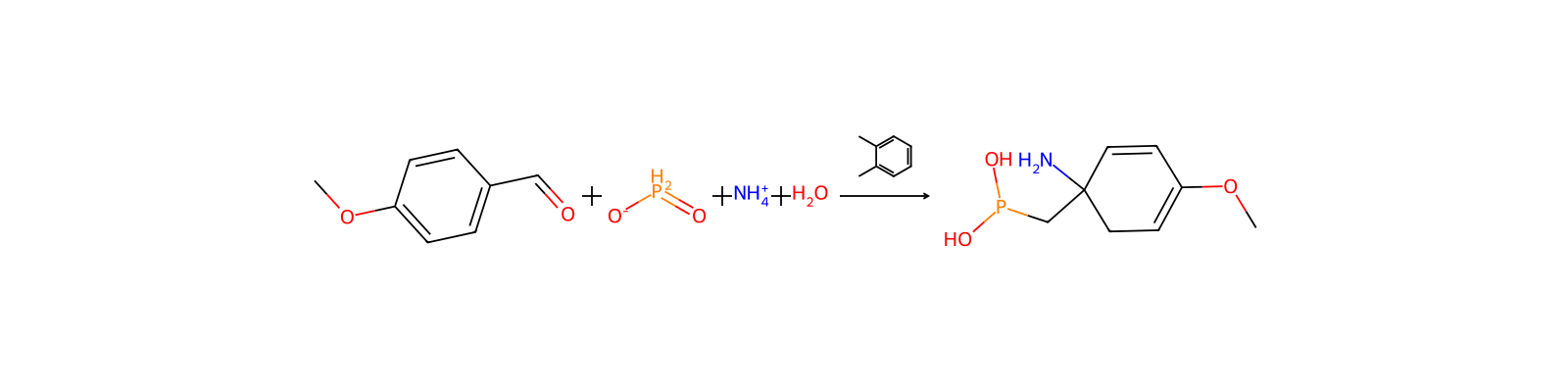

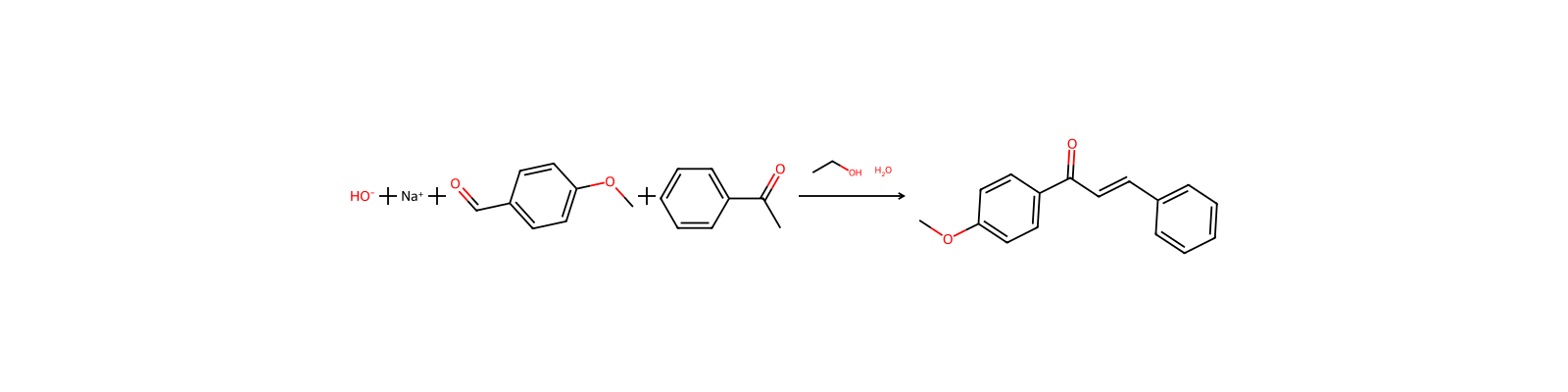

Linked notes
Loading…