

Basic information
- Standard SMILES
Cl- InChIKey
VEXZGXHMUGYJMC-UHFFFAOYSA-N- Molecular formula
- ClH
- Average molar mass
- 36.46 g/mol
- Monoisotopic mass
- 35.9766777
Names & identifiers
- Preferred name
- Hydrochloric Acid
- IUPAC
- chlorane
- English name
- Hydrochloric acid
- Molecular formula
- ClH
- Molecular weight
- 36.46
Names & synonyms
hydrochloric acidhydrogen chloride7647-01-0Muriatic acidchloraneChlorohydric acidAnhydrous hydrochloric acidAcide chlorhydriqueChlorwasserstoffMuriaticum acidumChloorwaterstofChlorowodor
Show more names
HCLconcentrated hydrochloric acidHydrochloride Acidhydrogen chloride solutionItaconicHydrochloric Acid, 6N Volumetric SolutionHydrogenchlorid
Hydrogen chloride (HCl)Acido cloridricoAqueous hydrogen chloridechlorure d'hydrogeneBaume hclIcon etchAcido clorhidricoEnplate po 236
Database identifiers
- CAS
7647-01-0、9083-24-3、97704-97-7、99688-46-7- PubChem CID
- 313
- DTXSID
DTXSID2020711- ChEMBL
CHEMBL1231821- ChEBI
CHEBI:23116- UNII
- QTT17582CB
- EC Number
- 231-595-7、307-713-9、309-012-3
- Nikkaji
- J3.376.707B、J3.745A
Properties
Computed structural properties
- XLogP
- 0.8
- Topological polar surface area
- 0 Ų
- Hydrogen bond donors
- 1
- Hydrogen bond acceptors
- 0
- Rotatable bonds
- 0
- Heavy atoms
- 1
- Formal charge
- 0
- Complexity
- 0
Experimental & physicochemical properties
LogP0.25
OdorPungent, irritating odor
TasteTaste threshold: 1.60X10⁻⁴ moles/L (recognition in water, chemically pure); 1.30X10⁻⁴ M/L (recognition in water, chemically pure); 1.10X10⁻⁴ M/L (recognition in water, chemically pure)
Density
1.05 at 59 °F for 10.17% weight/weight solution (EPA, 1998) - Denser than water; will sink
1.639 g/L
Chemical/Physical Properties for Hydrogen chloride.[Table#1587]
Density (gas): 1.00045 g/l
1.49 @25 °C
1.27(relative gas density)
Viscosity0.405 cP (liquid at 118.16 K); 0.0131 cP (vapor at 273.06 K); 0.0253 cP (vapor at 523.2 K)
Color/FormColorless gas
Solubility
82.3 g/100 g at 32 °F (NTP, 1992)
67 % at 86 °F (NIOSH, 2024)
Soluble in water and in ethanol
Solubility in water, 82.3 g/100 g water at 0 °C; 67.3 g/100 g water at 30 °C; 63.3 g/100 g water at 40 °C; 59.6 g/100 g water at 50 °C; 56.1 g/100 g water at 60 °C
Solubility in methanol: 54.6 g/100 g solution at -10 °C; 51.3 g/100 g solution at 0 °C; 47.0 g/100 g solution at 20 °C; 43.0 g/100 g solution at 30 °C; solubility in ethanol: 45.4 g/100 g solution at 0 °C; 42.7 g/100 g solution at 10 °C; 41.0 g/100 g solution at 20 °C; 38.1 g/100 g solution at 30 °C; solubility in ether: 37.52 g/100 g solution at -10 °C; 35.6 g/100 g solution at 0 °C; 24.9 g/100 g solution at 20 °C; 19.47 g/100 g solution at 30 °C
Solubility in water, g/100ml at 30 °C: 67 (moderate)
CorrosivityCorrosive
Boiling Point
123 °F at 760 mmHg (USCG, 1999)
-121 °F at 760 mmHg (A constant boiling azeotrope with water containing 20.22% hydrogen chloride boils at 227 °F.) (EPA, 1998)
-121 °F at 760 mmHg (NIOSH, 2024)
-85.05 °C at 760 mm Hg
-85.1 °C
-121 °F
DecompositionWhen heated to decomp it emits toxic fumes of Cl- /Hydrochloric acid/.
Melting Point
-174.6 °F (Melting point is -13.7 °F for a 39.17% weight/weight solution.) (EPA, 1998)
-174 °F (NIOSH, 2024)
-114.22 °C
-114.2 °C
-174 °F
-114.17 °C
Vapor Density
1.268 (EPA, 1998) - Heavier than air; will sink (Relative to Air)
1.27 (NIOSH, 2024) - Heavier than air; will sink (Relative to Air)
1.268 (Air = 1.000)
Relative vapor density (air = 1): 1.3
1.27
Physicochemical properties
- Melting point
- -35 °C · -35 °C
- Boiling point
- 100 °C · >100 °C (lit.)
- Density
- 1.2 g/mL · 1.2 g/mL at 25 °C (lit.)
- vapor density
- 1.3 · 1.3 (vs air)
- vapor pressure
- 613 psi · 613 psi ( 21.1 °C)
- refractive index
- 1.3535 · 1.3535
- Flash point
- 10 ℃ · 10℃ (tag closed test)
- storage temp.
- 2 °C · Store at +2°C to +25°C.
- solubility
- 2 O: · H2O: soluble
- form
- liquid
- pka
- -7 · -7(at 25℃)
- color
- Light Yellow
- Specific Gravity
- 1.19 · 1.19
- Odor
- 0.25 to · Sharp, irritating odor detectable at 0.25 to 10 ppm
- PH
- 3.01 · 3.01(1 mM solution);2.04(10 mM solution);1.08(100 mM solution);
- explosive limit
- 2 · 2-13.4% (v/v) 2-Propanol)
- biological source
- synthetic
- Viscosity
- 1.7 mm2/s · 1.7mm2/s
- Water Solubility
- miscible
- Specific Heat Capacity
- 0.8 J/ · Cp(gas): 0.8 J/(g·K), at 25℃
- Sensitive
- Air & Light Sensitive
- Merck
- 14 · 14,4780
- Henry's Law Constant
- 1.5 · 1.5×101 mol/(m3Pa) at 25℃, Chen et al. (1979)
- Exposure limits
- 2 ppmOSHA:PEL-Ceiling · ACGIH:TLV-CEILING 2 ppmOSHA:PEL-Ceiling 5 ppm (7 mg/m3)NIOSH:REL-Ceiling 5 ppm
- Dielectric constant
- 4.6 · 4.6(20℃)
- Stability
- Stable. Incompatible with alkalies, most metals. Avoid contact with water.
- Cosmetics Ingredients Functions
- BUFFERING
- InChI
- 1S/ClH/h1H
- InChIKey
- VEXZGXHMUGYJMC-UHFFFAOYSA-N
- SMILES
- Cl
- SCOGS (Select Committee on GRAS Substances)
- Hydrochloric acid
- CAS DataBase Reference
- 7647 · 7647-01-0(CAS DataBase Reference)
- Substances Added to Food (formerly EAFUS)
- HYDROCHLORIC ACID
- FDA 21 CFR
- 182.1057 · 182.1057; 310.545; 582.1057
- EWG's Food Scores
- 2 · 2-3
- FDA UNII
- 17582 CB · QTT17582CB
- ATC code
- 9 AB03,B05XA13 · A09AB03,B05XA13
- IARC
- 3 · 3 (Vol. 54) 1992
- NIST Chemistry Reference
- Hydrogen chloride(7647-01-0)
- EPA Substance Registry System
- Hydrochloric acid (7647-01-0)
- Pesticides Freedom of Information Act (FOIA)
- Hydrogen chloride
- UNSPSC Code
- 47131831 · 47131831
- NACRES
- 21 · NB.21
- Symbol(GHS)
- 5 · GHS05
- Signal word
- Warning
- Hazard statements
- 290 · H290
- Precautionary statements
- 234 · P234-P390
- Hazard Codes
- T,C,F,Xi,F+,Xn
- Risk Statements
- 36 · 36/37/38-37-34-35-23-20-11-67-66-22-19-12-10-40-20/22-39/23/24/25-23/24/25-41-37/38
- Safety Statements
- 26 · 26-45-36/37/39-9-33-29-16-46-36/37-39
- RIDADR
- 1789 · UN 1789 8/PG II/III (HYDROCHLORIC ACID)
- OEL
- 5 ppm · Ceiling: 5 ppm (7 mg/m3)
- WGK Germany
- 2 · 2
- RTECS
- 4025000 · MW4025000
- F
- 3 · 3
- Autoignition Temperature
- 425 °C · 425°C (2-Propanol)
- TSCA
- TSCA listed
- HS Code
- 2806 · 2806 10 00
- DOT Classification
- 2.3 · 2.3, Hazard Zone C (Gas poisonous by inhalation)
- HazardClass
- 3 · 3
- PackingGroup
- I
- Hazardous Substances Data
- 7647 · 7647-01-0(Hazardous Substances Data)
- Toxicity
- 50 · LC50 (30 min) in mice, rats: 2142, 5666 ppm (Darmer)
- IDLA
- 45 ppm · 45 ppm (67 mg/m3)
- REACH Registrations
- Active
- Limited Quantities
- 1 L · 1.0 L (0.3 gallon) (liquid)
- Excepted Quantities
- Max Inner Pack (30g or 30ml) and Max Outer Pack (500g or 500ml)
Safety & regulation
GHS classification
GHS Classification
Danger
H314: Causes severe skin burns and eye damage [Danger Skin corrosion/irritation];H331: Toxic if inhaled [Danger Acute toxicity, inhalation]
P260, P261, P264, P271, P280, P301+P330+P331, P302+P361+P354, P304+P340, P305+P354+P338, P316, P321, P363, P403+P233, P405, and P501 (click each P-code to see the statement)
This chemical does not meet GHS hazard criteria for < 0.1% (1 of 5109) of reports.
Hazard information
Hazards Identification
Toxic/poison by inhalation (TIH/PIH)
Toxic/poison by inhalation (TIH/PIH)
Regulatory Information
Chemical: Hydrochloric acid
Hazard Traits - Dermatotoxicity; Ocular Toxicity; Respiratory Toxicity;Authoritative List - CA TACs; OEHHA RELs;Report - if used as a fragrance or flavor ingredient
List II Chemical: A chemical, other than a List I chemical, specified by regulation that, in addition to legitimate uses, is used in manufacturing a controlled substance in violation of the Act. (21 eCFR 1310.02)
Regulation (EC) No 1333/2008 (amended)
Hydrochloric acid is listed on the EPA's Chemical Data Reporting (CDR) system. Manufacturers and importers of Hydrochloric acid are required to report information about their production and use of this chemical to the EPA under the Toxic Substances Control Act (TSCA). (40 eCFR Part 711)
Status: Active Update: 25-04-2023 https://echa.europa.eu/registration-dossier/-/registered-dossier/15859;Status: Active Update: 23-12-2022 https://echa.europa.eu/registration-dossier/-/registered-dossier/23211;Status: Active Update: 18-12-2014 https://echa.europa.eu/registration-dossier/-/registered-dossier/7139
Other Safety InformationIMAP assessments - Hydrochloric acid: Human health tier III assessment;IMAP assessments - Hydrochloric acid: Environment tier I assessment;IMAP assessments - Hydrochloric acid: Human health tier II assessment
DOT Label
Corrosive
Poison Gas Corrosive
Poison Gas Corrosive
Fire Hazards
Special Hazards of Combustion Products: Toxic and irritating vapors are generated when heated. (USCG, 1999)
Fire may produce irritating or poisonous gases. Containers may explode in heat of fire. At high temperatures, it decomposes into hydrogen and chlorine. The following materials should be avoided: Mercuric sulfate -- violent reaction with gaseous hydrochloric acid at 250F. Sodium -- reacts vigorously with gaseous hydrochloric acid. Acetic anhydride, 2-aminoethanol, ammonium hydroxide, chlorosulfonic acid, ethylene diamine, ethyleneimine, oleum, propiolactone, sodium hydroxide, sulfuric acid, and vinyl acetate -- increase in temperature and pressure when mixed with hydrochloric acid. Calcium phosphide -- energetic reaction with hydrochloric acid. Silver perchlorate and carbon tetrachloride -- when mixed in combination with hydrochloric acid forms a compound that detonates at 105F. Formaldehyde -- when mixed with hydrochloric acid forms a human carcinogen. Material reacts violently with bases and is corrosive with the generation of heat. Reacts with base metals, forming combustible gas (hydrogen). Reacts violently with strong oxidants forming toxic gas (chlorine). Avoid heat; at high temperatures it will decompose into hydrogen and chlorine. (EPA, 1998)
Excerpt from ERG Guide 125 [Gases - Toxic and/or Corrosive]:;Some may burn but none ignite readily. Vapors from liquefied gas are initially heavier than air and spread along ground. Some of these materials may react violently with water. Cylinders exposed to fire may vent and release toxic and/or corrosive gas through pressure relief devices. Containers may explode when heated. Ruptured cylinders may rocket. For UN1005: Anhydrous ammonia, at high concentrations in confined spaces, presents a flammability risk if a source of ignition is introduced. (ERG, 2024)
· Non-combustible, substance itself does not burn but may decompose upon heating to produce corrosive and/or toxic fumes.;· UN1802, UN2032, UN3084, UN3093, UN1796 (above 50%), UN1826 (above 50%), and UN2031 (above 65%) may act as oxidizers. Also consult GUIDE 140.;· Vapors may accumulate in confined areas (basement, tanks, hopper/tank cars, etc.).;· Substance may react with water (some violently), releasing corrosive and/or toxic gases and runoff.;· Corrosives in contact with metals may evolve flammable hydrogen gas.;· Containers may explode when heated or if contaminated with water.
· Some may burn but none ignite readily.;· Vapors from liquefied gas are initially heavier than air and spread along ground.;· Some of these materials may react violently with water.;· Cylinders exposed to fire may vent and release toxic and/or corrosive gas through pressure relief devices.;· Containers may explode when heated.;· Ruptured cylinders may rocket.;· For UN1005: Anhydrous ammonia, at high concentrations in confined spaces, presents a flammability risk if a source of ignition is introduced.
· Non-combustible, substance itself does not burn but may decompose upon heating to produce corrosive and/or toxic fumes.;· UN1802, UN2032, UN3084, UN3093, UN1796 (above 50%), UN1826 (above 50%), and UN2031 (above 65%) may act as oxidizers. Also consult GUIDE 140.;· Vapors may accumulate in confined areas (basement, tanks, hopper/tank cars, etc.).;· Substance may react with water (some violently), releasing corrosive and/or toxic gases and runoff.;· Corrosives in contact with metals may evolve flammable hydrogen gas.;· Containers may explode when heated or if contaminated with water.
Health Hazards
Inhalation of fumes results in coughing and choking sensation, and irritation of nose and lungs. Liquid causes burns. (USCG, 1999)
Gas concentrations of 50 to 100 ppm are tolerable for 1 hour. Concentrations of 1,000 to 2,000 ppm are dangerous, even for brief exposures. More severe exposures will result in serious respiratory distress and prolonged exposures will result in death. Mists of hydrochloric acid are considered less harmful than anhydrous hydrochloric acid, because droplets have no dehydrating action. Individuals with respiratory problems and digestive diseases may be adversely affected by low level exposures to the gas or mist. (EPA, 1998)
Excerpt from ERG Guide 125 [Gases - Toxic and/or Corrosive]:;TOXIC and/or CORROSIVE; may be fatal if inhaled, ingested or absorbed through skin. Vapors are extremely irritating and corrosive. Contact with gas or liquefied gas may cause burns, severe injury and/or frostbite. Fire will produce irritating, corrosive and/or toxic gases. Runoff from fire control or dilution water may cause environmental contamination. (ERG, 2024)
· TOXIC and/or CORROSIVE; inhalation, ingestion or contact (skin, eyes) with vapors, dusts or substance may cause severe injury, burns or death.;· Reaction with water or moist air may release toxic, corrosive or flammable gases.;· Reaction with water may generate much heat that will increase the concentration of fumes in the air.;· Fire will produce irritating, corrosive and/or toxic gases.;· Runoff from fire control or dilution water may be corrosive and/or toxic and cause environmental contamination.
· TOXIC and/or CORROSIVE; may be fatal if inhaled, ingested or absorbed through skin.;· Vapors are extremely irritating and corrosive.;· Contact with gas or liquefied gas may cause burns, severe injury and/or frostbite.;· Fire will produce irritating, corrosive and/or toxic gases.;· Runoff from fire control or dilution water may cause environmental contamination.
· TOXIC and/or CORROSIVE; inhalation, ingestion or contact (skin, eyes) with vapors, dusts or substance may cause severe injury, burns or death.;· Reaction with water or moist air may release toxic, corrosive or flammable gases.;· Reaction with water may generate much heat that will increase the concentration of fumes in the air.;· Fire will produce irritating, corrosive and/or toxic gases.;· Runoff from fire control or dilution water may be corrosive and/or toxic and cause environmental contamination.
Hazards Summary
At room temperature, hydrogen chloride is a colorless to slightly yellow, corrosive, nonflammable gas that is heavier than air and has a strong irritating odor. On exposure to air, hydrogen chloride forms dense white corrosive vapors. Hydrogen chloride can be released from volcanoes. Hydrogen chloride has many uses, including cleaning, pickling, electroplating metals, tanning leather, and refining and producing a wide variety of products. Hydrogen chloride can be formed during the burning of many plastics. Upon contact with water, it forms hydrochloric acid. Both hydrogen chloride and hydrochloric acid are corrosive.
Hydrochloric acid has many uses. It is used in the production of chlorides, fertilizers, and dyes, in electroplating, and in the photographic, textile, and rubber industries. Hydrochloric acid is corrosive to the eyes, skin, and mucous membranes. Acute (short-term) inhalation exposure may cause eye, nose, and respiratory tract irritation and inflammation and pulmonary edema in humans. Acute oral exposure may cause corrosion of the mucous membranes, esophagus, and stomach and dermal contact may produce severe burns, ulceration, and scarring in humans. Chronic (long-term) occupational exposure to hydrochloric acid has been reported to cause gastritis, chronic bronchitis, dermatitis, and photosensitization in workers. Prolonged exposure to low concentrations may also cause dental discoloration and erosion. EPA has not classified hydrochloric acid for carcinogenicity.
Liquid causes second degree burns after contact for a few minutes; [CHRIS] Hydrogen chloride is highly corrosive; Muriatic acid (37% HCl) is highly corrosive; HCl solution < 30% is corrosive; [Quick CPC] Listed as one of major irritant airborne toxicants; [LaDou, p. 563] Possible frostbite from contact with liquid; [NIOSH] The following chemicals can release HCl when spilled in water: Acetyl chloride, Boron trichloride, Chloroacetyl chloride, Chromyl chloride, Dichloroacetyl chloride, Phosphorus trichloride, Phosphorus pentachloride, Phosphorus oxychloride, Titanium tetrachloride, Aluminum chloride, Chlorosulfonic acid, Silicon tetrachloride, CHLOROSILANES, Surfuryl chloride, Thionyl chloride, and metal alkyl and aryl halides. [ERG 2016] See the Process, Toxic Gas from Spilling Chemical in Water. Hydrogen chloride is fibrogenic to the lungs in the context of an acute inhalation exposure complicated by bronchiolitis obliterans.
DOT ID and Guide
1789 157
2186 125
1789 157
1050 125
1050 125(anhydrous)
1789 157(solution)
FDA Requirements
Hydrochloric acid used as a buffer and neutralizing agent in animal drugs, feeds, and related products is generally recognized as safe when used in accordance with good manufacturing or feeding practice.
This substance is generally recognized as safe when used as a buffer and neutralizing agent in accordance with good manufacturing practice.
Drug products containing certain active ingredients offered over-the-counter (OTC) for certain uses. A number of active ingredients have been present in OTC drug products for various uses, as described below. However, based on evidence currently available, there are inadequate data to establish general recognition of the safety and effectiveness of these ingredients for the specified uses: hydrochloric acid is included in digestive aid drug products.
Reactive Group
Acids, Strong Non-oxidizing;Water and Aqueous Solutions
Acids, Strong Non-oxidizing
Acids, Strong Non-oxidizing
EC ClassificationSymbol: T, C; R: 23-35; S: (1/2)-9-26-36/37/39-45
UN ClassificationUN Hazard Class: 2.3; UN Subsidiary Risks: 8
Safety & protection
Fire Fighting
Excerpt from ERG Guide 157 [Substances - Toxic and/or Corrosive (Non-Combustible / Water-Sensitive)]:;Note: Some foams will react with the material and release corrosive/toxic gases.;SMALL FIRE: CO2 (except for Cyanides), dry chemical, dry sand, alcohol-resistant foam.;LARGE FIRE: Water spray, fog or alcohol-resistant foam. If it can be done safely, move undamaged containers away from the area around the fire. Avoid aiming straight or solid streams directly onto the product. Dike runoff from fire control for later disposal.;FIRE INVOLVING TANKS, RAIL TANK CARS OR HIGHWAY TANKS: Fight fire from maximum distance or use unmanned master stream devices or monitor nozzles. Do not get water inside containers. Cool containers with flooding quantities of water until well after fire is out. Withdraw immediately in case of rising sound from venting safety devices or discoloration of tank. ALWAYS stay away from tanks in direct contact with flames. (ERG, 2024)
Wear self-contained breathing apparatus and full protective clothing. Neutralize with chemically basic substances such as soda ash or slaked lime.;Normal fire fighting procedures may be used. Do not get water inside containers. Move containers from fire area. Keep containers that are exposed to the fire cool with water that is sprayed from the side until well after the fire is out. (EPA, 1998)
Excerpt from ERG Guide 125 [Gases - Toxic and/or Corrosive]:;SMALL FIRE: Dry chemical or CO2.;LARGE FIRE: Water spray, fog or regular foam. If it can be done safely, move undamaged containers away from the area around the fire. Do not get water inside containers. Damaged cylinders should be handled only by specialists.;FIRE INVOLVING TANKS: Fight fire from maximum distance or use unmanned master stream devices or monitor nozzles. Cool containers with flooding quantities of water until well after fire is out. Do not direct water at source of leak or safety devices; icing may occur. Withdraw immediately in case of rising sound from venting safety devices or discoloration of tank. ALWAYS stay away from tanks in direct contact with flames. (ERG, 2024)
In case of fire in the surroundings, use appropriate extinguishing media. In case of fire: keep cylinder cool by spraying with water. Combat fire from a sheltered position.
First Aid Measures
Fresh air, rest. Half-upright position. Artificial respiration may be needed. Refer immediately for medical attention.
Wear protective gloves when administering first aid. First rinse with plenty of water for at least 15 minutes, then remove contaminated clothes and rinse again. Refer immediately for medical attention.
Rinse with plenty of water for several minutes (remove contact lenses if easily possible). Refer immediately for medical attention.
Accidental Release Measures
· CALL 911. Then call emergency response telephone number on shipping paper. If shipping paper not available or no answer, refer to appropriate telephone number listed on the inside back cover.;· Keep unauthorized personnel away.;· Stay upwind, uphill and/or upstream.;· Ventilate closed spaces before entering, but only if properly trained and equipped.
· ELIMINATE all ignition sources (no smoking, flares, sparks or flames) from immediate area.;· All equipment used when handling the product must be grounded.;· Do not touch damaged containers or spilled material unless wearing appropriate protective clothing.;· Stop leak if you can do it without risk.;· A vapor-suppressing foam may be used to reduce vapors.;· DO NOT GET WATER INSIDE CONTAINERS.;· Use water spray to reduce vapors or divert vapor cloud drift. Avoid allowing water runoff to contact spilled material.;· Prevent entry into waterways, sewers, basements or confined areas.;Small Spill;· Cover with DRY earth, DRY sand or other non-combustible material followed with plastic sheet to minimize spreading or contact with rain.;· Use clean, non-sparking tools to collect material and place it into loosely covered plastic containers for later disposal.
· CALL 911. Then call emergency response telephone number on shipping paper. If shipping paper not available or no answer, refer to appropriate telephone number listed on the inside back cover.;· Keep unauthorized personnel away.;· Stay upwind, uphill and/or upstream.;· Many gases are heavier than air and will spread along the ground and collect in low or confined areas (sewers, basements, tanks, etc.).;· Ventilate closed spaces before entering, but only if properly trained and equipped.
· Do not touch or walk through spilled material.;· Stop leak if you can do it without risk.;· If possible, turn leaking containers so that gas escapes rather than liquid.;· Prevent entry into waterways, sewers, basements or confined areas.;· Do not direct water at spill or source of leak.;· Use water spray to reduce vapors or divert vapor cloud drift. Avoid allowing water runoff to contact spilled material.;· Isolate area until gas has dispersed.
· CALL 911. Then call emergency response telephone number on shipping paper. If shipping paper not available or no answer, refer to appropriate telephone number listed on the inside back cover.;· Keep unauthorized personnel away.;· Stay upwind, uphill and/or upstream.;· Ventilate closed spaces before entering, but only if properly trained and equipped.
· ELIMINATE all ignition sources (no smoking, flares, sparks or flames) from immediate area.;· All equipment used when handling the product must be grounded.;· Do not touch damaged containers or spilled material unless wearing appropriate protective clothing.;· Stop leak if you can do it without risk.;· A vapor-suppressing foam may be used to reduce vapors.;· DO NOT GET WATER INSIDE CONTAINERS.;· Use water spray to reduce vapors or divert vapor cloud drift. Avoid allowing water runoff to contact spilled material.;· Prevent entry into waterways, sewers, basements or confined areas.;Small Spill;· Cover with DRY earth, DRY sand or other non-combustible material followed with plastic sheet to minimize spreading or contact with rain.;· Use clean, non-sparking tools to collect material and place it into loosely covered plastic containers for later disposal.
First Aid
INHALATION: remove person to fresh air; keep him warm and quiet and get medical attention immediately; start artificial respiration if breathing stops.;INGESTION: have person drink water or milk; do NOT induce vomiting.;EYES: immediately flush with plenty of water for at least 15 min. and get medical attention; continue flushing for another 15 min. if physician does not arrive promptly.;SKIN: immediately flush skin while removing contaminated clothing; get medical attention promptly; use soap and wash area for at least 15 min. (USCG, 1999)
Warning: Hydrogen chloride is extremely corrosive. Caution is advised.;Signs and Symptoms of Acute Hydrogen Chloride Exposure: Signs and symptoms of acute ingestion of hydrogen chloride may be severe and include salivation, intense thirst, difficulty in swallowing, chills, pain, and shock. Oral, esophageal, and stomach burns are common. Vomitus generally has a coffee-ground appearance. The potential for circulatory collapse is high following ingestion of hydrogen chloride. Acute inhalation exposure of hydrogen chloride may result in sneezing, hoarseness, choking, laryngitis, and respiratory tract irritation. Bleeding of nose and gums, ulceration of the nasal and oral mucosa, bronchitis, pneumonia, dyspnea (shortness of breath), chest pain, and pulmonary edema may also occur. If the eyes have come in contact with hydrogen chloride, irritation, pain, swelling, corneal erosion, and blindness may result. Dermal exposure may result in dermatitis (red, inflamed skin), severe burns, and pain.;Emergency Life-Support Procedures: Acute exposure to hydrogen chloride may require decontamination and life support for the victims. Emergency personnel should wear protective clothing appropriate to the type and degree of contamination. Air-purifying or supplied-air respiratory equipment should also be worn, as necessary. Rescue vehicles should carry supplies such as plastic sheeting and disposable plastic bags to assist in preventing spread of contamination.;Inhalation Exposure:;1. Move victims to fresh air. Emergency personnel should avoid self-exposure to hydrogen chloride.;2. Evaluate vital signs including pulse and respiratory rate, and note any trauma. If no pulse is detected, provide CPR. If not breathing, provide artificial respiration. If breathing is labored, administer oxygen or other respiratory support.;3. Obtain authorization and/or further instructions from the local hospital for administration of an antidote or performance of other invasive procedures.;4. RUSH to a health care facility.;Dermal/Eye Exposure:;1. Remove victims from exposure. Emergency personnel should avoid self- exposure to hydrogen chloride.;2. Evaluate vital signs including pulse and respiratory rate, and note any trauma. If no pulse is detected, provide CPR. If not breathing, provide artificial respiration. If breathing is labored, administer oxygen or other respiratory support.;3. Remove contaminated clothing as soon as possible.;4. If eye exposure has occurred, eyes must be flushed with lukewarm water for at least 15 minutes.;5. Wash exposed skin areas THOROUGHLY with soap and water.;6. Obtain authorization and/or further instructions from the local hospital for administration of an antidote or performance of other invasive procedures.;7. RUSH to a health care facility.;Ingestion Exposure:;1. Evaluate vital signs including pulse and respiratory rate, and note any trauma. If no pulse is detected, provide CPR. If not breathing, provide artificial respiration. If breathing is labored, administer oxygen or other respiratory support.;2. DO NOT induce vomiting or attempt to neutralize!;3. Rinse mouth with large amounts of water. Victims should not attempt to swallow this water.
Excerpt from NIOSH Pocket Guide for Hydrogen chloride:;Eye:;⢠IRRIGATE IMMEDIATELY (SOLUTION) - If this chemical in solution contacts the eyes, immediately wash (irrigate) the eyes with large amounts of water, occasionally lifting the lower and upper lids. Get medical attention immediately.;⢠FROSTBITE - If eye tissue is frozen, seek medical attention immediately; if tissue is not frozen, immediately and thoroughly flush the eyes with large amounts of water for at least 15 minutes, occasionally lifting the lower and upper eyelids. If irritation, pain, swelling, lacrimation, or photophobia persist, get medical attention as soon as possible.;Skin:;⢠WATER FLUSH IMMEDIATELY (SOLUTION) - If this chemical in solution contacts the skin, immediately flush the contaminated skin with water. If this chemical penetrates the clothing, immediately remove the clothing and flush the skin with water. Get medical attention promptly.;⢠FROSTBITE - If frostbite has occurred, seek medical attention immediately; do NOT rub the affected areas or flush them with water. In order to prevent further tissue damage, do NOT attempt to remove frozen clothing from frostbitten areas. If frostbite has NOT occurred, immediately and thoroughly wash contaminated skin with soap and water.;Breathing: RESPIRATORY SUPPORT - If a person breathes large amounts of this chemical, move the exposed person to fresh air at once. If breathing has stopped, perform artificial respiration. Keep the affected person warm and at rest. Get medical attention as soon as possible.;Swallow: MEDICAL ATTENTION IMMEDIATELY (SOLUTION) - If this chemical in solution has been swallowed, get medical attention immediately. (NIOSH, 2024)
General First Aid:;· Call 911 or emergency medical service.;· Ensure that medical personnel are aware of the material(s) involved, take precautions to protect themselves and avoid contamination.;· Move victim to fresh air if it can be done safely.;· Administer oxygen if breathing is difficult.;· If victim is not breathing:;-- DO NOT perform mouth-to-mouth resuscitation; the victim may have ingested or inhaled the substance.;-- If equipped and pulse detected, wash face and mouth, then give artificial respiration using a proper respiratory medical device (bag-valve mask, pocket mask equipped with a one-way valve or other device).;-- If no pulse detected or no respiratory medical device available, provide continuous compressions. Conduct a pulse check every two minutes or monitor for any signs of spontaneous respirations.;· Remove and isolate contaminated clothing and shoes.;· For minor skin contact, avoid spreading material on unaffected skin.;· In case of contact with substance, remove immediately by flushing skin or eyes with running water for at least 20 minutes.;· For severe burns, immediate medical attention is required.;· Effects of exposure (inhalation, ingestion, or skin contact) to substance may be delayed.;· Keep victim calm and warm.;· Keep victim under observation.;· For further assistance, contact your local Poison Control Center.;· Note: Basic Life Support (BLS) and Advanced Life Support (ALS) should be done by trained professionals.;Specific First Aid:;· For corrosives, in case of contact, immediately flush skin or eyes with running water for at least 30 minutes. Additional flushing may be required.
General First Aid:;· Call 911 or emergency medical service.;· Ensure that medical personnel are aware of the material(s) involved, take precautions to protect themselves and avoid contamination.;· Move victim to fresh air if it can be done safely.;· Administer oxygen if breathing is difficult.;· If victim is not breathing:;-- DO NOT perform mouth-to-mouth resuscitation; the victim may have ingested or inhaled the substance.;-- If equipped and pulse detected, wash face and mouth, then give artificial respiration using a proper respiratory medical device (bag-valve mask, pocket mask equipped with a one-way valve or other device).;-- If no pulse detected or no respiratory medical device available, provide continuous compressions. Conduct a pulse check every two minutes or monitor for any signs of spontaneous respirations.;· Remove and isolate contaminated clothing and shoes.;· For minor skin contact, avoid spreading material on unaffected skin.;· In case of contact with substance, remove immediately by flushing skin or eyes with running water for at least 20 minutes.;· For severe burns, immediate medical attention is required.;· Effects of exposure (inhalation, ingestion, or skin contact) to substance may be delayed.;· Keep victim calm and warm.;· Keep victim under observation.;· For further assistance, contact your local Poison Control Center.;· Note: Basic Life Support (BLS) and Advanced Life Support (ALS) should be done by trained professionals.;Specific First Aid:;· In case of contact with liquefied gas, only medical personnel should attempt thawing frosted parts.
General First Aid:;· Call 911 or emergency medical service.;· Ensure that medical personnel are aware of the material(s) involved, take precautions to protect themselves and avoid contamination.;· Move victim to fresh air if it can be done safely.;· Administer oxygen if breathing is difficult.;· If victim is not breathing:;-- DO NOT perform mouth-to-mouth resuscitation; the victim may have ingested or inhaled the substance.;-- If equipped and pulse detected, wash face and mouth, then give artificial respiration using a proper respiratory medical device (bag-valve mask, pocket mask equipped with a one-way valve or other device).;-- If no pulse detected or no respiratory medical device available, provide continuous compressions. Conduct a pulse check every two minutes or monitor for any signs of spontaneous respirations.;· Remove and isolate contaminated clothing and shoes.;· For minor skin contact, avoid spreading material on unaffected skin.;· In case of contact with substance, remove immediately by flushing skin or eyes with running water for at least 20 minutes.;· For severe burns, immediate medical attention is required.;· Effects of exposure (inhalation, ingestion, or skin contact) to substance may be delayed.;· Keep victim calm and warm.;· Keep victim under observation.;· For further assistance, contact your local Poison Control Center.;· Note: Basic Life Support (BLS) and Advanced Life Support (ALS) should be done by trained professionals.;Specific First Aid:;· For corrosives, in case of contact, immediately flush skin or eyes with running water for at least 30 minutes. Additional flushing may be required.
Safe StorageCool. Fireproof if in building. Separated from food and feedstuffs and incompatible materials. See Chemical Dangers. Keep in a well-ventilated room.
Firefighting Hazards
Confined fires with high fuel loads of polyvinyl chloride, such as a fire in a vault with a high load of polyvinyl chloride coated electrical wiring, may generate sufficient hydrogen chloride to cause irritation in fire fighters. Rapid combustion of relatively large amt of polymer may yield ... hydrogen chloride ... .
Exposure Control and Personal Protection
· Wear positive pressure self-contained breathing apparatus (SCBA).;· Wear chemical protective clothing that is specifically recommended by the manufacturer when there is NO RISK OF FIRE.;· Structural firefighters' protective clothing provides thermal protection but only limited chemical protection.
· Wear positive pressure self-contained breathing apparatus (SCBA).;· Wear chemical protective clothing that is specifically recommended by the manufacturer when there is NO RISK OF FIRE.;· Structural firefighters' protective clothing provides thermal protection but only limited chemical protection.
· Wear positive pressure self-contained breathing apparatus (SCBA).;· Wear chemical protective clothing that is specifically recommended by the manufacturer when there is NO RISK OF FIRE.;· Structural firefighters' protective clothing provides thermal protection but only limited chemical protection.
· Wear positive pressure self-contained breathing apparatus (SCBA).;· Wear chemical protective clothing that is specifically recommended by the manufacturer when there is NO RISK OF FIRE.;· Structural firefighters' protective clothing provides thermal protection but only limited chemical protection.
TIH (Toxic Inhalation Hazard) - Term used to describe gases and volatile liquids that are toxic when inhaled. Some are TIH materials themselves, e.g., chlorine, and some release TIH gases when spilled in water, e.g., chlorosilanes. [ERG 2016].
309.0 [ppm]
Fire Fighting Procedures
Suitable extinguishing media: Use water spray, alcohol-resistant foam, dry chemical or carbon dioxide.
Advice for firefighters: Wear self-contained breathing apparatus for firefighting if necessary.
Use water spray to keep fire-exposed containers cool. Extinguish fire using agent suitable for surrounding fire. /Hydrogen chloride, anhydrous hydrogen chloride, refrigerated liquid/
If material involved in fire: Extinguish fire using agent suitable for type of surrounding fire. (Material itself does not burn or burns with difficulty). Use water in flooding quantities as fog. Cool all affected containers with flooding quantities of water. Apply water from as far a distance as possible. /Hydrochloric acid/
For more Fire Fighting Procedures (Complete) data for HYDROGEN CHLORIDE (6 total), please visit the HSDB record page.
Storage Conditions
Keep container tightly closed in a dry and well-ventilated place. Storage class (TRGS 510): Gases
Store in cool, dry, well-ventilated location. Separate from oxidizing materials, organic materials, and alkalies. /Hydrogen chloride, anhydrous hydrogen chloride, refrigerated liquid/
Store in a dry place no lower in tersperature than 50 °F or higher than 120 °F. /Emulso Germicidal Bowl Cleaner Disinfectant/
The acid should not be stored in the vicinity of flammable or oxidizing substances, eg nitric acid or chlorates, or near metals and metal hydrides that may be attacked by the acid ... Electrical equipment should be flameproof and protected against corrosive action. ... /Hydrochloric acid/
For more Storage Conditions (Complete) data for HYDROGEN CHLORIDE (6 total), please visit the HSDB record page.
Cleanup Methods
Accidental release measures. Personal precautions, protective equipment and emergency procedures: Wear respiratory protection. Avoid breathing vapors, mist or gas. Ensure adequate ventilation. Evacuate personnel to safe areas.; Environmental precautions: Prevent further leakage or spillage if safe to do so. Do not let product enter drains.; Methods and materials for containment and cleaning up: Clean up promptly by sweeping or vacuum.
If hydrogen chloride gas is leaked ... 1. Ventilate area of leak to disperse gas. 2. Stop flow of gas. If source of leak is a cylinder and the leak cannot be stopped in place, remove the leaking cylinder to a safe place in the open air, and repair the leak or allow the cylinder to empty. If soln of hydrogen chloride is spilled ... 1. Collect or confine spilled material in the most convenient and safe manner. 2. If possible, reclaim the spilled material. If this is not possible; 3. Dilute and/or neutralize and dispose of in a secured sanitary landfill. /Hydrogen chloride gas/
Spills in Water: Sodium bicarbonate is recommended as an in situ neutralizing agent. /Hydrochloric acid/
During scrubbing (an air pollution control method), water is used for removing hydrochloric acid.
For more Cleanup Methods (Complete) data for HYDROGEN CHLORIDE (7 total), please visit the HSDB record page.
Nonfire Spill Response
Excerpt from ERG Guide 157 [Substances - Toxic and/or Corrosive (Non-Combustible / Water-Sensitive)]:;ELIMINATE all ignition sources (no smoking, flares, sparks or flames) from immediate area. All equipment used when handling the product must be grounded. Do not touch damaged containers or spilled material unless wearing appropriate protective clothing. Stop leak if you can do it without risk. A vapor-suppressing foam may be used to reduce vapors. DO NOT GET WATER INSIDE CONTAINERS. Use water spray to reduce vapors or divert vapor cloud drift. Avoid allowing water runoff to contact spilled material. Prevent entry into waterways, sewers, basements or confined areas.;SMALL SPILL: Cover with DRY earth, DRY sand or other non-combustible material followed with plastic sheet to minimize spreading or contact with rain. Use clean, non-sparking tools to collect material and place it into loosely covered plastic containers for later disposal. (ERG, 2024)
Excerpt from ERG Guide 125 [Gases - Toxic and/or Corrosive]:;Do not touch or walk through spilled material. Stop leak if you can do it without risk. If possible, turn leaking containers so that gas escapes rather than liquid. Prevent entry into waterways, sewers, basements or confined areas. Do not direct water at spill or source of leak. Use water spray to reduce vapors or divert vapor cloud drift. Avoid allowing water runoff to contact spilled material. Isolate area until gas has dispersed. (ERG, 2024)
Excerpt from ERG Guide 125 [Gases - Toxic and/or Corrosive]:;Do not touch or walk through spilled material. Stop leak if you can do it without risk. If possible, turn leaking containers so that gas escapes rather than liquid. Prevent entry into waterways, sewers, basements or confined areas. Do not direct water at spill or source of leak. Use water spray to reduce vapors or divert vapor cloud drift. Avoid allowing water runoff to contact spilled material. Isolate area until gas has dispersed. (ERG, 2024)
Disposal Methods
Generators of waste (equal to or greater than 100 kg/mo) containing this contaminant, EPA hazardous waste number D002, must conform with USEPA regulations in storage, transportation, treatment and disposal of waste.
Product: Contact a licensed professional waste disposal service to dispose of this material. Offer surplus and non-recyclable solutions to a licensed disposal company.
Contaminated packaging: Dispose of as unused product.
Pesticide disposal: Pesticide wastes are acutely hazardous. Improper disposal of excess pesticide, spray mixture, or rinsate is a violation of Federal Law. If these wastes cannot be disposed of by use according to label instructions, contact your State Pesticide or Environmental Control Agency, or the Hazardous Waste representative at the nearest EPA Regional Office for guidance. Container disposal:- Triple rinse (or equivalent). Then offer for recycling or reconditioning, or puncture and dispose of in a sanitary landfill, or incineration, or, if allowed by state and local authorities, by burning. If burned, stay out of smoke. /Emulso Germicidal Bowl Cleaner Disinfectant/
For more Disposal Methods (Complete) data for HYDROGEN CHLORIDE (6 total), please visit the HSDB record page.
Toxicology
Body BurdenHydrochloric acid is found in the digestive tract of most mammals(1).
Treatment
The mainstay of treatment of any acid burn is copious irrigation with large amounts of tap water. To be most effective, treatment should be started immediately after exposure, preferably before arrival in the emergency department. Remove any contaminated clothing. Do not attempt to neutralize the burn with weak reciprocal chemicals (i.e. alkali for acid burns), because the heat generated from the chemical reaction may cause severe thermal injury.
Interactions
Helicobacter pylori is the major causative factor of ulcer but the use of ibuprofen and other non-steroidal anti-inflammatory drugs have also been implicated in development of ulcer. The purpose of the present study was to determine the anti-ulcer effect of glucosamine. The protective effect of glucosamine on ibuprofen-induced peptic ulcer in male albino rats was studied with respect to changes in the volume of gastric juice, acid output, pepsin activity, activities of membrane bound ATPases, protein content, glycoprotein components and histopathology. Oral administration of ibuprofen caused significant increase in the number of lesions in the gastric mucosa, increases in the volume of gastric juice and acidity, and decreased activity of pepsin. The levels of protein content and glycoprotein components (hexose, hexosamine and sialic acid) and ATPase activities were also observed. Oral pretreatment with glucosamine resulted in significant reduction in the number of lesions in the gastric mucosa and decreases in the volume of gastric juice and acidity. The pepsin activity was also maintained at near normalcy. Prior oral administration of glucosamine significantly prevented the ibuprofen-induced depletion of protein and glycoprotein components and maintained the activities of membrane bound ATPases as compared to untreated ulcer induced group of rats. The anti-ulcerogenic activity of glucosamine might be ascribable to its ability to neutralize the hydrochloric acid secreted into the stomach and to its capability to strengthen the mucosal barrier by increasing mucosal glycoprotein synthesis and to its free radical scavenging property. Histopathological investigations of the mucosal tissue also support the anti-ulcerogenic effect of glucosamine.
The mechanism by which nonsteroidal anti-inflammatory drugs (NSAIDs) suppress gastric mucosal blood flow is not fully understood, although the depletion of mucosal prostaglandin E2 has been proposed as one possible explanation. We investigated the role of gastric acid on gastric mucosal blood flow in NSAID-treated rats. A rat stomach was mounted in an ex vivo chamber, and gastric mucosal blood flow was measured sequentially in a 5 cu mm area of the gastric corpus using a scanning laser Doppler perfusion image system. Results showed that diclofenac (5 mg/kg s.c.) and indomethacin (10 mg/kg s.c.) did not affect gastric mucosal blood flow, although both strongly decreased mucosal prostaglandin E2 when saline was instilled into the gastric chamber. On replacement of the saline in the chamber with 100 mM hydrochloric acid, these drugs caused a decrease in gastric mucosal blood flow levels within 30 min. The specific cyclooxygenase (COX)-2 inhibitors celecoxib (50 mg/kg s.c.) and rofecoxib (25 mg/kg s.c.) did not affect mucosal prostaglandin E2 level, nor did they decrease gastric mucosal blood flow, even when hydrochloric acid was added to the chamber. Furthermore, measurement of vasoconstrictive factors present in the mucosa showed that endothelin-1 levels increased after administration of diclofenac s.c. in the presence of intragastric hydrochloric acid. This indicates that the presence of mucosal hydrochloric acid plays an important role in the NSAID-induced decrease in gastric mucosal blood flow, while the COX-1-derived basal prostaglandin E2, which is unlikely to control gastric mucosal blood flow itself, protects microcirculatory systems from mucosal hydrochloric acid.
A large quantity of white gas containing titanium dioxide and hydrogen chloride was generated unexpectedly during an experiment in a chemical laboratory. Fourteen students and staff complained of nausea, dyspnea, or respiratory irritation immediately after inhaling the gas. On arrival at Saint Luke's International Hospital, more than half of the patients presented with low-grade fever. Symptoms spontaneously resolved soon after admission, although the low-grade fever persisted until the following morning. Low-grade fever after inhalation exposure is not explicable byhydrogen chloride inhalation and therefore appeared to be caused by titanium dioxide inhalation, manifesting as metal fume fever. Titanium dioxide is thought to have no remarkable human toxicity and is considered to be safe clinically. To our knowledge, this is the first report of titanium dioxide inhalation as the potential cause of metal fume fever in humans. Correlations between the degree of fever and quantity and concentration of inhaled titanium dioxide remain to be determined.
In one of eight asthmatic volunteers exposed to an aerosol of unbuffered hydrochloric acid at pH 2 for 3 min during tidal breathing, airway resistance was increased by 50%. Bronchoconstriction was increased in all eight subjects after inhalation of a mixture of hydrochloric acid and glycine at pH 2.
Hydrochloric acid, carbon monoxide, and unsaturated carbon cmpd interactions account for the extreme toxicity of gases from polyvinyl chloride and other chloride containing polymers.
Target Organs
Respiratory
Eyes, skin, respiratory system
Health Effects
Hydrogen chloride forms corrosive hydrochloric acid on contact with water found in body tissue. Inhalation of the fumes can cause coughing, choking, inflammation of the nose, throat, and upper respiratory tract, and in severe cases, pulmonary edema, circulatory system failure, and death. Skin contact can cause redness, pain, and severe skin burns. Both hydrogen chloride gas and hydrochloric acid may cause severe burns to the eye and permanent eye damage. Severe and rapid corrosive burns of the mouth, gullet and gastrointestinal tract will result if hydrochloric acid is swallowed. Symptoms include burning, choking, nausea, vomiting and severe pain. Concentrated hydrochloric acid (fuming hydrochloric acid) forms acidic mists. Both the mist and the solution have a corrosive effect on human tissue, with the potential to damage respiratory organs, eyes, skin, and intestines irreversibly. Upon mixing hydrochloric acid with common oxidizing chemicals, such as sodium hypochlorite (bleach, NaClO) or potassium permanganate (KMnO4), the toxic gas chlorine is produced. Chronic exposure to hydrogen chloride can lead to liver damage, bleeding of nose and gums, nasal and oral mucosal ulceration, conjunctivitis, yellowing of teeth and erosion of tooth enamel as well as dermatitis.
Ecotoxicity Values
LC50; Species: Shrimp; Concentration: 100 to 330 ppm for 48 hr (salt water) /Conditions of bioassay not specified/
LC50; Species: Carcinus maenas (Green or Europeon shore crab) adult; Conditions: saltwater, renewal, 15 °C; Concentration: 240 mg/L for 48 hr
LC50; Species: Crangon crangon (Common shrimp) adult; Conditions: saltwater, renewal, 15 °C; Concentration: 260 mg/L for 48 hr
EC50; Species: Osteichthyes (Bony fish) 6 taxa; Conditions: freshwater, flow through; Concentration: 0.000014 M for < or = 560 min; Effect: chemical avoidance
For more Ecotoxicity Values (Complete) data for HYDROGEN CHLORIDE (15 total), please visit the HSDB record page.
Environmental Fate
TERRESTRIAL FATE: If released to soil, hydrogen chloride will evaporate from dry soil surfaces and dissociate into chloride and hydronium ions in moist soil(1).
AQUATIC FATE: If released to water, hydrogen chloride dissociates readily in water to chloride and hydronium ions(1). The dissociation results in a decrease of the pH of the water(1). Volatilization from water surfaces is not expected(2) based upon a Henry's Law constant of 4.90X10⁻¹⁰ atm-cu m/mole(3). Hydrogen chloride does not build up in aquatic organisms(4).
ATMOSPHERIC FATE: Anhydrous hydrogen chloride released into the air will be in the vapor form. Once released to the environment it will react with atmospheric moisture and standing water to form hydrochloric acid(1). Hydrogen chloride is removed from air by wet deposition as chloride salts with an atmospheric lifetime of 1-5 days(2).
Adverse EffectsDermatotoxin - Skin burns.;Toxic Pneumonitis - Inflammation of the lungs induced by inhalation of metal fumes or toxic gases and vapors.;Fibrogenic - Inducing tissue injury and fibrosis (scarring).;ACGIH Carcinogen - Not Classifiable.
Exposure Routes
Serious local effects by all routes of exposure. The substance can be absorbed into the body by inhalation.
inhalation, ingestion (solution), skin and/or eye contact
Inhalation; Ingestion; Dermal; Eyes
Toxicity Summary
IDENTIFICATION AND USE: Hydrogen chloride is a colorless gas with pungent, irritating odor. it is used as tuberculocide, disinfectant (bactericide/germicide/purifier, limited, general or broad-spectrum, hospital or medical), sanitizer, virucide, fungicide/fungistat, and microbicide/microbiostat (slime-forming bacteria). It is also used in the manufacture of pharmaceutical hydrochlorides, vinyl chloride from acetylene, alkyl chlorides from olefins, and arsenious chlorides from arsenious oxide. In the chlorination of rubber. In organic reactions involving isomerization, polymerization, and alkylation. For making chlorine where economical. Hydrochloric acid has been identified as being used in hydraulic fracturing as a pH adjuster. HUMAN EXPOSURE AND TOXICITY: Hydrogen chloride will rapidly dissociate and its effects are thought to be a result of pH change (local deposition of H+) rather than effects of hydrogen chloride/hydrochloric acid. Hydrogen chloride is corrosive to the skin and severe effects can be expected from exposure to the eyes. No skin sensitization has been reported. The irritation of hydrogen chloride to mucous is so severe that workers evacuate from the work place shortly after detecting its odor. In humans, no association between hydrogen chloride exposure and tumor incidence was observed. In one of eight asthmatic volunteers exposed to an aerosol of unbuffered hydrochloric acid at pH 2 for 3 min during tidal breathing, airway resistance was increased by 50%. Short term exposures have been reported to induce transitory obstruction in the respiratory tract, which diminishes with repeated exposure, suggesting adaption. Acclimatized workers can work undisturbed with a hydrogen chloride level of 15 mg/cu m (10 ppm). Exposure to hydrochloric acid can produce burns on the skin and mucous membranes, the severity of which is related to the concentration of the solution. Subsequently, ulceration may occur, followed by keloid and retractile scarring. Contac
Both hydrogen chloride gas and hydrochloric acid are highly corrosive. Many strong acids cause tissue burns through the denaturation of proteins and partial hydrolysis of proteins. Most proteins denature at pH values of less than 3-4. The large-scale denaturation of proteins, de-esterification of lipids and subsequent desiccation of tissues leads to chemical burns. Symptoms include itching, bleaching or darkening of skin or tissues, blistering and burning sensations.
Ecotoxicity Excerpts
/AQUATIC SPECIES/ The hazard of hydrochloric acid for the environment is caused by the proton (pH effect). For this reason the effect of hydrochloric acid on the organisms depends on the buffer capacity of the aquatic ecosystem. Also the variation in acute toxicity for aquatic organisms can be explained for a significant extent by the variation in buffer capacity of the test medium. For example, LC50 values of acute fish toxicity tests varied from 4.92 to 282 mg/L.
/PLANTS/ The concn of hydrochloric acid that was found to be injurious to crops (irrigable) is 350 mg/L.
/PLANTS/ Water that contains hydrogen chloride/hydrochloric acid in a dilution of 1:175,000 or about 6 mg/L inhibits growth of the radical (stem) in plants.
/PLANTS/ Hydrochloric acid (HCl) in air can also be a phytotoxicant. Tomatoes, sugar beets, and /certain/ fruit trees are sensitive to HCl in air.
Animal ConcentrationsHydrochloric acid is found in the digestive tract of most mammals(1).
Regulatory information
Regulatory Information
Chemical: Hydrochloric acid
Hazard Traits - Dermatotoxicity; Ocular Toxicity; Respiratory Toxicity;Authoritative List - CA TACs; OEHHA RELs;Report - if used as a fragrance or flavor ingredient
List II Chemical: A chemical, other than a List I chemical, specified by regulation that, in addition to legitimate uses, is used in manufacturing a controlled substance in violation of the Act. (21 eCFR 1310.02)
Regulation (EC) No 1333/2008 (amended)
Hydrochloric acid is listed on the EPA's Chemical Data Reporting (CDR) system. Manufacturers and importers of Hydrochloric acid are required to report information about their production and use of this chemical to the EPA under the Toxic Substances Control Act (TSCA). (40 eCFR Part 711)
Status: Active Update: 25-04-2023 https://echa.europa.eu/registration-dossier/-/registered-dossier/15859;Status: Active Update: 23-12-2022 https://echa.europa.eu/registration-dossier/-/registered-dossier/23211;Status: Active Update: 18-12-2014 https://echa.europa.eu/registration-dossier/-/registered-dossier/7139
FDA Requirements
Hydrochloric acid used as a buffer and neutralizing agent in animal drugs, feeds, and related products is generally recognized as safe when used in accordance with good manufacturing or feeding practice.
This substance is generally recognized as safe when used as a buffer and neutralizing agent in accordance with good manufacturing practice.
Drug products containing certain active ingredients offered over-the-counter (OTC) for certain uses. A number of active ingredients have been present in OTC drug products for various uses, as described below. However, based on evidence currently available, there are inadequate data to establish general recognition of the safety and effectiveness of these ingredients for the specified uses: hydrochloric acid is included in digestive aid drug products.
RCRA RequirementsD002; A solid waste containing hydrochloric acid may become characterized as a hazardous waste when subjected to testing for corrosivity as stipulated in 40 CFR 261.21, and if so characterized, must be managed as a hazardous waste.
FIFRA Requirements
Residues of hydrochloric acid are exempted from the requirement of a tolerance when used as a solvent, neutralizer in accordance with good agricultural practice as inert (or occasionally active) ingredients in pesticide formulations applied to growing crops or to raw agricultural commodities after harvest.
Based on the reviews of the generic data for the active ingredients mineral acids /including hydrochloric acid/, the Agency has sufficient information on the health effects of mineral acids and on its potential for causing adverse effects in fish and wildlife and the environment. Therefore, the Agency concludes that products, labeled and used as specified in this Reregistration Eligibility Decision, containing mineral acids for all uses except for the use of sulfuric acid on potato vines, are eligible for reregistration.
As the federal pesticide law FIFRA directs, EPA is conducting a comprehensive review of older pesticides to consider their health and environmental effects and make decisions about their continued use. Under this pesticide reregistration program, EPA examines newer health and safety data for pesticide active ingredients initially registered before November 1, 1984, and determines whether the use of the pesticide does not pose unreasonable risk in accordance to newer safety standards, such as those described in the Food Quality Protection Act of 1996. Pesticides for which EPA had not issued Registration Standards prior to the effective date of FIFRA '88 were divided into three lists based upon their potential for human exposure and other factors, with List B containing pesticides of greater concern than those on List C, and with List C containing pesticides of greater concern than those on List D. Hydrogen chloride is found on List D. Case No: 4064; Pesticide type: fungicide, herbicide, antimicrobial; Case Status: RED Approved 02/94; OPP has made a decision that some/all uses of the pesticide are eligible for reregistration, as reflected in a Reregistration Eligibility Decision (RED) document .; Active ingredient (AI): hydrogen chloride; AI Status: OPP has completed a Reregistration Eligibility Decision (RED) document for the case/AI.
Atmospheric Standards
Listed as a hazardous air pollutant (HAP) generally known or suspected to cause serious health problems. The Clean Air Act, as amended in 1990, directs EPA to set standards requiring major sources to sharply reduce routine emissions of toxic pollutants. EPA is required to establish and phase in specific performance based standards for all air emission sources that emit one or more of the listed pollutants. Hydrochloric acid is included on this list.
CERCLA Reportable Quantities
Releases of CERCLA hazardous substances are subject to the release reporting requirement of CERCLA section 103, codified at 40 CFR part 302, in addition to the requirements of 40 CFR part 355. Hydrogen chloride (gas only) is an extremely hazardous substance (EHS) subject to reporting requirements when stored in amounts in excess of its threshold planning quantity (TPQ) of 500 lbs. /Gas form only/
Persons in charge of vessels or facilities are required to notify the National Response Center (NRC) immediately, when there is a release of this designated hazardous substance, in an amount equal to or greater than its reportable quantity of 5000 lb or 2270 kg. The toll free number of the NRC is (800) 424-8802. The rule for determining when notification is required is stated in 40 CFR 302.4 (section IV. D.3.b).
Clean Water Act Requirements
Hydrochloric acid is designated as a hazardous substance under section 311(b)(2)(A) of the Federal Water Pollution Control Act and further regulated by the Clean Water Act Amendments of 1977 and 1978. These regulations apply to discharges of this substance. This designation includes any isomers and hydrates, as well as any solutions and mixtures containing this substance.
DHS Chemicals of Interest (COI)
Hydrochloric acid (conc.37% or greater)
37.00
15,000
Toxic chemical that can be released at a facility.
Hydrogen chloride(anhydrous)
1.00
Safety data
- F
- 3
- OEL
- Ceiling: 5 ppm (7 mg/m3)
- wgk
- 2
- IDLA
- 45 ppm (67 mg/m3)
- tsca
- TSCA listed
- rtecs
- MW4025000
- ridadr
- UN 1789 8/PG II/III (HYDROCHLORIC ACID)
- hs_code
- 2806 10 00
- Toxicity
- LC50 (30 min) in mice, rats: 2142, 5666 ppm (Darmer)
- risk_code
- 36/37/38-37-34-35-23-20-11-67-66-22-19-12-10-40-20/22-39/23/24/25-23/24/25-41-37/38
- Signal word
- Warning
- Symbol(GHS)
- GHS05
- hazard_code
- T,C,F,Xi,F+,Xn
- safety_code
- 26-45-36/37/39-9-33-29-16-46-36/37-39
- hazard_class
- 3
- packing_group
- I
- Hazard statements
- H290
- DOT Classification
- 2.3, Hazard Zone C (Gas poisonous by inhalation)
- Limited Quantities
- 1.0 L (0.3 gallon) (liquid)
- Excepted Quantities
- Max Inner Pack (30g or 30ml) and Max Outer Pack (500g or 500ml)
- REACH Registrations
- Active
- Autoignition Temperature
- 425°C (2-Propanol)
- Precautionary statements
- P234-P390
- Hazardous Substances Data
- 7647-01-0(Hazardous Substances Data)
Chemistry & industry
Pharmacology
ATC Code
A - Alimentary tract and metabolism;A09 - Digestives, incl. enzymes;A09A - Digestives, incl. enzymes;A09AB - Acid preparations;A09AB03 - Hydrochloric acid
B - Blood and blood forming organs;B05 - Blood substitutes and perfusion solutions;B05X - I.v. solution additives;B05XA - Electrolyte solutions;B05XA13 - Hydrochloric acid
QB - Blood and blood forming organs;QB05 - Blood substitutes and perfusion solutions;QB05X - I.v. solution additives;QB05XA - Electrolyte solutions;QB05XA13 - Hydrochloric acid
QA - Alimentary tract and metabolism;QA09 - Digestives, incl. enzymes;QA09A - Digestives, incl. enzymes;QA09AB - Acid preparations;QA09AB03 - Hydrochloric acid
Mechanism of Action
The biological activity of hydrogen chloride is associated with its high solubility in water i.e., 23 moles/L at 0 °C. ... The hydrogen chloride in water dissociates almost completely, with the hydrogen ion captured by the water molecules to form the hydronium ion. The hydronium ion becomes a donor of a proton that possesses catalytic properties and thus is capable of reacting with organic molecules. This may explain the ability of hydrogen chloride to induce cellular injury and necrosis.
Absorption, Distribution and Excretion
Following intravenous infusion of 0.15 M hydrochloric acid into rats (50 mL/kg body weight/hour) and dogs (20 mL/kg body weight/hour), urinary excretion of the chloride ion was increased in both species.
Acute metabolic acidosis ... decreased proximal fluid reabsorption and increased the fractional delivery of sodium and calcium to the distal tubules, but not to the final urine. In comparison with normal dogs, dogs with chronic metabolic acidosis showed an increase in proximal fluid reabsorption and a dissociation of calcium from sodium reabsorption more distally, leading to an increase delivery of calcium relative to the sodium at the distal tubule and in the final urine.
The authors encountered a case of hydrochloric acid (HCl) poisoning, thought to be caused by oral ingestion of concentrated HCl. Coagulation of the surface of the tongue and the mucosa of the pharynx, esophagus, and stomach were observed at forensic autopsy. An overabundance of Cl- was found in the gastric contents, corresponding to 8.19 mL of concentrated HCl. This was suggested to be a lethal oral dose of concentrated HCl, and the cause of death was determined to be HCl poisoning. Measuring the pH and concentrations of various ions in body fluids and contents of the alimentary tract enabled postmortem diffusion of HCl to be determined.
Uses & manufacturing
Uses
Hydrochloric acid is used in the production of chlorides, for refining ore in the production of tin and tantalum, for pickling and cleaning of metal products, in electroplating, in removing scale from boilers, for the neutralization of basic systems, as a laboratory reagent, as a catalyst and solvent in organic syntheses, in the manufacture of fertilizers and dyes, for hydrolyzing starch and proteins in the preparation of various food products, and in the photographic, textile, and rubber industries.
Sold as muriatic acid for a variety of household and construction purposes, e.g., scale remover; used to clean, pickle, and electroplate metal; also used in oil well activation, ore reduction, leather tanning, swimming pool cleaning, and refining of edible oils; [ACGIH] Used as a wet etchant in semiconductor manufacturing at a standard concentration of 36%; [CSH, p. 46]
Acid and Alkali Cleaning of Metals [Category: Clean];Electroplating [Category: Plate];Petroleum Production and Refining [Category: Industry];Semiconductor Manufacturing [Category: Industry];Firefighting [Category: Other];Leather Tanning and Processing [Category: Industry];Photographic Processing [Category: Other];Fur Dressing and Dyeing [Category: Industry];Welding Over Coatings [Category: Weld];Burning Synthetic Polymers [Category: Burn];Metal Extraction and Refining [Category: Industry]
Ceramics making [Category: Hobbies];Sculpturing plastics [Category: Hobbies];Intalagio printing [Category: Hobbies];Lithography printing [Category: Hobbies];Applying metallic patinas [Category: Hobbies]
For hydrochloric acid (USEPA/OPP Pesticide Code: 045901) ACTIVE products with label matches. /SRP: Registered for use in the U.S. but approved pesticide uses may change periodically and so federal, state and local authorities must be consulted for currently approved uses./
In the production of chlorides; refining ore in the production of tin and tantalum; for the neutralization of basic systems; as laboratory reagent; hydrolyzing of starch and proteins in the preparation of various food products; pickling and cleaning of metal products; as catalyst and solvent in organic syntheses. Also used for oil- and gas-well treatment and in removing scale from boilers and heat-exchange equipment. Trace metal analysis. Titrant; acidification; digestion. Pharmaceutic aid (acidifier). /Hydrochloric acid/
Impurities
Hydrochloric acid ... contains mainly volatile impurities such as chlorinated hydrocarbons. ... the impurities may be removed from the acid by stripping. Stripping with an inert gas stream, which results in lower energy consumption, is possible, although in most cases heating of the gas is preferable for environmental reasons. Inorganic impurities, in particular iron, are removed by ion exchange.
Max limits as 0.003% ammonia; 0.000001% as 0.0001% free chlorine; 0.0001% heavy metals; 0.00002% iron; 0.0001% sulfate; and 0.0001% sulfite.
U.S. Exports(1984) 1.54X10+10 g
U.S. Imports
(1972) 6.8X10+10 G
(1975) 3.90X10+10 G
(1984) 8.78X10+10 g
U.S. Production
2023: 8,500,000,000 - <10,000,000,000 lb;2022: 8,500,000,000 - <10,000,000,000 lb;2021: 10,000,000,000 - <15,000,000,000 lb;2020: 8,500,000,000 - <10,000,000,000 lb
(1972) 2.12X10+12 G
(1975) 1.83X10+12 G
Production capacity in 1993 was about 2.92 million metric tons.
(1984) 2.48X10+12 g
For more U.S. Production (Complete) data for HYDROGEN CHLORIDE (14 total), please visit the HSDB record page.
Consumption Patterns
12% USED IN STEEL PICKLING; 88% IN OTHER MISC APPLICATIONS (1974).
Brine treatment for chloralkali 12%, steel pickling 11%, food, including corn syrup, 11%, calcium chloride 9%, oil well acidulation 8%, chlorine 4%, swimming pools 2%, miscellaneous including metal recovery from used catalysts, pH control, sludge removal, sand and clay purification, and production of inorganics like sodium chlorate, metal chlorides, activated carbon and iron oxide pigments, and organics like polycarbonate resins, bisphenol-A, polyvinyl chloride resins and synthetic glycerine 43%.
Muriatic acid consumption in 1993 was about 1.57 million metric tons (100% basis). /Muriatic acid/
Chemical Profile: Hydrochloric Acid. Demand: 2003: 2.813 million short tons; 2004: 3.574 million tons; 2008: 3.665 million tons, projected. Obtaining accurate supply and demand figures for HCl is problematic. There is confusion in what data to count because of the many different HCl source types, some of which recycle HCl back into the process. About 60 percent of the HCl produced (excluding coproduct from VCM /vinyl chloride monomer/) in recent years has gone to serve the merchant market.
Chemical Profile: Hydrochloric Acid. Uses.;Table: Uses of Hydrochloric Acid (2005) [excluding HCl consumed in EDC /ethylene dichloride/ production] [Table#1577]
Consumer Uses
Intermediate;Processing aids, specific to petroleum production;Pigment;Etching agent;Laboratory chemicals;Surface modifier;Cleaning agent;Not Known or Reasonably Ascertainable;Semiconductor and photovoltaic agent;Processing aids not otherwise specified;pH regulating agent;Plating agent;Solvent;Other
Industry Uses
Catalyst;Not Known or Reasonably Ascertainable;Diluent;Emulsifier;Cleaning agent;Oxidizing agent;Solids separation (precipitating) agent, not otherwise specified;Chelating agent;Drier;Etching agent;Pigment;Processing aids, specific to petroleum production;Intermediate;Other;Solvent;Anti-freeze agent;Plating agent;Bleaching agent;pH regulating agent;Solubility enhancer
Methods of Manufacturing
Hydrogen chloride is produced by the direct reaction of hydrogen and chlorine, by reaction of metal chlorides and acids, and as a by-product from many chemical manufacturing processes such as chlorinated hydrocarbons.
Produced industrially by the interaction of sodium chloride and sulfuric acid; from sodium chloride, sulfur dioxide, air and water vapor; by controlled combination of the elements; or as a by-product of the synthesis of chlorinated hydrocarbons. /Hydrogen chloride/
About 90% of hydrochloric acid is a byproduct from the production of chlorinated solvents, fluorocarbons, isocyanates, organics, magnesium, and vinyl chloride monomer.
The simplest method for producing hydrogen chloride is direct synthesis from the elements, which yields a very pure product. ... Industrial production involves the use of a burner; chlorine and hydrogen are fed by separate concentric tubes into the combustion chamber. After ignition, the chlorine burns in the hydrogen with a quiet, very hot flame at greater than 2000 °C. ... A cooling section of appropriate size and shape is connected to the combustion chamber.
For more Methods of Manufacturing (Complete) data for HYDROGEN CHLORIDE (7 total), please visit the HSDB record page.
Formulations/Preparations
Grades: United States Pharmacopeia (35-38%); NF dilution (10%); technical (usually 18, 20, 22, 23 deg Be /baume/, corresponding to approx 28, 31, 35, 37% hydrogen chloride), FCC. /Hydrochloric acid/
The commercial "concentrated" or fuming acid contains 38% hydrochloric acid.
Emulsifiable concentrate, soluble concentrate/liquid, liquid-ready to use.
Available commercially as a 31% w/w (22 deg Baume, d: 1.16 kg/L) or 35% w/w (22 deg Baume, d: 1.18 kg/L) solution in water. /Hydrochloric acid/
For more Formulations/Preparations (Complete) data for HYDROGEN CHLORIDE (35 total), please visit the HSDB record page.
Household Products
Cosmetics product ingredient: Hydrogen chloride;Product count: 4
Information on 130 consumer products that contain Hydrochloric acid in the following categories is provided:;• Auto Products;• Commercial / Institutional;• Home Maintenance;• Inside the Home;• Landscaping/Yard;• Personal Care;• Pesticides;• Pet Care
Use Classification
Chemical Classes -> Inorganic substances
EPA Safer Chemical Functional Use Classes -> Processing Aids and Additives
Safer Chemical Classes -> Yellow triangle - The chemical has met Safer Choice Criteria for its functional ingredient-class, but has some hazard profile issues
Food additives
Food Additives -> ACID -> JECFA Functional Classes
Food Additives -> ACID -> JECFA Functional Classes
Applications
HistoryBasilus Valentinus of Italy was first to isolate the acid and reported it under the name spiritus salis in the fifteenth century. Glauber prepared this acid by the reaction of sulfuric acid with common salt in 1648. Lavoisier proposed the name muriatic acid in 1789 after muriate, the term referring to a chlorine-containing inorganic substance. Sir Humphrey Davy proved the gas was composed of only hydrogen and chlorine in 1810. Subsequently, the gas was named hydrogen chloride. Dilute hydrochloric acid occurs in the stomachs of mammals. Gaseous hydrogen chloride occurs in trace concentrations in the atmosphere.
UsesHydrochloric acid is one of the most important industrial chemicals and has numerous applications. Both anhydrous hydrogen chloride and aqueous acid are used to produce a large number of chloride salts. The acid also is a common laboratory reagent. Some major applications of hydrochloric acid include processing of ores and extraction of metals from their minerals; in metal cleaning, particularly in steel pickling to dissolve oxide impurities; production of alumina, titanium dioxide, and other metal oxides by various hydrometallurgical processes; production of hydrogen; synthesis of chlorine dioxide; removal of heavy metal impurities from carbon black; activation of bentonite clays; etching of concrete surfaces for finishing operations; and as a catalyst in several organic reactions such as inversion of sugar, hydrolysis of starch to obtain sugar syrup, and esterification of aromatic acids. Anhydrous hydrogen chloride gas is used to produce phosphonium chloride, PH4Cl, which is a flame retardant for cotton textiles. Other major applications include manufacture of a number of high purity metal chlorides, ammonium chloride, chlorosulfuric acid; recovery of waste metals; preparation of alkyl chlorides and chloroacetic acids; and as a chlorinating agent in organic syntheses. Rubber hydrochloride, which results from the treatment of natural rubber with hydrogen chloride, can be cast in film from solutions. Such rubber hydrochloride films provide a strong, water resistant packaging material for meats and other foods, paper products, and textiles.
DescriptionA water solution of hydrogen chloride of varied concentrations. It is a clear, colorless or slightly yellowish, corrosive liquid having a pungent odor. It is miscible with water and with alcohol. Concentrations of hydrochloric acid are expressed in percent by weight, or may be expressed in Baume degrees (Be0) from which percentages of hydrochloric acid and specific gravities may readily be derived. The usually available concentrations are 18°, 20°, 22°, and 23° Be. Concentrations above 13° Be (19.6%) fume in moist air, lose hydrogen chloride, and create a corrosive atmosphere. Because of these characteristics, suitable precautions must be observed during sampling and analysis to prevent losses. Note: Hydrochloric acid is produced by various methods that might impart trace amounts of organic compounds as impurities. The manufacturer, vendor, or user is responsible for identifying the specific organic compounds that are present and for meeting the requirements for organic compounds. Methods are provided for their determination. In applying the procedures any necessary standards should be used to quantitate the organic compounds present in each specific product.
HistoryHydrochloric acid is a strong, corrosive acid that results when the gas hydrogen chloride dissolves in water.Ancient alchemists prepared hydrochloric acid and Jabbar ibn Hayyan, known in Latin as Geber (721–815), is credited with its discovery around the year 800. The original method of preparation involved reacting salt with sulfuric acid, producing sodium hydrogen sulfate and hydrogen chloride gas. The hydrogen chloride gas is captured and dissolved in water to produce hydrochloric acid. Hydrochloric acid was formerly called muriatic acid. Terms such as muriatic and muriate were used in association with chloride substances before the discovery and nature of chlorine were fully understood. The Latin term muriaticus means pickled from muri, which is the Latin term for brine. Chlorides were naturally associated with seawater salt solutions, as chloride is the principal ion in seawater.
UsesPickling is a metal treatment process used to prepare metal surfaces for subsequent processing such as galvanizing or extrusion. In the iron industry, pickling involves immersing iron and steel products in vats of diluted hydrochloric acid. This removes oxides, dirt, and grease. Oil well acidizing involves injecting hydrochloric acid down well holes to dissolve limestone and carbonate formations. This expands existing fissures and creates new fissures to open channels for oil extraction.Hydrochloric acid is also used extensively in pharmaceuticals and the food industry. When it is listed after a drug name, the drug was produced by combining a free base and hydrochloric acid to produce a hydrochloride salt. Drugs delivered as hydrochloride salts rather than free bases are more soluble in water than free forms of the drugs, tend to be more stable, are solids, and are often more compatible with the chemistry of the digestive system. In the food industry it is used in the production of gelatin and sodium glutamate, to convert cornstarch to syrup, to refine sugar, and as an acidulant.
UsesHydrochloric acid is one of the most widely used acids and a common laboratory reagent. It is used in the manufacture of chlorides, in the pickling and cleaning of metal products, as a processing agent for manufacturing various food products, as a cleaning agent, in organic synthesis, and for neutralizing alkalies.Hydrogen chloride is a fire-effluent gas.Firefighters are frequently exposed to significant concentrations of HCl (Brandt-Raufet al. 1988). Large amounts of HCl arereleased from the oxidative thermal degradation of polyvinyl chloride (PVC)-derivedfiberglass, cotton, and jute brattices in mines.At 250°C (482°F) its concentration is foundto be >5 ppm (De Rosa and Litton 1986).The gas is absorbed by water droplets,entrapped in soot particles, causing risk ofexposure of the acid to the eyes, throat,and lungs of mine workers. Stack emissionsof HCl can result from burning plastic-richwastes (e.g., hospital wastes) (Powell 1987).Emissions of 1.0–1.6 g HCl/kg waste havebeen reported (Allen et al. 1986)..
UsesHydrochloric Acid is an acid that is the aqueous solution of hydro- gen chloride of varying concentrations. it is miscible with water and with alcohol. it is used as an acidulant and neutralizing agent.
UsesIn the production of chlorides; refining ore in the production of tin and tantalum; for the neutralization of basic systems; as laboratory reagent; hydrolyzing of starch and proteins in the preparation of various food products; pickling and cleaning of metal products; as catalyst and solvent in organic syntheses. Also used for oil- and gas-well treament and in removing scale from boilers and heat-exchange equipment. Pharmaceutic aid (acidifier).
Upstream & downstream products
Upstream raw materials
Downstream products
Suppliers14 total
武汉绿景丰华生物科技有限公司19972070065 · [email protected]
广东元丰化学试剂有限公司0751-2829979 13318593351 · [email protected]
广东云星生物技术有限公司0751-18902340975/189023400307 18902340307 · [email protected]
Alfa Chemistry1-516-6625404 · [email protected]
广东翁江化学试剂有限公司0751-2815987 13927875076 · [email protected]
HANGZHOU LEAP CHEM CO., LTD.+86-571-87711850 +86-15355479329 · [email protected]
Alfa Chemistry+1-5166625404 · [email protected]
江苏东聚生物科技有限公司15152114979 · [email protected]
武汉市承天精细化工有限公司18164098996 · [email protected]
武汉克米克生物医药技术有限公司027-13163388153 13163388153 · [email protected]
ANHUI WITOP BIOTECH CO., LTD+8618071025641 · [email protected]
南京松冠生物科技有限公司13584088977
武汉拉那白医药化工有限公司027-81819291; 15307151931 · [email protected]
武汉克米克生物医药技术有限公司027-87747081 18186681184 · [email protected]
Additional notes
DefinitionChEBI: A mononuclear parent hydride consisting of covalently bonded hydrogen and chlorine atoms.
DefinitionA colorless fuming liquid made by adding hydrogen chloride to water: HCl(g) + H2O1. → H3O+(aq) + Cl-(aq) Dissociation into ions is extensive and hydrochloric acid shows the typical properties of a strong acid. It reacts with carbonates to give carbon dioxide and yields hydrogen when reacted with all but the most unreactive metals. Hydrochloric acid is used in the manufacture of dyes, drugs, and photographic materials. It is also used to pickle metals, i.e. clean the surface prior to electroplating. Hydrochloric acid donates protons with ease and is the strongest of the hydrohalic acids. The concentrated acid is oxidized to chlorine by such agents as potassium manganate(VII) and manganese( IV) oxide.
Definitionhydrogen chloride: A colourlessfuming gas, HCl; m.p. –114.8°C; b.p.–85°C. It can be prepared in the laboratoryby heating sodium chloridewith concentrated sulphuric acid(hence the former name spirits ofsalt). Industrially it is made directlyfrom the elements at high temperatureand used in the manufacture ofPVC and other chloro compounds. Itis a strong acid and dissociates fullyin solution (hydrochloric acid).
Related reactions
229,319 records
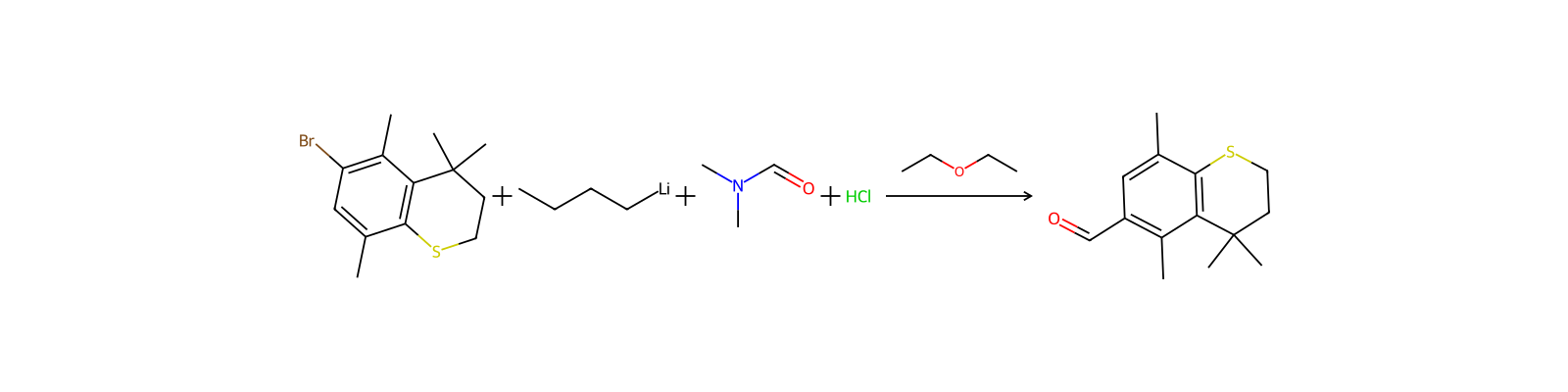
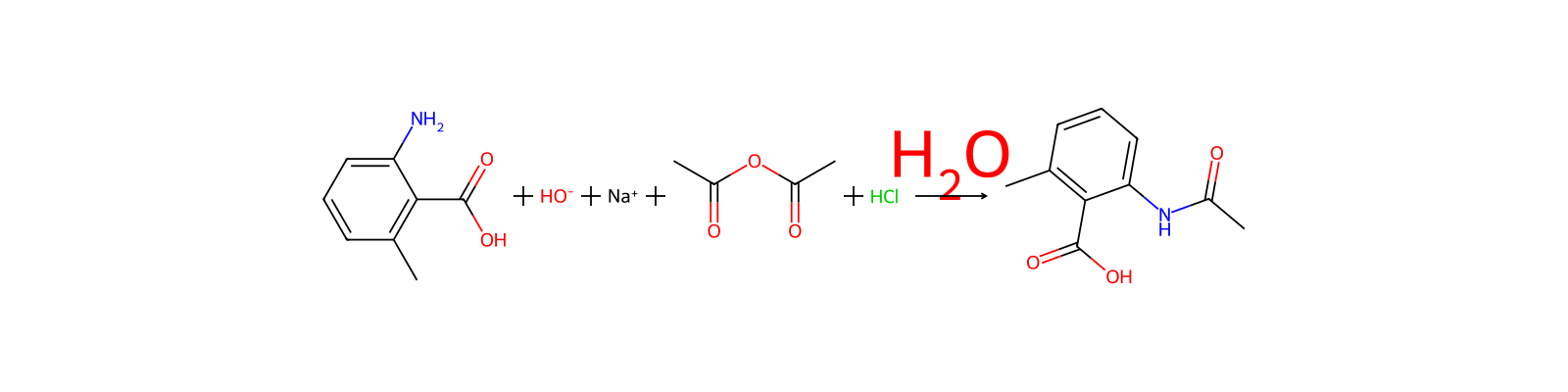
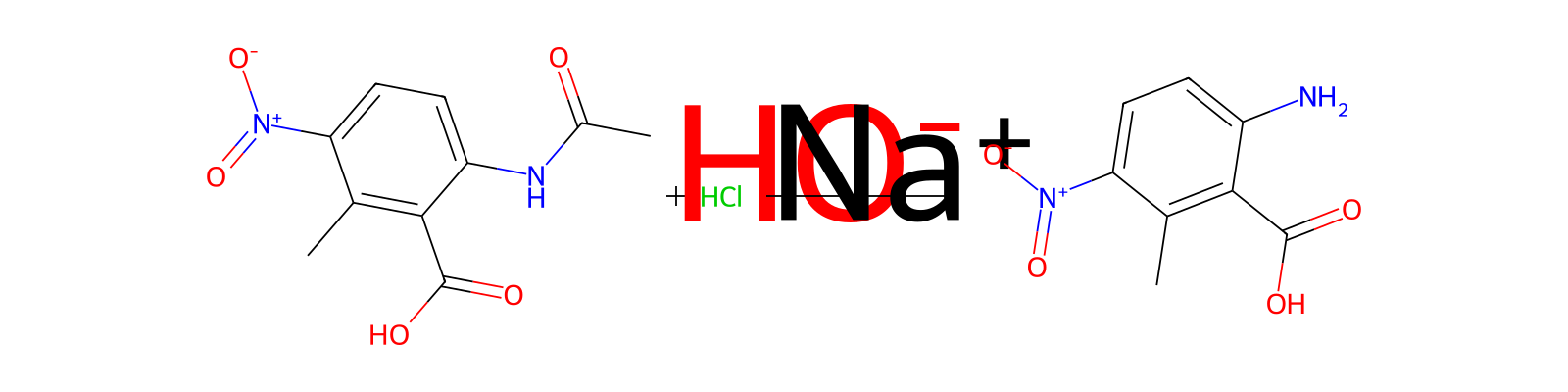
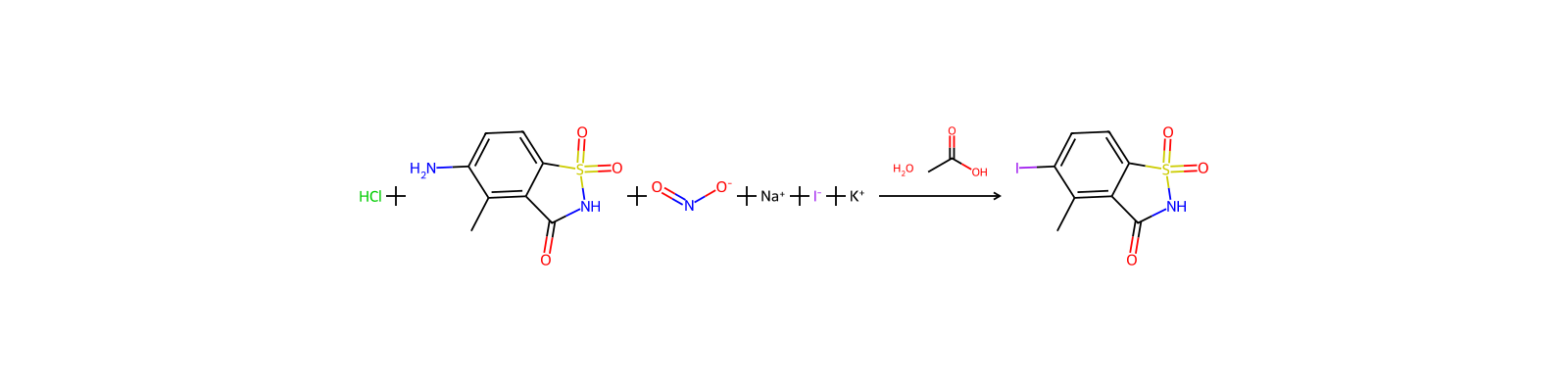
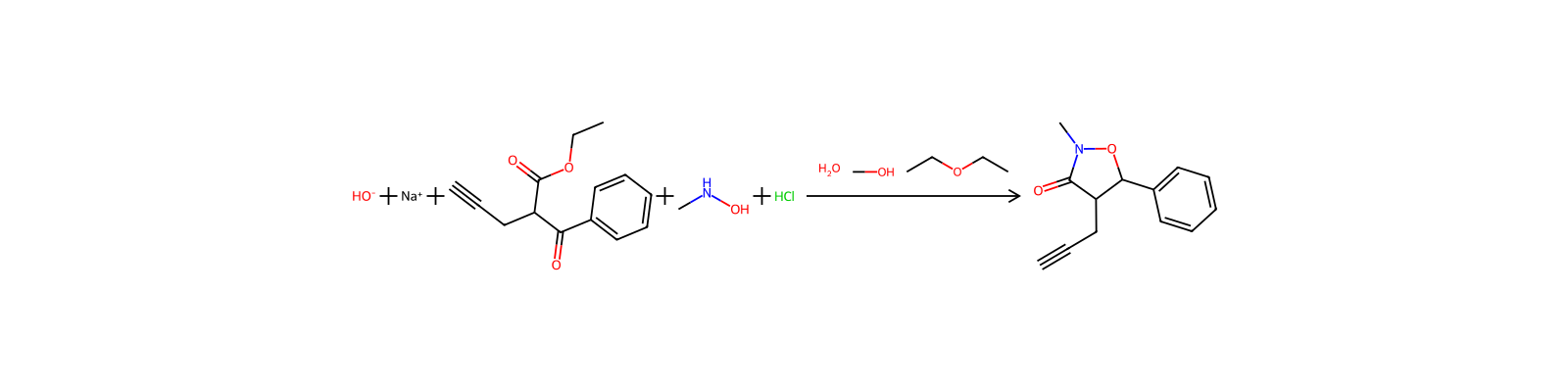
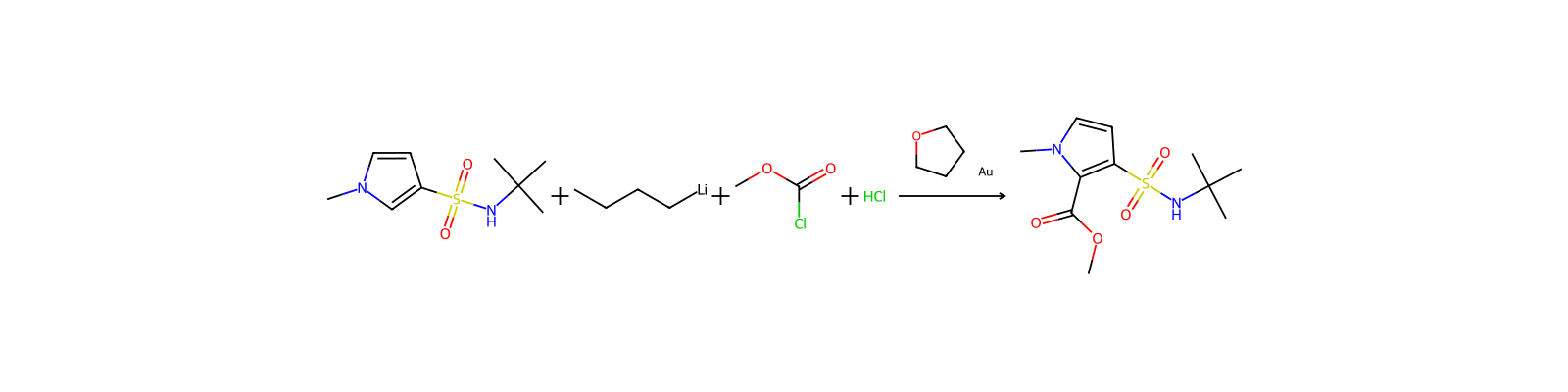
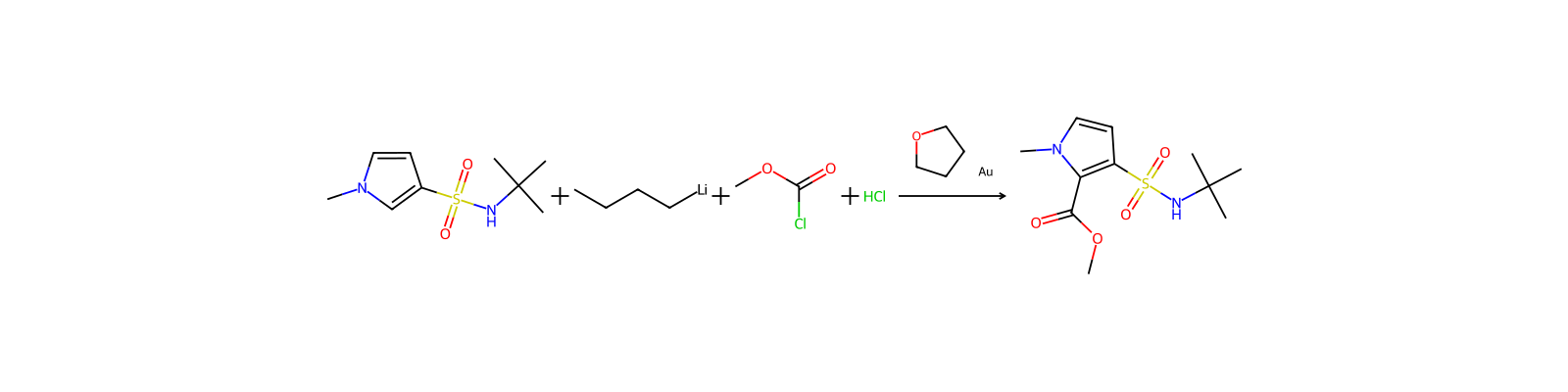
Linked notes
Loading…