

Basic information
- Standard SMILES
CCCCOP(=O)(OCCCC)OCCCC- InChIKey
STCOOQWBFONSKY-UHFFFAOYSA-N- Molecular formula
- C12H27O4P
- Average molar mass
- 266.31 g/mol
- Monoisotopic mass
- 266.16469597
Overview
Tributyl phosphate is an odorless colorless to yellow liquid. Toxic by ingestion and inhalation.
Names & identifiers
- Preferred name
- Tributyl Phosphate
- IUPAC
- tributyl phosphate
- English name
- Tri-n-butylphosphate
- Molecular formula
- C12H27O4P
- Molecular weight
- 266.314141
Names & synonyms
TRIBUTYL PHOSPHATE126-73-8Tri-n-butyl phosphateTributylphosphatePhosphoric acid tributyl esterTributylphosphatCelluphos 4tbpaDisflamoll TBTributilfosfatoTributylfosfaatTributoxyphosphine oxide
Show more names
Phosphoric acid, tributyl esterTributyle (phosphate de)Butyl phosphate, tri-TributylfosfatTri-N-butylphosphateButyl phosphate, ((BuO)3PO)DTXSID3021986MCS 2495
Database identifiers
- CAS
126-73-8- PubChem CID
- 31357
- DTXSID
DTXSID3021986- ChEMBL
CHEMBL1371096- ChEBI
CHEBI:35019- UNII
- 95UAS8YAF5
- EC Number
- 204-800-2
- Nikkaji
- J3.623D
Properties
Computed structural properties
- XLogP
- 2.9
- Topological polar surface area
- 44.8 Ų
- Hydrogen bond donors
- 0
- Hydrogen bond acceptors
- 4
- Rotatable bonds
- 12
- Heavy atoms
- 17
- Formal charge
- 0
- Complexity
- 175
Experimental & physicochemical properties
Chemical Classes
Other Classes -> Organophosphates, Other
Organophosphate
Waste-water effluent contaminant
SpringerMaterials Properties31P nuclear magnetic resonance spectrum
LogP
log Kow = 4.00
4.0
3.64
OdorOdorless
Density
0.982 at 68 °F (USCG, 1999) - Less dense than water; will float
0.978 at 20 °C/20 °C
Bulk Density: 8.19 lb/gal
Relative density (water = 1): 0.98
0.982 at 68 °F
0.9727 @25 °C
Flame RetardantsFlame Retardants -> Organophosphorus flame retardant (OP)
Viscosity3.39 cP at 25 °C
Color/FormColorless to pale-yellow liquid
Solubility
less than 1 mg/mL at 68.9 °F (NTP, 1992)
In water, 280 mg/L at 25 °C
Soluble in diethyl ether, benzene, carbon disulfide; miscible with ethanol
Miscible with most solvents and diluents
Solubility in water: poor
0.6%
Flash Point
295 °F (NTP, 1992)
146 °C
146 °C (open cup)
295 °F (146 °C) (Open cup)
145 °C (293 °F) (Closed cup)
146 °C o.c.
Endocrine DisruptorsPotential endocrine disrupting compound
Boiling Point
552 °F at 760 mmHg (NTP, 1992)
289 °C (decomposes)
552 °F
289 °C @760 [mm Hg]
552 °F (Decomposes)
Physicochemical properties
- Melting point
- -80 °C · <-80 °C
- Boiling point
- 177 · 177-178 °C(Press: 27 Torr)
- Density
- 0.976 g/cm3 · 0.976 g/cm3(Temp: 25 °C)
Safety & regulation
GHS classification
GHS Classification
Warning
H302: Harmful if swallowed [Warning Acute toxicity, oral]
P203, P264, P270, P280, P301+P317, P302+P352, P318, P321, P330, P332+P317, P362+P364, P405, and P501 (click each P-code to see the statement)
Warning
H302 (100%): Harmful if swallowed [Warning Acute toxicity, oral]
P203, P264, P270, P273, P280, P301+P317, P302+P352, P318, P321, P330, P332+P317, P362+P364, P405, and P501 (click each P-code to see the statement)
Hazard information
Regulatory Information
Chemical: Phosphoric acid, tributyl ester
Hazard Traits - Neurotoxicity
Phosphoric acid tributyl ester is listed on the EPA's Chemical Data Reporting (CDR) system. Manufacturers and importers of Phosphoric acid tributyl ester are required to report information about their production and use of this chemical to the EPA under the Toxic Substances Control Act (TSCA). (40 eCFR Part 711)
Status: Active Update: 21-07-2022 https://echa.europa.eu/registration-dossier/-/registered-dossier/13548
Tributyl phosphate: Does not have an individual approval but may be used under an appropriate group standard
Other Safety InformationIMAP assessments - Phosphoric acid, tributyl ester: Human health tier II assessment
Fire Hazards
Special Hazards of Combustion Products: Toxic fumes of POx. (USCG, 1999)
Combustible. Gives off irritating or toxic fumes (or gases) in a fire.
Fire PotentialCombustible when exposed to heat or flame.
Health HazardsMay cause stimulation of the central nervous system. (USCG, 1999)
Hazards Summary
TLV Basis is bladder, eye, and upper respiratory tract irritation; Animals given repeated oral doses show necrosis, hyperplasia, and subsequent neoplasia of the urinary bladder epithelium with a NOEL of 9-12 mg/kg/day equivalent to a worker exposed by inhalation to 63-84 mg/m3; In lethal dose studies, animals have mild anesthesia, pronounced weakness, and respiratory failure; In inhalation studies, serum cholinesterase activity is depressed on the day after exposure; No evidence of nerve damage (OPIDN) in standard protocols testing chickens; [ACGIH] If left on clothing, can cause reddening of skin; [CHRIS] Irritating to the skin, eyes, and respiratory tract; [ICSC]
FDA RequirementsTributyl phosphate is an indirect food additive for use only as a component of adhesives.
Reactive GroupEsters, Sulfate Esters, Phosphate Esters, Thiophosphate Esters, and Borate Esters
EC ClassificationSymbol: Xn; R: 22-38-40; S: (2)-36/37-46
Special Reports
WHO; Environ Health Criteria 112: Tributyl Phosphate (1991)
The U.S. high production volume (HPV) chemicals are those which are manufactured in or imported into the United States in amounts equal to or greater than one million pounds per year. Robust Summaries include health effects, ecotoxicity data, and environment fate information for selected chemicals. EPA/Office of Pollution Prevention and Toxics; High Production Volume (HPV) Challenge Program's Robust Summaries and Test Plans.[Available from, as of January 19, 2006: http://www.epa.gov/hpv/pubs/hpvrstp.htm]
TSCA Requirements
Section 8(a) of TSCA requires manufacturers of this chemical substance to report preliminary assessment information concerned with production, exposure, and use to EPA as cited in the preamble in 51 FR 41329. Effective date: 10/29/90; Reporting date: 12/27/90.
Pursuant to section 8(d) of TSCA, EPA promulgated a model Health and Safety Data Reporting Rule. The section 8(d) model rule requires manufacturers, importers, and processors of listed chemical substances and mixtures to submit to EPA copies and lists of unpublished health and safety studies. Phosphoric acid, tributyl ester is included on this list. Effective date: 06/18/86; Sunset date: 06/18/96.
All persons who manufacture (including import and byproduct manufacture) or process or intend to manufacture or process TBP /tributyl phosphate/, other than as an impurity, from the effective date of the final rule to the end of the reimbursement period shall submit letters of intent to conduct testing, submit study plans, conduct tests, and submit data, or submit exemption applications as specified in this section, subpart A of this part, and part 790 of this chapter for single-phase rulemaking. Required testing: health effects testing, environmental effects testing and chemical fate testing.
OSHA Standards
Permissible Exposure Limit: Table Z-1 8-hr Time Weighted Avg: 5 mg/cu m.
Vacated 1989 OSHA PEL TWA 0.2 ppm (2.5 mg/cu m) is still enforced in some states.
Safety & protection
Fire Fighting
Fire Extinguishing Agents: CO2, dry chemical, fog, mist (USCG, 1999)
Use water spray, foam, powder, carbon dioxide.
First Aid Measures
Fresh air, rest.
Remove contaminated clothes. Rinse skin with plenty of water or shower.
First rinse with plenty of water for several minutes (remove contact lenses if easily possible), then refer for medical attention.
Rinse mouth. Refer for medical attention .
First Aid
EYES: First check the victim for contact lenses and remove if present. Flush victim's eyes with water or normal saline solution for 20 to 30 minutes while simultaneously calling a hospital or poison control center. Do not put any ointments, oils, or medication in the victim's eyes without specific instructions from a physician. IMMEDIATELY transport the victim after flushing eyes to a hospital even if no symptoms (such as redness or irritation) develop.
(General first aid procedures)
Safe StorageStore in an area without drain or sewer access. Separated from bases and strong oxidants.
Firefighting HazardsSpecial hazards arising from the substance or mixture: Carbon oxides, Oxides of phosphorus
Exposure Control and Personal Protection
Biological Exposure Indices (BEI) [ACGIH] - Acetylcholinesterase activity in red blood cells = 70% of individual's baseline; Butylcholinesterase activity in serum or plasma = 60% of individual's baseline; Sample at end of shift; [TLVs and BEIs]
11.0 [mg/m3]
Fire Fighting Procedures
Suitable extinguishing media: Use water spray, alcohol-resistant foam, dry chemical or carbon dioxide.
Advice for firefighters: Wear self contained breathing apparatus for fire fighting if necessary.
To fight fire use carbon dioxide, dry chemical, fog, mist.
Storage ConditionsConditions for safe storage, including any incompatibilities: Keep container tightly closed in a dry and well-ventilated place. Containers which are opened must be carefully resealed and kept upright to prevent leakage.
Cleanup Methods
Accidental release measures. Personal precautions, protective equipment and emergency procedures: Use personal protective equipment. Avoid breathing vapors, mist or gas. Ensure adequate ventilation. Evacuate personnel to safe areas.; Environmental precautions: Prevent further leakage or spillage if safe to do so. Do not let product enter drains. Discharge into the environment must be avoided.; Methods and materials for containment and cleaning up: Soak up with inert absorbent material and dispose of as hazardous waste. Keep in suitable, closed containers for disposal.
A study of nuclear fuel reprocessing solvent tributyl phosphate included its degradation and clean-up and disposal of degradation products.
Ventilate the area of spill or leak. For small quantities, absorb on paper towel .
Nonfire Spill ResponseNeutralizing Agents for Acids and Caustics: Dry lime or soda ash (USCG, 1999)
Disposal Methods
SRP: The most favorable course of action is to use an alternative chemical product with less inherent propensity for occupational harm/injury/toxicity or environmental contamination. Recycle any unused portion of the material for its approved use or return it to the manufacturer or supplier. Ultimate disposal of the chemical must consider: the material's impact on air quality; potential migration in soil or water; effects on animal and plant life; and conformance with environmental and public health regulations.
Product: Offer surplus and non-recyclable solutions to a licensed disposal company. Contact a licensed professional waste disposal service to dispose of this material. Dissolve or mix the material with a combustible solvent and burn in a chemical incinerator equipped with an afterburner and scrubber.; Contaminated packaging: Dispose of as unused product.
SRP: Wastewater from contaminant suppression, cleaning of protective clothing/equipment, or contaminated sites should be contained and evaluated for subject chemical or decomposition product concentrations. Concentrations shall be lower than applicable environmental discharge or disposal criteria. Alternatively, pretreatment and/or discharge to a permitted wastewater treatment facility is acceptable only after review by the governing authority and assurance that "pass through" violations will not occur. Due consideration shall be given to remediation worker exposure (inhalation, dermal and ingestion) as well as fate during treatment, transfer and disposal. If it is not practicable to manage the chemical in this fashion, it must be evaluated in accordance with EPA 40 CFR Part 261, specifically Subpart B, in order to determine the appropriate local, state and federal requirements for disposal.
Spillage Disposal
Personal protection: filter respirator for organic gases and vapours adapted to the airborne concentration of the substance. Do NOT let this chemical enter the environment. Collect leaking liquid in sealable non-plastic containers. Absorb remaining liquid in sand or inert absorbent. Then store and dispose of according to local regulations.
Toxicology
Body Burden
In EPA's National Human Monitoring Program's National Human Adipose Tissue Survey, broad scan survey for 1982, tributyl phosphate was detected at 120 ng/g in 1 of 46 composite samples analyzed(1). The sample came from the 0-14 age group of the east north central census region(1). Tributyl phosphate was detected at 10 ppb in plaque from the aorta of one of two autopsied heart attack victims(2).
Interactions
A 3.2 fold incr in resorption of (239)Plutonium admin as (239)Pu complex with tributyl phosphate in hexachlorobutadiene was observed during the first 4 days in an experiment on 120 Wistar rats, as compared to the resorption level during the admin (239)Pu alone, greater accumulation in the organs of secondary deposition, followed by the disappearance of differences, but for the kidneys, where the differences were observed until the end of the experiment. These features did not lead to incr of absorbed radiation doses in the critical organs by the end of the study. ...
Wistar rats were subjected to a single exposure to (239)Pu nitrate through inhalation with the subsequent procedure of imitation of inhalation or without it (the amount of 23P9Pu deposited in the lungs in 24 hr was 8.9 | 1.9 kBq/lung) and inhalation of hexachlorbutadiene and tributylphosphate within one month in a combination with the radionuclide or without it. There was a 1.5-fold increase, above additive, in the harmful effect of (239)Pu and chemical agents on the function of natural killers as observed 15-30 days after the combined exposure as compared to individual inhalation. On days 120 to 240 cell cytotoxic activity in rats of all groups was normalized to reach or to exceed the intact control.
Two-cell mouse embryos were exposed in vitro to tributyl phosphate, x rays, or a combination of both. In-vitro development of the embryos was followed microscopically (cleavage to four- and eight-cell embryos, formation of morulae and blastocysts, and hatching of blastocysts). Effects on proliferation were estimated by counting the number of cells per embryo early (48 h p.c. = 48 hours post conceptionem) and late (144 h p.c.) in the preimplantation period. Cytogenetic damage was studied using micronucleus formation as the end point. Tributyl phosphate did not reveal toxic effects up to a concentration of about 5 microM after an exposure time of 18 h. At a concentration of about 15 microM, 50% of late preimplantation embryos showed effects on morphological development and on cell proliferation, and at about 40 microM, 90% of the embryos were affected. Tributyl phosphate did not induce micronuclei. Small effects by x irradiation were observed between 0.25 Gy and 0.5 Gy, depending on the end point measured in the late preimplantation stage. Fifty percent of the embryos were affected by a dose slightly higher than 1 Gy, and 90% after about 4 Gy. No enhancement in risk was found after combined treatment of the embryos with tributyl phosphate and x rays.
It has been established in the experiment on rats exposed to a joint action of plutonium-239, hexachlorobutadiene and ++tributyl phosphate, that manifestations of disturbances from radiation and chemical factors which are more expressed under a joint exposure, are characteristic of the thymus gland damage pattern. As far as lymphocytes count in the organ is concerned, the effect of the joint exposure is no more than additive.
... A mixture composed principally of dibutyl phenyl phosphate and tributyl phosphate ... was evaluated in an inhalation toxicity study /using/ Sprague-Dawley rats. Target exposure levels used ... were 0, 5, 100 and 300 mg/cu m, and exposures were maintained for 6 hr/day, 5 days/week. ... The only clinical sign of chemical toxicity was the observation of a reddish nasal discharge with accompanying oral salivation in mid and high exposure animals of both sexes, indicative of an irritant response. Statistically significant reduced body weights; increased absolute and relative liver weights; and decreased erythrocyte counts, hemoglobin levels, and hematocrit values were observed in high-exposure female rats euthanized after 13 weeks ... exposure. High-exposure male rats also had increased absolute and relative liver weights and decreased hematocrit values after 13 weeks. Plasma cholinesterase levels were decreased in high-exposure female rats both 6 and 13 weeks after the study was initiated. Histopathologic evaluation revealed mild hepatocellular vacuolation in high-exposure male rats and centrilobular hepatocellular hypertrophy in high-exposure female rats. No pathological changes were observed in animals at 100 mg/cu m. ...
Target OrgansEyes, skin, respiratory system
Ecotoxicity Values
LC50; Species: Artemia salina (Brine shrimp); Concentration: 54.6 mg/L for 24 hr (95% confidence limit: 49.9-59.3 mg/L) /Conditions of bioassay not specified in source examined/
LC50; Species: Carassius auratus (Goldfish); Conditions: static; Concentration: 8.8 mg/L for 96 hr /technical product/
EC50; Species: Chlorella emersonii (Green algae); Conditions: static, 25 °C; Concentration: 10-50 mg/L for 48 hr; Effect: inhibition of cell multiplication /from table/
LC50; Species: Danio rerio (Zebra danio); Conditions: static; Concentration: 11.4 mg/L for 96 hr (95% confidence limit: 10.0-13.5 mg/L) /formulated product/
For more Ecotoxicity Values (Complete) data for TRIBUTYL PHOSPHATE (24 total), please visit the HSDB record page.
Environmental Fate
TERRESTRIAL FATE: Based on a classification scheme(1), an estimated Koc value of 2400(SRC), determined from a structure estimation method(2), indicates that tributyl phosphate is expected to have slight mobility in soil(SRC). Volatilization of tributyl phosphate from moist soil surfaces is expected to be an important fate process(SRC) given an estimated Henry's Law constant of 1.4X10⁻⁶ atm-cu m/mole(SRC), based upon its vapor pressure, 1.13X10⁻³ mm Hg(3), and water solubility, 280 mg/L(4). However, adsorption to soil is expected to attenuate volatilization(SRC). Tributyl phosphate is not expected to volatilize from dry soil surfaces(SRC) based upon its vapor pressure(3). Biodegradation of 56-96% in activated sludge inoculum(4) and a 3% of theoretical BOD using activated sludge in the Japanese MITI test(5) suggest that biodegradation may be an important environmental fate process in soil(SRC).
AQUATIC FATE: Based on a classification scheme(1), an estimated Koc value of 2400(SRC), determined from a structure estimation method(2), indicates that tributyl phosphate is expected to adsorb to suspended solids and sediment(SRC). Volatilization from water surfaces is expected(3) based upon an estimated Henry's Law constant of 1.4X10⁻⁶ atm-cu m/mole(SRC), derived from its vapor pressure, 1.13X10⁻³ mm Hg(4), and water solubility, 280 mg/L(5). Using this Henry's Law constant and an estimation method(3), volatilization half-lives for a model river and model lake are 40 and 300 days, respectively(SRC). Tributyl phosphate is not expected to undergo hydrolysis in the environment(SRC) due to estimated hydrolysis half-lives of 9.9 to 11.5 years at pH 9 to 5(2). According to a classification scheme(6), BCFs of 5.5-20 in carp(7), 30-35 in killifish and 6-11 in goldfish(8), suggest bioconcentration in aquatic organisms is low to moderate(SRC). Aqueous biodegradation test results for tributyl phosphate varied from negligible biodegradation(9-11) to 30-100% biodegradation(5,11).
ATMOSPHERIC FATE: According to a model of gas/particle partitioning of semivolatile organic compounds in the atmosphere(1), tributyl phosphate, which has a vapor pressure of 1.13X10⁻³ mm Hg at 25 °C(2), is expected to exist solely as a vapor in the ambient atmosphere. Vapor-phase tributyl phosphate is degraded in the atmosphere by reaction with photochemically-produced hydroxyl radicals(SRC); the half-life for this reaction in air is estimated to be 4.4 hours(SRC), calculated from its rate constant of 7.9X10⁻¹¹ cu cm/molecule-sec at 25 °C(SRC) that was derived using a structure estimation method(3). Tributyl phosphate does not contain chromophores that absorb at wavelengths >290 nm(4) and, therefore, is not expected to be susceptible to direct photolysis by sunlight(SRC).
Food Survey Values
According to FDA Total Diet studies in FY 1980, tributyl phosphate was found only in grain and cereal products composites at concentrations of 0.003-0.080 ppm (avg 0.0086 ppm), 0.003-0.104 ppm (avg 0.0158 ppm), 0.003-0.031 ppm (avg 0.0068 ppm), for infants, toddlers, and adult samples, respectively(1-2). According to FDA Total Diet studies in FY 1981/82, tributyl phosphate was found in grain and cereal products composites at concentrations of 0.003-0.032 ppm (avg 0.0053 ppm), 0.006-0.092 ppm (avg 0.0091 ppm), 0.003-0.060 ppm (avg 0.0091 ppm) for infants, toddlers, and adult samples, respectively and one adult composite of garden fruit at 0.0004 ppm(3-4). In the FDA's Revised Market Basket Study operated from 1982 to 1991, tributyl phosphate was detected 73 times in 25 different foods with an average concentration of 0.0137 ug/g(5). The foods in which it was detected were baby foods (peas; tomato, beef, and macaroni; vegetables with turkey or chicken), canned beets, bread (rye, enriched white, whole wheat), cereal (cornflakes, fruit-flavored, crisped rice, oat ring, raisin bran, shredded wheat), cooked corn grits, cooked farina, strawberry gelatin, cooked macaroni, canned, sliced mushrooms, rolled, cooked oats, and sweet, green, raw pepper(5).
Adverse EffectsACGIH Carcinogen - Confirmed Animal.
Exposure Routes
The substance can be absorbed into the body by inhalation of its vapour, through the skin and by ingestion.
inhalation, ingestion, skin and/or eye contact
Toxicity Summary
IDENTIFICATION AND USE: Tributyl phosphate is a colorless to pale-yellow odorless liquid. It is used as a plasticizer for cellulose esters, lacquers, plastics, and vinyl resins. Used in fire-resistant aircraft hydraulic fluids. Other uses include heat-exchange medium, solvent extraction of metal ions from solution of reactor products, solvent for nitrocellulose, cellulose acetate, pigment grinding assistant, antifoaming agent, dielectric. HUMAN EXPOSURE AND TOXICITY: Breathing vapors of tributyl phosphate causes irritation of mucous membranes and if inhalation is prolonged there can be general poisoning with paralysis. In contact with skin tributyl phosphate can cause irritation. Tributyl phosphate may cause irritation of the eyes, nose, and throat. It may also cause nausea and headache. In a series of 42 patients with furniture related dermatitis, a positive patch test reaction was seen in 1 patient. In vitro it acts as androgen receptor, and glucocorticoid receptor antagonist. ANIMAL STUDIES: Tributyl phosphate was not acutely toxic by dermal exposure in the rabbit and in the guinea pig. Application to either intact or abraded skin of rabbits and guinea pigs produced irritation with edema and erythema. The instillation of tributyl phosphate in the conjunctival sac of rabbits gave rise to mild irritation. Rats subjected to multiple intragastric administrations of tributyl phosphate showed hyperemia of internal organs and brain. Tributyl phosphate was not neurotoxic to rats, but induced paralysis in mice. Tributyl phosphate did not cause organophosphorus compound-induced delayed neurotoxicity (OPIDN) in the adult hen. Tributyl phosphate produced tumors of the bladder urothelium in rats at high doses, with greater effects in males than in females. It does not produce tumors in mice. The chemical was not teratogenic in rats. In the rabbit, maternal and embryo toxicity were suggested at 400 mg/kg/day with no observations of fetotoxicity or teratogenicity in any dosage group. No mutagenic activity was identified after treatment with tributyl phosphate: when tested in the hypoxanthine-guanine phosphoribosyl transferase (HGPRT) mutation assay in Chinese hamster ovary (CHO) cells, both with and without metabolic activation and when testing in Salmonella typhimurium strains TA98, TA100, TA1535, or TA1537 with or without metabolic activations. Tributyl phosphate did not induce chromosomal damage in rat bone marrow cells. ECOTOXICITY STUDIES: Rainbow trout treated with tributyl phosphate had severe balance disturbances, which included highly atypical movements like darting, coiling swimming, and backward somersaults. At higher concentrations the fish were immobilized, lying on their sides at the bottom of the water, and some of them died.
Average Daily Intake
According to FDA Total Diet studies in fiscal year 1980, daily intakes of tributyl phosphate for infants and children were 0.051 and 0.132 ug/kg body weight(1); for adults, the intake was 0.041 ug/kg body weight (2.85 ug for a 70 kg person)(2). According to FDA Total Diet studies in fiscal year 1981 to 1982, daily intakes of tributyl phosphate for infants and children were 0.020 and 0.075 ug/kg body weight(3); for adults, the intake was 0.055 ug/kg body weight (1.73 ug for a 70 kg person)(4).
The US Food and Drug Administration market basket surveys done April 1982-April 1984(1), June 1984-April 1986(2) and July 1986-April 1991(3), found that the average intake of tributyl phosphate (ng/kg body weight/day) for each of the following age groups:[Table#3481]
Ecotoxicity Excerpts
/AQUATIC SPECIES/ ... Rainbow trout did not show any obvious effects at water concentrations below 5.6 mg tributyl phosphate/L but behaved very calmly when trapped in a hand-net at a concentration of 1 mg/L (all concentrations are nominal value). At 10 mg/L, the fish started showing severe balance disturbances, which included highly atypical movements like darting, coiling swimming, and backward somersaults, but they recovered after 24-72 hr at this concentration. On the other hand, the balance disturbances persisted until the end of the experiment at a concentration of 11.5 mg/L. At 13.5 mg/L, the fish were immobilized, lying on their sides at the bottom of the water, and some of them died.
Animal ConcentrationsTributyl phosphate concentrations were reported in female herring gull (Larus argentatus) tissue and egg components from samples collected Apr 2010 at Lake Huron colony site on Chantry Island(1).[Table#3479]
Regulatory information
FDA RequirementsTributyl phosphate is an indirect food additive for use only as a component of adhesives.
TSCA Requirements
Section 8(a) of TSCA requires manufacturers of this chemical substance to report preliminary assessment information concerned with production, exposure, and use to EPA as cited in the preamble in 51 FR 41329. Effective date: 10/29/90; Reporting date: 12/27/90.
Pursuant to section 8(d) of TSCA, EPA promulgated a model Health and Safety Data Reporting Rule. The section 8(d) model rule requires manufacturers, importers, and processors of listed chemical substances and mixtures to submit to EPA copies and lists of unpublished health and safety studies. Phosphoric acid, tributyl ester is included on this list. Effective date: 06/18/86; Sunset date: 06/18/96.
All persons who manufacture (including import and byproduct manufacture) or process or intend to manufacture or process TBP /tributyl phosphate/, other than as an impurity, from the effective date of the final rule to the end of the reimbursement period shall submit letters of intent to conduct testing, submit study plans, conduct tests, and submit data, or submit exemption applications as specified in this section, subpart A of this part, and part 790 of this chapter for single-phase rulemaking. Required testing: health effects testing, environmental effects testing and chemical fate testing.
Chemistry & industry
Pharmacology
Metabolism/Metabolites
Tributyl phosphate (TBP) is a toxic organophosphorous compound widely used in many industrial applications, including significant usage in nuclear processing. The industrial application of this chemical is responsible for occupational exposure and environmental pollution. In this study, (1)H NMR-based metabonomics has been applied to investigate the metabolic response to TBP exposure. Male Sprague-Dawley rats were given a TBP-dose of 15 mg/kg body weight, followed by 24hr urine collection, as was previously demonstrated for finding most of the intermediates of TBP. High-resolution (1)H NMR spectroscopy of urine samples in conjunction with statistical pattern recognition and compound identification allowed for the metabolic changes associated with TBP treatment to be identified. Discerning NMR spectral regions corresponding to three TBP metabolites, dibutyl phosphate (DBP), N-acetyl-(S-3-hydroxybutyl)-L-cysteine and N-acetyl-(S-3-oxobutyl)-L-cysteine, were identified in TBP-treated rats. In addition, the (1)H NMR spectra revealed TBP-induced variations of endogenous urinary metabolites including benzoate, urea, and trigonelline along with metabolites involved in the Krebs cycle including citrate, cis-aconitate, trans-aconitate, 2-oxoglutarate, succinate, and fumarate. These findings indicate that TBP induces a disturbance to the Krebs cycle energy metabolism and provides a biomarker signature of TBP exposure. ... /The/ three metabolites of TBP, dibutylphosphate, N-acetyl-(S-3-hydroxybutyl)-L-cysteine and N-acetyl-(S-3-oxobutyl)-L-cysteine, which are not present in the control groups, are the most important factors in separating the TBP and control groups (p<0.0023), while the endogenous compounds 2-oxoglutarate, benzoate, fumarate, trigonelline, and cis-aconetate were also important (p<0.01).
The metabolic transformation of tributyl phosphate has been studied in male rats following oral or intraperitoneal administration of (14)C-labelled tributyl phosphate. The first stage in the metabolic process appeared to be oxidation, catalysed by cytochrome P-450-dependent mono-oxygenase, at the omega or omega-1 position on the butyl chains. The hydroxy groups generated at the w and w-1 positions were further oxidized to produce carboxylic acids and ketones, respectively. Following these oxidations, the oxidized alkyl moieties were removed as glutathione conjugates, which were then excreted as N-acetyl cysteine derivatives. ... In the urine, the major phosphorus-containing metabolites are dibutyl hydrogen phosphate, butyl dihydrogen phosphate, and butyl bis(3-hydroxybutyl) phosphate as well as small amounts of the following phosphates: dibutyl 3-hydroxy-butyl, butyl 2-hydroxybutyl hydrogen, butyl 3-hydroxybutyl hydrogen, butyl 3-carboxypropyl hydrogen, 3-carboxypropyl dibutyl, butyl 3-carboxypropyl 3-hydroxybutyl, butyl bis (3-carboxypropyl), and 3-hydroxybutyl dihydrogen.
A single ip dose of tributyl phosphate at 250 mg/kg to rats resulted in 11 phosphorus containing metabolites in the urine within 24 hr. The principal metabolic pathway resulted in stepwise debutylation, through hydroxylated intermediates, to give dibutyl hydrogen phosphate and butyl dihydrogen phosphate . Rat liver microsomal preparations also metabolized tributyl phosphate to mono- and dihydroxylated intermediates, giving dibutyl hydrogen phosphate as the terminal metabolite. Microsomal preparations from goldfish liver and killfish also resulted in dibutyl 3-hydroxybutyl phospate and dibutyl hydrogen phosphate.
The rate of metabolism of tributyl phosphate and the nature of the metabolites produced were determined in in vitro tests on rat liver homogenate. It was found that rat liver microsomal enzymes rapidly metabolized tributyl phosphate in the presence of NADPH (within 30 min), but only slight metabolic breakdown (11%) occurred in the absence of added NADPH. Dibutyl(3-hydroxybutyl) phosphate was obtained as a metabolite in the first stage of the test. The extended incubation time in the second stage of the test yielded two further metabolites, butyl di(3-hydroxybutyl) phosphate and dibutyl hydrogen phosphate, which were produced from the primary metabolite dibutyl(3-hydroxybutyl) phosphate.
MeSH Pharmacological ClassificationDrugs used to protect against ionizing radiation. They are usually of interest for use in radiation therapy but have been considered for other purposes, e.g. military.
Absorption, Distribution and Excretion
Dermal absorption of tributyl phosphate has been demonstrated in pigs, and there was little difference in the rate of skin penetration between regions with or without hair follicles.
Rats given a single oral dose of (14)C labeled tributyl phosphate at 14 mg/kg excreted 50, 10, and 6% of the administered dose in the urine, exhaled air, and feces, respectively, within 24 hr. A single intraperitoneal dose at the same rate resulted in 70, 7, and 4% of the administered dose in the urine, exhaled air, and feces within the first 24 hr.
In vitro investigations on isolated human skin showed that tributyl phosphate has a high penetrating capacity. The average maximum steady-state rate of penetration through isolated human skin is 6.7X10⁻⁴ umol/cm sq/min.
Substantial absorption from the gastrointestinal tract occurred in rats given a single oral dose of tributyl phosphate (TBP) ... more than 50% of an orally administered dose of TBP was absorbed within 24 hr.
Following single or repeated oral dosing in rats, tributyl phosphate was detected in the gastrointestinal tract, blood, and liver.
Uses & manufacturing
Uses
Mainly used as a flame retardant in aircraft hydraulic fluid, which can contain 25 to 75% TBP; Also used as a solvent (rare earth extraction and nuclear fuel cycle), plasticizer, carrier for fluorescent dyes, and antifoam agent (cement casings for oil wells); [ACGIH] Used as an antifoaming agent (concrete, textile, and paper industries); [HSDB]
Petroleum Production and Refining [Category: Industry]
Plasticizer for cellulose esters, lacquers, plastics, and vinyl resins.
... Used in fire-resistant aircraft hydraulic fluids.
Heat-exchange medium, solvent extraction of metal ions from solution of reactor products, solvent for nitrocellulose, cellulose acetate, plasticizer, pigment grinding assistant, antifoam agent, dielectric.
Extraction chromatography, in which the organic extractant is adsorbed on the surfaces of a fine, porous powder placed in a column, offers another excellent method for separating the actinide elements from each other. Useful cation extracting agents include ... n-tributyl phosphate.
U.S. Production
2023: 10,000,000 - <25,000,000 lb
(1972) 1.4-9.2X10+9 GRAMS
(1975) PROBABLY GREATER THAN 9.08X10+5 GRAMS
1985 Production capacity: 6-9 million pounds /Estimated/
(1986) >500 thousand-1 million pounds
For more U.S. Production (Complete) data for TRIBUTYL PHOSPHATE (11 total), please visit the HSDB record page.
Consumer UsesHydraulic fluids
Industry UsesLubricating agent
Methods of ManufacturingPrepared by reaction of POCL3 with butyl alcohol.
Formulations/PreparationsGrade: Technical
Household ProductsInformation on 1 consumer products that contain Tributyl phosphate in the following categories is provided:
Use ClassificationINDUSTRIAL
General Manufacturing Information
Not Known or Reasonably Ascertainable
Phosphoric acid tributyl ester: ACTIVE
By itself or in mixtures with castor oil it is recommended for making clear flexible lacquers which will stand exposure to sunlight and cold.
Tributylphosphate does not dissolve cellulose acetate but dissolves nitrocellulose in cold and benzylcellulose in hot. It is good plasticizer and fireproofing agent for nitrocellulose, with which it gives celluloid-like materials which are very resistant to light and low temp.
Suppliers50 total
国药集团化学试剂有限公司86-21-63210123 · [email protected]
上海阿拉丁生化科技股份有限公司400-6206333 13167063860 · [email protected]
山东隆汇化工有限公司531-88613858 15562516958 · [email protected]
Syntechem Co.,Ltd[email protected]
上海迈瑞尔生化科技有限公司4006356688 18621169109 · [email protected]
西安晋湘药用辅料有限公司18092627517; 18092627517 · [email protected]
阿法埃莎(中国)化学有限公司400-6106006 · [email protected]
安耐吉化学&3A(安徽泽升科技股份有限公司)400-0056266 · [email protected]
上海瀚鸿科技股份有限公司021-54306202 13764082696 · [email protected]
合肥天健化工有限公司551-65418679 15856988503;15837135945 · [email protected]
山东铭耀化工有限公司13287741688
恒桥产业股份有限公司025-84712192 · [email protected]
山东西亚化学有限公司13355009207 13355009207 · [email protected]
玛雅试剂+86 (573) 82222445 (0)18006601000 452520369 · [email protected]
瀚商化工科技有限公司021-50521775 15800962688
Connect Chemicals GmbH+49 2102 2077 19 · [email protected]
斯百全化学(上海)有限公司021-021-021-67601398-809-809-809 15221380277 · [email protected]
艾科试剂4008-755-333 18080918076 · [email protected]
赛默飞世尔科技(中国)有限公司800-810-5118 · [email protected]
北京伊诺凯科技有限公司400-810-7969 010-59572699 · [email protected]
江苏艾康生物医药研发有限公司025-66113011 13913916777 · [email protected]
TOKYO CHEMICAL INDUSTRY CO., LTD.03-36680489 · [email protected]
深圳振强药物研发有限公司0755-66853366 13670046396 · [email protected]
南京杜莱生物技术有限公司025-84699383-8003;025-846993838003-8003 18013301590 · [email protected]
北京环宇世纪化学科技有限公司hysj_bj.com
上海将来实业股份有限公司400-0066400 13621662912 · [email protected]
上海将来实业股份有限公司021-61552785 · [email protected]
日照力德士化工有限公司010-51268198 · [email protected]
郑州鸿晟医药科技有限公司0371-0371-13526885213 15637198702 · [email protected]
美岚实业(上海)有限公司021-58958189 · [email protected]
上海爱蝶实业有限公司021-58957966 18930537195 · [email protected]
成都零六生物科技有限公司400-1166-196 13458535857 · [email protected]
广拓化学(上海)有限公司021-60899189-8001 18918189673 · [email protected]
上海麦克林生化科技股份有限公司15221275939 15221275939 · [email protected]
杭州杰恒化工有限公司0571-87396432 · [email protected]
上海有朋化工有限公司021-69005955 13701776567 · [email protected]
北京海力扬化学科技有限公司13718199399 · [email protected]
北京欣赛维化学科技有限公司010-56218822 13717722232 · [email protected]
四川海诺威科技有限公司13708085536 13708085536 · [email protected]
上海凯赛化工有限公司021-33516722 13701817765 · [email protected]
上海彤源化工有限公司021-021-69182866 13701855675 · [email protected]
上海孚一生物科技有限公司+86 (21) 61124340
成都润泽本土化工有限公司13096311329 028-88469284 616445927 · [email protected]
北京华扬致成科技有限公司13716033033 · [email protected]
上海蓝润化学有限公司021-69515658 ; 69515628 13701998368 · [email protected]
上海容立化学科技有限公司021-69992220 13701886816 · [email protected]
上海康拓化工有限公司021-69185552 13701777608 · [email protected]
池州凯隆进出口贸易有限公司[email protected]
Sigma-Aldrich西格玛奥德里奇(上海)贸易有限公司021-61415566 800-8193336 · [email protected]
铜陵恒优生物科技有限公司021-50426030 13856289449;13124863828 · [email protected]
Additional notes
DefinitionChEBI: Tributyl phosphate is a trialkyl phosphate that is the tributyl ester of phosphoric acid.
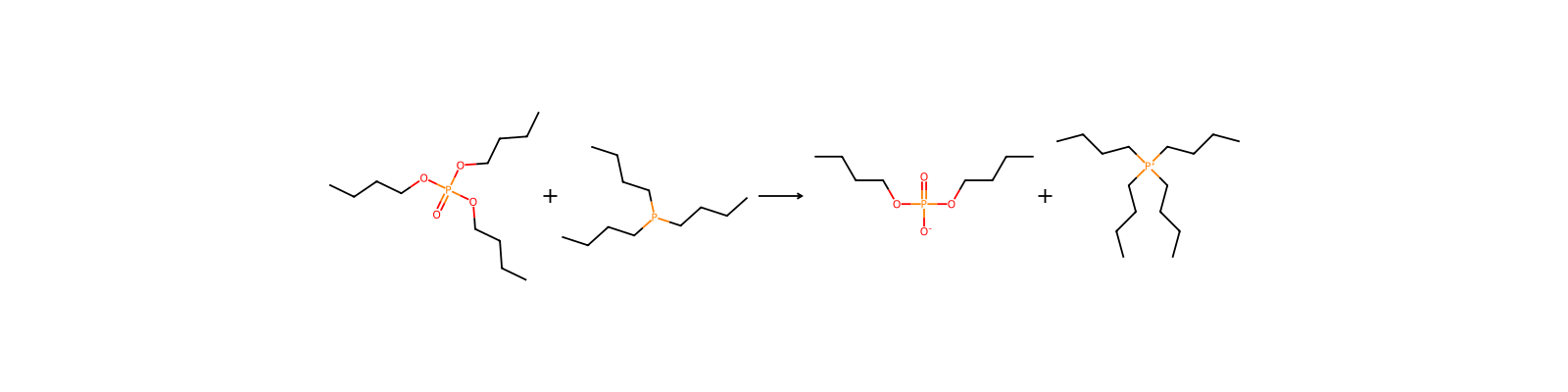
Related reactions
22 records




Linked notes
Loading…