Reaction equation

N([CH2:5][CH2:6][OH:7])CCO.[CH3:8][CH2:9][CH2:10][CH2:11][O:12][P:13]([O:20][CH2:21][CH2:22][CH2:23][CH3:24])([O:15][CH2:16][CH2:17][CH2:18][CH3:19])=[O:14].[CH2:25](O)[CH2:26][OH:27].C(O)C[O:31]CCO.O[Sn](=O)CCCC>OCCCC[Sn]=O.O>[CH3:19][CH2:18][CH2:17][CH2:16][O:15][P:13]([O:12][CH2:11][CH2:10][CH2:9][CH3:8])([O:20][CH2:21][CH2:22][CH2:23][CH3:24])=[O:14].[C:26]1(=[O:27])[O:7][C:6](=[O:31])[CH:5]=[CH:25]1Participants




Procedure
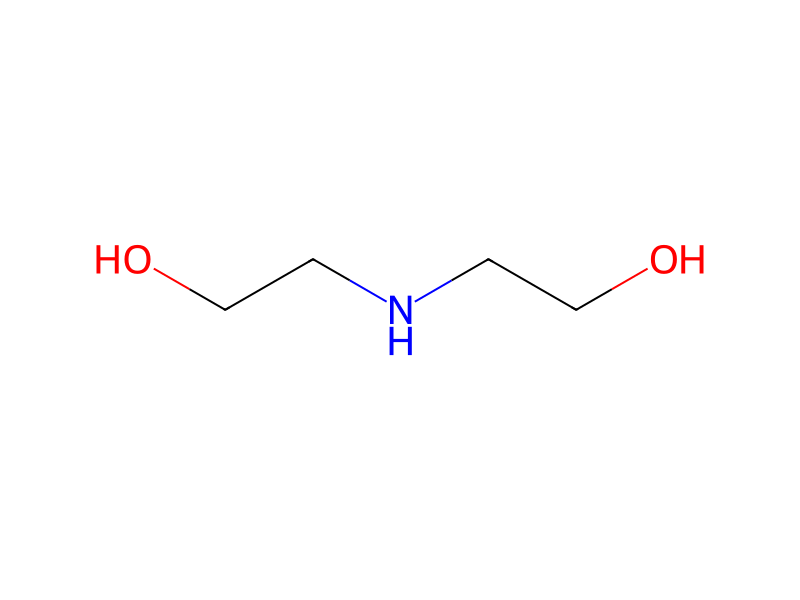
Using a reactor setup as described in Example 1, a TBPA, glycol, maleic anhydride product was prepared using a mole ratio of anhydride to glycol of 4:5.23, a hydroxybutyltin oxide catalyst and diethanolamine (DEA) as neutralizing agent. TBPA (1.937 moles), ethylene glycol (3.377 moles), diethylene glycol (1.69 moles), hydroxy-butyltin oxide (1.49 gms), and DEA (4.41 gms) were added to the reaction at room temperature and stirred at 400 rpm. When the temperature reached 85° C., 1.937 moles of maleic; anhydride were added and the temperature was raised to 185° C. to 190° C. The reaction time was about 3 hours with 62.5 mls of water collected (86.8% of theory). The product acid number was 18.8. GPC analysis as described in Example 1 gave the following results:
Workup
- customreached 85° C.
- temperaturethe temperature was raised to 185° C. to 190° C
- customcollected (86.8% of theory)
- customgave the
- customfollowing results
Sources & evidence
- ORD record
- ord-224a7efb033c49e1bf8a95ba9941a42c
- Source dataset
- uspto-grants-1998_06
- Patent number
- US05760161
Linked notes
Loading…