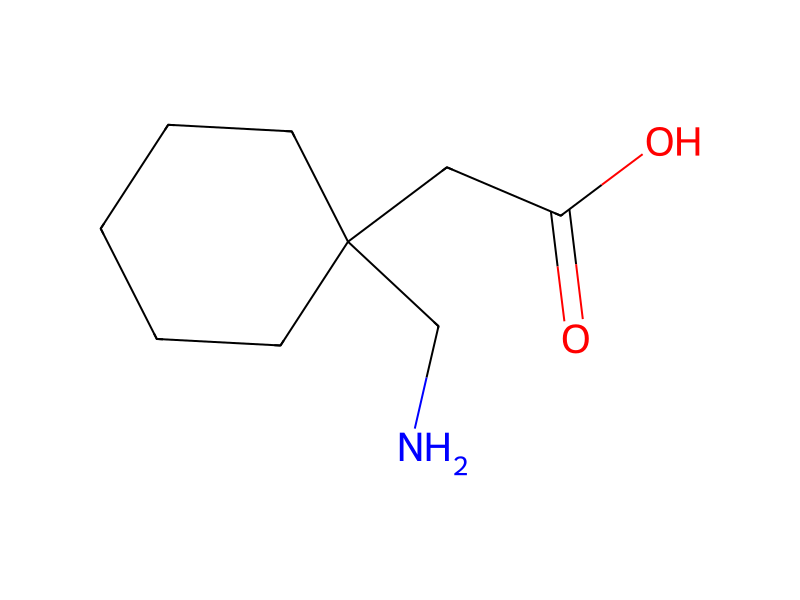
Basic information
- Standard SMILES
NCC1(CC(=O)O)CCCCC1- InChIKey
UGJMXCAKCUNAIE-UHFFFAOYSA-N- Molecular formula
- C9H17NO2
- Average molar mass
- 171.24 g/mol
- Monoisotopic mass
- 171.12592878
Overview
Gabapentin is a gamma-amino acid that is cyclohexane substituted at position 1 by aminomethyl and carboxymethyl groups. Used for treatment of neuropathic pain and restless legs syndrome. It has a role as an anticonvulsant, a xenobiotic, a calcium channel blocker and an environmental contaminant. It is functionally related to a gamma-aminobutyric acid.
Names & identifiers
- Preferred name
- Gabapentin
- IUPAC
- 2-[1-(aminomethyl)cyclohexyl]acetic acid
- English name
- Gabapentin
- Molecular formula
- C9H17NO2
- Molecular weight
- 171.24
Names & synonyms
gabapentin60142-96-3Neurontin1-(Aminomethyl)cyclohexaneacetic acidGabapentine2-[1-(aminomethyl)cyclohexyl]acetic acidAcloniumGabapetinGabapentinumgabapentinaGabapentinoGralise
Show more names
GABAPENTIN HYDROCHLORIDE1-(Aminomethyl)-cyclohexaneacetic acid, NeurontinGabapentin APIci945go3450
Cyclohexaneacetic acid, 1-(aminomethyl)-Goe-3450Fanatrex2-(1-(aminomethyl)cyclohexyl)acetic acidCI-945Go 3450DM-1796GOE 2450
Database identifiers
- CAS
60142-96-3- PubChem CID
- 3446
- DTXSID
DTXSID0020074- ChEMBL
CHEMBL940- ChEBI
CHEBI:42797- UNII
- 6CW7F3G59X
- EC Number
- 262-076-3
- Nikkaji
- J39.388F
Properties
Computed structural properties
- XLogP
- -1.1
- Topological polar surface area
- 63.3 Ų
- Hydrogen bond donors
- 2
- Hydrogen bond acceptors
- 3
- Rotatable bonds
- 3
- Heavy atoms
- 12
- Formal charge
- 0
- Complexity
- 162
Experimental & physicochemical properties
Chemical ClassesPharmaceutical
Drugs
Pharmaceuticals -> Used in Switzerland
Pharmaceutical
Pharmaceuticals -> Listed in ZINC15
Pharmaceuticals
Pharmaceuticals -> Antiepileptic
LogP
log Kow = -1.10
-1.10
TasteBitter
Color/FormWhite to off-white crystalline solid; crystals from ethanol/ether
Solubility
>100mg/mL
In water, 4.49X10+3 mg/L at 25 °C
Freely soluble in water
Freely soluble in alkaline and acidic solutions
>25.7 [ug/mL] (The mean of the results at pH 7.4)
Human Drugs
Breast Feeding; Lactation; Milk, Human; Anticonvulsants; Antimanic Agents; GABA Agents
FDA approved drugs -> Active ingredient
FDA approved drugs -> Active ingredient
Pharmaceuticals
DecompositionHazardous decomposition products formed under fire conditions - Carbon oxides, nitrogen oxides (NOx).
Melting Point
162-166 °C; also reported as 165-167 °C
165 - 167 °C
Physical DescriptionSolid
Stability/Shelf LifeStable under recommended storage conditions.
Dissociation Constants
3.7
pKa1 = 3.68 at 25 °C (carboxylic acid); pKa2 = 10.70 (primary amine)
Physicochemical properties
- Melting point
- 162 °C · 162°C
- Boiling point
- 314.4 · 314.4±15.0 °C(Predicted)
- Density
- 1.058 · 1.058±0.06 g/cm3(Predicted)
- Flash point
- 9 ℃ · 9℃
- storage temp.
- 2 · 2-8°C
- solubility
- 2 O: · H2O: 10 mg/mL
- form
- solid
- pka
- 1 · pKa1 (25°) 3.68; pKa2 10.70
- color
- off-white
- Water Solubility
- 100 mM · water: 100mM
- Merck
- 14 · 14,4319
- BRN
- 2359739 · 2359739
- BCS Class
- 3 · 3
- Stability
- 1 year · Stable for 1 year from date of purchase as supplied. Solutions in distilled water may be stored at -20°C for up to 3 months.
- Major Application
- pharmaceutical (small molecule)
- InChI
- 1S/C9H17NO2/c10-7-9(6-8(11)12)4-2-1-3-5-9/h1-7,10H2,(H,11,12)
- InChIKey
- UGJMXCAKCUNAIE-UHFFFAOYSA-N
- SMILES
- NCC1(CCCCC1)CC(O)=O
- CAS DataBase Reference
- 60142 · 60142-96-3(CAS DataBase Reference)
- EWG's Food Scores
- 1 · 1
- NCI Dictionary of Cancer Terms
- gabapentin
- FDA UNII
- 6 CW7F3G59X · 6CW7F3G59X
- NCI Drug Dictionary
- gabapentin
- ATC code
- 3 AX12 · N03AX12
- EPA Substance Registry System
- 1 · Cyclohexaneacetic acid, 1-(aminomethyl)- (60142-96-3)
- UNSPSC Code
- 41116107 · 41116107
- NACRES
- 77 · NA.77
- Protein binding
- 3 % · <3%
- Excreted unchanged in urine
- 100 % · ≈100%
- Volume of distribution
- 0.7 · 0.7(L/kg)
- Biological half-life
- 5 · 5-7 / 52
- Symbol(GHS)
- 7 · GHS07,GHS08,GHS02,GHS06
- Signal word
- Danger
- Hazard statements
- 225 · H225-H301+H311+H331-H370-H315-H319-H335-H360
- Precautionary statements
- 210 · P210-P260-P280-P301+P310-P311-P302+P352+P312-P304+P340+P312-P370+P378-P403+P235-P201-P305+P351+P338-P308+P313-P261
- target organs
- Eyes,Central nervous system
- Hazard Codes
- T,Xi,F
- Risk Statements
- 61 · 61-36/37/38-39/23/24/25-23/24/25-11
- Safety Statements
- 53 · 53-26-36/37/39-45-36-36/37-16
- RIDADR
- 3259 · UN3259
- WGK Germany
- 3 · 3
- RTECS
- 6496000 · GU6496000
- HazardClass
- IRRITANT
- HS Code
- 29224999 · 29224999
- Storage Class
- 3 · 3 - Flammable liquids
- Hazard Classifications
- 3 DermalAcute · Acute Tox. 3 DermalAcute Tox. 3 InhalationAcute Tox. 3 OralFlam. Liq. 2STOT SE 1
- Hazardous Substances Data
- 60142 · 60142-96-3(Hazardous Substances Data)
- Limited Quantities
- 5 kg · 5.0 kg (11 lbs) (solid)
- Excepted Quantities
- Max Inner Pack (30g or 30ml) and Max Outer Pack (1Kg or 1L)
Safety & regulation
GHS classification
GHS Classification
This chemical does not meet GHS hazard criteria for 30.8% (32 of 104) of reports.
Danger
H315 (57.7%): Causes skin irritation [Warning Skin corrosion/irritation]
P203, P261, P264, P264+P265, P271, P280, P302+P352, P304+P340, P305+P351+P338, P318, P319, P321, P332+P317, P337+P317, P362+P364, P403+P233, P405, and P501 (click each P-code to see the statement)
Aggregated GHS information provided per 104 reports by companies from 23 notifications to the ECHA C&L Inventory. Each notification may be associated with multiple companies.
Danger
Hazard information
Regulatory InformationGabapentin: Does not have an individual approval but may be used under an appropriate group standard
FDA Requirements
The Approved Drug Products with Therapeutic Equivalence Evaluations identifies currently marketed prescription drug products, including gabapentin, approved on the basis of safety and effectiveness by FDA under sections 505 of the Federal Food, Drug, and Cosmetic Act.
The Approved Drug Products with Therapeutic Equivalence Evaluations identifies currently marketed prescription drug products, including gabapentin enacarbil, approved on the basis of safety and effectiveness by FDA under sections 505 of the Federal Food, Drug, and Cosmetic Act. /Gabapentin enacarbil/
Hazard Classes and CategoriesSkin Irrit. 2 (57.7%)
Hazardous Reactivities and IncompatibilitiesIncompatible materials: Strong oxidizing agents.
Safety & protection
Fire Fighting Procedures
Suitable extinguishing media: Use water spray, alcohol-resistant foam, dry chemical or carbon dioxide.
Advice for firefighters: Wear self-contained breathing apparatus for firefighting if necessary.
Storage Conditions
Keep container tightly closed in a dry and well-ventilated place.
Store Neurontin Tablets and Capsules at 25 °C (77 °F); excursions permitted between 15 °C to 30 °C (59 °F to 86 °F) [see USP Controlled Room Temperature]. Store Neurontin Oral Solution refrigerated, 2 °C to 8 °C (36 °F to 46 °F).
Cleanup Methods
ACCIDENTAL RELEASE MEASURES: Personal precautions, protective equipment and emergency procedures: Use personal protective equipment. Avoid dust formation. Avoid breathing vapors, mist or gas. Ensure adequate ventilation. Evacuate personnel to safe areas. Avoid breathing dust. Environmental precautions: Prevent further leakage or spillage if safe to do so. Do not let product enter drains. Methods and materials for containment and cleaning up: Pick up and arrange disposal without creating dust. Sweep up and shovel. Keep in suitable, closed containers for disposal.
Disposal Methods
SRP: Expired or waste pharmaceuticals shall carefully take into consideration applicable DEA, EPA, and FDA regulations. It is not appropriate to dispose by flushing the pharmaceutical down the toilet or discarding to trash. If possible return the pharmaceutical to the manufacturer for proper disposal being careful to properly label and securely package the material. Alternatively, the waste pharmaceutical shall be labeled, securely packaged and transported by a state licensed medical waste contractor to dispose by burial in a licensed hazardous or toxic waste landfill or incinerator.
Product: Offer surplus and non-recyclable solutions to a licensed disposal company. Contact a licensed professional waste disposal service to dispose of this material. Dissolve or mix the material with a combustible solvent and burn in a chemical incinerator equipped with an afterburner and scrubber; Contaminated packaging: Dispose of as unused product.
Preventive Measures
ACCIDENTAL RELEASE MEASURES: Personal precautions, protective equipment and emergency procedures: Use personal protective equipment. Avoid dust formation. Avoid breathing vapors, mist or gas. Ensure adequate ventilation. Evacuate personnel to safe areas. Avoid breathing dust. Environmental precautions: Prevent further leakage or spillage if safe to do so. Do not let product enter drains.
Precautions for safe handling: Avoid contact with skin and eyes. Avoid formation of dust and aerosols. Provide appropriate exhaust ventilation at places where dust is formed. Normal measures for preventive fire protection.
Appropriate engineering controls: Handle in accordance with good industrial hygiene and safety practice. Wash hands before breaks and at the end of workday.
Gloves must be inspected prior to use. Use proper glove removal technique (without touching glove's outer surface) to avoid skin contact with this product. Dispose of contaminated gloves after use in accordance with applicable laws and good laboratory practices. Wash and dry hands.
SRP: Local exhaust ventilation should be applied wherever there is an incidence of point source emissions or dispersion of regulated contaminants in the work area. Ventilation control of the contaminant as close to its point of generation is both the most economical and safest method to minimize personnel exposure to airborne contaminants. Ensure that the local ventilation moves the contaminant away from the worker.
Personal Protective Equipment (PPE)
Eye/face protection: Safety glasses with side-shields conforming to EN166. Use equipment for eye protection tested and approved under appropriate government standards such as NIOSH (US) or EN 166(EU).
Skin protection: Handle with gloves.
Body Protection: Impervious clothing. The type of protective equipment must be selected according to the concentration and amount of the dangerous substance at the specific workplace.
Respiratory protection: Where risk assessment shows air-purifying respirators are appropriate use a full-face particle respirator type N100 (US) or type P3 (EN 143) respirator cartridges as a backup to engineering controls. If the respirator is the sole means of protection, use a full-face supplied air respirator. Use respirators and components tested and approved under appropriate government standards such as NIOSH (US) or CEN (EU).
Toxicology
TreatmentGabapentin can be removed by hemodialysis. (L1712)
Interactions
When gabapentin is administered with morphine, patients should be observed for signs of central nervous system (CNS) depression, such as somnolence, sedation and respiratory depression
Coadministration of Neurontin with hydrocodone decreases hydrocodone exposure. The potential for alteration in hydrocodone exposure and effect should be considered when Neurontin is started or discontinued in a patient taking hydrocodone.
The mean bioavailability of gabapentin was reduced by about 20% with concomitant use of an antacid (Maalox) containing magnesium and aluminum hydroxides. It is recommended that gabapentin be taken at least 2 hours following Maalox administration.
Concomitant use of alcohol or other drugs that can cause sedation or dizziness can potentiate the CNS effects of gabapentin and generally should be avoided. In addition, alcohol can increase the rate of drug release from gabapentin enacarbil extended-release tablets and should be avoided in patients receiving this formulation. Concomitant use of opiate analgesics in patients receiving gabapentin may result in increased plasma concentrations of gabapentin and increase the risk of adverse CNS effects and respiratory depression; dosage adjustments may be required with such concomitant use.
Health EffectsMay cause a potentially dangerous rash that may develop into Stevens Johnson syndrome, an extremely rare but potentially fatal skin disease.
Hepatotoxicity
Limited data are available on the hepatotoxicity of gabapentin. In clinical trials in diabetic neuropathy and epilepsy, therapy with gabapentin was not associated with an increased frequency of serum aminotransferase elevations or liver toxicity. Rare individual case reports of liver injury from gabapentin have been published, although the causal relationship of gabapentin with the liver injury was not always clear. The latency to onset in these reports was 1 to 8 weeks and associated with cholestatic pattern of enzyme elevations. Fever and rash have been described but not autoantibody formation. Reported cases have been mild to moderate in severity and self-limited in course. In view of the wide-scale use of gabapentin, liver injury with symptoms or jaundice is clearly quite rare.
Environmental Fate
TERRESTRIAL FATE: Based on a classification scheme(1), an estimated Koc value of 53(SRC), determined from a structure estimation method(2), indicates that gabapentin is expected to have high mobility in soil(SRC). Experimental pKa values for gabapentin are 3.68 (carboxylic acid) and 10.70 (primary amine)(3), indicating that this compound will exist primarily as a zwitterion in the environment. Volatilization of gabapentin from moist soil surfaces is not expected to be an important fate process(SRC) since ionic compounds do not volatilize. Gabapentin is not expected to volatilize from dry soil surfaces(SRC) based upon an estimated vapor pressure of 2.9X10⁻¹⁰ mm Hg at 25 °C(SRC), determined from a fragment constant method(2). Using the Closed Bottle test, gabapentin was classified as not readily biodegradable(4), indicating that biodegradation is not an important environmental fate process in soil(SRC).
AQUATIC FATE: Based on a classification scheme(1), an estimated Koc value of 53(SRC), determined from a structure estimation method(2), indicates that gabapentin is not expected to adsorb to suspended solids and sediment(SRC). Experimental pKa values for gabapentin are 3.68 (carboxylic acid) 10.70 (primary amine)(3), indicating that this compound will exist primarily as a zwitterion in the environment. Therefore, vcolatilization from water surfaces is not expected(SRC) since ionic compounds do not volatilize. According to a classification scheme(4), an estimated BCF of 3(SRC), from its log Kow of -1.10(5) and a regression-derived equation(2), suggests the potential for bioconcentration in aquatic organisms is low(SRC). Using the Closed Bottle test, gabapentin was classified as not readily biodegradable(6), indicating that biodegradation is not an important environmental fate process in water(SRC).
ATMOSPHERIC FATE: According to a model of gas/particle partitioning of semivolatile organic compounds in the atmosphere(1), gabapentin, which has an estimated vapor pressure of 2.9X10⁻¹⁰ mm Hg at 25 °C((SRC), determined from a fragment constant method(2), is expected to exist solely in the particulate phase in the ambient atmosphere. Particulate-phase gabapentin may be removed from the air by wet and dry deposition(SRC). Gabapentin was 80% eliminated after 128 minutes of direct UV irradiation(4) and, therefore, may be susceptible to direct photolysis by sunlight(SRC).
Adverse EffectsGabapentin may cause certain adverse effects, which are listed below.
Exposure Routes
Oral. Rapid. Absorbed in part by the L-amino acid transport system, which is a carrier-mediated, saturable transport system; as the dose increases, bioavailability decreases. Bioavailability ranges from approximately 60% for a 900 mg dose per day to approximately 27% for a 4800 milligram dose per day. Food has a slight effect on the rate and extent of absorption of gabapentin (14% increase in AUC).
Milk ConcentrationsGabapentin is distributed into human breast milk following oral administration. A nursed infant could be exposed to a maximum dose of approximately 1 mg/kg/day.
Toxicity Summary
IDENTIFICATION AND USE: Gabapentin is an anticonvulsant structurally related to the inhibitory CNS neurotransmitter gamma-aminobutyric acid (GABA); the drug also possesses analgesic activity. Gabapentin enacarbil is a prodrug of gabapentin. Gabapentin is a white to off-white crystalline solid. Conventional (immediate-release) preparations of gabapentin are used in the management of seizure disorders and in the treatment of postherpetic neuralgia. Gabapentin enacarbil is commercially available as an extended-release tablet formulation for once-daily administration in the treatment of postherpetic neuralgia and primary restless legs syndrome. Gabapentin is also used in veterinary medicine in the treatment of seizures and as an analgesic for treating chronic pain in small animals. HUMAN EXPOSURE AND TOXICITY: Antiepileptic drugs (AEDs), including gabapentin increase the risk of suicidal thoughts or behavior in patients taking these drugs for any indication. Patients treated with any AED for any indication should be monitored for the emergence or worsening of depression, suicidal thoughts or behavior, and/or any unusual changes in mood or behavior. Gabapentin can also cause anaphylaxis and angioedema after the first dose or at any time during treatment. Signs and symptoms in reported cases have included difficulty breathing, swelling of the lips, throat, and tongue, and hypotension requiring emergency treatment. Drug Reaction with Eosinophilia and Systemic Symptoms (DRESS), also known as multiorgan hypersensitivity, has occurred with gabapentin. ANIMAL STUDIES: A lethal dose of gabapentin was not identified in mice and rats receiving single oral doses as high as 8000 mg/kg. Signs of acute toxicity in animals included ataxia, labored breathing, ptosis, sedation, hypoactivity, or excitation. Gabapentin was administered orally to mice and rats in 2-year carcinogenicity studies. No evidence of drug-related carcinogenicity was observed in mice treated at doses up to 2000 mg/kg/day. In rats, increases in the incidence of pancreatic acinar cell adenoma and carcinoma were found in male rats receiving the highest dose (2000 mg/kg), but not at doses of 250 or 1000 mg/kg/day. When pregnant mice received oral doses of gabapentin (500, 1000, or 3000 mg/kg/day) during the period of organogenesis, increased incidences of skeletal variations were observed at the two highest doses. In studies in which rats received oral doses of gabapentin (500 to 2000 mg/kg/day), during pregnancy, increased incidences of hydroureter and/or hydronephrosis were observed at all doses. Likewise, when pregnant rabbits were treated with gabapentin during the period of organogenesis, an increase in embryo-fetal mortality was observed at all doses tested (60, 300, or 1500 mg/kg). Gabapentin did not demonstrate mutagenic or genotoxic potential in several in vitro and in vivo assays. It was negative in the Ames test and the in vitro HGPRT forward mutation assay in Chinese hamster lung cells; it did not produce significant increases in chromosomal aberrations in the in vitro Chinese hamster lung cell assay; it was negative in the in vivo chromosomal aberration assay and in the in vivo micronucleus test in Chinese hamster bone marrow; it was negative in the in vivo mouse micronucleus assay; and it did not induce unscheduled DNA synthesis in hepatocytes from rats given gabapentin.
At the federal level, gabapentin is not classified as a controlled substance, is regarded as a non-addictive medication, and is recognized by the Centers for Disease Control and Prevention (CDC) as a potential substitute for opioids in managing chronic pain. However, growing concerns about the potential for misuse are increasing. Several US states have moved gabapentin to the Schedule V controlled substance category. Gabapentin does not have a high risk of an overdose but can increase the euphoria caused by opioids and reduce drug withdrawals. An Australian study examined fatal gabapentinoid-related poisoning and discovered that concomitant other drug use is almost universal in such cases. Furthermore, gabapentin can bypass the blocking effects of addiction treatment medications and, unfortunately, does not appear in urine drug tests.
Gabapentin interacts with cortical neurons at auxillary subunits of voltage-sensitive calcium channels. Gabapentin increases the synaptic concentration of GABA, enhances GABA responses at non-synaptic sites in neuronal tissues, and reduces the release of mono-amine neurotransmitters. One of the mechanisms implicated in this effect of gabapentin is the reduction of the axon excitability measured as an amplitude change of the presynaptic fibre volley (FV) in the CA1 area of the hippocampus. This is mediated through its binding to presynaptic NMDA receptors. Other studies have shown that the antihyperalgesic and antiallodynic effects of gabapentin are mediated by the descending noradrenergic system, resulting in the activation of spinal alpha2-adrenergic receptors. Gabapentin has also been shown to bind and activate the adenosine A1 receptor.
Signs and SymptomsSymptoms of overdose include ataxia, labored breathing, ptosis, sedation, hypoactivity, and excitation.
Ongoing Test Status
EPA has released the Interactive Chemical Safety for Sustainability (iCSS) Dashboard. The iCSS Dashboard provides an interactive tool to explore rapid, automated (or in vitro high-throughput) chemical screening data generated by the Toxicity Forecaster (ToxCast) project and the federal Toxicity Testing in the 21st century (Tox21) collaboration. /The title compound was tested by ToxCast and/or Tox21 assays/[USEPA; ICSS Dashboard Application; Available from, as of October 28, 2016: http://actor.epa.gov/dashboard/]
Effluent Concentrations
Based on an annual consumption of 4278.99 kg/yr, the estimated gabapentin elimination from primary and secondary treatment processes was 0.25 and 99%, respectively, from wastewater facilities in Spain in 2009, giving a predicted environmental occurrence of 41.62 ng/L(1). The compound was detected at a range of 15,034-18,474, 2592-21,417 and <0.6-1,879 ng/L in influent, final effluent and surface waters, respectively, in the UK(2).
Regulatory information
FDA Requirements
The Approved Drug Products with Therapeutic Equivalence Evaluations identifies currently marketed prescription drug products, including gabapentin, approved on the basis of safety and effectiveness by FDA under sections 505 of the Federal Food, Drug, and Cosmetic Act.
The Approved Drug Products with Therapeutic Equivalence Evaluations identifies currently marketed prescription drug products, including gabapentin enacarbil, approved on the basis of safety and effectiveness by FDA under sections 505 of the Federal Food, Drug, and Cosmetic Act. /Gabapentin enacarbil/
Safety data
- wgk
- 3
- rtecs
- GU6496000
- ridadr
- UN3259
- hs_code
- 29224999
- risk_code
- 61-36/37/38-39/23/24/25-23/24/25-11
- Signal word
- Danger
- Symbol(GHS)
- GHS07,GHS08,GHS02,GHS06
- hazard_code
- T,Xi,F
- safety_code
- 53-26-36/37/39-45-36-36/37-16
- hazard_class
- IRRITANT
- Storage Class
- 3 - Flammable liquids
- target organs
- Eyes,Central nervous system
- Hazard statements
- H225-H301+H311+H331-H370-H315-H319-H335-H360
- Limited Quantities
- 5.0 kg (11 lbs) (solid)
- Excepted Quantities
- Max Inner Pack (30g or 30ml) and Max Outer Pack (1Kg or 1L)
- Hazard Classifications
- Acute Tox. 3 DermalAcute Tox. 3 InhalationAcute Tox. 3 OralFlam. Liq. 2STOT SE 1
- Precautionary statements
- P210-P260-P280-P301+P310-P311-P302+P352+P312-P304+P340+P312-P370+P378-P403+P235-P201-P305+P351+P338-P308+P313-P261
- Hazardous Substances Data
- 60142-96-3(Hazardous Substances Data)
Chemistry & industry
Pharmacology
ATC Code
N03AX12
N03AX12
N - Nervous system
QN - Nervous system
Protein BindingLess than 3% of an orally administered dose of gabapentin is bound to plasma proteins.
Pharmacodynamics
Gabapentin is an anti-convulsant medication that inhibits the release of excitatory neurotransmitters, allowing for its use against pathologic neurotransmission such as that seen in neuropathic pain and seizure disorders. It has a wide therapeutic index, with doses in excess of 8000 mg/kg failing to cause a fatal reaction in rats. Gabapentin is ineffective in absence seizures and should be used in caution in patients with mixed seizure disorders involving absence seizures. Gabapentin has been associated with drug reaction with eosinophilia and systemic symptoms (DRESS), otherwise known as multi-organ hypersensitivity. This reaction can prove fatal and early symptoms such as fever, lymphadenopathy, and rash should be promptly investigated.
Mechanism of Action
The precise mechanism through which gabapentin exerts its therapeutic effects is unclear. The primary mode of action appears to be at the auxillary α2δ-1 subunit of voltage-gated calcium channels (though a low affinity for the α2δ-2 subunit has also been reported). The major function of these subunits is to facilitate the movement of pore-forming α1 subunits of calcium channels from the endoplasmic reticulum to the cell membrane of pre-synaptic neurons. There is evidence that chronic pain states can cause an increase in the expression of α2δ subunits and that these changes correlate with hyperalgesia. Gabapentin appears to inhibit the action of α2δ-1 subunits, thus decreasing the density of pre-synaptic voltage-gated calcium channels and subsequent release of excitatory neurotransmitters. It is likely that this inhibition is also responsible for the anti-epileptic action of gabapentin. There is some evidence that gabapentin also acts on adenosine receptors and voltage-gated potassium channels, though the clinical relevance of its action at these sites is unclear.
Although the exact mechanism by which gabapentin exerts its analgesic effects is not known, the drug has been shown to prevent allodynia (pain-related behavior in response to normally innocuous stimuli) and hyperalgesia (exaggerated response to painful stimuli) in several models of neuropathic pain. Gabapentin also has been shown to decrease pain-related responses after peripheral inflammation in animals; however, the drug has not altered immediate pain-related behaviors. The clinical relevance of these findings is not known. In vitro studies demonstrate that gabapentin binds to the alpha2delta subunit of voltage-activated calcium channels; however, the clinical importance of this effect is not known.
Gabapentin is an anticonvulsant agent structurally related to the inhibitory CNS neurotransmitter gamma-aminobutyric acid (GABA). Gabapentin enacarbil is a prodrug of gabapentin that is rapidly converted to gabapentin following oral administration; the therapeutic effects of gabapentin enacarbil are attributed to gabapentin. Although gabapentin was developed as a structural analog of GABA that would penetrate the blood-brain barrier (unlike GABA) and mimic the action of GABA at inhibitory neuronal synapses, the drug has no direct GABA-mimetic action and its precise mechanism of action has not been elucidated.
Results of some studies in animals indicate that gabapentin protects against seizure and/or tonic extensions induced by the GABA antagonists picrotoxin and bicuculline or by GABA synthesis inhibitors (e.g., 3-mercaptopropionic acid, isonicotinic acid, semicarbazide). However, gabapentin does not appear to bind to GABA receptors nor affect GABA reuptake or metabolism and does not act as a precursor of GABA or of other substances active at GABA receptors. Gabapentin also has no affinity for binding sites on common neuroreceptors (e.g., benzodiazepine; glutamate; quisqualate; kainate; strychnine-insensitive or -sensitive glycine; alpha1-, alpha2-, or beta-adrenergic; adenosine A1 or A2; cholinergic [muscarinic or nicotinic]; dopamine D1 or D2; histamine H1; type 1 or 2 serotonergic [5-HT1 or 5-HT2]; opiate mc, delta, or k) or ion channels (e.g., voltage-sensitive calcium channel sites labeled with nitrendipine or diltiazem, voltage-sensitive sodium channel sites labeled with batrachotoxinin A 20alpha-benzoate). Conflicting results have been reported in studies of gabapentin affinity for and activity at N-methyl-d-aspartic acid (NMDA) receptors.
Currently, the clinical management of visceral pain remains unsatisfactory for many patients suffering from this disease. While preliminary animal studies have suggested the effectiveness of gabapentin in successfully treating visceral pain, the mechanism underlying its analgesic effect remains unclear. Evidence from other studies has demonstrated the involvement of protein kinase C (PKC) and extracellular signal-regulated kinase1/2 (ERK1/2) in the pathogenesis of visceral inflammatory pain. In this study, we tested the hypothesis that gabapentin produces analgesia for visceral inflammatory pain through its inhibitory effect on the PKC-ERK1/2 signaling pathway. Intracolonic injections of formalin were performed in rats to produce colitis pain. Our results showed that visceral pain behaviors in these rats decreased after intraperitoneal injection of gabapentin. These behaviors were also reduced by intrathecal injections of the PKC inhibitor, H-7, and the ERK1/2 inhibitor, PD98059. Neuronal firing of wide dynamic range neurons in L6-S1 of the rat spinal cord dorsal horn were significantly increased after intracolonic injection of formalin. This increased firing rate was inhibited by intraperitoneal injection of gabapentin and both the individual and combined intrathecal application of H-7 and PD98059. Western blot analysis also revealed that PKC membrane translocation and ERK1/2 phosphorylation increased significantly following formalin injection, confirming the recruitment of PKC and ERK1/2 during visceral inflammatory pain. These effects were also significantly reduced by intraperitoneal injection of gabapentin. Therefore, we concluded that the analgesic effect of gabapentin on visceral inflammatory pain is mediated through suppression of PKC and ERK1/2 signaling pathways. Furthermore, we found that the PKC inhibitor, H-7, significantly diminished ERK1/2 phosphorylation levels, implicating the involvement of PKC and ERK1/2 in the same signaling pathway. Thus, our results suggest a novel mechanism of gabapentin-mediated analgesia for visceral inflammatory pain through a PKC-ERK1/2 signaling pathway that may be a future therapeutic target for the treatment of visceral inflammatory pain.
The gabapentinoids (pregabalin and gabapentin) are first line treatments for neuropathic pain. They exert their actions by binding to the alpha2delta (a2d) accessory subunits of voltage-gated Ca2+ channels. Because these subunits interact with critical aspects of the neurotransmitter release process, gabapentinoid binding prevents transmission in nociceptive pathways. Gabapentinoids also reduce plasma membrane expression of voltage-gated Ca2+ channels but this may have little direct bearing on their therapeutic actions. In animal models of neuropathic pain, gabapentinoids exert an anti-allodynic action within 30 minutes but most of their in vitro effects are 30-fold slower, taking at least 17 hours to develop. This difference may relate to increased levels of a2d expression in the injured nervous system. Thus, in situations where a2d is experimentally upregulated in vitro, gabapentinoids act within minutes to interrupt trafficking of a2d subunits to the plasma membrane within nerve terminals. When a2d is not up-regulated, gabapentinoids act slowly to interrupt trafficking of a2d protein from cell bodies to nerve terminals. This improved understanding of the mechanism of gabapentinoid action is related to their slowly developing actions in neuropathic pain patients, to the concept that different processes underlie the onset and maintenance of neuropathic pain and to the use of gabapentinoids in management of postsurgical pain.
Biological Half-Life
The elimination t<sub>1/2</sub> of gabapentin in patients with normal renal function is 5-7 hours. In patients with reduced renal function, the elimination t<sub>1/2</sub> may be prolonged - in patients with a creatinine clearance of <30 mL/min, the reported half-life of gabapentin was approximately 52 hours.
In dogs ... elimination half life is approximately 2-4 hours.
Gabapentin elimination half-life is 5 to 7 hours and is unaltered by dose or following multiple dosing.
In cats ... elimination half life of 2.8 hours is similar to dogs.
Metabolism/Metabolites
Gabapentin is not appreciably metabolized in humans - in humans, metabolites account for less than 1% of an administered dose, with the remainder being excreted as unchanged parent drug in the urine.
Elimination is primarily via renal routes, but gabapentin is partially metabolized bo N-methyl-gabapentin in dogs.
All pharmacological actions following gabapentin administration are due to the activity of the parent compound; gabapentin is not appreciably metabolized in humans.
All pharmacological actions following gabapentin administration are due to the activity of the parent compound; gabapentin is not appreciably metabolized in humans. Route of Elimination: Gabapentin is eliminated from the systemic circulation by renal excretion as unchanged drug. Gabapentin is not appreciably metabolized in humans. Half Life: 5-7 hours
FDA Pharmacological Classification
6CW7F3G59X
GABAPENTIN
Physiologic Effects [PE] - Decreased Central Nervous System Disorganized Electrical Activity
The physiologic effect of gabapentin is by means of Decreased Central Nervous System Disorganized Electrical Activity.
GABAPENTIN
Decreased Central Nervous System Disorganized Electrical Activity [PE]; Anti-epileptic Agent [EPC]
MeSH Pharmacological Classification
Compounds capable of relieving pain without the loss of CONSCIOUSNESS.
Drugs used to prevent SEIZURES or reduce their severity.
Agents that alleviate ANXIETY, tension, and ANXIETY DISORDERS, promote sedation, and have a calming effect without affecting clarity of consciousness or neurologic conditions. ADRENERGIC BETA-ANTAGONISTS are commonly used in the symptomatic treatment of anxiety but are not included here.
Drugs that bind to but do not activate excitatory amino acid receptors, thereby blocking the actions of agonists.
Agents that are used to treat bipolar disorders or mania associated with other affective disorders.
Absorption, Distribution and Excretion
Absorption of gabapentin is thought to occur solely via facilitated transport by the LAT1 transporter within the intestines. As this process is saturable, the oral bioavailability of gabapentin is inversely proportional to the administered dose - the oral bioavailability of a 900mg/day regimen is approximately 60%, whereas a 4800mg/day regimen results in only 27% bioavailability. The Tmax of gabapentin has been estimated to be 2-3 hours. Food has no appreciable effect on gabapentin absorption.
Gabapentin is eliminated solely in the urine as unchanged drug. Cimetidine, an inhibitor of renal tubular secretion, reduces clearance by approximately 12%, suggesting that some degree of tubular secretion is involved in the renal elimination of gabapentin.
The apparent volume of distribution of gabapentin after IV administration is 58±6 L. The drug is found in the CSF in concentrations approximately 9-20% of the corresponding plasma concentrations and is secreted into breast milk in concentrations similar to that seen in plasma.
Both the plasma clearance and renal clearance of gabapentin are directly proportional to the patient's creatinine clearance due to its primarily renal elimination.
/MILK/ Gabapentin enters maternal milk. It has been calculated that a nursing human infant could be exposed to a maximum dosage of 1 mg/kg/day. This is 5-10% of the usual pediatric (>3 years old) therapeutic dose. In veterinary patients, this appears unlikely to be of significant clinical concern.
The pharmacokinetic properties of gabapentin vary based on the specific formulation of the drug. Following oral administration, gabapentin is absorbed principally in the proximal small intestine via a saturable L-amino acid transport system; as a result, the bioavailability of the drug decreases with increasing doses. Gabapentin gastroretentive tablets are specifically formulated to swell upon contact with gastric fluid to a size that promotes gastric retention for approximately 8-10 hours when taken with a meal; this allows for gradual and slow release of the drug to the proximal small intestine, its principal site of absorption. Following administration of gabapentin gastroretentive tablets in healthy individuals, time to peak plasma concentrations of the drug was increased (about 4-6 hours longer), peak plasma concentrations were increased, and systemic exposure was decreased relative to conventional (immediate-release) gabapentin. Gabapentin enacarbil, a prodrug of gabapentin, is rapidly and efficiently converted to gabapentin by first-pass hydrolysis following oral administration. Unlike gabapentin, gabapentin enacarbil is absorbed via high-capacity transporters throughout the GI tract and is not affected by saturable absorption; this improves bioavailability of the drug and allows for dose-proportional exposure. Food has only a minimal effect on the pharmacokinetics of conventional (immediate-release) formulations of gabapentin, but increases the bioavailability of gabapentin gastroretentive tablets. Administration of gabapentin enacarbil extended-release tablets with food also increases systemic exposure of the drug compared with exposure under fasted conditions.
Tissue LocationsBrain
Uses & manufacturing
Uses
MEDICATION (VET)
MEDICATION
Analgesics; Anti-Anxiety Agents; Anticonvulsants; Antimanic Agents; Antiparkinson Agents; Calcium Channel Blockers; Excitatory Amino Acid Antagonists
Use (kg) in Switzerland (2009): >2500
It was originally developed for the treatment of epilepsy, and currently, gabapentin is widely used to relieve pain, especially neuropathic pain. [wikipedia]. For the management of postherpetic neuralgia in adults and as adjunctive therapy in the treatment of partial seizures with and without secondary generalization in patients over 12 years of age with epilepsy.
Methods of Manufacturing
In the original synthesis (Goedecke) cyclohexenone is reacted with ethyl cyanoacetate in the presence of ammonia to yield the Guareschi salt, which is hydrolyzed and decarboxylated to give 1,1-cyclohexanediacetic acid which is transformed to the corresponding anhydride with acetic anhydride. This anhydride is treated with methanol to yield the half ester 2-[1-(methoxycarbonyl)cyclohexyl]acetic acid, which is subjected to a Curtius type rearrangement to give the isocyanate 2-[1-(isocyanatomethyl)cyclohexyl]acetic acid. The desired compound is obtained by hydrolysis of 2-[1-(isocyanatomethyl)cyclohexyl]acetic acid with HCl, followed by hydrochloric salt removal via anion exchange.
Cyclohexane-1,1-diacetic acid is monoesterified with methanol and the ester reacted with ethyl chloroformate in the presence of triethylamine followed by reaction with sodium azide to yield the 1-isocyanatomethyl derivative of the monoester. This latter compound is converted to the 1-(aminomethyl) product and the lactam, through the cyclization of the ester and the free amine. The mixture is refluxed with dilute HCl to give the product.
Preparation: G. Satzinger et al., German patent 2460891 (1976 to Godecke); eidem, United States of America patent 4024175 (1977 to Warner-Lambert).
Formulations/Preparations
Table: Gabapentin Preparations [Table#6936]
Table: Gabapentin Enacarbil Preparations [Table#6937]
Use Classification
Pharmaceuticals -> Nervous System -> Antiepileptics
Pharmaceuticals
Applications
DescriptionGabapentin is a second- generation antiepileptic drug (AED) known under the proprietary brand name of Neurontin® (Pfizer, New York, NY) in the UK and USA.
DescriptionGabapentin was introduced in 1993 in the UK and early 1994 in the USA as an adjunctive therapy in the treatment of refractory partial seizures and secondarily generalized tonic-clonic seizures. Although being a lipophilic analog of the neurotransmitter GABA, gabapentin appears to exert its anticonvulsive function by a GABA receptor independent mechanism, possibly involving the L-system amino acid transporter protein. Gabapentin easily crosses the blood brain barrier and exhibits a favorable pharmacokinetic profile with high tolerability. It does not interfere with the metabolism of other concomitant administered antiepileptic drugs, thus having a low potential for drug interactions. Studies are currently underway for the use of gabapentin as mono-therapy for the treatment of various seizures.
Descriptionγ-Aminobutyric acid (GABA) is a major inhibitory neurotransmitter that functions by binding to the GABA receptors located in the spinal cord. Gabapentin is a γ-aminobutyric acid (GABA) analogue that acts as an anticonvulsant with proven analgesic effects in various neuropathic pain syndromes such as Complex Regional Pain Syndrome type one (CRPS 1). It is also prescribed to multiple sclerosis patients to control dysesthesias and may be useful in reducing neuropathic pain caused by cancer and HIV infection. It does not bind to GABA receptors, does not influence neural uptake of GABA, and does not inhibit the GABA-metabolizing enzyme, GABA transaminase. Unlike GABA, which does not pass through the blood-brain barrier, gabapentin penetrates into the central nervous system and binds to the α2δ-type voltage-gated calcium channels. The mechanism for the analgesic and anticonvulsant effects of gabapentin are not known.
HistoryGabapentin is a pharmacologically active amino acid, discovered by the pharmaceutical company Parke-Davis, now owned by Warner-Lambert, a division of Pfizer in 1974. Although it was first approved as a treatment for partial seizures in 1993, Pfizer pleaded guilty to illegally marketing gabapentin for unapproved uses in 2004 and was heavily fined by the US Department of Justice for defrauding public health care programs. When this adjunctive use was approved by the US Food and Drug Administration (FDA) in late 1993, Warner-Lambert released gabapentin under the brand name Neurontin, expecting it to make no more than $500,000. But the 2001 sales of Neurontin raked in $1.2 billion.
UsesGabapentin is an Amino acid structurally related to γ-Aminobutyric Acid (GABA), designed to cross the blood brain barrier. Used as an anticonvulsant.
Usesselective H1-receptor antagonist
Usesantipsychotic, 5HT2A antagonist
UsesFor the treatment of adult Restless Legs Syndrome (RLS) and postherpetic neuralgia (PHN).
General DescriptionGabapentin and its closely related analog pregabalin,(S)-3-isobutyl-GABA, are broad-spectrum anticonvulsantswith multiple mechanisms of action.24,51 Inaddition to modulating calcium influx and stimulateGABA biosynthesis as discussed earlier, they also competefor the biosynthesis of L-glutamic acid because oftheir structural similarity to L-leucine.51 Gabapentin andpregabalin have very little liability for causing metabolicbaseddrug–drug interactions, particularly when used incombination with other AEDs because they are not metabolizedin humans. More than 95% of the drug is excretedunchanged through the kidneys. However, there are somedifferences in their bioavailability. Unlike gabapentin,which exhibits 60% bioavailability when given in lowdoses because of intestinal uptake by a saturable smallneutral L-amino acid transporter, the absorption of pregabalinis almost complete (98%) and exhibits an ideal linear pharmacokinetic profile.24 This high bioavailability of pregabalincan be attributed to its closer structure similarity tothe essential amino acid, L-leucine.
Upstream & downstream products
Upstream raw materials
Suppliers50 total
国药集团化学试剂有限公司86-21-63210123 · [email protected]
北京华美互利生物化工010-56205725 · [email protected]
梯希爱(上海)化成工业发展有限公司021-67121386 · [email protected]
上海阿拉丁生化科技股份有限公司400-6206333 13167063860 · [email protected]
INTATRADE GmbH+49 3493/605464 · [email protected]
韶远科技(上海)有限公司021-50795510 4000665055 · [email protected]
Jai Radhe Sales+(91)-(79)-26431096/65255722 · [email protected]
LGM Pharma1-(800)-881-8210 · [email protected]
Syntechem Co.,Ltd[email protected]
上海迈瑞尔生化科技有限公司4006356688 18621169109 · [email protected]
武汉易泰科技有限公司上海分公司18930552037 · [email protected]
太原市瑞和丰科贸有限公司+86 351 7031519 · [email protected]
安耐吉化学&3A(安徽泽升科技股份有限公司)400-0056266 · [email protected]
武汉凯威斯科技有限公司86-027-67849912 · [email protected]
Ascent Scientific4401179829988 · [email protected]
Pure Chemistry Scientific Inc.001-857-928-2050 or 1-888-588-9418 · [email protected]
MedChemexpress LLC021-58955995 · [email protected]
合肥天健化工有限公司551-65418679 15856988503;15837135945 · [email protected]
杰达维(上海)医药科技发展有限公司/J & W PharmLab021-64340559 · [email protected]
孝感深远化工有限公司15527621225; 15527621225 · [email protected]
四川库利南科技有限公司400-1166-196 18981987031 · [email protected]
济南健丰化工有限公司0531-88110457; 18954159893
湖北恒化科技有限公司18064208139 · [email protected]
斯百全化学(上海)有限公司021-021-021-67601398-809-809-809 15221380277 · [email protected]
武汉海正工贸发展有限公司027-8866 0053/88660577/88660578
上海源叶生物科技有限公司13636370518 · [email protected]
上海思域化工科技有限公司86-21-34053660 · [email protected]
上海特伯化学科技有限公司+86-21-60341587 · [email protected]
AdooQ BioScience, LLC+1 (866) 930-6790 · [email protected]
江苏艾康生物医药研发有限公司025-66113011 13913916777 · [email protected]
TCI AMERICA800-4238616 · [email protected]
TOKYO CHEMICAL INDUSTRY CO., LTD.03-36680489 · [email protected]
TCI Europe320-37350700 · [email protected]
上海贤鼎生物科技有限公司4009209199 · [email protected]
深圳振强药物研发有限公司0755-66853366 13670046396 · [email protected]
广州爱纯医药科技有限公司020-39119399 18927568969 · [email protected]
南京生利德生物科技有限公司025-57798810 18652991625 · [email protected]
上海汇凯化学科技有限公司021-61995394 18916691159 · [email protected]
苏州爱玛特生物科技有限公司0512-56316828 4008675858 · [email protected]
湖北鑫源顺医药化工有限公司13971561712, 13995564702, 027-50664929 · [email protected]
上海贺康生物技术有限公司17721021104 18939837085 · [email protected]
HBCChem, Inc.+1-510-219-6317 · [email protected]
上海石洋化工有限公司021-56795766 · [email protected]
湖南华腾制药有限公司400-8592883 · [email protected]
常州搏仁化学科技有限公司0519-82085178 13861172460 · [email protected]
上海御略医药科技有限公司021-60345187 13671753212 · [email protected]
上海永叶生物科技有限公司86-021-61559134 15921386130 · [email protected]
南京百鑫德诺生物科技有限公司025-58849295 · [email protected]
上海孚一生物科技有限公司+86 (21) 61124340
凯试(上海)科技有限公司021-50135380 · [email protected]
Additional notes
DefinitionChEBI: Gabapentin is a gamma-amino acid that is cyclohexane substituted at position 1 by aminomethyl and carboxymethyl groups. Used for treatment of neuropathic pain and restless legs syndrome. It has a role as an anticonvulsant, a calcium channel blocker, an environmental contaminant and a xenobiotic. It is functionally related to a gamma-aminobutyric acid.
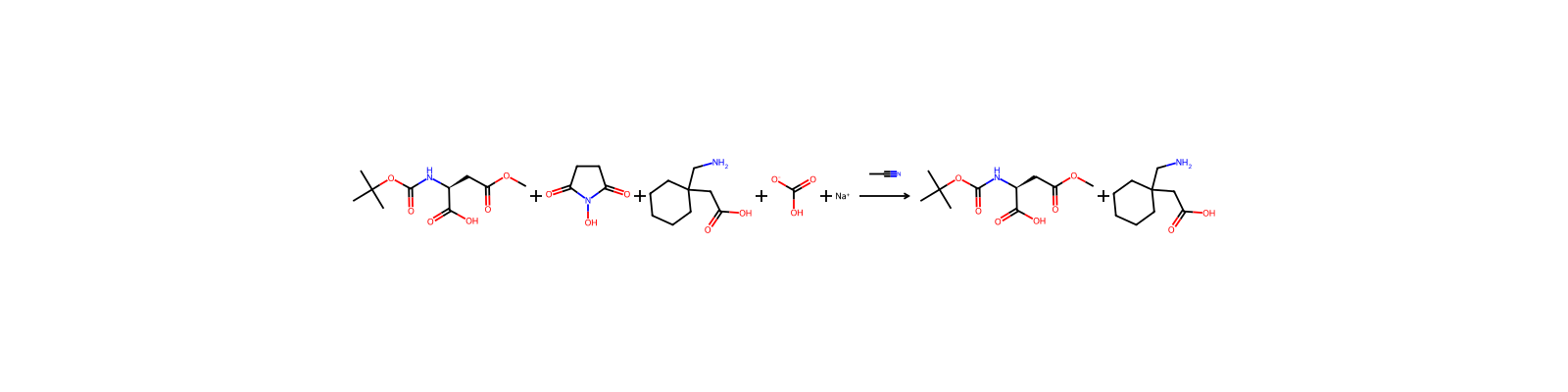
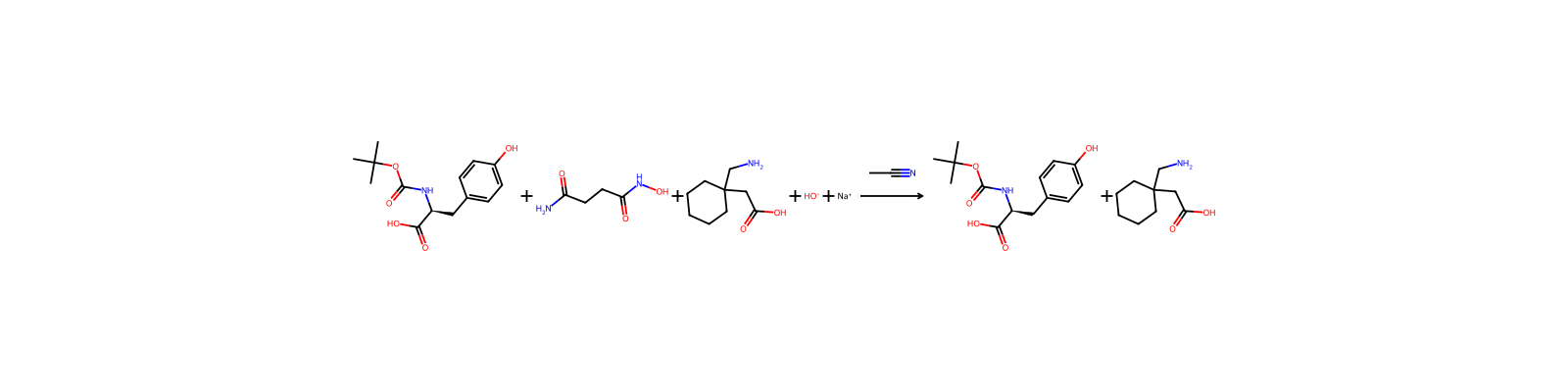
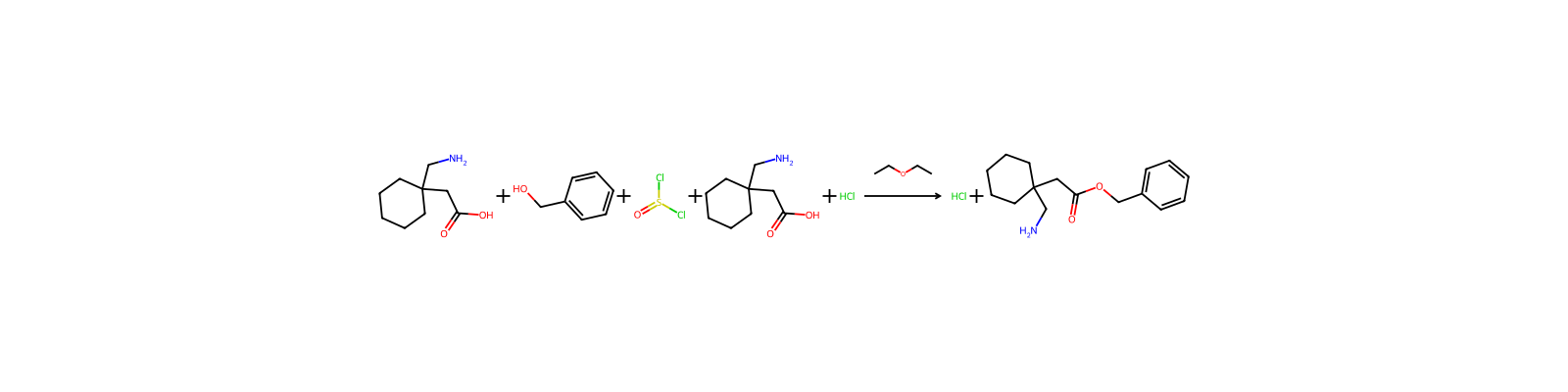
Related reactions
127 records
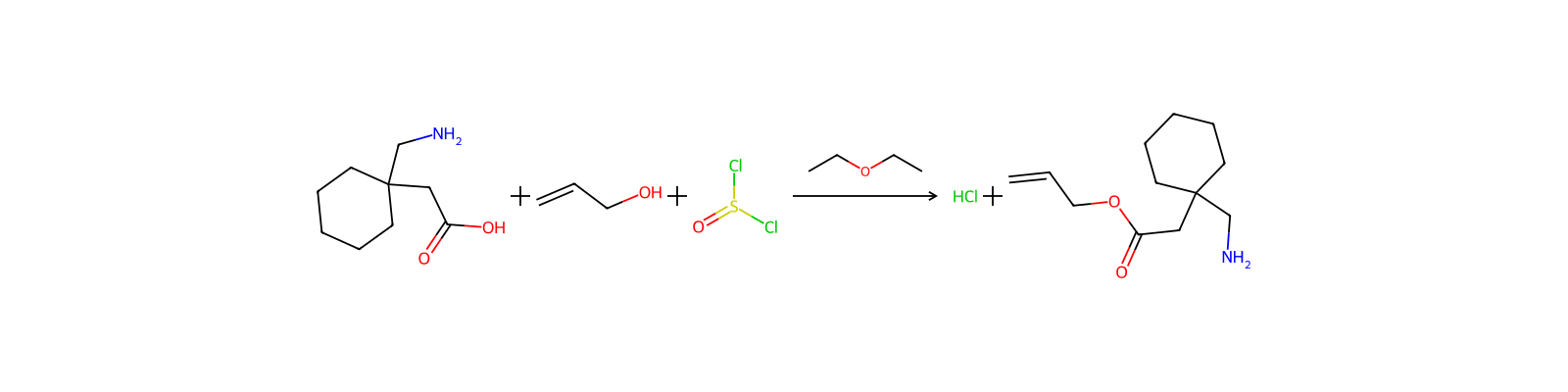

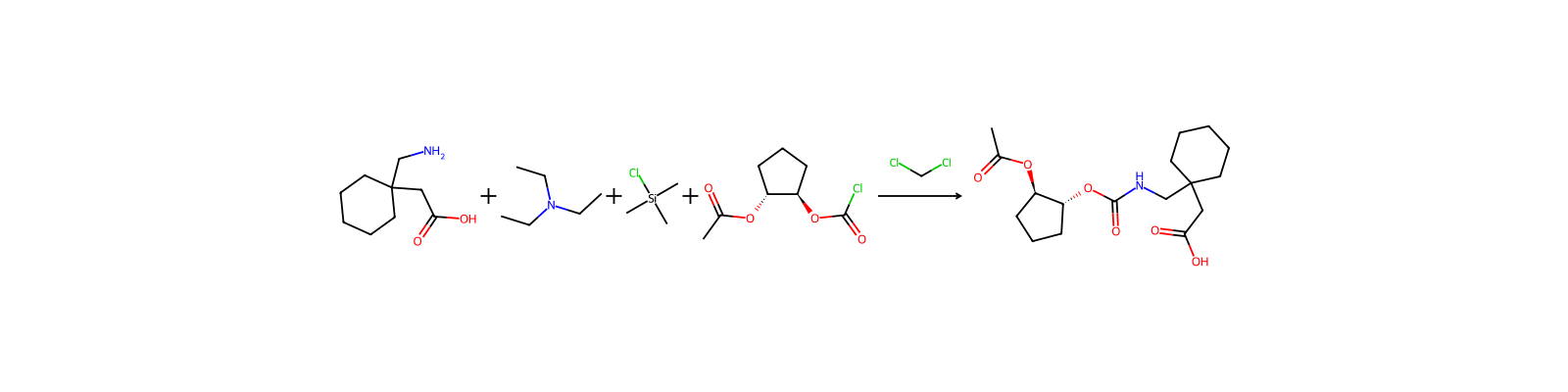
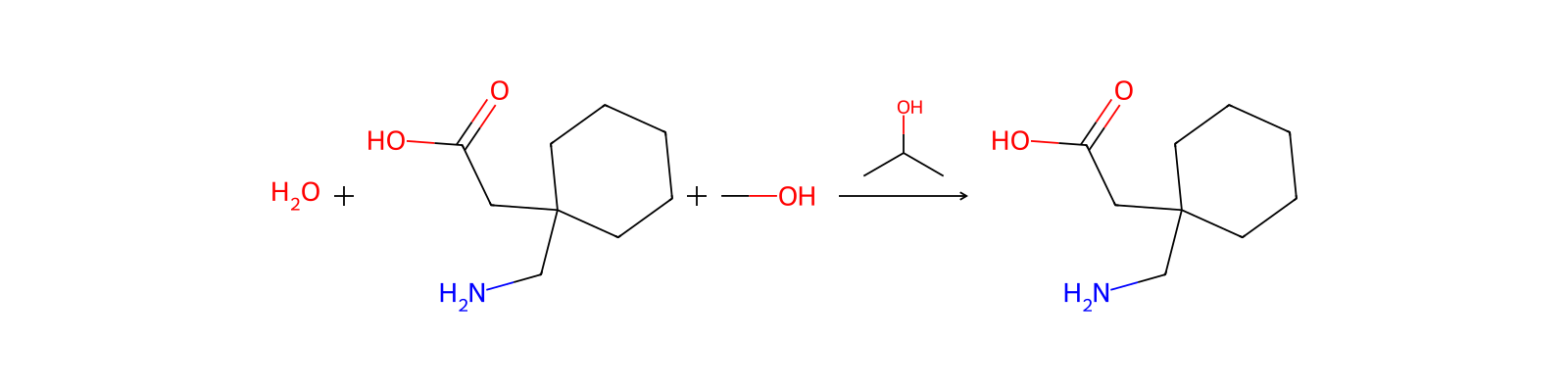

Linked notes
Loading…