

Basic information
- Standard SMILES
CC(C)O- InChIKey
KFZMGEQAYNKOFK-UHFFFAOYSA-N- Molecular formula
- C3H8O
- Average molar mass
- 60.1 g/mol
- Monoisotopic mass
- 60.05751488
Overview
Volatile, colorless liquid with a sharp musty odor like rubbing alcohol. Flash point of 53 °F. Vapors are heavier than air and mildly irritating to the eyes, nose, and throat. Density approximately 6.5 lb / gal. Used in making cosmetics, skin and hair preparations, pharmaceuticals, perfumes, lacquer formulations, dye solutions, antifreezes, soaps, window cleaners. Sold in 70% aqueous solution as rubbing alcohol.
Names & identifiers
- Preferred name
- Isopropanol
- IUPAC
- propan-2-ol
- English name
- Isopropyl alcohol
- Molecular formula
- C3H8O
- Molecular weight
- 60.1
Names & synonyms
Isopropyl alcoholisopropanol2-PropanolPropan-2-ol67-63-02-HydroxypropaneDimethylcarbinolsec-Propyl alcoholAlkolaveAvantineHartosolPetrohol
Show more names
IPAi-PrOHiPrOHPropanol-22-PROPANOL (IPA)lsopropanol67-73-0
i-Propanol1-MethylethanolTakineocolAlcojelAvantin2-Propyl alcoholAlcoloIsohol
Database identifiers
- CAS
67-63-0- PubChem CID
- 3776
- DTXSID
DTXSID7020762- ChEMBL
CHEMBL582- ChEBI
CHEBI:17824- UNII
- ND2M416302
- EC Number
- 200-661-7
- Nikkaji
- J1.411G
Properties
Computed structural properties
- XLogP
- 0.3
- Topological polar surface area
- 20.2 Ų
- Hydrogen bond donors
- 1
- Hydrogen bond acceptors
- 1
- Rotatable bonds
- 0
- Heavy atoms
- 4
- Formal charge
- 0
- Complexity
- 10.8
Experimental & physicochemical properties
Chemical Classes
Flammable agents - 3rd degree
Volatile Organic Compound (VOC)
DrugsPharmaceuticals -> Listed in ZINC15
SolventsSolvents -> Alcohols (<C12)
Cosmetics
Cosmetics ingredient -> Bulking/Viscosity; Colorant; Flavor; Fragrance; Other (Specify); Solvent
Cosmetic ingredients (Isopropyl Alcohol) -> CIR (Cosmetic Ingredient Review)
Viscosity controlling; Solvent; Antifoaming
SpringerMaterials PropertiesCoriolis coupling
FragrancesFragrance Ingredient (Isopropyl alcohol) -> IFRA transparency List
Pesticides
Agrochemicals -> Pesticide active substances
Active substance -> EU Pesticides database: Not approved
LogP
log Kow = 0.05
0.05
0.05
Odor
Pleasant odor
Slight odor resembling that of a mixture of ethanol and acetone
Odor of rubbing alcohol
Taste
Slightly bitter taste
Burning taste
Food AdditivesFLAVOR ENHANCER, FLAVORING AGENT OR ADJUVANT, SOLVENT OR VEHICLE -> FDA Substance added to food
Density
0.785 at 68 °F (USCG, 1999) - Less dense than water; will float
0.78509 at 25 °C
Freezing point -89.5 °C; forms azeotrope with water (bp 80.37 °C, 760 mm Hg, density 0.83361 at 0 °C/4 °C) /Isopropanol 87.7% (wt/wt)/
% in saturated air: 5.8 (25 °C); density of saturated air: 1.06 (Air = 1); 1 mg/L = 408 ppm and 1 ppm = 2.45 mg/cu m at 25 °C, 760 mm Hg
Coefficient of expansion: 0.00107 per °C; density correction: 0.00082 per °C
Liquid heat capacity: 0.605 BTU/lb-F at 70 °F; Liquid thermal conductivity: 0.937 BTU-in/hr-sq ft-F at 70 °F; Saturated vapor density: 0.00717 lb/cu ft at 70 °F; Ideal gas heat capacity: 0.352 BTU/lb-F at 75 °F
Physicochemical properties
- Melting point
- -89.5 °C · -89.5 °C
- Boiling point
- 82 °C · 82 °C(lit.)
- Density
- 0.785 g/mL · 0.785 g/mL at 25 °C(lit.)
- vapor density
- 2.1 · 2.1 (vs air)
- vapor pressure
- 33 mm · 33 mm Hg ( 20 °C)
- refractive index
- 20 · n20/D 1.377(lit.)
- FEMA
- 2929 · 2929 | ISOPROPYL ALCOHOL
- FLAVIS Number
- 2.079 · 02.079 | Isopropanol
- Flash point
- 53 °F · 53 °F
- storage temp.
- 5 °C · Store at +5°C to +30°C.
- solubility
- water: soluble (completely)
- pka
- 17.1 · 17.1(at 25℃)
- form
- Low Melting Solid
- color
- colorless
- Specific Gravity
- 0.785 · approximate 0.785(20/20℃)(Ph.Eur.)
- Relative polarity
- 0.546 · 0.546
- Odor
- Like ethyl alcohol; sharp, somewhat unpleasant; characteristic mild alcoholic; nonresidual.
- PH
- 7 · 7.0 (20°C)
- biological source
- synthetic
- Odor Type
- alcoholic
- Odor Threshold
- 26 ppm · 26ppm
- explosive limit
- 2 · 2-13.4%(V)
- Evaporation Rate
- 2.83 · 2.83
- Water Solubility
- miscible
- FreezingPoint
- -89.5 ℃ · -89.5℃
- Thermal Conductivity
- 0.13 W/ · 0.13 W/(m·K) at 25 ℃
- Specific Heat Capacity
- 2.6 J/ · Cp(liquid): 2.6 J/(g·K); Cp(gas): 1.49 J/(g·K), at 25℃
- λmax
- 260 nm · λ: 260 nm Amax: 0.02λ: 280 nm Amax: 0.01
- Merck
- 14 · 14,5208
- JECFA Number
- 277 · 277
- BRN
- 635639 · 635639
- Henry's Law Constant
- 1.2 · 1.2×100 mol/(m3Pa) at 25℃, Burkholder et al. (2019)
- Exposure limits
- 200 ppm · ACGIH:TLV-TWA 200 ppm (491 mg/m3); TLV-STEL 400 ppm (984 mg/m3)OSHA:PEL-TWA 400 ppm (980 mg/m3)NIOSH:REL-TWA 400 ppm; REL-STEL 500 ppm
- Dielectric constant
- 18 · 18.0(Ambient)
- Stability
- Volatile
- Cosmetics Ingredients Functions
- SOLVENTVISCOSITY CONTROLLINGANTIFOAMINGPERFUMING
- Cosmetic Ingredient Review (CIR)
- Isopropyl alcohol (67-63-0)
- InChI
- 1S/C3H8O/c1-3(2)4/h3-4H,1-2H3
- InChIKey
- KFZMGEQAYNKOFK-UHFFFAOYSA-N
- SMILES
- CC(C)O
- LogP
- 0.05 · 0.050
- Surface tension
- 21.3 mN/m · 21.3mN/m at 293.15K
- Substances Added to Food (formerly EAFUS)
- ISOPROPYL ALCOHOL
- FDA 21 CFR
- 173.24 · 173.240; 173.340; 175.105;176.180; 176.200; 176.210;177.1200; 177.2800; 178.1010
- CAS DataBase Reference
- 67 · 67-63-0(CAS DataBase Reference)
- EWG's Food Scores
- 2 · 2
- FDA UNII
- 2 M416302 · ND2M416302
- NCI Drug Dictionary
- isopropyl alcohol
- ATC code
- 8 AX05 · D08AX05
- NIST Chemistry Reference
- Isopropyl alcohol(67-63-0)
- IARC
- 3 · 3 (Vol. 15, Sup 7, 71) 1999
- EPA Substance Registry System
- Isopropanol (67-63-0)
- Pesticides Freedom of Information Act (FOIA)
- Isopropanol
- Cosmetics Info
- Isopropyl Alcohol
- Absorption
- in accordance
- UNSPSC Code
- 51471904 · 51471904
- NACRES
- 21 · NB.21
- Symbol(GHS)
- 2 · GHS02,GHS07,GHS08
- Signal word
- Danger
- Hazard statements
- 303 · H303+H313-H319-H361-H370-H373-H335-H336-H305-H225
- Precautionary statements
- 501 · P501-P270-P202-P240-P260-P210-P233-P201-P243-P241-P242-P271-P264-P280-P370+P378-P331-P337+P313-P305+P351+P338-P308+P311-P303+P361+P353-P301+P310-P304+P340+P312-P403+P233-P403+P235-P405
- target organs
- Central nervous system
- Hazard Codes
- Xi,F,Xn
- Risk Statements
- 11 · 11-36-67-40-10-36/38
- Safety Statements
- 7 · 7-16-24/25-26-36/37
- RIDADR
- 1219 · UN 1219
- OEB
- A
- OEL
- 400 ppm · TWA: 400 ppm (980 mg/m3), STEL: 500 ppm (1225 mg/m3)
- WGK Germany
- 1 · 1
- RTECS
- 8050000 · NT8050000
- F
- 3 · 3-10
- Autoignition Temperature
- 750 °F · 750 °F
- TSCA
- TSCA listed
- HS Code
- 2905 · 2905 12 00
- HazardClass
- 3 · 3
- PackingGroup
- II
- Storage Class
- 3 · 3 - Flammable liquids
- Hazard Classifications
- 2 Flam · Eye Irrit. 2Flam. Liq. 2STOT SE 3
- Hazardous Substances Data
- 67 · 67-63-0(Hazardous Substances Data)
- Toxicity
- 50 orally · LD50 orally in rats: 5.8 g/kg (Smyth, Carpenter)
- IDLA
- 2 · 2,000 ppm [10% LEL]
- REACH Registrations
- Active
- Limited Quantities
- 1 L · 1.0 L (0.3 gallon) (liquid)
- Excepted Quantities
- Max Inner Pack (30g or 30ml) and Max Outer Pack (500g or 500ml)
Safety & regulation
GHS classification
GHS Classification
Danger
H225: Highly Flammable liquid and vapor [Danger Flammable liquids]
P210, P233, P240, P241, P242, P243, P261, P264+P265, P271, P280, P303+P361+P353, P304+P340, P305+P351+P338, P319, P337+P317, P370+P378, P403+P233, P403+P235, P405, and P501 (click each P-code to see the statement)
Danger
H318: Causes serious eye damage [Danger Serious eye damage/eye irritation]
P260, P264+P265, P273, P280, P305+P354+P338, P317, P319, P391, and P501 (click each P-code to see the statement)
Hazard information
Regulatory Information
Chemical: 2-Propanol
Hazard Traits - Developmental Toxicity; Nephrotoxicity and Other Toxicity to the Urinary System; Ocular Toxicity; Respiratory Toxicity
Regulation (EC) No 1831/2003 (amended)
2-Propanol is listed on the EPA's Chemical Data Reporting (CDR) system. Manufacturers and importers of 2-Propanol are required to report information about their production and use of this chemical to the EPA under the Toxic Substances Control Act (TSCA). (40 eCFR Part 711)
2004/129/EC
Status: Active Update: 18-05-2023 https://echa.europa.eu/registration-dossier/-/registered-dossier/15339
Other Safety InformationIMAP assessments - 2-Propanol: Human health tier II assessment
DOT LabelFlammable Liquid
Fire Hazards
Excerpt from ERG Guide 129 [Flammable Liquids (Water-Miscible / Noxious)]:
· HIGHLY FLAMMABLE: Will be easily ignited by heat, sparks or flames.
· HIGHLY FLAMMABLE: Will be easily ignited by heat, sparks or flames.
· Some may burn but none ignite readily.
Highly flammable. Vapour/air mixtures are explosive. Risk of explosion on contact with strong oxidants.
Fire Potential
A very dangerous fire hazard when exposed to heat, flame or oxidizers.
Ignites on contact with dioxygenyl tetrafluoroborate; chromium trioxide; potassium tert-butoxide... .
Health Hazards
Vapors cause mild irritation of eyes and upper respiratory tract; high concentrations may be anesthetic. Liquid irritates eyes and may cause injury; harmless to skin; if ingested causes drunkenness and vomiting. (USCG, 1999)
· May cause toxic effects if inhaled or absorbed through skin.
· May cause toxic effects if inhaled or absorbed through skin.
· Inhalation of material may be harmful.
Hazards Summary
Isopropyl alcohol causes narcosis in acute animal studies. [ACGIH] Isopropyl alcohol is not hepatotoxic in experimental animal studies or in human exposures. [Zimmerman, p. 367] A skin, eye, and respiratory tract irritant; Inhalation of high concentrations can cause CNS depression; [ICSC]
DOT ID and Guide
1219 129
1219 129
3316 171
1219 129
FDA Requirements
Isopropyl alcohol (without residue) may be used in inks for marking food supplements in tablet form, gum, and confectionery.
Diluents in color additive mixtures for drug use exempt from certification. Ingested drugs (general use) - Substance: isopropyl alcohol; Restrictions: In color coatings for pharmaceutical forms, no residue.
Isopropanol is a food additive permitted for direct addition to food for human consumption as a synthetic flavoring substance and adjuvant in accordance with the following conditions: a) they are used in the minimum quantity required to produce their intended effect, and otherwise in accordance with all the principles of good manufacturing practice, and b) they consist of one or more of the following, used alone or in combination with flavoring substances and adjuvants generally recognized as safe in food, prior-sanctioned for such use, or regulated by an appropriate section in this part.
Isopropyl alcohol may be present in the following foods under the conditions specified: (a) In spice oleoresins as a residue from the extraction of spice, at a level not to exceed 50 parts per million. (b) In lemon oil as a residue in production of the oil, at a level not to exceed 6 parts per million. (c) In hops extract as a residue from the extraction of hops at a level not to exceed 2.0 percent by weight: Provided, that, (1) The hops extract is added to the wort before or during cooking in the manufacture of beer. (2) The label of the hops extract specifies the presence of the isopropyl alcohol and provides for the use of the hops extract only as prescribed by paragraph (c)(1) of this section.
Isopropanol is an indirect food additive for use only as a component of adhesives.
Reactive GroupAlcohols and Polyols
UN ClassificationUN Hazard Class: 3; UN Pack Group: II
TSCA Requirements
Pursuant to section 8(d) of TSCA, EPA promulgated a model Health and Safety Data Reporting Rule. The section 8(d) model rule requires manufacturers, importers, and processors of listed chemical substances and mixtures to submit to EPA copies and lists of unpublished health and safety studies. 2-Propanol is included on this list. Effective date: 12/15/86; Sunset date: 12/15/96.
Safety & protection
Fire Fighting
Excerpt from ERG Guide 129 [Flammable Liquids (Water-Miscible / Noxious)]:
Use water, powder, alcohol-resistant foam, carbon dioxide. In case of fire: keep drums, etc., cool by spraying with water.
First Aid Measures
Fresh air, rest. Refer for medical attention.
First rinse with plenty of water for at least 15 minutes, then remove contaminated clothes and rinse again.
First rinse with plenty of water for several minutes (remove contact lenses if easily possible), then refer for medical attention.
Rinse mouth. Do NOT induce vomiting. Give nothing to drink. Refer for medical attention .
Accidental Release Measures
· CALL 911. Then call emergency response telephone number on shipping paper. If shipping paper not available or no answer, refer to appropriate telephone number listed on the inside back cover.
· ELIMINATE all ignition sources (no smoking, flares, sparks or flames) from immediate area.
· CALL 911. Then call emergency response telephone number on shipping paper. If shipping paper not available or no answer, refer to appropriate telephone number listed on the inside back cover.
· ELIMINATE all ignition sources (no smoking, flares, sparks or flames) from immediate area.
· CALL 911. Then call emergency response telephone number on shipping paper. If shipping paper not available or no answer, refer to appropriate telephone number listed on the inside back cover.
· Do not touch or walk through spilled material.
First Aid
EYES: First check the victim for contact lenses and remove if present. Flush victim's eyes with water or normal saline solution for 20 to 30 minutes while simultaneously calling a hospital or poison control center. Do not put any ointments, oils, or medication in the victim's eyes without specific instructions from a physician. IMMEDIATELY transport the victim after flushing eyes to a hospital even if no symptoms (such as redness or irritation) develop.
General First Aid:
General First Aid:
General First Aid:
(General first aid procedures)
Safe StorageFireproof. Separated from strong oxidants. Cool. Well closed.
Firefighting HazardsSince vapor is heavier than air flashback along vapor trail may occur.
Exposure Control and Personal Protection
· Wear positive pressure self-contained breathing apparatus (SCBA).
· Wear positive pressure self-contained breathing apparatus (SCBA).
· Wear positive pressure self-contained breathing apparatus (SCBA).
Biological Exposure Indices (BEI) [ACGIH] - Acetone in urine = 40 mg/L at end of shift at end of work week;
17693.0 [ppm]
200.0 [ppm]
Fire Fighting Procedures
If material on fire or involved in fire: Do not extinguish fire unless flow can be stopped. Use water in flooding quantities as fog. Solid streams of water may be ineffective. Cool all affected containers with flooding quantities of water. Apply water from as far a distance as possible. Use "alcohol" foam, dry chemical or carbon dioxide.
Do not use a solid (straight) water stream as it may scatter and spread fire. /Isopropyl Alcohol, Reagent, ACS/
Storage Conditions
Keep container tightly closed in a dry and well-ventilated place. Store at room temperature in the original container. Sensitive to light. Store in light-resistant containers. Keep away from heat and sources of ignition. Store in a segrated and approved area. Store away from incompatible materials. /Isopropyl Alcohol, Reagent, ACS/
Store in tightly closed containers in a cool, well ventilated area away from heat.
Cleanup Methods
Accidental Release Measures: Personal Precautions: Ensure adequate ventilation. Keep people away from and upwind of spill/leak. Avoid contact with skin, eyes and clothing. Use personal protective equipment. Remove all sources of ignition. Pay attention to flashback. Take precautionary measures against static discharges. All equipment used when handling the product must be grounded. Use spark-proof tools and explosion-proof equipment. In case of large spill, water spray or vapor suppressing foam may be used to reduce vapors, but may not prevent ignition in closed spaces. /Isopropyl Alcohol, Reagent, ACS/
Accidental Release Measures: Environmental Precautions: Prevent further leakage or spillage if safe to do so. Prevent entry into waterways, sewers, basements or confined areas. In case of large spill, dike if needed. Dike far ahead of liquid spill for later disposal. /Isopropyl Alcohol, Reagent, ACS/
Accidental Release Measures: Methods for Cleaning Up: Absorb spill with inert material (e.g. vermiculite, dry sand or earth), then place in a suitable chemical waste container. Clean contaminated surface thoroughly. /Isopropyl Alcohol, Reagent, ACS/
Nonfire Spill ResponseExcerpt from ERG Guide 129 [Flammable Liquids (Water-Miscible / Noxious)]:
Disposal Methods
SRP: The most favorable course of action is to use an alternative chemical product with less inherent propensity for occupational harm/injury/toxicity or environmental contamination. Recycle any unused portion of the material for its approved use or return it to the manufacturer or supplier. Ultimate disposal of the chemical must consider: the material's impact on air quality; potential migration in soil or water; effects on animal and plant life; and conformance with environmental and public health regulations.
SRP: Wastewater from contaminant suppression, cleaning of protective clothing/equipment, or contaminated sites should be contained and evaluated for subject chemical or decomposition product concentrations. Concentrations shall be lower than applicable environmental discharge or disposal criteria. Alternatively, pretreatment and/or discharge to a permitted wastewater treatment facility is acceptable only after review by the governing authority and assurance that "pass through" violations will not occur. Due consideration shall be given to remediation worker exposure (inhalation, dermal and ingestion) as well as fate during treatment, transfer and disposal. If it is not practicable to manage the chemical in this fashion, it must be evaluated in accordance with EPA 40 CFR Part 261, specifically Subpart B, in order to determine the appropriate local, state and federal requirements for disposal.
The following wastewater treatment technology has been investigated for isopropanol: Biological treatment.
Toxicology
Body Burden
Isopropanol detected in 8 of 12 samples of mother's milk from 4 urban areas in the United States(1). The avg and range of isopropanol concentrations in human breath due to metabolic processes is 150 ug/cu m and 50-260 ug/cu m (40 subjects in room air), respectively(2).
Interactions
AFTER SINGLE ORAL DOSE OF 2 G/KG BODY WT TO MICE, AUGMENTED HEPATOTOXICITY TO VARIOUS CHLORINATED HYDROCARBONS WAS NOTED.
ELIMINATION OF ISOPROPYL ALC IN RATS IS DECR BY SIMULTANEOUS INGESTION OF ETHANOL OR 1-PROPANOL ... .
WORKERS IN AN ISOPROPYL ALCOHOL PACKAGING PLANT BECAME ILL AFTER ACCIDENTAL EXPOSURE TO CARBON TETRACHLORIDE. ISOPROPYL ALCOHOL POTENTIATION OF CARBON TETRACHLORIDE TOXICITY HAS BEEN SHOWN PREVIOUSLY ONLY IN RATS. ACETONE, A PRODUCT OF ISOPROPYL ALCOHOL METABOLISM, IS A MAJOR POTENTIATOR OF CARBON TETRACHLORIDE TOXICITY.
PRETREATMENT OF RATS WITH ISOPROPANOL ENHANCED BOTH HEPATOTOXICITY & CALCIUM PUMP INHIBITION AFTER CARBON TETRACHLORIDE EXPOSURE IN VIVO OR IN VITRO.
For more Interactions (Complete) data for ISOPROPANOL (9 total), please visit the HSDB record page.
Target OrgansEyes, skin, respiratory system
Health Effects
Aluminum targets the nervous system and causes decreased nervous system performance and is associated with altered function of the blood-brain barrier. The accumulation of aluminum in the body may cause bone or brain diseases. High levels of aluminum have been linked to Alzheimer's disease. A small percentage of people are allergic to aluminium and experience contact dermatitis, digestive disorders, vomiting or other symptoms upon contact or ingestion of products containing aluminium. (L739, L740)
Ecotoxicity Values
EC50; Species: Daphnia magna (Water Flea) age <24 hr neonate; Conditions: freshwater, static, 21 °C, pH 7.6; Concentration: 114 mM for 24 hr; Effect: intoxication, immobilization
EC50; Species: Daphnia pulex (Water Flea) age <24 hr; Conditions: freshwater, static, 20 °C, pH 7.6; Concentration: 174.27 mM for 24 hr; Effect: intoxication, immobilization /formulation/
LC50; Species: Artemia salina (Brine Shrimp) 2-3 instar larvae; Conditions: saltwater, static, salinity 35 ppt; Concentration: 278000 umol/L for 24 hr /formulation/
LC50; Species: Crangon crangon (Common Shrimp); Conditions: saltwater, renewal; Concentration: 1400000 ug/L for 48 hr (95% confidence interval: 900000-1950000 ug/L) /formulation/
For more Ecotoxicity Values (Complete) data for ISOPROPANOL (32 total), please visit the HSDB record page.
Environmental Fate
TERRESTRIAL FATE: Based on a classification scheme(1), an estimated Koc value of 1.5(SRC), determined from a structure estimation method(2), indicates that isopropanol is expected to have very high mobility in soil(SRC). Volatilization of isopropanol from moist soil surfaces is expected to be an important fate process(SRC) given a Henry's Law constant of 8.10X10⁻⁶ atm-cu m/mole(3). Isopropanol is expected to volatilize from dry soil surfaces(SRC) based upon a vapor pressure of 45.4 mm Hg at 25 °C(4). Isopropanol is reported to be readily degraded in both aerobic and anaerobic conditions(5). Isopropanol was readily degraded in a variety of microbial degradation tests(6-10). Utilizing the Japanese MITI test, 86% of the Theoretical BOD was reached in 2 weeks indicating that biodegradation is an important environmental fate process(10). Acetone has been identified as a metabolite in anaerobic degradation in sludge(11).
AQUATIC FATE: Based on a classification scheme(1), an estimated Koc value of 1.5(SRC), determined from a structure estimation method(2), indicates that isopropanol is not expected to adsorb to suspended solids and sediment(SRC). Volatilization from water surfaces is expected(3) based upon a Henry's Law constant of 8.10X10⁻⁶ atm-cu m/mole(4). Using this Henry's Law constant and an estimation method(3), volatilization half-lives for a model river and model lake are 86 hours and 29 days, respectively(SRC). According to a classification scheme(5), an estimated BCF of 3(SRC), from a log Kow(2) and a regression-derived equation(6), suggests the potential for bioconcentration in aquatic organisms is low(SRC). Isopropanol is reported to be readily degraded under both aerobic and anaerobic conditions(7). Isopropanol was readily degraded in a variety of microbial degradation tests(8-12). Utilizing the Japanese MITI test, 86% of the Theoretical BOD was reached in 2 weeks indicating that biodegradation is an important environmental fate process(12). Acetone has been identified as a metabolite in anaerobic degradation(13). Isopropanol is not expected to undergo hydrolysis in the environment due to the lack of hydrolyzable functional groups(3).
ATMOSPHERIC FATE: According to a model of gas/particle partitioning of semivolatile organic compounds in the atmosphere(1), isopropanol, which has a vapor pressure of 45.4 mm Hg at 25 °C(2), is expected to exist solely as a vapor in the ambient atmosphere(SRC). Vapor-phase isopropanol is degraded in the atmosphere by reaction with photochemically-produced hydroxyl radicals(SRC); the half-life for this reaction in air is estimated to be 3.2 days(SRC), calculated from its rate constant of 5.07X10⁻¹² cu cm/molecule-sec at 25 °C(3).
Food Survey Values
When isopropanol is used as an extraction or carrier solvent for food constituents, it may be found in the final product(1). Isopropanol was detected in 8 of 17 samples of lemonade; these samples were prepared with a natural essence extracted from lemons with isopropanol(1). Concentration of between 0.2 and 82 mg/L were measured in 7 samples and 325 mg/L in one sample(1). Isopropanol was also identified in fish protein concentrate, extracted by isopropanol(1). The Scientific Committee for Food of the Commission of the European Communities has published industry-derived residue levels in foodstuffs following the use of isopropanol as an extraction and/or carrier solvent(1). Typical levels are: 250 mg/kg of dry fish protein concentrate, 50 mg/kg of meat product as consumed, 750 mg/kg of meat after use of isopropanol as a smoke flavor carrier and before drying, 1200 mg/kg of jam, and 3000 mg/kg of jelly(1). Isopropanol has been shown to be used as a flavor volatile in the following foodstuffs: reunion geranium oil, rooibos tea, winged bean (raw/roasted), soybean (raw/roasted), Virginia peanut (raw), peanut (raw/roasted), filbert (roasted), babaco fruit, apple, tomato, lime essence, grapefruit essence, grapefruit aroma oil, mushroom (fresh/edible), kekir culture, yogurt culture, Swiss Gruyere cheese, feta cheese(1). Isopropanol has also been detected in the aromas of milk products, apples, and cognac(2,3). Non-alcoholic beverages, candy and baked goods may contain concentrations of isopropanol of 22 ppm, 10-75 ppm, and 75 ppm, respectively(3). Isopropanol was qualitatively detected in the volatile components of fish-oil enhanced milk(4).
Adverse EffectsNeurotoxin - Acute solvent syndrome
Exposure Routes
The substance can be absorbed into the body by inhalation of its vapour.
inhalation, ingestion, skin and/or eye contact
Oral (L739) ; inhalation (L739)
Milk ConcentrationsIsopropanol was detected in 8 samples of mother's milk from 4 urban areas(1).
Toxicity Summary
Safe in the present practices of use and concentration. Ingredient, concentration, and use information are available in documents discoverable at https://cir-reports.cir-safety.org
IDENTIFICATION: Isopropyl alcohol is an aliphatic alcohol hydrocarbon. It is prepared from propylene, which is obtained in the cracking of petroleum or by the reduction of acetone. It is a colorless liquid which is soluble in water, alcohol, ether, acetone, benzene and chloroform. It is insoluble in salt solutions. It has a slight odor resembling a mixture of ethanol and acetone and has a slight bitter taste. It is used in antifreeze, industrial solvent, solvent for gums, shellac, essential oils, in quick drying oils, creosote and resins; extraction of alkaloids; in quick drying inks; in denaturing ethyl alcohol; in body rubs, hand lotions, after shave lotions, cosmetics and pharmaceuticals; in manufacture of acetone, glycerol, isopropyl acetate; antiseptic; rubefacient ; and pharmaceutical aid. HUMAN EXPOSURE: Toxic effects include central nervous depression, liver, kidney, cardiovascular depression and brain damage. It can cause drowsiness, ataxia, stupor, coma and respiratory depression, irritation of mucous membranes and eyes, gastritis, gastric hemorrhage, vomiting, pancreatitis, cold clammy skin, hypothermia, miosis, tachycardia, slow and noisy respiration. High risk of circumstances of poisoning: Accidental ingestion of rubbing alcohols/toiletries by children. There is a potential exposure from dermal and inhalation exposure in children during isopropyl alcohol sponging for control of fever. Intentional ingestion for alcoholic effect or in suicide attempts. Occupational or accidental exposure to liquid or its vapor in industrial applications. Individuals exposed to isopropyl alcohol include the following: workers in the pharmaceutical industry, cosmetic industry, chemical industry, petroleum workers, laboratory workers, printers, painters and carpenters and cabinet makers. There is little absorption through intact skin. Isopropyl alcohol is a potent eye and skin irritant. 80% of an oral dose is absorbed within 30 minutes. Absorption is complete within 2 hours although this may be delayed in a large overdose. Alveolar concentration is correlated to the environmental concentration at any given time. Isopropyl alcohol is absorbed through intact skin on prolonged exposure. Isopropyl alcohol distributes in body water with an apparent volume of distribution of 0.6-0.7 L/kg. 20-50% of an absorbed dose is excreted unchanged. Most isopropyl alcohol is oxidized in the liver by alcohol dehydrogenase to acetone, formate and finally carbon dioxide. Acetone is slowly eliminated by the lung (40%) or kidney. Clinically insignificant excretion occurs into the stomach and saliva. Related keto acids are not produced in sufficient quantities to cause a severe metabolic acidosis. Inebriation, peripheral vasodilation has occurred. In children, hypoglycemia is particularly severe when poisoning following fasting, exercise or chronic malnutrition Lactic acidosis may occur in patients with severe liver disease, pancreatitis or receiving biguanide therapy or as a result of the hypovolemia which frequently accompanies severe intoxication. ANIMAL STUDIES: Isopropyl alcohol most closely follows first order kinetics, with a half life of 2.5 to 3.2 hours. The elimination half life of the active metabolite acetone is significantly prolonged to about 5 hours in rats. In rat hepatocytes the following has been observed: marked depletion of glutathione, increased malondialdehyde production, decreased protein sulfhydryls content and leakage of lactic dehydrogenase with loss of membrane activity.
The main target organs of aluminum are the central nervous system and bone. Aluminum binds with dietary phosphorus and impairs gastrointestinal absorption of phosphorus. The decreased phosphate body burden results in osteomalacia (softening of the bones due to defective bone mineralization) and rickets. Aluminum's neurotoxicity is believed to involve several mechanisms. Changes in cytoskeletal protein functions as a results of altered phosphorylation, proteolysis, transport, and synthesis are believed to be one cause. Aluminum may induce neurobehavioral effects by affecting permeability of the blood-brain barrier, cholinergic activity, signal transduction pathways, lipid peroxidation, and impair neuronal glutamate nitric oxide-cyclic GMP pathway, as well as interfere with metabolism of essential trace elements because of similar coordination chemistries and consequent competitive interactions. It has been suggested that aluminum's interaction with estrogen receptors increases the expression of estrogen-related genes and thereby contributes to the progression of breast cancer (A235), but studies have not been able to establish a clear link between aluminum and increased risk of breast cancer (A15468). Certain aluminum salts induce immune responses by activating inflammasomes. (L739, A235, A236)
Ecotoxicity Excerpts/PLANTS/ Isopropanol inhibited germination of lettuce fruits with an ED50 (median effective dose) of 35 mM.
Regulatory information
FDA Requirements
Isopropyl alcohol (without residue) may be used in inks for marking food supplements in tablet form, gum, and confectionery.
Diluents in color additive mixtures for drug use exempt from certification. Ingested drugs (general use) - Substance: isopropyl alcohol; Restrictions: In color coatings for pharmaceutical forms, no residue.
Isopropanol is a food additive permitted for direct addition to food for human consumption as a synthetic flavoring substance and adjuvant in accordance with the following conditions: a) they are used in the minimum quantity required to produce their intended effect, and otherwise in accordance with all the principles of good manufacturing practice, and b) they consist of one or more of the following, used alone or in combination with flavoring substances and adjuvants generally recognized as safe in food, prior-sanctioned for such use, or regulated by an appropriate section in this part.
Isopropyl alcohol may be present in the following foods under the conditions specified: (a) In spice oleoresins as a residue from the extraction of spice, at a level not to exceed 50 parts per million. (b) In lemon oil as a residue in production of the oil, at a level not to exceed 6 parts per million. (c) In hops extract as a residue from the extraction of hops at a level not to exceed 2.0 percent by weight: Provided, that, (1) The hops extract is added to the wort before or during cooking in the manufacture of beer. (2) The label of the hops extract specifies the presence of the isopropyl alcohol and provides for the use of the hops extract only as prescribed by paragraph (c)(1) of this section.
Isopropanol is an indirect food additive for use only as a component of adhesives.
TSCA Requirements
Pursuant to section 8(d) of TSCA, EPA promulgated a model Health and Safety Data Reporting Rule. The section 8(d) model rule requires manufacturers, importers, and processors of listed chemical substances and mixtures to submit to EPA copies and lists of unpublished health and safety studies. 2-Propanol is included on this list. Effective date: 12/15/86; Sunset date: 12/15/96.
FIFRA Requirements
Unless specifically excluded, residues resulting from the use of the following substances as either an inert or an active ingredient in a pesticide chemical formulation, including antimicrobial pesticide chemicals, are exempted from the requirement of a tolerance under FFDCA section 408, if such use is in accordance with good agricultural or manufacturing practices. 2-Propanol is included on this list.
Based on the reviews of the generic data for the active ingredients ethanol and isopropanol, the Agency has sufficient information on the health effects and on their potential for causing adverse effects in fish and wildlife and the environment. The Agency has determined that ethanol and isopropanol products, labeled and used as specified in this Reregistration Eligibility Decision, will not pose unreasonable risks or adverse effects to humans or the environment. Therefore, the Agency concludes that products containing ethanol and isopropanol for all uses are eligible for reregistration.
As the federal pesticide law FIFRA directs, EPA is conducting a comprehensive review of older pesticides to consider their health and environmental effects and make decisions about their continued use. Under this pesticide reregistration program, EPA examines newer health and safety data for pesticide active ingredients initially registered before November 1, 1984, and determines whether the use of the pesticide does not pose unreasonable risk in accordance to newer saftey standards, such as those described in the Food Quality Protection Act of 1996. Pesticides for which EPA had not issued Registration Standards prior to the effective date of FIFRA '88 were divided into three lists based upon their potential for human exposure and other factors, with List B containing pesticides of greater concern than those on List C, and with List C containing pesticides of greater concern than those on List D. Isopropanol is found on List D. Case No: 4003; Pesticide type: insecticide, fungicide, herbicide, antimicrobial; Case Status: RED Approved 3/95; OPP has made a decision that some/all uses of the pesticide are eligible for reregistration, as reflected in a Reregistration Eligibility Decision (RED) document .; Active ingredient (AI): isopropanol; AI Status: OPP has completed a Reregistration Eligibility Decision (RED) for the case/AI.
Atmospheric Standards
This action promulgates standards of performance for equipment leaks of Volatile Organic Compounds (VOC) in the Synthetic Organic Chemical Manufacturing Industry (SOCMI). The intended effect of these standards is to require all newly constructed, modified, and reconstructed SOCMI process units to use the best demonstrated system of continuous emission reduction for equipment leaks of VOC, considering costs, non air quality health and environmental impact and energy requirements. Isopropanol is produced, as an intermediate or a final product, by process units covered under this subpart.
State Drinking Water Guidelines(CT) CONNECTICUT 2300 ug/l
Safety data
- F
- 3-10
- OEB
- A
- OEL
- TWA: 400 ppm (980 mg/m3), STEL: 500 ppm (1225 mg/m3)
- wgk
- 1
- IDLA
- 2,000 ppm [10% LEL]
- tsca
- TSCA listed
- rtecs
- NT8050000
- ridadr
- UN 1219
- hs_code
- 2905 12 00
- Toxicity
- LD50 orally in rats: 5.8 g/kg (Smyth, Carpenter)
- risk_code
- 11-36-67-40-10-36/38
- Signal word
- Danger
- Symbol(GHS)
- GHS02,GHS07,GHS08
- hazard_code
- Xi,F,Xn
- safety_code
- 7-16-24/25-26-36/37
- hazard_class
- 3
- Storage Class
- 3 - Flammable liquids
- packing_group
- II
- target organs
- Central nervous system
- Hazard statements
- H303+H313-H319-H361-H370-H373-H335-H336-H305-H225
- Limited Quantities
- 1.0 L (0.3 gallon) (liquid)
- Excepted Quantities
- Max Inner Pack (30g or 30ml) and Max Outer Pack (500g or 500ml)
- REACH Registrations
- Active
- Hazard Classifications
- Eye Irrit. 2Flam. Liq. 2STOT SE 3
- Autoignition Temperature
- 750 °F
- Precautionary statements
- P501-P270-P202-P240-P260-P210-P233-P201-P243-P241-P242-P271-P264-P280-P370+P378-P331-P337+P313-P305+P351+P338-P308+P311-P303+P361+P353-P301+P310-P304+P340+P312-P403+P233-P403+P235-P405
- Hazardous Substances Data
- 67-63-0(Hazardous Substances Data)
Chemistry & industry
Pharmacology
ATC Code
D - Dermatologicals
QD - Dermatologicals
Biological Half-Life
Whole body: 6 hours; whole body for acetone, a metabolite: 22 hours; [TDR, p. 781]
... 1 G/KG WAS INJECTED IV OR INTRAPERITONEALLY IN DOGS AND RATS & PLASMA LEVELS OF ISOPROPYL ALCOHOL & ITS METABOLITE, ACETONE, WERE DETERMINED ... AT INTERVALS. THE MAXIMUM CONCN OF ACETONE WAS 12.4 MMOLES 9 HR AFTER INJECTION ... IN DOGS & 12.0 MMOLES 5 HR AFTER INJECTION IN RATS. ... THE HALF TIME FOR THE ELIMINATION OF ISOPROPYL ALCOHOL BY THE DOG & RAT IS 4 & 2 HR, RESPECTIVELY, & OF ACETONE 11 AND 5/HR.
In two intoxicated chronic alcoholics, isopropanol elimination exhibited first order kinetics with a half-life of 2.5-3.2 hr. The elimination half-life of ... acetone was more prolonged.
/In/ inhalation of 70% isopropyl alcohol by a neonate ... the isopropyl alcohol elimination half-life was 9.6 hr.
In adults, the elimination half life ranges from 2.9 to 16.2 hours and this is shorter in alcoholics. Values observed in children poisoned with isopropanol fall within this range.
Metabolism/Metabolites
ISOPROPANOL IS OXIDIZED, MORE SLOWLY THAN ETHANOL OR N-PROPANOL, TO ACETONE, & SOME 10% OF DOSE IS EXCRETED BY RABBITS AS GLUCURONIDE CONJUGATE OF ISOPROPANOL.
METABOLISM OF ETHANOL, PROPANOL, ISOPROPANOL, BUTANOL, ISOBUTANOL, SEC-BUTANOL, & TERT-BUTANOL WAS STUDIED AFTER ORAL ADMIN IN RABBITS. BLOOD PH WAS ON THE ACID SIDE WITH PROPANOL, BUTANOL, & ISOBUTANOL, AND ON THE ALKALINE SIDE WITH ISOPROPANOL & SEC-BUTANOL, BUT NO CHANGE WAS OBSERVED WITH ETHANOL & TERT-BUTANOL. BUTANOL & ISOBUTANOL HAD THE LOWEST RATE OF URINARY EXCRETION. ACETALDEHYDE AND ACETIC ACID WERE DETECTED AS THE URINARY METABOLITES OF ETHANOL AND PROPANOL, WHEREAS ISOBUTYRALDEHYDE & ISOVALERIC ACID WERE THE METABOLITES OF ISOBUTANOL.
Alcohol dehydrogenase oxidizes most isopropanol to acetone, which the lung or kidney slowly eliminates. Acetone probably is further metabolized to acetate, formate, and finally carbon dioxide.
Liver alcohol dehydrogonase (ADH) is the major enzyme involved in the oxidation of 2-propanol. ADH oxidizes most 2-propanol to acetone. Acetone then is eliminated from the kidney & expired air. It is estimated that 70-90% of ingested 2-propanol is metabolized to acetone. Acetone is probably further metabolized to acetate, formate & finally carbon dioxide. Conversion of acetone to acetic acid & formic acid may cause acidosis. Metabolism of 2-propanol leads to a shift in NAD/NADH ratio which may cause hypoglycemia.
The metabolism of isopropanol is via oxidation by aldehyde dehydrogenase (ADH) to acetone. In common with other alpha-substituted (secondary) alcohols, isopropanol is a relatively poor substrate for ADH. The primary metabolite, acetone, is eliminated in the expired air and in the urine and also undergoes further oxidation to acetate, formate and ultimately CO2.
2-propanol has known human metabolites that include (2S,3S,4S,5R)-3,4,5-Trihydroxy-6-propan-2-yloxyoxane-2-carboxylic acid.
MeSH Pharmacological ClassificationLiquids that dissolve other substances (solutes), generally solids, without any change in chemical composition, as, water containing sugar. (Grant & Hackh's Chemical Dictionary, 5th ed)
Absorption, Distribution and Excretion
DISTRIBUTION OF ISOPROPYL ALC ... IN TISSUES OF DOGS 4 HR AFTER ORAL ADMIN OF 90 ML OF ISOPROPYL ALCOHOL WAS DETERMINED ... USING DOGS THAT HAD BEEN GIVEN PROGRESSIVELY INCR AMT OF THE ALCOHOL FOR THE PREVIOUS 59 DAYS. ... CONCENTRATIONS OF ISOPROPYL ALCOHOL FOUND IN THE TISSUES AND BODY FLUIDS DECREASED IN THE FOLLOWING ORDER: BRAIN, URINE, HEART, KIDNEY, AND BLOOD.
Intestinal uptake of isopropanol is rapid; 80% of an oral dose is absorbed within 30 min. Complete absorption occurs within 2 hr ... . Skin absorption is probably relatively small but contributes to toxicity with prolonged contact. ... Isopropanol distribution in body water with an apparent vol of distribution of 0.6-0.7 L/kg. Two hr are required for complete tissue distribution. ... The kidney excretes 20-50% of an absorbed dose unchanged. Alcohol dehydrogenase oxidizes most isopropanol to acetone, which the lung or kidney slowly eliminates. ... Clinically insignificant excretion occurs into the stomach and saliva.
ABOUT 47% OF ORAL DOSE OF 720 MG ... WAS EXHALED UNCHANGED OVER 3 HR; LESS THAN 3% ... ELIMINATED IN BREATH AS ACETONE ...
DISAPPEARANCE RATE OF ISOPROPYL ALC IN BLOOD IS HALF THAT OF ETHANOL BUT 5 TIMES THAT OF METHANOL.
For more Absorption, Distribution and Excretion (Complete) data for ISOPROPANOL (12 total), please visit the HSDB record page.
Tissue LocationsEpidermis
Cellular LocationsMembrane
Uses & manufacturing
Uses
CIR ingredient: Isopropyl Alcohol
Used as a fuel antifreeze and an intermediate in the synthesis of organic chemicals; also used as a solvent for oils, resins, cosmetics, and many other household products; [ACGIH] Used as a disinfectant; [www.healthcouncil.nl]
Semiconductor Manufacturing [Category: Industry]
Both oil base and water base fracturing fluids are being used in the fracturing industry. Water base, which includes alcohol-water mixtures and low strength acids, make up the majority of treating fluids. The common chemicals added to these fluids are polymers for viscosity development, crosslinkers for viscosity enhancement, pH control chemicals, gel breakers for polymer degradation following the treatment, surfactants, clay stabilizers, alcohol, bactericides, fluid loss additives and friction reducer. /Hydraulic fracturing/
Hydraulic fracturing uses a specially blended liquid which is pumped into a well under extreme pressure causing cracks in rock formations underground. These cracks in the rock then allow oil and natural gas to flow, increasing resource production. ... Chemical Name: Isopropanol; Chemical Purpose: Product stabilizer and/or winterizing agent; Product Function: Corrosion inhibitor.
For isopropanol (USEPA/OPP Pesticide Code: 047501) ACTIVE products with label matches. /SRP: Registered for use in the U.S. but approved pesticide uses may change periodically and so federal, state and local authorities must be consulted for currently approved uses./
ImpuritiesAnhydrous: acidity (0.002 wt%); alkalinity (0.0001 meq/l); water (0.1 wt% max).
U.S. Exports
(1978) 6.90X10+9 G
(1982) 6.40X10+9 G
(1985) 8.09X10+10 g
(1987) 1.44X10+7 lb
For more U.S. Exports (Complete) data for ISOPROPANOL (6 total), please visit the HSDB record page.
U.S. Imports
(1978) 1.47X10+10 G
(1982) 3.48X10+10 G
(1985) 6.18X10+10 g
(1986) 1.07X10+8 lb
In 1997: 565 million lbs
U.S. Production
2023: 1,000,000,000 - <2,500,000,000 lb
(1978) 7.85X10+11 G
(1982) 6.27X10+11 G
(1985) 5.60X10+11 g
(1986) 1.27X10+9 lb
For more U.S. Production (Complete) data for ISOPROPANOL (11 total), please visit the HSDB record page.
Consumption Patterns
CHEM INTERMED FOR ACETONE, 24%; SOLVENT FOR COATINGS, 15%; SOLVENT FOR INKS & OILS, 11%; PHARMACEUTICAL APPLICATIONS (EG, ANTISEPTIC AND DISINFECTANT, BATHING SOLUTION FOR SUTURES), 11%; COMPONENT OF HOUSEHOLD PRODUCTS AND COSMETICS, 11%; CHEMICAL PROCESSING SOLVENT, 9%; CHEM INTERMED FOR OTHER CHEMS, 7%; GASOLINE ADDITIVE, 4%; EXPORTS, 8% (1984)
CHEMICAL PROFILE: Isopropanol. Coating solvent, 18%; processing solvent, 14%; pharmaceuticals, 14%; household and personal products, 14%; acetone, 10%; miscellaneous solvent and chemical intermediate uses, 10%; exports, 20%.
CHEMICAL PROFILE: Isopropanol. Demand: 1,275 million lb; 1987: 1,325 million lb; 1991 /projected/: 1,400 million lb (Includes exports; in addition, 107 million lb were imported in 1986).
Uses in United States (in 1993): chemical intermediates (34%); personal care and household products (24%); coatings and ink solvent (15%); processing solvent (12%); pharmaceuticals (10%); misc (5%).
Direct solvent uses(40%); chemical derivatives (27%); acetone(15%); household and personal care products(10%); pharmaceuticals(5%); miscellaneous solvent and chemical intermediate uses(3%).
Consumer UsesCatalyst
Industry UsesIntermediate
Methods of Manufacturing
Indirect hydration /process/ is based on a two-step reaction of propylene and sulfuric acid; in the first step, mixed sulfate esters, primarily isopropyl hydrogen sulfate, but also diisopropyl sulfate, form; these are then hydrolyzed, forming /isopropanol/ and sulfuric acid.
Acid-catalyzed direct hydration of propylene /has three basic processes of commercial operation which are/: (1) vapor-phase hydration over a fixed-bed catalyst of supported phosphoric acid or silica-supported tungsten oxide with zinc oxide promoter, (2) mixed vapor-liquid-phase hydration at low temperature and high pressure using a strongly acid cation-exchange catalyst, and (3) liquid-phase hydration at high temperature and high pressure in the presence of a soluble tungsten catalyst.
/Other processes for production of isopropanol include:/ liquid phase oxidation of propane; incidentally by the reductive condensation of acetone; fermentation. Large-scale commercial biological production of isopropanol from carbohydrate raw materials has also been studied.
Formulations/Preparations
USEPA/OPP Pesticide Code 047501; Trade Names: Arquad DMCB, Component of (with 169108); Vsco 1152, component of (with 107601); Avantine; Isohol; Lutosol; Petrohol; Pro.
Grades: 91%; 95%; 99%; NF (99%); nanograde.
Grades: Anhydrous (99.8% min isopropanol); azeotropic (85% min isopropanol); cosmetic (91 vol% and anhydrous) containing perfume; electronic (low conductivity); ACS Reagent; 1990 USP XXII Anhydrous (99.0% isopropanol); ASTM D770-85
Grades: Technical; semiconductor
For more Formulations/Preparations (Complete) data for ISOPROPANOL (31 total), please visit the HSDB record page.
Household Products
Cosmetics product ingredient: Isopropanol (Isopropyl alcohol)
Information on 1332 consumer products that contain Isopropanol in the following categories is provided:
Use Classification
EPA Safer Chemical Functional Use Classes -> Antimicrobial Actives;Solvents
Safer Chemical Classes -> Green circle - The chemical has been verified to be of low concern
Fragrance Ingredients
Flavouring Agent -> FLAVOURING_AGENTFood Additives -> CARRIER_SOLVENT; EXTRACTION_SOLVENT -> JECFA Functional Classes
Flavoring Agents -> JECFA Flavorings Index
Flavouring Agent -> FLAVOURING_AGENTFood Additives -> CARRIER_SOLVENT; EXTRACTION_SOLVENT -> JECFA Functional Classes
Applications
UsesIsopropyl alcohol is an important chemical products and raw materials. It is mainly applied to various fields including pharmaceutical, cosmetics, plastics, fragrances, paint as well as being used as the dehydrating agent and cleaning agent in and electronics industry. It can also be used as the reagent for determination of barium, calcium, magnesium, nickel, potassium, sodium and strontium. It can also be used as the reference material of chromatographic analysis. In the manufacturing industry of circuit board, it is used as a cleaning agent, and the production of PCB holes for conductivity. Many people find that it can not only clean the motherboard with excellent performance, but also get the best results. In addition, it is used for other electronic devices, including cleaning disc cartridge, floppy disk drives, magnetic tape, and the laser tip of the disc driver of CD or DVD player. Isopropyl alcohol can also be used as the solvent of oil and gel as well as for the manufacture of fishmeal feed concentrate. Low-quality isopropanol can also be used in automotive fuels. As the raw material of production of acetone, the usage amount of isopropanol is reducing. There are several compounds which are synthesized from isopropanol, such as isopropyl ester, methyl isobutyl ketone, di-isopropylamine, di-isopropyl ether, isopropyl acetate, thymol and many kinds of esters. We can supply isopropanol of different quality depending on the end use it. The conventional quality of anhydrous isopropanol is more than 99%, while the special grade isopropanol content is higher than 99.8% (for flavors and drugs).
DescriptionIsopropanol is a clear, colorless alcohol that is used in the production of acetone and as a solvent in the manufacture of various industrial and commercial products. It is used by the public for a number of different purposes and is commonly known as rubbing alcohol. It is flammable and miscible with both water and many different organic solvents. Isopropanol can be prepared via three different methods: indirect hydration of propylene (the ‘strong acid’ method), direct hydration of propylene, and catalytic hydrogenation of acetone.
OccurrenceReported found in apple and cognac aromas (esterified). Also found in apple, banana, grapefruit and lime juice, melon, papaya, pear, onion, peas, rutabaga, tomato, wheat bread, cheeses, milk, boiled egg, cooked beef, pork and mutton, hop oil beer, rum, cocoa, coffee, scotch whiskey, grape wines, peanut, pecan, soybean, honey, beans, plum brandy, walnut, crab, clam, prickly pear and clary sage.
UsesIsopropyl alcohol is used in the production of acetone, isopropyl halides, glycerin, and aluminum isopropoxide; employed widely as an industrial solvent for paints, polishes, and insecticides; as an antiseptic (rubbing alcohol); and in organic synthesis for introducing the isopropyl or isopropoxy group into the molecule. Being a common laboratory solvent like methanol, the exposure risks are always high; however, its toxicity is comparatively low.
General DescriptionVolatile, colorless liquid with a sharp musty odor like rubbing alcohol. Flash point of 53°F. Vapors are heavier than air and mildly irritating to the eyes, nose, and throat. Density approximately 6.5 lb / gal. Used in making cosmetics, skin and hair preparations, pharmaceuticals, perfumes, lacquer formulations, dye solutions, antifreezes, soaps, window cleaners. Sold in 70% aqueous solution as rubbing alcohol.
Preparation methods
PreparationIsopropyl alcohol may be prepared from propylene; by the catalytic reduction of acetone, or by fermentation of certain carbohydrates.
Upstream & downstream products
Upstream raw materials
Downstream products
Suppliers50 total
国药集团化学试剂有限公司86-21-63210123 · [email protected]
北京华美互利生物化工010-56205725 · [email protected]
梯希爱(上海)化成工业发展有限公司021-67121386 · [email protected]
上海阿拉丁生化科技股份有限公司400-6206333 13167063860 · [email protected]
济南新晨化工有限公司15318808971 15318808971
南京兰亚化工贸易有限公司+86-25-8331-5620 · [email protected]
上海迈瑞尔生化科技有限公司4006356688 18621169109 · [email protected]
天津中信凯泰化工有限公司022-66880623 · [email protected]
山东宇硕化工有限公司18866159232 18866159232 · [email protected]
阿法埃莎(中国)化学有限公司400-6106006 · [email protected]
安耐吉化学&3A(安徽泽升科技股份有限公司)400-0056266 · [email protected]
山东洛克化工有限公司17653113209 13065062079 · [email protected]
上海景颜化工科技有限公司13817811078 · [email protected]
上海泰坦科技股份有限公司400-6009262 15618770481 · [email protected]
上海隆盛化工有限公司58099637 13585536065 · [email protected]
合肥天健化工有限公司551-65418679 15856988503;15837135945 · [email protected]
Beckmann-Kenko GmbH+49 4241 9308 88 · [email protected]
山东西亚化学有限公司13355009207 13355009207 · [email protected]
玛雅试剂+86 (573) 82222445 (0)18006601000 452520369 · [email protected]
天津希恩思生化科技有限公司400 638 7771 · [email protected]
Connect Chemicals GmbH+49 2102 2077 19 · [email protected]
斯百全化学(上海)有限公司021-021-021-67601398-809-809-809 15221380277 · [email protected]
艾科试剂4008-755-333 18080918076 · [email protected]
上海思域化工科技有限公司86-21-34053660 · [email protected]
赛默飞世尔科技(中国)有限公司800-810-5118 · [email protected]
北京伊诺凯科技有限公司400-810-7969 010-59572699 · [email protected]
江苏艾康生物医药研发有限公司025-66113011 13913916777 · [email protected]
TCI AMERICA800-4238616 · [email protected]
TOKYO CHEMICAL INDUSTRY CO., LTD.03-36680489 · [email protected]
TCI Europe320-37350700 · [email protected]
上海倍卓生物科技有限公司021-61119791,13386096464 · [email protected]
北京环宇世纪化学科技有限公司hysj_bj.com
HBCChem, Inc.+1-510-219-6317 · [email protected]
日照力德士化工有限公司010-51268198 · [email protected]
上海爱蝶实业有限公司021-58957966 18930537195 · [email protected]
成都零六生物科技有限公司400-1166-196 13458535857 · [email protected]
湖北瑞今化学有限公司027 83642615 13995607107 · [email protected]
广拓化学(上海)有限公司021-60899189-8001 18918189673 · [email protected]
雷丁试剂0510-85629785 18013409632 · [email protected]
上海恒岳化工科技有限公司51691706 13391095697 · [email protected]
上海德榜化工有限公司021-61531158 · [email protected]
上海麦克林生化科技股份有限公司15221275939 15221275939 · [email protected]
上海青航化工有限公司021-50840321, 18601625411 · [email protected]
上海嵩爰化工科技有限公司010-1234567 18521000990 · [email protected]
成都润泽本土化工有限公司13096311329 028-88469284 616445927 · [email protected]
池州凯隆进出口贸易有限公司[email protected]
Sigma-Aldrich西格玛奥德里奇(上海)贸易有限公司021-61415566 800-8193336 · [email protected]
铜陵恒优生物科技有限公司021-50426030 13856289449;13124863828 · [email protected]
上海昕凯医药科技有限公司21-619849051-1 18521059765 · [email protected]
九鼎化学(上海)科技有限公司4009209199 · [email protected]
Additional notes
DefinitionChEBI: Isopropyl Alcohol is a secondary alcohol that is propane in which one of the hydrogens attached to the central carbon is substituted by a hydroxy group. It is an isomer of propyl alcohol with antibacterial properties.
Related reactions
24,535 records
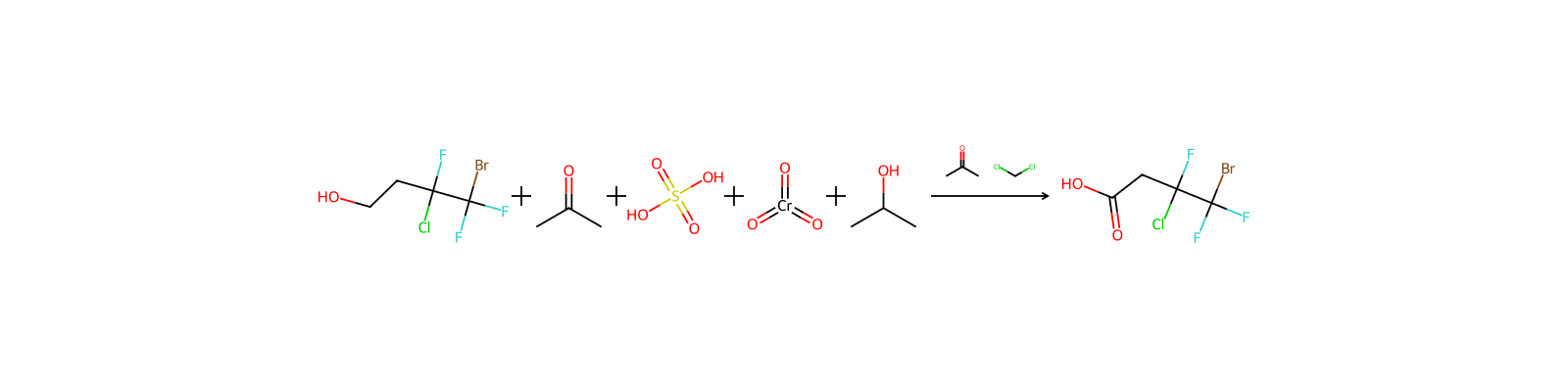
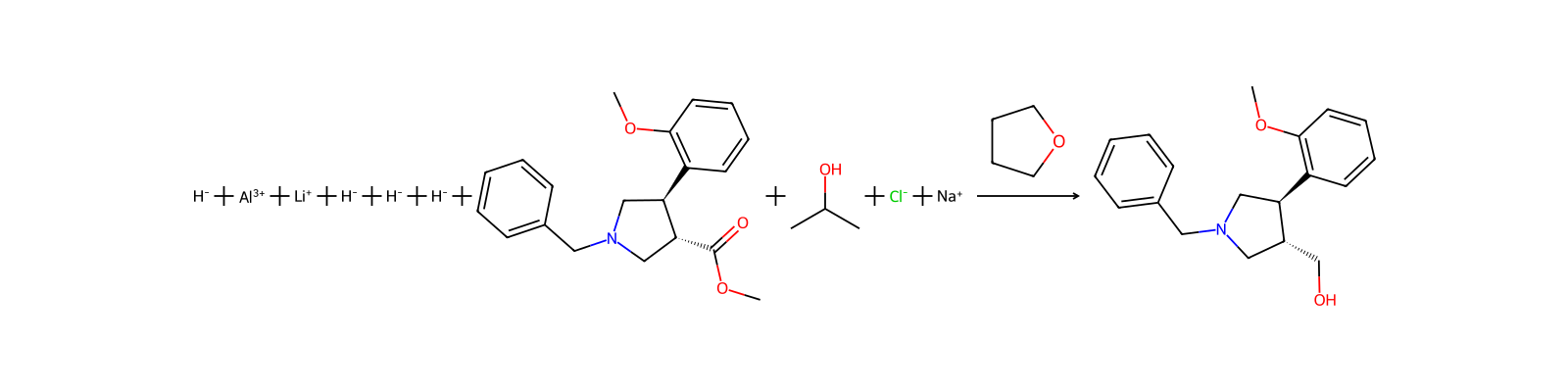

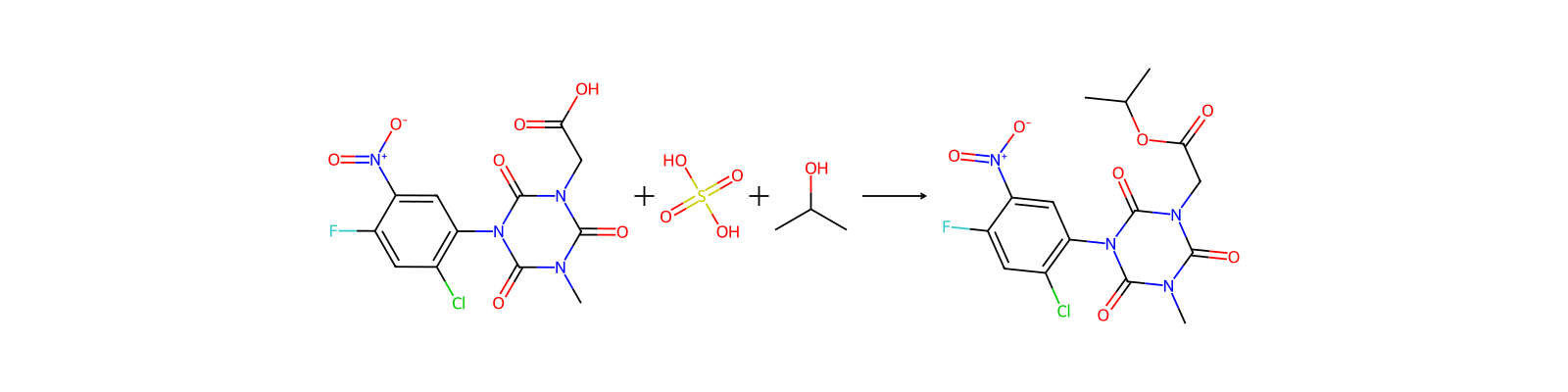

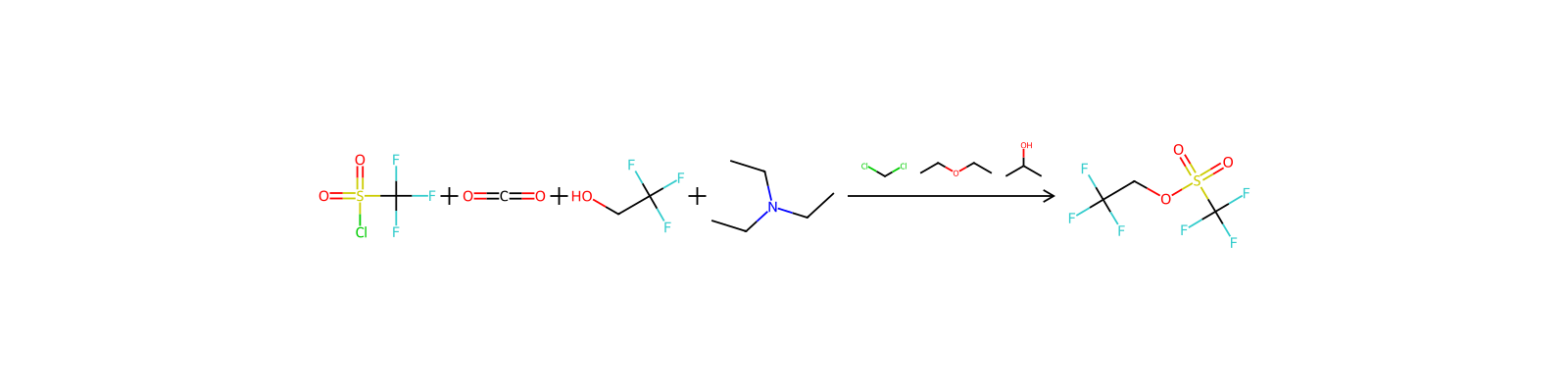
Linked notes
Loading…