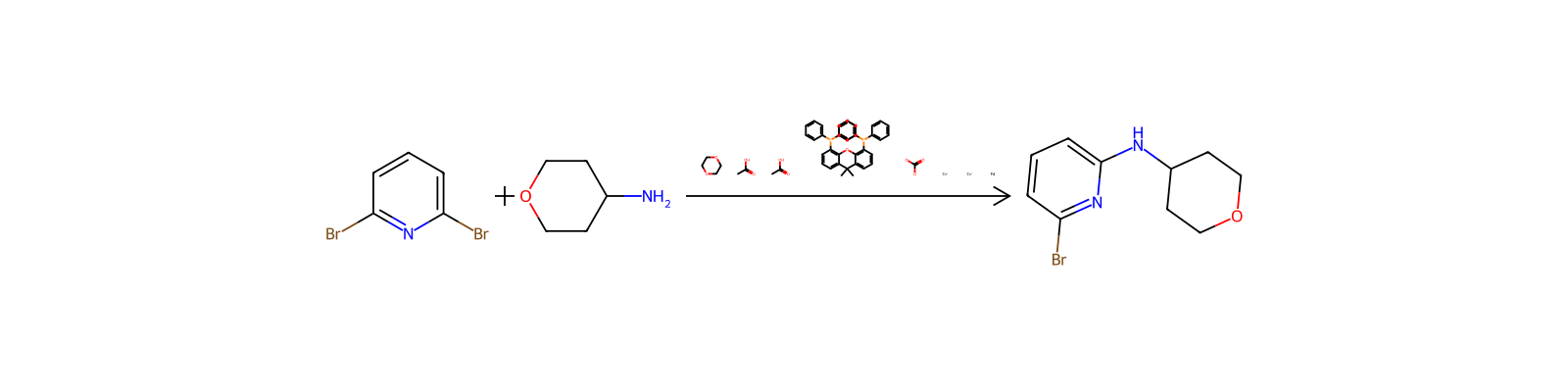
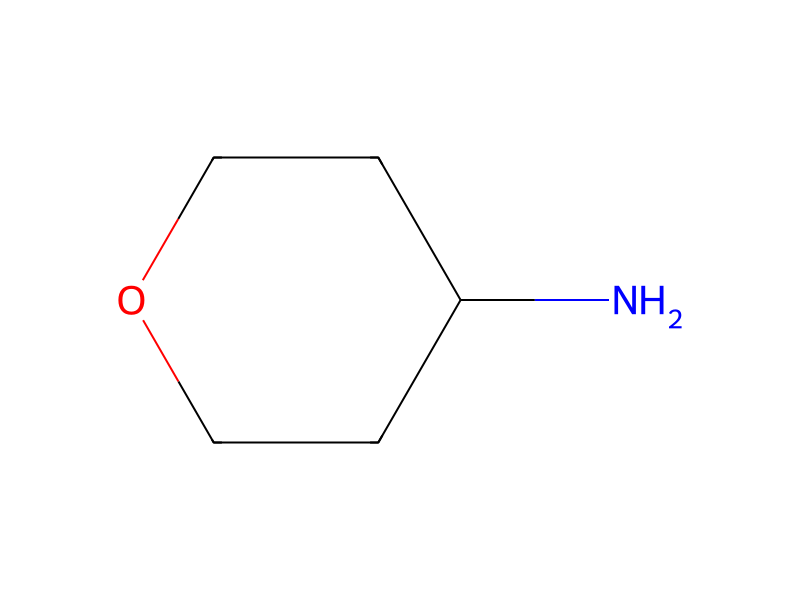
Basic information
- Standard SMILES
NC1CCOCC1- InChIKey
AHVQYHFYQWKUKB-UHFFFAOYSA-N- Molecular formula
- C5H11NO
- Average molar mass
- 101.15 g/mol
- Monoisotopic mass
- 101.08406397
Names & identifiers
- Preferred name
- 4-Aminotetrahydropyran
- IUPAC
- oxan-4-amine
- English name
- 4-Aminotetrahydropyran
- Molecular formula
- C5H11NO
- Molecular weight
- 101.15
Names & synonyms
4-Aminotetrahydropyran38041-19-9DTXSID10329299RefChem:290151DTXCID40280400674-322-0tetrahydro-2H-pyran-4-amineoxan-4-aminetetrahydro-pyran-4-ylamine4-Aminotetrahyropyran4-aminotetrahydro-2h-pyran2h-pyran-4-amine, tetrahydro-
Show more names
Tetrahydropyran-4-amineNoe Marioni, M.D., PLLC4-Aminotetrahydropyran?New
MFCD02179436tetrahydro-2h-pyran-4-ylamine2H-3,4,5,6-tetrahydropyran-4-ylamineTetrahydropyran-4-ylamine4-aminotetrahydropyrane4-amino tetrahydropyran4-amino-tetrahydropyran4-aminotetra-hydropyran
Database identifiers
- CAS
38041-19-9- PubChem CID
- 419223
- DTXSID
DTXSID10329299- UNII
- ZFV2YF8HW9
- EC Number
- 674-322-0
- Nikkaji
- J1.521.449J
Properties
Computed structural properties
- XLogP
- -0.3
- Topological polar surface area
- 35.3 Ų
- Hydrogen bond donors
- 1
- Hydrogen bond acceptors
- 2
- Rotatable bonds
- 0
- Heavy atoms
- 7
- Formal charge
- 0
- Complexity
- 50
Physicochemical properties
- Boiling point
- 60 °C · 60 °C
- Density
- 0.977 g/cm3 · 0.977 g/cm3 at 25 °C
- refractive index
- 20 · n20/D 1.463
- Flash point
- 54 °C · 54°C
- storage temp.
- 2 · Keep in dark place,Inert atmosphere,2-8°C
- pka
- 9.63 · 9.63±0.20(Predicted)
- form
- liquid
- color
- Colourless
- InChI
- InChI=1S/C5H11NO/c6-5-1-3-7-4-2-5/h5H,1-4,6H2
- InChIKey
- AHVQYHFYQWKUKB-UHFFFAOYSA-N
- SMILES
- C1OCCC(N)C1
- CAS DataBase Reference
- 38041 · 38041-19-9(CAS DataBase Reference)
- UNSPSC Code
- 12352100 · 12352100
- NACRES
- 22 · NA.22
- Symbol(GHS)
- 2 · GHS02,GHS05,GHS07
- Signal word
- Danger
- Hazard statements
- 226 · H226-H302-H318
- Precautionary statements
- 210 · P210-P233-P240-P280-P301+P312-P305+P351+P338
- Hazard Codes
- Xi,Xn
- Risk Statements
- 10 · 10-34-41-22-37/18
- Safety Statements
- 16 · 16-26-36/37/39-39
- RIDADR
- 2734 · 2734
- WGK Germany
- 1 · 1
- HazardClass
- IRRITANT
- PackingGroup
- Ⅲ
- HS Code
- 29321900 · 29321900
- Storage Class
- 3 · 3 - Flammable liquids
- Hazard Classifications
- 4 OralEye · Acute Tox. 4 OralEye Dam. 1Flam. Liq. 3
Safety & regulation
GHS classification
GHS Classification
Danger
H226 (93.9%): Flammable liquid and vapor [Warning Flammable liquids]
P210, P233, P240, P241, P242, P243, P261, P264, P264+P265, P270, P271, P280, P301+P317, P302+P352, P303+P361+P353, P304+P340, P305+P351+P338, P305+P354+P338, P317, P319, P321, P330, P332+P317, P337+P317, P362+P364, P370+P378, P403+P233, P403+P235, P405, and P501 (click each P-code to see the statement)
Aggregated GHS information provided per 49 reports by companies from 8 notifications to the ECHA C&L Inventory. Each notification may be associated with multiple companies.
Hazard information
Hazard Classes and CategoriesFlam. Liq. 3 (93.9%)
Safety data
- wgk
- 1
- ridadr
- 2734
- hs_code
- 29321900
- risk_code
- 10-34-41-22-37/18
- Signal word
- Danger
- Symbol(GHS)
- GHS02,GHS05,GHS07
- hazard_code
- Xi,Xn
- safety_code
- 16-26-36/37/39-39
- hazard_class
- IRRITANT
- Storage Class
- 3 - Flammable liquids
- packing_group
- Ⅲ
- Hazard statements
- H226-H302-H318
- Hazard Classifications
- Acute Tox. 4 OralEye Dam. 1Flam. Liq. 3
- Precautionary statements
- P210-P233-P240-P280-P301+P312-P305+P351+P338
Chemistry & industry
Applications
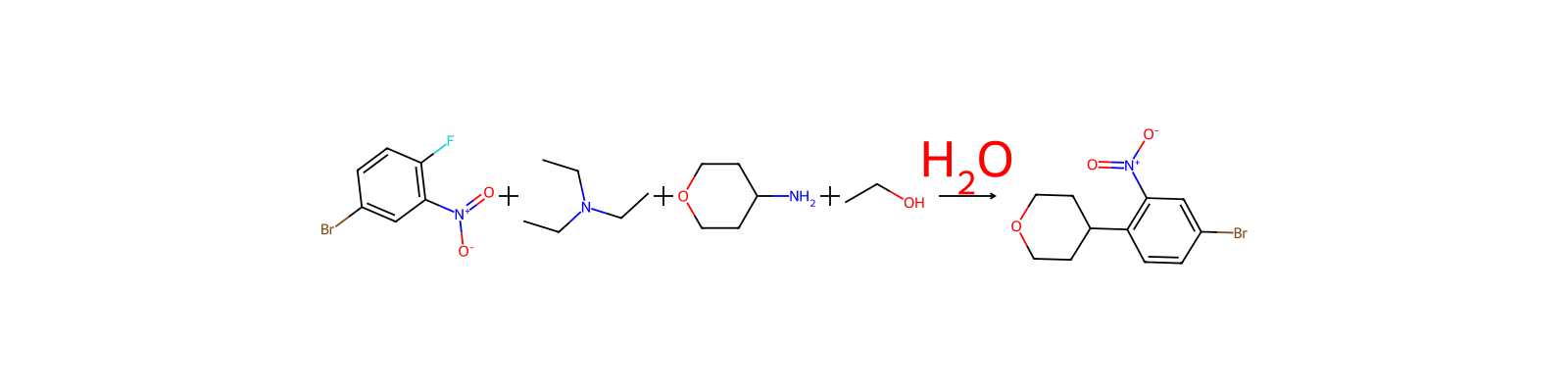
Description4-Aminotetrahydropyran contains the tetrahydropyran ring, which is the most frequently reported three-dimensional ring system in marketed drugs, and is second only to the phenyl ring when two-dimensional rings are included. It can be used as reactant/reagent in synthesis of aminothiazole compounds for use in treatment of cancer. Its scaffold is very useful in the drug discovery for cancer treatment.
Upstream & downstream products
Upstream raw materials
Downstream products
Suppliers50 total
衢州润东化工有限公司0570-8789886 18892685668 · [email protected]
上海阿拉丁生化科技股份有限公司400-6206333 13167063860 · [email protected]
爱斯特(成都)生物制药股份有限公司+86-28-85122536 85324413 · [email protected]
韶远科技(上海)有限公司021-50795510 4000665055 · [email protected]
北京华威锐科化工有限公司0757-86329057 18934348241 · [email protected]
武汉易泰科技有限公司上海分公司18930552037 · [email protected]
宁波亿诺化学品有限公司86-574-27787657 · [email protected]
上海永增科技有限公司021-021-021-65281118 15921781258 · [email protected]
苏州艾缇克药物化学有限公司0512-68323967 18015559028 · [email protected]
上海德默医药科技有限公司400-021-7337 2355568890 · [email protected]
安耐吉化学&3A(安徽泽升科技股份有限公司)400-0056266 · [email protected]
武汉凯威斯科技有限公司86-027-67849912 · [email protected]
上海恩诺生物科技有限公司+86 (21) 6435-5022
上海瀚鸿科技股份有限公司021-54306202 13764082696 · [email protected]
上海相辉医药科技有限公司13761987713 · [email protected]
上海景颜化工科技有限公司13817811078 · [email protected]
嘉兴市艾森化工有限公司0573-85285100 18627885956 · [email protected]
上海隆盛化工有限公司58099637 13585536065 · [email protected]
上海西浦化工有限公司+86 (21) 6715-7650 · [email protected]
杰达维(上海)医药科技发展有限公司/J & W PharmLab021-64340559 · [email protected]
杭州东帆化学有限公司86-0571-85151182
孝感深远化工有限公司15527621225; 15527621225 · [email protected]
天津希恩思生化科技有限公司400 638 7771 · [email protected]
上海舒盟医药科技有限公司021-54540637 18621091017 · [email protected]
河南多贝化工有限公司0370-2785118 17550508557 · [email protected]
武汉海正工贸发展有限公司027-8866 0053/88660577/88660578
上海思域化工科技有限公司86-21-34053660 · [email protected]
赛默飞世尔科技(中国)有限公司800-810-5118 · [email protected]
上海健超生物科技有限公司150-2103-5486 18017383231 · [email protected]
苏州爱斯鹏药物研发有限责任公司+86-512-86881668
上海偕腾生物科技有限公司+86-021-58975553 · [email protected]
上海复青化学科技有限公司13816107857 · [email protected]
越林试剂021-62960152 · [email protected]
上海睿升化工科技有限公司+86-021-50935922
Clearsynth Labs Limited+91-22-26355700 · [email protected]
上海麒霆生物科技有限公司021-61315236 · [email protected]
苏州爱玛特生物科技有限公司0512-56316828 4008675858 · [email protected]
上海将来实业股份有限公司400-0066400 13621662912 · [email protected]
上海将来实业股份有限公司021-61552785 · [email protected]
上海笛柏生物科技有限公司400-008-9730,021-54359730 400-008-9730 · [email protected]
重庆星灿医药科技有限公司13594048950 19923294409 · [email protected]
杭州杰恒化工有限公司0571-87396432 · [email protected]
上海寰川实业有限公司021-61478794 · [email protected]
上海双福生物科技有限公司+86-021-58380978 13482386415 · [email protected]
上海洽凡生化科技有限公司+86-021-61654350 · [email protected]
上海嵩爰化工科技有限公司010-1234567 18521000990 · [email protected]
北京欣赛维化学科技有限公司010-56218822 13717722232 · [email protected]
江苏艾康生物医药研发有限公司025-66028182 17714375163 · [email protected]
上海凯赛化工有限公司021-33516722 13701817765 · [email protected]
上海孚一生物科技有限公司+86 (21) 61124340
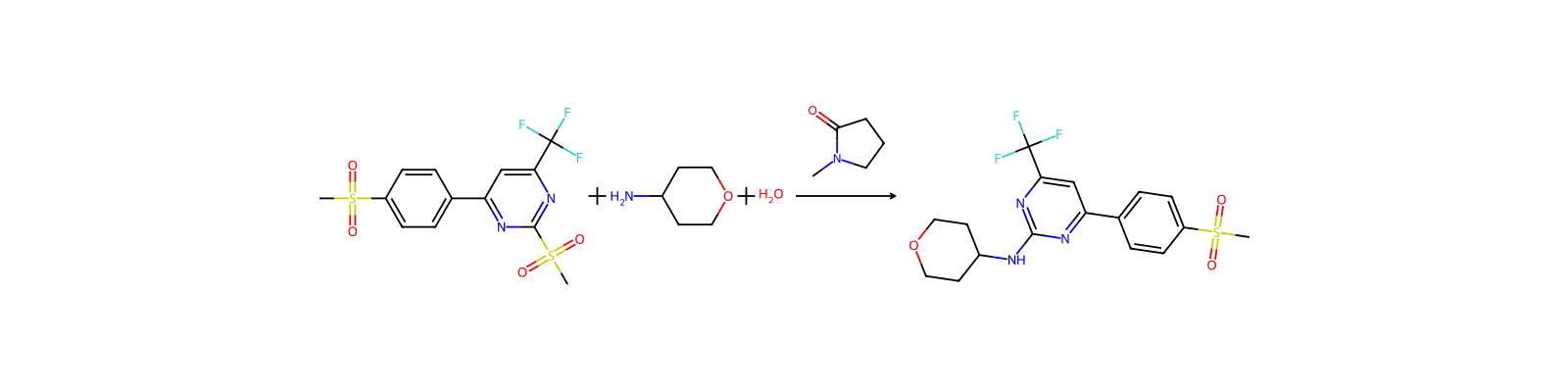
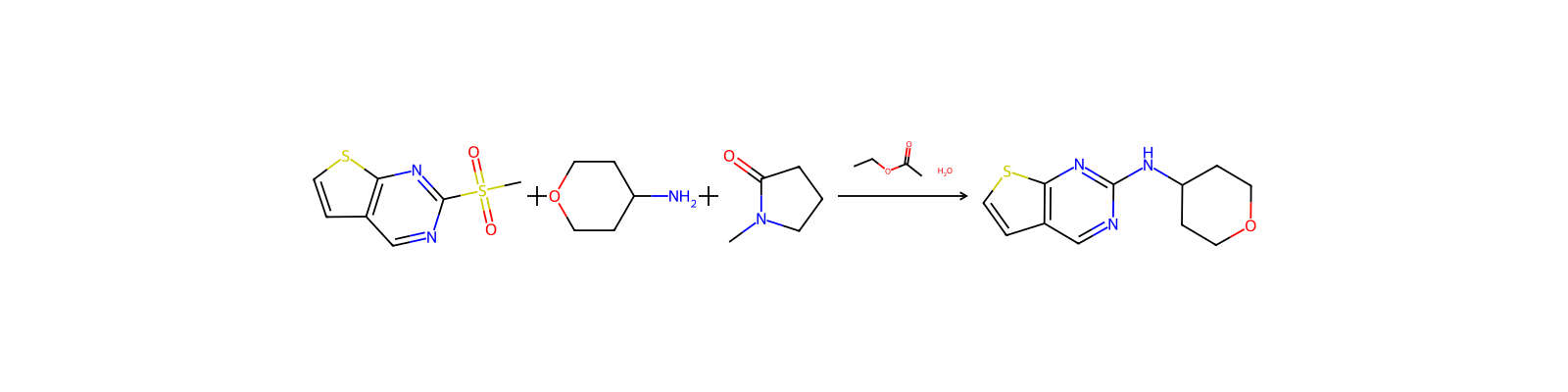
Related reactions
645 records
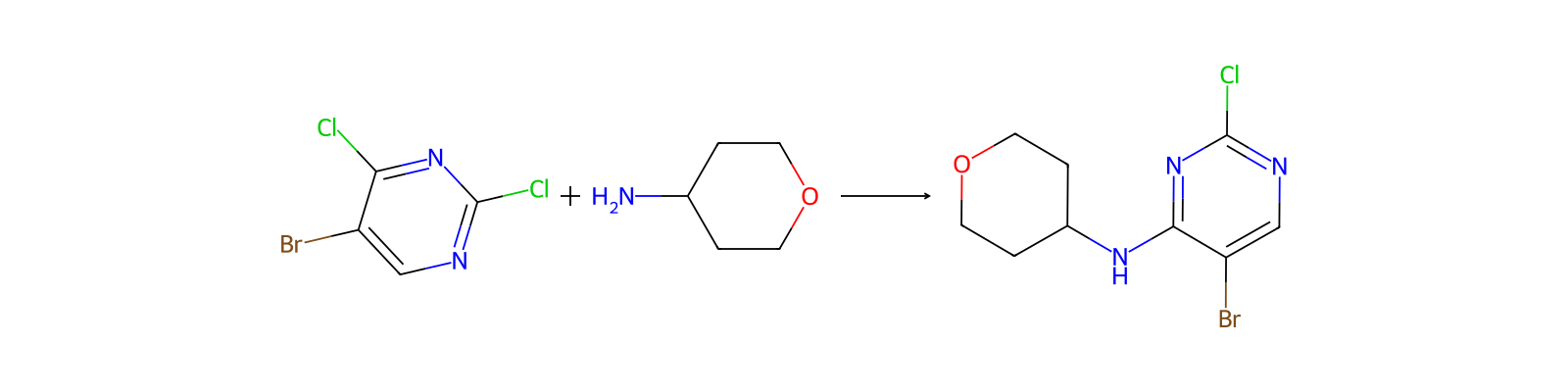
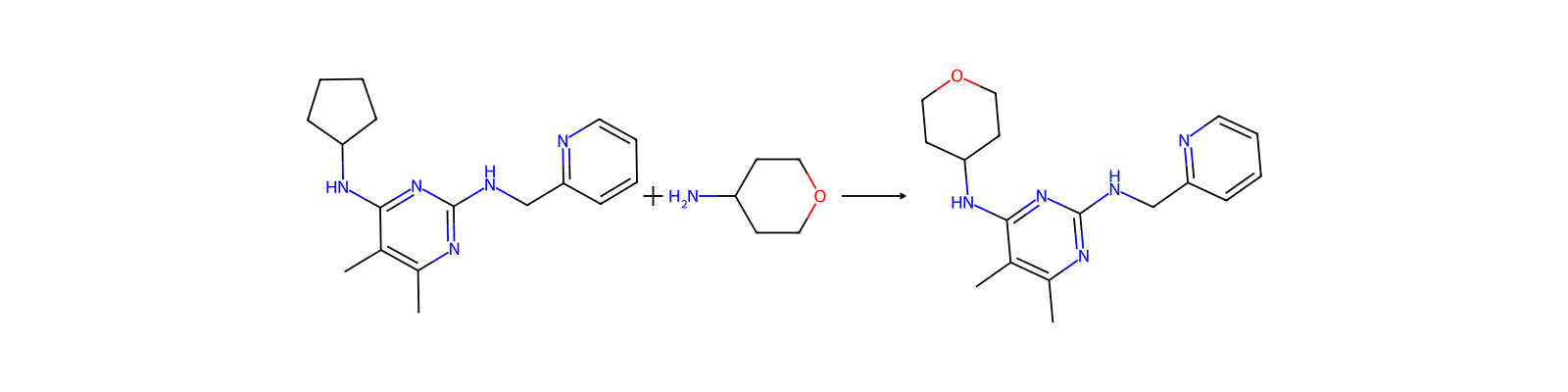
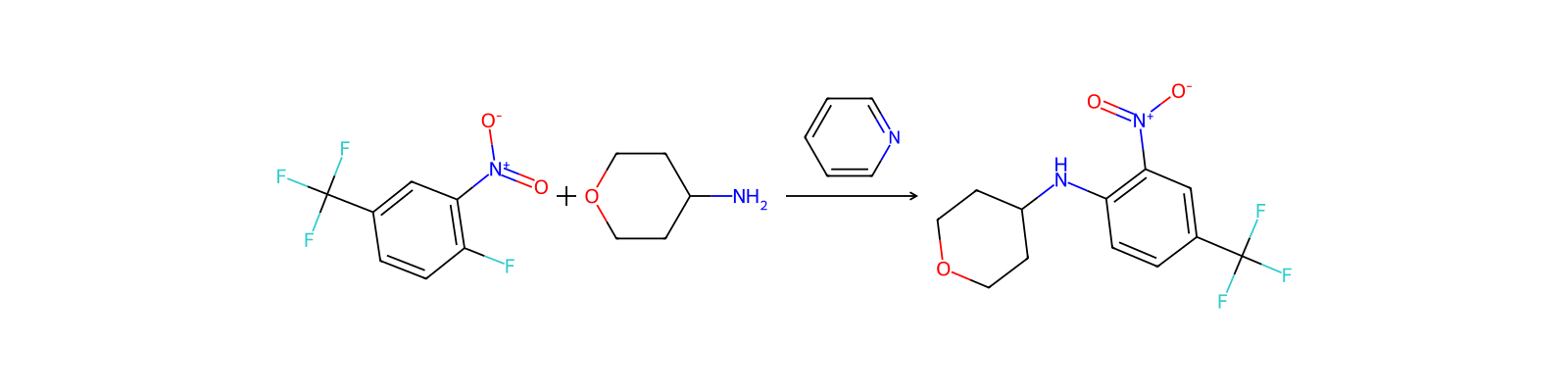
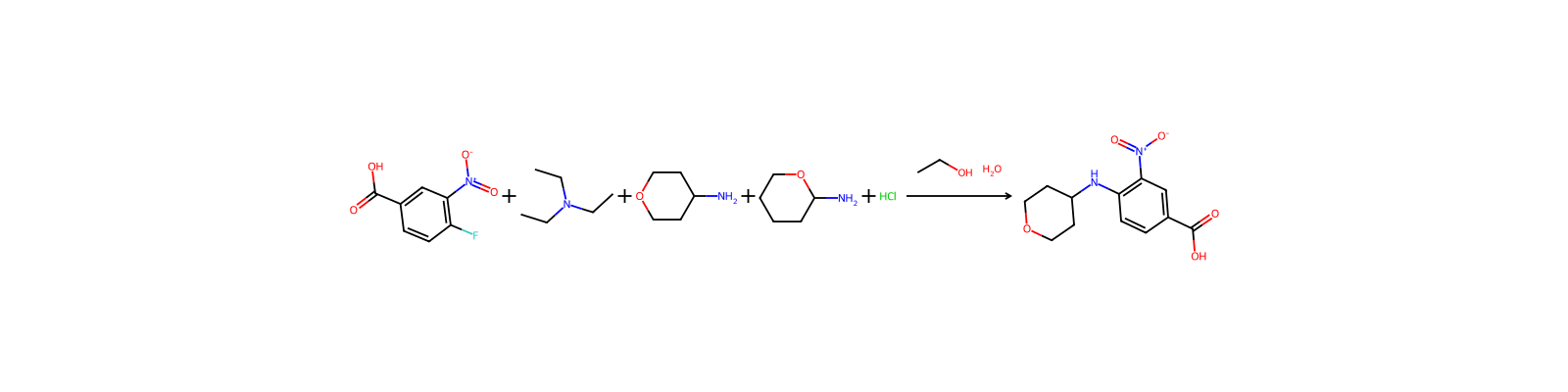
Linked notes
Loading…