
N-Phenylanthranilic Acid
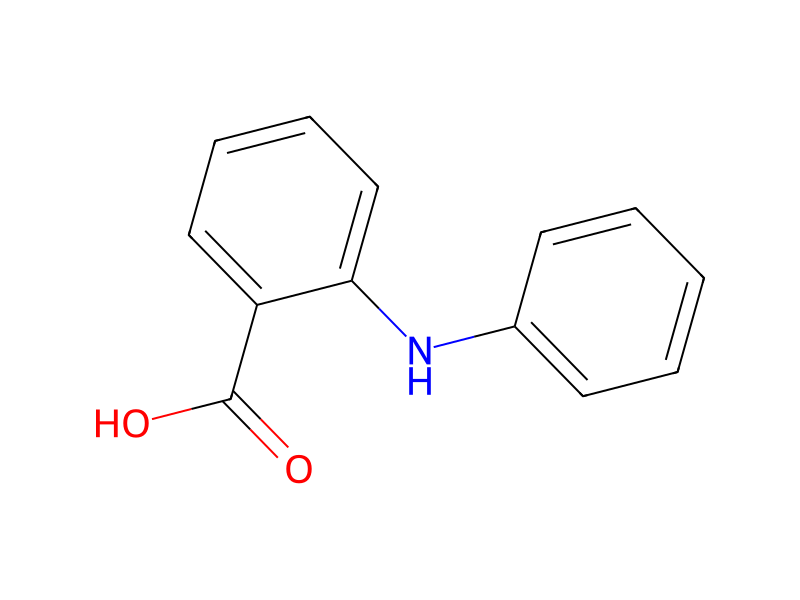
Basic information
- CAS
91-40-7- Standard SMILES
O=C(O)c1ccccc1Nc1ccccc1- InChIKey
ZWJINEZUASEZBH-UHFFFAOYSA-N- Molecular formula
- C13H11NO2
- Average molar mass
- 213.23 g/mol
- Monoisotopic mass
- 213.07897859
Overview
Fenamic acid is an aminobenzoic acid that is the N-phenyl derivative of anthranilic acid. It acts as a parent skeleton for the synthesis of several non-steroidal anti-inflammatory drugs. It has a role as a membrane transport modulator. It is an aminobenzoic acid and a secondary amino compound. It is functionally related to an anthranilic acid.
Names & identifiers
- Preferred name
- N-Phenylanthranilic Acid
- IUPAC
- 2-anilinobenzoic acid
- English name
- N-Phenylanthranilic acid
- Molecular formula
- C13H11NO2
- Molecular weight
- 213.23
Names & synonyms
N-phenylanthranilic acid91-40-7Fenamic acid2-(Phenylamino)benzoic acid2-Anilinobenzoic acidDiphenylamine-2-carboxylic acidPhenylanthranilic acidBenzoic acid, 2-(phenylamino)-2-CarboxydiphenylamineNSC-215211952VN06WBBDTXSID6059025
Show more names
2,2'-IMINODIBENZOIC ACIDUDFFDK11111fenamicaciAKOS AU36-M185Vanadium reagento-anilinobenzoicacidphenylanthranilicacid
CHEBI:34756RefChem:598846DTXCID0048717202-066-8o-Anilinobenzoic acidN-Phenyl-o-aminobenzoic acidN-PhenylanthranilicAnthranilic acid, N-phenyl-
Database identifiers
- CAS
91-40-7- PubChem CID
- 4386
- DTXSID
DTXSID6059025- ChEMBL
CHEMBL23832- ChEBI
CHEBI:34756
Properties
Computed structural properties
- XLogP
- 4.4
- Topological polar surface area
- 49.3 Ų
- Hydrogen bond donors
- 2
- Hydrogen bond acceptors
- 3
- Rotatable bonds
- 3
- Heavy atoms
- 16
- Formal charge
- 0
- Complexity
- 236
Experimental & physicochemical properties
Chemical ClassesNitrogen Compounds -> Aminobenzoic Acids
SpringerMaterials PropertiesAngular frequency
LogP3.52
Vapor Pressure0.00000238 [mmHg]
Physical DescriptionSolid; [Merck Index] Off-white powder; [Alfa Aesar MSDS]
Collision Cross Section144.5 Ų [M+H]+ [CCS Type: TW; Method: calibrated with polyalanine and drug standards]
Physicochemical properties
- Melting point
- 182 · 182-185 °C (lit.)
- Boiling point
- 353.22 °C · 353.22°C (rough estimate)
- Density
- 1.1544 · 1.1544 (rough estimate)
- bulk density
- 200 kg/m3 · 200kg/m3
- refractive index
- 1.57 · 1.5700 (estimate)
Safety & regulation
Safety information is for reference only and does not replace the supplier’s Safety Data Sheet (SDS), applicable regulations, or professional assessment.
GHS classification
GHS Classification
Warning
H315 (100%): Causes skin irritation [Warning Skin corrosion/irritation]
P261, P264, P264+P265, P271, P280, P302+P352, P304+P340, P305+P351+P338, P319, P321, P332+P317, P337+P317, P362+P364, P403+P233, P405, and P501 (click each P-code to see the statement)
Aggregated GHS information provided per 45 reports by companies from 5 notifications to the ECHA C&L Inventory. Each notification may be associated with multiple companies.
Hazard information
Regulatory Information
Chemical: Benzoic acid, 2-(phenylamino)-
Benzoic acid, 2-(phenylamino)-: Does not have an individual approval but may be used under an appropriate group standard
Hazards SummaryCauses renal changes (tubules and glomeruli) and proteinuria in 7-day intermittent oral studies of rats; [RTECS] A skin and strong eye irritant; [Alfa Aesar MSDS] See Diphenylamine. See Benzoic acid.
Hazard Classes and CategoriesSkin Irrit. 2 (100%)
Safety data
- PPE
- dust mask type N95 (US), Eyeshields, Gloves
- wgk
- 3
- tsca
- TSCA listed
- rtecs
- CB3730000
- hs_code
- 29224995
- Toxicity
- LD50 ipr-mus: 235 mg/kg RPTOAN 37,105,74
- risk_code
- 36/37/38
- Signal word
- Warning
- Symbol(GHS)
Chemistry & industry
Pharmacology
MeSH Pharmacological Classification
Anti-inflammatory agents that are non-steroidal in nature. In addition to anti-inflammatory actions, they have analgesic, antipyretic, and platelet-inhibitory actions. They act by blocking the synthesis of prostaglandins by inhibiting cyclooxygenase, which converts arachidonic acid to cyclic endoperoxides, precursors of prostaglandins. Inhibition of prostaglandin synthesis accounts for their analgesic, antipyretic, and platelet-inhibitory actions; other mechanisms may contribute to their anti-inflammatory effects.
A class of drugs that act by selective inhibition of calcium influx through cellular membranes.
Uses & manufacturing
Uses
Used to detect vanadium in steel; [Merck Index] Has chloride and potassium channel-blocking activity. [ChemIDplus]
Metal Extraction and Refining [Category: Industry]
General Manufacturing InformationBenzoic acid, 2-(phenylamino)-: ACTIVE
Applications
Usesion channel (Cl) blocker
UsesN-Phenylanthranilic acid is used in biological studies for inhibitors of aldo-keto reductase 1C3 based on N-phenyl-aminobenzoates.
UsesDetection of vanadium in steel.
Upstream & downstream products
Upstream raw materials
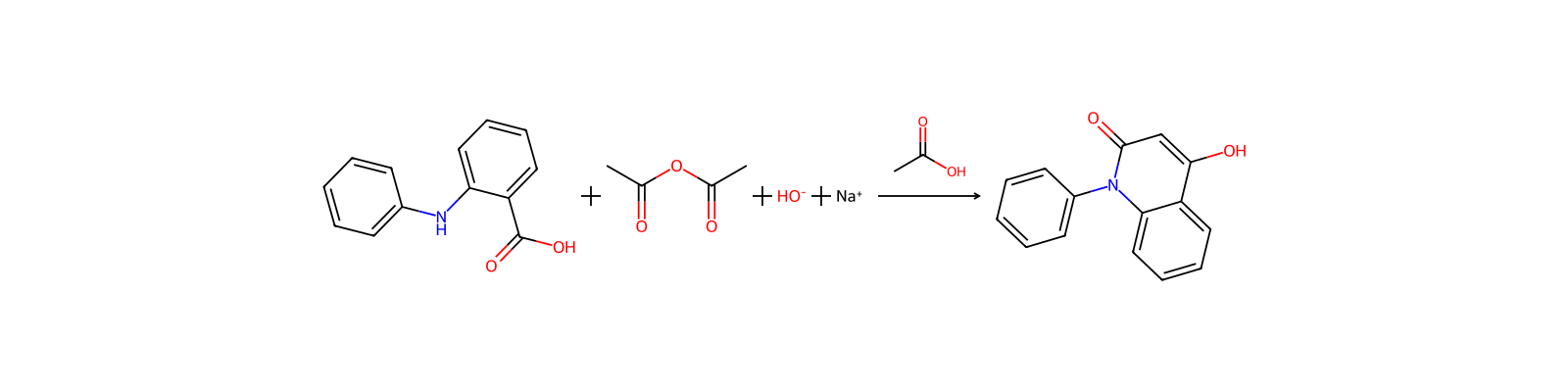
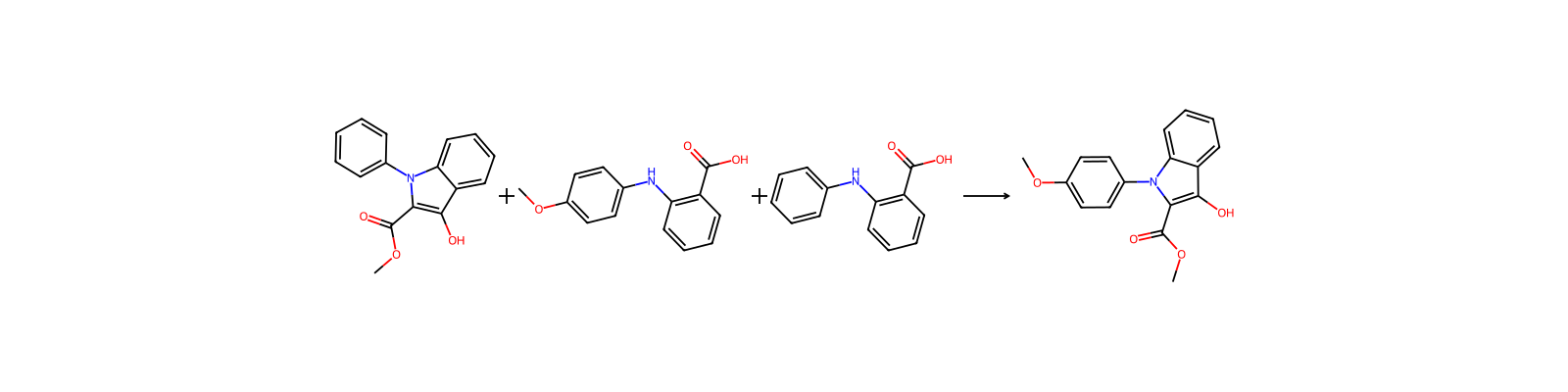
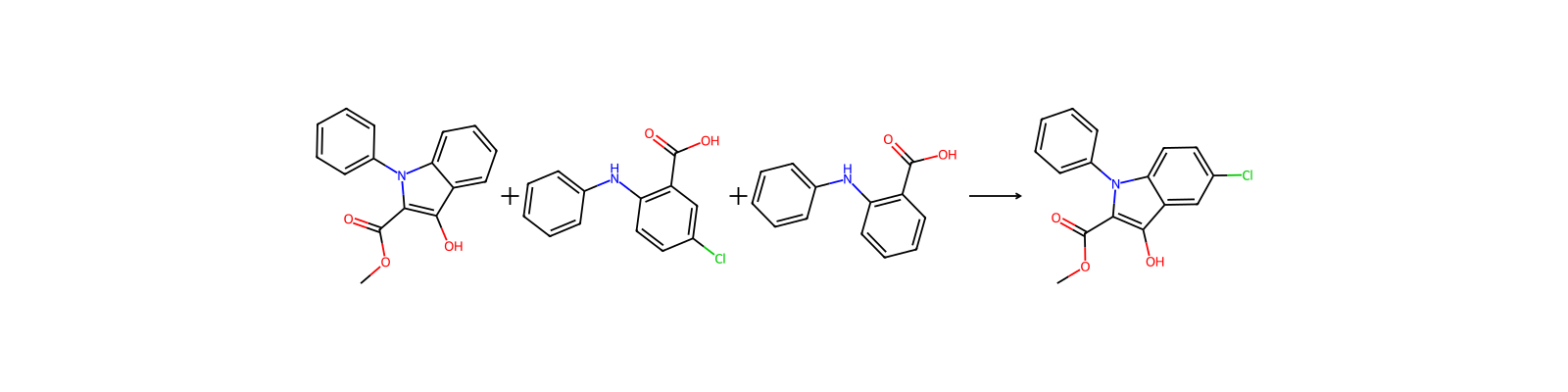
Related reactions
14 records




Compound notes
Loading…