

Basic information
- Standard SMILES
COc1ccccc1O- InChIKey
LHGVFZTZFXWLCP-UHFFFAOYSA-N- Molecular formula
- C7H8O2
- Average molar mass
- 124.14 g/mol
- Monoisotopic mass
- 124.0524295
Overview
O-methoxyphenol appears as colorless to amber crystals or liquid. Density (of solid) 1.129 g / cm3. Solidifies at 28 °C (82.4 °F), but may remain liquid for a long time even at a much lower temperature. Slightly water soluble. Soluble in aqueous sodium hydroxide. Used medicinally as an expectorant. Used, because of its anti-oxidant properties, as an anti-skinning agent for paints.
Names & identifiers
- Preferred name
- Guaiacol
- IUPAC
- 2-methoxyphenol
- English name
- 2-Methoxyphenol
- Molecular formula
- C7H8O2
- Molecular weight
- 124.13722
Names & synonyms
guaiacol2-Methoxyphenol90-05-1o-Methoxyphenol2-Hydroxyanisoleo-GuaiacolGuaiastilPyroguaiac acido-HydroxyanisolePhenol, 2-methoxy-Anastil1-Hydroxy-2-methoxybenzene
Show more names
Pyrocatechol monomethyl etherGuaicolPhenol, o-methoxy-GuaicolinaGuajolGuasolO-Methyl catecholCreodon
Database identifiers
- CAS
26638-03-9、90-05-1、9009-62-5- PubChem CID
- 460
- DTXSID
DTXSID0023113- ChEMBL
CHEMBL13766- ChEBI
CHEBI:28591- UNII
- 6JKA7MAH9C
- EC Number
- 201-964-7、804-496-7
- Nikkaji
- J3.217D
Properties
Computed structural properties
- XLogP
- 1.3
- Topological polar surface area
- 29.5 Ų
- Hydrogen bond donors
- 1
- Hydrogen bond acceptors
- 2
- Rotatable bonds
- 1
- Heavy atoms
- 9
- Formal charge
- 0
- Complexity
- 83
Experimental & physicochemical properties
Chemical ClassesBiological Agents -> Plant Oils and Extracts
DrugsPharmaceuticals -> Listed in ZINC15
SpringerMaterials Properties13C nuclear magnetic resonance spectrum
FragrancesFragrance Ingredient (Guaiacol) -> IFRA transparency List
LogP
log Kow = 1.32
1.32
1.35
Odor
Aromatic odor
CHARACTERISTIC SWEET ODOR, SLIGHTLY PHENOLIC
Food AdditivesFLAVORING AGENT OR ADJUVANT -> FDA Substance added to food
Density
1.13 at 70.5 °F (NTP, 1992) - Denser than water; will sink
1.1287 g/cu cm at 21 °C
1.129-1.140
Flavoring AgentsEU Flavoring substances
Color/Form
Faintly yellowish, limpid, oily liquid or yellow crystals
White or slightly yellow crystalline mass or colorless to yellowish, very refractive liquid
Hexagonal prisms
Solubility
Slightly soluble (NTP, 1992)
Soluble in carbon tetrachloride
Miscible with alcohol, chloroform, ether, oils, glacial acetic acid; slightly soluble in petroleum ether; soluble in sodium hydroxide solution
1 g /o-methoxyphenol/ is soluble in 60-70 mL water, in 1 mL glycerol
In water 18,700 mg/L at 25 °C
18.7 mg/mL at 15 °C
Flash Point
180 °F (NTP, 1992)
180 °F (open cup)
Physicochemical properties
- Melting point
- 32 °C · 32 °C
- Boiling point
- 204 · 204-206 °C
- Density
- 1.1287 g/cm3 · 1.1287 g/cm3(Temp: 21 °C)
- pka
- 9.97 · 9.97±0.10(Predicted)
- Symbol(GHS)
- 7 · GHS07
- Signal word
- Warning
- Hazard statements
- 302 · H302-H315-H319
- Precautionary statements
- 264 · P264-P270-P280-P301+P312-P302+P352-P305+P351+P338
Safety & regulation
GHS classification
GHS Classification
Warning
H302: Harmful if swallowed [Warning Acute toxicity, oral]
P264, P264+P265, P270, P280, P301+P317, P302+P352, P305+P351+P338, P321, P330, P332+P317, P337+P317, P362+P364, and P501 (click each P-code to see the statement)
This chemical does not meet GHS hazard criteria for < 0.1% (1 of 1887) of reports.
Warning
H302 (> 99.9%): Harmful if swallowed [Warning Acute toxicity, oral]
Hazard information
Regulatory Information
Chemical: Phenol, 2-methoxy-
Chemical: Beebread
Commission Regulation (EC) No 1565/2000 (Repealed by Com. Implementing Reg. (EU) No 872/2012)
Phenol, 2-methoxy- is listed on the EPA's Chemical Data Reporting (CDR) system. Manufacturers and importers of Phenol, 2-methoxy- are required to report information about their production and use of this chemical to the EPA under the Toxic Substances Control Act (TSCA). (40 eCFR Part 711)
Status: Active Update: 08-09-2020 https://echa.europa.eu/registration-dossier/-/registered-dossier/9979
Guaiacol: Does not have an individual approval but may be used under an appropriate group standard
Fire HazardsThis chemical is combustible. (NTP, 1992)
Fire PotentialThis material is combustible when exposed to heat or flame.
Health Hazards
SYMPTOMS: Symptoms of exposure to this compound may include irritation of the skin and eyes, muscular weakness, cardiovascular collapse and paralysis of the vasomotor centers. Ingestion produces burning in the mouth and throat, gastrointestinal distress, tremors and collapse.
Hazards Summary
Emergency treatment: Phenol and related agents; [HSDB] May cause skin and eye irritation; Can be absorbed through skin; [CAMEO] Causes somnolence and acts as a general anesthetic; Causes elevation of transaminase enzymes; Mild eye irritant in rabbits; [RTECS] Safe when used as a flavoring agent in food; [JECFA] An irritant; [MSDSonline] See Phenol.
Reactive GroupEthers
Reactivity ProfileO-METHOXYPHENOL may react with oxidizing materials. It forms salts readily with bases. (NTP, 1992)
Air and Water ReactionsSensitive to air and light (darkens). Slightly water soluble.
Toxic Combustion ProductsEmits toxic fumes under fire conditions.
Hazard Classes and Categories
Acute Tox. 4 (> 99.9%)
Skin Irrit. 2 (100%)
Acute toxicity - category 4
Acute toxicity (Oral) - Category 4
Acute Tox. 4 *
Skin, Eye, and Respiratory IrritationsEye, skin, gastrointestinal, and/or respiratory tract irritation ... .
Safety & protection
Fire FightingFires involving this material should be controlled using a dry chemical, carbon dioxide or Halon extinguisher. (NTP, 1992)
First Aid
EYES: First check the victim for contact lenses and remove if present. Flush victim's eyes with water or normal saline solution for 20 to 30 minutes while simultaneously calling a hospital or poison control center. Do not put any ointments, oils, or medication in the victim's eyes without specific instructions from a physician. IMMEDIATELY transport the victim after flushing eyes to a hospital even if no symptoms (such as redness or irritation) develop.
Firefighting HazardsThis material is combustible when exposed to heat or flame. If in the solid form, it is advisable to ground mechanical equipment in contact with dry material to dissipate the potential buildup of static electricity.
Fire Fighting Procedures
As with all fires, evacuate personnel to a safe area. Firefighters should use self-contained breathing equipment and protective clothing.
Water spray, dry chemical, carbon dioxide or foam as appropriate for surrounding fire and materials.
Storage ConditionsStore in tight, light-resistant container as defined in the USP-NF. This material should be handled and stored per label instructions to ensure product integrity.
Cleanup Methods
Wear approved respiratory protection, chemically compatible gloves and protective clothing. Wipe up spillage or collect spillage using a high efficiency vacuum cleaner. Avoid breathing vapor or dust. Ventilate area and wash spill site. Place spillage in appropriately labelled container for disposal.
Nonfire Spill Response
SMALL SPILLS AND LEAKAGE: Should a spill occur while you are handling this chemical, FIRST REMOVE ALL SOURCES OF IGNITION, then you should dampen the solid spill material with ethanol and transfer the dampened material to a suitable container. Use absorbent paper dampened with ethanol to pick up any remaining material. Seal the absorbent paper, and any of your clothes, which may be contaminated, in a vapor-tight plastic bag for eventual disposal. Solvent wash all contaminated surfaces with ethanol followed by washing with a soap and water solution. Do not reenter the contaminated area until the Safety Officer (or other responsible person) has verified that the area has been properly cleaned.
Disposal Methods
SRP: At the time of review, regulatory criteria for small quantity disposal are subject to significant revision, however, household quantities of waste pharmaceuticals may be managed as follows: Mix with wet cat litter or coffee grounds, double bag in plastic, discard in trash.
SRP: Expired or waste pharmaceuticals shall carefully take into consideration applicable DEA, EPA, and FDA regulations. It is not appropriate to dispose by flushing the pharmaceutical down the toilet or discarding to trash. If possible return the pharmaceutical to the manufacturer for proper disposal being careful to properly label and securely package the material. Alternatively, the waste pharmaceutical shall be labeled, securely packaged and transported by a state licensed medical waste contractor to dispose by burial in a licensed hazardous or toxic waste landfill or incinerator.
Preventive Measures
SRP: The scientific literature for the use of contact lenses by industrial workers is inconsistent. The benefits or detrimental effects of wearing contact lenses depend not only upon the substance, but also on factors including the form of the substance, characteristics and duration of the exposure, the uses of other eye protection equipment, and the hygiene of the lenses. However, there may be individual substances whose irritating or corrosive properties are such that the wearing of contact lenses would be harmful to the eye. In those specific cases, contact lenses should not be worn. In any event, the usual eye protection equipment should be worn even when contact lenses are in place.
Engineering controls such as exhaust ventilation are recommended.
Personal Protective Equipment (PPE)
RECOMMENDED RESPIRATOR: Where the neat test chemical is weighed and diluted, wear a NIOSH-approved half face respirator equipped with an organic vapor/acid gas cartridge (specific for organic vapors, HCl, acid gas and SO2) with a dust/mist filter. (NTP, 1992)
Gloves: Chemically compatible. Eye protection: Safety goggles or glasses. Protective clothing: Protect exposed skin.
Use a NIOSH-approved respirator, if it is determined to be necessary by an industrial hygiene survey involving air monitoring. If material is in solid form, the use of an approved dust mask is recommended.
Toxicology
Interactions
Methoxyphenol has been found to contribute to the carcinogenic effect of tobacco smoke in rats.
Absorption was delayed when ibuprofen and guaiacol administered simultaneously.
Ecotoxicity ValuesEC50; Species: Daphnia magna (Water flea, age 12 hr); Conditions: freshwater, static, 18 °C; Concentration: 25900 ug/L for 48 hr; Effect: intoxication, immobilization /formulation/
Environmental Fate
TERRESTRIAL FATE: Based on a classification scheme(1), a Koc value of 40(2), indicates that o-methoxyphenol is expected to have very high mobility in soil(SRC). The pKa of o-methoxyphenol is 9.98(3), indicating that this compound will exist primarily in the undissociated form in the environment(SRC). Volatilization of o-methoxyphenol from moist soil surfaces is expected to be an environmental fate process(SRC) given a Henry's Law constant of 1.2X10⁻⁶ atm-cu m/mole(4). o-Methoxyphenol is not expected to volatilize from dry soil surfaces(SRC) based upon a vapor pressure of 0.103 mm Hg at 25 °C(5). Utilizing the Japanese MITI test, 97% of the theoretical BOD was reached in four weeks(6), suggesting that biodegradation may be an important environmental fate process in soil(SRC).
AQUATIC FATE: Based on a classification scheme(1), a Koc value of 40(2) indicates that o-methoxyphenol is not expected to adsorb to suspended solids and sediment(SRC). Volatilization from water surfaces is expected to be an environmental fate process(3) based upon a Henry's Law constant of 1.2X10⁻⁶ atm-cu m/mole(4). Using this Henry's Law constant and an estimation method(3), volatilization half-lives for a model river and model lake are 34 and 251 days, respectively(SRC). According to a classification scheme(5), an estimated BCF of 3(SRC), from its log Kow of 1.32(6) and a regression-derived equation(7), suggests the potential for bioconcentration in aquatic organisms is low(SRC). Utilizing the Japanese MITI test, 97% of the theoretical BOD was reached in four weeks(8), suggesting that biodegradation may be an important environmental fate process in water(SRC).
ATMOSPHERIC FATE: According to a model of gas/particle partitioning of semivolatile organic compounds in the atmosphere(1), o-methoxyphenol, which has a vapor pressure of 0.103 mm Hg at 25 °C(2), is expected to exist solely as a vapor in the ambient atmosphere. Vapor-phase o-methoxyphenol is degraded in the atmosphere by reaction with photochemically-produced hydroxyl radicals(SRC); the half-life for this reaction in air is estimated to be 13 hours(SRC), calculated from its estimated rate constant of 3.2X10⁻¹¹ cu cm/molecule-sec at 25 °C(3). The sodium salt of o-methoxyphenol absorbs light at wavelengths of 289 nm(4) and therefore o-methoxyphenol may be susceptible to direct photolysis by sunlight(SRC).
Food Survey Values
o-Methoxyphenol has been detected in volatile components of popcorn(1), cooked meat (sukiyaki) probably originating from soy sauce(2), fried bacon(3) and roasted filberts(4).
o-Methoxyphenol was detected in a red wine at concentrations of 23.1, 21.8, 17.0, 22.0; 27.3, 28.2; and 46.3 ug/L wine aged 12 months in barrels made of Quercus robur, Q. petrea, Q. pyrenaica, Q. faginea (Spanish oak wood); Q. robur, Q. petaea (French oak wood); and Q. alba (American oak wood), respectively. The concentration in the wine prior to aging as 15.5 ug/L. At 21 months, o-methoxyphenol concentrations were 23.2. 23.9, 20.2, 22.4; 27.6, 27.2; and 42.5 ug/L in barrels made of Q. robur, Q. petrea, Q. pyrenaica, Q. faginea (Spanish oak wood); Q. robur, Q. petaea (French oak wood); and Q. alba (American oak wood), respectively(1).
Adverse EffectsNeurotoxin - Acute solvent syndrome
Effluent Concentrations
The concentration range of o-methoxyphenol in the effluent of a paper mill in Ontario, Canada in 1981 was 174-252 ug/L(1). It was detected in a paper mill effluent at Springfield, OR(2) and two other paper mill effluents in the U.S. in the concentration range 170-3,700 ug/L(6). The concentration of o-methoxyphenol in the combined effluent from a straw mill bleaching facility in Copenhagen, Denmark was 9,200 ug/L(3). The compound was also detected in the efflents from the following industries: timber products, leather tanning, pulp and paper, organic and plastic, and rum(4). The concentrations of o-methoxyphenol in a coal gasification condensate were 165-450 mg/L(5).
In surface water adjacent to "Valley of the Drums" site in Louisville, KY, the concentration range of o-methoxyphenol was 1-25 ug/L(2). o-Methoxyphenol was detected at a concentration 0.11 ug/L in the secondary effluent at Fort Polk, LA wastewater treatment facility(3) and in the effluent of a advanced wastewater treatment plant at Pomona, CA(1).
Soil Adsorption/Mobility
A log Koc of 1.60 for o-methoxyphenol, corresponding to a Koc of 40(SRC), was experimentally determined in a Brookston clay loam soil(1). A log Koc of 1.56(2), corresponding to a Koc of 36(SRC) has also been reported. According to a classification scheme(3), these Koc values suggest that o-methoxyphenol is expected to have very high mobility in soil. The pKa of o-methoxyphenol is 9.98(4), indicating that this compound will exist primarily in the undissociated form in the environment(SRC). The adsorption of the phenol occurrs by hydrogen bonding to sites on soil surfaces; ortho-substitution generally results in decreased adsorption compared to para-substitution due to steric hindrance(1).
Natural Pollution Sources
DISCOVERED IN DISTILLATION PRODUCT FROM GUAIAC RESIN ... FOUND IN CASTOREUM OIL, IN ESSENTIAL OIL FROM FLOWERS OF PANDANUS ODORATISSIMUS L, IN DISTILLATION WATERS OF ORANGE LEAVES, IN ESSENTIAL OIL FROM CELERY SEEDS, & IN OIL FROM TOBACCO LEAVES.
o-Methoxyphenol is a component of the natural food antioxidant, gum guaiac, a resinous secretion of a tropical evergreen Guaiacum officinalus(1).
o-Methoxyphenol occurs naturally in animal manure and in essential oil of plants(1).
Atmospheric ConcentrationsURBAN/SUBURBAN: The gas phase concentration range and average concentration of o-methoxyphenol during seven rain events in Portland, OR in 1984 were 89-290 and 150 ng/cu m, respectively(1).
Human Toxicity Excerpts
/OTHER TOXICITY INFORMATION/ Guaiacol, which is a phenolic compound with a methoxy group and used in traditional dental pulp sedation, has the property of inducing cell proliferation. To clarify these mechanisms of guaiacol, this study examined the hydroxyl radical (*OH) scavenging effects of guaiacol in vitro. Generation of *OH was carried out by the Fenton reaction using mixture of ascorbic acid, H2O2, and Fe(III)-EDTA, and *OH was detected by measuring the *OH-mediated production of degradation products of deoxyribose, which reacts with 2-thiobarbituric acid (TBA) and is relatively stable for a long time. At concentrations of 10(-10) M to 10(-3) M, guaiacol inhibited the TBA reactive substance (TBA-RS) formation in a dose-dependent manner. Phenol and formaldehyde were also found to inhibit the TBA-RS formation, but their inhibitory activities were lower than that of guaiacol. The concentrations of guaiacol, phenol, and formaldehyde needed to cause 50% inhibition of TBA-RS formation were approximately 5 x 10(-6), 5 x 10(-5), and 2 x 10(-3) M, respectively. In this reaction system, guaiacol showed no chelating reaction with ferrous ion and did not directly react with H2O2. Guaiacol also exhibited radical scavenging activity on 1,1-diphenyl-2-picrylhydrazyl (DPPH) stable free radical, but its scavenging activity was lower than that toward *OH. These results suggest that guaiacol is a potent scavenger of reactive oxygen radicals and that its radical scavenging activity may be associated with its effect on cell proliferation.
/GENOTOXICITY/ Phenolic compounds are widely used in clinical dentistry as sedatives for the dental pulp, as disinfectants for caries, and as root canal medications. The pathobiological effects of various phenolic compounds on human dental pulp fibroblasts were investigated with Hoechst 33258 fluorescence assay and DNA precipitation assay. All phenolic compounds showed cytotoxicity in Hoechst 33258 fluorescence assay by inhibiting cellular DNA in a concentration-dependent manner. The 50% inhibition concentrations required to decrease the cellular DNA contents by guaiacol, phenol, eugenol, and thymol were 9.8, 4.5, 0.9, and 0.5 mM, respectively. However these phenolic compounds did not cause DNA single-strand breaks in cultured human pulp fibroblasts. These results indicate that phenolic compounds are cytotoxic agents but are without genotoxic effects on human pulp fibroblasts in vitro. However care should be taken to reduce the possibility of pulpal as well as periapical irritations from inadvertent extrusion of these substances in clinical usage.
/SIGNS AND SYMPTOMS/ Guaiacol can cause neurological, hemodynamic (shock), respiratory, metabolic (metabolic acidosis), renal (acute tubular necrosis), digestive and hematologic adverse effects. Acute pulmonary edema precedes death by multiple organ failure.
/SIGNS AND SYMPTOMS/ Medical experience indicates that toxic quantities /of guaiacol/ can be absorbed through skin quite readily. Material is not especially irritating to skin but prolonged contact may cause injury, particularly if skin is abraded. Severely injurious to eyes.
For more Human Toxicity Excerpts (Complete) data for o-Methoxyphenol (11 total), please visit the HSDB record page.
Artificial Pollution Sourceso-Methoxyphenol's production and use as an expectorant(1) and food flavoring component(2) may result in its release to the environment through various waste streams(SRC).
Environmental Biodegradation
AEROBIC: o-Methoxyphenol, present at 100 mg/L, reached 97% of its theoretical BOD in four weeks using an activated sludge inoculum at 30 mg/L in the Japanese MITI test(1).
AEROBIC: In a 5-day BOD test with sewage as microbial inoculum, the oxygen consumption of o-methoxyphenol was 68% of the theoretical value(1). The first order rate constants (at a constant microorganism concn) for biodegradation of o-methoxyphenol in non-adapted, phenol-adapted and cresol-adapted activated sludge were 3.64X10⁻⁴, 2.28X10⁻⁴ and 3.24X10⁻² per hr, respectively(2). The first order biodegradation rate of o-methoxyphenol by non-acclimated activated sludge was 3.63X10⁻³/hr(6). o-Methoxyphenol completely biodegraded in 7, 0.5, and 1 hrs with an activated sludge acclimated to aniline, phenol, and m-cresol, respectively; suspended solids concentration ranged from 4000-6000 mg/L, pH 6.1-8.3, mineral salts medium of 500 mg/L, test chemical concentration of 54 mg/L(5). A complete loss of UV absorption of o-methoxyphenol at a concentration 15 mg/L occurred in 4 days when incubated with a Niagara silt loam soil inoculum(4). The mean concentration of o-methoxyphenol in the top soil of sludge-applied field plots was 30 ug/kg on day 5. However, o-methoxyphenol was not detected in subsurface soil on day 5 and in soils of all depths on day 122 and beyond(3).
ANAEROBIC: o-Methoxyphenol completely disappeared in 2 weeks when incubated with 10% sludge under anaerobic conditions(1). Greater than 75% methane production was observed in 4 weeks when o-methoxyphenol was incubated with 10% primary digester sludge under anaerobic conditions(2). Acclimated mixed methanogenic cultures mineralized o-methoxyphenol in sulfite evaporator condensate of a paper mill waste into methane gas at a concentration 560 mg/L, but was toxic to the cultures at higher concns(3).
Safety data
- Signal word
- Warning
- Symbol(GHS)
- GHS07
- Hazard statements
- H302-H315-H319
- Precautionary statements
- P264-P270-P280-P301+P312-P302+P352-P305+P351+P338
Chemistry & industry
Pharmacology
Metabolism/Metabolites
Several strains of Aspergillus niger hydroxylated anisole to give o-hydroxyanisole as main product.
o-Methoxyphenol yields 3-methoxycatechol probably in rabbit; yields o-methoxyphenyl sulfate probably in rabbit. o-Methoxyphenol yields catechol in rat; yields 1,2-dimethoxybenzene in mouse, rabbit, guinea pig, and rat. /From table/
Absorption, Distribution and Excretion
In rats, guaiacol is rapidly absorbed, being present in the blood 5 minutes after oral administration, and reaching its peak plasma concentration in about 10 minutes. Its elimination from the blood is usually as rapid.
Excreted by rabbits in combined form with sulfate (15%) and glucuronic acid (72%).
Medical experience indicates that toxic quantities can be absorbed through the skin quite readily.
Methoxyphenol largely absorbed from digestive tract and stored in blood, kidneys, and respiratory organs. Excreted by rabbits in combined form with sulfate (15%) and glucuronic acid (72%).
In rats, guaiacol is rapidly absorbed, being present in the blood 5 minutes after oral administration, and reaching its peak plasma concentration in about 10 minutes. Its elimination from the blood is usually as rapid.
Metabolite PathwaysAlkaptonuria
Uses & manufacturing
Uses
Naturally occurs in guaiac resin, animal wastes, and essential oils of plants; Used as an antioxidant (for fats, oils, and vitamins), anti-gumming agent in hydrocarbon solvents, anti-skinning agent in surface coatings; flavoring agent, polymerization inhibitor, stimulant expectorant, local anesthetic, and chemical intermediate (medicines, guaiacol compounds, and perfumes); [HSDB]
Painting (Pigments, Binders, and Biocides) [Category: Paint]
Antioxidant; anti-gumming agent in hydrocarbon solvents; anti-skinning agent in surface coatings; chemical intermediate.
Stimulant expectorant, chemical intermediate for other expectorants, eg, guaiacol carbonate; flavoring agent for non-alcoholic beverages and foods; chemical intermediate for papaverine and vanillin.
Methoxyphenol is used in the manufacture of medicines, guaiacol compounds, and perfumes.
Direct-acting or stimulant expectorant
U.S. Imports
(1977) 1.32 X 10+8 g (Principal Customs Districts)
(1979) 3.20 X 10+8 g (Principal Customs Districts)
U.S. Production
2023: 1,000,000 - <8,500,000 lb
(1977) Probably > 2.27 x 10+6 g
(1979) Probably > 2.27 x 10+6 g
Phenol, 2-methoxy- is listed as a High Production Volume (HPV) chemical (65FR81686). Chemicals listed as HPV were produced in or imported into the U.S. in >1 million pounds in 1990 and/or 1994. The HPV list is based on the 1990 Inventory Update Rule. (IUR) (40 CFR part 710 subpart B; 51FR21438).
Production volumes for non-confidential chemicals reported under the Inventory Update Rule. [Table#4881]
Production volume for non-confidential chemicals reported under the 2006 Inventory Update Rule. Chemical: Phenol, 2-methoxy-. Aggreated National Production Volume: 1 to < 10 million lbs.
Industry UsesIntermediate
Methods of Manufacturing
Distillation of wood tar or coal tar; reaction of o-dichlorobenzene with alkali to form catechol, followed by methylation
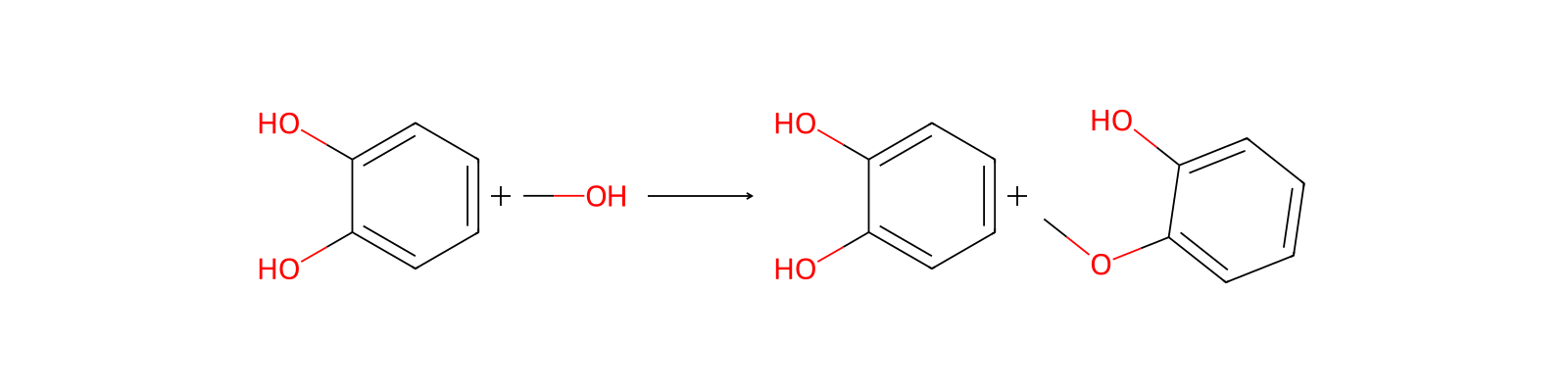
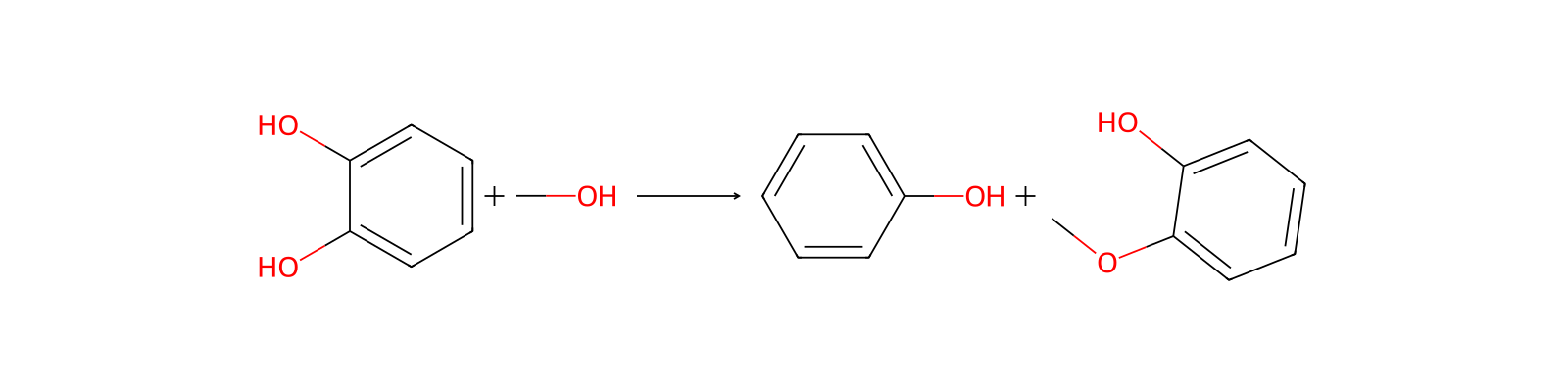
Guaiacol is prepared by monomethylation of catechol using methyl halides or dimethyl sulfate. Monomethylation of catechol can also be accomplished with methanol in the presence of phosphoric acid, phosphates, or an ion exchanger.
... By mercuric oxide oxidation of lignin; ... by oxidation of anisole with trifluoroperoxyacetic acid; ... from acetovanillone and zinc chloride.
By extracting beechwood creosote with alcoholic potash, washing with ether, crystallizing potash compound from alcohol, and decomposing it with dilute sulfuric acid; also from ortho-anisidine by diazotization and subsequent action of dilute sulfuric acid.
Formulations/PreparationsOral solution: Codeine BP: 7.0 mg/5 mL and Guaiacol (1949) BPC /Boots Company plc/ 75.0 mg/5 mL, Pulmo Bailly (DDD Limited, United Kingdom)
Household ProductsInformation on 1 consumer products that contain Guaiacol in the following categories is provided:
Use Classification
Fragrance Ingredients
Flavouring Agent -> FLAVOURING_AGENT -> JECFA Functional Classes
Flavoring Agents -> JECFA Flavorings Index
Flavouring Agent -> FLAVOURING_AGENT -> JECFA Functional Classes
Flavouring Agent -> FLAVOURING_AGENT -> JECFA Functional Classes
Flavouring Agent -> FLAVOURING_AGENT -> JECFA Functional Classes
General Manufacturing Information
All Other Basic Organic Chemical Manufacturing
Phenol, 2-methoxy-: ACTIVE
Constitutes 60-90% of beechwood creosote
Suppliers50 total
国药集团化学试剂有限公司86-21-63210123 · [email protected]
北京华美互利生物化工010-56205725 · [email protected]
梯希爱(上海)化成工业发展有限公司021-67121386 · [email protected]
上海阿拉丁生化科技股份有限公司400-6206333 13167063860 · [email protected]
山东泰诚生物科技有限公司18769832557 18769832557 · [email protected]
上海如吉生物科技发展有限公司+86-21-65211385-8001 36031160 · [email protected]
Syntechem Co.,Ltd[email protected]
上海迈瑞尔生化科技有限公司4006356688 18621169109 · [email protected]
武汉易泰科技有限公司上海分公司18930552037 · [email protected]
阿法埃莎(中国)化学有限公司400-6106006 · [email protected]
上海德默医药科技有限公司400-021-7337 2355568890 · [email protected]
安耐吉化学&3A(安徽泽升科技股份有限公司)400-0056266 · [email protected]
浙江海洲制药有限公司0576-88221739 · [email protected]
上海瀚鸿科技股份有限公司021-54306202 13764082696 · [email protected]
江西林缘香料有限公司13879661494 13879661494
上海柯维化学技术有限公司021-64609169 18901607656 · [email protected]
成都普菲德生物技术有限公司028-82610909 13388174823 · [email protected]
吉良化学21-62165282 · [email protected]
上海景颜化工科技有限公司13817811078 · [email protected]
上海隆盛化工有限公司58099637 13585536065 · [email protected]
孝感深远化工有限公司15527621225; 15527621225 · [email protected]
山东西亚化学有限公司13355009207 13355009207 · [email protected]
唐山默内德贸易有限公司0315-8309571 15633399667 · [email protected]
玛雅试剂+86 (573) 82222445 (0)18006601000 452520369 · [email protected]
四川库利南科技有限公司400-1166-196 18981987031 · [email protected]
天津希恩思生化科技有限公司400 638 7771 · [email protected]
成都健腾生物技术有限公司86-28-85159085 · [email protected]
斯百全化学(上海)有限公司021-021-021-67601398-809-809-809 15221380277 · [email protected]
北京泰亚杰科技有限公司021-33690831-8001 13552411790;18616022633 · [email protected]
上海源叶生物科技有限公司13636370518 · [email protected]
艾科试剂4008-755-333 18080918076 · [email protected]
青岛保税区鲁联国际贸易有限公司0532-83893697 18561902820 · [email protected]
深圳菲斯生物科技有限公司0755-83725681-603
上海思域化工科技有限公司86-21-34053660 · [email protected]
赛默飞世尔科技(中国)有限公司800-810-5118 · [email protected]
北京伊诺凯科技有限公司400-810-7969 010-59572699 · [email protected]
上海遐瑞医药科技有限公司+86 21 61551611
江苏艾康生物医药研发有限公司025-66113011 13913916777 · [email protected]
TCI AMERICA800-4238616 · [email protected]
TOKYO CHEMICAL INDUSTRY CO., LTD.03-36680489 · [email protected]
TCI Europe320-37350700 · [email protected]
深圳振强药物研发有限公司0755-66853366 13670046396 · [email protected]
越林试剂021-62960152 · [email protected]
南京杜莱生物技术有限公司025-84699383-8003;025-846993838003-8003 18013301590 · [email protected]
陕西帕尼尔生物科技有限公司13720616393;029-84385017-8003 13720616393 · [email protected]
深圳市石金谷科技有限公司(0086)755-61930359 (0086)18038192047 · [email protected]
成都瑞芬思德丹生物科技有限公司2355253622; 18981954830 · [email protected]
北京环宇世纪化学科技有限公司hysj_bj.com
上海将来实业股份有限公司400-0066400 13621662912 · [email protected]
上海将来实业股份有限公司021-61552785 · [email protected]
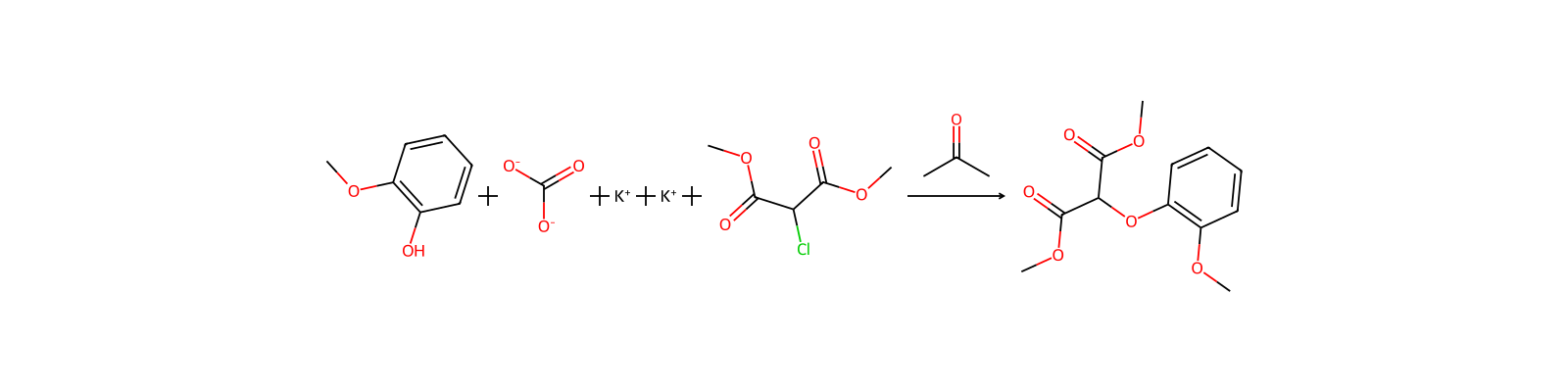
Related reactions
322 records


Linked notes
Loading…