
Benzenesulfonic acid, 4-methyl-, compd. with pyridine (1:1)
Completing data — refresh the page later to see the latest
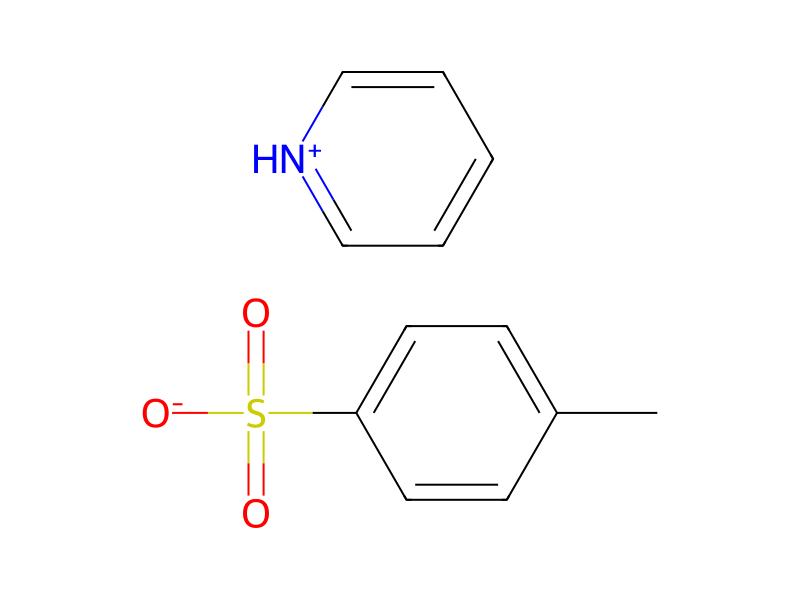
Basic information
- CAS
24057-28-1- Standard SMILES
Cc1ccc(S(=O)(=O)[O-])cc1.c1cc[nH+]cc1- InChIKey
ZDYVRSLAEXCVBX-UHFFFAOYSA-N- Molecular formula
- C7H8O3S.C5H5N
- Average molar mass
- 251.3 g/mol
Names & identifiers
- Preferred name
- Benzenesulfonic acid, 4-methyl-, compd. with pyridine (1:1)
- IUPAC
- 4-methylbenzenesulfonate;pyridin-1-ium
- English name
- Pyridinium p-Toluenesulfonate
- Molecular formula
- C12H13NO3S
- Molecular weight
- 251.3
Names & synonyms
Pyridinium p-toluenesulfonatePyridine ptoluenesulfonateRefChem:118015Pyridinium toluene4sulphonateDTXCID3036995Pyridine, 4methylbenzenesulfonatepToluenesulfonic acid pyridine saltpToluenesulfonic acid, pyridine adductBenzenesulfonic acid, 4methyl, compd. with pyridine (1:1)24057-28-1DTXSID5066952EINECS 246-002-7
Show more names
PPTpyridinium para-toluenesulfonate4-methylbenzenesulfonate,pyridin-1-iumPYRIDINE P-TOLUENESULFONATEPYRIDINIUM TOLUENE-4-SULFONATE
Pyridine, 4-methylbenzenesulfonatePyridin-1-ium 4-methylbenzenesulfonatePPTSPyridinium 4-toluenesulfonatePyridinium toluene-4-sulphonatepyridinium tosylatep-Toluenesulfonic acid pyridine saltpyridinium p-toluene sulphonate
Database identifiers
- CAS
24057-28-1- PubChem CID
- 466102
- EC Number
- 246-002-7
Properties
Computed structural propertiesFilling in
- Topological polar surface area
- 79.7 Ų
- Hydrogen bond donors
- 1
- Hydrogen bond acceptors
- 3
- Rotatable bonds
- 0
- Heavy atoms
- 17
- Formal charge
- 0
- Complexity
- 224
Experimental & physicochemical properties
Chemical ClassesNitrogen Compounds -> Pyridines
Physical DescriptionWhite crystalline solid; [Sigma-Aldrich MSDS]
Physicochemical properties
- Melting point
- 117 · 117-120 °C
- Density
- 1.2829 · 1.2829 (rough estimate)
- vapor pressure
- 40 Pa · 40Pa at 20℃
- refractive index
- 1.6 · 1.6000 (estimate)
- storage temp.
- 30 °C · Store below +30°C.
- solubility
- DMSO (Sparingly), Methanol (Slightly)
- form
- Crystalline Powder or Crystals
- color
- White to light beige
- Water Solubility
- decomposes
- Sensitive
- Moisture Sensitive
- BRN
- 3764305 · 3764305
- InChI
Safety & regulation
Safety information is for reference only and does not replace the supplier’s Safety Data Sheet (SDS), applicable regulations, or professional assessment.
GHS classification
GHS Classification
This chemical does not meet GHS hazard criteria for 1.1% (1 of 95) of reports.
Warning
H315 (62.1%): Causes skin irritation [Warning Skin corrosion/irritation]
P260, P261, P264, P264+P265, P271, P273, P280, P302+P352, P304+P340, P305+P351+P338, P319, P321, P332+P317, P337+P317, P362+P364, P403+P233, P405, and P501 (click each P-code to see the statement)
Aggregated GHS information provided per 95 reports by companies from 10 notifications to the ECHA C&L Inventory. Each notification may be associated with multiple companies.
Hazard information
Regulatory Information
Chemical: Pyridine, 4-methylbenzenesulfonate
Status: Active Update: 16-12-2019 https://echa.europa.eu/registration-dossier/-/registered-dossier/26654
Benzenesulfonic acid, 4-methyl-, compd. with pyridine (1:1): Does not have an individual approval but may be used under an appropriate group standard
Hazards SummaryA skin and strong eye irritant; [Sigma-Aldrich MSDS] See p-Toluenesulfonic acid. See Pyridine.
Hazard Classes and CategoriesSkin Irrit. 2 (62.1%)
Safety data
- F
- 9-21
- PPE
- dust mask type N95 (US), Eyeshields, Gloves
- wgk
- 3
- tsca
- TSCA listed
- hs_code
- 29333100
- risk_code
- 36/37/38
- Signal word
- Warning
Chemistry & industry
Uses & manufacturing
General Manufacturing InformationBenzenesulfonic acid, 4-methyl-, compd. with pyridine (1:1): ACTIVE
Applications
UsesAs a co-catalyst with L-proline improved both yield and enantioselectivity of an asymmetric aldol condensation between dioxanones and aldehydes.1
UsesPyridinium p-Toluenesulfate is used in the synthesis of a subdomain of the cytochrome P450 BM3 enzyme, for use in screening systems for drug candidates.
UsesPyridinium p-Toluenesulfonate is used in the synthesis of a subdomain of the cytochrome P450 BM3 enzyme, for use in screening systems for drug candidates.
Upstream & downstream products
Upstream raw materials
Downstream products
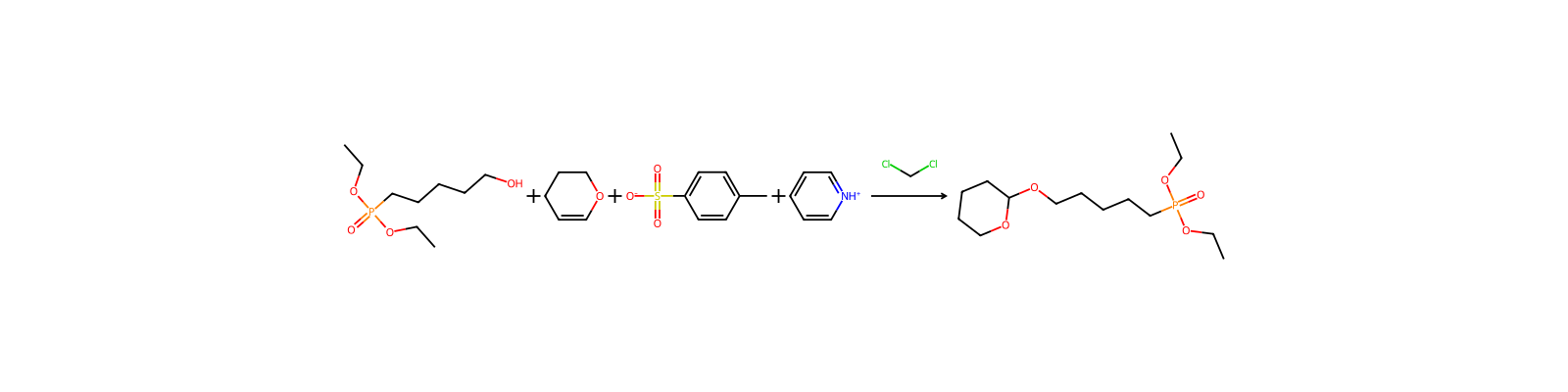
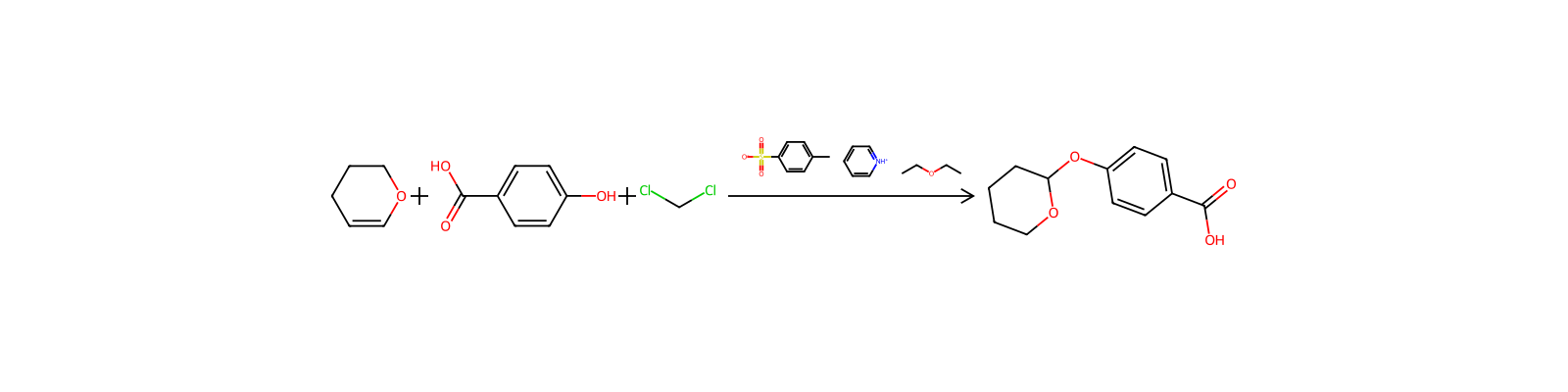
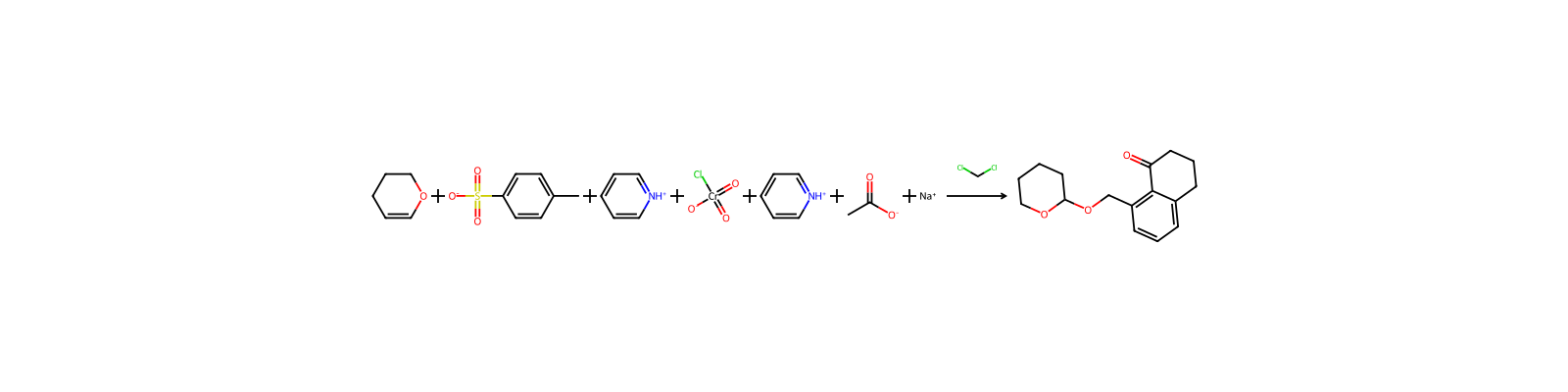
Related reactions
1,613 records




Compound notes
Loading…