

Basic information
- Standard SMILES
CC(=O)[O-].[NH4+]- InChIKey
USFZMSVCRYTOJT-UHFFFAOYSA-N- Molecular formula
- C2H7NO2
- Average molar mass
- 77.08 g/mol
- Monoisotopic mass
- 77.04767847
Names & identifiers
- Preferred name
- Ammonium Acetate
- IUPAC
- azanium acetate
Names & synonyms
AMMONIUM ACETATE631-61-8Acetic acid, ammonium saltacetic acid ammonium saltDTXSID5023873RRE756S6Q2CHEBI:62947RefChem:5546DTXCID203873211-162-9azanium;acetateammonium ethanoate
Show more names
AcONH4CH3COONH4CH3CO2NH4ammoniumacetateAzanium AcetateMFCD00013066Hexschloroplatinic(IV) acid hexahydrateAcetic Acid Ammonium Salt; Mindererus's Spirit; 1BEEM;
Database identifiers
- CAS
631-61-8- PubChem CID
- 517165
- DTXSID
DTXSID5023873- ChEBI
CHEBI:62947- UNII
- RRE756S6Q2
- EC Number
- 211-162-9
Properties
Computed structural properties
- Topological polar surface area
- 41.1 Ų
- Hydrogen bond donors
- 1
- Hydrogen bond acceptors
- 2
- Rotatable bonds
- 0
- Heavy atoms
- 5
- Formal charge
- 0
- Complexity
- 25
Experimental & physicochemical properties
pHVERY CONCENTRATED SOLN IS SLIGHTLY ACID & 0.5 MOLAR AQ SOLN HAS PH 7.0.
OdorSLIGHT ACETOUS ODOR
Density
1.17 at 68 °F (USCG, 1999) - Denser than water; will sink
SP GR: 1.17 AT 20 °C/4 °C
1.073 @25 °C
Color/Form
CRYSTALS OR CRYSTALLINE MASSES
WHITE CRYSTALS
Solubility
SOL IN LESS THAN 1 PART WATER; FREELY SOL IN ALCOHOL; SLIGHTLY SOL IN ACETONE.
148 G/100 CC WATER AT 4 °C; 7.89 G/100 CC METHANOL AT 15 °C
Melting Point
237.2 °F (USCG, 1999)
114 °C
114 °C
Vapor Pressure0.00014 [mmHg]
Physical Description
Ammonium acetate appears as a white crystalline solid. The primary hazard is the threat to the environment. Immediate steps should be taken to limit its spread to the environment. It is used in chemical analysis, in pharmaceuticals, in preserving foods, and for other uses.
CBI; Dry Powder; Liquid; Other Solid; Liquid
White deliquescent solid; [Hawley] White crystalline solid; [MSDSonline]
Stability/Shelf LifeDELIQUESCENT; TENDS TO LOSE AMMONIA.
Safety & regulation
GHS classification
GHS Classification
This chemical does not meet GHS hazard criteria for 96.3% (2441 of 2536) of all reports.
Not Classified;Reported as not meeting GHS hazard criteria by 2441 of 2536 companies (only 3.7% companies provided GHS information). For more detailed information, please visit ECHA C&L website.
Aggregated GHS information provided per 2536 reports by companies from 9 notifications to the ECHA C&L Inventory.;Reported as not meeting GHS hazard criteria per 2441 of 2536 reports by companies.;There are 7 notifications provided by 95 of 2536 reports by companies with hazard statement code(s).;Information may vary between notifications depending on impurities, additives, and other factors. The percentage value in parenthesis indicates the notified classification ratio from companies that provide hazard codes. Only hazard codes with percentage values above 10% are shown. For more detailed information, please visit ECHA C&L website.
Hazard information
Regulatory Information
Chemical: Acetic acid, ammonium salt
Commission Regulation (EC) No 2229/2004
Acetic acid, ammonium salt (1:1) is listed on the EPA's Chemical Data Reporting (CDR) system. Manufacturers and importers of Acetic acid, ammonium salt (1:1) are required to report information about their production and use of this chemical to the EPA under the Toxic Substances Control Act (TSCA). (40 eCFR Part 711)
2008/127, Reg. (EU) 2022/801, Reg. (EU) No 540/2011
Status: Active Update: 21-04-2023 https://echa.europa.eu/registration-dossier/-/registered-dossier/16046
Ammonium acetate: Does not have an individual approval but may be used under an appropriate group standard
Other Safety InformationIMAP assessments - Acetic acid, ammonium salt: Human health tier I assessment
Fire HazardsSpecial Hazards of Combustion Products: Irritating vapors of ammonia acetic acid, and nitrogen oxides may form in fires. (USCG, 1999)
Health HazardsInhalation of dust irritates nose and mouth. Ingestion irritates mouth and stomach. Contact with dust causes irritation of eyes and mild irritation of skin. (USCG, 1999)
Hazards Summary
An eye, nose, and mouth irritant; A mild skin irritant; Emergency treatment: Ammonia; [HSDB] Intraperitoneal LD50 (rat) = 632 mg/kg; Effects on rats at lethal doses include convulsions; [RTECS] May cause irritation; [MSDSonline] See Ammonia.
Reactive GroupSalts, Acidic
Reactivity ProfileAMMONIUM ACETATE causes the decomposition of sodium hypochlorite within a few seconds [Mellor 2 Supp. 1:550 1956].
Air and Water ReactionsWater soluble.
CERCLA Reportable Quantities
Persons in charge of vessels or facilities are required to notify the National Response Center (NRC) immediately, when there is a release of this designated hazardous substance, in an amount equal to or greater than its reportable quantity of 5000 lb or 2270 kg. The toll free number of the NRC is (800) 424-8802; In the Washington D.C. metropolitan area (202) 426-2675. The rule for determining when notification is required is stated in 40 CFR 302.4 (section IV. D.3.b).
Clean Water Act RequirementsDesignated as a hazardous substance under section 311(b)(2)(A) of the Federal Water Pollution Control Act and further regulated by the Clean Water Act Amendments of 1977 and 1978. These regulations apply to discharges of this substance.
Hazard Classes and CategoriesNot Classified
Standard Transportation Number49 667 08; Ammonium acetate
Safety & protection
First Aid
INHALATION: remove victim to fresh air; rinse nose and mouth with water. If not breathing, give artificial respiration. If breathing is difficult, give oxygen.;INGESTION: induce vomiting immediately. Give large amounts of water.;EYES: flush with water for at least 15 min.;SKIN: flush with soap and water. (USCG, 1999)
Storage ConditionsKEEP COOL & TIGHTLY CLOSED.
Preventive Measures
SRP: The scientific literature for the use of contact lenses in industry is conflicting. The benefit or detrimental effects of wearing contact lenses depend not only upon the substance, but also on factors including the form of the substance, characteristics and duration of the exposure, the uses of other eye protection equipment, and the hygiene of the lenses. However, there may be individual substances whose irritating or corrosive properties are such that the wearing of contact lenses would be harmful to the eye. In those specific cases, contact lenses should not be worn. In any event, the usual eye protection equipment should be worn even when contact lenses are in place.
Protective Action Criteria (PAC)
3.8 [mg/m3]
42 [mg/m3]
250 [mg/m3]
Personal Protective Equipment (PPE)
Dust mask; goggles or face shield (do not wear contact lenses); rubber gloves; impervious protectiveclothing. (USCG, 1999)
DUST MASK; GOGGLES OR FACE SHIELD; RUBBER GLOVES.
Toxicology
Interactions
AN EQUIMOLAR MIXTURE OF ORNITHINE & ASPARTIC ACID (1 MMOLE/KG) WAS EFFECTIVE IN PREVENTING TOXIC BLOOD LEVELS OF AMMONIA FROM OCCURRING IN ECK FISTULA DOGS WHEN ADMINISTERED 1 HR PRIOR TO AMMONIUM ACETATE ADMINISTRATION.
ADDITION OF OTHER AMINO ACIDS IN DIFFERENT COMBINATIONS WITH ARGININE HYDROCHLORIDE GREATLY ENHANCED THE PROTECTIVE ACTION OF ARGININE HYDROCHLORIDE AGAINST AMMONIUM ACETATE POISONING IN RATS.
CARBAMYLASPARTATE PROTECTED RATS AGAINST INTOXICATING EFFECTS BY DECR BLOOD AMMONIA LEVEL & INCR BLOOD UREA LEVEL SEEN AFTER THE INJECTION OF AMMONIUM ACETATE ALONE.
THE INJECTION OF A COMBINATION OF 1 MMOLE N-CARBAMOYL-L-GLUTAMATE/KG & 1 MMOLE L-ARGININE/KG GAVE 100% PROTECTION AGAINST HYPERAMMONEMIA TO RATS WHICH WERE SUBSEQUENTLY GIVEN LD99.9 DOSE (10.8 MMOLE/KG) AMMONIUM ACETATE.
For more Interactions (Complete) data for AMMONIUM ACETATE (7 total), please visit the HSDB record page.
Ecotoxicity ValuesTLm Mosquito fish 238 ppm/24 hr fresh water. /Conditions of bioassay not specified/
EPA IRIS InformationAmmonium acetate
Medical SurveillancePROTECT FROM EXPOSURE INDIVIDUALS WITH LIVER DAMAGE. /AMMONIUM SALTS/
Human Toxicity Excerpts
NORMAL HUMAN SUBJECTS INFUSED WITH AMMONIUM ACETATE EXHIBIT FLACCIDITY OF FACIAL MUSCLES, TREMOR, GENERALIZED DISCOMFORT, ANXIETY, & IMPAIRMENT OF MOTOR PERFORMANCE, OF RECOGNITION & OF CRITICAL FLICKER FUSION.
... WITH LARGE DOSES OF AMMONIUM ... ACETATE ... THERE ARISES POSSIBILITY OF SUFFICIENT ABSORPTION TO PRODUCE DIURESIS & SYSTEMIC AMMONIA POISONING, PARTICULARLY IF ... ADMIN PARENTERALLY.
Non-Human Toxicity Excerpts
... RATS INJECTED INTRAPERITONEALLY ... DEVELOPED SPASTICITY & CONVULSIONS COINCIDENT WITH HIGH CONCN OF AMMONIA IN BLOOD & BRAIN.
WHEN AMMONIUM ACETATE WAS INFUSED INTRARUMINALLY (300 AND 400 MG AMMONIA/KG BODY WT), ACUTE TOXICITY WAS OBSERVED IN 3 HOLSTEIN STEERS.
AN IV GLUCOSE TOLERANCE TEST WAS PERFORMED IN 3 GROUPS OF 15 RATS 60 MIN AFTER THE BEGINNING OF A 95 MIN INFUSION OF EITHER 2 ML ISOTONIC SODIUM CHLORIDE SOLN (CONTROL GROUP) OR AMMONIUM ACETATE SOLN AT LOW (0.50 UMOL AMMONIUM ION/KG/MIN) OR HIGH DOSES (1.70 UMOL AMMONIUM ION/KG/MIN). HIGH AMMONIUM ION INFUSION PRODUCED INCR OF BLOOD AMMONIUM LEVELS NEAR 1000 UG/100 ML, SIGNIFICANT DECR IN POTASSIUM COEFFICIENT FOR GLUCOSE DISAPPEARANCE (2.53X10⁻² COMPARED TO 4.92X10⁻² IN CONTROL), & A SUPPRESSION OF RADIOIMMUNOL PLASMA, INSULIN (IRI) RESPONSE TO GLUCOSE. GLUCOSE INTOLERANCE INDUCED BY AMMONIUM ACETATE INFUSIONS MAY BE DUE TO DIRECT EFFECT OF AMMONIUM ION ON PANCREAS. THESE ABNORMALITIES IN GLUCOSE METABOLISM DEPEND OF INFUSED AMMONIUM.
Ammonia toxicity was induced by ip admin of ammonium acetate to frogs (Rana hexadactyla). The liver & brain ornithine transcarbamylase, argininosuccinate synthetase, & arginase showed different responses to ammonia. Brain had an elevated arginase activity after 5 min of ammonium acetate admin, while liver restored to urogenesis 120 min after admin.
For more Non-Human Toxicity Excerpts (Complete) data for AMMONIUM ACETATE (13 total), please visit the HSDB record page.
Populations at Special Risk
... A DISTINCT SYNDROME OF SYSTEMIC AMMONIA INTOXICATION IS RECOGNIZED IN ... MAN ... IN AN EXPERIMENTAL CONTEXT. ONLY A REMOTE POSSIBILITY EXISTS ... THAT IT MIGHT OCCUR IN MAN AS RESULT OF INGESTING ... AMMONIUM SALTS, EXCEPT IN THE PERSON WITH PREEXISTING LIVER DISEASE. /AMMONIUM SALTS/
Evidence for CarcinogenicityCLASSIFICATION: D; not classifiable as to human carcinogenicity. BASIS FOR CLASSIFICATION: No human data and no animal data. HUMAN CARCINOGENICITY DATA: None. ANIMAL CARCINOGENICITY DATA: None.
Regulatory information
Regulatory Information
Chemical: Acetic acid, ammonium salt
Commission Regulation (EC) No 2229/2004
Acetic acid, ammonium salt (1:1) is listed on the EPA's Chemical Data Reporting (CDR) system. Manufacturers and importers of Acetic acid, ammonium salt (1:1) are required to report information about their production and use of this chemical to the EPA under the Toxic Substances Control Act (TSCA). (40 eCFR Part 711)
2008/127, Reg. (EU) 2022/801, Reg. (EU) No 540/2011
Status: Active Update: 21-04-2023 https://echa.europa.eu/registration-dossier/-/registered-dossier/16046
Ammonium acetate: Does not have an individual approval but may be used under an appropriate group standard
CERCLA Reportable Quantities
Persons in charge of vessels or facilities are required to notify the National Response Center (NRC) immediately, when there is a release of this designated hazardous substance, in an amount equal to or greater than its reportable quantity of 5000 lb or 2270 kg. The toll free number of the NRC is (800) 424-8802; In the Washington D.C. metropolitan area (202) 426-2675. The rule for determining when notification is required is stated in 40 CFR 302.4 (section IV. D.3.b).
Clean Water Act RequirementsDesignated as a hazardous substance under section 311(b)(2)(A) of the Federal Water Pollution Control Act and further regulated by the Clean Water Act Amendments of 1977 and 1978. These regulations apply to discharges of this substance.
Chemistry & industry
Pharmacology
Mechanism of Action
ALTHOUGH PRECISE MECHANISM OF SYSTEMIC AMMONIA INTOXICATION REMAINS TO BE ELUCIDATED, EVIDENCE EXISTS TO SUGGEST THAT AN INTERFERENCE WITH CEREBRAL OXIDATIVE ENERGY METABOLISM IS INVOLVED. IN RATS MADE COMATOSE WITH AMMONIUM ACETATE, SAMPLES OF BASILAR BRAIN STRUCTURES SHOWED SIGNIFICANT DECR IN GLYCOGEN, GLUCOSE, ATP, & ESPECIALLY IN PHOSPHOCREATINE.
The effects of ammonium ions on the release of glutamic acid from the rat cerebral cortex were measured in vivo using cortical cups & multiple ion detection technique. The results indicate that ammonium ions increase the release & the formation of glutamic acid in the brain. The resulting increased concn of this amino acid in extracellular spaces may be one of the mechanisms of ammonia toxicity in vivo. /Ammonium ions/
Uses & manufacturing
Uses
Used in explosives, foam rubbers, vinyl plastics, and drugs; Also used for preserving meats, dyeing and stripping, determining lead and iron, and separating lead sulfate from other sulfates; [HSDB]
EXPLOSIVES, FOAM RUBBERS, VINYL PLASTICS, & DRUGS.
Preserving meats, dyeing, stripping; as a reagent in analytical chemistry, eg for determining lead and iron; separating lead sulfate from other sulfates.
MEDICATION (VET)
MEDICATION
U.S. Production
2023: 1,000,000 - <2,500,000 lb;2022: 1,000,000 - <2,500,000 lb;2021: 2,500,000 - <4,000,000 lb;2020: 1,000,000 - <2,500,000 lb
(1972) PROBABLY GREATER THAN 4.54X10+5 GRAMS
(1975) GREATER THAN 1.36X10+6 GRAMS
Consumer UsesSoil amendments (fertilizers);Semiconductor and photovoltaic agent
Industry UsespH regulating agent;Plating agent;Other;Chelating agent;Etching agent;Catalyst;Soil amendments (fertilizers);Flame retardant
Methods of ManufacturingFrom acetic acid and ammonia.
Formulations/Preparations
COMMERCIAL PRODUCT CONTAINS 95-97% SALT WITH ACETIC ACID & SOME WATER.
GRADES OR PURITY: REAGENT; CP; TECHNICAL, 97+%
The acid salt is a double compound of the neutral salt with acetic acid.
/Available as/ crystal; reagent, purified; 65% solution, purified grades
/Available as/ 8 mesh particle size, 99.9 & 99.999% purity grades
Household ProductsInformation on 42 consumer products that contain Ammonium acetate in the following categories is provided:;• Inside the Home;• Personal Care
Use Classification
Food Additives -> ACIDITY_REGULATOR -> JECFA Functional Classes
Cosmetics -> Buffering
General Manufacturing Information
Pesticide, Fertilizer, and Other Agricultural Chemical Manufacturing;Utilities;Wholesale and Retail Trade;Agriculture, Forestry, Fishing and Hunting;All Other Chemical Product and Preparation Manufacturing
Acetic acid, ammonium salt (1:1): ACTIVE
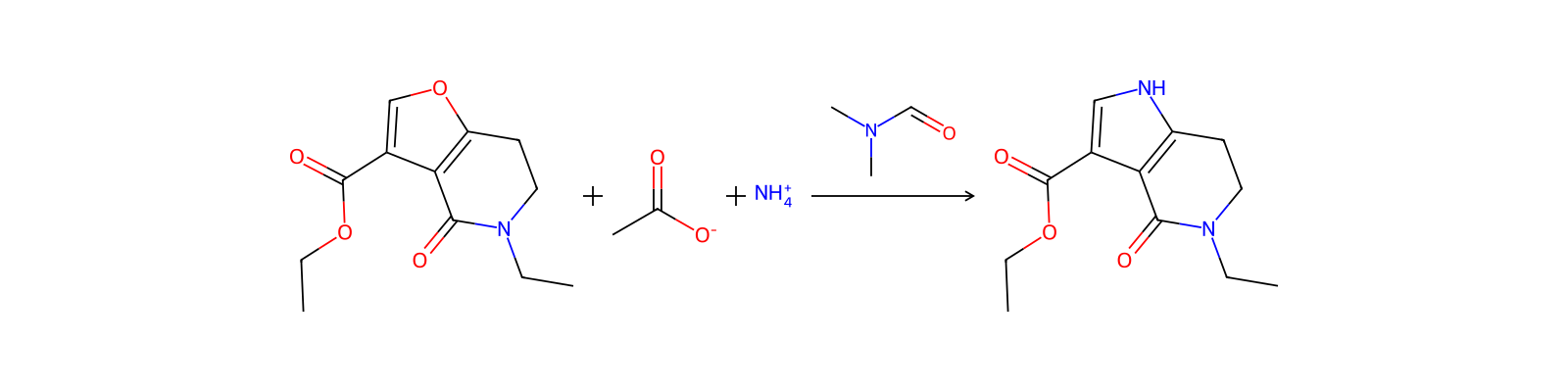
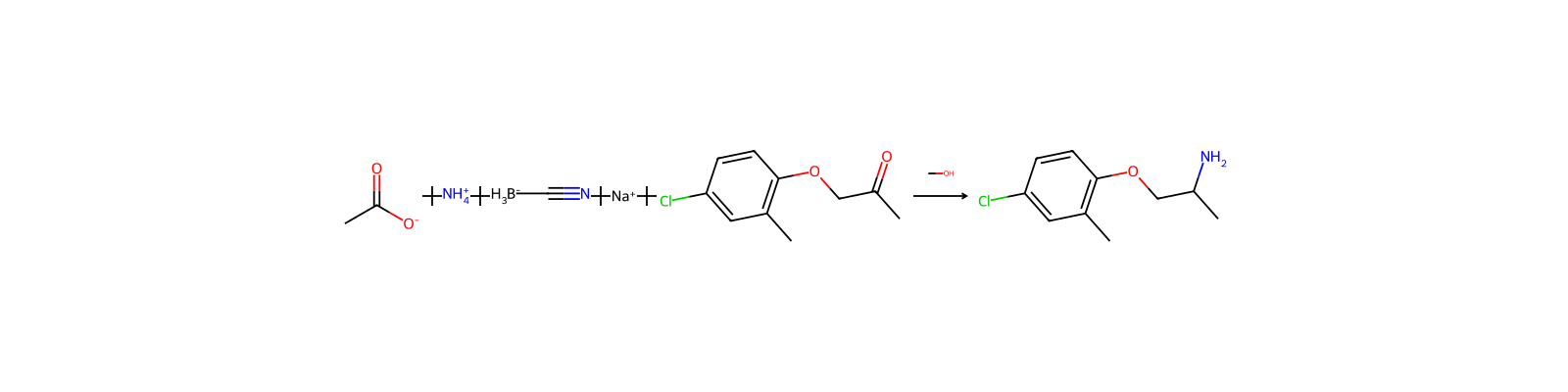
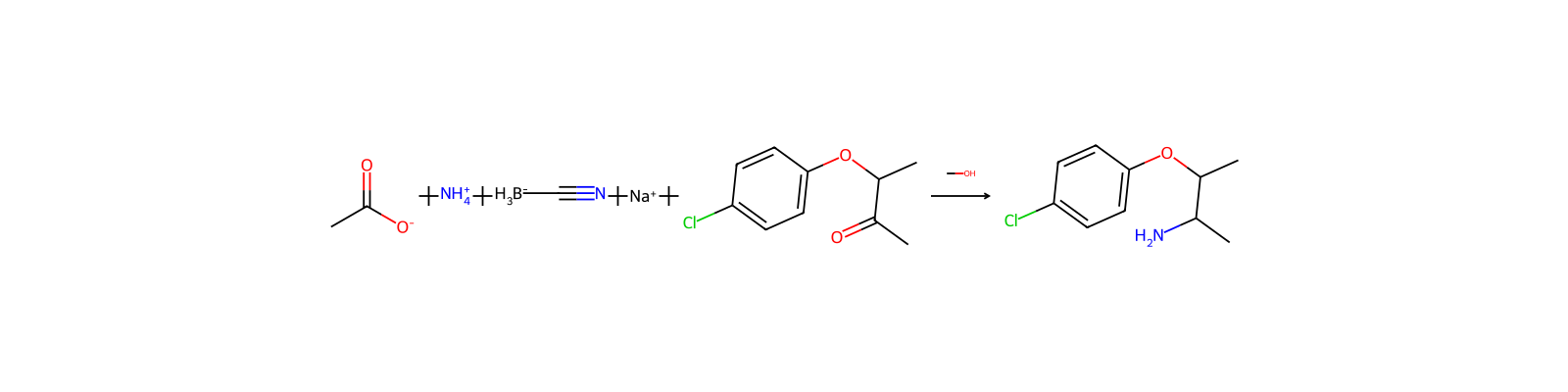
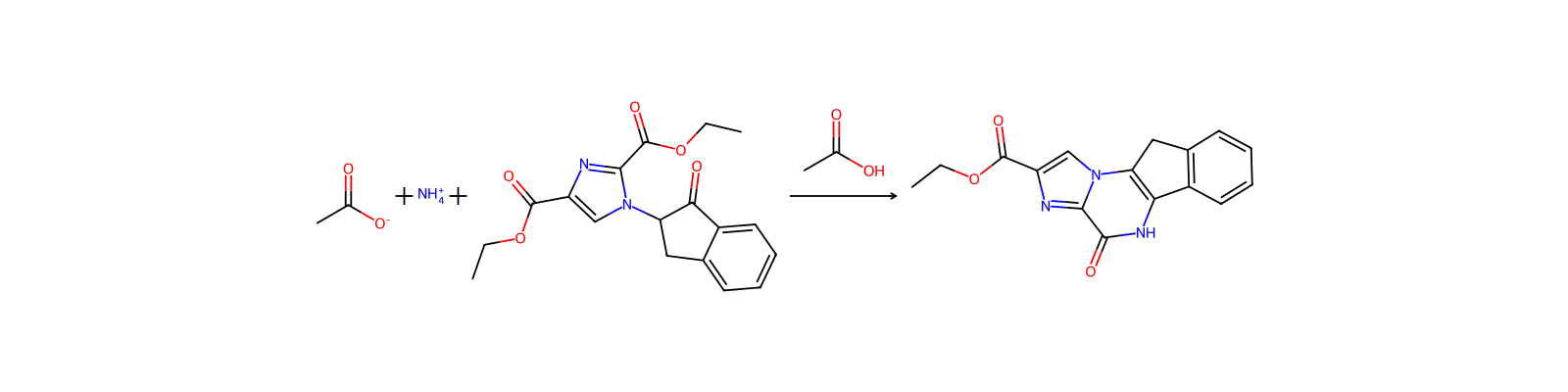
Related reactions
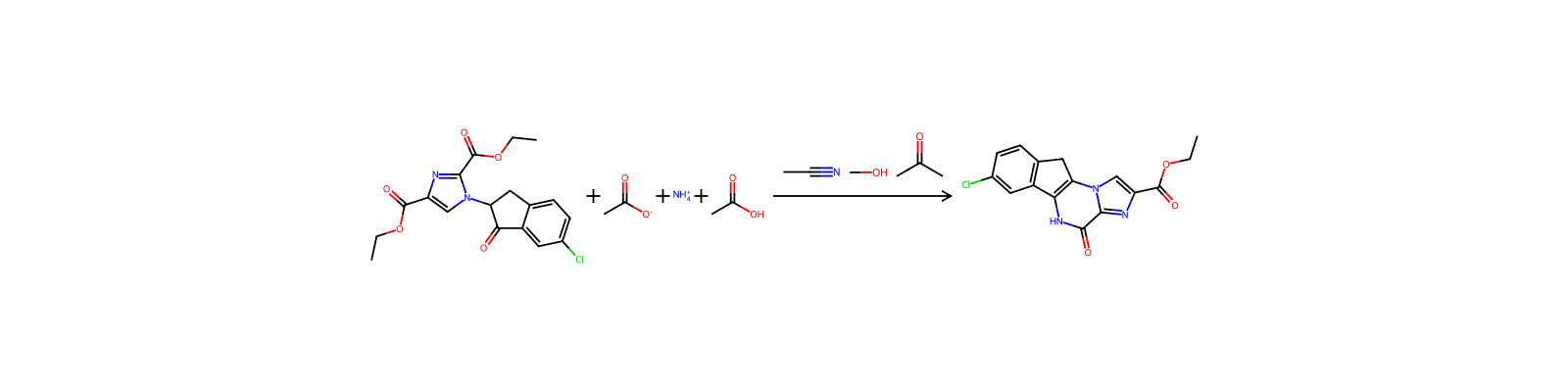
3,809 records


Linked notes
Loading…