HomeMCPWorkbenchSkills
HomeWorkbenchNotificationsMe
llms.txt · MCP GuidePrivacy Policy · Terms of Service · Supportv1.8.0
  1. Home
  2. /Compound

Oleyl Alcohol

HCID 5284499
New noteNew reactionRequest quotes
Print preview

Completing data — refresh the page later to see the latest
Basic informationOverviewNames & identifiersPropertiesSafety & regulationChemistry & industryRelated reactionsCompound notes
Substructure searchFind similar structures

Basic information

CAS
143-28-2
Standard SMILES
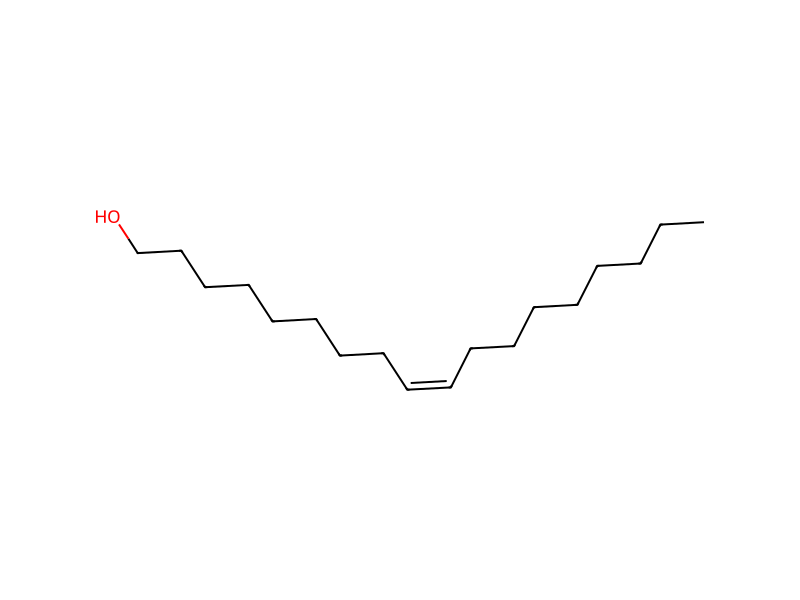
CCCCCCCC/C=C\CCCCCCCCO
InChIKey
ALSTYHKOOCGGFT-KTKRTIGZSA-N
Molecular formula
C18H36O
Average molar mass
268.5 g/mol
Monoisotopic mass
268.27661577

Overview

(9Z)-octadecen-1-ol is a long chain fatty alcohol that is octadecanol containing a double bond located at position 9 (the Z-geoisomer). It has a role as a metabolite and a nonionic surfactant. It is a long-chain primary fatty alcohol and a fatty alcohol 18:1.

Names & identifiers

Preferred name
Oleyl Alcohol
IUPAC
(Z)-octadec-9-en-1-ol
English name
Oleyl alcohol
Molecular formula
C18H36O
Molecular weight
268.48

Names & synonyms

OLEYL ALCOHOL143-28-2(Z)-octadec-9-en-1-olcis-9-Octadecen-1-olOcenolOleo alcoholLoxanol MDermaffineLancolNovolOceolOleol
Show more names
oleyl9-Octadecen-1-ol, (Z)-9-OCTADECEN-1-OLOleyl alcohoOlely AlcoholOlive alcohol
SatolOleic alcoholOleoyl alcoholUnjecol 70Conditioner 1(Z)-9-Octadecen-1-olAtalco OSiponol OC

Database identifiers

CAS
143-28-2
PubChem CID
5284499
DTXSID
DTXSID0022010
ChEMBL
CHEMBL2105350
ChEBI
CHEBI:73504
UNII
172F2WN8DV
EC Number
205-597-3
Nikkaji
J5.818A

Properties

Computed structural propertiesFilling in

XLogP
7.4
Topological polar surface area
20.2 Ų
Hydrogen bond donors
1
Hydrogen bond acceptors
1
Rotatable bonds
15
Heavy atoms
19
Formal charge
0
Complexity
175

Experimental & physicochemical properties

Chemical ClassesOther Uses -> Emulsifiers/Surfactants
LipidsFatty Acyls [FA] -> Fatty alcohols [FA05]
Cosmetics · 2 items

Cosmetic ingredients (Oleyl Alcohol) -> CIR (Cosmetic Ingredient Review)

Viscosity controlling; Emulsifying; Opacifying; Emollient

SpringerMaterials PropertiesDensity
FragrancesFragrance Ingredient ((Z)-Octadec-9-enol) -> IFRA transparency List
Food AdditivesFLAVORING AGENT OR ADJUVANT -> FDA Substance added to food
Density · 2 items

0.8489 at 20 °C/4 °C

0.842-0.854 (20 °C)

Color/Form · 2 items

Oily liquid, usually pale yellow

Clear, viscous liquid at room temperature

Solubility · 4 items

Safety & regulation

Safety information is for reference only and does not replace the supplier’s Safety Data Sheet (SDS), applicable regulations, or professional assessment.

GHS classification

GHS Classification · 3 items

This chemical does not meet GHS hazard criteria for 92.6% (561 of 606) of all reports.

Not Classified

Aggregated GHS information provided per 606 reports by companies from 7 notifications to the ECHA C&L Inventory.

Hazard information

Regulatory Information · 4 items

Chemical: 9-Octadecen-1-ol, (Z)-

9-Octadecen-1-ol, (9Z)- is listed on the EPA's Chemical Data Reporting (CDR) system. Manufacturers and importers of 9-Octadecen-1-ol, (9Z)- are required to report information about their production and use of this chemical to the EPA under the Toxic Substances Control Act (TSCA). (40 eCFR Part 711)

REACH registered substance: (Z)-octadec-9-enol (EC: 205-597-3)

9-Octadecen-1-ol, (9Z)-: Does not have an individual approval but may be used under an appropriate group standard

Other Safety InformationIMAP assessments - 9-Octadecen-1-ol, (Z)-: Human health tier I assessment
Hazards SummaryMay cause skin sensitization after prolonged contact, based on human patch test studies; [Reference #1] A skin irritant; [eChemPortal: ERMA] An irritant; [MSDSonline]
EPA Safer ChemicalChemical: cis-Oleyl alcohol
FIFRA Requirements · 1 item

Residues of oleyl alcohol are exempted from the requirement of a tolerance when used as a cosolvent (limit: 15%) in accordance with good agricultural practice as inert (or occasionally active) ingredients in pesticide formulations applied to growing crops or to raw agricultural commodities after harvest.

Hazard Classes and Categories

Chemistry & industry

Pharmacology

Mechanism of Action · 1 item

Farnesol (FOH) inhibits the CDP-choline pathway for PtdCho (phosphatidylcholine) synthesis, an activity that is involved in subsequent induction of apoptosis /SRP: programmed cell death/. Interestingly, the rate-limiting enzyme in this pathway, CCTalpha (CTP:phosphocholine cytidylyltransferase alpha), is rapidly activated, cleaved by caspases and exported from the nucleus during FOH-induced apoptosis. The purpose of the present study was to determine how CCTalpha activity and PtdCho synthesis contributed to induction of apoptosis by FOH and oleyl alcohol. Contrary to previous reports, /the authors/ show that the initial effect of FOH and oleyl alcohol was a rapid (10-30 min) and transient activation of PtdCho synthesis. During this period, the mass of DAG (diacylglycerol) decreased by 40%, indicating that subsequent CDP-choline accumulation and inhibition of PtdCho synthesis could be due to substrate depletion. At later time points (>1 h), FOH and oleyl alcohol promoted caspase cleavage and nuclear export of CCTalpha, which was prevented by treatment with oleate or DiC8 (dioctanoylglycerol). Protection from FOH-induced apoptosis required CCTalpha activity and PtdCho synthesis since (i) DiC8 and oleate restored PtdCho synthesis, but not endogenous DAG levels, and (ii) partial resistance was conferred by stable overexpression of CCTalpha and increased PtdCho synthesis in CCTalpha-deficient MT58 cells. These results show that DAG depletion by FOH or oleyl alcohol could be involved in inhibition of PtdCho synthesis. However, decreased DAG was not sufficient to induce apoptosis provided nuclear CCTalpha and PtdCho syntheses were sustained.

Metabolism/Metabolites · 3 items

cis-9-Octadecenyl alcohol (oleyl alcohol), orally administered, increased the relative concentration of 18:1 alkyl and alk-1-enyl moieties in alkoxylipids of the small intestine of rats.

A mixture of cis-9[1(-14)C] octadecenol and [1(-14)C] docosanol was injected into the brains of 19-day-old rats, Both alcohols were metabolized by the brain but at different rates; each was oxidized to the corresponding fatty acid, but oleic acid was more readily incorporated into polar lipids. Substantial amounts of radioactivity were incorporated into 18:1 alkyl and alk-1-enyl moieties of the ethanolamine phosphoglycerides and into 18:1 alkyl moieties of the choline phosphoglycerides.

cis-9-[1-(14)C]Octadecenol, cis,cis-9,12-[1-(14)C]octadecadienol, and cis,cis,cis-9,12,15-[1-(14)C]octadecatrienol were administered intracerebrally to 18-day-old rats. Incorporation of radioactivity into the constituent alkyl, alk-1-enyl, and acyl moieties of the ethanolamine phosphatides of brain was determined after 3, 6, 24, and 48 hr. Incorporation of radioactivity from each precursor proceeded at approximately the same rate leading to mono-, di-, and triunsaturated alkyl and alk-1-enyl glycerols. In addition, the labeled alcohols were found to be oxidized to the corresponding fatty acids which were incorporated into acyl groups; radioactivity derived from di- and triunsaturated alcohols was found mainly in acyl moieties produced through chain elongation and desaturation reactions of di- and triunsaturated fatty acids.

Related reactions

70 records
New reaction record
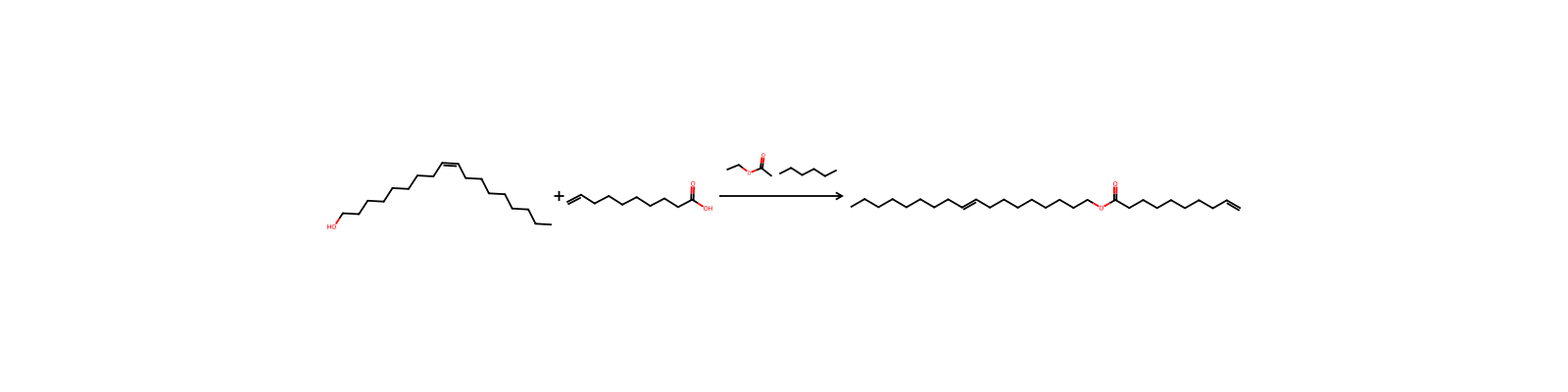
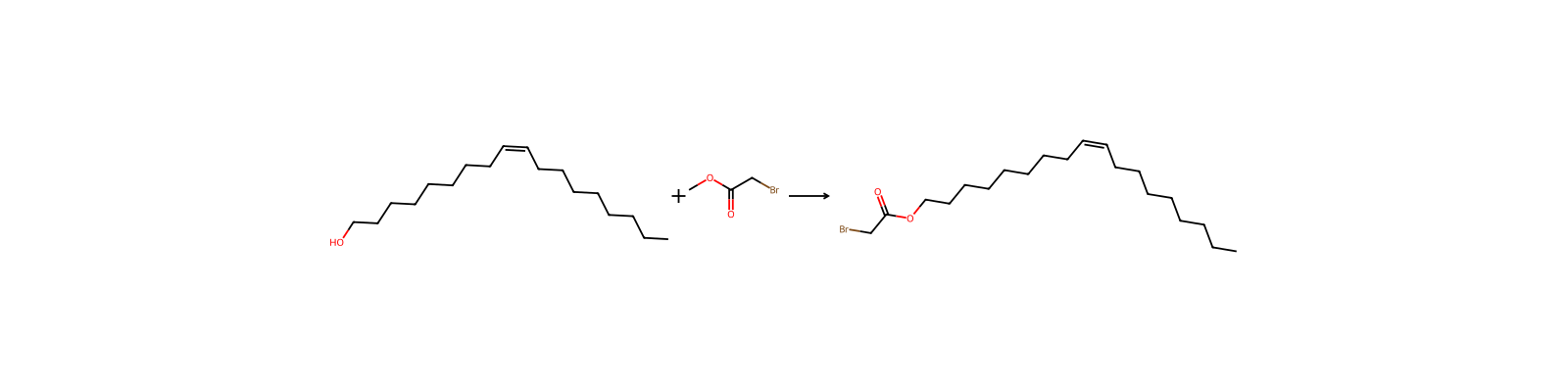
HRID 31537 reaction equation
HRID 31537As reactantuspto-grants-2008_09
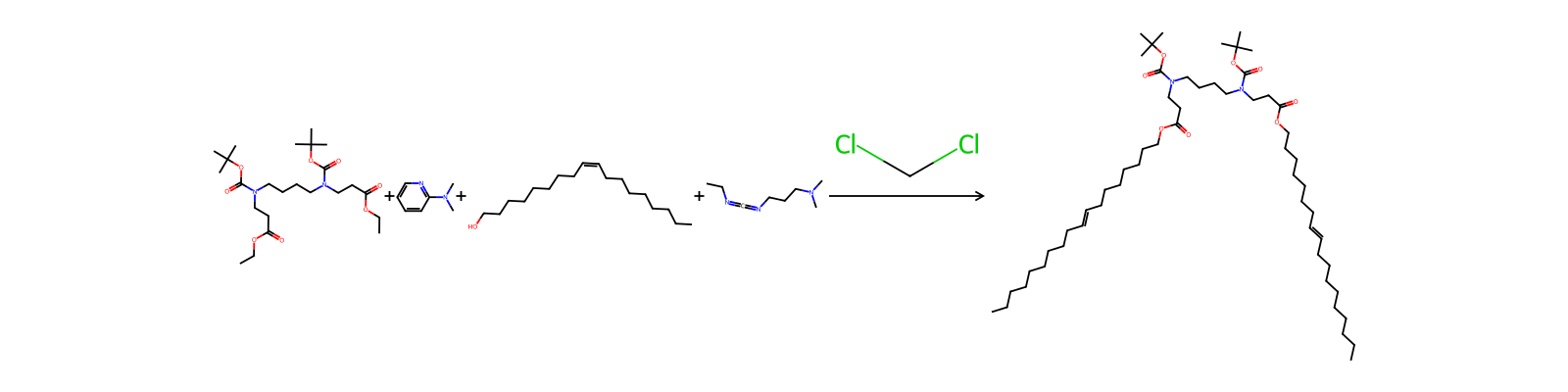
HRID 82436 reaction equation
HRID 82436As reactantuspto-grants-2014_09
HRID 344765 reaction equation
HRID 344765As reactantuspto-grants-1991_10
HRID 345736 reaction equation
HRID 345736As reactantuspto-grants-1991_10
HRID 361534 reaction equation
HRID 361534As reactantuspto-grants-1999_02
HRID 400346 reaction equation
HRID 400346As reactantuspto-grants-2014_06
HRID 484923 reaction equation
HRID 484923As solventuspto-grants-1985_08
HRID 566477 reaction equation
HRID 566477As reactantuspto-grants-2001_01
Page 1 of 9

Compound notes

Loading…

On this pageBasic informationOverviewNames & identifiersPropertiesSafety & regulationChemistry & industryRelated reactionsCompound notes
More actions
New noteNew reactionRequest quotes

Insol in water; sol in alcohol, ether

Slightly soluble in carbon tetrachloride

Insoluble in water; soluble in non-polar organic solvents

Soluble (in ethanol)

Endocrine DisruptorsPotential endocrine disrupting compound
Boiling Point · 4 items

195 °C at 8 mm Hg; 182-184 °C at 1.5 mm Hg (Distilling range at 760 mm Hg: 305-370 °C)

BP: 205 to 210 °C at 15 mm Hg

207.00 °C. @ 13.00 mm Hg

207 °C (13 mm Hg)

DecompositionWhen heated to decomposition it emits acrid smoke and irritating fumes.

Physicochemical properties

Melting point
0 · 0-5.0 °C (lit.)
Boiling point
207 °C/13 · 207 °C/13 mmHg (lit.)
Density
0.849 g/mL · 0.849 g/mL at 25 °C (lit.)
vapor pressure
10.64 hPa · 10.64 hPa (195 °C)
FEMA
4363 · 4363 | CIS-9-OCTADECENOL
refractive index
20 · n20/D 1.46(lit.)
Flash point
230 °F · >230 °F
storage temp.
-20 °C · -20°C
solubility
Soluble in ethanol (95%), and ether; practically insoluble in water.
pka
15.2 · 15.20±0.10(Predicted)
form
Viscous Liquid
color
Clear almost colorless to yellow
Odor
fatty animal
Odor Type
fatty
Water Solubility
Miscible with alcohol and ether. Slightly miscible with carbon tetrachloride. Immiscible with water.
Merck
14 · 14,6831
JECFA Number
1637 · 1637
BRN
1723962 · 1723962
Henry's Law Constant
2.1 · 2.1×10-2 mol/(m3Pa) at 25℃, HSDB (2015)
Stability
Stable. Combustible. Incompatible with strong acids, strong oxidizing agents.
Cosmetics Ingredients Functions
EMULSION STABILISINGSKIN CONDITIONING - EMOLLIENTFRAGRANCESOLVENTPERFUMINGVISCOSITY CONTROLLING
Cosmetic Ingredient Review (CIR)
Oleyl alcohol (143-28-2)
InChI
1S/C18H36O/c1-2-3-4-5-6-7-8-9-10-11-12-13-14-15-16-17-18-19/h9-10,19H,2-8,11-18H2,1H3/b10-9-
InChIKey
ALSTYHKOOCGGFT-KTKRTIGZSA-N
SMILES
CCCCCCCC\C=C/CCCCCCCCO
LogP
7.07 at · 7.07 at 25℃
CAS DataBase Reference
143 · 143-28-2(CAS DataBase Reference)
Substances Added to Food (formerly EAFUS)
OLEYL ALCOHOL
FDA 21 CFR
176.17 · 176.170; 176.180; 176.210;177.1210
EWG's Food Scores
1 · 1
FDA UNII
172 F2WN8DV · 172F2WN8DV
NIST Chemistry Reference
Oleyl Alcohol(143-28-2)
EPA Substance Registry System
9 · 9-Octadecen-1-ol, (9Z)- (143-28-2)
Cosmetics Info
Oleyl Alcohol
UNSPSC Code
41116107 · 41116107
NACRES
25 · NA.25
Symbol(GHS)
7 · GHS07
Signal word
Warning
Hazard statements
315 · H315-H320
Precautionary statements
280 g-P302+P352a-P321-P332+P313-P362+P364-P264-P280-P302+P352+P332+P313+P362+P364-P305+P351+P338+P337+P313 · P280g-P302+P352a-P321-P332+P313-P362+P364-P264-P280-P302+P352+P332+P313+P362+P364-P305+P351+P338+P337+P313
PPE
Eyeshields, Gloves, type ABEK (EN14387) respirator filter
Hazard Codes
Xi
Risk Statements
38 · 38
Safety Statements
26 · 26-36
WGK Germany
-
RTECS
4120000 · RG4120000
TSCA
TSCA listed
HS Code
29052990 · 29052990
Storage Class
10 · 10 - Combustible liquids
Hazardous Substances Data
143 · 143-28-2(Hazardous Substances Data)
Toxicity
50 orally · LD50 orally in Rabbit: > 5000 mg/kg
REACH Registrations
Active
Not Classified

Safety & protection

Disposal Methods · 1 item

SRP: The most favorable course of action is to use an alternative chemical product with less inherent propensity for occupational exposure or environmental contamination. Recycle any unused portion of the material for its approved use or return it to the manufacturer or supplier. Ultimate disposal of the chemical must consider: the material's impact on air quality; potential migration in soil or water; effects on animal, aquatic, and plant life; and conformance with environmental and public health regulations.

Allowable Tolerances · 1 item

Residues of oleyl alcohol are exempted from the requirement of a tolerance when used as a cosolvent (limit: 15%) in accordance with good agricultural practice as inert (or occasionally active) ingredients in pesticide formulations applied to growing crops or to raw agricultural commodities after harvest.

Toxicology

Interactions · 3 items

Hydrophilic and lipophilic formulations of naproxen were prepared, and the influence of the excipients in the formulations on the ulcerogenic potential of naproxen was investigated in rats. Doses of naproxen suspensions ranging from 3.125-100 mg/kg were administered to fasted rats and excised stomachs were examined macroscopically for the incidence and severity of lesions. Results were expressed as the 50% ulceration dose. Results of the study showed that a lipophilic formulation containing oleyl alcohol provided the greatest gastric protection.

Long-chain fatty acids are important nutrients, but obesity is the most common nutritional disorder in humans. In this study /the authors/ investigated the effect of oleyl alcohol on the intestinal long-chain fatty acid absorption in rats. ...[14C]Oleic acid and oleyl alcohol /was administered/ as lipid emulsion intraduodenally in unanesthetized lymph-cannulated rats and measured the lymphatic output of oleic acid. ... Lipid emulsion /was then administered/ with a stomach tube and ... the luminal and mucosal oleic acid residues /were measured/. Furthermore, rats were fed oleyl alcohol as a dietary component for 20 days, and fecal lipid and the weight of adipose tissues were measured. In lymph-cannulated rats, triglyceride and [14C]oleic acid output in the lymph were significantly lower in the presence of oleyl alcohol when compared with the absence of oleyl alcohol in a dose-dependent manner. The radioactivity remaining in the intestinal lumen was more strongly detected in rats that had been orally administered oleyl alcohol than in the controls. The feces of rats fed an oleyl-alcohol-added diet contained much higher amounts of lipids, and the weights of their adipose tissues were significantly lower than in the control group. These results suggest that oleyl alcohol inhibits the rat gastrointestinal absorption of long-chain fatty acids in vivo.

Studies of the influence of fatty acids, which were the component of intestinal mucosal lipids, on the permeability of several drugs across bilayer lipid membranes generated from egg phosphatidylcholine and intestinal lipid have been pursued. The permeability coefficients of p-aminobenzoic acid, salicylic acid and p-aminosalicylic acid (anionic-charged drug) increased when fatty acids such as lauric, stearic, oleic, linoleic and linolenic acid were incorporated into the bilayer lipid membranes generated from phosphatidylcholine. In the presence of methyl linoleate and oleyl alcohol, no enhancing effect on p-aminobenzoic acid transfer was obtained. The effect of fatty acids was more marked at pH 6.5 than at pH 4.5. In contrast, upon the addition of fatty acids to intestinal lipid membranes which originally contained fatty acids, the permeability coefficient of p-aminobenzoic acid tended to decrease, though the permeability through intestinal lipid membranes was larger than that of phosphatidylcholine membranes. The permeability of p-aminobenzoic acid across bilayer lipid membranes from intestinal phospholipids was significantly decreased to about equal that of phosphatidylcholine membranes, and reverted to the value of intestinal lipid membranes when fatty acids were added to intestinal phospholipids. It seemed reasonable to assume that free fatty acids in the intestinal neutral lipid fraction could contribute to the increase in the permeability of p-aminobenzoic acid. On the basis of above results, possible mechanisms for good absorbability of weakly acidic drugs from the intestine are discussed.

Environmental Fate · 3 items

TERRESTRIAL FATE: Based on a classification scheme(1), an estimated Koc value of 1.3X10+4(SRC), determined from a structure estimation method(2), indicates that oleyl alcohol is expected to be immobile in soil(SRC). Volatilization of oleyl alcohol from moist soil surfaces may be expected to be an important fate process(SRC) given an estimated Henry's Law constant of 4.6X10⁻⁴ atm-cu m/mole(SRC), using a fragment constant estimation method(3). Oleyl alcohol is not expected to volatilize from dry soil surfaces(SRC) based upon an estimated vapor pressure of 9.3X10⁻⁵ mm Hg(SRC), determined from a fragment constant method(4). However, adsorption to soil is expected to attenuate volatilization(SRC). Based on one microbial study, oleyl alcohol was found to be utilized as the sole carbon source by bacteria, yeast, and fungi(5). Although this study provides little insight into the rate of biodegradation in soil, it suggests that biodegradation in soil may be important(SRC).

AQUATIC FATE: Based on a classification scheme(1), an estimated Koc value of 1.23X10+4(SRC), determined from a structure estimation method(2), indicates that oleyl alcohol is expected to adsorb to suspended solids and sediment(SRC). Volatilization from water surfaces is expected(3) based upon an estimated Henry's Law constant of 4.6X10⁻⁴ atm-cu m/mole(SRC), developed using a fragment constant estimation method(4). Using this Henry's Law constant and an estimation method(3), volatilization half-lives for a model river and model lake are 8 hours and 7.4 days, respectively(SRC). However, volatilization from water surfaces is expected to be attenuated by adsorption to suspended solids and sediment in the water column. The estimated volatilization half-life from a model pond is 163 days if adsorption is considered(5). Alcohols are generally resistant to hydrolysis(6). According to a classification scheme(7), an estimated BCF of 420(SRC), from an estimated log Kow of 7.5(8) and a regression-derived equation(9), suggests the potential for bioconcentration in aquatic organisms is high(SRC). Based on one microbial study, oleyl alcohol was found to be utilized as the sole carbon source by bacteria, yeast, and fungi(10). Although this study provides little insight into the rate of biodegradation in water, it suggests that biodegradation in water may be important(SRC).

ATMOSPHERIC FATE: According to a model of gas/particle partitioning of semivolatile organic compounds in the atmosphere(1), oleyl alcohol, which has an estimated vapor pressure of 9.3X10⁻⁵ mm Hg at 25 °C(SRC), determined from a fragment constant method(2), will exist in both the vapor and particulate phases in the ambient atmosphere. Vapor-phase oleyl alcohol is degraded in the atmosphere by reaction with photochemically-produced hydroxyl radicals(SRC); the half-life for this reaction in air is estimated to be 4.5 hrs(SRC), calculated from its rate constant of 7.8X10⁻¹¹ cu cm/molecule-sec at 25 °C(SRC) that was derived using a structure estimation method(3). Particulate-phase oleyl alchol may be removed from the air by wet or dry deposition(SRC). The rate constant for the vapor-phase reaction of oleyl alcohol with ozone has been estimated as 1.3X10⁻¹⁶ cu cm/molecule-sec at 25 °C(SRC) that was derived using a structure estimation method(3). This corresponds to an atmospheric half-life of about 2.1 hrs at an atmospheric concentration of 7X10+11 ozone molecules per cu cm(4).

Food Survey ValuesOleyl alcohol is found in fish oils(1).
Adverse EffectsSkin Sensitizer - An agent that can induce an allergic reaction in the skin.
Toxicity SummarySafe in the present practices of use and concentration. Ingredient, concentration, and use information are available in documents discoverable at https://cir-reports.cir-safety.org
Soil Adsorption/Mobility · 1 item

Using a structure estimation method based on molecular connectivity indices(1), the Koc of oleyl alcohol can be estimated to be 1.3X10+4(SRC). According to a classification scheme(2), this estimated Koc value suggests that oleyl alcohol is expected to be immobile in soil.

Natural Pollution SourcesOleyl alcohol occurs in fish and marine mammal oils(1).
Human Toxicity Excerpts · 4 items

/SIGNS AND SYMPTOMS/ ... 34 patients (23.2%), showed a positive patch test to fatty alcohols, 33 of them to oleyl alcohol.

/SIGNS AND SYMPTOMS/ ... Subjects (51) allergic to wool wax alcohols were tested. ... Lauryl alcohol reacted in 9 cases and oleyl alcohol in 7 cases with reaction grade 2+ and 3+.

/CASE REPORTS/ ... patch tests using the components of the cutting fluid gave positive reactions to 2-amino-ethanol (141435) and oleyl-alcohol (143282).

/CASE REPORTS/ The aim of this study was to investigate the frequency of sensitization to fatty alcohols in a group of patients with suspected cosmetic or medicament contact dermatitis. From May 1992 to September 1995, we patch tested a series of 5 fatty alcohols on 146 patients. These included 108 females and 38 males aged from 13 to 72 years (mean age 42.5). These patients, who had previously been tested with the GIRDCA standard series, were selected because their clinical lesions or histories indicated topical preparations as the possible source of their contact dermatitis. High-grade fatty alcohols (> 99% pure) were used for testing. 34 patients (23.2%), 25 female and 9 male aged from 14 to 72 years, showed a positive patch test to fatty alcohols, 33 of them to oleyl alcohol. A total of 39 reactions were detected with 5 patients showing more than 1 positive reaction. Our results show that sensitization to oleyl alcohol is not rare in patients with contact dermatitis due to cosmetics or topical medicaments.

Fish/Seafood Concentrations · 1 item

Oleyl alcohol was qualitatively detected in adult lake trout (Salvelinus namaycush) collected in 1977 from Lake Michigan in Charlevoix, MI and it was qualitatively detected in walleye (Stizostedion v. vitreum) from Lake St. Clair Anchor Bay, MI and Lake Erie Dunkirk, PA(1).

Artificial Pollution SourcesOleyl alcohol's use as a chemical intermediate, automotive lubricant, defoamer, cosolvent and plasticizer for printing ink, and as a cosmetic emollient(1) may result in its release to the environment through various waste streams(SRC).
Environmental Biodegradation · 2 items

AEROBIC: Oleyl alcohol (10 g) was found to be utilized as the sole carbon source by bacteria (Pseudomonas) in 10 days at 30 °C and pH 6.8-7.0. In the same study, 10 g oleyl alcohol was utilized as the sole carbon source by 3 yeasts (Candida, Pichia, and an unknown) in 10 days at 30 °C and pH 6.8-7.0. It was also utilized by 3 fungi (Aspergillus, Penicillium, and an unknown) in 20 days at 20-25 °C and pH 5.5-5.6(1).

ANAEROBIC: Oleyl alcohol was reported to achieve 88.6 percent ultimate degradation in 84 days at 35 °C and pH of 6.5 to 7.3 using anaerobic sludge(1).

Environmental Bioconcentration · 1 item

An estimated BCF of 420 was calculated for oleyl alcohol(SRC), using an estimated log Kow of 7.5(1) and a regression-derived equation(2). According to a classification scheme(3), this BCF suggests the potential for bioconcentration in aquatic organisms is high(SRC), provided the compound is not metabolized by the organism(SRC).

Regulatory information

FIFRA Requirements · 1 item

Residues of oleyl alcohol are exempted from the requirement of a tolerance when used as a cosolvent (limit: 15%) in accordance with good agricultural practice as inert (or occasionally active) ingredients in pesticide formulations applied to growing crops or to raw agricultural commodities after harvest.

Safety data

PPE
Eyeshields, Gloves, type ABEK (EN14387) respirator filter
wgk
-
tsca
TSCA listed
rtecs
RG4120000
hs_code
29052990
Toxicity
LD50 orally in Rabbit: > 5000 mg/kg
risk_code
38
Signal word
Warning
Symbol(GHS)
GHS07
hazard_code
Xi
safety_code
26-36
Storage Class
10 - Combustible liquids
Hazard statements
H315-H320
REACH Registrations
Active
Precautionary statements
P280g-P302+P352a-P321-P332+P313-P362+P364-P264-P280-P302+P352+P332+P313+P362+P364-P305+P351+P338+P337+P313
Hazardous Substances Data
143-28-2(Hazardous Substances Data)
Absorption, Distribution and Excretion · 4 items

Long-chain alcohols have been detected in lipid extracts of bovine and porcine brain and heart muscle at levels of approximately 0.002% (w/w) of the total lipids. Hexadecanol, octadecanol, octadecenol and, in the bovine tissues, docosanol were identified as major constituents.

Long chain alcohols were detected in developing rat brain at highest level of 0.0109% of the total lipids at the age of 10 days and decreased to 0.0036% at the age of 40 days. They consisted mainly of hexadecanol, octadecanol, octadecenol, eicosanol, docosanol, and tetracosanol.

A mixture of cis-9[1(-14)C] octadecenol and [1(-14)C] docosanol was injected into the brains of 19-day-old rats, and incorporation of radioactivity into brain lipids was determined after 3, 12, and 24 hr. Both alcohols were metabolized by the brain but at different rates; each was oxidized to the corresponding fatty acid, but oleic acid was more readily incorporated into polar lipids. Substantial amounts of radioactivity were incorporated into 18:1 alkyl and alk-1-enyl moieties of the ethanolamine phosphoglycerides and into 18:1 alkyl moieties of the choline phosphoglycerides. Even after the disappearance of the 18:1 alcohol from the substrate mixture (12 hr), the 22:0 alcohol was not used to any measurable extent for alkyl and alk-1-enylglycerol formation.

The distribution of radioactivity from intravenously administered cis-9[1-14C]octadecenol into various tissues of the rat was studied as a function of time. The pattern of incorporation of radioactivity into alkyl, alk-1-enyl and acyl moieties of the lipids in heart, lungs, liver, intestine, kidney, brain and plasma revealed that oxidation of the long-chain alcohol and esterification of the resulting fatty acid to a wide variety of lipids are by far the most predominant reactions. Acylation of the long-chain alcohol is observed especially in liver, which appears to be the major site of biosynthesis of wax esters. Alkylation of the long-chain alcohol to alkoxylipids occurs in most tissues, most predominantly in the heart.

Cellular LocationsExtracellular

Uses & manufacturing

Uses · 6 items

CIR ingredient: Oleyl Alcohol

Present in fish oils; [Merck Index] Used to make its sulfuric esters (detergents and wetting agents) and in carbon paper, stencil paper, printing inks, and bath oils; Used as metal cutting lubricant, plasticizer, softener and lubricant for textiles, carrier for medicaments, thickener in hair colorants, solvent for fragrances, and emulsifying, opacifying, antifoam, and viscosity increasing agent; [HSDB]

Metal Machining [Category: Heat or Machine]

In bath oils

As a thickener in hair colorants

Chiefly in the manufacture of its sulfuric esters which are detergents and wetting agents, as an antifoam agent; metal cutting lubricant; in carbon paper, stencil paper, printing ink; as a plasticizer; for softening and lubricating textile fabrics; carrier for medicaments.

ImpuritiesLinoleyl, myristyl and cetyl alcohols.
U.S. Production · 6 items

2023: 1,000,000 - <5,000,000 lb

This chemical is listed as a High Production Volume (HPV) (65FR81686). Chemicals listed as HPV were produced in or imported into the U.S. in >1 million pounds in 1990 and/or 1994. The HPV list is based on the 1990 Inventory Update Rule. (IUR) (40 CFR part 710 subpart B; 51FR21438).

(1986) >1 million-10 million pounds

(1990) >1 million-10 million pounds

(1994) >1 million-10 million pounds

For more U.S. Production (Complete) data for OLEYL ALCOHOL (6 total), please visit the HSDB record page.

Consumer UsesSolvent
Industry UsesEmulsifier
Methods of Manufacturing · 2 items

From butyl oleate by a Boweault-Blanc reduction with sodium and butyl alcohol; or from triolein by hydrogenation in the presence of zinc chromate. Purification by fractional crystallization at -40 °C from acetone, followed by distillation.

Prepared by catalytic hydrogenation under pressure of the methyl esters of unsaturated fatty acids; mixed catalysts containing zinc are employed, and the reaction conditions correspond to those for the production of saturated fatty alcohols.

Formulations/Preparations · 5 items

Oleyl alcohol is sold by Henkel under the trade name HD-Ocenol. Other manufacturers are New Japan Chemical Co., Ashland Chem. Co., and Kedzierzyn, Poland.

Grade: Technical, commercial (80-90%) pure.

Aldol; Atallco O; Cachalot O-1; Lancol; Novol

Trade names: AEC Oleyl Alcohol; Dermaffine; Jeecol O; Lipocol O/95 ... Protachem OA 70/75; Sabonal 90/95; U-Tanol HD 80/85; U-Tanol HD 90/95; U-Tanol HD CG

For more Formulations/Preparations (Complete) data for OLEYL ALCOHOL (6 total), please visit the HSDB record page.

Household ProductsInformation on 192 consumer products that contain Oleyl alcohol in the following categories is provided:
Use Classification · 6 items

EPA Safer Chemical Functional Use Classes -> Processing Aids and Additives;Solvents

Safer Chemical Classes -> Green circle - The chemical has been verified to be of low concern

Fragrance Ingredients

Flavoring Agents -> JECFA Flavorings Index

Flavouring Agent -> FLAVOURING_AGENT -> JECFA Functional Classes

Flavouring Agent -> FLAVOURING_AGENT -> JECFA Functional Classes

General Manufacturing Information · 4 items

Plastics Material and Resin Manufacturing

9-Octadecen-1-ol, (9Z)-: ACTIVE

Reported cosmetic categories: eye shadows; mascara; hair dyes and colors; blushers; lipstick

Reported product categories: ... Hair conditioners; hair straighteners ... moisturizing preparations; makeup preparations (not eye), misc.; body and hand preparations (excluding shaving preparations); skin care preparations, misc.; tonics, dressings, and other hair grooming aids ... eyeliners; foundations; bath soaps and detergents ... hair bleaches; hair sprays (aerosol fixatives); paste masks (mud packs); personal cleanliness products, misc.; suntan gels, creams, and liquids; suntan preparations, misc.

Applications · 4 items

UsesOleyl alcohol is used in softening and lubrication of textile fabrics, and in the production of carbon paper, stencil paper, and printing ink. It finds application in cosmetic products viz skin creams and lotions as a thickner, hair conditioners and hair coating shampoos. It is utilized as an antifoaming agent and cutting lubricant, as the precursor for the preparation of its sulfuric ester derivatives, which are used in detergents and wetting agents. It plays a vital role in various formulations for drug delivery.

UsesChiefly in the manufacture of its sulfuric esters which are detergents and wetting agents, as an antifoam agent; metal cutting lubricant; in carbon paper, stencil paper, printing ink; as a plasticizer; for softening and lubricating textile fabrics; carrier for medicaments.

Usesoleyl alcohol is an emollient, solvent, viscosity-increasing agent, and carrier employed in a wide variety of cosmetic formulations including makeup, skin care, and hand and body preparations. oleyl alcohol is an unsaturated fatty alcohol found in fish oils and can also be produced synthetically. According to some sources, it is comedogenic and has a mild irritancy potential.

General DescriptionOleyl alcohol has been reported as an effective solvent for oil/water-type tacrolimus (FK506) cream formulation, useful for atopic dermatitis treatment. It was reported as diluting agent for Alamine 336. Palm oil esters derived from oleyl alcohol, have potential applications in the cosmetic and pharmaceutical industries due to the excellent wetting behavior of the esters without the oily feel.

Upstream & downstream products

Upstream raw materials

Acetic anhydrideSodiumEthyl oleate9-Heptadecenoic acid, methyl ester, (9Z)-

Downstream products

polyoxyalkylene phosphateMethyl hexanoateemulsifier VO seriessodium (Z)-octadec-9-enyl sulphateTRANS-9-OCTADECENOLSELACHYL ALCOHOL11TR-EICOSENOIC ACIDCIS-11-EICOSENOIC ACID METHYL ESTERMETHYL TRANS-11-EICOSENOATEERUCIC ACID METHYL ESTER1-OctadecanolNonanoic acid

Additional notes

DefinitionChEBI: A long chain fatty alcohol that is octadecanol containing a double bond located at position 9 (the Z-geoisomer).