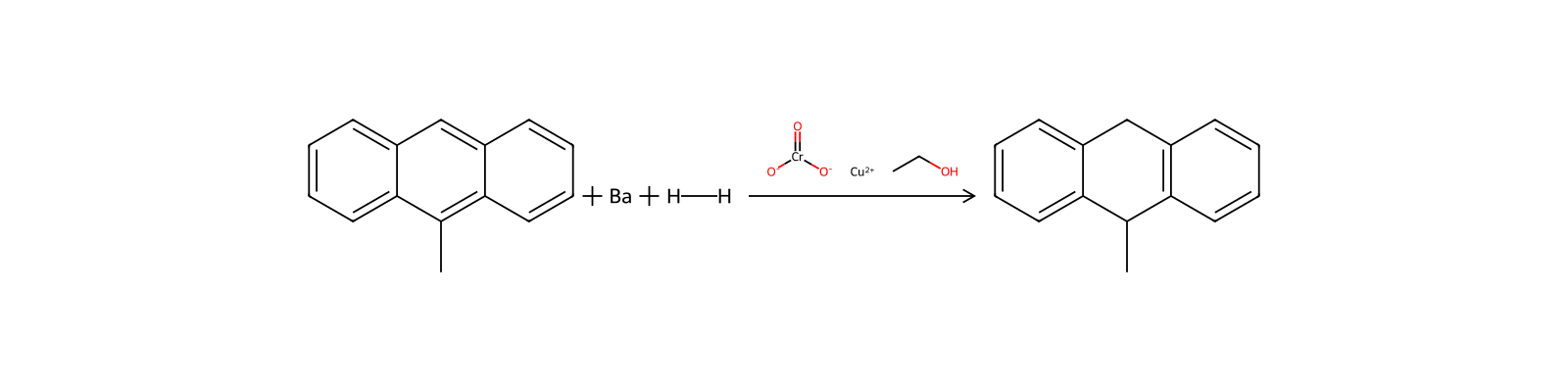
HRID 66271As reactant

7440-39-3[Ba]DSAJWYNOEDNPEQ-UHFFFAOYSA-NBarium is a silvery-white metal which exists in nature only in ores containing mixtures of elements. It combines with other chemicals such as sulfur or carbon and oxygen to form barium compounds. Barium compounds are used by the oil and gas industries to make drilling muds. Drilling muds make it easier to drill through rock by keeping the drill bit lubricated. They are also used to make paint, bricks, ceramics, glass, and rubber. Barium sulfate is sometimes used by doctors to perform medical tests and to take x-rays of the gastrointestinal tract.
7440-39-3DTXSID8023894CHEMBL4297653CHEBI:32595Metals -> Metals, Inorganic Compounds
Flammable agents - 3rd degree
Trace element
3.51 at 68 °F (NTP, 1992) - Denser than water; will sink
3.62 g/cu cm
3.6 g/cm³
3.51 at 68 °F
3.62 @25 °C
Reacts with water; slightly soluble in ethanol
Solubility in water: reaction
2984 °F at 760 mmHg (NTP, 1992)
1897 °C
1640 °C
2984 °F
1897 °C @760 [mm Hg]
Safety information is for reference only and does not replace the supplier’s Safety Data Sheet (SDS), applicable regulations, or professional assessment.
This chemical does not meet GHS hazard criteria for 9.4% (49 of 519) of reports.
Danger
H228 (37.8%): Flammable solid [Danger Flammable solids]
P210, P223, P231+P232, P240, P241, P260, P261, P264, P264+P265, P270, P271, P280, P301+P316, P301+P330+P331, P302+P335+P334, P302+P352, P302+P361+P354, P304+P340, P305+P351+P338, P305+P354+P338, P316, P317, P319, P321, P330, P332+P317, P337+P317, P362+P364, P363, P370+P378, P402+P404, P403+P233, P405, and P501 (click each P-code to see the statement)
Aggregated GHS information provided per 519 reports by companies from 19 notifications to the ECHA C&L Inventory. Each notification may be associated with multiple companies.
Danger
Chemical: Barium
Hazard Traits - Cardiovascular Toxicity
Barium is listed on the EPA's Chemical Data Reporting (CDR) system. Manufacturers and importers of Barium are required to report information about their production and use of this chemical to the EPA under the Toxic Substances Control Act (TSCA). (40 eCFR Part 711)
REACH registered substance: Barium (EC: 231-149-1)
Barium: Does not have an individual approval but may be used under an appropriate group standard
The New Jersey Worker and Community Right to Know Act requires public and private employers to provide information about hazardous substances at their workplaces. (N.J.S.A. 34:5A-1 et. seq.)
Dangerous When Wet
Spontaneously Combustible
Blood: 18 hours (1.9 hours with hemodialysis); whole body: few days; [TDR, p. 145]
The biological half-time for barium in the bone of mice seems to be 100 days ...
An estimate of the biological half-life for barium in the rat is 90-120 days.
The absorption of ingested barium depends on factors such as the presence of food in the intestine, the sulfate content in the food, the age of the animal, and the location of the barium in the GI tract.
... The standard man ... of 70 kg contains approx 22 mg of barium ... A major part of the element is concentrated in the bone (nearly 91%), the remainder being in soft tissues such as the aorta, brain, heart, kidney, spleen, pancreas, and lung ... In human beings there is no increase of total barium with age, except in the aorta and lung ... Barium deposition in the bone occurred preferentially in the active sites of bone growth.
In healthy human beings in a state of barium equilibrium (virtually all of the intake occurring by mouth), approx 91% of the total output was found in the feces, 6% in sweat, and 3% in urine ...
... Barium has been identified in all samples taken from stillborn babies and children up to 1 yr of age, implying that barium can cross the placental barrier and be transported in the maternal milk.
For more Absorption, Distribution and Excretion (Complete) data for Barium, Elemental (10 total), please visit the HSDB record page.
The largest end use of barium is as a getter to remove the last traces of gases from vacuum and television picture tubes. It is also used to improve performance of lead alloy grids of acid batteries, as a component of grey and ductile irons, and in the manufacture of steel, copper and other metals. [HSDB]
Steel Producing [Category: Industry]
Ceramics making [Category: Hobbies]
Carrier for radium; deoxidizer for steel and other metals; alloys of barium with aluminum or magnesium are used as getters in vacuum systems and electronic tubes; emissions from (140)Ba contribute to fission products of uranium rods; emissions from (133)Ba and (137m)Ba are used as std in gamma-spectrometry.


1337 °F (NTP, 1992)
727 °C
725 °C
1337 °F
727 °C
10 mmHg at 1920 °F (NTP, 1992)
1 Pa, 638 °C; 10 Pa, 765 °C; 100 Pa, 912 °C; 1 kPa, 1115 °C; 10 kPa, 1413 °C; 100 kPa, 1897 °C
10 mmHg at 1920 °F
Barium appears as a silver to white metallic solid. Contact may cause burns to skin, eyes, and mucous membranes. May be toxic by ingestion, inhalation and skin absorption. Used to make other chemicals.
Barium alloy, pyrophoric is mixture of barium and other metals or nonmetallic elements to improve the specific usefulness of barium. Barium alloys are a solid and can ignite spontaneously in contact with air. This material is toxic and products given off in fire could be very toxic.
Other Solid
Elemental barium: a silver to white metallic solid; [CAMEO]
YELLOWISH-TO-WHITE LUSTROUS SOLID IN VARIOUS FORMS.
A silver to white metallic, odorless solid
Excerpt from ERG Guide 138 [Substances - Water-Reactive (Emitting Flammable Gases)]:
Excerpt from ERG Guide 135 [Substances - Spontaneously Combustible]:
· Produce flammable gases on contact with water.
Flammable. Many reactions may cause fire or explosion. Finely dispersed particles form explosive mixtures in air.
Excerpt from ERG Guide 138 [Substances - Water-Reactive (Emitting Flammable Gases)]:
Excerpt from ERG Guide 135 [Substances - Spontaneously Combustible]:
· Inhalation or contact with vapors, substance or decomposition products may cause severe injury or death.
Barium is a silvery-white metal which exists in nature only in ores containing mixtures of elements. It combines with other chemicals such as sulfur or carbon and oxygen to form barium compounds. Barium compounds are used by the oil and gas industries to make drilling muds. Drilling muds make it easier to drill through rock by keeping the drill bit lubricated. They are also used to make paint, bricks, ceramics, glass, and rubber. Barium sulfate is sometimes used by doctors to perform medical tests and to take x-rays of the gastrointestinal tract.
The soluble salts are toxic: acetate, chloride, hydroxide, oxide, nitrate, and (poly)sulfide. Insoluble salts are rarely toxic: arsenate, chromate, fluoride, oxalate, and sulfate. In the gastric acid of the stomach, barium carbonate (insoluble) converts into barium chloride (soluble). Signs of barium poisoning are abdominal cramping, severe hypokalemia, and paralysis within 2 hours of ingestion. [Goldfrank, p. 1434-5] Concentrated solutions of barium oxide or barium hydroxide are strongly alkaline and corrosive to the skin and eyes. Soluble barium ion is a muscle poison that can cause respiratory arrest and ventricular fibrillation with a lethal dose of about 3-4 g. when absorbed by the gut. [ACGIH] A study of welders using consumable electrodes with high barium content 4 hours daily showed high levels of barium in the urine, but no discernable health effects. [Reference #1] Ingestion of soluble barium compounds in high doses may induce acute renal failure. [Rosenstock, p. 575]
Metals, Elemental and Powder, Active
Metals, Elemental and Powder, Active
Toxicology & Carcinogenesis Studies of Barium Chloride Dihydrate in F344/N Rats and B6C3F1 Mice (Drinking Water Studies). Technical Report Series No. 432 (1994) NIH Publication No. 94-3163 U.S. Department of Health and Human Services, National Toxicology Program, National Institute of Environmental Health Sciences, Research Triangle Park, NC 27709
D005; A solid waste containing barium may or may not become characterized as a hazardous waste when subjected to the Toxicity Characteristic Leaching Procedure listed in 40 CFR 261.24, and if so characterized, must be managed as a hazardous waste. /Barium/
Excerpt from ERG Guide 138 [Substances - Water-Reactive (Emitting Flammable Gases)]:
Excerpt from ERG Guide 135 [Substances - Spontaneously Combustible]:
Use special powder, dry sand. NO water.
Fresh air, rest. Refer for medical attention.
Remove contaminated clothes. Rinse skin with plenty of water or shower. Refer for medical attention .
First rinse with plenty of water for several minutes (remove contact lenses if easily possible), then refer for medical attention.
Rinse mouth. Refer for medical attention .
· CALL 911. Then call emergency response telephone number on shipping paper. If shipping paper not available or no answer, refer to appropriate telephone number listed on the inside back cover.
· ELIMINATE all ignition sources (no smoking, flares, sparks or flames) from immediate area.
EYES: First check the victim for contact lenses and remove if present. Flush victim's eyes with water or normal saline solution for 20 to 30 minutes while simultaneously calling a hospital or poison control center. Do not put any ointments, oils, or medication in the victim's eyes without specific instructions from a physician. IMMEDIATELY transport the victim after flushing eyes to a hospital even if no symptoms (such as redness or irritation) develop.
Excerpt from ERG Guide 135 [Substances - Spontaneously Combustible]:
General First Aid:
The substance may spontaneously ignite on contact with air (if in powder form).
Reacts violently with fire extinguishing agents, such as water, bicarbonate, powder, foam, and carbon dioxide.
· Wear positive pressure self-contained breathing apparatus (SCBA).
0.5 [mg/m3], as Ba, inhalable fraction (soluble compds)[German Research Foundation (DFG)]
Use dry chemical, carbon dioxide, water spray, or alcohol foam extinguisher ... If material or contaminated runoff enters waterways, notify downstream users of potentially contaminated waters. Notify local health and fire officials and pollution control agencies. From a secure, explosion-proof location, use water spray to cool exposed containers. If cooling streams are ineffective (venting sound increases in volume and pitch, tank discolors or shows any signs of deforming), withdraw immediately to a secure position ... The only respirators recommended for fire fighting are self-contained breathing apparatuses that have full facepieces and are operated in a pressure-demand or other positive-pressure mode.
If material on fire or involved in fire: Do not use water. Use graphite, soda ash, powdered sodium chloride, or suitable dry powder. If fire is massive, back off, protect surroundings, and let burn. Keep run-off water out of sewers and water sources.
Barium metal should be stored in a dry area, separated from halogenated solvents, strong oxidants, acids, in tightly closed containers under an inert gas blanket, petroleum, or oxygen-free liquid. Rubber gloves, rubber protective clothing and apron, goggles and /particulate/ filter mask should be worn when working in a barium storage area.
Store under inert gas, petroleum, or other oxygen-free liquid.
... Packaged in argon filled plastic bags inside argon filled steel containers.
Barium is packaged in airtight steel drums containing up to 100 kg of the metal under argon or paraffin oil. Smaller amounts (1-10 kg) are packaged in tin cans, and even smaller samples are packaged in hermetically sealed glass bottles.
Barium should always be stored in a dry, well ventilated place and every contact with moisture and air avoided.
Spill handling: evacuate and restrict persons not wearing protective equipment from area of spill or leak until cleanup is complete. Remove all ignition sources. Small quantities of barium metal may be dissolved in large quantities of water. Soda ash is added and the solution then neutralized with /hydrochloric acid/. Collect powdered material in the most convenient and safe manner and deposit in sealed containers. Ventilate area of spill or lead after clean-up is complete. It may be necessary to contain and dispose of this chemical as a hazardous waste. If material or contaminated runoff enters waterways, notify downstream users of potentially contaminated waters. Contact your Department of Environmental Protection or your regional office of the federal EPA for specific recommendations.
Excerpt from ERG Guide 138 [Substances - Water-Reactive (Emitting Flammable Gases)]:
Excerpt from ERG Guide 135 [Substances - Spontaneously Combustible]:
ATSDR Toxicological Profile for Barium - Succinctly characterizes the toxicologic and adverse health effects information.
Ranking: 69 (total points: 1232)
Cardiovascular (Heart and Blood Vessels), Gastrointestinal (Digestive), Renal (Urinary System or Kidneys)
Urinary
IDENTIFICATION: Barium is a yellowish white soft metal that is strongly electropositive. In nature barium occurs in a combined state, the principal forms being barite (barium sulfate) and witherite (barium carbonate). Barium is also present in small quantities in igneous rocks such as feldspar and micas. It may also be found as a natural component of fossil fuel and is present in the air, water and soil. HUMAN EXPOSURE: Exposure to barium can occur through the air, water or food. Another souce of barium is nuclear fallout. The average person accumulates 91% of barium in bones. Trace quantities are found in various tissues such as the aorta, brain, heart, kidney, spleen, pancreas and lung. Total barium in human beings tends to increase with age and the levels in the body depend on the geographical location of the individual /SRP: Some sources say barium decreases with age/. Barium has also been found in all samples of stillborn babies, suggesting it can cross the placenta. Inhaled barium can be absorbed through the lung or directly from the nasal membrane into the blood. Barium is eliminated in the urine and feces, the rates varying with the route of administration. Within 24 hr approximately 20% of the barium dose, injected into humans was eliminated in the feces and approxinately 5% in the urine. Plasma barium is almost eliminated from the blood stream within 24 hr. ANIMAL/PLANT STUDIES: In general, barium does not accumulate in common plants in sufficient quantities to be toxic to animals. Large quantities of barium (as high as 1260 mg/kg) accumulated in legumes, alfalfa and soybeans. The elimination of ingested barium in animals occurs mainly in the feces rather than in the urine. An estimated of the biological half-life for barium in the rat is 90-120 days. The acute effects of barium ingestion in animals includes salivation, nausea, diarrhea, tachycardia, hypokalaemia, twitching, flacid paralysis of skeletal muscle, respiratory muscle paralysis and ventricular fibrillation may lead to death. Various studies have demonstrated the detremental effect of barium upon ventricular automaticity and pacemaker current in the heart. IV barium injections to anesthetized dogs indicated that these acute effects were due to prompt and substantial hypokalemia. Barium causes mild skin and eye irritation. No conclusive association was found between the level of barium in the drinking water and the incidence of congenital malformations. There is no evidence that barium is carcinogenic. Rats given 10 or 100 mg barium/L in their drinking water for 16 months experienced hypertension, but at a level of 1 mg/L did not induce any blood pressure changes. Analysis of myocardial function at 16 months (100 mg barium/L) revealed significantly altered cardiac contractility and excitability, myocardial metabolic disturbances and hypersensitivity of the cardiovascular system to sodium pentobarbital. Barium posesses chemical and physiological properties that allow it to compete with and replace calcium, particularly those relating to the release of adrenal catecholamines and neurotransmitters such as acetylcholine and norepinephrine. Barium affects the development of germinating bacterial spores and has a variety of specific effects on different microorganisms including the inhibition of cellular processes. Little information is available on the effects of barium on aquatic organisms. There were no effects on survival of fish following exposure for 30 days. However, in a 21 day study, impairment of reproduction and reduction in growth in daphnids. Marine plants as well as invertebrates may actively accumulate barium from sea water.
Cough. Sore throat.
Redness.
Redness. Pain.
Barium and Compounds
Urinary
2 x 10 ^-1 mg/kg-day
Consideration should be given to the skin, eye, heart, & lung in any placement or periodic examination.
... Individuals with pulmonary diseases /should be protected from exposure/.
Acute toxicity was evaluated in a bioassay of mice L-cells exposed to a test water medium containing lead, silver, arsenic, barium, cadmium, and chromium had EC50 values (50% reduction in protein synthesis) were 0.5 mg/l, lead; 0.5 mg/l, silver; 0.5 mg/l, arsenic; 0.1 mg/l, cadmium; 0.1 mg/l, barium; 0.2 mg/l, chromium. No other observations were reported.
/HUMAN EXPOSURE STUDIES/ The health effects associated with occupational exposure to barium during arc welding with barium-containing stick electrodes and flux-cored wires were investigated ... A group of 18 healthy welders not using barium-containing consumables in the past 10 days was divided into three groups: group A (n = 8, mean age 30.4 years) performed arc welding with barium-containing stick electrodes, group B (n = 5, mean age 43.6 years) performed arc welding with barium-containing self-shielded flux-cored wires, and group C (n = 5, mean age 32.0 years) performed arc welding with barium-containing self-shielded flux-cored wires using welding guns with built-in ventilation systems. All welders performed welding with barium-free consumables on Thursday and Friday of the first week of the study. Barium-containing consumables were used during week 2 of the study and on Monday of week 3. The subjects welded for an average of 4 hr/day. The average barium concentrations in the breathing zones were 4.4 (range 0.1-22.7), 2.0 (0.3-6.0), and 0.3 (0.1-1.5) mg/cu m for groups A, B, and C, respectively. No exposure-related subjective adverse health symptoms or neurological signs were found. No significant differences between pre- and post-shift electrocardiogram, pulse rate, whole-blood pH, base excess and standard bicarbonate, or plasma concentrations of sodium, magnesium, and total and ionized calcium were observed. During week 2, decreases in plasma potassium concentrations were observed in groups A and C; the levels returned to the normal range under continuation of barium exposure and were not statistically different from levels during week 1 (no barium exposure). This drop in serum potassium levels was not observed in group B, which had a barium exposure level similar to that of group A.
/SIGNS AND SYMPTOMS/ ... In cases of individuals exposed to very high concentrations of airborne barium; the effects include electrocardiogram (ECG) abnormalities, muscle weakness and paralysis, hypokalemia, and abdominal cramps, nausea, and vomiting.
/SIGNS AND SYMPTOMS/ All cases of acute oral barium poisoning in adults exhibit gastrointestinal disturbances as the initial symptoms. These include gastric pain, vomiting, and diarrhea. In one case, severe gastrointestinal hemorrhage occurred in an adult male victim.
/CASE REPORTS/ The rapid onset of reflex paralysis was reported in a chrome-plating worker following the inhalation of barium powder. Complete recovery occurred during the 5 day period that followed exposure.
D005; A solid waste containing barium may or may not become characterized as a hazardous waste when subjected to the Toxicity Characteristic Leaching Procedure listed in 40 CFR 261.24, and if so characterized, must be managed as a hazardous waste. /Barium/
Persons in charge of vessels or facilities are required to notify the National Response Center (NRC) immediately, when there is a release of this designated hazardous substance, in an amount equal to or greater than its reportable quantity of 1000 lb or 454 kg. The toll free number of the NRC is (800) 424-8802. The rule for determining when notification is required is stated in 40 CFR 302.4 (section IV. D.3.b). /Barium/
(AZ) ARIZONA 1,500 ug/l
(MN) MINNESOTA 2000 ug/l
EPA 2000 ug/l
Maximum Contaminant Level: 2 mg/L /Barium/
Maximum Contaminant Level Goal: 2 mg/L /Barium/
Deoxidizer for copper; Fray's metal; lubricant for anode rotors in X-ray tubes; spark-plug alloys.
Used as a component in various proprietary nodularizing and deoxidizing alloys
2023: 250,000 - <400,000 lb
Production volumes for non-confidential chemicals reported under the Inventory Update Rule. [Table#4945]
... Can be extracted by heating barium oxides with aluminum in vacuo at about 1200 °C & condensing barium vapor in the cool end of tube; or with ferrosilicon at temp about 50 °C higher. Lead-barium-calcium alloys can be prepd by electrolysis of fused chlorides in cell with molten lead as the cathode.
Barium is prepared commercially by the thermal reduction of barium oxide with aluminum.
To obtain the pure metal, barium oxide as starting material is reduced with ... silicon under vacuum at 1050 °C. The barium obtained (96-98.5%) is purified by vacuum distillation (99.5%).
Grades: technical; pure; forms: rods, wire, plate, powder
Composition of commercial barium metal:
Barium-cadmium cmpd: powder grade; barium-cadmium-organic phosphorus cmpd: liq grades, liq & solid grades; barium-cadmium-zinc-organic phosphorus cmpd: liq grade, liq & solid grades; barium-zinc cmpd: powder & liq grades, liq & solid grades
Mining (except Oil and Gas) and support activities
Barium: ACTIVE
Production of ultra pure barium metal has been investigated on a lab scale. Redistillation, zone recrystallization, and combinations of these techniques have been studied. Impurity levels of less than 100 ppm have been attained.
OccurrenceBarium was discovered in 1808 by Sir Humphrey Davy. Its abundance in the earth’s crust is about 0.0425% (425 mg/kg). The element also is found in sea water at trace concentration, 13 μg/L. It occurs in the minerals barite or heavy spar (as sulfate) and witherite (as carbonate).
UsesThe most important use of barium is as a scavenger in electronic tubes. The metal, often in powder form or as an alloy with aluminum, is employed to remove the last traces of gases from vacuum and television picture tubes. Alloys of barium have numerous applications. It is incorporated to lead alloy grids of acid batteries for better performance; and added to molten steel and metals in deoxidizing alloys to lower the oxygen content. Thin films of barium are used as lubricant suitable at high temperatures on the rotors of anodes in vacuum X-ray tubes and on alloys used for spark plugs. A few radioactive isotopes of this element find applications in nuclear reactions and spectrometry.
DescriptionBarium is a flammable, silver white or yellowish metal in various forms including powder. Barium mayignite spontaneously in air in the presence of moisture,evolving hydrogen. Molecular weight=137.34; Boilingpoint=1640℃; Freezing/Melting point=725℃; Vaporpressure=10 mmHg at 1049℃. Hazard Identification(based on NFPA-704 M Rating System): Health 2,Flammability 4, Reactivity 3 (water reactive).
OccurrenceBarium is the 17th most abundant element in the Earth’s crust, making up about 0.05%of the crust. It is found in the minerals witherite, which is barium carbonate (BaCO3), andbarite, known as barium sulfate (BaSO4). Pure barium metal does not exist on Earth—only ascompounds or in minerals and ores. Barium ores are found in Missouri, Arkansas, Georgia,Kentucky, Nevada, California, Canada, and Mexico.It is produced by the reduction of barium oxide (BaO), using aluminum or silicon ina high-temperature vacuum. It is also commercially produced by the electrolysis of moltenbarium chloride (BaCl2) at about 950oC, wherein the barium metal is collected at the cathodeand chlorine gas is emitted at the anode.
HistoryBaryta was distinguished from lime by Scheele in 1774; Barium was discovered by Sir Humphrey Davy in 1808. It is found only in combination with other elements, chiefly in barite or heavy spar (sulfate) and witherite (carbonate) and is prepared by electrolysis of the chloride. Large deposits of barite are found in China, Germany, India, Morocco, and in the U.S. Barium is a metallic element, soft, and when pure is silvery white like lead; it belongs to the alkaline earth group, resembling calcium chemically. The metal oxidizes very easily and should be kept under petroleum or other suitable oxygen-free liquids to exclude air. It is decomposed by water or alcohol. The metal is used as a “getter” in vacuum tubes. The most important compounds are the peroxide (BaO2), chloride, sulfate, carbonate, nitrate, and chlorate. Lithopone, a pigment containing barium sulfate and zinc sulfide, has good covering power, and does not darken in the presence of sulfides. The sulfate, as permanent white or blanc fixe, is also used in paint, in X-ray diagnostic work, and in glassmaking. Barite is extensively used as a weighting agent in oilwell drilling fluids, and also in making rubber. The carbonate has been used as a rat poison, while the nitrate and chlorate give green colors in pyrotechny. The impure sulfide phosphoresces after exposure to the light. The compounds and the metal are not expensive. Barium metal (99.2 + % pure) costs about $3/g. All barium compounds that are water or acid soluble are poisonous. Naturally occurring barium is a mixture of seven stable isotopes. Thirty-six other radioactive isotopes and isomers are known to exist.
UsesPure barium metal has few commercial uses because of it reactivity with air and water.Nevertheless, this property makes it useful as a “getter” or scavenger to remove the last tracesof gas from vacuum tubes. Barium metal is used to form alloys with other metals. One alloy isused to make sparkplugs that easily emit electrons when heated, thus improving the efficiencyof internal combustion engines.Its compounds have many practical uses. For example, when the mineral barite is groundup into a fine powder, it can be used as a filler and brightener for writing and computer paper.It is also used (along with zinc sulfide) as a pigment, called lithopone, for white paint. Bariumcompounds are also used in the manufacture of plastics, rubber, resins, ceramics, rocket fuel,fireworks, insecticides, and fungicides and to refine vegetable oils.A major medical use is a solution of barium sulfide (with flavoring) that is ingested bypatients undergoing stomach and intestinal X-ray and CT scan examinations. Barium sulfideis opaque to X-rays, and thus it blocks the transmission of the rays. The organs appear in contrast against a background, which highlights any problems with the digestive system.
UsesThe element is used in metallurgy, and its compounds in pyrotechnics, petroleum mining, and radiology. Metallic barium has few industrial uses. It has been historically used to scavenge air in vacuumtubes. There, the metal is used as a getter in electron tubes to perfect the vacuum by combining with final traces of gases. It is also used as a deoxidizer in copper refining, and as a constituent in certain alloys. The alloy with nickel readily emits electrons when heated and, for this reason, is used in electron tubes and in spark plug electrodes. The presence of barium (atomic number 56), observed after uranium (atomic number 92) had been bombarded by neutrons, was the clue that led to the recognition of nuclear fission (1939). The most important use of elemental barium is as a scavenger removing last traces of oxygen and other gases in television and other electronic tubes. Additionally, an isotope of barium, 133Ba, is routinely used as a standard source in the calibration of gamma ray detectors in nuclear physics studies.
UsesThe element barium (Ba) has the atomic number 56 and is classified as a heavy metal. Barium metal is highly reactive and therefore no elemental barium exists in nature. Natural sources of barium are the water-insoluble minerals barite (barium sulfate) and whiterite (barium carbonate). In order to obtain pure barium compounds, the mineral barite is reacted with carbon, and barium sulfide is formed.
General DescriptionBarium alloy, pyrophoric is mixture of barium and other metals or nonmetallic elements to improve the specific usefulness of barium. Barium alloys are a solid and can ignite spontaneously in contact with air. Barium is toxic and products given off in fire could be very toxic.
DefinitionA dense, low-melting reactive metal; the fifth member of group 2 (formerly IIA) of the periodic table and a typical alkaline-earth element. The electronic configuration is that of xenon with two additional outer 6s electrons. Barium is of low abundance; it is found as witherite (BaCO3) and barytes (BaSO4). The metal is obtained by the electrolysis of the fused chloride using a cooled cathode which is slowly withdrawn from the melt. Because of its low melting point barium is readily purified by vacuum distillation. Barium metal is used as a ‘getter’, i.e., a compound added to a system to seek out the last traces of oxygen; and as an alloy constituent for certain bearing metals.Barium has a low ionization potential and a large radius. It is therefore strongly electropositive and its properties, and those of its compounds, are very similar to those of the other alkaline-earth elements calcium and strontium.
Definitionbarium: Symbol Ba. A silvery-whitereactive element belonging to group2 (formerly IIA) of the periodic table;a.n. 56; r.a.m. 137.34; r.d. 3.51; m.p.725°C; b.p. 1640°C. It occurs as theminerals barytes (BaSO4) andwitherite (BaCO3). Extraction is byhigh-temperature reduction of bariumoxide with aluminium or siliconin a vacuum, or by electrolysis offused barium chloride. The metal isused as a getter in vacuum systems.It oxidizes readily in air and reactswith ethanol and water. Soluble bariumcompounds are extremely poisonous.It was first identified in 1774 byKarl Scheele, and was extracted byHumphry Davy in 1808.