
Basic information
- Standard SMILES
[S]- InChIKey
NINIDFKCEFEMDL-UHFFFAOYSA-N- Molecular formula
- S
- Average molar mass
- 32.07 g/mol
- Monoisotopic mass
- 31.972071
Overview
Sulfide is a metabolite found in or produced by Escherichia coli (strain K12, MG1655).
Names & identifiers
- Preferred name
- Sulfur
- IUPAC
- sulfane
- English name
- Insoluble sulfur
- Molecular formula
- S
- Molecular weight
- 32.065
Names & synonyms
AnacardiumBioelementsArmaritaCelestyNaturasilProsaceaSulfadermDermaWashMottoAcne Treatmentalpha-SulfurSpot Correction
Show more names
RubbervulcanizationagentIS(OT)Polymeric sulfurinsoluble sulfurSulfur, homopolymerTIANFU-CHEM -Insoluble sulfurInsoluble sulfur ISO 9001:2015 REACHInsoluble Sulfur IS60 (Polymeric Sulfur)Polymeric Sulfur(Rubber Vulcanization Agent)
Sulfur-LavenderSulfur LotionAmino MaskDermaline SulfurSulfo losulfur suspensionZinc CreamMalin and Goetz
Database identifiers
- CAS
56996-94-2、7704-34-9、9035-99-8- PubChem CID
- 5362487
- DTXSID
DTXSID9034941- ChEMBL
CHEMBL1235452- EC Number
- 231-722-6、618-540-6
Properties
Computed structural properties
- XLogP
- 0.5
- Topological polar surface area
- 1 Ų
- Hydrogen bond donors
- 0
- Hydrogen bond acceptors
- 1
- Rotatable bonds
- 0
- Heavy atoms
- 1
- Formal charge
- 0
- Complexity
- 0
Experimental & physicochemical properties
Chemical ClassesOther Classes -> Elements, Nonmetallic
CosmeticsAntidandruff; Antistatic; Antimicrobial; Antiseborrhoeic
SpringerMaterials Propertiesphonon wavenumber
Pesticides
Agrochemicals -> Pesticide active substances
Active substance -> EU Pesticides database: Approved
OdorPure sulfur is odorless, but traces of hydrocarbon impurity may impart an oily and/or rotten egg odor
Taste
Faint taste
Tasteless
Density
2.07 g/cu cm (Sulfur (rhombic)/; 2.00 (Sulfur (monoclinic)/
Amber-colored crystals. The stable at ordinary temperature, density: 2.06; when heated to 94.5 °C becomes opaque owing to formation of monoclinic sulfur /alpha-Sulfur/
Opaque, light- yellow, brittle, needle-like crystals; stable between 94.5 oto 120 °C. Passes slowly into the rhombic form on standing; density 1.96; mp 115.21 °C /beta-Sulfur/
2.1 g/cm³
ViscosityDynamic viscosity of liquid (Pa.s): 0.17 at 120 °C; 0.008 at 140 °C; 0.0064 at 158 °C; 5.952 at 160 °C; 86.304 at 180 °C; 93.0 at 187.8 °C; 78.864 at 200 °C; 3.72 at 300 °C
Color/Form
Pure sulfur exists in two stable crystalline forms, alpha and beta, and at least two amorphous (liquid) forms. Alpha-sulfur: rhombic, octahedral, yellow crystals; beta-sulfur: monoclinic, prismatic, pale-yellow crystals
Yellow orthorhombic crystals /Sulfur (rhombic) (alpha)/
Yellow monoclinic needles, stable 95.3-120 °C /Sulfur (monoclinic) (beta)/
Yellow solid or amber-colored molten liquid.
Solubility
For more Solubility (Complete) data for Sulfur, Elemental (13 total), please visit the HSDB record page.
For more Solubility (Complete) data for Sulfur, Elemental (13 total), please visit the HSDB record page.
Insoluble in water; slightly soluble in ethanol, benzene, ethyl ether; soluble in carbon disulfide /Sulfur (rhombic)/
Insoluble in water; slightly soluble in ethanol, benzene, ethyl ether; soluble in carbon disulfide /Sulfur (monoclinic)/
Insoluble in water. Sparingly soluble in alcohol, in ether; soluble in carbon disulfide (one gram/2 mL), in toluene
Liquid ammonia (anhydrous) dissolves 38.5% sulfur at -78 °C; acetone dissolves 2.65% at 25 °C; methylene iodide dissolves 9.1% at 10 °C; chloroform dissolves about 1.5% at 18 °C
CorrosivitySulfur is not considered corrosive to the usual construction materials. However, acid-generating impurities, which may be introduced in handling and storage, create corrosive conditions.
Flash Point
405 °F (207 °C) (Closed cup)
160 °C c.c.
Physicochemical properties
- EPA Substance Registry System
- Sulfur, homopolymer (9035-99-8)
- Symbol(GHS)
- 7 · GHS07
- Signal word
- Warning
- Hazard statements
- 315 · H315-H319
- Precautionary statements
- 264 · P264-P280-P305+P351+P338-P337+P313P-P264-P280-P302+P352-P321-P332+P313-P362
- RIDADR
- 1350 · UN 1350
- TSCA
- TSCA listed
- HazardClass
- 4.1 · 4.1
- PackingGroup
- III
Safety & regulation
GHS classification
GHS Classification
Warning
H315: Causes skin irritation [Warning Skin corrosion/irritation]
P264, P280, P302+P352, P321, P332+P317, and P362+P364 (click each P-code to see the statement)
This chemical does not meet GHS hazard criteria for 0.1% (3 of 2904) of reports.
Warning
H315 (99.7%): Causes skin irritation [Warning Skin corrosion/irritation]
Hazard information
Regulatory Information
Chemical: Sulfur, homopolymer
Chemical: Sulfur
Chemical: Thion
Commission Regulation (EC) No 2229/2004
Sulfur is listed on the EPA's Chemical Data Reporting (CDR) system. Manufacturers and importers of Sulfur are required to report information about their production and use of this chemical to the EPA under the Toxic Substances Control Act (TSCA). (40 eCFR Part 711)
FRI - indicates a polymeric substance containing no free-radical initiator in its Inventory name but is considered to cover the designated polymer made with any free-radical initiator regardless of the amount used.
Other Safety Information
IMAP assessments - Sulfur: Human health tier I assessment
Evaluation - Chemicals not considered for in depth evaluation - Not commercially active in Australia
Fire Hazards
· Flammable/combustible material.
Combustible. Finely dispersed particles form explosive mixtures in air.
Fire Potential
Vapors given off during melting of sulfur may contain sufficient hydrogen sulfide & carbon disulfide to permit ignition of air/vapor mixture on contact with hot surface; such ignition may result in transmission of flames to molten sulfur. ... Sulfur is poor conductor of electricity & tends to develop charges of static electricity during transport or processing; static discharge may lead to ignition of sulfur dust. Fires in heaps of sulfur are frequent & insidious since they may break out again even after original conflagration has ... Been extinguished.
Combustible liquid. Combustion by-products may include sulfur dioxide gas.
Ignites in air above 261 °C, in oxygen below 260 °C, burning to the dioxide ... .
Health Hazards· Fire may produce irritating and/or toxic gases.
Hazards Summary
Burning can release toxic gases; Molten sulfur can cause severe burns; [CAMEO] Dust explosions can result when powder is mixed with air. [ICSC]
The major hazards encountered in the use and handling of sulfur stem from its toxicologic properties and flammability. Toxic by all routes (ie, inhalation, ingestion, and dermal contact), exposure to this pale yellow, crystalline substance may occur from the extraction of sulfur-bearing rock, its use in fertilizer, the production of sulfuric acid and other sulfur compounds, in wood pulping, in the vulcanization of rubber, and in the manufacture of matches, explosives, and dyes. Effects from exposure may include ulceration of the skin, conjunctivitis, inflammation of the nasal mucosa, shortness-of-breath, asthma, and tracheobronchitis. In activities and situations where over-exposure may occur, wear chemical protective clothing and a self-contained breathing apparatus. If exposure should occur, immediately irrigate eyes with copious amounts of tepid water for at least 15 minutes and wash skin extremely thoroughly with soap and water. Contaminated clothing should be removed and left at the work site for cleaning before reuse. Sulfur is an easily ignitable solid. In a powdered form it may form explosive mixtures with air, or in contact with oxidizing materials. Sulfur burns with a blue flame that may be difficult to see in daylight, and produces toxic sulfur dioxide gas. For fires involving sulfur, extinguish with dry chemical, sand, water spray (straight streams may scatter the material), fog, or standard foam. If water is used, apply from as far a distance as possible. Sulfur should be stored in a cool, well ventilated area, away from sources of ignition, physical damage, chlorates, nitrates, and other oxidizing materials. Sulfur may be shipped domestically via air, rail, road, and water. International shipments may require the label, "Flammable solid." Small dry spills of sulfur may be carefully shovelled into a clean, dry, covered container for recovery or later disposal. Large spills may be wetted down with water and diked for later disposal. Do not allow material to enter water sources or sewers.
DOT ID and Guide1350 133
FDA RequirementsSulfur is an indirect food additive for use only as a component of adhesives.
UN ClassificationUN Hazard Class: 4.1; UN Pack Group: III
Special Reports
Environment Canada; Tech Info for Problem Spills: Sulfur (Draft) (1981).
Nat'l Research Council Canada; Sulfur and its Inorganic Derivatives in the Canadian Environ. (1977) NRCC No. 15015.
USEPA/Office of Pesticide Programs; Reregistration Eligibility Decision Document - Sulfur (March 1991). The RED summarizes the risk assessment conclusions and outlines any risk reduction measures necessary for the pesticide to continue to be registered in the U.S.[Available from, as of July 19, 2011: http://www.epa.gov/pesticides/reregistration/status.htm]
FIFRA Requirements
Residues of sulfur are exempted from the requirement of a tolerance when used in accordance with good agricultural practice as inert (or occasionally active) ingredients in pesticide formulations applied to animals. Use: stabilizer. Limit: None.
Section 4(g)(2)(A) of FIFRA calls for the Agency to determine, after submission of relevant data concerning an active ingredient, whether products containing the active ingredient are eligible for reregistration. The Agency has previously identified and required the submission of all the generic (i.e., active-ingredient specific) data required to support reregistration of products containing sulfur as an active ingredient. The Agency has completed its review of these generic data, and has determined that the data are sufficient to support reregistration of products containing sulfur.
As the federal pesticide law FIFRA directs, EPA is conducting a comprehensive review of older pesticides to consider their health and environmental effects and make decisions about their future use. Under this pesticide reregistration program, EPA examines health and safety data for pesticide active ingredients initially registered before November 1, 1984, and determines whether they are eligible for reregistration. In addition, all pesticides must meet the new safety standard of the Food Quality Protection Act of 1996. Sulfur is found on List A, which contains most food use pesticides and consists of the 194 chemical cases (or 350 individual active ingredients) for which EPA issued registration standards prior to FIFRA, as amended in 1988. Case No: 0031; Pesticide type: fungicide; Registration Standard Date: 12/19/82; Case Status: RED Approved 05/91; OPP has made a decision that some/all uses of the pesticide are eligible for reregistration, as reflected in a Reregistration Eligibility Decision (RED) document.; Active ingredient (AI): sulfur; AI Status: OPP has completed a Reregistration Eligibility Decision (RED) document for the case/AI.
Chemical DangersOn combustion, forms toxic and corrosive gases of sulfur oxides including sulfur dioxide (see ICSC 0074). Reacts violently with strong oxidants , especially if powdered. This generates fire and explosion hazard.
Safety & protection
Fire FightingUse water spray, foam, powder, dry sand. In case of fire: keep drums, etc., cool by spraying with water.
First Aid Measures
Fresh air, rest. Half-upright position. Refer for medical attention.
Remove contaminated clothes. Rinse and then wash skin with water and soap.
First rinse with plenty of water for several minutes (remove contact lenses if easily possible), then refer for medical attention.
Rinse mouth. Refer for medical attention .
Accidental Release Measures
· CALL 911. Then call emergency response telephone number on shipping paper. If shipping paper not available or no answer, refer to appropriate telephone number listed on the inside back cover.
· ELIMINATE all ignition sources (no smoking, flares, sparks or flames) from immediate area.
First AidGeneral First Aid:
Safe StorageFireproof. Separated from strong oxidants.
Firefighting HazardsBurns with a pale blue flame that may be difficult to see in daylight.
Exposure Control and Personal Protection· Wear positive pressure self-contained breathing apparatus (SCBA).
Fire Fighting Procedures
Approach fire from upwind to avoid hazardous vapors and toxic decomposition products. Use fine spray or fog to control fire by preventing its spread and absorbing some of its heat. Water or foam may cause frothing of molten sulfur.
If material /is/ on fire or involved in /a/ fire, use water in flooding quantities as fog. Cool all affected containers with flooding quantities of water. Apply water from as far a distance as possible.
In Case of Fire: Use appropriate extinguishing media for combustibles in the area. Wear full protective clothing and self-contained breathing apparatus. Evacuate nonessential personnel from the area to prevent human exposure to fire, smoke, fumes or products of combustion. Prevent use of contaminated buildings, area, and equipment until decontaminated. Water runoff can cause environmental damage. If water is used to fight fire, dike and collect runoff.
Storage Conditions
Store in cool, dry, well-ventilated location. Separate from chlorates, nitrates, other oxidizing materials, and hydrocarbons.
Store away from sparks, fire, flames. Isolate from oxidizing materials.
Store the material in a well-ventilated, secure area out of reach of children and domestic animals. Do not store food, beverages or tobacco products in the storage area. Prevent eating, drinking, tobacco use, and cosmetic application in areas where there is a potential for exposure to the material. Wash thoroughly with soap and water after handling.
Sulfur dust suspended in air ignites easily. Keep away from heat, sparks, and flame.
Cleanup Methods
Environmental considerations: Water spill: Use natural barriers or oil spill control booms to limit spill travel. Use natural deep water pockets, excavated lagoons, or sand bag barriers to trap material at bottom. Remove trapped material with suction hoses.
Enviromental considerations: Land spill: Dig a pit, pond, lagoon, holding area to contain liquid or solid material. Cover solids with a plastic sheet to prevent dissolving in rain or fire fighting water. Dike surface flow using soil, sand bags, foamed polyurethane, or foamed concrete.
Large spillages should be dammed-off and pumped into containers; soak up remainder with absorbent material and dispose of in accordance with local regulations.
Stop or reduce discharge of material if this can be done without risk. Eliminate all sources of ignition. Avoid skin contact or inhalation. When spilled in a molten form, contain if possible by forming mechanical or chemical barriers and let it solidify. Shovel solid sulfur into containers with covers (avoid dusting) for recovery or disposal. When spilled in a molten form, contain if possible by using natural deep water pockets, and sand bag barriers to trap material at the bottom. Remove trapped material with suction hoses. If removal is not possible, let it solidify and apply a cover material, preferably inert and basic (limestone), to the spilled area until recovery procedures begin. This will reduce the possible release of sulfuric acid in the water.
Do not contaminate water by cleaning of equipment and when disposing of equipment washwaters.
Disposal Methods
SRP: The most favorable course of action is to use an alternative chemical product with less inherent propensity for occupational harm/injury/toxicity or environmental contamination. Recycle any unused portion of the material for its approved use or return it to the manufacturer or supplier. Ultimate disposal of the chemical must consider: the material's impact on air quality; potential migration in soil or water; effects on animal and plant life; and conformance with environmental and public health regulations.
Completely empty bag into application equipment. Then dispose of empty bag in a sanitary landfill or by incineration, or if allowed by state and local authorities, by burning. If burned, stay out of smoke.
Dump into a landfill site. Recommendable method: Landfill. Not recommendable method: Thermal destruction. Peer review: Caution: sulfur could be a fire hazard and may cause bacterial degradation, landfill is recommendable for small amt only. (Peer-review conclusions of an IRPTC expert consultation (May 1985))
Spillage DisposalPersonal protection: particulate filter respirator adapted to the airborne concentration of the substance. Sweep spilled substance into covered containers. If appropriate, moisten first to prevent dusting.
Toxicology
Ecotoxicity Values
LC50; Species: Colinus virginianus (Northern Bobwhite Quail, age 14 days) diet >5620 ppm for 14 days
EC50; Species: Daphnia magna (Water flea, age <24 hr); Conditions: freshwater, static; Concentration: >5000000 ug/L for 48 hr; Effect: intoxication, immobilization /90% purity/
EC50; Species: Daphnia magna (Water flea, 1st instar larvae); Conditions: freshwater, static; Concentration: 3850000 ug/L for 96 hr; Effect: intoxication, immobilization /90% purity/
LC50; Species: Americamysis bahia (Opossum Shrimp, age 24 hr); Conditions: saltwater, static; Concentration: 736000 ug/L for 96 hr (95% confidence interval: 646000-839000 ug/L) /90% purity/
For more Ecotoxicity Values (Complete) data for Sulfur, Elemental (7 total), please visit the HSDB record page.
Food Survey Values... Soybean flour contains 14 wt% ... milk, eggs, beef, bread, beans, soybean, wheat, and peanut all contain between 1.1 and 8 wt% sulfur.
Exposure RoutesThe substance can be absorbed into the body by inhalation and by ingestion.
Average Daily Intake
According to the FDA Total Diet Study, conducted from July 1986 through April 1991, the mean daily intake of body weight (ug/kg body weight/day, age) of sulfur was as follows: 0.0064 (6-11 months); 0.0368 (2 yrs); 0.0055 (14-16 years, female); 0.0054 (14-16 years, male); 0.0053 (25-30 years, female); 0.0031 (25-30 years, male); 0.0069 (60-65 years, female); 0.0068 (60-65 years, male)(1).
Ecotoxicity Excerpts
/AQUATIC SPECIES/ Freshwater toxicology of sulfur on fish as follows: 16,000 ppm for 5 hr on goldfish resulted in 100% mortality under turbid water conditions; 10 to 80 ppm on goldfish resulted in a theoretical threshold; 10,000 ppm for 96 hr on mosquito fish was the resulting TLm under turbid water conditions; 1,600 for 3.5 to 5.25 hr on goldfish proved fatal under colloidal sulfur in tap water.
/AQUATIC SPECIES/ Recent literature indicates that the elemental sulfur occurring in organic extracts of sediment samples can be toxic to the bacterium Vibrio fischeri, used in standard Microtox bioassays. This observation was tested by means of the solvent extraction of 14 freshwater sediment samples from rivers tributary to Lake Geneva (Switzerland-France), measuring both Microtox toxicity and the elemental sulfur concentration of the extracts. Aliquots of these sediment extracts were further treated to remove the sulfur by adding acid-activated copper to the crude extracts; for 18 hr in one case, and for 116 hr in another. The results were a significant amount of the observed acute toxicity in the Microtox assay of 81% of sample extracts (n = 42, crude and after cleanup) was due to elemental sulfur, and despite a median decrease of 99.1% of elemental sulfur in the extracts subject to a 116-hr cleanup, sulfur toxicity was not completely excluded for 57% (8/14) of the samples.
/PLANTS/ Phytotoxic, to some extent, to a number of crops, incl cucurbits, apricots, raspberries, and certain other 'sulfur-shy' /sulfur sensitive plant/ varieties.
/FIELD STUDIES/ In the case of a 3-year field study on highbush blueberry bushes in mineral soil, sulfur amendment increased both early growth and blueberry yield. It was concluded that the effects of sulfur were probably mediated by a decrease in soil pH with corresponding increases in Mn and Fe levels. It was also found, in a lysimeter study, that increasing the sulfur content of soil led to a rise in sulfur content of plants, such as corn, wheat, barley, sunflower, and mustard.
Signs and Symptoms
Burning sensation. Cough. Sore throat.
Redness.
Redness. Pain. Blurred vision.
Burning sensation. Diarrhoea.
Effluent ConcentrationsSulfur reaches local water courses, in limited amounts by dusting of solid sulfur (state form) during transportation and handling at ports; runoff from storage areas; and accidental spills.
Medical SurveillanceEmployment examination should ensure that persons suffering from bronchitis or asthma /are protected against exposure/ to sulfur. In the periodical examination, clinical examination should be supplemented by chest X-ray.
Natural Pollution Sources
Sulfur accounts for 15% of the inner core of the earth and 0.052% of its crust. The total sulfur content of the earth is estimated to be about 18.2X10+15 tons. ... The global sulfur cycle involves an atmospheric flux of about (140-350)X10+6 tons/annum, /with (100-290)X10+6 tonns/annum involving/ ... biological decay, sea spray, and volcanism. Sulfur also paricipates in microbial cycles. The world is rich in large and highly pure deposits of elemental sulfur from which commercial sulfur can be mined.
Native in Texas; Louisiana; Sicily; Canada (Alberta); Poland; Saudi Arabia; Mexico; Iraq; offshore deposits in Gulf of Mexico; the former USSR; Japan
Has been known from very early times. Occurs both in free state, and in combination, mainly as sulfides and sulfates
Sulfur minerals include gypsum, epsomite, miralulite, pyrite and marcasite, sphalerite, chalcopyrite, cobaltitle, pyrrhalite, galena, arsenopyrite, and pentlandite. Elemental sulfur occurs in salt domes, volcanic deposits and some deposits of calcite, gypsum, and anhydrite.
For more Natural Pollution Sources (Complete) data for Sulfur, Elemental (8 total), please visit the HSDB record page.
Human Toxicity Excerpts
/HUMAN EXPOSURE STUDIES/ A study of the elemental composition of metal working fluid (MWF) aerosols was conducted to determine which component of the MWFs could be responsible for pulmonary function decrements in exposed automobile parts manufacturing workers. Four components were selected for analysis: elemental sulfur, chlorine, chromium and nickel. The concn of these elements in aerosols of the MWFs used by the workers were determined. Associations between the element concn and the overshift FEV1 decrements were examined by case control techniques. The mean chlorine, chromium, nickel and sulfur concn in the straight MWF aerosols were 1.90, 0.16, 0.03 and 4.21 ug/cu m respectively. The mean concn of these elements in the water soluble MWF aerosols were 3.13, 0.15, 0.02 and 3.52 ug/cu m, respectively. Exposure to sulfur concn in the straight and soluble MWF combined was significantly associated with incr of sustaining a 5% or greater overshift decr in FEV1, odds ratio (OR) 3.3. This association was also seen when the sulfur concn of the straight and soluble MWFs was considered separately, ORs 5 and 2.9 respectively. ... A more detailed analysis of the association between sulfur and overshift FEV1 decr showed that the relative risk (RR) for sustaining a 5% overshift decr in FEV1 incr by 2.5 for every unit logarithmic incr in sulfur concn. On a linear scale, this indicated that the RR was 2.7 for sulfur concn above 5.6 ug/cu m compared to concn below 2.1 ug/cu m. ... /Metal working fluid/
/SIGNS AND SYMPTOMS/ When administered orally, sulfur reportedly has a laxative or cathartic effect.
/SIGNS AND SYMPTOMS/ Topically applied sulfur is a keratolytic agent. Sulfur has keratoplastic activity at low concentrations, correcting abnormal keratinization, and keratolytic activity at high concentrations, causing peeling of skin; these effects apparently result from the same action of the drug. ... Although the mechanism of sulfur's keratolytic action has not been determined, this action may depend on formation of hydrogen sulfide when the drug comes in contact with skin; the production of the characteristic odor of rotten eggs when sulfur comes in contact with skin results from hydrogen sulfide formation. Hydrogen sulfide may be formed within the epidermis by sulfur reacting with cysteine.
/SIGNS AND SYMPTOMS/ Acute effects of sulfur inhalation including catarrhal inflammation of nasal mucosa, which may lead to hyperplasia with abundant nasal secretion. Tracheobronchitis is frequent occurrence with dyspnea, persistent cough and expectoration ... sometimes streaked with blood. There may also be irritation of eyes, with lacrimation, photophobia, conjunctivitis and blepharoconjunctivitis; cases of damage to crystalline lens have also been described, with formation of opacities and even cataract and focal chorioretinitis. Skin may be subject to erythematous and eczematous lesions and signs of ulceration, especially in ... workers whose hands are in prolonged or repeated contact with powdered sulfur ... at beginning, miner suffers from upper respiratory tract catarrh, with cough, and expectoration which is mucoid and may even contain grains of sulfur. Asthma is frequent complication. Maxillary and frontal sinuses may be affected; involvement is usually bilateral and pansinusitis may be observed in some cases. ... Lung function exam has shown changes in pulmonary ventilation, increased oxygen consumption, reduced expiratory volume/sec and increased residual volume pulmonary carbon dioxide diffusion capacity was also impaired.
For more Human Toxicity Excerpts (Complete) data for Sulfur, Elemental (18 total), please visit the HSDB record page.
Artificial Pollution Sources
Waste from kraft mills, sugar refining, petroleum refining, and copper and iron extraction contain appreciable amount of sulfur.
Sulfuric acid manufacture, pulp and paper manufacture, carbon disulfide, rubber vulcanization, detergents, petroleum refining, dyes and chemicals, drugs and pharmaceuticals, explosives, rodent repellants, soil conditioner, coating for controlled-release fertilizers, nucleating reagent for photographic film, cement sealant, binder and asphalt extender in road paving (up to 40%), base material for low-temperature mortars. /Sulfur compounds/
Considerable quantities of sulfur are recovered ... from sources other than sour natural gas, such as from smelter gases, other metallurgical processes, and petroleum refining.
The global sulfur cycle involves an atmospheric flux of about (140-350)X10+6 tons/annum, with (40-60)X10+6 tons as anthropogenic sulfur, in the form of sulfur dioxide, sulfuric acid, and sulfate. The rest involves biological decay, sea spray, and volcanism. Sulfur also paricipates in microbial cycles. The world is rich in large and highly pure deposits of elemental sulfur from which commercial sulfur can be mined.
The increasing acid precipitation from industrial stack emissions has seriously disturbed the natural sulfur cycle(1,2). /Sulfur compounds/
Environmental Biodegradation
Biogenic sulfur compounds originate from non-specific bacterial reduction of organic sulfur, for example plant decomposition, and from specific sulfate reducing bacteria. Sulfate-reducing microbes are strict anaerobes, while the nonspecific reducers may be found in aerobic or anaerobic environments(1). Microbial activity plays a key role in the release and leaching of trace elements such as sulfur from metalliferous peat soils from the Elba, New York region(2).
Regulatory information
FDA RequirementsSulfur is an indirect food additive for use only as a component of adhesives.
FIFRA Requirements
Residues of sulfur are exempted from the requirement of a tolerance when used in accordance with good agricultural practice as inert (or occasionally active) ingredients in pesticide formulations applied to animals. Use: stabilizer. Limit: None.
Section 4(g)(2)(A) of FIFRA calls for the Agency to determine, after submission of relevant data concerning an active ingredient, whether products containing the active ingredient are eligible for reregistration. The Agency has previously identified and required the submission of all the generic (i.e., active-ingredient specific) data required to support reregistration of products containing sulfur as an active ingredient. The Agency has completed its review of these generic data, and has determined that the data are sufficient to support reregistration of products containing sulfur.
As the federal pesticide law FIFRA directs, EPA is conducting a comprehensive review of older pesticides to consider their health and environmental effects and make decisions about their future use. Under this pesticide reregistration program, EPA examines health and safety data for pesticide active ingredients initially registered before November 1, 1984, and determines whether they are eligible for reregistration. In addition, all pesticides must meet the new safety standard of the Food Quality Protection Act of 1996. Sulfur is found on List A, which contains most food use pesticides and consists of the 194 chemical cases (or 350 individual active ingredients) for which EPA issued registration standards prior to FIFRA, as amended in 1988. Case No: 0031; Pesticide type: fungicide; Registration Standard Date: 12/19/82; Case Status: RED Approved 05/91; OPP has made a decision that some/all uses of the pesticide are eligible for reregistration, as reflected in a Reregistration Eligibility Decision (RED) document.; Active ingredient (AI): sulfur; AI Status: OPP has completed a Reregistration Eligibility Decision (RED) document for the case/AI.
Safety data
- tsca
- TSCA listed
- ridadr
- UN 1350
- Signal word
- Warning
- Symbol(GHS)
- GHS07
- hazard_class
- 4.1
- packing_group
- III
- Hazard statements
- H315-H319
- Precautionary statements
- P264-P280-P305+P351+P338-P337+P313P-P264-P280-P302+P352-P321-P332+P313-P362
Chemistry & industry
Pharmacology
ATC Code
D - Dermatologicals
QD - Dermatologicals
BionecessityA deficiency of sulfur inhibits protein synthesis and induces general unthriftiness /in animals/.
Mechanism of Action
Topically applied sulfur has mild antifungal and antibacterial activity. It has been suggested that when applied topically to the skin, sulfur forms hydrogen sulfide and/or polythionic acid, which may exert germicidal activity. In vitro studies indicate that sulfur has little if any fungistatic or fungicidal activity. Therefore, sulfur's antifungal activity probably results largely from its keratolytic action, causing shedding of fungal spores and hyphae embedded within the stratum corneum. In vitro, sulfur has been shown to have some antibacterial activity; the drug has a potent inhibitory effect against some streptococci, a moderate inhibitory effect against Staphylococcus aureus, and no activity against gram-negative bacteria. It has been suggested that the drug's antibacterial activity may partly result from inactivation of sulfhydryl groups contained in bacterial enzyme systems, since the antibacterial effect of the drug has reportedly been neutralized by addition of cysteine and other sulfhydryl-containing compounds to the culture medium. Topically applied sulfur is reportedly toxic to the parasitic arthropod Sarcoptes scabiei.
The exact mechanism(s) of action of "sulfur" in the treatment of acne is not fully understood but is presumed to involve the drug's keratolytic and antibacterial effects. Although some studies indicate that "sulfur" may also be comedogenic, other studies have been unable to substantiate this effect and the drug generally is considered effective in the topical treatment of acne.
The aim of this research was to analyze the effects and the modes of action of elemental sulfur (S(0)) in bioluminescence and respiration of Vibrio fischeri cells and the enzymes crude luciferase, pure catalase, and alcohol dehydrogenase (ADH). Metallic copper removed sulfur and reduced the toxicity of acetone extracts of sediment samples analyzed in the bioluminescence test. The sulfur inhibition of cell bioluminescence was noncompetitive with decanal, the luciferase substrate; reversible, with maximum toxicity after 15 min (EC50 = 11.8 ug/L); and almost totally recovered after 2 hr. In vitro preincubation of crude luciferase extract with sulfur (0.28 ppm) weakly inhibited bioluminescence at 5 min, but at 30 min the inhibition reached 60%. Increasing the concentration of sulfur in the parts per million concentration range in vitro decreased bioluminescence, which was not constant, but depended on exposure time, and no dead-end/total inhibition was observed. The redox state of enzymes in the in vitro system significantly affected inhibition. Hydrogen peroxide restored fully and the reducing agent dithiothreitol, itself toxic, restored only partially luciferase activity in the presence of sulfur. Sulfur (5.5 ppm) slightly inhibited ADH and catalase, and dithiothreitol enhanced sulfur inhibition. High sulfur concentrations (2.2 ppm) inhibited the bioluminescence and enhanced the respiration rate of V. fischeri cells. Elemental sulfur data were interpreted to show that sulfur acted on at least a few V. fischeri cell sites: reversibly modifying luciferase at sites sensitive to/protected by oxidative and reducing agents and by affecting electron transport processes, resulting in enhanced oxygen consumption. Sulfur together with an enzyme reducing agent inhibited the oxidoreductive enzymes ADH and catalase, which have /thiol/ groups, metal ion cofactors, or heme, respectively, in their active centers.
Sulfur must be converted to pentathionic acid (H2S5O6) in order to exert germicidal action. Presumably oxidation of sulfur to pentathionic acid is accomplished by certain microorganisms or by epidermal cells when element is applied to skin. Sulfur possesses a keratolytic property, which may be the basis for the therapeutic action of the element in certain cutaneous disorders unassociated with infection.
Biological Half-LifeTwo human subjects were accidentally exposed to radioactive sulfur via face, upper body and nose. ... 91% was eliminated ... half-life of 0.27 days, and 9% was eliminated ... half- life of 5.4 days.
FDA Pharmacological Classification
ACNE TREATMENT
Retinoids [CS]; Retinoid [EPC]
Absorption, Distribution and Excretion
The absorption, distribution, and elimination of "sulfur" following topical application have not been fully characterized. Topically applied "sulfur" reportedly penetrates the skin and is detectable in the epidermis within 2 hours after application and throughout the skin within about 8 hours; the drug is not detectable in skin 24 hours after application. Percutaneous absorption of the drug into systemic circulation reportedly occurred following topical application of a 25% "sulfur" ointment to abraded skin of animals but did not occur when the drug was applied to intact skin.
Following dermal application of radioactive sulfur to the backs of 4 subjects for 8 hours, radioactivity was detectable in the urine after 2 hours and reached a peak after 6 hours. After 20 hours, 0.52% had been eliminated via the urine. 1.0% of the dose was absorbed through the skin.
/After chronic exposure to sulfur dust/ levels of blood sulfur may be higher than normal; there is increased urinary excretion of sulfates and /a/ rise in ratio of total to organic sulfur.
Rumen flora in ruminants permit ready incorporation of elemental sulfur ... into amino acids. Monogastric animals cannot so utilize sulfur. ... Absorbed sulfur is rapidly found in skin.
Uses & manufacturing
Uses
Used in the production of many chemicals and products including sulfuric acid, sulfites, insecticides, plastics, vulcanized rubber, dyes, gunpowder, and matches; Also used to bleach wood pulp, straw, wool, silk, felt, and linen; [Merck Index] Has been used topically in the treatment of ringworm, scabies, pediculosis, and acne, psoriasis, and seborrhea; [HSDB] Used as a fungicide and acaracide; [EXTOXNET]
Petroleum Production and Refining [Category: Industry]
For sulfur (USEPA/OPP Pesticide Code: 077501) ACTIVE products with label matches. /SRP: Registered for use in the U.S. but approved pesticide uses may change periodically and so federal, state and local authorities must be consulted for currently approved uses./
Fungicide, insecticide
In manufacturing sulfuric acid, carbon disulfide, sulfites, plastics, enamels, metal-glass cements; in making gunpowder, matches; for bleaching wood pulp, straw, wool, silk, felt, linen.
In making phosphatic fertilizers; fumigant; bleaching of dried fruits; element is good electrical insulator
Impurities
Molten sulfur has impurities of selenium, tellurium, arsenic, chlorine, & ash
Liquid sulfur /may contain/ hydrogen sulfide.
... Pharmaceutical and other commercial sulfur often contains talcum, bentonite, or organic impurities ...
Crude sulfur contains small percentages of carbonaceous matter. The amount of impurity is usually determined by combustion.
U.S. Exports
(1977) 1.09X10+12 G
(1979) 1.96X10+12 G
(1984) 1.33X10+6 metric tons /Frasch & recovered/
(1985) 1.37X10+6 metric tons /Frasch & recovered/
For more U.S. Exports (Complete) data for Sulfur, Elemental (9 total), please visit the HSDB record page.
U.S. Imports
(1977) 2.01X10+12 G
(1979) 2.49X10+12 G
(1984) 2.56X10+6 metric tons
(1985) 2.10X10+6 metric tons /Frasch & recovered/
For more U.S. Imports (Complete) data for Sulfur, Elemental (9 total), please visit the HSDB record page.
U.S. Production
2023: 20,000,000,000 - <25,000,000,000 lb
(1977) 9.54X10+12 G
(1979) 1.04X10+13 G
(1983) 4.96X10+6 metric tons /Sulfur, recovered elemental/
(1984) 5.21X10+6 metric tons /Sulfur, recovered elemental/
For more U.S. Production (Complete) data for Sulfur, Elemental (19 total), please visit the HSDB record page.
Consumption Patterns
More than 85% of the sulfur consumed in the world is either converted to sulfuric acid or produced directly as such. Worldwide, well over half of the sulfuric acid is used in the manufacture of phosphatic fertilizers and ammonium sulfate for fertilizers.
About 87% of sulfur was converted to sulfuric acid prior to end use. (1986)
End use: Agricultural chemicals, 66%; chemicals, organic & inorganic, 10%; petroleum refining, 8%; metal mining, 2%; and other, 14% (1986)
About 90% of the sulfur was converted to sulfuric acid prior to end use. (1991)
For more Consumption Patterns (Complete) data for Sulfur, Elemental (13 total), please visit the HSDB record page.
Consumer UsesDye
Industry UsesLeaching agent
Methods of Manufacturing
A Claus sulfur recovery unit consists of a combustion furnace, waste heat boiler, sulfur condenser, and a series of catalytic stages each of which employs reheat, catalyst bed, and sulfur condenser. Typically, two or three catalytic stages are employed. The Claus process converts hydrogen sulfide to elemental sulfur via a two-step reaction. The first step involves controlled combustion of the feed gas to convert approximately one-third of the hydrogen sulfide to sulfur dioxide and noncatalytic reaction of unburned hydrogen sulfide with sulfur dioxide. In the second step, the Claus reaction, the hydrogen sulfide and sulfur dioxide react over a catalyst to produce sulfur and water. ... The amount of combustion air is tightly controlled to maximize sulfur recovery, ie, maintaining the appropriate reaction stoichiometry of 2:1 hydrogen sulfide to sulfur dioxide throughout downstream reactors. Typically, sulfur recoveries of up to 97% can be achieved.
The /Frasch/ process ... consists of injecting large quantities of hot water directly into the deposit, and then pumping the molten sulfur to the surface.
... Low-grade ores by Chemico process, smelter waste gas, sour natural gas, coal, iron, pyrites, gypsum, solvent extraction of volcanic ash, petroleum, coke oven gas, photolysis of hydrogen sulfide.
Two forms of sulfur of 99.5% purity or better are recognized in pharmacy: sublimed sulfur, also known as flowers of sulfur, and precipitated sulfur, also known as milk of sulfur, made by boiling sublimed sulfur with lime and precipitating with hydrochloric acid. Other sulfur preparations include: washed sulfur, made by treating sublimed sulfur with ammonia and washing with water to dissolve impurities, particularly arsenic; sulfurated lime, the active component of Vleminckx's lotion, made by boiling sublimed sulfur with lime, resulting in formation of calcium pentasulfide and calcium thiosulfate; and sulfurated potash (K2(Sx)), also known as liver of sulfur, made by heating sublimed sulfur with potassium carbonate.
Elemental sulfur /may be/ recovered via petroleum product desulfurization; plus sulfur and sulfuric acid, resulting from flue gas-purification.
Formulations/Preparations
Various forms of elemental sulfur, dry flowable, water dispersible granules, soluble concentrates, wettable powder
Premix Partners: Bacillus thuringiensis spp. kurstaki; carbendazim; chlorothalonil; copper oxychloride; copper oxychloride sulfate; copper sulfate, basic; copper sulfate, tribasic; cyproconazole; naphthalene; penconazole; pheromone; pyridaben; tetraconazole; triadimenol; zineb.
Colloidal sulfur: Topical: Powder: 33%, Bensulfoid (fused onto colloidal bentonite); Tablets, for compounding: 130 mg (33% of colloidal sulfur), Bensulfoid; Colloidal sulfur combinations: Topical: Lotion: 5% with Resocinol 2%, sulforcin (with alcohol 11.65%); 2% with Methyl Salicylate 5% and Zinc Oxide 6%, Bensulfoid (with alcohol 12%); Shampoo: 2% with Salicyclic Acid 2%, Sebasorb; 5% with Salicyclic Acid 2%, Meted Improved; 5% with Zinc Oxide 10% and Zinc Sulfate 1%, Acnederm (with isopropyl alcohol 21%)
Precipitated sulfur: Powder: Topical: Cake: 3%, Buf Acne Cleansing Bar; 10%, Sulfur Soap; Gel: 4%, Xerac (with isopropyl alcohol 44%); Lotion: 5%, Liquimat (with alcohol 22%); Precipitated sulfur combinations: Topical: Cake: 2% with Salicyclic Acid 2%, Aveeno Cleansing Bar (with colloidal oatmeal); 10% with Salicyclic Acid 3%, Salicyclic Acid and Sulfur Soap; Cream: 8% with Resorcinol 2%, Acnomel (with alcohol 11%); Lotion: 3% with Salicyclic Acid 2%, Acno (with alcohol 25%); 4% with Salicyclic Acid 1.5%, Night Cast (with alcohol 33%); 5% with Resorcinol 2%, Rezamid (with alcohol 28.5%); 5% with Sulfacetamide Sodium 10%, Sulface-R (with parabens, propylene glycol, and zinc oxide); 8% with Resorcinol 2%, Night Cast Special Formula (with alcohol 31%); Shampoo: 2% with Coal Tar Soln 5% and Salicyclic Acid 1%, Vanseb-T (cream or lotion); 2% with Salicyclic 1%, Vanseb (cream or lotion); 5% with Sodium Salicyclate 0.5%, pHisoDan; Stick, 8% with Resorcinol 1%, Clearasil (with bentonite 4%)
For more Formulations/Preparations (Complete) data for Sulfur, Elemental (138 total), please visit the HSDB record page.
Household ProductsInformation on 65 consumer products that contain Sulfur in the following categories is provided:
Use ClassificationCosmetics -> Antidandruff; Antistatic; Antimicrobial; Antiseborrhoeic
Suppliers37 total
湖北永阔科技有限公司027-59223108 15972152991 · [email protected]
湖北万得化工有限公司15377098680 15377098680 · [email protected]
武汉欣扬瑞和化学科技有限公司153-07155313 15307155313 · [email protected]
淄博容纳生物科技有限公司+86-86-13583358881 +8618560316533 · [email protected]
湖北广奥生物科技有限公司027-02702759223056 18162699093 · [email protected]
湖北成海化工有限公司027-59220433 18327245847 · [email protected]
武汉贝乐叶生物医药科技有限公司15871353653 18086118076 · [email protected]
南兴化工(江苏)有限公司0512-66387035 18662433356 · [email protected]
荆州市尹杰化工有限公司18008658728 · [email protected]
湖北齐飞医药化工有限公司027-59322506 18071128681 · [email protected]
武汉克米克生物医药技术有限公司027-13163388153 13163388153 · [email protected]
成都康巴斯生物科技有限公司18582381569 · [email protected]
上海万千化工有限公司18796480002 18796480002 · [email protected]
陕西缔都医药化工有限公司029-81154043 17391733319 · [email protected]
湖北中隆康盛精细化工有限公司027-83850381 18171045381
巴师傅(上海)生物医药科技有限公司60662071 18117346937 · [email protected]
河南天孚化工有限公司+86-0371-55170693 +86-19937530512 · [email protected]
Chemson Industrial (Shanghai) Co., Ltd.86-21-65208861- 8007 · [email protected]
湖南秉航新材料有限公司0731-85567275 19313119732 · [email protected]
湖北摆渡化学有限公司027-59106051 13627137652 · [email protected]
湖北达豪化工有限公司027-027-59106191 13986034860 · [email protected]
爆牛贸易重庆有限公司+86-023-6139-8061 +86-86-13650506873 · [email protected]
湖北信康医药化工有限公司027-027-59308705 18871579363 · [email protected]
湖北拓邦化工有限公司027-59106185 13986192185 · [email protected]
上海亿万化工有限公司00-18662433356 18662433356 · [email protected]
湖北恒捷化工有限公司15623078521; 15623078521 · [email protected]
广东翁江化学试剂有限公司0751-2815983 13927872582 · [email protected]
江苏润丰合成科技有限公司0513-66017678 18551497631 · [email protected]
榆林润天畅化工有限责任公司15890142075 15890142075 · [email protected]
天门恒昌化工有限公司027-59322316 15172518801 · [email protected]
Hefei TNJ Chemical Industry Co.,Ltd.+86-0551-65418671 +86-189 4982 3763 · [email protected]
CD Chemical Group Limited+86-13651442114 · [email protected]
江苏雷恩环保科技有限公司66814573 16651336298 · [email protected]
湖北鑫红利化工有限公司027-027-59106151 15172325309 · [email protected]
南通润丰石油化工有限公司66814565 18912298907 · [email protected]
Dideu Industries Group Limited+8617392712697 · [email protected]
湖北实顺生物科技有限公司027-59223025 15107168801 · [email protected]
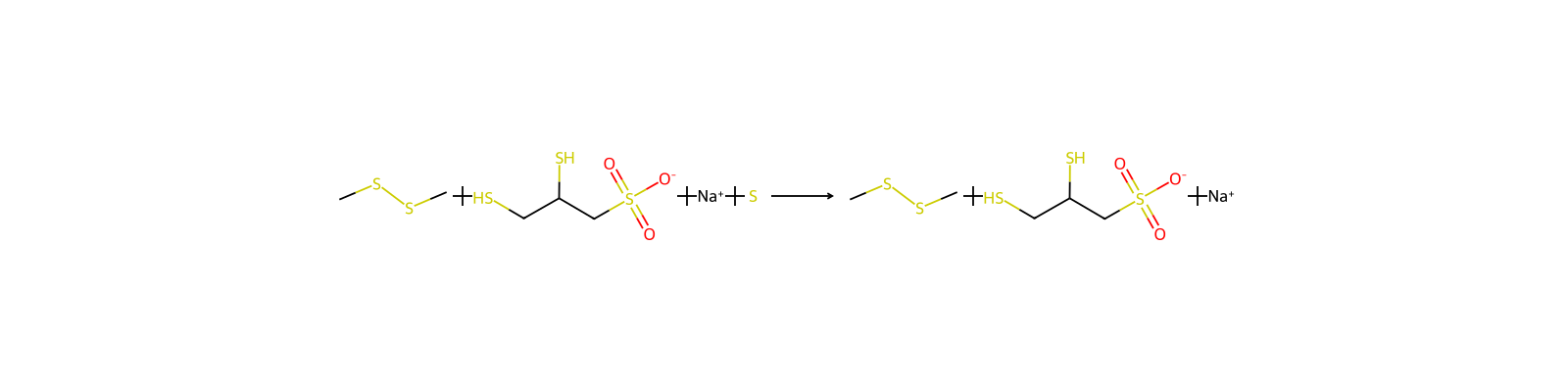
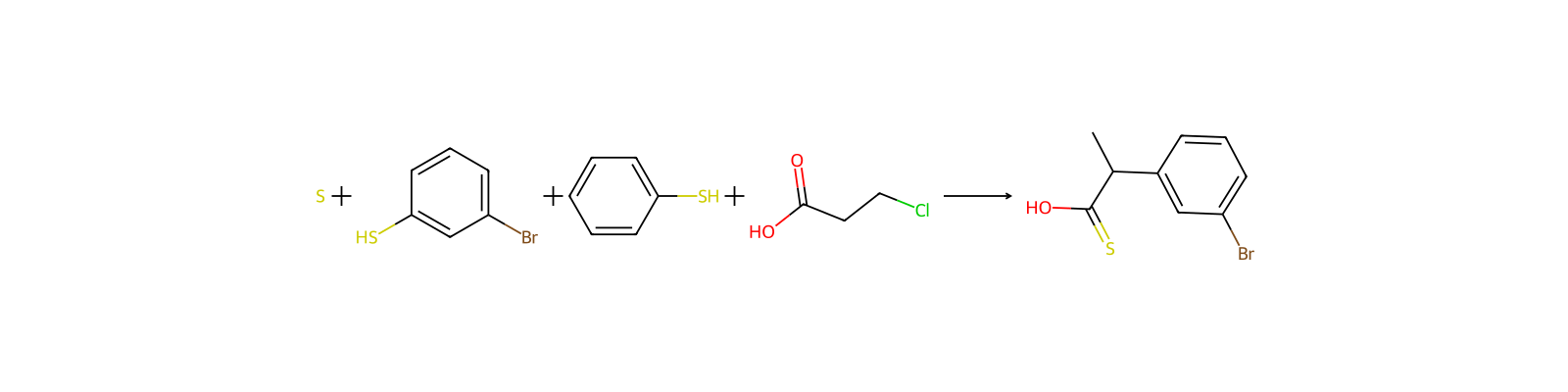
Related reactions
595 records





Linked notes
Loading…