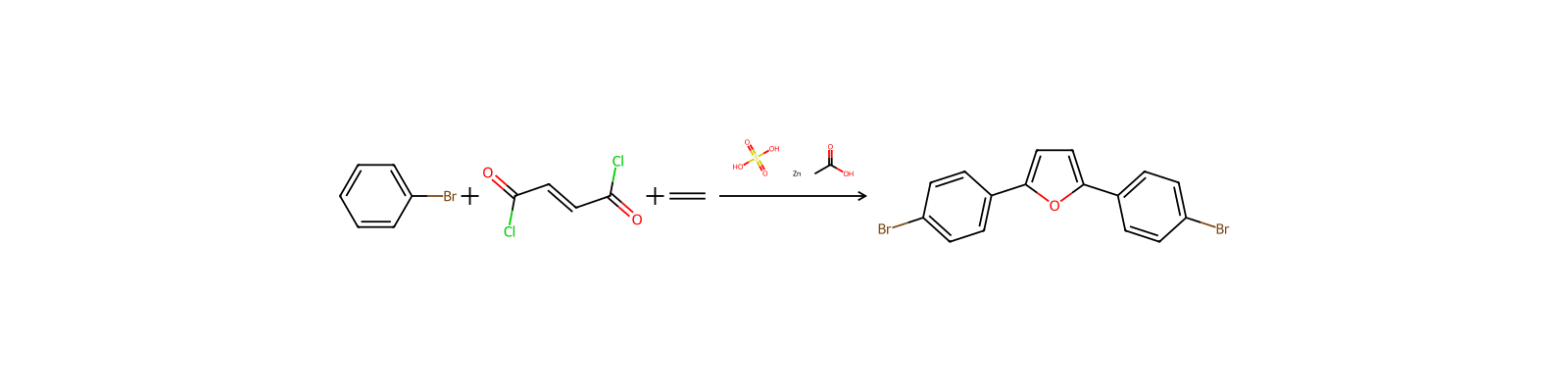

Basic information
- CAS
557-34-6- Standard SMILES
CC(=O)O.[Zn]- InChIKey
DBJUEJCZPKMDPA-UHFFFAOYSA-N- Molecular formula
- C2H4O2Zn
- Average molar mass
- 125.4 g/mol
Overview
See also: Zinc Acetate (annotation moved to).
Names & identifiers
- Preferred name
- ZINC acetic acid
- IUPAC
- acetic acid;zinc
- English name
- Zinc acetate
- Molecular formula
- C4H6O4Zn
- Molecular weight
- 183.48
Names & synonyms
zinc acetic acidZn HOAcSCHEMBL18918SCHEMBL20696084DBJUEJCZPKMDPA-UHFFFAOYSA-NZn(OAc)2Zinc diacetateAcetic acid, zinc(II) saltGalzinDiacetoxyzincAcetic acid zinc saltNA-9153
Show more names
ai3-04465siltexcl4ZINC ACETATE
Database identifiers
- CAS
557-34-6- PubChem CID
- 57475673
Properties
Computed structural properties
- Topological polar surface area
- 37.3 Ų
- Hydrogen bond donors
- 1
- Hydrogen bond acceptors
- 2
- Rotatable bonds
- 0
- Heavy atoms
- 5
- Formal charge
- 0
- Complexity
- 31
Physicochemical properties
- Melting point
- 83 · 83-86 °C
- Boiling point
- 908 °C · 908°C
- Density
- 1.84 g/mL · 1.84 g/mL at 25 °C (lit.)
- vapor pressure
- 0.001 Pa · 0.001Pa at 25℃
- Flash point
- 12 °C · 12 °C
- storage temp.
- Inert atmosphere,Room Temperature
- solubility
- Methanol (Slightly), Water (Slightly)
- pka
- 4.756 · 4.756[at 20 ℃]
- form
- Powder
- Specific Gravity
- 1.84 · 1.84
- color
- Yellow to brown to gray-green
- Odor
- Acidic odor
- Water Solubility
- Soluble in water, alcohol, dilute mineral acids and alkalies.
- Sensitive
- Hygroscopic
- Merck
- 14 · 14,10128
- Cosmetics Ingredients Functions
- ORAL CAREANTIMICROBIALSKIN PROTECTINGASTRINGENT
Safety & regulation
Safety data
- PPE
- dust mask type N95 (US), Eyeshields, Gloves
- wgk
- 3
- tsca
- TSCA listed
- rtecs
- AK1500000
- ridadr
- UN 3077 9/PG 3
- hs_code
- 29152990
- risk_code
- 36-50/53-22-11
- Signal word
- Danger
- Symbol(GHS)
- GHS05,GHS07,GHS09
- hazard_code
- Xn,N,Xi,F
- safety_code
- 26-60-61-39-16-7
- hazard_class
- 9
- Storage Class
- 11 - Combustible Solids
- Hazard statements
- H302-H318-H411
- REACH Registrations
- Active
- Hazard Classifications
- Acute Tox. 4 OralAquatic Chronic 2Eye Dam. 1
- Precautionary statements
- P264-P270-P273-P280-P301+P312-P305+P351+P338
- Hazardous Substances Data
- 557-34-6(Hazardous Substances Data)
Chemistry & industry
Applications
DescriptionZinc acetate (chemical formula: Zn(O2CCH3)2) is a kind of salt commonly existing in the dihydrate form. It appears as colorless solid. It is produced through the reaction between zinc oxide with acetate acid. Given that zinc is an essential element for growth and development of human body, zinc acetate can be used as a dietary supplement for the treatment of zinc deficiency. It plays an important role for the synthesis of cholesterol, protein, and fats. It can also be used as an astringent, styptic and emetic. In industry, it has various kinds of applications including wood preservation, manufacturing of other zinc salts as well as ethylene acetate, being used as a dye mordant, and analytical reagent.
UsesZinc acetate anhydrous is used in the synthesis of layered Zn-arylphosphonates with potential application in sorption, ion exchange or catalysis. It is utilized in the ultrasonic preparation of zinc sulfide nanoparticles coated on silica particles. It is administered orally or parenterally as a nutritional supplement. It finds an application in the field of industries such as wood preservation, manufacturing other zinc salts, polymers, manufacture of ethylene acetate, as a dye mordant, and analytical reagent. It also acts as a plating inhibitor on primary water piping.
Preparation methods
PreparationZinc acetate is prepared by the reaction of acetic acid with zinc oxide followed by crystallization (crystals of dihydrate obtained): ZnO + 2CH3COOH → (CH3COO)2Zn + H2O.
Upstream & downstream products
Upstream raw materials
Downstream products
Related reactions
6 records


Compound notes
Loading…