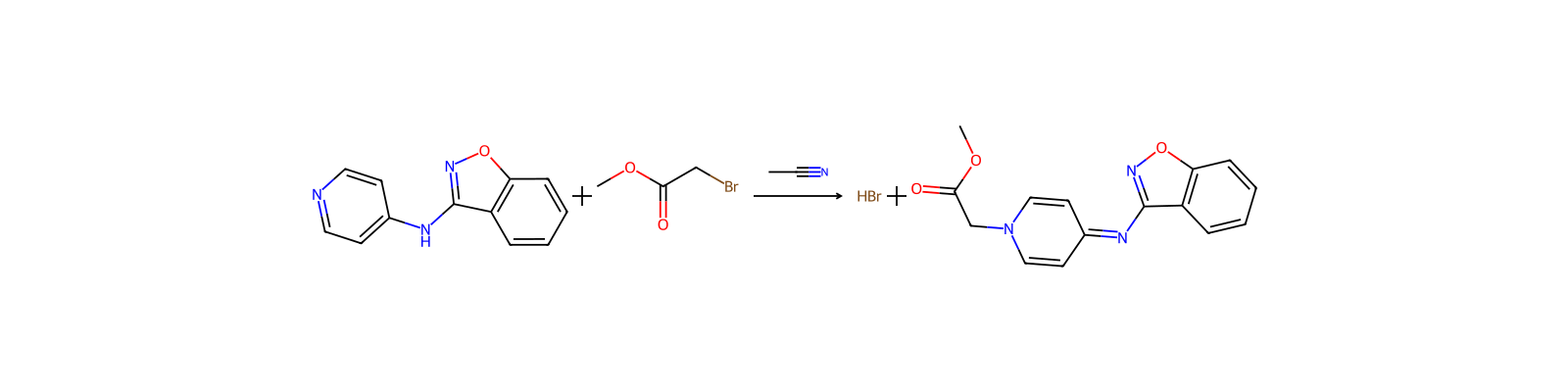
HRID 1059As reactant

96-32-2COC(=O)CBrYDCHPLOFQATIDS-UHFFFAOYSA-NMethyl bromoacetate appears as a colorless to straw-colored liquid with a sharp penetrating odor. Denser than water and soluble in water. Severly irritates skin and eyes. Toxic by ingestion and inhalation. Used to make vitamins and pharmaceuticals.
96-32-2DTXSID7052737Other Classes -> Halogenated Esters
Flammable agents - 2nd degree
1.6350 g/cu cm at 20 °C
1.616 @25 °C
141 °C
BP: 145.0-146.7 °C
BP: 51-52 °C at 15 mm Hg
145 °C @760 [mm Hg]
Hazardous decomposition products formed under fire conditions: Carbon oxides, hydrogen bromide gas.
When heated to decomposition it emits toxic fumes of Br(-)
Safety information is for reference only and does not replace the supplier’s Safety Data Sheet (SDS), applicable regulations, or professional assessment.
Danger
H301 (98.3%): Toxic if swallowed [Danger Acute toxicity, oral]
P260, P261, P262, P264, P270, P271, P272, P280, P301+P316, P301+P330+P331, P302+P352, P302+P361+P354, P304+P340, P305+P354+P338, P316, P319, P321, P330, P333+P317, P361+P364, P362+P364, P363, P403+P233, P405, and P501 (click each P-code to see the statement)
Aggregated GHS information provided per 58 reports by companies from 13 notifications to the ECHA C&L Inventory. Each notification may be associated with multiple companies.
Danger
H227: Combustible liquid [Warning Flammable liquids]
Chemical: Acetic acid, bromo-, methyl ester
REACH registered substance: Methyl bromoacetate (EC: 202-499-2)
Restricted substance: Methyl bromoacetate
Methyl bromoacetate: Does not have an individual approval but may be used under an appropriate group standard
The New Jersey Worker and Community Right to Know Act requires public and private employers to provide information about hazardous substances at their workplaces. (N.J.S.A. 34:5A-1 et. seq.)
Excerpt from ERG Guide 153 [Substances - Toxic and/or Corrosive (Combustible)]:
· Combustible material: may burn but does not ignite readily.
Excerpt from ERG Guide 153 [Substances - Toxic and/or Corrosive (Combustible)]:
· TOXIC and/or CORROSIVE; inhalation, ingestion or skin contact with material may cause severe injury or death.
A severe skin and eye irritant; Toxic by ingestion and inhalation; [CAMEO] Causes burns and lachrymation; Inhalation may cause corrosive injuries to upper respiratory tract and lungs; Toxic by ingestion; [Sigma-Aldrich MSDS] See Ethyl bromoacetate.
METHYL BROMOACETATE is a halogenated ester. Esters react with acids to liberate heat along with alcohols and acids. Strong oxidizing acids may cause a vigorous reaction that is sufficiently exothermic to ignite the reaction products. Heat is also generated by the interaction of esters with caustic solutions. Flammable hydrogen is generated by mixing esters with alkali metals and hydrides.
/GUIDE 155 SUBSTANCES - TOXIC and/or CORROSIVE (Flammable/Water-Sensitive)/ Fire or Explosion: HIGHLY FLAMMABLE: Will be easily ignited by heat, sparks or flames. Vapors form explosive mixtures with air: indoors, outdoors and sewers explosion hazards. Most vapors are heavier than air. They will spread along ground and collect in low or confined areas (sewers, basements, tanks). Vapors may travel to source of ignition and flash back. Those substances designated with a (P) may polymerize explosively when heated or involved in a fire. Substance will react with water (some violently) releasing flammable, toxic or corrosive gases and runoff. Contact with metals may evolve flammable hydrogen gas. Containers may explode when heated or if contaminated with water.
/GUIDE 155 SUBSTANCES - TOXIC and/or CORROSIVE (Flammable/Water-Sensitive)/ Health: TOXIC; inhalation, ingestion or contact (skin, eyes) with vapors, dusts or substance may cause severe injury, burns or death. Bromoacetates and chloroacetates are extremely irritating/lachrymators. Reaction with water or moist air will release toxic, corrosive or flammable gases. Reaction with water may generate much heat that will increase the concentration of fumes in the air. Fire will produce irritating, corrosive and/or toxic gases. Runoff from fire control or dilution water may be corrosive and/or toxic and cause pollution.
/GUIDE 155 SUBSTANCES - TOXIC and/or CORROSIVE (Flammable/Water-Sensitive)/ Public Safety: CALL Emergency Response Telephone Number on Shipping Paper first. If Shipping Paper not available or no answer, refer to appropriate telephone number listed on the inside back cover. As an immediate precautionary measure, isolate spill or leak area in all directions for at least 50 meters (150 feet) for liquids and at least 25 meters (75 feet) for solids. Keep unauthorized personnel away. Stay upwind, uphill and/or upstream. Ventilate enclosed areas.
/GUIDE 155 SUBSTANCES - TOXIC and/or CORROSIVE (Flammable/Water-Sensitive)/ Protective Clothing: Wear positive pressure self-contained breathing apparatus (SCBA). Wear chemical protective clothing that is specifically recommended by the manufacturer. It may provide little or no thermal protection. Structural firefighters' protective clothing provides limited protection in fire situations ONLY; it is not effective in spill situations where direct contact with the substance is possible.
For more DOT Emergency Guidelines (Complete) data for Methyl bromoacetate (8 total), please visit the HSDB record page.
Methyl bromoacetate
UN2643
Div 6.1 Poisonous materials (49 eCFR § 173.132)
PG II: the degree of danger presented by the material is medium
· CALL 911. Then call emergency response telephone number on shipping paper. If shipping paper not available or no answer, refer to appropriate telephone number listed on the inside back cover.
· ELIMINATE all ignition sources (no smoking, flares, sparks or flames) from immediate area.
Excerpt from ERG Guide 153 [Substances - Toxic and/or Corrosive (Combustible)]:
General First Aid:
Suitable extinguishing media: Use water spray, alcohol-resistant foam, dry chemical or carbon dioxide. Advice for firefighters: Wear self-contained breathing apparatus for firefighting if necessary. Further information: Use water spray to cool unopened containers.
ACCIDENTAL RELEASE MEASURES; Personal precautions, protective equipment and emergency procedures: Wear respiratory protection. Avoid breathing vapors, mist or gas. Ensure adequate ventilation. Remove all sources of ignition. Evacuate personnel to safe areas. Beware of vapors accumulating to form explosive concentrations. Vapors can accumulate in low areas. Environmental precautions: Prevent further leakage or spillage if safe to do so. Do not let product enter drains. Methods and materials for containment and cleaning up: Contain spillage, and then collect with an electrically protected vacuum cleaner or by wet-brushing and place in container for disposal according to local regulations (see section 13). Keep in suitable, closed containers for disposal.
SRP: Recycle any unused portion of the material for its approved use or return it to the manufacturer or supplier. Ultimate disposal of the chemical must consider: the material's impact on air quality; potential migration in air, soil or water; effects on animal, aquatic and plant life; and conformance with environmental and public health regulations. If it is possible or reasonable use an alternative chemical product with less inherent propensity for occupational harm/injury/toxicity or environmental contamination.
Product: This combustible material may be burned in a chemical incinerator equipped with an afterburner and scrubber. Offer surplus and non-recyclable solutions to a licensed disposal company. Contact a licensed professional waste disposal service to dispose of this material. Contaminated packaging: Dispose of as unused product
Gloves must be inspected prior to use. Use proper glove removal technique (without touching glove's outer surface) to avoid skin contact with this product. Dispose of contaminated gloves after use in accordance with applicable laws and good laboratory practices. Wash and dry hands.
Avoid contact with skin and eyes. Avoid inhalation of vapor or mist. Keep away from sources of ignition - No smoking. Take measures to prevent the build up of electrostatic charge.
ACCIDENTAL RELEASE MEASURES; Personal precautions, protective equipment and emergency procedures: Wear respiratory protection. Avoid breathing vapors, mist or gas. Ensure adequate ventilation. Remove all sources of ignition. Evacuate personnel to safe areas. Beware of vapors accumulating to form explosive concentrations. Vapors can accumulate in low areas. Environmental precautions: Prevent further leakage or spillage if safe to do so. Do not let product enter drains.
Avoid contact with skin, eyes and clothing. Wash hands before breaks and immediately after handling the product.
Excerpt from ERG Guide 153 [Substances - Toxic and/or Corrosive (Combustible)]:
Immediate precautionary measure
0.90 [mg/m3]
9.9 [mg/m3]
59 [mg/m3]
TERRESTRIAL FATE: Based on a classification scheme(1), an estimated Koc value of 6(SRC), determined from a structure estimation method(2), indicates that methyl bromoacetate is expected to have very high mobility in soil(SRC). Volatilization of methyl bromoacetate from moist soil surfaces is expected to be an important fate process(SRC) given an estimated Henry's Law constant of 3.5X10⁻⁵ atm-cu m/mole(SRC), developed using a fragment constant estimation method(2). Methyl bromoacetate is expected to volatilize from dry soil surfaces(SRC) based upon an estimated vapor pressure of 6.1 mm Hg at 25 °C(SRC), determined from a fragment constant method(2). Biodegradation data in soil were not available(SRC, 2018).
AQUATIC FATE: Based on a classification scheme(1), an estimated Koc value of 6(SRC), determined from a structure estimation method(2), indicates that methyl bromoacetate is not expected to adsorb to suspended solids and sediment(SRC). Volatilization from water surfaces is expected(3) based upon an estimated Henry's Law constant of 3.5X10⁻⁵ atm-cu m/mole(SRC), developed using a fragment constant estimation method(2). Using this Henry's Law constant and an estimation method(3), volatilization half-lives for a model river and model lake are 1.4 and 14 days, respectively(SRC). According to a classification scheme(4), an estimated BCF of 3(SRC), from an estimated log Kow of 0.72(2) and a regression-derived equation(2), suggests the potential for bioconcentration in aquatic organisms is low(SRC). Hydrolysis may be an important environmental fate based on base-catalyzed half-lives of 7 days and 17 hours at pH 7 and 8, respectively(2). Biodegradation data in water were not available(SRC, 2018).
ATMOSPHERIC FATE: According to a model of gas/particle partitioning of semivolatile organic compounds in the atmosphere(1), methyl bromoacetate, which has an estimated vapor pressure of 6.1 mm Hg at 25 °C(SRC), determined from a fragment constant method(2), is expected to exist solely as a vapor in the ambient atmosphere. Vapor-phase methyl bromoacetate is degraded in the atmosphere by reaction with photochemically-produced hydroxyl radicals(SRC); the half-life for this reaction in air is estimated to be 74 days(SRC), calculated from its rate constant of 2.2X10⁻¹³ cu cm/molecule-sec at 25 °C(SRC) that was derived using a structure estimation method(2). Methyl bromoacetate does not contain chromophores that absorb at wavelengths >290 nm(3) and, therefore, is not expected to be susceptible to direct photolysis by sunlight(SRC).
IDENTIFICATION AND USE: Methyl bromoacetate is a colorless to straw-colored liquid. It is used as a chemical intermediate. HUMAN STUDIES: There are no data available. ANIMAL STUDIES: Fifty chemicals were experimentally screened for toxicity. Mice and rabbits were used in the tests. Chemicals were given iv, dermally, in the eye, or ip. Methyl bromoacetate was one of the most toxic of these chemicals.
Using a structure estimation method based on molecular connectivity indices(1), the Koc of methyl bromoacetate can be estimated to be 6(SRC). According to a classification scheme(2), this estimated Koc value suggests that methyl bromoacetate is expected to have very high mobility in soil(SRC).
Methyl bromoacetate's production and use as a chemical intermediate for weed killers, dyes, vitamins and drugs(1) may result in its release to the environment through various waste streams(SRC). Its use as a lachrymator(1) will result in its direct release to the environment(SRC).
An estimated BCF of 3 was calculated in fish for methyl bromoacetate(SRC), using an estimated log Kow of 0.72(1) and a regression-derived equation(1). According to a classification scheme(2), this BCF suggests the potential for bioconcentration in aquatic organisms is low(SRC).
The Henry's Law constant for methyl bromoacetate is estimated as 3.5X10⁻⁵ atm-cu m/mole(SRC) developed using a fragment constant estimation method(1). This Henry's Law constant indicates that methyl bromoacetate is expected to volatilize from water surfaces(2). Based on this Henry's Law constant, the volatilization half-life from a model river (1 m deep, flowing 1 m/sec, wind velocity of 3 m/sec)(2) is estimated as 1.4 days(SRC). The volatilization half-life from a model lake (1 m deep, flowing 0.05 m/sec, wind velocity of 0.5 m/sec)(2) is estimated as 14 days(SRC). Methyl bromoacetate's Henry's Law constant indicates that volatilization from moist soil surfaces may occur(SRC). Methyl bromoacetate is expected to volatilize from dry soil surfaces(SRC) based upon an estimated vapor pressure of 6.1 mm Hg(SRC), determined from a fragment constant method(1).
/OTHER TOXICITY INFORMATION/ Fifty chemical compounds were experimentally screened for toxicity, part of them being so determined as a routine procedure for estimating a chronic dose for the Sarcoma 180 assay. Mice and rabbits were used in the tests. Dosages were given intravenously, dermally, in the eye, or intraperitoneally. The more toxic substances included methyl-bromoacetate...
The rate constant for the vapor-phase reaction of methyl bromoacetate with photochemically-produced hydroxyl radicals has been estimated as 2.2X10⁻¹³ cu cm/molecule-sec at 25 °C(SRC) using a structure estimation method(1). This corresponds to an atmospheric half-life of about 74 days at an atmospheric concentration of 5X10+5 hydroxyl radicals per cu cm(1). A base-catalyzed second-order hydrolysis rate constant of 11 L/mole-sec(SRC) was estimated using a structure estimation method(1); this corresponds to half-lives of 7 days and 17 hours at pH values of 7 and 8, respectively(1). Methyl bromoacetate does not contain chromophores that absorb at wavelengths >290 nm(2) and, therefore, is not expected to be susceptible to direct photolysis by sunlight(SRC).
Occupational exposure to methyl bromoacetate may occur through inhalation and dermal contact with this compound at workplaces where methyl bromoacetate is produced or used. The general population is not likely to be exposed to methyl bromoacetate. (SRC)
Methyl bromoacetate's production and use as a chemical intermediate for weed killers, dyes, vitamins and drugs may result in its release to the environment through various waste streams. Its use as a lachrymator will result in its direct release to the environment. If released to air, an estimated vapor pressure of 6.1 mm Hg at 25 °C indicates methyl bromoacetate will exist solely as a vapor in the atmosphere. Vapor-phase methyl bromoacetate will be degraded in the atmosphere by reaction with photochemically-produced hydroxyl radicals; the half-life for this reaction in air is estimated to be 74 days. Methyl bromoacetate does not contain chromophores that absorb at wavelengths >290 nm and, therefore, is not expected to be susceptible to direct photolysis by sunlight. If released to soil, methyl bromoacetate is expected to have very high mobility based upon an estimated Koc of 6. Volatilization from moist soil surfaces is expected to be an important fate process based upon an estimated Henry's Law constant of 3.5X10⁻⁵ atm-cu m/mole. Methyl bromoacetate may volatilize from dry soil surfaces based upon its vapor pressure. Biodegradation data in soil or water where not available. If released into water, methyl bromoacetate is not expected to adsorb to suspended solids and sediment based upon the estimated Koc. Volatilization from water surfaces is expected to be an important fate process based upon this compound's estimated Henry's Law constant. Estimated volatilization half-lives for a model river and model lake are 1.4 and 14 days, respectively. An estimated BCF of 3 suggests the potential for bioconcentration in aquatic organisms is low. Hydrolysis may be an important environmental fate based on base-catalyzed half-lives of 7 days and 17 hours at pH 7 and 8, respectively. Occupational exposure to methyl bromoacetate may occur through inhalation and dermal contact with this compound at workplaces where methyl bromoacetate is produced or used. The general population is not likely to be exposed to methyl bromoacetate. (SRC)
/SRP:/ Immediate fist aid: ensure that adequate decontamination has been carried out. If patient is not breathing, start artificial respiration, preferably with a demand-valve resuscitator, bag-valve-mask device, or pocket mask, as trained. Perform CPR as necessary. Immediately flush contaminated eyes with gently flowing water. Do not induce vomiting. If vomiting occurs, lean patient forward or place on left side (head-down position, if possible) to maintain an open airway and prevent aspiration. keep patient quiet and maintain normal body temperature. Obtain medical attention. /Esters and Related compounds/
/SRP:/ Basic treatment: Establish a patent airway. Suction if necessary. Watch for signs of respiratory insufficiency and assist ventilations if necessary. Administer oxygen by nonrebreather mask at 10 to 15 L/min. Monitor for pulmonary edema and treat if necessary ... . Monitor for shock and treat if necessary ... . For eye contamination, flush eyes immediately with water. Irrigate each eye continuously with normal saline during transport ... . Do not use emetics. For ingestion, rinse mouth and administer 5 mL/kg up to 200 mL of water for dilution if the patient can swallow, has a strong gag reflex, and does not drool. Administer activated charcoal ... . /Esters and related compounds/
/SRP:/ Advanced treatment: Consider orotracheal or nasotracheal intubation for airway control in the patient who is unconscious. Positive pressure ventilation techniques with a bag valve mask device may be beneficial. Monitor cardiac rhythm and treat arrhythmias if necessary ... . Start an IV with D5W /SRP: "To keep open", minimal flow rate/. Use lactated Ringer's if signs of hypovolemia are present. Watch for signs of fluid overload. For hypotension with signs of hypovolemia, administer fluid cautiously. Consider vasopressors if patient is hypotensive with a normal fluid volume. Watch for signs of fluid overload ... . Consider drug therapy for pulmonary edema ... . Use proparacaine hydrochloride to assist eye irrigation ... . /Esters and related compounds/
Used to make pharmaceuticals and vitamins; [CAMEO]
Synthesis of weed killers, dyes, vitamins, pharmaceuticals; lachrymator
Methyl bromoacetate was used in the synthesis of novel coumarins. It was also employed in the synthesis of cis-cyclopropanes.
UsesMethyl bromoacetate was used in the synthesis of novel coumarins. It was also employed in the synthesis of cis-cyclopropanes
UsesMethyl bromoacetate is used in the synthesis of coumarins and cis-cyclopropanes. It reacts with the conjugate base of (methylmethoxycarbene)pentacarbonylchromium(0) to prepare alkylated carbene complexes. Further, it is used to make vitamins and pharmaceuticals.
General DescriptionA colorless to straw-colored liquid with a sharp penetrating odor. Denser than water and soluble in water. Severly irritates skin and eyes. Toxic by ingestion and inhalation. Used to make vitamins and pharmaceuticals.