

Basic information
- CAS
111-50-2- Standard SMILES
O=C(Cl)CCCCC(=O)Cl- InChIKey
PWAXUOGZOSVGBO-UHFFFAOYSA-N- Molecular formula
- C6H8Cl2O2
- Average molar mass
- 183.03 g/mol
- Monoisotopic mass
- 181.99013486
Overview
structure in first source
Names & identifiers
- Preferred name
- Adipoyl chloride
- IUPAC
- hexanedioyl dichloride
- English name
- Adipoyl chloride
- Molecular formula
- C6H8Cl2O2
- Molecular weight
- 183.03
Names & synonyms
Adipoyl chloride111-50-2HEXANEDIOYL DICHLORIDEAdipoyl dichlorideX7CW7C2XXRDTXSID5059402RefChem:109799DTXCID8033198203-876-4Adipyl chlorideAdipic dichloridehexanedioic acid dichloride
Show more names
adipoylHEXYL DICHLORIDEHexyl DichlroideAdipoyldichlorid
MFCD00000759butane-1,4-dicarbonyl chlorideadipoylchlorideHexanedioyl chlorideAdipic acid dichlorideadipylchlorideEINECS 203-876-4Adipoyl chloride, 98%
Database identifiers
- CAS
111-50-2- PubChem CID
- 61034
- DTXSID
DTXSID5059402- UNII
- X7CW7C2XXR
- EC Number
- 203-876-4
- Nikkaji
- J5.111J
Properties
Computed structural properties
- XLogP
- 2
- Topological polar surface area
- 34.1 Ų
- Hydrogen bond donors
- 0
- Hydrogen bond acceptors
- 2
- Rotatable bonds
- 5
- Heavy atoms
- 10
- Formal charge
- 0
- Complexity
- 118
Experimental & physicochemical properties
Chemical Classes
Toxic Gases & Vapors -> Acid Halides
Corrosives
SpringerMaterials PropertiesNuclear quadrupole resonance spectroscopy
Physical DescriptionLiquid with a pungent odor; [Alfa Aesar MSDS]
Physicochemical properties
- Boiling point
- 105 · 105-107 °C2 mm Hg(lit.)
- Density
- 1.259 g/mL · 1.259 g/mL at 25 °C(lit.)
- refractive index
- 20 · n20/D 1.471(lit.)
- Flash point
- 230 °F · >230 °F
- storage temp.
- 30 °C · Store below +30°C.
- solubility
- Chloroform (Slightly), Ethyl Acetate (Slightly)
- form
- Liquid
- color
- Clear brown
- Water Solubility
- reacts
Safety & regulation
GHS classification
GHS Classification
Danger
H314 (100%): Causes severe skin burns and eye damage [Danger Skin corrosion/irritation]
P260, P264, P280, P301+P330+P331, P302+P361+P354, P304+P340, P305+P354+P338, P316, P321, P363, P405, and P501 (click each P-code to see the statement)
Aggregated GHS information provided per 51 reports by companies from 8 notifications to the ECHA C&L Inventory.
Hazard information
Regulatory Information
Chemical: Hexanedioyl dichloride
Status: Cease Manufacture Update: 15-04-2018 https://echa.europa.eu/registration-dossier/-/registered-dossier/24143
Adipoyl dichloride: Does not have an individual approval but may be used under an appropriate group standard
The New Jersey Worker and Community Right to Know Act requires public and private employers to provide information about hazardous substances at their workplaces. (N.J.S.A. 34:5A-1 et. seq.)
Hazards SummaryReacts violently with water; Exothermic reaction with water causes thermal tissue burns as well as producing acids; Causes burns; Inhalation may cause corrosive injuries to upper respiratory tract and lungs; [Alfa Aesar MSDS]
Hazard Classes and Categories
Skin Corr. 1B (100%)
Corrosives, Flammable agents - 2nd degree
Toxicology
Adverse EffectsDermatotoxin - Skin burns.
Safety data
- F
- 10-21
- PPE
- Faceshields, Gloves, Goggles, type ABEK (EN14387) respirator filter
- wgk
Chemistry & industry
Uses & manufacturing
General Manufacturing InformationHexanedioyl dichloride: ACTIVE
Applications
UsesAdipoyl chloride is used in the production of nylon by reacting with hexamethylene diamine. It is also used in the preparation of biphenyl end-capped liquid crystals. Further, it is employed in the synthesis of chiral polymer for membrane applications.
UsesAdipoyl Chloride can be used in the synthesis of nylon. Also it is used in the synthesis of chiral polymer for membrane application.
Upstream & downstream products
Upstream raw materials
Downstream products
Related reactions
40 records


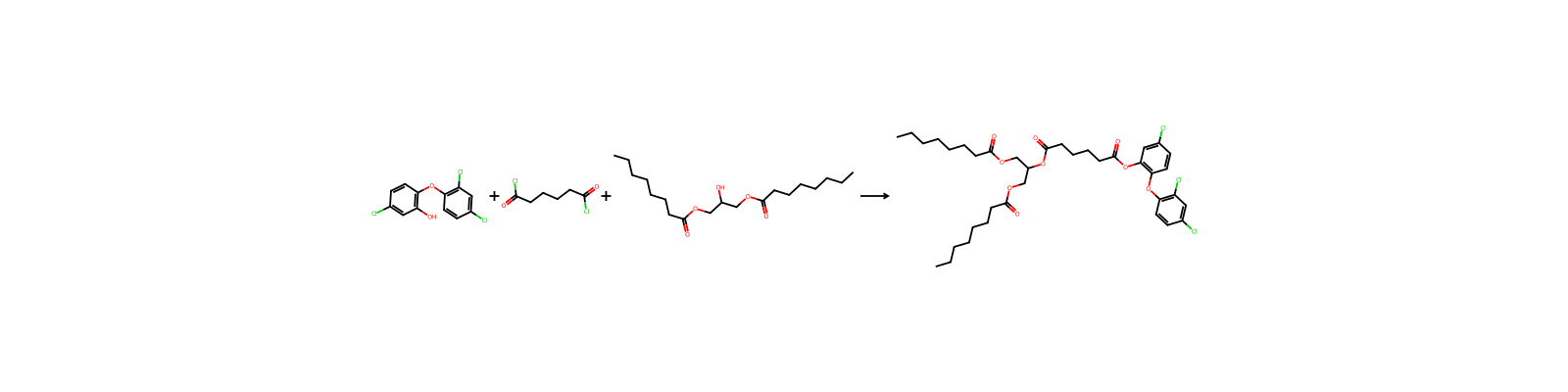
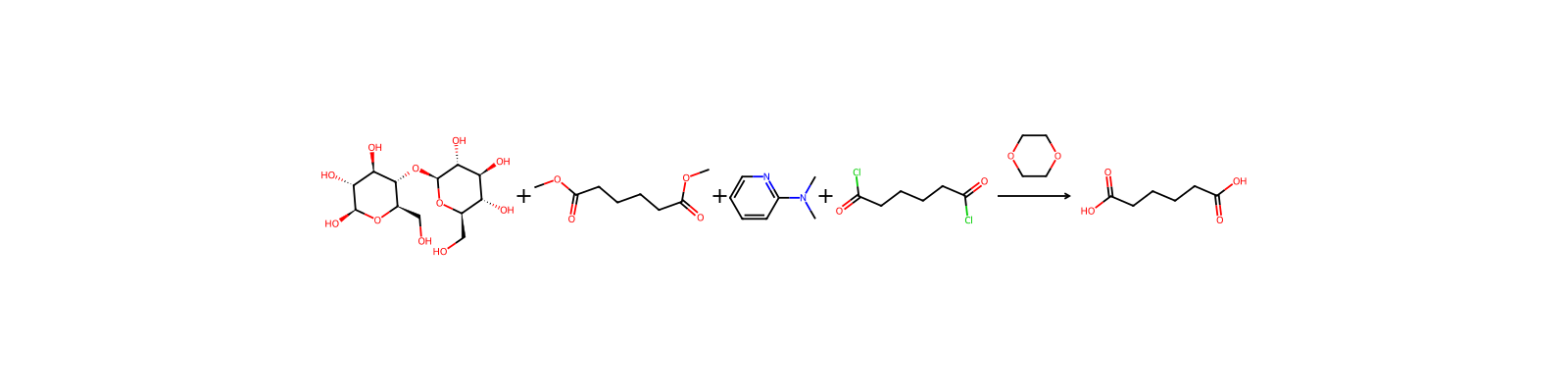


Compound notes
Loading…