Basic information
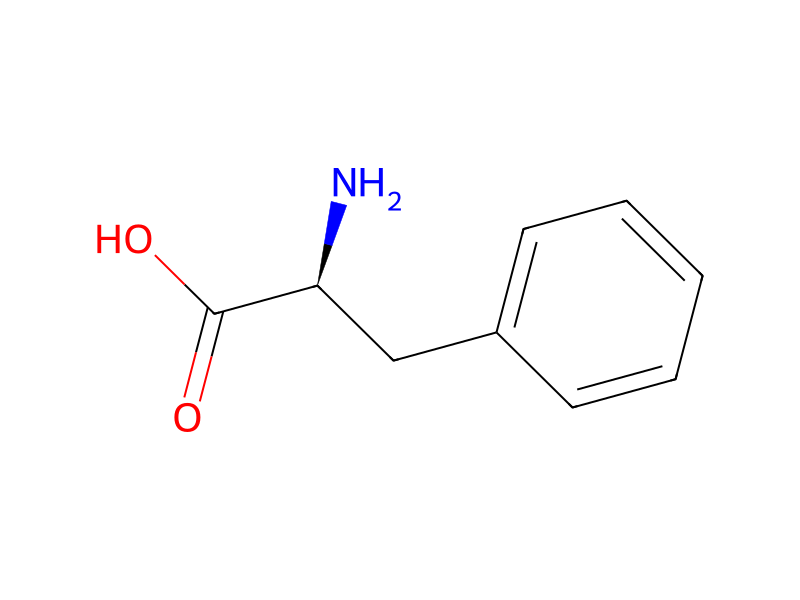
- Standard SMILES
N[C@@H](Cc1ccccc1)C(=O)O- InChIKey
COLNVLDHVKWLRT-QMMMGPOBSA-N- Molecular formula
- C9H11NO2
- Average molar mass
- 165.19 g/mol
- Monoisotopic mass
- 165.07897859
Overview
L-phenylalanine is an odorless white crystalline powder. Slightly bitter taste. pH (1% aqueous solution) 5.4 to 6. (NTP, 1992)
Names & identifiers
- Preferred name
- L-Phenylalanine
- IUPAC
- (2S)-2-amino-3-phenylpropanoic acid
Names & synonyms
L-phenylalaninephenylalanine63-91-2(S)-2-Amino-3-phenylpropanoic acid(2S)-2-amino-3-phenylpropanoic acid3-Phenyl-L-alanine(S)-Phenylalanine(L)-Phenylalanine3-Phenylalaninebeta-Phenyl-L-alanine(S)-2-Amino-3-phenylpropionic acidAntibiotic FN 1636
Show more names
L-Alanine, phenyl-Alanine, 3-phenyl-fenilalaninaL-Alanine, 3-phenyl-(S)-alpha-Amino-beta-phenylpropionic acidPhenylalaninumAlanine, phenyl-, L-(S)-alpha-Aminohydrocinnamic acid
Database identifiers
- CAS
150-30-1、63-91-2- PubChem CID
- 6140
- DTXSID
DTXSID4040763- ChEMBL
CHEMBL301523- ChEBI
CHEBI:17295- UNII
- 47E5O17Y3R
- EC Number
- 200-568-1
- Nikkaji
- J9.175H
Properties
Computed structural properties
- XLogP
- -1.5
- Topological polar surface area
- 63.3 Ų
- Hydrogen bond donors
- 2
- Hydrogen bond acceptors
- 3
- Rotatable bonds
- 3
- Heavy atoms
- 12
- Formal charge
- 0
- Complexity
- 153
Experimental & physicochemical properties
Chemical ClassesBiological Agents -> Amino Acids and Derivatives
DrugsPharmaceuticals -> Listed in ZINC15
Cosmetics
Cosmetic ingredients (Phenylalanine) -> CIR (Cosmetic Ingredient Review)
Antistatic
LogP
log Kow = -1.38
-1.38
OdorSlight
TasteBitter
Food AdditivesFLAVOR ENHANCER, FLAVORING AGENT OR ADJUVANT, NUTRIENT SUPPLEMENT -> FDA Substance added to food
Flavoring AgentsEU Flavoring substances
Color/Form
Prisms form water
Monoclinic plates, leaflets from warm concentrated aqueous solution; hydrated needles from dilute solutions
Solubility
10 to 50 mg/mL at 77 °F (NTP, 1992)
Monoclinic leaflets or prisms from water or alchol, sweetish taste. Decomposes at 271-273 °C. Sublimes in vacuo. pK1 = 2.58; pK2 = 9.24. Solubility in water (g/L): 9.97 at 0 °C; 14.11 at 25 °C; 21.87 at 50 °C; 37.08 at 75 °C; 68.9 at 100 °C /Phenylalanine DL-form/
Insoluble in ethanol, ethyl ether, benzene, acid
Very slightly sol in methanol, ethanol
Solubility in water (g/L): 19.8 at 0 °C; ... 44.3 at 50 °C; 66.2 at 75 °C; 99.0 at 100 °C
Boiling Point563 °F at 760 mmHg (sublimes) (NTP, 1992)
DecompositionWhen heated to decomposition it emits toxic fumes of /nitrogen oxides/.
Safety & regulation
GHS classification
GHS Classification
This chemical does not meet GHS hazard criteria for 98.3% (338 of 344) of all reports.
Not Classified
Aggregated GHS information provided per 344 reports by companies from 5 notifications to the ECHA C&L Inventory.
Hazard information
Regulatory Information
Chemical: L-Phenylalanine
Regulation (EC) No 1831/2003 (amended)
Status: Active Update: 01-06-2022 https://echa.europa.eu/registration-dossier/-/registered-dossier/16991
Phenylalanine: Does not have an individual approval but may be used under an appropriate group standard
L-Phenylalanine: Does not have an individual approval but may be used under an appropriate group standard
Other Safety InformationIMAP assessments - L-Phenylalanine: Environment tier I assessment
Fire HazardsFlash point data for this chemical are not available; however, it is probably combustible. (NTP, 1992)
Health HazardsACUTE/CHRONIC HAZARDS: When heated to decomposition this compound emits toxic fumes of nitrogen oxides. (NTP, 1992)
Hazards SummarySafe when used as a flavoring agent in food; [JECFA] May cause irritation; [Sigma-Aldrich MSDS]
FDA Requirements
L-Phenylalanine is a food additive permitted for direct addition to food for human consumption, as long as 1) the quantity of the substance added to food does not exceed the amount reasonably required to accomplish its intended physical, nutritive, or other technical effect in food, and 2) any substance intended for use in or on food is of appropriate food grade and is prepared and handled as a food ingredient.
Drug products containing certain active ingredients offered over-the-counter (OTC) for certain uses. A number of active ingredients have been present in OTC drug products for various uses, as described below. However, based on evidence currently available, there are inadequate data to establish general recognition of the safety and effectiveness of these ingredients for the specified uses: phenylalanine is included in weight control drug products.
Phenylalanine used as a nutrient and/or dietary supplement in animal drugs, feeds, and related products is generally recognized as safe when used in accordance with good manufacturing or feeding practice.
Reactive GroupSalts, Acidic
Special Reports
NAS, Food and Nutrition Board, Institute of Medicine; Dietary Reference Intakes for Energy, Carbohydrate, Fiber, Fat, Fatty Acids, Cholesterol, Protein, and Amino Acids (Macronutrients). National Academy Press, Washington, D.C. (2009).[Available from, as of March 10, 2010: http://www.nap.edu/catalog/10490.html]
Reactivity ProfileL-PHENYLALANINE may be light sensitive. Acts as a weak acid in solution.
Air and Water ReactionsWater soluble. Aqueous solutions are weak acids.
Hazard Classes and CategoriesNot Classified
Safety & protection
Fire FightingFires involving this material can be controlled with a dry chemical, carbon dioxide or Halon extinguisher. (NTP, 1992)
First Aid
EYES: First check the victim for contact lenses and remove if present. Flush victim's eyes with water or normal saline solution for 20 to 30 minutes while simultaneously calling a hospital or poison control center. Do not put any ointments, oils, or medication in the victim's eyes without specific instructions from a physician. IMMEDIATELY transport the victim after flushing eyes to a hospital even if no symptoms (such as redness or irritation) develop.
Nonfire Spill Response
SMALL SPILLS AND LEAKAGE: If you spill this chemical, you should dampen the solid spill material with water, then transfer the dampened material to a suitable container. Use absorbent paper dampened with water to pick up any remaining material. Seal your contaminated clothing and the absorbent paper in a vapor-tight plastic bag for eventual disposal. Wash all contaminated surfaces with a soap and water solution. Do not reenter the contaminated area until the Safety Officer (or other responsible person) has verified that the area has been properly cleaned.
Disposal Methods
SRP: Criteria for land treatment or burial (sanitary landfill) disposal practices are subject to significant revision. Prior to implementing land disposal of waste residue (including waste sludge), consult with environmental regulatory agencies for guidance on acceptable disposal practices.
SRP: At the time of review, regulatory criteria for small quantity disposal are subject to significant revision, however, household quantities of waste pharmaceuticals may be managed as follows: Mix with wet cat litter or coffee grounds, double bag in plastic, discard in trash.
SRP: Expired or waste pharmaceuticals shall carefully take into consideration applicable DEA, EPA, and FDA regulations. It is not appropriate to dispose by flushing the pharmaceutical down the toilet or discarding to trash. If possible return the pharmaceutical to the manufacturer for proper disposal being careful to properly label and securely package the material. Alternatively, the waste pharmaceutical shall be labeled, securely packaged and transported by a state licensed medical waste contractor to dispose by burial in a licensed hazardous or toxic waste landfill or incinerator.
Personal Protective Equipment (PPE)
RECOMMENDED RESPIRATOR: Where the neat test chemical is weighed and diluted, wear a NIOSH-approved half face respirator equipped with an organic vapor/acid gas cartridge (specific for organic vapors, HCl, acid gas and SO2) with a dust/mist filter. (NTP, 1992)
Toxicology
Body BurdenPhenylalanine is an essential aromatic amino acid and is a precursor of melanin, dopamine, noradrenalin, and thyroxine(1).
Treatment
If PKU is diagnosed early, an affected newborn can grow up with normal brain development, but only by managing and controlling phenylalanine levels through diet, or a combination of diet and medication. The diet requires severely restricting or eliminating foods high in phenylalanine, such as meat, chicken, fish, eggs, nuts, cheese, legumes, milk and other dairy products. Starchy foods, such as potatoes, bread, pasta, and corn, must be monitored. Optimal health ranges (or "target ranges") of serum phenylalanine are between 120 and 360 µmol/L, and aimed to be achieved during at least the first 10 years of life. Recently it has been found that a chiral isomer of L-phenylalanine (called D-phenylalanine) actually arrests the fibril formation by L-phenylalanine and gives rise to flakes. These flakes do not propagate further and prevent amyloid formation by L-phenylalanine. D-phenylalanine may qualify as a therapeutic molecule in phenylketonuria (A8161).
InteractionsOchratoxin A (0.8 mg) injected ip together with 0.8 mg of phenylalanine, 97% of animals survived, and 100% survived when 1 mg of phenylalanine was injected.
Health Effects
Phenylalanine is neurotoxic. Chronic exposure to very high levels of phenylalanine in the blood (as found in phenylketonuria, or PKU) can lead to a build up in the cerebrospinal fluid and brain, leading to seizures, organ damage and unusual posture. High phenylalnine levels are particularly dangerous for children, because it retards brain development and can cause serious learning difficulties. Complications of PKU include severe intellectual disability, brain function abnormalities, microcephaly, mood disorders, irregular motor functioning, and behavioral problems such as attention deficit hyperactivity disorder. Chronically high levels of phenylalanine are associated with at least four other inborn errors of metabolism including: Hartnup Disorder, Hyperphenylalaniemia due to guanosine triphosphate cyclohydrolase deficiency, Tyrosinemia Type 2 (or Richner-Hanhart syndrome) and Tyrosinemia Type 3 (TYRO3).
Environmental Fate
TERRESTRIAL FATE: Based on a classification scheme(1), an estimated Koc value of 54(SRC), determined from a log Kow of -1.38(2) and a regression-derived equation(3), indicates that (L)-phenylalanine is expected to have high mobility in soil(SRC). Amino acids are ionic over the entire pH range and tend to be cationic in acidic media, zwitterionic in neutral media, and anioic in basic media(4). The pKa values of (L)-phenylalanine are 1.83 and 9.13(5), indicating that this compound will exist almost entirely in the ion form in the environment. Volatilization from moist soil is not expected because the acid exists as an ion and ions do not volatilize. (L)-Phenylalanine is not expected to volatilize from dry soil surfaces(SRC) based upon an estimated vapor pressure of 1.76X10⁻⁸ mm Hg at 25 °C(SRC), determined from a fragment constant method(6). Oxygen uptake was measured at 145 mg/L O2 over 3 hours in the Warburg test(7), indicating that biodegradation may be an important environmental fate process in soil(SRC).
AQUATIC FATE: Based on a classification scheme(1), an estimated Koc value of 54(SRC), determined from a log Kow of -1.38(2) and a regression-derived equation(3), indicates that (L)-phenylalanine is not expected to adsorb to suspended solids and sediment(SRC). Amino acids are ionic over the entire pH range and tend to be cationic in acidic media, zwitterionic in neutral media, and anioic in basic media(4). Measured pKa values of 1.83 and 9.13(5) indicate (L)-phenylalanine will exist almost entirely in the ion form at pH values of 5 to 9 and therefore volatilization from water surfaces is not expected to be an important fate process(6). According to a classification scheme(7), an estimated BCF of 3(SRC), from its log Kow(2) and a regression-derived equation(3), suggests the potential for bioconcentration in aquatic organisms is low(SRC). Oxygen uptake was measured at 145 mg/L O2 over 3 hours in the Warburg test(8), indicating that biodegradation may be an important environmental fate process in water(SRC).
ATMOSPHERIC FATE: According to a model of gas/particle partitioning of semivolatile organic compounds in the atmosphere(1), (L)-phenylalanine, which has an estimated vapor pressure of 1.76X10⁻⁸ mm Hg at 25 °C(SRC), determined from a fragment constant method(2), will exist in both the vapor and particulate phases in the ambient atmosphere. Vapor-phase (L)-phenylalanine is degraded in the atmosphere by reaction with photochemically-produced hydroxyl radicals(SRC); the half-life for this reaction in air is estimated to be 8.7 hours(SRC), calculated from its rate constant of 4.42X10⁻¹¹ cu cm/molecule-sec at 25 °C(SRC) that was derived using a structure estimation method(3). Particulate-phase (L)-phenylalanine may be removed from the air by wet or dry deposition(SRC). (L)-Phenylalanine does not contain chromophores that absorb at wavelengths >290 nm(4), and therefore is not expected to be susceptible to direct photolysis by sunlight(SRC).
Exposure RoutesAbsorbed from the small intestine by a sodium dependent active transport process.
Toxicity Summary
Safe in the present practices of use and concentration. Ingredient, concentration, and use information are available in documents discoverable at https://cir-reports.cir-safety.org
Extremely high serum levels of phenylalanine are found in patients with the inborn error of metabolism (IEM) called Phenylketonuria (PKU). At pathological concentrations typical of PKU, phenylalanine self-assembles into fibrils with amyloid-like morphology and well-ordered electron diffraction. These fibrils and their resulting amyloid deposits that localize to the brain appear to be partially responsible for the neural tissue damage seen in PKU patients (A8160). It has also been suggested that very high plasma phenylalanine concentrations can increase phenylalanine entry into brain and thereby restrict the entry of other large neutral amino acids. The lack of large neutral amino acids may lead to disturbed cerebral protein synthesis, which is particularly important for young children (A8162). The mechanism of L-phenylalanine's putative antidepressant activity may be accounted for by its precursor role in the synthesis of the neurotransmitters norepinephrine and dopamine. Elevated brain norepinephrine and dopamine levels are thought to be associated with antidepressant effects. <br/>The mechanism of L-phenylalanine's possible antivitiligo activity is not well understood. It is thought that L-phenylalanine may stimulate the production of melanin in the affected skin.
Plant ConcentrationsPlants with the highest amount of Phenylalanine(1). /Phenylalanine/ [Table#3673]
Signs and SymptomsComplications of PKU include severe intellectual disability, brain function abnormalities, microcephaly, mood disorders, irregular motor functioning, and behavioral problems such as attention deficit hyperactivity disorder.
Effluent Concentrations
(L)-Phenylalanine was detected in horizontal soil barriers in an active landfill, Conica-Montemarta, Sevilla, South Spain, in a low permeability clay soil. The compound was present at 5.3, and 8.4 and 11.4 nmol/g at 1-1.5 meters, 3-3.5 meters, and 6.5-7 meters depth, respectively, following 2 years deposition(1).(L)-Phenylalanine has been identified as a disinfection by-product of dichloroacetonitrile, using kynurenine as a model compound for 3 naturally-occurring substances and 37 nitrogen compounds normally found in excrement(2).
Soil Adsorption/Mobility
The Koc of (L)-phenylalanine is estimated as 54(SRC), using a log Kow of -1.38(1) and a regression-derived equation(2). According to a classification scheme(3), this estimated Koc value suggests that (L)-phenylalanine is expected to have high mobility in soil. Amino acids are ionic over the entire pH range and tend to be cationic in acidic media, zwitterionic in neutral media, and anioic in basic media(4). The measured pKa1 and pKa2 values for (L)-phenylalanine are 1.83 and 9.13, respectively(5), indicating that this compound will almost entirely exist in the ion form in the environment.
Natural Pollution Sources
Phenylalanine is an essential aromatic amino acid and is a precursor of melanin, dopamine, noradrenalin, and thyroxine(1). It is one of the nine indispensable amino acids that cannot be synthesized to meet body needs in animals and therefore must be provided in the diet(2). Originally isolated from the spouts of lupine(3), phenylalanine is present in the seeds and sprouts of many plants including sunflowers, spinach, peanuts and many varieties of beans(4).
Regulatory information
FDA Requirements
L-Phenylalanine is a food additive permitted for direct addition to food for human consumption, as long as 1) the quantity of the substance added to food does not exceed the amount reasonably required to accomplish its intended physical, nutritive, or other technical effect in food, and 2) any substance intended for use in or on food is of appropriate food grade and is prepared and handled as a food ingredient.
Drug products containing certain active ingredients offered over-the-counter (OTC) for certain uses. A number of active ingredients have been present in OTC drug products for various uses, as described below. However, based on evidence currently available, there are inadequate data to establish general recognition of the safety and effectiveness of these ingredients for the specified uses: phenylalanine is included in weight control drug products.
Phenylalanine used as a nutrient and/or dietary supplement in animal drugs, feeds, and related products is generally recognized as safe when used in accordance with good manufacturing or feeding practice.
Chemistry & industry
Pharmacology
Bionecessity
Essential amino acid for human development.
Older views of the nutritional classification of amino acids categorized them into two groups: indispensable (essential) and dispensable (nonessential). The nine indispensable amino acids /(histidine, isoleucine, leucine, lysine, methionine, phenylalanine, threonine, tryptophan, and valine)/ are those that have carbon skeletons that cannot be synthesized to meet body needs from simpler molecules in animals, and therefore must be provided in the diet. ...The definition of dispensable amino acids has become blurred as more information on the intermediary metabolism and nutritional characteristics of these compounds has accumulated. ... Dispensable amino acids /have been divided/ into two classes: truly dispensable and conditionally indispensable. Five amino acids /(alanine, aspartic acid, asparagine, glutamic acid, and serine)/ are termed dispensable as they can be synthesized in the body from either other amino acids or other complex nitrogenous metabolites. In addition, six other amino acids, including /arginine, cysteine, glutamine, glycine, proline, and tyrosine/, are conditionally indispensable as they are synthesized from other amino acids or their synthesis is limited under special pathophysiological conditions. This is even more of an issue in the neonate where it has been suggested that only alanine, aspartate, glutamate, serine, and probably asparagine are truly dietarily dispensable.
The term conditionally indispensable recognizes the fact that under most normal conditions the body can synthesize these amino acids to meet metabolic needs. However, there may be certain physiological circumstances: prematurity in the young infant where there is an inadequate rate at which cysteine can be produced from methionine; the newborn, where enzymes that are involved in quite complex synthetic pathways may be present in inadequate amounts as in the case of arginine, which results in a dietary requirement for this amino acid; or pathological states, such as severe catabolic stress in an adult, where the limited tissue capacity to produce glutamine to meet increased needs and to balance increased catabolic rates makes a dietary source of these amino acids required to achieve body nitrogen homeostasis. The cells of the small intestine become important sites of conditionally indispensable amino acid, synthesis, with some amino acids (e.g., glutamine and arginine) becoming nutritionally indispensable under circumstances of intestinal metabolic dysfunction. /Amino acids/
When diets high or low in protein are given, there is a gain or loss of body protein over the first few days, before re-equilibration of protein intake with the rates of oxidation and excretion. This phenomenon has led to the concept of a "labile protein reserve," which can be gained or lost from the body as a short-term store for use in emergencies or to take account of day-to-day variations in dietary intake. Studies in animals have suggested that this immediate labile protein store is contained in the liver and visceral tissues, as their protein content decreases very rapidly during starvation or protein depletion (by as much as 40 percent), while skeletal muscle protein drops much more slowly. During this situation, protein breakdown becomes a source of indispensable amino acid needs for synthesis of proteins critical to maintaining essential body function. This labile protein reserve in humans is unlikely to account for more than about 1 percent of total body protein. Thus, the immediately accessible stores of protein (which serve as the source of indispensable amino acids and amino nitrogen) cannot be considered in the same light as the huge energy stores in the form of body fat; the labile protein reserve is similar in weight to the glycogen store. /Amino acids/
For more Bionecessity (Complete) data for (L)-Phenylalanine (19 total), please visit the HSDB record page.
PharmacodynamicsUsed by the brain to produce Norepinephrine, a chemical that transmits signals between nerve cells and the brain; keeps you awake and alert; reduces hunger pains; functions as an antidepressant and helps improve memory.
Mechanism of Action
The supposed antidepressant effects of L-phenylalanine may be due to its role as a precursor in the synthesis of the neurotransmitters norepinephrine and dopamine. Elevated brain norepinephrine and dopamine levels are thought to be associated with antidepressant effects. The mechanism of L-phenylalanine's possible antivitiligo activity is not well understood. It is thought that L-phenylalanine may stimulate the production of melanin in the affected skin
Amino acids are selected for protein synthesis by binding with transfer RNA (tRNA) in the cell cytoplasm. The information on the amino acid sequence of each individual protein is contained in the sequence of nucleotides in the messenger RNA (mRNA) molecules, which are synthesized in the nucleus from regions of DNA by the process of transcription. The mRNA molecules then interact with various tRNA molecules attached to specific amino acids in the cytoplasm to synthesize the specific protein by linking together individual amino acids; this process, known as translation, is regulated by amino acids (e.g., leucine), and hormones. Which specific proteins are expressed in any particular cell and the relative rates at which the different cellular proteins are synthesized, are determined by the relative abundances of the different mRNAs and the availability of specific tRNA-amino acid combinations, and hence by the rate of transcription and the stability of the messages. From a nutritional and metabolic point of view, it is important to recognize that protein synthesis is a continuing process that takes place in most cells of the body. In a steady state, when neither net growth nor protein loss is occurring, protein synthesis is balanced by an equal amount of protein degradation. The major consequence of inadequate protein intakes, or diets low or lacking in specific indispensable amino acids relative to other amino acids (often termed limiting amino acids), is a shift in this balance so that rates of synthesis of some body proteins decrease while protein degradation continues, thus providing an endogenous source of those amino acids most in need. /Amino acids/
The mechanism of intracellular protein degradation, by which protein is hydrolyzed to free amino acids, is more complex and is not as well characterized at the mechanistic level as that of synthesis. A wide variety of different enzymes that are capable of splitting peptide bonds are present in cells. However, the bulk of cellular proteolysis seems to be shared between two multienzyme systems: the lysosomal and proteasomal systems. The lysosome is a membrane-enclosed vesicle inside the cell that contains a variety of proteolytic enzymes and operates mostly at acid pH. Volumes of the cytoplasm are engulfed (autophagy) and are then subjected to the action of the protease enzymes at high concentration. This system is thought to be relatively unselective in most cases, although it can also degrade specific intracellular proteins. The system is highly regulated by hormones such as insulin and glucocorticoids, and by amino acids. The second system is the ATP-dependent ubiquitin-proteasome system, which is present in the cytoplasm. The first step is to join molecules of ubiquitin, a basic 76-amino acid peptide, to lysine residues in the target protein. Several enzymes are involved in this process, which selectively targets proteins for degradation by a second component, the proteasome. /Amino acids/
Metabolism/Metabolites
Hepatic. L-phenylalanine that is not metabolized in the liver is distributed via the systemic circulation to the various tissues of the body, where it undergoes metabolic reactions similar to those that take place in the liver.
Pathways of amino acid metabolism- L-phenylalanine; product of oxidative deamination or transamination: phenylpyruvic acid. Product of decarboxylation: phenylethylamine. Phenylalanine to tyrosine.
L-Phenylalanine yields in man: N-acetyl-L-phenylalanine; benzoic acid; probably in man, 2,5-dihydroxy-L-phenylalanine. /From table/
L-Phenylalanine yields in man: phenethylamine; phenylpyruvic acid; L-tyrosine. /From table/
L-Phenylalanine yields L-m-tyrosine in rat. /From table/
For more Metabolism/Metabolites (Complete) data for (L)-Phenylalanine (12 total), please visit the HSDB record page.
Absorption, Distribution and Excretion
Absorbed from the small intestine by a sodium dependent active transport process.
... It diffuses across placental membrane reaching higher fetal than maternal levels. In rhesus monkey when serum maternal levels are 1-2 mg/100 mL near full term there is an approx 1.5:1 diffusion rate, but when maternal levels ... high (25 mg/100 mL) fetal serum ... reach 45 mg/100 mL to detriment of fetus. /Phenylalanine/
Although the free amino acids dissolved in the body fluids are only a very small proportion of the body's total mass of amino acids, they are very important for the nutritional and metabolic control of the body's proteins. ... Although the plasma compartment is most easily sampled, the concentration of most amino acids is higher in tissue intracellular pools. Typically, large neutral amino acids, such as leucine and phenylalanine, are essentially in equilibrium with the plasma. Others, notably glutamine, glutamic acid, and glycine, are 10- to 50-fold more concentrated in the intracellular pool. Dietary variations or pathological conditions can result in substantial changes in the concentrations of the individual free amino acids in both the plasma and tissue pools.
Table: Comparison of the Pool Sizes of Free and Protein-Bound Amino Acids in Rat Muscle [Table#3668]
After ingestion, proteins are denatured by the acid in the stomach, where they are also cleaved into smaller peptides by the enzyme pepsin, which is activated by the increase in stomach acidity that occurs on feeding. The proteins and peptides then pass into the small intestine, where the peptide bonds are hydrolyzed by a variety of enzymes. These bondspecific enzymes originate in the pancreas and include trypsin, chymotrypsins, elastase, and carboxypeptidases. The resultant mixture of free amino acids and small peptides is then transported into the mucosal cells by a number of carrier systems for specific amino acids and for di- and tri-peptides, each specific for a limited range of peptide substrates. After intracellular hydrolysis of the absorbed peptides, the free amino acids are then secreted into the portal blood by other specific carrier systems in the mucosal cell or are further metabolized within the cell itself. Absorbed amino acids pass into the liver, where a portion of the amino acids are taken up and used; the remainder pass through into the systemic circulation and are utilized by the peripheral tissues. /Amino acids/
For more Absorption, Distribution and Excretion (Complete) data for (L)-Phenylalanine (13 total), please visit the HSDB record page.
Tissue LocationsAll Tissues
Cellular LocationsCytoplasm
Metabolite PathwaysPhenylalanine and Tyrosine Metabolism
Uses & manufacturing
Uses
CIR ingredient: Phenylalanine
An essential amino acid; Used in the artificial sweetener aspartame (a methyl ester of aspartic acid/phenylalanine); [Merck Index] Used as a flavoring agent and nutritional supplement; [FDA]
Component of the artifical sweetener aspartame ... nutrient
Reported uses
Medicine and nutrition[Lewis RJ Sr; Hawley's Condensed Chemical Dictionary 15th ed Wiley (2007)
Used with aspartic acid in the manufacture of aspartame
U.S. Production
(1985) 2.2 X 10+9 g (consumption)
Production volumes for non-confidential chemicals reported under the Inventory Update Rule. [Table#3674]
Methods of Manufacturing
From PTS-negative Escherichia coli bioengineered strains.
(L(-))-phenylalanine is isolated commercially from proteins (ovalbumin, lactalbumin, zein, and fibrin).
Fermentation from carbohydrates is the most economical way to produce L-phenylalanine
Formulations/Preparations
Grades: Technical, FCC[Lewis RJ Sr; Hawley's Condensed Chemical Dictionary 15th ed Wiley (2007)
Available commercially as DL-dihydroxyphenylalanine and as DL-phenylalanine.[Lewis RJ Sr; Hawley's Condensed Chemical Dictionary 15th ed Wiley (2007)
Available commercially as the naturally occurring L(+)-enantiomer
Household ProductsInformation on 6 consumer products that contain Phenylalanine in the following categories is provided:
Use Classification
Flavouring Agent -> FLAVOURING_AGENT -> JECFA Functional Classes
Flavoring Agents -> JECFA Flavorings Index
Cosmetics -> Antistatic
General Manufacturing Information
L-Phenylalanine: ACTIVE
Phenylalanine: ACTIVE
Analysis of protein hydrolysates of bread indicated that ... phenylalanine ... degraded 5-17% during baking.
Amino acid composition of selected proteins- IUPAC abbreviation: PHE; gelatins 2.1 g/100 g; milk: mixed proteins 5.5 g/100 g; casein 5.0 g/100 g; serum albumin 7.0 g/100 g; gamma-globulin 4.6 g/100 g; hemoglobin: horse 7.7 g/100 g; insulin 8.1 g/100 g; clostridium botulinum toxin 1.2 g/100 g /Phenylalanine, from table/
Applications (Vet): in many protein hydrolysate mixtures for iv use (0.03-3.5 mg/mL in common commercial mixtures) ...
Precursor in biosynthetic pathway to epinephrine and norepinephrine
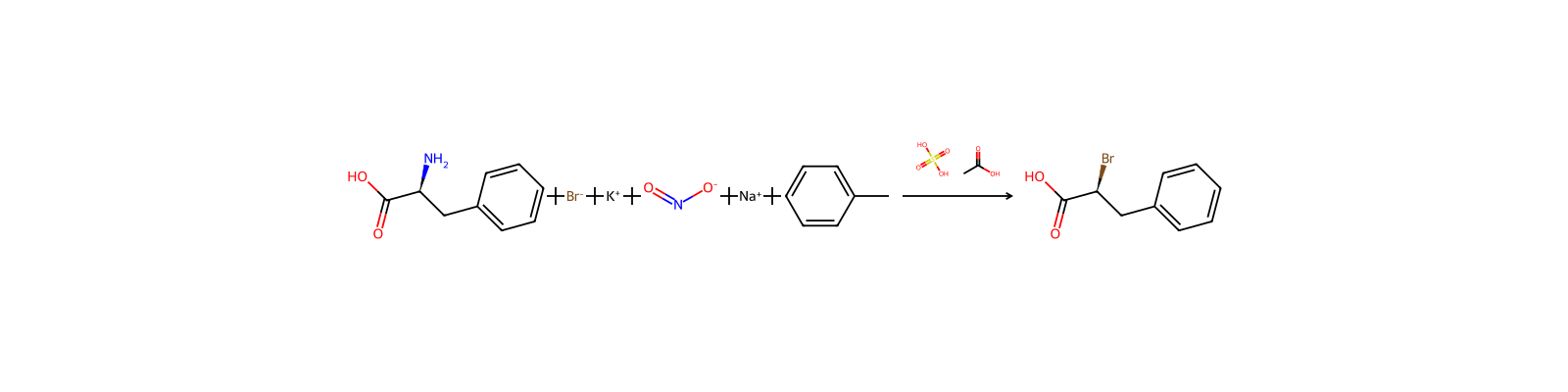
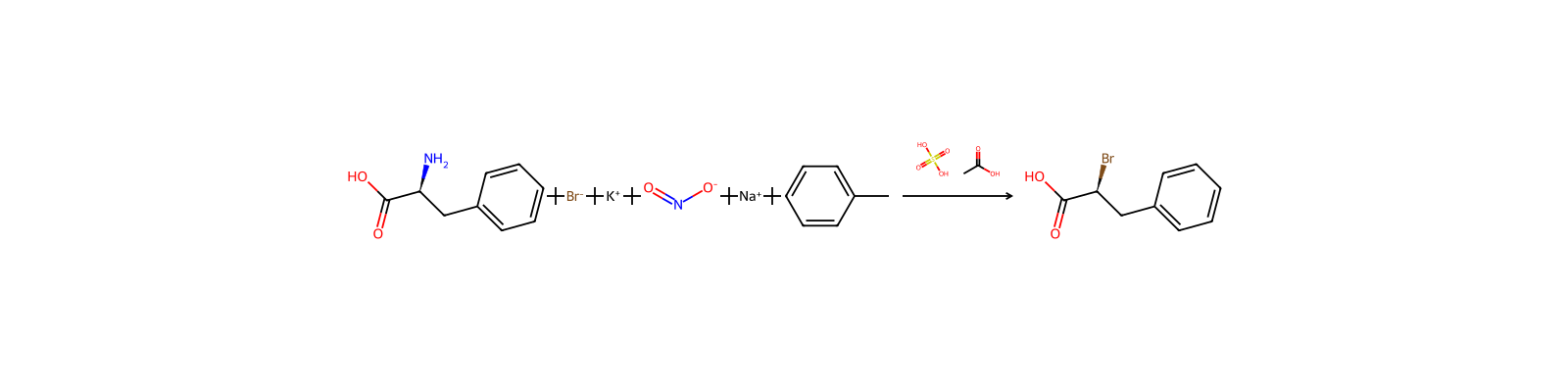
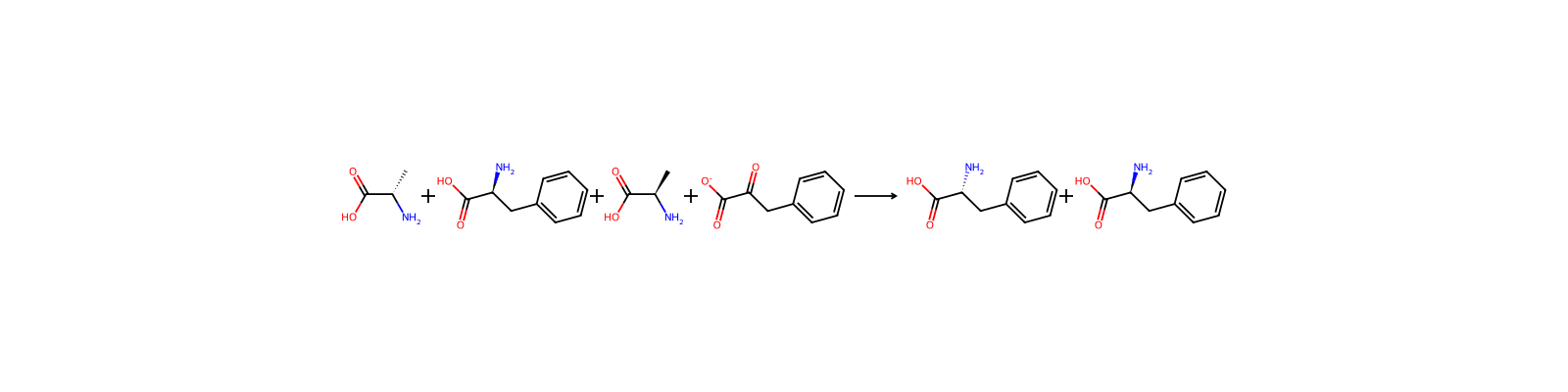
Related reactions
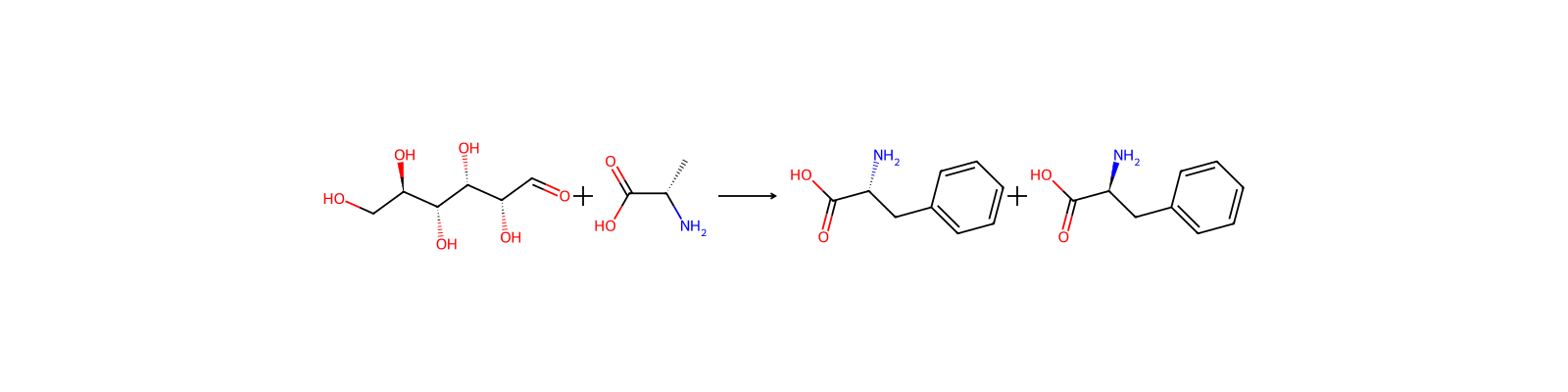
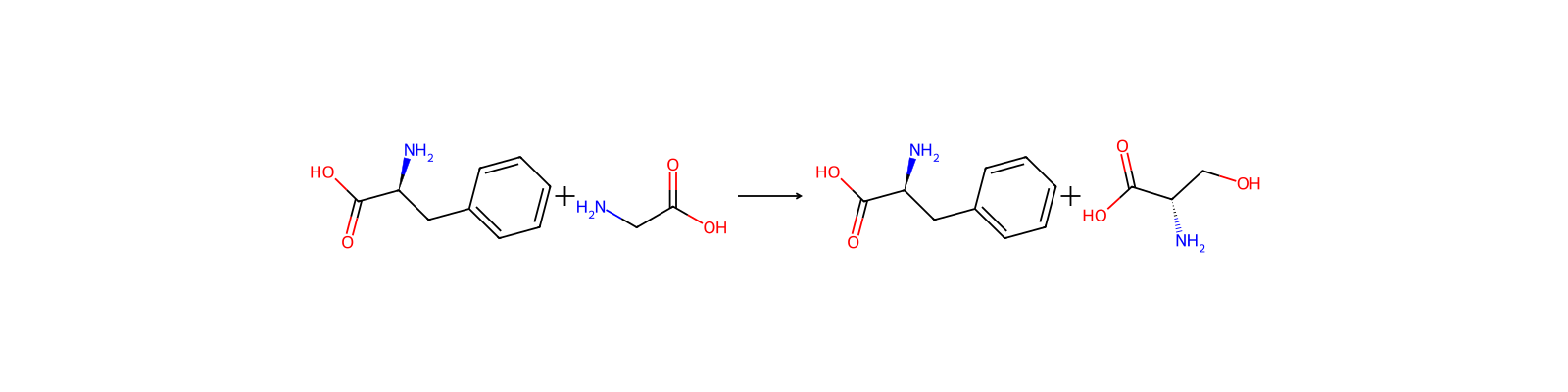
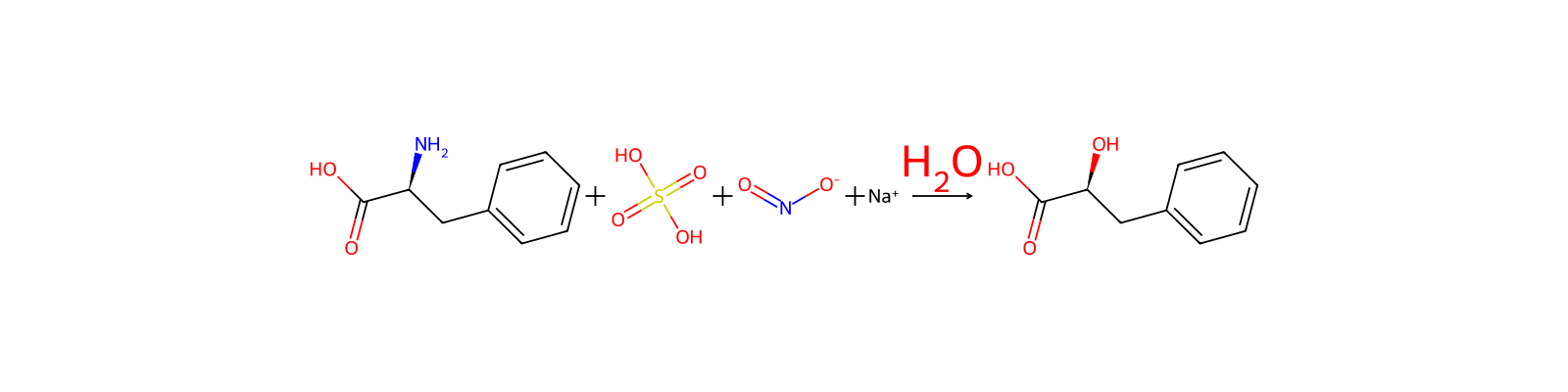
543 records


Linked notes
Loading…