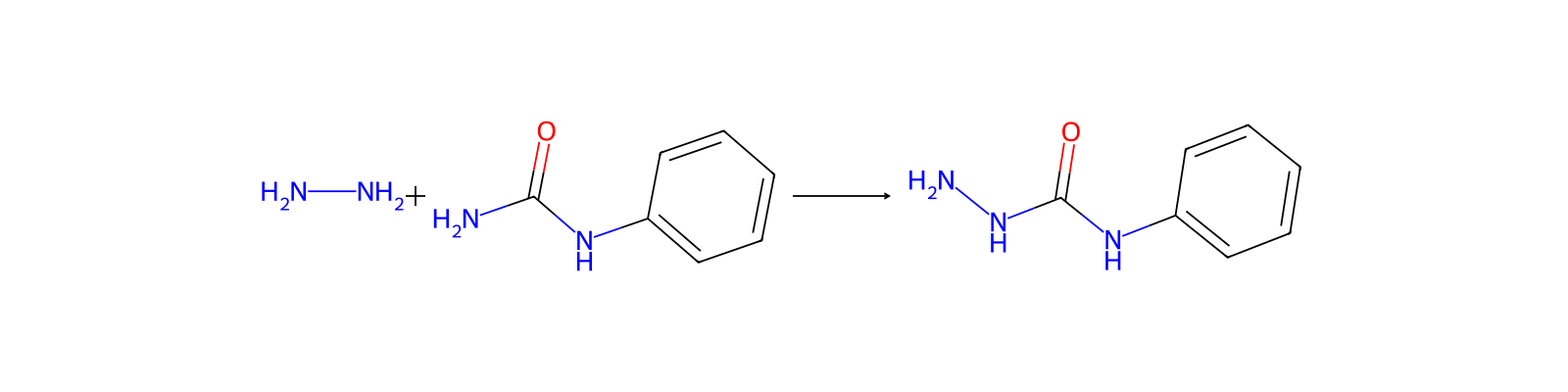
Phenylurea
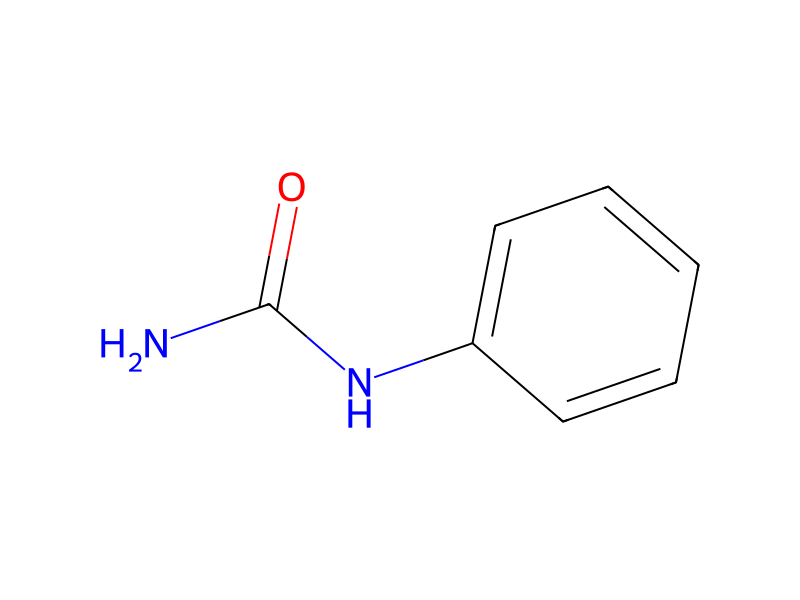
Basic information
- CAS
64-10-8- Standard SMILES
NC(=O)Nc1ccccc1- InChIKey
LUBJCRLGQSPQNN-UHFFFAOYSA-N- Molecular formula
- C7H8N2O
- Average molar mass
- 136.15 g/mol
- Monoisotopic mass
- 136.06366288
Overview
Phenyl urea pesticide, liquid, poisonous appears as a liquid dissolved or suspended in a liquid carrier. Contains any of several related compounds (Diuron, Fenuron, Linuron, Neburon, Siduron, Monuron) formally derived from urea. Carrier is water emulsifiable. Toxic by inhalation, skin absorption, or ingestion. Obtain the technical name of the specific pesticide and carrier from the shipping papers and contact CHEMTREC, 800-424-9300 for response information.
Names & identifiers
- Preferred name
- Phenylurea
- IUPAC
- phenylurea
- English name
- Phenylurea
- Molecular formula
- C7H8N2O
- Molecular weight
- 136.15
Names & synonyms
1-PhenylureaPHENYLUREAN-Phenylurea64-10-8PhenylcarbamideMonophenylureaUrea, N-phenyl-amino-N-phenylamideDTXSID8042507NSC-2781862I85399WDTXCID6022507
Show more names
VHphenyl-urestabilizervhUrea,phenyl-AKOS B029810
RefChem:164121200-576-5Urea, phenyl-Stabilizer VHStabilisator VHPhenyl-ureaN-phenylcarbamimidic acidphenyl urea
Database identifiers
- CAS
64-10-8- PubChem CID
- 6145
- DTXSID
DTXSID8042507- ChEMBL
CHEMBL168445- ChEBI
CHEBI:180992- UNII
- 862I85399W
- EC Number
- 200-576-5
- Nikkaji
- J4.834H
Properties
Computed structural properties
- XLogP
- 0.8
- Topological polar surface area
- 55.1 Ų
- Hydrogen bond donors
- 2
- Hydrogen bond acceptors
- 1
- Rotatable bonds
- 1
- Heavy atoms
- 10
- Formal charge
- 0
- Complexity
- 119
Experimental & physicochemical properties
SpringerMaterials Properties15N nuclear magnetic resonance spectrum
LogP0.83
Physical Description
Phenyl urea pesticide, liquid, poisonous appears as a liquid dissolved or suspended in a liquid carrier. Contains any of several related compounds (Diuron, Fenuron, Linuron, Neburon, Siduron, Monuron) formally derived from urea. Carrier is water emulsifiable. Toxic by inhalation, skin absorption, or ingestion. Obtain the technical name of the specific pesticide and carrier from the shipping papers and contact CHEMTREC, 800-424-9300 for response information.
Physicochemical properties
- Melting point
- 145 · 145-147 °C(lit.)
- Boiling point
- 238 °C · 238 °C
- Density
- 1 · 1,302 g/cm3
- vapor density
- 1 · >1 (vs air)
- refractive index
- 1.5769 · 1.5769 (estimate)
- Flash point
- 238 °C · 238°C
Safety & regulation
Safety information is for reference only and does not replace the supplier’s Safety Data Sheet (SDS), applicable regulations, or professional assessment.
GHS classification
GHS Classification
Warning
H302 (100%): Harmful if swallowed [Warning Acute toxicity, oral]
P264, P270, P301+P317, P330, and P501 (click each P-code to see the statement)
Aggregated GHS information provided per 47 reports by companies from 3 notifications to the ECHA C&L Inventory.
Hazard information
Regulatory Information
Chemical: Urea, N-phenyl-
Phenylurea: Does not have an individual approval but may be used under an appropriate group standard
DOT LabelPoison
Fire HazardsExcerpt from ERG Guide 151 [Substances - Toxic (Non-Combustible)]:
Health HazardsExcerpt from ERG Guide 151 [Substances - Toxic (Non-Combustible)]:
Reactive GroupAmides and Imides
Reactivity Profile
Organic amides/imides react with azo and diazo compounds to generate toxic gases. Flammable gases are formed by the reaction of organic amides/imides with strong reducing agents. Amides are very weak bases (weaker than water). Imides are less basic yet and in fact react with strong bases to form salts. That is, they can react as acids. Mixing amides with dehydrating agents such as P2O5 or SOCl2 generates the corresponding nitrile. The combustion of these compounds generates mixed oxides of nitrogen (NOx). Contains any of several related compounds (Diuron, Fenuron, Linuron, Neburon, Siduron, Monuron) formally derived from urea.
Air and Water ReactionsNo rapid reaction with air. No rapid reaction with water.
Chemistry & industry
Uses & manufacturing
General Manufacturing InformationUrea, N-phenyl-: ACTIVE
Applications
UsesPhenylureas are commonly used soil-applied herbicides for control of grass and small-seeded broadleaf weeds.
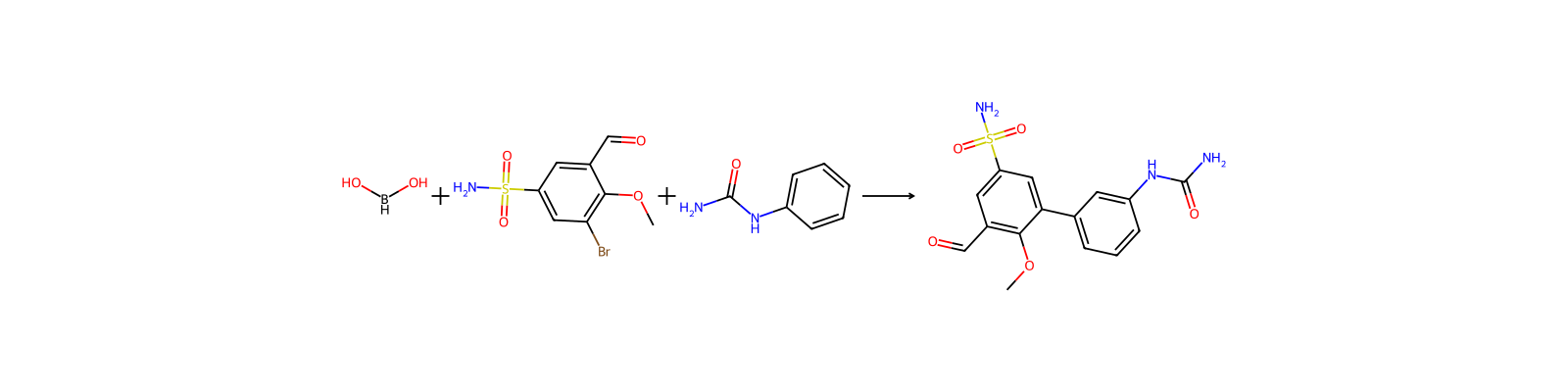
UsesPhenyl urea is used in organic synthesis. It acts as an efficient ligand for palladium-catalyzed Heck and Suzuki reactions of aryl bromides and iodides.
General DescriptionPhenylurea is the core structural unit of phenylurea herbicides (PUHs), such as diuron, fenuron, linuron, monuron, isoproturon, monolinuron and chlortoluron. As photosynthesis inhibitors, phenylurea herbicides are widely used in various crops for the pre-emergence and post-emergence control of broadleaf and annual weeds. These herbicides are used on major food crops, including maize (Zea mays) and tomato (Solanum lycopersicum), to control weeds such as lamb’s quarters (Chenopodium album), amaranth (Amaranthus spp.) and barnyard grass (Echinochloa crus-galli)[1].
Preparation methods
PreparationPhenylurea is synthesized by the reaction of aniline and urea. Put urea, hydrochloric acid and aniline into the reaction pot, heat and stir, reflux at 100-104°C for 1 hour, add water and stir, cool, filter, wash the filter cake with water, and dry to obtain the finished product of phenylurea.
Upstream & downstream products
Downstream products
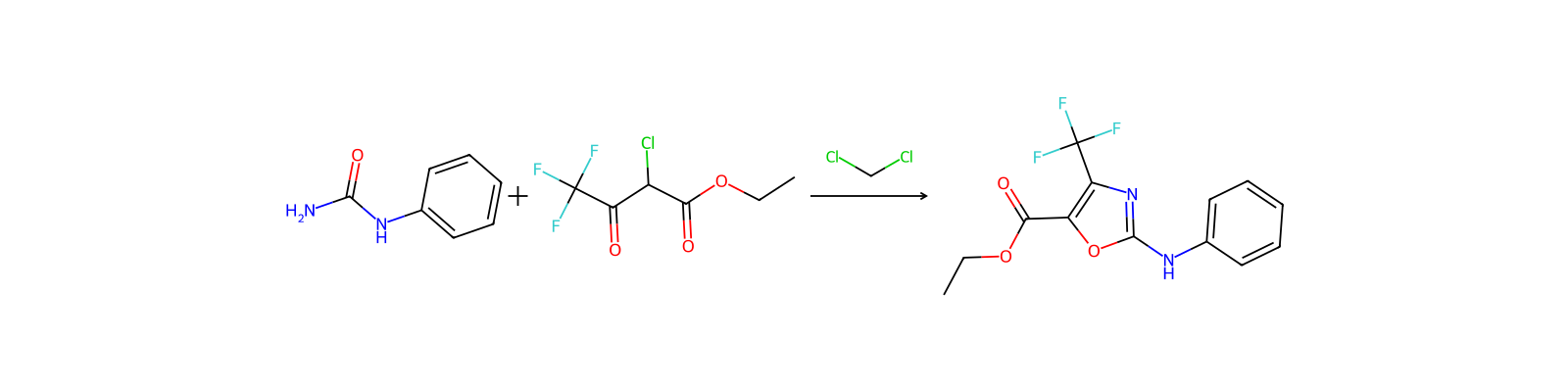
Related reactions
58 records



Compound notes
Loading…