HomeMCPWorkbenchSkills
HomeWorkbenchNotificationsMe
llms.txt · MCP GuidePrivacy Policy · Terms of Service · Supportv1.8.0
  1. Home
  2. /Reaction

Phenylurea → 1-(4-Methylphenyl)-3-phenylurea

HRID 78989
Notes
Print preview

Reaction equation

HRID 78989 reaction equation
[C:1]1([NH:7][C:8]([NH2:10])=[O:9])[CH:6]=[CH:5][CH:4]=[CH:3][CH:2]=1.P([O-])([O-])([O-])=O.[K+].[K+].[K+].P.Cl[C:21]1[CH:26]=[CH:25][C:24]([CH3:27])=[CH:23][CH:22]=1>CN(C)C=O.C1C=CC(/C=C/C(/C=C/C2C=CC=CC=2)=O)=CC=1.C1C=CC(/C=C/C(/C=C/C2C=CC=CC=2)=O)=CC=1.C1C=CC(/C=C/C(/C=C/C2C=CC=CC=2)=O)=CC=1.[Pd].[Pd].O.CO.COCCOC>[C:1]1([NH:7][C:8]([NH:10][C:21]2[CH:26]=[CH:25][C:24]([CH3:27])=[CH:23][CH:22]=2)=[O:9])[CH:6]=[CH:5][CH:4]=[CH:3][CH:2]=1
ParticipantsProcedureWorkupSources & evidenceReaction notes

Participants

10

Reactant 4

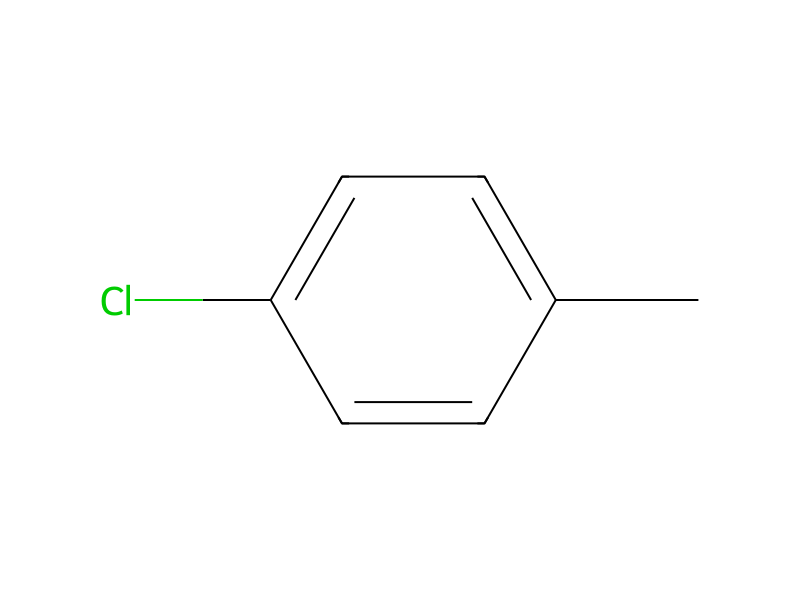
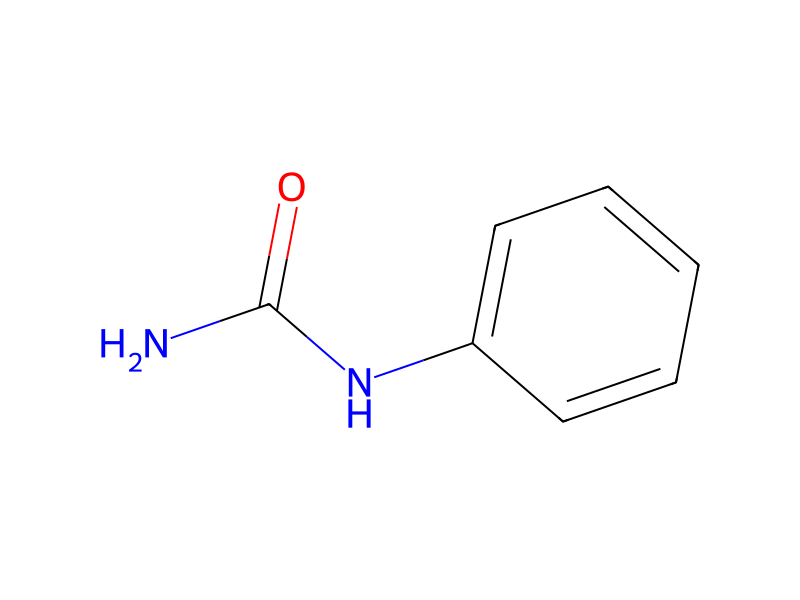
HCID 6145PhenylureaHCID 78104-ChlorotolueneHCID 24404PhosphineHCID 62657Potassium Phosphate, Tribasic

Product 1

HCID 5721701-(4-Methylphenyl)-3-phenylurea

Reagents, catalysts & solvents 5

HCID 9811564
Bis(dibenzylideneacetone)palladium
Catalyst
HCID 887MethanolSolvent
HCID 962WaterSolvent
HCID 6228DimethylformamideSolvent
HCID 80711,2-DimethoxyethaneSolvent

Procedure

In a nitrogen-atmosphere glovebox, a microwave vial equipped with a magnetic stir bar was charged with phenylurea (100 mg, 0.734 mmol, 1 equivalent), potassium phosphate (234 mg, 1.10 mmol, 1.5 equivalents), tris(dibenzylideneacetone)dipalladium(0) (Pd2dba3) (6.7 mg, 0.00734 mmol, 0.01 equivalents) and phosphine ligand (0.029 mmol, 0.04 equivalents). Then 1,2-dimethoxyethane (1.34 mL) was syringed into the vial. After stirring the mixture for 1 hour at room temperature, 4-chlorotoluene (96 μL, 0.808 mmol, 1.1 equivalents) was added. The vial was sealed with a crimp top and placed in a heating block at 85° C. After 15 hours, the reaction vial was cooled to room temperature and brought out of the glovebox. The reaction solution was diluted with dimethylformamide (0.6 mL) and stirred for 15 minutes. The slurry was then filtered through a pad of diatomaceous earth. The vial was rinsed with dimethylformamide (0.6 mL) before passing through the filter. The combined filtrate was concentrated on a rotary evaporator to furnish an orange oil. A 1:1 mixture of methanol:water (3.5 mL) was added dropwise to the crude concentrate, leading to the precipitation of product. The solids were collected by filtration and washed with 1:1 methanol:water (3 mL). The isolated product urea was dried in a vacuum oven for 6 hours at 60° C./150 mm Hg. (literature reference: Kotecki B J, et al. Org. Lett. 2009; 11: 947-950). 1H NMR (400 MHz, DMSO-d6) δ ppm 8.52 (t, J=22.7 Hz, 2H), 7.42 (dd, J=8.5, 1.0 Hz, 2H), 7.31 (t, J=5.4 Hz, 2H), 7.26 (dd, J=10.7, 5.2 Hz, 2H), 7.07 (d, J=8.2 Hz, 2H), 6.95 (dd, J=10.5, 4.2 Hz, 1H), 2.24 (s, 3H).

Workup

  1. customIn a nitrogen-atmosphere glovebox, a microwave vial equipped with a magnetic stir bar
  2. customThe vial was sealed with a crimp top
  3. customplaced in a heating block at 85° C
  4. waitAfter 15 hours
  5. customthe reaction
  6. temperaturevial was cooled to room temperature
  7. stirringstirred for 15 minutes
  8. filtrationThe slurry was then filtered through a pad of diatomaceous earth
  9. washThe vial was rinsed with dimethylformamide (0.6 mL)
  10. concentrationThe combined filtrate was concentrated on a rotary evaporator
  11. customto furnish an orange oil
  12. concentrationconcentrate
  13. customleading to the precipitation of product
  14. filtrationThe solids were collected by filtration
  15. washwashed with 1:1 methanol
  16. dry with materialThe isolated product urea was dried in a vacuum oven for 6 hours at 60° C./150 mm Hg

Sources & evidence

ORD record
ord-0892a73f71624eb099c61855e0837e6b
Source dataset
uspto-grants-2014_09
DOI
10.6084/m9.figshare.5104873.v1
Patent number
US08841487B2

Reaction notes

Loading…

On this pageParticipantsProcedureWorkupSources & evidenceReaction notes