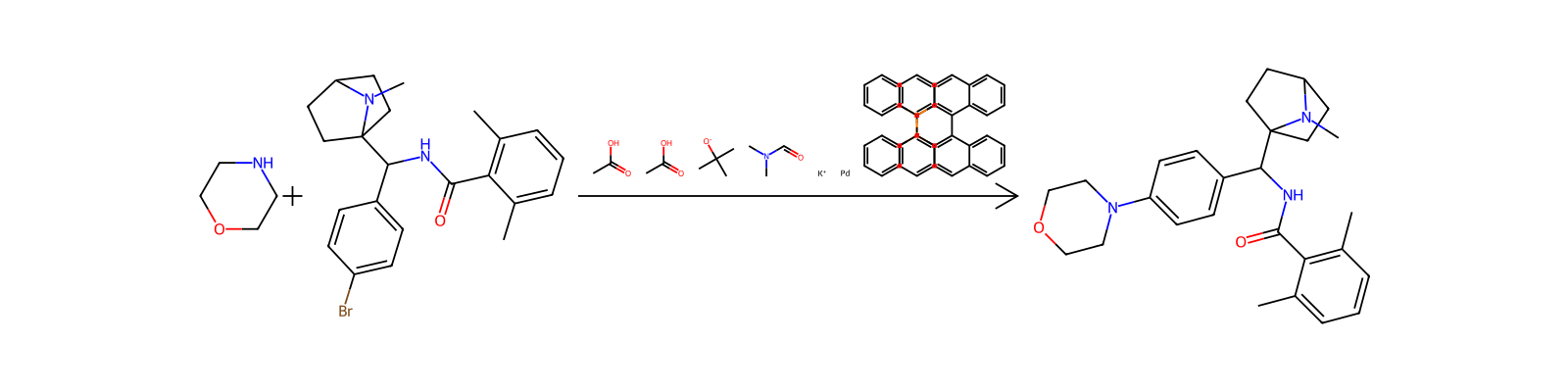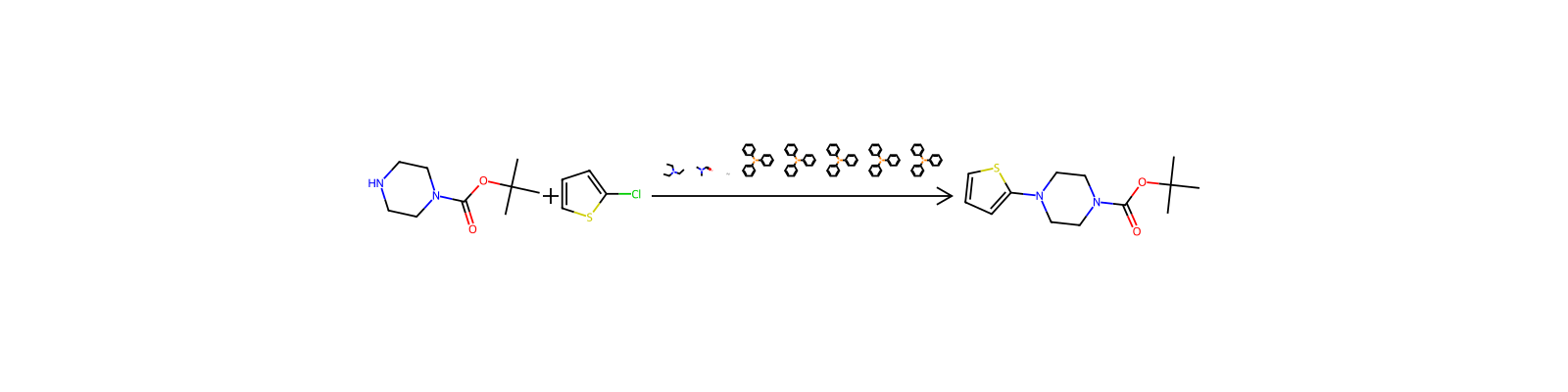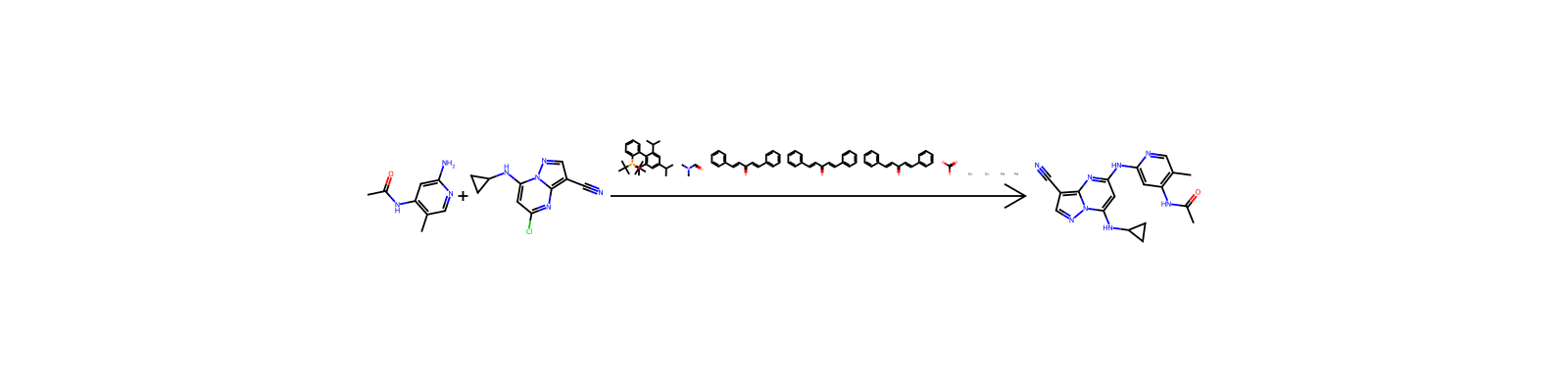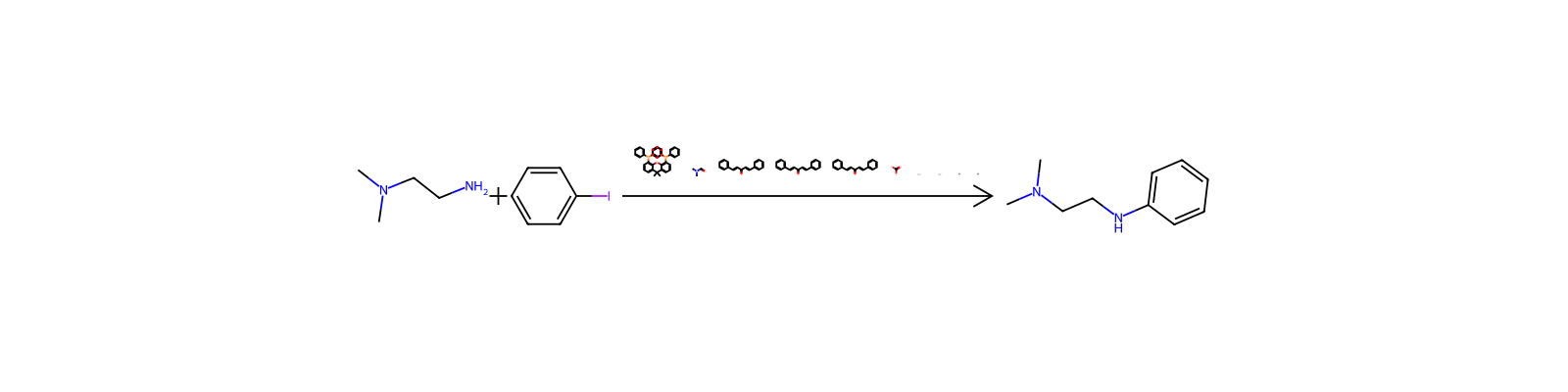
HRID 135As solvent

68-12-2CN(C)C=OZMXDDKWLCZADIW-UHFFFAOYSA-NN,N-Dimethylformamide can cause cancer according to California Labor Code and the World Health Organization's International Agency for Research on Cancer (IARC).
68-12-2DTXSID6020515CHEMBL268291CHEBI:17741Hazardous Air Pollutants (HAPs)
Teratogens
log Kow = -1.01
-1.01
-0.87
-0.25
Fishy odor
Faint, amine-like odor
0.95 at 68 °F (USCG, 1999) - Less dense than water; will float
0.9445 at 25 °C/4 °C
Relative density (water = 1): 0.95
0.95
0.9455 @25 °C
0.95
Safety information is for reference only and does not replace the supplier’s Safety Data Sheet (SDS), applicable regulations, or professional assessment.
Danger
H312: Harmful in contact with skin [Warning Acute toxicity, dermal]
P203, P261, P264+P265, P271, P280, P302+P352, P304+P340, P305+P351+P338, P317, P318, P321, P337+P317, P362+P364, P405, and P501 (click each P-code to see the statement)
This chemical does not meet GHS hazard criteria for < 0.1% (1 of 1434) of reports.
Danger
H226 (33.5%): Flammable liquid and vapor [Warning Flammable liquids]
Chemical: Formamide, N,N-dimethyl-
Hazard Traits - Carcinogenicity; Dermatotoxicity; Hepatotoxicity and Digestive System Toxicity; Reproductive Toxicity; Respiratory Toxicity
Formamide, N,N-dimethyl- is listed on the EPA's Chemical Data Reporting (CDR) system. Manufacturers and importers of Formamide, N,N-dimethyl- are required to report information about their production and use of this chemical to the EPA under the Toxic Substances Control Act (TSCA). (40 eCFR Part 711)
REACH registered substance: N,N-dimethylformamide (EC: 200-679-5)
Restricted substance: N,N-dimethylformamide
Substance: N,N-dimethylformamide
Special Hazards of Combustion Products: Vapors are irritating (USCG, 1999)
· HIGHLY FLAMMABLE: Will be easily ignited by heat, sparks or flames.
Flammable. Gives off irritating or toxic fumes (or gases) in a fire. Above 58 °C explosive vapour/air mixtures may be formed.
N,N-Dimethylformamide (DMF) is an organic solvent extensively used in industries such as synthetic leather, fibers and films, and induces liver toxicity and carcinogenesis. Despite a series of experimental and clinical reports on DMF-induced liver failure, the mechanism of toxicity is yet unclear. This study investigated whether DMF in combination with a low dose of hepatotoxicant enhances hepatotoxicity, and if so, on what mechanistic basis. Treatment of rats with either DMF (50-500 mg/kg/day, for 3 days) or a single low dose of CCl(4) (0.2mL/kg) alone caused small increases in plasma transaminases and lactate dehydrogenase activities. However, combinatorial treatment of DMF with CCl(4) markedly increased blood biochemical changes. Histopathology confirmed the synergism in hepatotoxicity. Moreover, DMF+CCl(4) caused PARP cleavage and caspase-3 activation, but decreased the level of Bcl-xL, all of which confirmed apoptosis of hepatocytes. Consistently, DMF+CCl(4) treatment markedly increased lipid peroxidation. By contrast, treatment of DMF in combination with lipopolysaccharide, acetaminophen or d-galactosamine caused no enhanced hepatotoxicity. Given the link between endoplasmic reticulum (ER) dysfunction and cell death, ER stress response was monitored after DMF and/or CCl(4) treatment. Whereas either DMF or CCl(4) treatment alone marginally changed the expression levels of glucose-regulated protein 78 and 94 and phosphorylated PKR-like ER-localized eIF2alpha kinase, concomitant treatment with DMF and CCl(4) synergistically induced them with increases in glucose-regulated protein 78 and C/EBP homologous protein mRNAs. /These/ results demonstrate that DMF treatment in combination with CCl(4) synergistically increases hepatocyte death, which may be associated with the induction of severe ER stress.
N,N-dimethylformamide (DMF) is metabolized by the microsomal cytochrome p-450 into mainly N-hydroxymethyl- N-methylformamide (HMMF), which further breaks down to N-methyformamide (NMF). However, the detailed mechanism of its toxicity remains unclear. We investigated the metabolism and the toxicity of DMF using the isolated perfused liver model. DMF was added to the recirculating perfusate of the isolated perfused rat liver at concentrations of 0, 10 and 25 mM. Samples were collected from the inferior vena cava at 0, 30, 45, 60, 75, and 90 minutes following addition of the DMF. The metabolites of DMF were analyzed using Gas-chromatography (GC). The changes in the rate of oxygen consumption by the DMF were monitored during perfusion. The enzyme activities (aspartic aminotransferase:AST, alanine aminotransferase:ALT, and lactic dehydrogenase:LDH)) in the perfusate were monitored to see if DMF caused hepatotoxicity. As the perfusion progressed, the DMF concentration in the perfusate decreased, but the level of NMF increased to a maximum of 1.16 mM. The rate of oxygen consumption increased at DMF concentrations of 10 mM and 25 mM. However, when a known inhibitor of cytochrome P-450, SKF 525A (300 uM), was used to pretreat the perfusate prior to the addition of the DMF, the rate of oxygen consumption was significantly inhibited, indicating the cytochrome P-450 system was responsible for the conversion of DMF to NMF. On addition of the DMF, the activities of the enzymes AST, ALT and LDH were significantly increased a time and dose dependent manner. However, following pretreatment with SKF 525A, their releases were inhibited.
0.802 cP at 25 °C
0.85 mm²/s at 25 °C
Colorless to very slightly yellow liquid
Water-white liquid
greater than or equal to 100 mg/mL at 72 °F (NTP, 1992)
Miscible with water and most common organic solvents
Miscible with ethanol, ethyl ether, acetone, benzene; slightly soluble in ligroin
1000000 mg/L at 25 °C
Solubility in water: miscible
Combustible
Flammable liquid when exposed to heat or flame.
Irritation of eyes, skin and nose. May cause nausea. (USCG, 1999)
· May cause toxic effects if inhaled or absorbed through skin.
Dimethylformamide is used as an industrial solvent and in the production of fibers, films, and surface coatings. Acute (short-term) exposure to dimethylformamide has been observed to damage the liver in animals and in humans. Symptoms of acute exposure in humans include abdominal pain, nausea, vomiting, jaundice, alcohol intolerance, and rashes. Chronic (long-term) occupational exposure to dimethylformamide by inhalation has resulted in effects on the liver and digestive disturbances in workers. Human studies suggested a possible association between dimethylformamide exposure and testicular cancer, but further studies failed to confirm this relationship. EPA has not classified dimethylformamide with respect to its carcinogenicity.
Liquid causes first degree burns on short exposure; [CHRIS] Contact dermatitis reported in epoxy resin handler; Also can provoke alcohol-induced flushing; [Kanerva, p. 1786] DMF is toxic to the liver. [Reference #1] May cause liver injury and jaundice; [ICSC] Animals exposed to single lethal doses have CNS depression, anesthesia, convulsions, and coma. [HSDB] In the list of 15 chemicals classified as potentially fetotoxic even if MAK value observed; [Reference #2] Detailed reviews of these data indicate adverse effects on reproductive and teratogenic endpoints, but only at maternal toxicity. [ACGIH] See Carcinogenicity of some industrial chemicals, Volume 115. [IARC, News Release, 23 February 2016] The BEI for Total N-methylformamide (NMF), which represents the sum of N-methylformamide (NMF) and N-(hydroxymethyl)-N-methylformamide (HMMF), is intended to protect almost all workers from liver damage due to exposure to N,N-dimethylformamide (DMF) by all routes of exposure. [ACGIH: BEI Documentation]
2265 129
2265 129
Excerpt from ERG Guide 129 [Flammable Liquids (Water-Miscible / Noxious)]:
Use water spray, powder, alcohol-resistant foam, carbon dioxide. In case of fire: keep drums, etc., cool by spraying with water.
Fresh air, rest. Refer for medical attention.
Remove contaminated clothes. Rinse and then wash skin with water and soap. Refer for medical attention .
First rinse with plenty of water for several minutes (remove contact lenses if easily possible), then refer for medical attention.
Rinse mouth. Do NOT induce vomiting. Refer for medical attention .
· CALL 911. Then call emergency response telephone number on shipping paper. If shipping paper not available or no answer, refer to appropriate telephone number listed on the inside back cover.
· ELIMINATE all ignition sources (no smoking, flares, sparks or flames) from immediate area.
EYES: First check the victim for contact lenses and remove if present. Flush victim's eyes with water or normal saline solution for 20 to 30 minutes while simultaneously calling a hospital or poison control center. Do not put any ointments, oils, or medication in the victim's eyes without specific instructions from a physician. IMMEDIATELY transport the victim after flushing eyes to a hospital even if no symptoms (such as redness or irritation) develop.
General First Aid:
(General first aid procedures)
· Wear positive pressure self-contained breathing apparatus (SCBA).
Biological Exposure Indices (BEI) [ACGIH] - N-Methylformamide in urine = 30 mg/L at end of shift; N-Acetyl-S-(N-methylcarbamoyl)cysteine in urine = 30 mg/L at end of shift at end of workweek; [TLVs and BEIs]
5.0 [ppm]
Wear self contained breathing apparatus for fire fighting if necessary.
Suitable extinguishing media: Use water spray, alcohol-resistant foam, dry chemical or carbon dioxide.
Use water spray to cool unopened containers.
If material on fire or involved in fire: Use water in flooding quantities as fog. Solid streams of water may be ineffective. Use "alcohol" foam, dry chemical or carbon dioxide. Apply water from as far a distance as possible. Keep run-off water out of sewers and water sources.
Keep container tightly closed in a dry and well-ventilated place. Containers which are opened must be carefully resealed and kept upright to prevent leakage. Handle and store under inert gas.
Ideal materials for ... storage are nonalloy (carbon) steels, austenitic chromium nickel steels ... and aluminum. Seals ... should be made of polytetrafluoroethylene, polyethylene or polypropylene of high molecular weight. Ethylene-propylene rubber may also be used. Graphite can be used for lubricating moving parts in contact with DMF ... Since dimethylformamide (DMF) is hygroscopic, it should be kept under a blanket of dry nitrogen. High purity DMF, as required for acrylic fibers, is best stored in aluminum tanks.
Use personal protective equipment. Avoid breathing vapors, mist or gas. Ensure adequate ventilation. Remove all sources of ignition. Evacuate personnel to safe areas. Beware of vapors accumulating to form explosive concentrations. Vapors can accumulate in low areas.
Prevent further leakage or spillage if safe to do so. Do not let product enter drains.
Contain spillage, and then collect with an electrically protected vacuum cleaner or by wet-brushing and place in container for disposal according to local regulations.
SRP: The most favorable course of action is to use an alternative chemical product with less inherent propensity for occupational harm/injury/toxicity or environmental contamination. Recycle any unused portion of the material for its approved use or return it to the manufacturer or supplier. Ultimate disposal of the chemical must consider: the material's impact on air quality; potential migration in soil or water; effects on animal and plant life; and conformance with environmental and public health regulations.
SRP: Wastewater from contaminant suppression, cleaning of protective clothing/equipment, or contaminated sites should be contained and evaluated for subject chemical or decomposition product concentrations. Concentrations shall be lower than applicable environmental discharge or disposal criteria. Alternatively, pretreatment and/or discharge to a permitted wastewater treatment facility is acceptable only after review by the governing authority and assurance that "pass through" violations will not occur. Due consideration shall be given to remediation worker exposure (inhalation, dermal and ingestion) as well as fate during treatment, transfer and disposal. If it is not practicable to manage the chemical in this fashion, it must be evaluated in accordance with EPA 40 CFR Part 261, specifically Subpart B, in order to determine the appropriate local, state and federal requirements for disposal.
Recovering: Burn in soln in flammable solvent in furnace equipped with alkali scrubber. Recovery and recycle is an alternative to disposal for dimethyl formamide (DMF) from fiber spin baths and from PVC /polyvinyl chloride/ reactor cleaning solvents. Recommendable method: Incineration.
Product: Burn in a chemical incinerator equipped with an afterburner and scrubber but exert extra care in igniting as this material is highly flammable. Offer surplus and non-recyclable solutions to a licensed disposal company. Contact a licensed professional waste disposal service to dispose of this material.
Contaminated packaging: Dispose of as unused product.
Personal protection: complete protective clothing including self-contained breathing apparatus. Ventilation. Remove all ignition sources. Collect leaking and spilled liquid in sealable containers as far as possible. Absorb remaining liquid in sand or inert absorbent. Then store and dispose of according to local regulations.
N,N-Dimethylformamide was detected in the urine of synthetic leather factory workers(1); the ave and range of concentrations at the end of shift were 449 ug/L and 100-990 ug/L, respectively, for workers exposed to N,N-dimethylformamide in the workplace(1). Urinary levels of N,N-dimethylformamide (detected as N-monomethylformamide) for workers at leather, polyurethane, and shoe-sole production facilities were 19.7 ppm, 7.8 ppm, and 2.6 ppm, respectively(2).
In acetone pretreated male CD 1 mice, dimethy1formamide, given as a single ip dose of 1000 mg/kg bw, resulted in liver necrosis and a strong incr in serum alanine aminotransferase activity. In contrast, no signs of hepatotoxicity were found in non pretreated mice given the same dose or in pretreated or nonpretreated male Sprague Dawley rats given up to 2000 mg/kg bw as a single ip dose. These differences are probably related to the highly different substrate affinities of CYP2EI in rats and mice.
In a study of 102 workers, 19 had experienced manifestation of alcohol intolerance, among them facial flushing, sweating, dizziness, and palpitation, mainly within 24 hr of exposure /to DMF/. Of the 34 episodes recorded, 26 occurred after the workers had consumed alcoholic drinks.
Among the work population that included a total of 13 workers, seven had abdominal colic which was sustained for more than 3 days, three had abnormal liver function, and two had facial flushing. /DMF (Dimethylformamide) exposure/
A veterinary euthanasia drug containing embutramide, mebezonium, tetracaine, and dimethylformamide (DMF; T-61 or Tanax) may cause serious manifestations or even fatalities after self-poisoning. Immediate toxicity is mainly due to a general anesthetic and due to a neuromuscular blocking agent, while delayed hepatotoxicity seems related to the solvent DMF. The protective role of N-acetylcysteine (NAC) administration remains debatable. Two male veterinarians (50- and 44-year-old) attempted suicide by injecting T-61 in the precordial area for the first one, and by ingesting 50 mL for the second. Both received NAC (for 14 days in the first case and only for 20 hr in the second). Urine was collected for the serial determination of DMF, N-methylformamide (NMF), and N-acetyl-S-(N-methylcarbamoyl)cysteine (AMCC). Both patients developed only mild signs of liver injury. The metabolite of DMF, NMF, appeared rapidly in the urine, while a further delay was necessary for AMCC excretion. The kinetics of elimination of DMF and DMF metabolites were slightly slower than those reported in exposed workers. While both patients had a favorable outcome, there is no clear evidence that NAC could directly influence NMF and AMCC excretion...
For more Interactions (Complete) data for N,N-DIMETHYLFORMAMIDE (12 total), please visit the HSDB record page.
Hepatic
Eyes, skin, respiratory system, liver, kidneys, cardiovascular system
LC50; Species: /Oncorhynchus mykiss/ (rainbow trout) weight 0.8 g; Conditions: static bioassay; Concentration: 12,000 mg/L for 96 hr (95% confidence limits 10,000-13,000 mg/L)
LC50; Species: Pimephales promelas (fathead minnow) weight 0.12 g; Conditions: flow through bioassay, water hardness 45.5 mg/L CaCO3, 25 +/- 1 °C, pH 7.5, dissolved oxygen >60% of saturation; Concentration: 1430 mg/L for 96 hr
EC50; Species: Anabaena inaequalis (Blue-Green Algae) 1X10+6 cells/mL; Conditions: freshwater, static; Concentration: 0.6% for 10-14 days (95% confidence interval: 0.36-0.84%); Effect: growth, general /formulation/
EC50; Species: Daphnia magna (Water flea) age <24 hr; Conditions: freshwater, static, 20.5 °C, pH 7.04-7.97, hardness 46.4 (40.4-56.3) mg/L CaCO3, alkalinity 41.7 (30.0-46.0) mg/L CaCO3, dissolved oxygen 85.5 (77.5-90.8) mg/L; Concentration: 26300000 ug/L for 24 hr (95% confidence interval: 23400000-29600000 ug/L); Effect: intoxication, immobilization
For more Ecotoxicity Values (Complete) data for N,N-DIMETHYLFORMAMIDE (28 total), please visit the HSDB record page.
TERRESTRIAL FATE: Based on a classification scheme(1), an estimated Koc value of 1(SRC), determined from a structure estimation method(2), indicates that N,N-dimethylformamide is expected to have very high mobility in soil(SRC). Volatilization of N,N-dimethylformamide from moist soil surfaces is not expected to be an important fate process(SRC) given a Henry's Law constant of 7.39X10⁻⁸ atm-cu m/mole(3). N,N-Dimethylformamide is expected to volatilize from dry soil surfaces(SRC) based upon a vapor pressure of 3.87 mm Hg at 25 °C(4). N,N-Dimethylformamide may biodegrade in soil based upon river die-away tests (100% in 6 days)(5), however, utilizing the Japanese MITI test, only 4.4% of the theoretical BOD was reached in 2 weeks(6).
AQUATIC FATE: Based on a classification scheme(1), an estimated Koc value of 1(SRC), determined from a structure estimation method(2), indicates that N,N-dimethylformamide is not expected to adsorb to suspended solids and sediment(SRC). Volatilization from water surfaces is not expected(3) based upon a Henry's Law constant of 7.39X10⁻⁸ atm-cu m/mole(4). According to a classification scheme(5), BCFs of 0.3-1.2(6), suggest bioconcentration in aquatic organisms is low(SRC). Hydrolysis is not expected to be an important environmental fate process since neutral hydrolysis rate constants for amides are <10-9/sec under environmental conditions (pH 5 to 9)(7). N,N-Dimethylformamide may biodegrade in the aqueous environment based on river die-away tests (100% in 6 days)(8); however, utilizing the Japanese MITI test, only 4.4% of the theoretical BOD was reached in 2 weeks(6).
ATMOSPHERIC FATE: According to a model of gas/particle partitioning of semivolatile organic compounds in the atmosphere(1), N,N-dimethylformamide, which has a vapor pressure of 3.87 mm Hg at 25 °C(2), is expected to exist solely as a vapor in the ambient atmosphere. Vapor-phase N,N-dimethylformamide is degraded in the atmosphere by reaction with photochemically-produced hydroxyl radicals(SRC); the half-life for this reaction in air is estimated to be 20 hours(SRC), calculated from its rate constant of 1.8X10⁻¹¹ cu cm/molecule-sec at 25 °C(SRC) that was derived using a structure estimation method(3). N,N-Dimethylformamide contains chromophores that absorb at wavelengths >290 nm(4) and, therefore, may be susceptible to direct photolysis by sunlight(SRC).
The substance can be absorbed into the body by inhalation and through the skin.
inhalation, skin absorption, ingestion, skin and/or eye contact
Oral ; inhalation ; dermal
Dimethylformamide ... is an organic solvent produced in large quantities through-out the world. It is used in the chemical industry as a solvent, an intermediate & an additive. Dimethylformamide is a colorless liquid with an unpleasant slight odor that ... has poor warning properties & individuals may be exposed through the inhalation of vapor. Occupational exposure occurs via skin contact with dimethylformamide liquid & vapors. ... Toxic amounts of dimethylformamide may be absorbed by inhalation & through the skin. Absorbed dimethylformamide is distributed uniformily. The /metabolism/ of dimethylformamide takes place mainly in the liver, with the aid of microsomal enzyme systems. In animals & humans, the main product of dimethylformamide biotransformation is N-hydroxymethyl-N-methylformamide. This metabolite is converted during gas chromatographic analysis to N-methylformamide, which itself (together with N-hydroxymethylformamide & formamide) a minor metabolite. ... In metabolic studies & biological monitoring, urinary concentration are expressed as N-hydroxymethylformamide. ... The determination of the /metabolites/ ... in the urine may be a suitable biological indicator of total dimethylformamide exposure. In experimental animals, it has been demonstrated that dimethylformamide metabolism is saturated at high levels &, at very high levels, dimethylformamide inhibits its own metabolism. Metabolic interaction occurs between dimethylformamide & ethanol. ... The effects of dimethylformamide on the environment have not been well studied. The toxicity for aquatic organisms appears to be low ... The acute toxicity of dimethylformamide in a variety of species is low ... . It is a slight to moderate skin & eye irritant. One study on guinea pigs indicated no sensitization potential. Dimethylformamide can facilitate the absorption of other chemical substances through the skin. Exposure of experimental animals to dimethylformamide via all routes of exposure may cause dose related liver injury. ... In some studies, signs of toxicity in the myocardium & kidneys have been /noted/. Dimethylformamide was ... found to be inactive, both in vitro & in vivo, in an extensive set of short term tests for genetic & related effects. No adequate long term carcinogenicity studies on experimental animals have been reported. ... Skin irritation & conjunctivitis have been reported after direct contact with dimethylformamide in /humans/. After accidental exposure to high levels of /this cmpd/, abdominal pain, nausea, vomiting, dizziness & fatigue occur within 48 hr. Liver function may be disturbed, & blood pressure changes, tachycardia & ECG abnormalities have been reported. ... Following long-term repeated exposure, symptoms include headache, loss of appetite & fatigue. Biochemical signs of liver dysfunction may be observed. Exposure to dimethylformamide, even at concn below 30 mg/cu m may cause alcohol intolerance. Symptoms may include a sudden facial flush, tightness of the chest, & dizziness sometimes accompanied by nausea & dypsnea. ... There is limited evidence that dimethylformamide is carcinogenic for human beings. An incr in testicular tumors was reported in one study, whereas another study showed incr incidence of tumors of the buccal cavity & pharynx, but not the testes. In two studies with limited details, an incr frequency of miscarriages was reported in women exposed to dimethylformamide among other chemicals.
Sore throat. Abdominal pain. Diarrhoea. Vomiting. Symptoms may be delayed.
MAY BE ABSORBED! See Inhalation.
Redness. Pain.
Aspiration hazard! Abdominal pain. Jaundice.
irritation eyes, skin, respiratory system; nausea, vomiting, colic; liver damage, enlarged liver; high blood pressure; face flush; dermatitis; In Animals: kidney, heart damage
Symptoms of dimethyl formamide exposure may include abdominal pain, nausea, vomiting, dizziness, fatigue, headache, loss of appetite, and temporary alcohol intolerance. (L1658)
Pursuant to section 8(d) of TSCA, EPA promulgated a model Health and Safety Data Reporting Rule. The section 8(d) model rule requires manufacturers, importers, and processors of listed chemical substances and mixtures to submit to EPA copies and lists of unpublished health and safety studies. N,N,-Dimethylformamide is included on this list. Effective date: 4/13/89; Sunset date: 12/19/95.
This action promulgates standards of performance for equipment leaks of Volatile Organic Compounds (VOC) in the Synthetic Organic Chemical Manufacturing Industry (SOCMI). The intended effect of these standards is to require all newly constructed, modified, and reconstructed SOCMI process units to use the best demonstrated system of continuous emission reduction for equipment leaks of VOC, considering costs, non air quality health and environmental impact and energy requirements. N,N,-Dimethylformamide is produced, as an intermediate or a final product, by process units covered under this subpart.
Listed as a hazardous air pollutant (HAP) generally known or suspected to cause serious health problems. The Clean Air Act, as amended in 1990, directs EPA to set standards requiring major sources to sharply reduce routine emissions of toxic pollutants. EPA is required to establish and phase in specific performance based standards for all air emission sources that emit one or more of the listed pollutants. N,N-Dimethyl formamide is included on this list.
Persons in charge of vessels or facilities are required to notify the National Response Center (NRC) immediately, when there is a release of this designated hazardous substance, in an amount equal to or greater than its reportable quantity of 100 lb or 45.4 kg. The toll free number of the NRC is (800) 424-8802. The rule for determining when notification is required is stated in 40 CFR 302.4 (section IV.D.3.b).
(FL) FLORIDA 700 ug/L
(ME) MAINE 700 ug/L
... Two groups of workers investigated metab of DMF on volunteers. ... Both found that majority of absorbed substance is eliminated within 24 hr and that main urinary metabolite is n-methyl formamide. Its concn was related to intensity of exposure.
It is known that dimethylformamide is metabolized in man by sequential N-demethylation to methylformamide and formamide, which are largely eliminated in the urine.
Blood and urine samples of rats and dogs which had been exposed to DMF were examined by GLC analysis and N-methylformamide(NMF) and formamide were detected in addition to DMF. These metabolites were eliminated faster in rats than in dogs. It has been suggested recently that the major metabolite of DMF which has been characterized an NMF by GLC is no NMF but N-hydroxymethyl-N-methylformamide (HMMF). HMMF is the immediate product of methyl C-hydroxylation of DMF and is a relatively stable carbinolamide in aqueous soln. It is, however thermally labile so that it decomposes quantitatively to NMF and presumably formaldehyde on the GLC column. The evidence that the metabolite which has been characterized as NMF is really HMMF is based on three studies. /One study/ found a formaldehyde precursor in the urine of mice which had received DMF. This metabolite liberated formaldehyde only after alkaline hydrolysis. In aqueous soln, authentic HMMF also decomposed to formaldehyde only on alkaline hydrolysis. /Another study/ isolated a urinary metabolite of DMF in rats by HPLC and subjected it to mass spectrometric analysis. The observed fragmentation pattern suggested the presence of HMMF, even though the mass fragments, including the one corresponding to the molecular ion, were also detected in control urine samples. Unequivocal evidence for the contention that HMMF and not NMF is the major metabolite of DMF was recently obtained by high-field proton NMF spectroscopy of urine samples of mice which had received DMF. HMMF exists in 2 rotameric forms and the methyl and formyl protons in the two rotamers are not equivalent. The resonance frequencies corresponding to the methyl and formyl protons of both rotamers were prominent signals in the NMR spectrum of the urine. However, at the resonance frequency of the methyl protons of NMF only a minute signal was observed. In this study dimethylamine and methylamine were found to be minor urinary metabolites of DMF in mice.
For more Metabolism/Metabolites (Complete) data for N,N-DIMETHYLFORMAMIDE (14 total), please visit the HSDB record page.
Dimethyl formamide may be absorbed following ingestion, inhalation, and dermal exposure, and is distributed evenly throughout the body. Metabolism takes place in the liver via microsomal enzyme systems, producing N-hydroxymethyl- N-methylformamide (DMF-OH) as the main urinary metabolite.
The solvent can pass through the intact skin or can be absorbed through the lungs.
Dimethylformamide reached an average level of 2.8 ug/L in the blood of subjects exposed to 21 ppm of the vapor for 4 hr, and was undetectable at 4 hr after the exposure; the metabolite, methylformamide, averaged between 1 and 2 mg/L in the blood and this level was maintained for at least 4 hr after exposure. Maximal blood levels of about 14 and 8 ug/L were observed for dimethylformamide and methylformamide, respectively, at 0 and 3 hr, after a 4 hr exposure to 87 ppm of the vapor. Repeated daily exposures to 21 ppm of dimethylformamide did not result in accumulation of the chemical or its metabolite in blood. /Dimethylformamide and methylformamide/
Eight healthy male subjects were exposed to dimethylformamide (DMF) vapor at a concn of 8.79 + or - 0.33 ppm for 6 hr daily for 5 consecutive days. All urine voided by the subjects was collected from the beginning of the first exposure to 24 hr past the end of the last exposure and each sample was analyzed for monomethylformamide. Monomethylformamide was rapidly eliminated from the body with urine values peaking within a few hours following the end of each exposure period. The mean for the 7 hr (end of exposure) sample was 4.74 mg/mL.
The amount of N-methylformamide recovered in the urine represents only 2-6% of the dose of dimethylformamide inhaled. A substantial portion of an absorbed dose of DMF is excreted unchanged in the expired breath. The urinary concn of N-methylformamide is probably the best index of worker exponent dimethylformamide.
For more Absorption, Distribution and Excretion (Complete) data for N,N-DIMETHYLFORMAMIDE (12 total), please visit the HSDB record page.
Dimethylformamide is primarily used as an industrial solvent. Dimethylformamide solutions are used to process polymer fibers, films, and surface coatings; to permit easy spinning of acrylic fibers; to produce wire enamels, and as a crystallization medium in the pharmaceutical industry.
Used as a solvent in acrylic fiber spinning, textile dyeing, and paint stripping; also used in coating, printing, gluing, and pharmaceutical manufacturing; [http://www.cdc.gov/niosh/90-105.html] Used as a solvent for vinyl resins; [Kanerva, p. 1786] Used in synthetic leather manufacturing; [JOEM 2004;46:729-736]
Semiconductor Manufacturing [Category: Industry]
For N,N-Dimethylformamide (USEPA/OPP Pesticide Code: 366200) there are 0 labels match. /SRP: Not registered for current use in the U.S., but approved pesticide uses may change periodically and so federal, state and local authorities must be consulted for currently approved uses./
The most important use of DMF as a solvent for polymers is in the preparation of polyacrylonitrile solutions for the manufacture of fibrous polyacrylonitrile ... In addition DMF is used as a solvent in the preparation of high quality surfaces based on polyurethanes, which are otherwise difficult to solubilize, and it is employed as a solvent for coating surfaces with polyamides.
Solvent for liquids and gases. ... Solvent for Orlon and similar polyacrylic fibers. ... /Used/ wherever a solvent with a slow rate of evaporation is needed.
2023: 85,000,000 - <100,000,000 lb
(1972) PROBABLY GREATER THAN 4.54X10+5 G
(1991) 25,000 tons
N,N-Dimethyformmide is listed as a High Production Volume (HPV) chemical (65FR81686). Chemicals listed as HPV were produced in or imported into the U.S. in >1 million pounds in 1990 and/or 1994. The HPV list is based on the 1990 Inventory Update Rule. (IUR) (40 CFR part 710 subpart B; 51FR21438).
Production volumes for non-confidential chemicals reported under the Inventory Update Rule.[Table#218]
For more U.S. Production (Complete) data for N,N-DIMETHYLFORMAMIDE (7 total), please visit the HSDB record page.
The direct or one-step synthesis of DMF begins with either pure carbon monoxide or a gas stream containing carbon monoxide. This is reacted in a continuous process with N,N-dimethylamine, by using a solution of alkali alkoxide (usually sodium methoxide) in methanol as catalyst. Methyl formate is presumably formed as an intermediate. The reaction mixture passes over an external heat exchanger to remove the excess heat generated and to ensure thorough mixing of the components. The reaction is conducted between 0.5 and 11 MPa at 50 - 200 °C. The reaction mixture exits the reactor through a decompression chamber. In addition to N,N-dimethylformamide, the crude product contains methanol, a certain amount of unreacted N,N-dimethylamine, dissolved carbon monoxide, and residual catalyst. The addition of acid or water deactivates any catalyst present, resulting in the formation of sodium formate. Dissolved carbon monoxide, together with inert gases, escapes from the mixture during decompression, and the off-gases are removed by combustion. Preliminary distillation is followed by a second distillation in a separate column; here, dimethylformamide is separated from methanol which contains traces of N,N-dimethylamine. Further distillation results in a product of 99.9%purity.
The two-step process for the synthesis of N,N-dimethylformamide differs from direct synthesis because methyl formate is prepared separately and introduced in the form of ca. 96% pure (commercial-grade) material. Equimolar amounts of methyl formate and N, N-dimethylamine are subjected to a continuous reaction at 60 - 100 °C and 0.1 - 0.3 MPa. The resulting product is a mixture of N,N-dimethylformamide and methanol. The purification process involves distillation ... No separation of salts is required because no catalysts are involved in the process. According to the corrosive properties of both starting materials and products, stainless steel has to be used as material of construction for production facilities.
Reaction of methyl formate with dimethylamine.
Manufactured by the reaction of CO and dimethylamine. The reaction is carried out in the liquid phase using a sodium methoxide catalyst at 110-120 °C and 350 kPa (3.5 atm).
Pharmaceutical and Medicine Manufacturing
Formamide, N,N-dimethyl-: ACTIVE
Has been termed the universal solvent
TESTED AS A PARENTERAL DRUG VEHICLE
DescriptionDimethylformamide is a flammable, colorlessliquid with a fishy, unpleasant, amine-like odor at relativelylow concentrations. The odor threshold is 0.47100 ppm.Molecular weight= 73.11; Specific gravity (H2O:1)= 0.95;Boiling point = 153℃; Freezing/Melting point = 261℃;Vapor pressure= 3 mmHg at 20℃; Flash point = 58℃;Autoignition temperature= 444.5℃. Explosive limits are:LEL = 2.2%; UEL= 15.2% at 100℃. Hazard Identification(based on NFPA-704 M Rating System): Health 2,Flammability 2, Reactivity 0. Soluble in water.Potential Exposure: Tumorigen,Mutagen; Reproductive Effector; Human Data; Hormone,Primary Irritant. DMFA is used as a solvent for liquids,gases, and as a gasoline additive. Dimethylformamide haspowerful solvent properties for a wide range of organiccompounds. Because of its physical properties, this chemical has been used when solvents with a slow rate of evaporation are required. It finds particular usage in themanufacture of polyacrylic fibers, butadiene, purified acetylene, pharmaceuticals, dyes, petroleum products, and otherorganic chemicals.
UsesN,N-Dimethylformamide (DMF) is a clear liquid that has been widely used in industries as a solvent, an additive, or an intermediate because of its extensive miscibility with water and most common organic solvents. Dimethylformamide solutions are used toprocess polymer fibers, films, and surface coatings; to permit easy spinning of acrylic fibers; to produce wire enamels, and as a crystallization medium in the pharmaceutical industry.DMF can also be used for formylation with alkyllithium or Grignard reagents. It is used as a reagent in Bouveault aldehyde synthesis and also in Vilsmeier-Haack reaction. It acts as a catalyst in the synthesis of acyl chlorides. It is used for separating and refining crude from olefin gas. DMF along with methylene chloride acts as a remover of varnish or lacquers. It is also used in the manufacture of adhesives, fibers and films.
General DescriptionA water-white liquid with a faint fishy odor. Flash point 136°F. Slightly less dense than water. Vapors heavier than air. Toxic by inhalation or skin absorption. May irritate eyes.
PreparationTwo processes are used commercially to produce dimethylformamide. In the direct or one-step process, dimethylamine and carbon monoxide react at 100°C and 200 psia in the presence of a sodium methoxide catalyst to make dimethylformamide. The homogenous catalyst is separated from the crude DMF, which is then refined to the final product. In the indirect process, methyl formate is isolated, and then reacted with dimethylamine to form DMF. To obtain methyl formate, two methods may be used - dehydrogenation of methanol and esterification of formic acid.The two-step process for the synthesis of N,N-dimethylformamide differs from direct synthesis because methyl formate is prepared separately and introduced in the form of ca. 96% pure (commercialgrade) material. Equimolar amounts of methyl formate and N,N-dimethylamine are subjected to a continuous reaction at 60-100°C and 0.1 – 0.3 MPa. The resulting product is a mixture of N,N-dimethylformamide and methanol. The purification process involves distillation and is analogous to that described for direct synthesis. However, no separation of salts is required because no catalysts are involved in the process. According to the corrosive properties of both starting materials and products, stainless steel has to be used as material of construction for production facilities.
DefinitionChEBI: N,N-dimethylformamide is a member of the class of formamides that is formamide in which the amino hydrogens are replaced by methyl groups. It has a role as a polar aprotic solvent, a hepatotoxic agent and a geroprotector. It is a volatile organic compound and a member of formamides. It is functionally related to a formamide.
While the mechanism of action of dimethyl formamide has not bee fully elucidated, thiocarbamate pesticides have been shown to inhibit aldehyde dehydrogenases. (A2459)