

Basic information
- Standard SMILES
[Cl][Cu]- InChIKey
OXBLHERUFWYNTN-UHFFFAOYSA-M- Molecular formula
- ClCu
- Average molar mass
- 99 g/mol
Overview
Copper(I) chloride is an inorganic chloride of copper in which the metal is in the +1 oxidation state. It has a role as an agrochemical and a molluscicide. It is a copper molecular entity and an inorganic chloride. It contains a copper(1+).
Names & identifiers
- Preferred name
- Cuprous chloride
- IUPAC
- chlorocopper
- English name
- Cupric chloride
- Molecular formula
- Cl.Cu
- Molecular weight
- 0
Names & synonyms
Cuprous chlorideCOPPER(I) CHLORIDE7758-89-6Copper monochlorideDicopper dichlorideCopper(1+) chlorideCopper chloride (CuCl)Chlorid mednyCuClCuproidCu-lytC955P95064
Show more names
COPPER CHLORIDECOPPER ATOMIC SPECTROSCOPY STANDARDUn2802HAMP-OLKirticopperCUPRIC CHLORIDEEinecs 215-704-5Copper, diaquadichloro-COPPER AA STANDARD CONCENTRATECopper chloride [un2802] [corrosive]
CHEBI:53472RefChem:128845DTXCID3015242231-842-9DTXSID5035242Copper (I) chlorideChlorid medny [Czech]EINECS 231-842-9
Database identifiers
- CAS
1344-67-8、7758-89-6- PubChem CID
- 62652
- ChEBI
CHEBI:53472
Properties
Computed structural properties
- Topological polar surface area
- 0 Ų
- Hydrogen bond donors
- 0
- Hydrogen bond acceptors
- 0
- Rotatable bonds
- 0
- Heavy atoms
- 2
- Formal charge
- 0
- Complexity
- 2
Experimental & physicochemical properties
Chemical ClassesMetals -> Metals, Inorganic Compounds
SpringerMaterials Propertiesthermal expansion coefficient
Density4.14 @25 °C
Boiling Point1490 °C @760 [mm Hg]
Melting Point423 °C
Vapor Pressure1 [mm Hg] @546 °C
Physical Description
Dry Powder; Liquid
White solid; Turns green on exposure to moist air, and blue to brown on exposure to light; [Merck Index] Insoluble in water (0.1 g/L); [Ullmann] Grey-tan to light green odorless powder; [Reference #2]
Physicochemical properties
- Melting point
- 620 °C · 620 °C(lit.)
- Boiling point
- 993 °C · 993 °C
- Density
- 3.386 g/mL · 3.386 g/mL at 25 °C(lit.)
- storage temp.
- 2 · 2-8°C
- solubility
- 2 O: · H2O: soluble
- form
- powder
- InChI
- InChI=1S/ClH.Cu/h1H;
- InChIKey
- NNIYFVYSVUWTOA-UHFFFAOYSA-N
- SMILES
- Cl.[Cu]
- CAS DataBase Reference
- 1344 · 1344-67-8(CAS DataBase Reference)
- FDA UNII
- 2 QG84156O · S2QG84156O
- EPA Substance Registry System
- Copper chloride (1344-67-8)
- Symbol(GHS)
- 6 · GHS06
- Signal word
- Danger
- Hazard statements
- 301 · H301-H335-H319-H315
- Precautionary statements
- 264 · P264-P280-P305+P351+P338-P337+P313P-P264-P270-P301+P310-P321-P330-P405-P501-P264-P280-P302+P352-P321-P332+P313-P362
- Hazard Codes
- N
- Risk Statements
- 52 · 52/53
- Safety Statements
- 61 · 61
- RIDADR
- 3264 · UN 3264 8/PG 3
- WGK Germany
- 2 · 2
- RTECS
- 7000000 · GL7000000
- F
- 3 · 3
- TSCA
- TSCA listed
Safety & regulation
GHS classification
GHS Classification
Warning
H302: Harmful if swallowed [Warning Acute toxicity, oral]
P264, P270, P273, P301+P317, P330, P391, and P501 (click each P-code to see the statement)
Warning
H317: May cause an allergic skin reaction [Warning Sensitization, Skin]
P260, P261, P272, P273, P280, P302+P352, P319, P321, P333+P317, P362+P364, P391, and P501 (click each P-code to see the statement)
Hazard information
Regulatory Information
Chemical: Copper chloride (CuCl)
Copper chloride (CuCl) is listed on the EPA's Chemical Data Reporting (CDR) system. Manufacturers and importers of Copper chloride (CuCl) are required to report information about their production and use of this chemical to the EPA under the Toxic Substances Control Act (TSCA). (40 eCFR Part 711)
Copper (I) chloride: Does not have an individual approval but may be used under an appropriate group standard
Other Safety InformationIMAP assessments - Copper chloride (CuCl): Human health tier I assessment
Hazards Summary
Harmful if swallowed; [MSDSonline] Acute copper poisoning after ingestion can cause liver injury, methemoglobinemia, and hemolytic anemia. Acute renal failure may result, secondary to massive hemoglobinuria. [Goldfrank, p. 1259] Classified as category I for skin and eye irritation (corrosive); Category II for acute oral and dermal exposure (moderate toxicity); Category III for acute inhalation exposure (low toxicity); Positive results in dermal sensitization studies; [Reference #2] May cause irritation; Harmful by ingestion; [Alfa Aesar MSDS] See Copper.
DOT Hazard Classification
Cuprous chloride
Severe marine pollutant
Hazard Classes and Categories
Acute toxicity (Oral) - Category 3
Skin sensitization - Category 1
Acute Tox. 4 *
Safety & protection
Exposure Control and Personal Protection0.01 [mg/m3], respirable fraction (Cu, inorganic cmpnds)[German Research Foundation (DFG)]
Minimum Risk LevelAcute Oral: 0.01 mg/kg/day (L134)
Intermediate Oral: 0.01 mg/kg/day (L134)
Threshold Limit Values (TLV)1.0 [mg/m3], as Cu
Permissible Exposure Limit (PEL)1.0 [mg/m3], as Cu
Protective Action Criteria (PAC)
0.093 [mg/m3]
4.6 [mg/m3]
28 [mg/m3]
Immediately Dangerous to Life or Health (IDLH)100.0 [mg/m3], as Cu
Toxicology
Treatment
EYES: irrigate opened eyes for several minutes under running water. INGESTION: do not induce vomiting. Rinse mouth with water (never give anything by mouth to an unconscious person). Seek immediate medical advice. SKIN: should be treated immediately by rinsing the affected parts in cold running water for at least 15 minutes, followed by thorough washing with soap and water. If necessary, the person should shower and change contaminated clothing and shoes, and then must seek medical attention. INHALATION: supply fresh air. If required provide artificial respiration.
Health Effects
People must absorb small amounts of copper every day because copper is essential for good health, however, high levels of copper can be harmful. Very-high doses of copper can cause damage to your liver and kidneys, and can even cause death. Copper may induce allergic responses in sensitive individuals. (L278, L279)
Adverse EffectsOccupational hepatotoxin - Secondary hepatotoxins: the potential for toxic effect in the occupational setting is based on cases of poisoning by human ingestion or animal experimentation.
Exposure RoutesOral (L277) ; inhalation (L277) ; dermal (L277)
Toxicity Summary
Excess copper is sequestered within hepatocyte lysosomes, where it is complexed with metallothionein. Copper hepatotoxicity is believed to occur when the lysosomes become saturated and copper accumulates in the nucleus, causing nuclear damage. This damage is possibly a result of oxidative damage, including lipid peroxidation. Copper inhibits the sulfhydryl group enzymes such as glucose-6-phosphate 1-dehydrogenase, glutathione reductase, and paraoxonases, which protect the cell from free oxygen radicals. It also influences gene expression and is a co-factor for oxidative enzymes such as cytochrome C oxidase and lysyl oxidase. In addition, the oxidative stress induced by copper is thought to activate acid sphingomyelinase, which lead to the production of ceramide, an apoptotic signal, as well as cause hemolytic anemia. Copper-induced emesis results from stimulation of the vagus nerve. (L277, T49, A174, L280)
Signs and SymptomsBreathing high levels of copper can cause irritation of the nose and throat. Ingesting high levels of copper can cause nausea, vomiting, diarrhea, headache, dizziness, and respiratory difficulty. (L278, L279)
Carcinogen ClassificationNo indication of carcinogenicity to humans (not listed by IARC).
Toxicity Data
LC50 (mice) = 1,008 mg/m3
LD50: 140 mg/kg (Oral, Rat) (L335) LD50: 100 mg/kg (Subcutaneous, Guinea pig) (L335) LC50: 1008 mg/kg (Inhalation, Mouse) (L335)
Safety data
- F
- 3
- wgk
- 2
- tsca
- TSCA listed
- rtecs
- GL7000000
- ridadr
- UN 3264 8/PG 3
- risk_code
- 52/53
- Signal word
- Danger
- Symbol(GHS)
- GHS06
- hazard_code
- N
- safety_code
- 61
- Hazard statements
- H301-H335-H319-H315
- Precautionary statements
- P264-P280-P305+P351+P338-P337+P313P-P264-P270-P301+P310-P321-P330-P405-P501-P264-P280-P302+P352-P321-P332+P313-P362
Chemistry & industry
Pharmacology
Metabolism/Metabolites
Copper is mainly absorbed through the gastrointestinal tract, but it can also be inhalated and absorbed dermally. It passes through the basolateral membrane, possibly via regulatory copper transporters, and is transported to the liver and kidney bound to serum albumin. The liver is the critical organ for copper homoeostasis. In the liver and other tissues, copper is stored bound to metallothionein, amino acids, and in association with copper-dependent enzymes, then partitioned for excretion through the bile or incorporation into intra- and extracellular proteins. The transport of copper to the peripheral tissues is accomplished through the plasma attached to serum albumin, ceruloplasmin or low-molecular-weight complexes. Copper may induce the production of metallothionein and ceruloplasmin. The membrane-bound copper transporting adenosine triphosphatase (Cu-ATPase) transports copper ions into and out of cells. Physiologically normal levels of copper in the body are held constant by alterations in the rate and amount of copper absorption, compartmental distribution, and excretion. (L277, L279)
Uses & manufacturing
Uses
Used to produce other copper compounds and in the production of silicone polymers, ethylene-propene rubbers, dialkyl carbonates, and acrylonitrile; Also used to purify carbon monoxide and to produce phthalocyanine pigments; Occurs in nature as nantokite; [Ullmann] Used as a catalyst for organic reactions, decolorizer, catalyst, and desulfuring agent in the petroleum industry, in denitration of cellulose, as condensing agent for soaps, fats, and oils, and in gas analysis to absorb carbon monoxide; [Merck Index] Used in Korea as a raw material for coloring agents and as a catalyst for CO and H2 production; [Reference #1] Used to control plant root growth in nursery pots (incorporated into the plastic); [Reference #2]
Petroleum Production and Refining [Category: Industry]
Copper(I) chloride is as a precursor to the fungicide copper oxychloride. It is also used in organic and polymer chemistry. (L292)
U.S. Production2023: 2,500,000 - <4,000,000 lb
Consumer UsesCatalyst
Industry UsesIntermediate
General Manufacturing Information
Computer and Electronic Product Manufacturing
Copper chloride (CuCl): ACTIVE
Applications
UsesIsomerization and cracking catalyst, mordant in dyeing and printing fabrics, sympathetic ink, disinfectant, pyrotechnics, wood preservation, fungicides, metallurgy, preservation of pulpwood, deodorizing and desulfurizing petroleum distillates, photography, water purification, feed additive, electroplating baths, pigment for glass and ceramics, acrylonitrile manufacturing.
Preparation methods
PreparationCupric chloride can be prepared by reacting hydrochloric acid with copper oxide CuO or copper carbonate (actually basic copper carbonate Cu(OH)2·CuCO3).
Suppliers50 total
郑州阿尔法化工有限公司+86-18530059196 · [email protected]
湖北永阔科技有限公司027-59223108 15972152991 · [email protected]
湖北万得化工有限公司15377098680 15377098680 · [email protected]
湖北成丰化工有限公司13125175253 · [email protected]
四川华南无机盐有限公司15223036127 · [email protected]
武汉楚江浩宇化工科技发展有限公司027-85881289; 15871235046 · [email protected]
武汉零加一化工有限公司15972036926 15972036926 · [email protected]
河北展药生物科技有限公司15369953316 +8615369953316 · [email protected]
武汉市聚舜化工有限公司027-02783261126 18971318572 · [email protected]
湖北长耀生物科技有限公司17683887209 17683887209 · [email protected]
上海瀚鸿科技股份有限公司021-54306202 13764082696 · [email protected]
湖北广奥生物科技有限公司027-02702759223056 18162699093 · [email protected]
湖北成海化工有限公司027-59220433 18327245847 · [email protected]
玛雅试剂+86 (573) 82222445 (0)18006601000 452520369 · [email protected]
ZHEJIANG JIUZHOU CHEM CO., LTD+86-0576225566889 +86-13454675544 · [email protected];[email protected];[email protected]
武汉卡诺斯科技有限公司153-37111468 15337111468 · [email protected]
淄博爱肯新材料科技有限公司0533-4915568 18653327685 · [email protected]
PT CHEM GROUP LIMITED+86-85511178; +86-85511178 · [email protected]
康迪斯化工(湖北)有限公司13125172151 · [email protected]
湖北巨胜科技有限公司027-59599241 18871490274 · [email protected]
苏州金瑞环保资源综合利用有限公司00-13901551359 13901551359 · [email protected]
湖北军瑞生物科技有限公司13971166412 · [email protected]
西安美川生物科技有限公司029-89275612 +8618991951683 · [email protected]
湖北世腾化工科技有限公司18971850150 19086915685 · [email protected]
湖北兴银河化工有限公司13437271305 · [email protected]
江苏奥维新材料科技有限公司13335217656; 13335217656
武汉市承天精细化工有限公司18164098996 · [email protected]
湖北齐飞医药化工有限公司027-59322506 18071128681 · [email protected]
杭州洁汉化工有限公司+86-571-86217390; +8618058761490 · [email protected]
济南泉胜化工有限责任公司0531-80962058 13012986817 · [email protected]
江苏艾康生物医药研发有限公司025-58859352 19370895928 · [email protected]
河南天孚化工有限公司+86-0371-55170693 +86-19937530512 · [email protected]
厦门盈融达化工有限公司+86-0592-6210733 · [email protected]
陕西缔都医药化工有限公司029-88380327 17691182729 · [email protected]
麻城市进鑫生物科技有限公司18271582018 · [email protected]
Hebei Chuanghai Biotechnology Co., Ltd+86-15350571055 · [email protected]
湖北摆渡化学有限公司027-59106051 13627137652 · [email protected]
湖北达豪化工有限公司027-027-59106191 13986034860 · [email protected]
爆牛贸易重庆有限公司+86-023-6139-8061 +86-86-13650506873 · [email protected]
湖北信康医药化工有限公司027-027-59308705 18871579363 · [email protected]
ANHUI WITOP BIOTECH CO., LTD+8618071025641 · [email protected]
武汉吉业升化工有限公司13545274181 · [email protected]
湖北拓邦化工有限公司027-59106185 13986192185 · [email protected]
SHANGHAI KEAN TECHNOLOGY CO., LTD.+8613817748580 · [email protected]
湖北科沃德化工有限公司027-83295551 13317178958 · [email protected]
SUZHOU SENFEIDA CHEMICAL CO.,LTD+86-0512-83500002 +86-15195660023 · [email protected]
武汉卡米克科技有限公司18162538168 · [email protected]
ANHUI BYERSEN BIOTECH CO. LTD+86-15385096007 +86-17755058861 · [email protected]
广州远达新材料有限公司19849939632; 19849939632 · [email protected]
湖北恒捷化工有限公司15623078521; 15623078521 · [email protected]
Related reactions
5,723 records
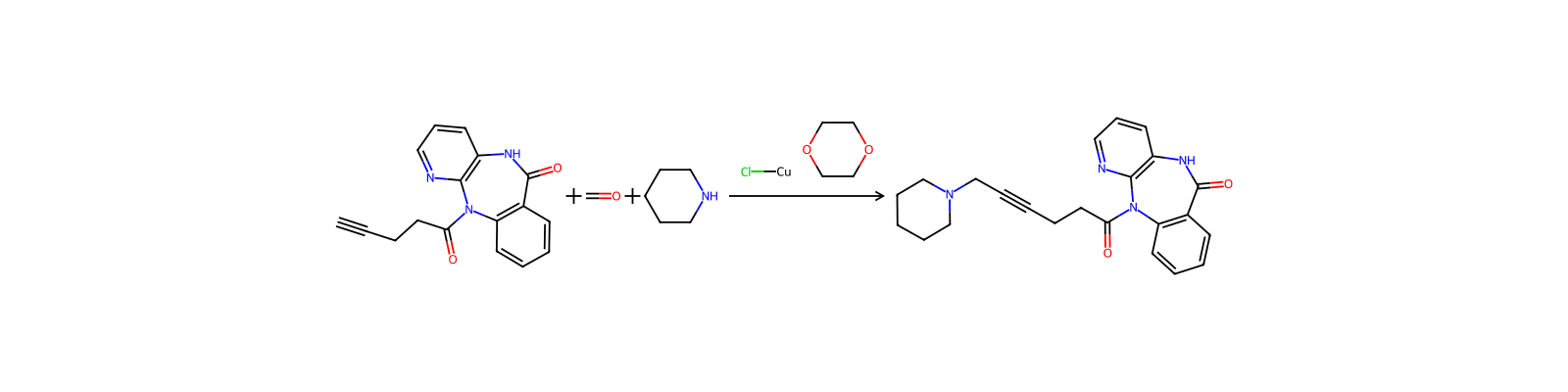
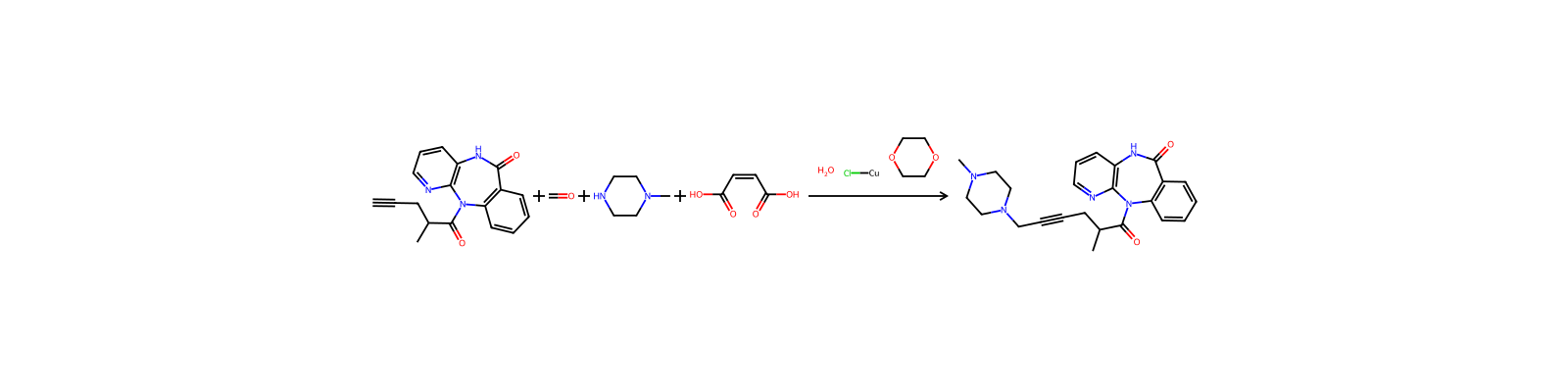

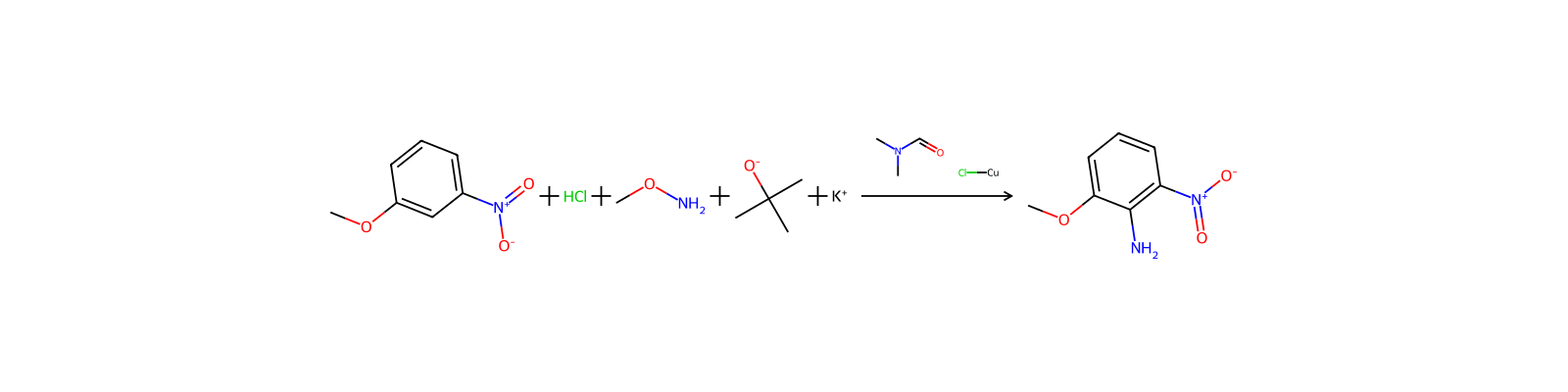


Linked notes
Loading…