
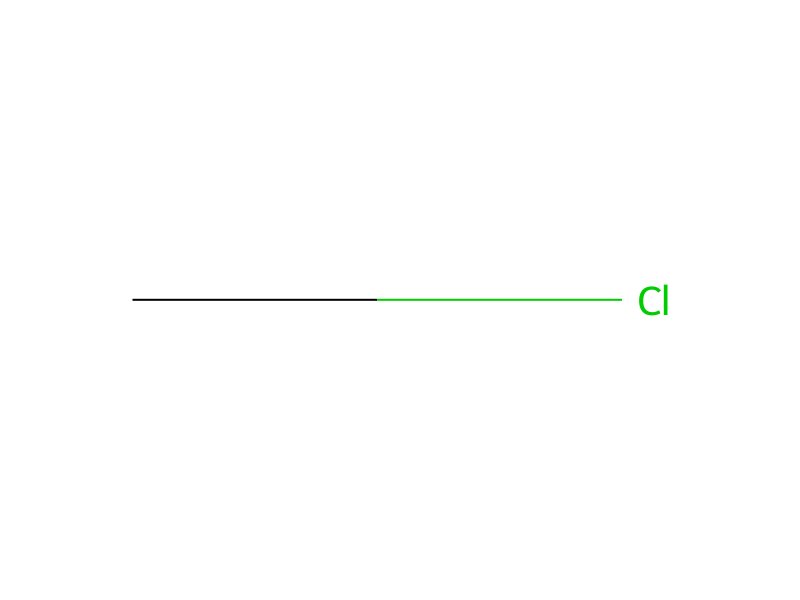
Basic information
- Standard SMILES
CCl- InChIKey
NEHMKBQYUWJMIP-UHFFFAOYSA-N- Molecular formula
- CH3Cl
- Average molar mass
- 50.49 g/mol
- Monoisotopic mass
- 49.9923278
Names & identifiers
- Preferred name
- Methyl Chloride
- IUPAC
- chloromethane
- English name
- Methyl chloride
- Molecular formula
- CH3Cl
- Molecular weight
- 0
Names & synonyms
ChloromethaneMETHYL CHLORIDE74-87-3MonochloromethaneMethane, chloro-MethylchlorideArticCH3ClMethylchloridClorometanoChloor-methaanMetylu chlorek
Show more names
Chlor-methanCloruro di metileChlorure de methyleRCRA waste number U045DTXSID0021541A6R43525YOCHEBI:36014Chloride, Methyl
Database identifiers
- CAS
2108-20-5、74-87-3- PubChem CID
- 6327
- DTXSID
DTXSID0021541- ChEMBL
CHEMBL117545- ChEBI
CHEBI:36014- UNII
- A6R43525YO
- EC Number
- 200-817-4
- Nikkaji
- J1.245.456B、J1.430C、J298.854B
Properties
Computed structural properties
- XLogP
- 0.8
- Topological polar surface area
- 0 Ų
- Hydrogen bond donors
- 0
- Hydrogen bond acceptors
- 0
- Rotatable bonds
- 0
- Heavy atoms
- 2
- Formal charge
- 0
- Complexity
- 2
Experimental & physicochemical properties
LogP
log Kow = 0.91
0.91
Odor
Faint sweet ethereal odor
Mild odor
TasteSweet taste
Density
0.997 at -11.2 °F (USCG, 1999) - Less dense than water; will float
0.911 g/cu cm at 25 °C (pressure > 1 atm)
Bulk density: 7.68 lb/gal at 20 °C
Saturated liquid density: 62.170 lb/cu ft at -20 °F; liquid heat capacity: 0.362 Btu/lb-F at -20 °F; liquid viscosity: 0.320 centipoise at -20 °F; saturated vapor pressure: 67.520 lb/sq in at 65 °F; saturated vapor density: 0.60530 lb/cu ft at 65 °F; ideal gas heat capacity: 0.192 Btu/lb-F at 75 °F
Relative density (water = 1): 0.91
0.997 at -11.2 °F
Viscosity
0.00027 Pa.s at 20 °C (liquid, 0.5 MPa)
0.1834 cP at 20 °C
Color/FormColorless compressed gas or liquid
Solubility
Slightly soluble (NTP, 1992)
In water, 5040 mg/L at 25 °C
Solubility at 20 °C (mL/100 mL): benzene 4723, carbon tetrachloride 3756, glacial acetic acid 3679, ethanol 3740; miscible with chloroform, ether
Soluble in ethanol; miscible with ethyl ether, acetone, benzene and chloroform
Solubility in water, g/100ml at 25 °C: 0.5
0.5%
Corrosivity
Methyl chloride will attack some forms of plastics, rubber and coatings.
Attacks aluminum, magnesium, and zinc.
Flash Point
-49.9 °F (NTP, 1992)
-45.6 °C
-50 °F (closed cup)
<32 °F
Flammable gas
-49.0 °F
Boiling Point
-11.6 °F at 760 mmHg (NTP, 1992)
-23.7 °C
-23.7 °C
-12 °F
-24.09 °C @760 [mm Hg]
-12 °F
Decomposition
... In contact with moisture undergoes slow decomposition to hydrochloric acid and methanol.
When heated to decomposition it emits toxic fumes of chloride, hydrogen chloride gas, carbon monoxide, carbon dioxide, and phosgene.
When heated to decomposition it emits highly toxic fumes of /chloride/.
Melting Point
-143 °F (NTP, 1992)
-97.6 °C
-97 °C
-144 °F
-97.7 °C
-144 °F
Physicochemical properties
- Melting point
- -97 °C · -97 °C
- Boiling point
- -23.7 °C · -23.7 °C
- Density
- 0.911 g/cm3 · 0.911 g/cm3(Temp: 25 °C)
- Symbol(GHS)
- 2 · GHS02,GHS04,GHS07,GHS08
- Signal word
- Danger
- Hazard statements
- 221 · H221-H280-H351-H361fd-H373-H420
- Precautionary statements
- 202 · P202-P210-P260-P308+P313-P410+P403-P502
Safety & regulation
GHS classification
GHS Classification
Danger
H220: Extremely flammable gas [Danger Flammable gases];H351: Suspected of causing cancer [Warning Carcinogenicity];H373 **: May causes damage to organs through prolonged or repeated exposure [Warning Specific target organ toxicity, repeated exposure]
P203, P210, P222, P260, P280, P318, P319, P377, P381, P403, P405, and P501 (click each P-code to see the statement)
Danger
Hazard information
Regulatory Information
Chemical: Methane, chloro-
Hazard Traits - Developmental Toxicity; Environmental tox; Hepatotoxicity and Digestive System Toxicity; Nephrotoxicity and Other Toxicity to the Urinary System; Neurodevelopmental Toxicity; Neurotoxicity; Reproductive Toxicity;Authoritative List - ATSDR Neurotoxicants; CA TACs; CWA 303(c); CWA 303(d); IRIS Neurotoxicants; Prop 65;Report - regardless of intended function of ingredient in the product
Methane, chloro- is listed on the EPA's Chemical Data Reporting (CDR) system. Manufacturers and importers of Methane, chloro- are required to report information about their production and use of this chemical to the EPA under the Toxic Substances Control Act (TSCA). (40 eCFR Part 711)
Status: No longer Valid Update: 29-09-2010 https://echa.europa.eu/registration-dossier/-/registered-dossier/1632;Status: Active Update: 02-05-2023 https://echa.europa.eu/registration-dossier/-/registered-dossier/15768;Status: Active Update: 19-05-2020 https://echa.europa.eu/registration-dossier/-/registered-dossier/23516;Status: Cease Manufacture Update: 26-10-2012 https://echa.europa.eu/registration-dossier/-/registered-dossier/7636;Status: Active Update: 30-10-2012 https://echa.europa.eu/registration-dossier/-/registered-dossier/1558;Status: Active Update: 30-09-2010 https://echa.europa.eu/registration-dossier/-/registered-dossier/1459
Methane, chloro- (methyl chloride): HSNO Approval: HSR001006 Approved with controls
The New Jersey Worker and Community Right to Know Act requires public and private employers to provide information about hazardous substances at their workplaces. (N.J.S.A. 34:5A-1 et. seq.)
Other Safety InformationIMAP assessments - Methane, chloro-: Human health tier II assessment
DOT LabelFlammable Gas
Fire Hazards
Special Hazards of Combustion Products: Toxic and irritating gases are generated in fires.;Behavior in Fire: Containers may explode (USCG, 1999)
· EXTREMELY FLAMMABLE.;· Will be easily ignited by heat, sparks or flames.;· Will form explosive mixtures with air.;· Vapors from liquefied gas are initially heavier than air and spread along ground.;CAUTION: Hydrogen (UN1049), Deuterium (UN1957), Hydrogen, refrigerated liquid (UN1966), Methane (UN1971) and Hydrogen and Methane mixture, compressed (UN2034) are lighter than air and will rise. Hydrogen and Deuterium fires are difficult to detect since they burn with an invisible flame. Use an alternate method of detection (thermal camera, broom handle, etc.);· Vapors may travel to source of ignition and flash back.;· Cylinders exposed to fire may vent and release flammable gas through pressure relief devices.;· Containers may explode when heated.;· Ruptured cylinders may rocket.;CAUTION: When LNG - Liquefied natural gas (UN1972) is released on or near water, product may vaporize explosively.
· EXTREMELY FLAMMABLE.;· Will be easily ignited by heat, sparks or flames.;· Will form explosive mixtures with air.;· Vapors from liquefied gas are initially heavier than air and spread along ground.;CAUTION: Hydrogen (UN1049), Deuterium (UN1957), Hydrogen, refrigerated liquid (UN1966), Methane (UN1971) and Hydrogen and Methane mixture, compressed (UN2034) are lighter than air and will rise. Hydrogen and Deuterium fires are difficult to detect since they burn with an invisible flame. Use an alternate method of detection (thermal camera, broom handle, etc.);· Vapors may travel to source of ignition and flash back.;· Cylinders exposed to fire may vent and release flammable gas through pressure relief devices.;· Containers may explode when heated.;· Ruptured cylinders may rocket.;CAUTION: When LNG - Liquefied natural gas (UN1972) is released on or near water, product may vaporize explosively.
Highly flammable. Heating will cause rise in pressure with risk of bursting. Gas/air mixtures are explosive.
Fire Potential
Flammable gas. Very dangerous fire hazard when exposed to heat, flame or powerful oxidizers. ... May ignite on contact with aluminum chloride or powdered aluminum.
It is easily ignited.
Health Hazards
Inhalation causes nausea, vomiting, weakness, headache, emotional disturbances; high concentrations cause mental confusion, eye disturbances, muscular tremors, cyanosis, convulsions. Contact of liquid with skin may cause frostbite. (USCG, 1999)
· Vapors may cause dizziness or asphyxiation without warning, especially when in closed or confined areas.;· Some may be irritating if inhaled at high concentrations.;· Contact with gas, liquefied gas or cryogenic liquids may cause burns, severe injury and/or frostbite.;· Fire may produce irritating and/or toxic gases.
· Vapors may cause dizziness or asphyxiation without warning, especially when in closed or confined areas.;· Some may be irritating if inhaled at high concentrations.;· Contact with gas, liquefied gas or cryogenic liquids may cause burns, severe injury and/or frostbite.;· Fire may produce irritating and/or toxic gases.
Hazards Summary
Chloromethane is also known as methyl chloride. It is a clear, colorless gas. It has a faint, sweet odor that is noticeable only at levels that may be toxic. It is heavier than air, and it is extremely flammable.
Low levels of methyl chloride occur naturally in the environment. Higher levels may occur at chemical plants where it is made or used. Acute (short-term) exposure to high concentrations of methyl chloride in humans has caused severe neurological effects. Methyl chloride has also caused effects on the heart rate, blood pressure, liver, and kidneys in humans. Chronic (long-term) animal studies have shown liver, kidney, spleen, and central nervous system (CNS) effects. Inhalation studies have demonstrated that methyl chloride causes reproductive effects in male rats, with effects such as testicular lesions and decreased sperm production. Human cancer data are limited. EPA has classified methyl chloride as a Group D carcinogen (not classifiable as to human carcinogenicity).
Slurred speech and staggering gait were observed in six workers exposed at 200-400 ppm for at least 2 weeks, but no changes in blood chemistries were found in these six cases. Liver injury has been documented in animal studies. [ACGIH] Possible frostbite from contact with liquid; [NIOSH] In high-dose reproductive studies of mice and rats, methyl chloride causes testicular damage; it causes increased heart valve birth defects in mice only. [Frazier, p. 286-7] Compared to other haloalkanes, methyl chloride is nontoxic to the liver. Steatosis may be observed in high-dose feeding studies of animals. [Zimmerman, p. 333] Has acute effects on the CNS, heart, liver, and kidneys; Possible CNS and reproductive effects after chronic exposure; [ICSC] Empirical data in support of a skin notation for methyl chloride [PMID 29708856]
DOT ID and Guide
1063 115
1063 115
1063 115
Reactive GroupHalogenated Organic Compounds
EC ClassificationSymbol: F+, Xn; R: 12-40-48/20; S: (2)-9-16-33
UN ClassificationUN Hazard Class: 2.1
Special Reports
Repko JD, Lasley SM; CRC Crit Rev Toxicol 6 (4): 283-302 (1979). A review with 67 references on the biochemical basis for and the behavioral and neurological effects of methyl chloride toxicity.
USEPA; Chemical Hazard Information Profile: Chloromethane (Draft) p.V-3 (1978) EPA-560/10-78-001
USEPA; Subst Risk Notice, 8EHQ-0180-0324 (1980)
Repko Jd; Neurobehav Toxicol Terotol 3 (4): 425-9 (1981). This review focuses on the human case reports of acute and chronic exposures as well as some of the more important inhalation studies conducted with animals. The chemical and physical properties and the more important industrial uses are also discussed.
DHHS/ATSDR; Toxicological Profile for Chloromethane (1990) ATSDR/TP-90/07
Safety & protection
Fire Fighting
Excerpt from ERG Guide 115 [Gases - Flammable (Including Refrigerated Liquids)]:;DO NOT EXTINGUISH A LEAKING GAS FIRE UNLESS LEAK CAN BE STOPPED. CAUTION: Hydrogen (UN1049), Deuterium (UN1957), Hydrogen, refrigerated liquid (UN1966) and Hydrogen and Methane mixture, compressed (UN2034) will burn with an invisible flame. Use an alternate method of detection (thermal camera, broom handle, etc.).;SMALL FIRE: Dry chemical or CO2.;LARGE FIRE: Water spray or fog. If it can be done safely, move undamaged containers away from the area around the fire. CAUTION: For LNG - Liquefied natural gas (UN1972) pool fires, DO NOT USE water. Use dry chemical or high-expansion foam.;FIRE INVOLVING TANKS: Fight fire from maximum distance or use unmanned master stream devices or monitor nozzles. Cool containers with flooding quantities of water until well after fire is out. Do not direct water at source of leak or safety devices; icing may occur. Withdraw immediately in case of rising sound from venting safety devices or discoloration of tank. ALWAYS stay away from tanks in direct contact with flames. For massive fire, use unmanned master stream devices or monitor nozzles; if this is impossible, withdraw from area and let fire burn. (ERG, 2024)
Shut off supply; if not possible and no risk to surroundings, let the fire burn itself out. In other cases extinguish with water spray. In case of fire: keep cylinder cool by spraying with water. Combat fire from a sheltered position.
First Aid Measures
Fresh air, rest. Artificial respiration may be needed. Refer for medical attention.
ON FROSTBITE: rinse with plenty of water, do NOT remove clothes. Refer for medical attention .
Accidental Release Measures
· CALL 911. Then call emergency response telephone number on shipping paper. If shipping paper not available or no answer, refer to appropriate telephone number listed on the inside back cover.;· Keep unauthorized personnel away.;· Stay upwind, uphill and/or upstream.;· Many gases are heavier than air and will spread along the ground and collect in low or confined areas (sewers, basements, tanks, etc.).
· ELIMINATE all ignition sources (no smoking, flares, sparks or flames) from immediate area.;· All equipment used when handling the product must be grounded.;· Do not touch or walk through spilled material.;· Stop leak if you can do it without risk.;· If possible, turn leaking containers so that gas escapes rather than liquid.;· Use water spray to reduce vapors or divert vapor cloud drift. Avoid allowing water runoff to contact spilled material.;· Do not direct water at spill or source of leak.;CAUTION: For LNG - Liquefied natural gas (UN1972), DO NOT apply water, regular or alcohol-resistant foam directly on spill. Use a high-expansion foam if available to reduce vapors.;· Prevent spreading of vapors through sewers, ventilation systems and confined areas.;· Isolate area until gas has dispersed.;CAUTION: When in contact with refrigerated/cryogenic liquids, many materials become brittle and are likely to break without warning.
First Aid
EYES: First check the victim for contact lenses and remove if present. Flush victim's eyes with water or normal saline solution for 20 to 30 minutes while simultaneously calling a hospital or poison control center. Do not put any ointments, oils, or medication in the victim's eyes without specific instructions from a physician. IMMEDIATELY transport the victim after flushing eyes to a hospital even if no symptoms (such as redness or irritation) develop.;SKIN: CAUTION: Exposure of skin to compressed gases may result in freezing of the skin. Treatment for frostbite may be necessary. Remove the victim from the source of contamination. IMMEDIATELY wash affected areas gently with COLD water (and soap, if necessary) while removing and isolating all contaminated clothing. Dry carefully with clean, soft towels. If symptoms such as inflammation or irritation develop, IMMEDIATELY call a physician or go to a hospital for treatment.;INHALATION: IMMEDIATELY leave the contaminated area; take deep breaths of fresh air. If symptoms (such as wheezing, coughing, shortness of breath, or burning in the mouth, throat, or chest) develop, call a physician and be prepared to transport the victim to a hospital. Provide proper respiratory protection to rescuers entering an unknown atmosphere. Whenever possible, Self-Contained Breathing Apparatus (SCBA) should be used; if not available, use a level of protection greater than or equal to that advised under Protective Clothing.;INGESTION: This compound is a gas, therefore inhalation is the first route of exposure. (NTP, 1992)
General First Aid:;· Call 911 or emergency medical service.;· Ensure that medical personnel are aware of the material(s) involved, take precautions to protect themselves and avoid contamination.;· Move victim to fresh air if it can be done safely.;· Administer oxygen if breathing is difficult.;· If victim is not breathing:;-- DO NOT perform mouth-to-mouth resuscitation; the victim may have ingested or inhaled the substance.;-- If equipped and pulse detected, wash face and mouth, then give artificial respiration using a proper respiratory medical device (bag-valve mask, pocket mask equipped with a one-way valve or other device).;-- If no pulse detected or no respiratory medical device available, provide continuous compressions. Conduct a pulse check every two minutes or monitor for any signs of spontaneous respirations.;· Remove and isolate contaminated clothing and shoes.;· For minor skin contact, avoid spreading material on unaffected skin.;· In case of contact with substance, remove immediately by flushing skin or eyes with running water for at least 20 minutes.;· For severe burns, immediate medical attention is required.;· Effects of exposure (inhalation, ingestion, or skin contact) to substance may be delayed.;· Keep victim calm and warm.;· Keep victim under observation.;· For further assistance, contact your local Poison Control Center.;· Note: Basic Life Support (BLS) and Advanced Life Support (ALS) should be done by trained professionals.;Specific First Aid:;· Clothing frozen to the skin should be thawed before being removed.
General First Aid:;· Call 911 or emergency medical service.;· Ensure that medical personnel are aware of the material(s) involved, take precautions to protect themselves and avoid contamination.;· Move victim to fresh air if it can be done safely.;· Administer oxygen if breathing is difficult.;· If victim is not breathing:;-- DO NOT perform mouth-to-mouth resuscitation; the victim may have ingested or inhaled the substance.;-- If equipped and pulse detected, wash face and mouth, then give artificial respiration using a proper respiratory medical device (bag-valve mask, pocket mask equipped with a one-way valve or other device).;-- If no pulse detected or no respiratory medical device available, provide continuous compressions. Conduct a pulse check every two minutes or monitor for any signs of spontaneous respirations.;· Remove and isolate contaminated clothing and shoes.;· For minor skin contact, avoid spreading material on unaffected skin.;· In case of contact with substance, remove immediately by flushing skin or eyes with running water for at least 20 minutes.;· For severe burns, immediate medical attention is required.;· Effects of exposure (inhalation, ingestion, or skin contact) to substance may be delayed.;· Keep victim calm and warm.;· Keep victim under observation.;· For further assistance, contact your local Poison Control Center.;· Note: Basic Life Support (BLS) and Advanced Life Support (ALS) should be done by trained professionals.;Specific First Aid:;· Clothing frozen to the skin should be thawed before being removed.
(General first aid procedures);Eye: Frostbite - If eye tissue is frozen, seek medical attention immediately; if tissue is not frozen, immediately and thoroughly flush the eyes with large amounts of water for at least 15 minutes, occasionally lifting the lower and upper eyelids. If irritation, pain, swelling, lacrimation, or photophobia persist, get medical attention as soon as possible.;Skin: Frostbite - Compressed gases may create low temperatures when they expand rapidly. Leaks and uses that allow rapid expansion may cause a frostbite hazard. Wear appropriate personal protective clothing to prevent the skin from becoming frozen.;Breathing: Respiratory support
Safe StorageFireproof. Ventilation along the floor.
Firefighting Hazards
Vapors are heavier than air and will collect in low areas. Vapors may travel long distances to ignition sources and flashback. Vapors in confined areas may explode when exposed to fire. Containers may explode in fire. Storage containers and parts of containers may rocket great distances, in many directions.
Exposure Control and Personal Protection
· Wear positive pressure self-contained breathing apparatus (SCBA).;· Structural firefighters' protective clothing provides thermal protection but only limited chemical protection.;· Always wear thermal protective clothing when handling refrigerated/cryogenic liquids.
· Wear positive pressure self-contained breathing apparatus (SCBA).;· Structural firefighters' protective clothing provides thermal protection but only limited chemical protection.;· Always wear thermal protective clothing when handling refrigerated/cryogenic liquids.
10.0 [ppm]
Fire Fighting Procedures
Suitable extinguishing media: Use water spray, alcohol-resistant foam, dry chemical or carbon dioxide.
Advice for firefighters: Wear self-contained breathing apparatus for firefighting if necessary.
Use water spray to cool unopened containers.
If material on fire or involved in fire: Do not extinguish fire unless flow can be stopped. Use water in flooding quantities as fog. Cool all affected containers with flooding quantities of water. Apply water from as far a distance as possible.
For more Fire Fighting Procedures (Complete) data for METHYL CHLORIDE (7 total), please visit the HSDB record page.
Storage Conditions
Keep container tightly closed in a dry and well-ventilated place. Contents under pressure. Moisture sensitive. Storage class (TRGS 510): Gases
Store in well-ventilated place controlled below 40 °C. No exposure to direct sunlight. ... Electrical equipment of spark-resistant construction is preferred.
Store separately from all other flammable materials. ... Before entering confined space where this chemical may be present, check to make sure that an explosive concentration does not exist. Methyl chloride must be stored to avoid contact with oxidizers (such as perchlorates, peroxides, chlorates, nitrates, and permanganates) or chemically active metals (such as sodium, potassium, powdered aluminum, zinc, and magnesium), since violent reactions occur. Store in tightly closed containers in a cool, well-ventilated area away from heat and direct sunlight. Sources of ignition, such as smoking and open flames, are prohibited where methyl chloride is used, handled, or stored in a manner that could create a potential fire ot explosion hazard. Wherever methyl chloride is used, handled, manufactured, or stored, use explosion-proof electrical equipment for fittings. Procedures for the handling, use, and storage of cylinders should be in compliance with OSHA 1910.101 and 1910.169, as with the recommendations of the Compressed Gas Association. A regulated, marked area should be established where this chemical is handled, used, or stored in compliance with OSHA Standard 1910.1045.
Cleanup Methods
ACCIDENTAL RELEASE MEASURES: Personal precautions, protective equipment and emergency procedures: Use personal protective equipment. Avoid breathing vapors, mist or gas. Ensure adequate ventilation. Remove all sources of ignition. Evacuate personnel to safe areas. Beware of vapors accumulating to form explosive concentrations. Vapors can accumulate in low areas; Environmental precautions: Prevent further leakage or spillage if safe to do so. Do not let product enter drains; Methods and materials for containment and cleaning up: Clean up promptly by sweeping or vacuum.
Evacuate and restrict persons not wearing protective equipment from area of spill or leak until cleanup is complete. Remove all ignition sources. Establish forced ventilation to keep levels below explosive limit. Stop the flow of gas if it can be done safely. If source of leak is a cylinder and the leak cannot be stopped in place, remove leaking cylinder to a safe place in the open air, and repair leak or allow cylinder to empty. Keep this chemical out of confined space, such as a sewer, because of the possibility of explosion, unless the sewer is designed to prevent the buildup of explosive concentrations. It may be necessary to contain and dispose of this chemical as a hazardous waste.
Nonfire Spill Response
Excerpt from ERG Guide 115 [Gases - Flammable (Including Refrigerated Liquids)]:;ELIMINATE all ignition sources (no smoking, flares, sparks or flames) from immediate area. All equipment used when handling the product must be grounded. Do not touch or walk through spilled material. Stop leak if you can do it without risk. If possible, turn leaking containers so that gas escapes rather than liquid. Use water spray to reduce vapors or divert vapor cloud drift. Avoid allowing water runoff to contact spilled material. Do not direct water at spill or source of leak. CAUTION: For LNG - Liquefied natural gas (UN1972), DO NOT apply water, regular or alcohol-resistant foam directly on spill. Use a high-expansion foam if available to reduce vapors. Prevent spreading of vapors through sewers, ventilation systems and confined areas. Isolate area until gas has dispersed. CAUTION: When in contact with refrigerated/cryogenic liquids, many materials become brittle and are likely to break without warning. (ERG, 2024)
Disposal Methods
Product: Burn in a chemical incinerator equipped with an afterburner and scrubber but exert extra care in igniting as this material is highly flammable. Offer surplus and non-recyclable solutions to a licensed disposal company. Contact a licensed professional waste disposal service to dispose of this material; Contaminated packaging: Dispose of as unused product.
Generators of waste (equal to or greater than 100 kg/mo) containing this contaminant, EPA hazardous waste number U045, must conform with USEPA regulations in storage, transportation, treatment and disposal of waste.
Methyl chloride is a waste chemical stream constituent which may be subjected to ultimate disposal by controlled incineration.
A potential candidate for rotary kiln incineration at a temperature range of 820 to 1,600 °C and residence times of seconds for liquids and gases, and hours for solids. A potential candidate for fluidized bed incineration at a temperature range of 450 to 980 °C and residence times of seconds for liquids and gases, and longer for solids.
For more Disposal Methods (Complete) data for METHYL CHLORIDE (6 total), please visit the HSDB record page.
Toxicology
Toxicological InformationCDC-ATSDR Toxicological Profile
Body BurdenMethyl chloride was detected not quantified in 2 of 8 samples of mother's milk from 4 urban areas of the US(1). It was detected in expired air from a sample of 62 nonsmoking individuals(2).
Cancer Sites[in animals: lung, kidney & forestomach tumors]
Interactions
Lethargy may be more pronounced in patients also taking a benzodiazepine.
Human behavioral effects resulting from the ingestion of an average dose of diazepam and from 3 h of inhaling either 100 ppm or 200 ppm of methyl chloride (MeCl) were studied in the laboratory. Each of 56 volunteers was randomly assigned to one of six groups comprising the combinations of diazepam and placebo and one of the two levels of MeCl plus control. Each individual was tested in an environmental room on three tasks involving components of eye-hand coordination, mental alertness, and time discrimination. Both pretreatment and treatment data were obtained. Diazepam produced a significant 10% impairment in task performance, whereas the effect of 200 ppm of MeCl was marginally significant (average performance impairment of 4.5%). When the two agents were combined, total impairment was equal to the sum of the individually induced losses. Large interindividual differences in breath and blood levels were found for MeCl.
The effectiveness of the cyclooxygenase/lipoxygenase inhibitor, BW755C in preventing the toxicity induced in male F-344 rats by methyl chloride was examined; BW755C (10 mg/kg ip, 1 hr pre and postexposure) prevented both lethality (0/6 vs 8/12 in controls) and epididymal granuloma formation (0/6 vs 4/4 in control) in rats exposed to 7500 ppm methyl chloride 6 hr/day for 2 days. Additionally rats were exposed to 5000 ppm methyl chloride 6 hr/day for 5 days, with and without BW755C treatment as described above. The rats were killed on day 5 and tissues processed for light microscopic examination. Methyl chloride exposed rats showed hepatocellular cloudy swelling, degradation of renal proximal convoluted tubules, vacuolar degeneration in the adrenal cortex, necrosis of the internal granular layer of the cerebellum, and degenerative changes in the testis and epidermis, including formation of epididymal sperm granulomas. With the exception of the adrenal, tissues examined in rats of the methyl chloride/BW755C treatment group showed virtually no histological evidence of lesions. BW755C did not significantly alter metabolism of (14)C methyl chloride to (14)carbon dioxide or (14)carbon in urine, not did it affect the distribution to various organs of radioactivity derived from (14) methyl chloride. Therefore, BW755C protection against methyl chloride toxicity did not appear to result from altered methyl chloride metabolism or disposition. Instead, the protection was apparently related to the pharmacological activity of BW755C as an inhibitor of leukotriene and prostaglandin synthesis.
Inhalation of (14)C-labeled methyl chloride by rats ... at ... 6 hr exposure to 500 or 1500 ppm. ... Pretreatment of rats with cycloheximide reduced the amt of methyl chloride-derived radioactivity associated with tissue protein by 42-58%, whereas (3H)leucine incorporation was inhibited by 75-85%, indicating that most, but not necessarily all, of the uptake of (14)C-methyl chloride into protein was dependent on normal protein synthesis. Pretreatment with methotrexate inhibited the uptake of (14)C-methyl chloride into lipid, acid-insoluble material, RNA, and DNA by 47, 64, 65, and 93%, respectively. Pretreatment with methanol inhibited (14)C-methyl chloride uptake into acid-insoluble material by 66%. Most of the (14)carbon appearing in macromolecules following inhalation of (14)C-methyl chloride arose through metabolic incorporation, stemming from metabolism of methyl chloride via the 1-C pool. Methanol apparently competed with methyl chloride for entry into this pool, although the failure of ethanol, 4-methylpyrazole, or 3-amino-1,2,4-triazole to inhibit (14)C-methyl chloride incorporation indicated that methyl chloride was not metabolized to methanol per se. Methanol pretreatment also inhibited (14)CO2 evolution from (14)C-methyl chloride, indicating that metabolism of methyl chloride via 1-C pathways may be of major quantitative significance.
For more Interactions (Complete) data for METHYL CHLORIDE (6 total), please visit the HSDB record page.
Target Organs
Hepatic (Liver), Neurological (Nervous System), Renal (Urinary System or Kidneys), Reproductive (Producing Children)
Nervous
central nervous system, liver, kidneys, reproductive system
Ecotoxicity Values
Toxicity Threshold (Cell Multiplication Inhibition Test) Entosiphon sulcatum (protozoa) 8000 mg/L
Toxicity Threshold (Cell Multiplication Inhibition Test) Scenedesmus quadricauda (green algae) 1450 mg/L
Toxicity Threshold (Cell Multiplication Inhibition Test) Microcystis aeruginosa (algae) 550 mg/L
LC50; Species: Lepomis macrochirus (/Bluegill)/; Conditions: static bioassay in fresh water at 23 °C, mild aeration applied after 24 hr; Concentration: 550 ppm for 96 hr
For more Ecotoxicity Values (Complete) data for METHYL CHLORIDE (6 total), please visit the HSDB record page.
Environmental Fate
TERRESTRIAL FATE: Based on a classification scheme(1), an estimated Koc value of 13(SRC), determined from a structure estimation method(2), indicates that methyl chloride is expected to have very high mobility in soil(SRC). Volatilization of methyl chloride from moist soil surfaces is expected to be an important fate process(SRC) given a Henry's Law constant of 8.82X10⁻³ atm-cu m/mole(3). Methyl chloride is expected to volatilize from dry soil surfaces(SRC) based upon a vapor pressure of 4300 mm Hg at 25 °C(4). Utilizing the Japanese MITI test, 1% of the Theoretical BOD was reached in 4 weeks(5) indicating that biodegradation is not an important environmental fate process in soil(SRC). However, a 77% biodegradation in 28 days using OECD Guideline 301D(6) suggests methyl chloride can biodegrade readily under certain conditions. Methyl chloride has been shown to biodegrade in soil microcosms(8) and in environmental waters(6,7). Overall, methyl chloride is not considered readily biodegradable, but it can be degraded by adapted bacteria and under anaerobic conditions(7).
AQUATIC FATE: Based on a classification scheme(1), an estimated Koc value of 13(SRC), determined from an estimation method(2), indicates that methyl chloride is not expected to adsorb to suspended solids and sediment(SRC). Volatilization from water surfaces is expected(3) based upon a Henry's Law constant of 8.82X10⁻³ atm-cu m/mole(4). Using this Henry's Law constant and an estimation method(3), volatilization half-lives for a model river and model lake are 2.1 hours and 2.8 days, respectively(SRC). According to a classification scheme(5), an estimated BCF of 3(SRC), from its log Kow of 0.91(6) and a regression-derived equation(2), suggests the potential for bioconcentration in aquatic organisms is low. Utilizing the Japanese MITI test, 1% of the Theoretical BOD was reached in 4 weeks(5) indicating that biodegradation is not an important environmental fate process in water(SRC). However, a 77% biodegradation in 28 days using OECD Guideline 301D(8) suggests methyl chloride can biodegrade readily under certain conditions. Methyl chloride has been shown to biodegrade in environmental waters(8,9). Overall, methyl chloride is not considered readily biodegradable, but it can be degraded by adapted bacteria and under anaerobic conditions(9). The half-life for the hydrolysis of methyl chloride is 0.93 yr at pH 7 and 25 °C(10); the rate is independent of pH below pH 10(10).
ATMOSPHERIC FATE: According to a model of gas/particle partitioning of semivolatile organic compounds in the atmosphere(1), methyl chloride, which has a vapor pressure of 4300 mm Hg at 25 °C(2), is expected to exist solely as a vapor in the ambient atmosphere. Gas-phase methyl chloride is degraded in the atmosphere by reaction with photochemically-produced hydroxyl radicals(SRC); the half-life for this reaction in air is estimated to be 445 days(SRC), calculated from its rate constant of 3.6X10⁻¹⁴ cu cm/molecule-sec at 25 °C(3). Methyl chloride does not absorb at wavelengths >290 nm(4) and, therefore, is not expected to be susceptible to direct photolysis by sunlight in the troposphere(SRC). The dominant loss mechanism for methyl chloride in the troposphere may be upward diffusion although washout by rain may have some importance(5). From the tropopause to about 30 km, both upward diffusion and reaction with hydroxyl radicals may have approximately equal importance, and above 30 km in the stratosphere diffusion, reaction with hydroxyl radicals, and direct photolysis may have approximately equal weight(5). The surface half-life resulting from upward diffusion is about 80 days(5).
Adverse Effects
Neurotoxin - Acute solvent syndrome;Occupational hepatotoxin - Secondary hepatotoxins: the potential for toxic effect in the occupational setting is based on cases of poisoning by human ingestion or animal experimentation.;Nephrotoxin - The chemical is potentially toxic to the kidneys in the occupational setting.;Reproductive Toxin - A chemical that is toxic to the reproductive system, including defects in the progeny and injury to male or female reproductive function. Reproductive toxicity includes developmental effects. See Guidelines for Reproductive Toxicity Risk Assessment.;ACGIH Carcinogen - Not Classifiable.
Exposure Routes
The substance can be absorbed into the body by inhalation and through the skin.
inhalation, skin and/or eye contact (liquid)
Milk ConcentrationsIn mother's milk from 4 urban areas of the US, methyl chloride was detected not quantified in 2 of 8 samples(1).
Toxicity Summary
IDENTIFICATION AND USE: Methyl chloride is a colorless compressed gas or liquid. Most methyl chloride is used as an intermediate feedstock in silicone fluids, elastomers, and resins. Methyl chloride has been used in timber products processing, as a blowing agent for some polystyrene foams, and as a refrigerant. It was formerly used as an aerosol propellant. As a pesticide, methyl chloride is not registered for current use in the U.S.; but approved pesticide uses may change periodically and so federal, state and local authorities must be consulted for currently approved uses. HUMAN EXPOSURE AND TOXICITY: The many symptoms of acute exposure include headache, nausea, irritation of the skin and eyes, central nervous system depression, pulmonary edema, hemolysis, chronic intoxication, paresthesia, narcosis, increased risk of spontaneous abortion, intravascular hemolysis, unconsciousness, rapid followed by slow respiration, painful joints, swelling of the extremities, diabetes, aspiration pneumonia, gross hematuria, reduction of blood pH, gastrointestinal injury, upper respiratory tract irritation, depression, fatigue, vertigo, liver damage, blood dyscrasias, acceleration of the pulse, congestion in the head, neurasthenic disorders, digestive disturbances, acoustical and optical delusions, arrhythmias produced by catecholamines, faintness, loss of appetite, hyporeflexia, gross hemoglobinuria, metabolic acidosis, GI hemorrhage, diverticula, kidney damage, lung damage, corneal injury, abdominal pain, increase in salivary gland tumors, cyanosis, convulsions, coma, and death. Deaths have occurred following single severe or repeated prolonged moderate overexposure. Methyl chloride is poisonous intravenously; moderately toxic by ingestion, subcutaneous, and intraperitoneal routes; mildly toxic by inhalation. Most cases of intoxication by methyl chloride have involved concentrations above 500 ppm. After methyl chloride leakage from a refrigerator occurred on board an Icelandic f
Plant ConcentrationsMethyl chloride has been identified as a chemical component of tobacco plants(1). Various species of Antarctic macroalgae have been found to produce and release methyl chloride at levels of 1.98 pmol/g (wet wt) per day(2).
Regulatory information
Regulatory Information
Chemical: Methane, chloro-
Hazard Traits - Developmental Toxicity; Environmental tox; Hepatotoxicity and Digestive System Toxicity; Nephrotoxicity and Other Toxicity to the Urinary System; Neurodevelopmental Toxicity; Neurotoxicity; Reproductive Toxicity;Authoritative List - ATSDR Neurotoxicants; CA TACs; CWA 303(c); CWA 303(d); IRIS Neurotoxicants; Prop 65;Report - regardless of intended function of ingredient in the product
Methane, chloro- is listed on the EPA's Chemical Data Reporting (CDR) system. Manufacturers and importers of Methane, chloro- are required to report information about their production and use of this chemical to the EPA under the Toxic Substances Control Act (TSCA). (40 eCFR Part 711)
Status: No longer Valid Update: 29-09-2010 https://echa.europa.eu/registration-dossier/-/registered-dossier/1632;Status: Active Update: 02-05-2023 https://echa.europa.eu/registration-dossier/-/registered-dossier/15768;Status: Active Update: 19-05-2020 https://echa.europa.eu/registration-dossier/-/registered-dossier/23516;Status: Cease Manufacture Update: 26-10-2012 https://echa.europa.eu/registration-dossier/-/registered-dossier/7636;Status: Active Update: 30-10-2012 https://echa.europa.eu/registration-dossier/-/registered-dossier/1558;Status: Active Update: 30-09-2010 https://echa.europa.eu/registration-dossier/-/registered-dossier/1459
Methane, chloro- (methyl chloride): HSNO Approval: HSR001006 Approved with controls
The New Jersey Worker and Community Right to Know Act requires public and private employers to provide information about hazardous substances at their workplaces. (N.J.S.A. 34:5A-1 et. seq.)
RCRA Requirements
U045; As stipulated in 40 CFR 261.33, when methyl chloride, as a commercial chemical product or manufacturing chemical intermediate or an off-specification commercial chemical product or a manufacturing chemical intermediate, becomes a waste, it must be managed according to Federal and/or State hazardous waste regulations. Also defined as a hazardous waste is any residue, contaminated soil, water, or other debris resulting from the cleanup of a spill, into water or on dry land, of this waste. Generators of small quantities of this waste may qualify for partial exclusion from hazardous waste regulations (40 CFR 261.5).
TSCA Requirements
Pursuant to section 8(d) of TSCA, EPA promulgated a model Health and Safety Data Reporting Rule. The section 8(d) model rule requires manufacturers, importers, and processors of listed chemical substances and mixtures to submit to EPA copies and lists of unpublished health and safety studies. Chloromethane is included on this list. Effective date: 10/4/82; Sunset date: 10/4/92.
Atmospheric Standards
This action promulgates standards of performance for equipment leaks of Volatile Organic Compounds (VOC) in the Synthetic Organic Chemical Manufacturing Industry (SOCMI). The intended effect of these standards is to require all newly constructed, modified, and reconstructed SOCMI process units to use the best demonstrated system of continuous emission reduction for equipment leaks of VOC, considering costs, non air quality health and environmental impact and energy requirements. Methyl chloride is produced, as an intermediate or a final product, by process units covered under this subpart.
Listed as a hazardous air pollutant (HAP) generally known or suspected to cause serious health problems. The Clean Air Act, as amended in 1990, directs EPA to set standards requiring major sources to sharply reduce routine emissions of toxic pollutants. EPA is required to establish and phase in specific performance based standards for all air emission sources that emit one or more of the listed pollutants. Methyl chloride is included on this list.
CERCLA Reportable Quantities
Persons in charge of vessels or facilities are required to notify the National Response Center (NRC) immediately, when there is a release of this designated hazardous substance, in an amount equal to or greater than its reportable quantity of 100 lb or 45.4 kg. The toll free number of the NRC is (800) 424-8802. The rule for determining when notification is required is stated in 40 CFR 302.4 (section IV.D.3.b).
Clean Water Act RequirementsToxic pollutant designated pursuant to section 307(a)(1) of the Federal Water Pollution Control Act and is subject to effluent limitations. /Halomethanes/
DHS Chemicals of Interest (COI)
Methyl chloride
1
10000
Flammable chemical that can be released at a facility.
State Drinking Water Guidelines
(AZ) ARIZONA 0.19 ug/L
(CT) CONNECTICUT 55 ug/L
(FL) FLORIDA 2.7 ug/L
(ME) MAINE 3 ug/L
For more State Drinking Water Guidelines (Complete) data for METHYL CHLORIDE (6 total), please visit the HSDB record page.
Federal Drinking Water GuidelinesEPA 3 ug/L
Safety data
- Signal word
- Danger
- Symbol(GHS)
- GHS02,GHS04,GHS07,GHS08
- Hazard statements
- H221-H280-H351-H361fd-H373-H420
- Precautionary statements
- P202-P210-P260-P308+P313-P410+P403-P502
Chemistry & industry
Pharmacology
Mechanism of Action
/Chloromethane ... /causes/ central nervous system depression.
Cytotoxicity, the primary effect of methyl chloride, resulted in the disruption of the cell metab. and altered the electron transport processes of the respiratory chain. Thus, following 2-30 day inhalation exposure in rats (4 hr daily), the response was max by 8th day. Initially the activities of succinate dehydrogenase, alpha-glycerophosphate dehydrogenase, nonspecific esterase, decreased somewhat, whereas NAD-diaphorase and cytochrome oxidase increased. The activity of the diaphorase in the lymphoid tissue was high during the progress of the primary response. The secondary response was noted by 30th day when cytochrome oxidase activities are informative of the progress of toxic processes.
Previous data have demonstrated that methyl chloride is toxic to B6C3F1 mice under both acute and chronic exposure conditions, and that conjugation of methyl chloride with glutathione is a key step in the metabolism of methyl chloride. This study examined the role of glutathione in mediating the acute toxicity of methyl chloride to liver, kidney, and brain of male B6C3F1 mice. The lethal effects of a single 6 hr inhalation exposure of B6C3F1 males to 2500 ppm methyl chloride were completely prevented by pretreatment with the glutathione synthesis inhibitor, L-buthionine-S,R-sulfoximine (4 mmol L-BSO/kg, ip 1.5 hr prior to methyl chloride exposure). ... These results indicate that glutathione is an important component in the toxicity of methyl chloride to multiple organ systems in B6C3F1 mice. Reaction of methyl chloride with glutathione appears to constitute a mechanism of toxication, contrary to the role usually proposed for glutathione in detoxifying xenobiotics.
Inhalation of methyl chloride by male B6C3F1 mice resulted in a concentration-dependent depletion of glutathione in liver, kidney, and brain. Exposure for 6 hr to 100 ppm methyl chloride decreased the concentration of glutathione in mouse liver by 45%, while exposure to 2500 ppm for 6 hr lowered liver glutathione to approximately 2% of control levels. For those exposures which decreased liver glutathione to less than 20% of control levels, the extent of liver glutathione depletion was closely correlated with the capacity of a 9000 g supernatant fraction from the liver to undergo lipid peroxidation in vitro. Glutathione was depleted to a lesser extent in mouse brain and kidney, compared to liver, and no relationship to peroxidation was observed for single exposures to methyl chloride. ... Exposure of rats to 2000 ppm methyl chloride reduced liver glutathione to 20% of control levels, compared to 4.5% in mice similarly exposed, and under these exposure conditions the amount of lipid peroxidation measured in vitro was 40 fold greater in mouse liver than in rat liver. During exposure of mice to 2500 ppm methyl chloride, ethane expiration increased to an extent comparable to that produced by administration of 2 ml/kg of carbon tetrachloride. These findings suggest that glutathione depletion in liver may be an important component of methyl chloride induced hepatotoxicity.
The effect of acute methyl chloride inhalation on F-344 rat tissue nonprotein SH (NPSH), largely reduced glutathione was studied. Rats were exposed to methyl chloride concentrations of 1500, 500 or 100 ppm. A 6 hr exposure to 1500 ppm methyl chloride decreased the nonprotein SH content of liver, kidney and lungs to 17, 27 and 30% of control values, respectively, while 500 ppm methyl chloride lowered the liver, kidney and lung nonprotein SH to 41, 59 and 55% of control values, respectively, demonstrating a concentration-related effect. Blood nonprotein SH did not differ from controls in either group. No statistically significant changes from controls in tissue or blood nonprotein SH were observed following a 100-ppm methyl chloride exposure. The extent of tissue nonprotein SH loss depended on exposure duration. Liver and kidney nonprotein SH returned to control nonprotein SH concentrations within 8 hr following exposure of 1500 ppm methyl chloride. Pretreatment of rats with Aroclor 1254 or SKF-525A (proadifen hydrochloride) did not alter the methyl chloride-induced decrease in tissue nonprotein SH. Methyl chloride reacted extensively with tissue nonprotein SH in vivo in a concentration-related fashion following acute inhaltion exposure. The most likely nonprotein SH constituent with which methyl chloride reacted was reduced glutathione. The finding that blood nonprotein SH was not affected, in contrast to liver, kidney or lung nonprotein SH, indicated a tissue-specific reaction between methyl chloride and SH groups, a reaction in which the tissue enzyme glutathione-S-alkyltransferase may play a role.
Biological Half-Life
50-90 minutes
... Apparent steady-state blood methyl chloride (MeCl) concentrations were proportionate to exposure concentration in rats and dogs exposed to 50 and 1000 ppm. Furthermore, blood MeCl concentrations were similar in both species when they were exposed to the same concentration. A linear two-compartment open model described the blood MeCl data: alpha and beta phase elimination half-times corresponded to approximately 4 and 15 min, respectively, in rats, and 8 and 40 min in dogs.
Metabolism/Metabolites
The aim of the present study was to investigate how the genetic polymorphism in glutathione transferase T1 (GSTT1) affects the metabolism and disposition of methyl chloride in humans in vivo. The 24 volunteers (13 males and 11 females) who participated in the study were recruited from a group of 208 individuals previously phenotyped for GSTT1 by measuring the glutathione transferase activity with methyl chloride in lysed erythrocytes ex vivo. Eight individuals with high (+/+), eight with medium (+/0) and eight with no (0/0) GSTT1 activity were exposed to methyl chloride gas (10 ppm) in an exposure chamber for 2 hr. Uptake and disposition was studied by measuring the concentration of methyl chloride in inhaled air, exhaled air and blood. A two-compartment model with two elimination pathways corresponding to exhalation and metabolism was fitted to experimental data. The average net respiratory uptake of methyl chloride was 243, 158, and 44 umol in individuals with high, intermediate and no GSTT1 activity, respectively. Metabolic clearance was high (4.6 L/min) in the +/+ group, intermediate (2.4 L/min) in the +/0 group, and close to zero in 0/0 individuals, while the exhalation clearance was similar in the three groups. No exposure related increase in urinary S-methyl cysteine was detected. However, gender and the GSTTl phenotype seemed to affect the background levels. In conclusion, GSTT1 appears to be the sole determinant of methyl chloride metabolism in humans. Thus, individuals with nonfunctional GSTT1 entirely lack the capacity to metabolize methyl chloride.
Hepatic to formaldehyde and carbon dioxide. Elimination: Renal (N-acetyl-S-methylcysteine).
Methyl chloride is metabolized by conjugation with glutathione to yield S-methylglutathione, S-methylcysteine, and other sulfur-containing compounds that are excreted in the urine or further metabolized to methanethiol. Cytochrome P450-dependent metabolism of methanethiol may yield formaldehyde and formic acid, whose carbon atoms are then available to the one-carbon pool for incorporation into macromolecules or for formation of CO2. Alternatively, formaldehyde may be directly produced from chloromethane via a P450 oxidative dechlorination.
The conjugation of chloromethane with glutathione is primarily enzyme-catalyzed. In contrast to all other animal species investigated (rats, mice, bovine, pigs, sheep, and rhesus monkeys), human erythrocytes contain a glutathione transferase isoenzyme that catalyzes the conjugation of glutathione with methyl chloride. There are two distinct human subpopulations based on the amount or forms of this transferase.
For more Metabolism/Metabolites (Complete) data for METHYL CHLORIDE (13 total), please visit the HSDB record page.
Absorption, Distribution and Excretion
Physiologically based pharmacokinetic (PBPK) models are often optimized by adjusting metabolic parameters so as to fit experimental toxicokinetic data. The estimates of the metabolic parameters are then conditional on the assumed values for all other parameters. Meanwhile, the reliability of other parameters, or the structural model, is usually not questioned. Inhalation exposures with human volunteers in our laboratory show that non-conjugators lack metabolic capacity for methyl chloride entirely, and that elimination in these subjects takes place via exhalation only. Therefore, data from these methyl chloride exposures provide an excellent opportunity to assess the general reliability of standard inhalation PBPK models for humans. A hierarchical population PBPK model for methyl chloride was developed. The model was fit to the experimental data in a Bayesian framework using Markov chain Monte Carlo (MCMC) simulation. In a Bayesian analysis, it is possible to merge a priori knowledge of the physiological, anatomical and physicochemical parameters with the information embedded in the experimental toxicokinetic data obtained in vivo. The resulting estimates are both statistically and physiologically plausible. Model deviations suggest that a pulmonary sub-compartment may be needed in order to describe the inhalation and exhalation of volatile methyl chloride adequately. The results also indicate that there may be significant intra-individual variability in the model parameters. ...
After exposure to 50 ppm, chloromethane breath levels range from 50-80 ug/L; while chloromethane blood levels range from 35-100 ug/L.
... Methyl chloride is rapidly absorbed from the lungs and rapidly reaches equilibrium with levels in blood and expired air approximately proportional to the exposure concentrations. At high concentrations, kinetic processes such as metabolism or excretion may become saturated limiting the rate of uptake. Animals studies show that methyl chloride is absorbed from the lungs and extensively distributed throughout the body.
During inhalation exposure to methyl chloride, blood:gas equilibrium is rapidly attained. Respiration and hepatic perfusion appear to be rate-limiting factors of gas uptake at low toxicant concentrations, while capacity of liver to conduct metabolism is rate-limiting at high concentrations.
For more Absorption, Distribution and Excretion (Complete) data for METHYL CHLORIDE (15 total), please visit the HSDB record page.
Uses & manufacturing
Uses
Methyl chloride is used mainly in the production of silicones where it is used to make methylate silicon. It is also used in the production of agricultural chemicals, methyl cellulose, quaternary amines, and butyl rubber and for miscellaneous uses including tetramethyl lead.
Methyl chloride is used as a methylating agent in the synthesis of many organic chemicals. [ACGIH]
For methyl chloride (USEPA/OPP Pesticide Code: 53202) there are 0 labels match. /SRP: Not registered for current use in the U.S., but approved pesticide uses may change periodically and so federal, state and local authorities must be consulted for currently approved uses./
Monochloromethane is employed as a component in the Wurtz-Fittig reaction; it is also used in Friedel-Crafts reactions for the production of alkylbenzenes.
... a methylating agent: examples include its reaction with hydroxyl groups to give the corresponding ethers (methylcellulose from cellulose, various methyl ethers from phenolates), and its use in the preparation of methyl-substituted amino compounds (quaternary methylammonium compounds for tensides). All of the various methylamines result from its reaction with ammonia. Treatment of CH3Cl with sodium hydrogen sulfide under pressure and at elevated temperature gives methyl mercaptan.
Methyl chloride uses break down into the following categories: intermediates for silicons (89%); methyl cellulose ethers (3%); quaternary ammonium compounds (3%), herbicides (2%); butyl rubber (1%); and miscellaneous uses (2%).
Impurities
The most likely contaminants in /chloromethane made by hydrochlorination of methanol/ ... are water vapor and hydrogen chloride gas.
A representative technical grade of methyl chloride contains not more than the following indicated quantities in ppm of impurities: water, 100; acid, such as HCl, 10; methyl ether, 20; methanol, 50; acetone, 50; residue, 100. No free chlorine should be detectable. Traces of higher chlorides are generally present in methyl chloride produced by chlorination of methane.
U.S. Exports
(1978) 3.80X10+9 GRAMS
(1982) 5.70X10+9 GRAMS
(1985) 8.98X10+9 g
U.S. Production
2023: 850,000,000 - <1,000,000,000 lb;2022: 850,000,000 - <1,000,000,000 lb;2021: 1,000,000,000 - <2,500,000,000 lb;2020: 1,000,000,000 - <2,500,000,000 lb
(1972) 4.54x10+2 million lb
(1975) 3.66x10+2 million lb
(1976) 3.78x10+2 million lb
(1978) 2.06X10+11 GRAMS
For more U.S. Production (Complete) data for METHYL CHLORIDE (11 total), please visit the HSDB record page.
Consumption Patterns
CHEM INT FOR METHYLCHLOROSILANES, 76%; CHEM INT FOR TETRAMETHYL LEAD, 9%; SOLVENT & DILUENT IN PRODN OF BUTYL RUBBER, 3%; CHEM INT FOR OTHER CHEMS, EG, METHYL CELLULOSE, METHYLARSONATES, 12% (1981- EXCLUDES CHEM INT FOR METHYLENE CHLORIDE & CHLOROFORM)
Silicones, 72%; agricultural chemical, 8%; methyl cellulose, 6%; quaternary amines, 5%; butyl rubber, 3%; miscellaneous, including tetramethyl lead, 2%; export, 4% (1983)
CHEMICAL PROFILE: Methyl Chloride. Silicones, 74%; agricultural chemicals, 7%; methyl cellulose, 6%; quaternary amines, 5%; butyl rubber, 2%; miscellaneous, 2%; exports, 4%.
Methylchlorsilanes used as intermediates for silicones, 82%; methyl cellulose ethers, 6%; quaternary ammonium compounds, 4%; herbicides, 4%; butyl rubber, 2%; miscellaneous, 2%.
Consumer UsesIntermediate
Industry UsesIntermediate;Surface modifier;Not Known or Reasonably Ascertainable;Monomers;CBI
Methods of Manufacturing
Monochloromethane production from methanol and hydrogen chloride is carried out catalytically in the gas phase at 0.3-0.6 MPa (3-6 bar) and temperatures of 280-350 °C. The usual catalyst is activated aluminum oxide. Excess hydrogen chloride is introduced in order to provide a more favorable equilibrium point (located 96-99% on the side of products at 280-350 °C) and to reduce the formation of dimethyl ether as a side product (0.2 to 1%). The raw materials must be of high purity in order to prolong catalyst life as much as possible. Technically pure (99.9%) methanol is employed, along with very clean hydrogen chloride. In the event that the latter is obtained from hydrochloric acid, it must be subjected to special purification (stripping) in order to remove interfering chlorinated hydrocarbons.
Derivation: (1) Chlorination of methane; (2) Action of hydrochloric acid on methanol either in vapor or liquid phase.
Formulations/Preparations
Grades: Pure (99.5% min), technical and two refrigerator grades.
High purity (99.5%) grade
Minimum purity 99.5%, liquid phase grades
Household Products
Cosmetics product ingredient: Methyl chloride (Chloromethane);Source: Methyl chloride is a natural product of plankton. It is also produced synthetically for industrial uses. Methyl chloride is a colorless, mildly sweet smelling, flammable gas. It may be used in aerosol cosmetics (such as hairspray) to help the product spray out of the can. Methyl chloride may be used in aerosol foams (such as mousse) to make the product foamy. It may also be used as a topical anesthetic (to numb skin).;Potential health impacts: People are mainly exposed to methyl chloride by inhaling vapors. People may also be exposed by ingestion. Acute effects of exposure may include dizziness, changes in vision, fatigue, confusion, nausea, and vomiting. Exposure to high levels of methyl chloride can cause serious adverse effects on the nervous system, such as convulsions or coma. Studies of mice exposed to methyl chloride found impacts on the brain, liver, and kidney as well as increased rates of birth defects. California Proposition 65 lists methyl chloride as a developmental toxin.;Product count: 12
Information on 2 consumer products that contain Methyl chloride in the following categories is provided:;• Inside the Home;• Pet Care
Use ClassificationChemical Classes -> Volatile organic compounds
General Manufacturing Information
All Other Basic Inorganic Chemical Manufacturing;Pesticide, Fertilizer, and Other Agricultural Chemical Manufacturing;CBI;Pharmaceutical and Medicine Manufacturing;Soap, Cleaning Compound, and Toilet Preparation Manufacturing;Electrical Equipment, Appliance, and Component Manufacturing;Oil and Gas Drilling, Extraction, and Support activities;Synthetic Rubber Manufacturing;Not Known or Reasonably Ascertainable;All Other Chemical Product and Preparation Manufacturing;Plastics Material and Resin Manufacturing;Paint and Coating Manufacturing;Synthetic Dye and Pigment Manufacturing;All Other Basic Organic Chemical Manufacturing;Food, beverage, and tobacco product manufacturing
Methane, chloro-: ACTIVE
Suppliers50 total
梯希爱(上海)化成工业发展有限公司021-67121386 · [email protected]
山东振坤新材料有限公司13336353255 · [email protected]
安徽旺山旺水特种气体有限公司15906197626 · [email protected]
聊城信立新材料有限公司18963527911 18006357927 · [email protected]
山东昱轩化工产品有限公司18953919089
VladaChem GmbH+49-7246-3082843 +86-18411632868 · [email protected]
江苏星科元信息科技有限公司400-605-7200 15335295587
湖南省华中特种气体有限公司0734-8755555 15674722888 · [email protected]
Dayang Chem (Hangzhou) Co.,Ltd.+86-0571-88938639 17705817739 · [email protected]
上海凯曼化工科技有限公司021-021-50400622 15618790390 · [email protected]
安耐吉化学&3A(安徽泽升科技股份有限公司)400-0056266 · [email protected]
成都梓永智研生物科技有限公司17780686372 · [email protected]
上海瀚鸿科技股份有限公司021-54306202 13764082696 · [email protected]
尚澜气体(上海)有限公司4001882517 13323475516 · [email protected]
上海柯维化学技术有限公司021-64609169 18901607656 · [email protected]
聊城金信达新材料有限公司13370978787
山东昱轩化工产品有限公司15315790065 15315790065 · [email protected]
南通合润生物科技有限公司18362409333 · [email protected]
山东沃德森生物科技有限公司0531-88723173 18596073690 · [email protected]
池州捷峰生物科技有限公司0566-8928158 · [email protected]
上海嘉斯保气体有限公司13218776790 13218776790 · [email protected]
上海瀚扬化工产品有限公司13356258271
山东洛恒化工产品有限公司17306359933
济南市万理气体有限公司13245484555 · [email protected]
四川库利南科技有限公司400-1166-196 18981987031 · [email protected]
淄博桓明新材料有限公司15264351707 15264351707 · [email protected]
TCI AMERICA800-4238616 · [email protected]
TOKYO CHEMICAL INDUSTRY CO., LTD.03-36680489 · [email protected]
TCI Europe320-37350700 · [email protected]
成都零六生物科技有限公司400-1166-196 13458535857 · [email protected]
陕西缔都医药化工有限公司029-81024372 17792795018 · [email protected]
舟山市艾科生物科技有限公司18957583039 · [email protected]
上海兴鲁化工科技有限公司02120970332 · [email protected]
成都润泽本土化工有限公司13096311329 028-88469284 616445927 · [email protected]
池州凯隆进出口贸易有限公司[email protected]
聊城润恒化工贸易有限公司17862588818 · [email protected]
Sigma-Aldrich西格玛奥德里奇(上海)贸易有限公司021-61415566 800-8193336 · [email protected]
天津荣燊化工有限公司18317763565; 18317763565 · [email protected]
深圳振强药物研发有限公司+86-0755-66853366 +86-13670046396 · [email protected]
珠海安哲生物科技有限公司13169972583 · [email protected]
广东翁江化学试剂有限公司0751-2886766 13927870850 · [email protected]
上海辰楚化学有限公司13651748127
上海阿拉丁生化科技股份有限公司6206333 13167063860 · [email protected]
江苏奥维新材料科技有限公司13335217656; 13335217656
岳阳宝赉新材料科技有限公司190-73057600 13786054469 · [email protected]
茂图气体设备(上海)有限公司17301833415 · [email protected]
四川普西奥标物科技有限公司13540909846 13882008651 · [email protected]
康幸生物科技(上海)有限公司021-61556450 15800904410
陕西缔都医药化工有限公司+86-29-81139210 +86-17392587031 · [email protected]
南京艾比克斯生化科技有限公司025-87193546 18652950785 · [email protected]
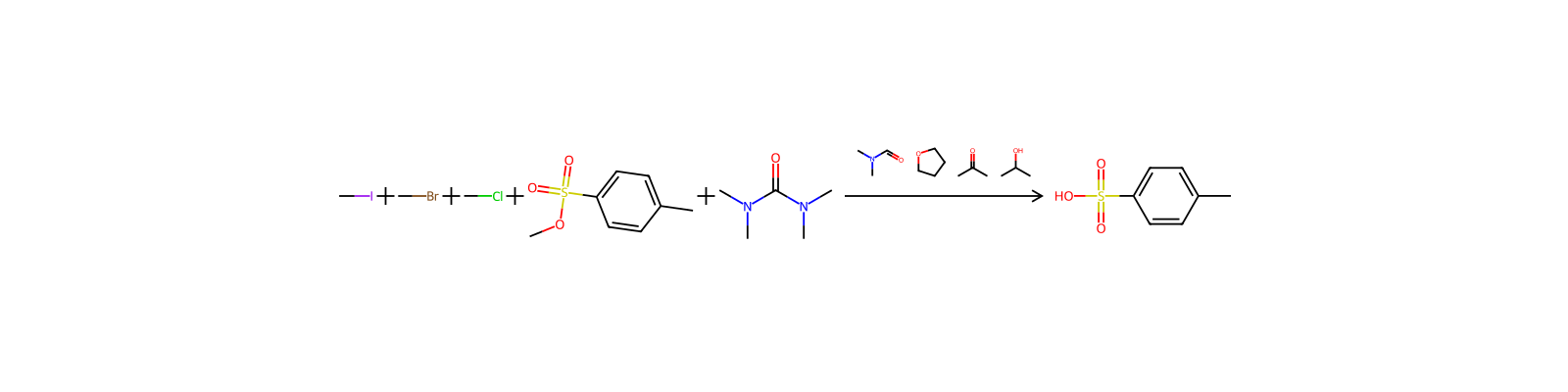
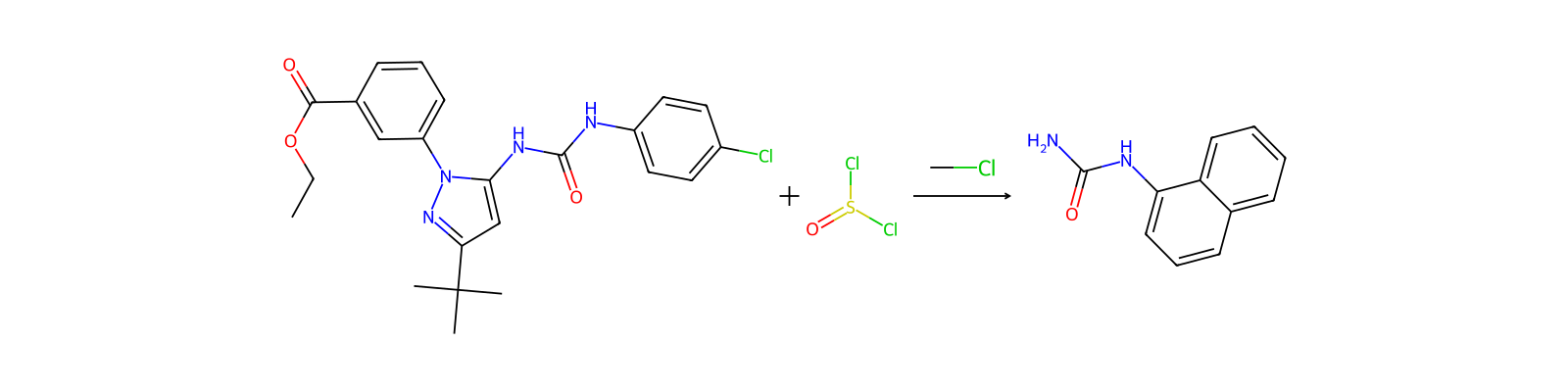
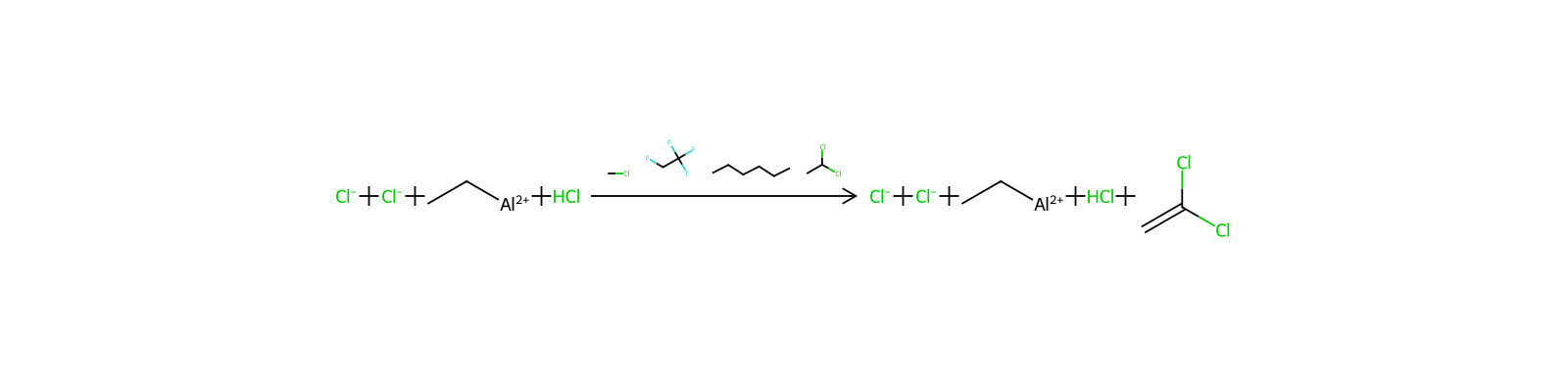
Related reactions
195 records



Linked notes
Loading…