

Basic information
- Standard SMILES
FC(F)Cl- InChIKey
VOPWNXZWBYDODV-UHFFFAOYSA-N- Molecular formula
- CHClF2
- Average molar mass
- 86.47 g/mol
- Monoisotopic mass
- 85.97348415
Overview
Chlorodifluoromethane is a colorless gas with an ethereal odor. It is shipped as a liquefied gas under its own vapor pressure. It is noncombustible. It can asphyxiate by the displacement of air. Contact with the liquid can cause frostbite. Toxic gases can be produced in fires involving this material. Exposure of the container to prolonged heat or fire may cause it to rupture violently and rocket.
Names & identifiers
- Preferred name
- Chlorodifluoromethane
- IUPAC
- chloro(difluoro)methane
- English name
- Difluorochloromethane
- Molecular formula
- CHClF2
- Molecular weight
- 86.47
Names & synonyms
CHLORODIFLUOROMETHANE75-45-6DifluorochloromethaneFreon 22HCFC-22Propellant 22MonochlorodifluoromethaneFrigen 22Methane, chlorodifluoro-Fluorocarbon 22Fluorocarbon-22Algofrene type 6
Show more names
R22chloroCHClF2CHF2Clf22Freon-22CFC-22F-22
Algofrene 22Arcton 4DifluoromonochloromethaneGenetron 22Daiflon 22Eskimon 22Flugene 22Haltron 22
Database identifiers
- CAS
75-45-6- PubChem CID
- 6372
- DTXSID
DTXSID6020301- ChEMBL
CHEMBL116155- ChEBI
CHEBI:82417- UNII
- ZFO627O6CN
- EC Number
- 200-871-9
- Nikkaji
- J1.455I
Properties
Computed structural properties
- XLogP
- 1.8
- Topological polar surface area
- 0 Ų
- Hydrogen bond donors
- 0
- Hydrogen bond acceptors
- 2
- Rotatable bonds
- 0
- Heavy atoms
- 4
- Formal charge
- 0
- Complexity
- 13.5
Experimental & physicochemical properties
Chemical ClassesVolatile Organic Compound (VOC)
PFASPFAS -> Other/unspecified
SolventsSolvents -> Chlorofluorocarbons
CosmeticsPropellant
SpringerMaterials PropertiesCoriolis coupling
PesticidesPesticide -> EPA IRIS
LogP
log Kow = 1.08
1.08
Odor
Nearly odorless
Like carbon tetrachloride
... Faint, sweetish odor ...
Density
1.41 at -40 °F (USCG, 1999) - Denser than water; will sink
1.194 at 25 °C
Density: 1.41 at -40 °C (liquid)
Relative density (water = 1): 1.21
1.41 at -40 °F
1.4909 @ 69°C
Viscosity0.23 mN/sec/sq m at 25 °C (liquid); 0.013 mN/sec/sq m at 25 °C (gas)
Color/FormColorless gas ... [Note: Shipped as a liquefied compressed gas]
Solubility
0.3 % at 77 °F (NIOSH, 2024)
Solubility: 0.14 g/L water at 122 °F at 14.7 psia
In water, 2770 mg/L at 25 °C
0.28 g/L water at 77 °F and 14.7 psia
> 10% in acetone; > 10% in chloroform; > 10% in ethyl ether
Soluble in ether, acetone, and chloroform
Physicochemical properties
- Melting point
- -146 °C · -146°C
- Boiling point
- -40.8 °C · -40.8°C
- Density
- 1 · 1,18 g/cm3
- refractive index
- 1.256 · 1.2560
- form
- Colorless, nearly odorless, nonflammable gas
- Water Solubility
- Slightly soluble
- Specific Heat Capacity
- 0.65 J/ · Cp(gas): 0.65 J/(g·K), at 25℃
- Henry's Law Constant
- 3.5 · 3.5×10-4 mol/(m3Pa) at 25℃, Burkholder et al. (2019)
- Dielectric constant
- 6.1 · 6.1(24℃)
- Stability
- Stable.
- Cosmetics Ingredients Functions
- PROPELLANT
- LogP
- 1.08 · 1.080
- CAS DataBase Reference
- 75 · 75-45-6(CAS DataBase Reference)
- FDA 21 CFR
- 701.3 · 701.30
- FDA UNII
- 627 O6CN · ZFO627O6CN
- IARC
- 3 · 3 (Vol. 41, Sup 7, 71) 1999
- NIST Chemistry Reference
- Methane, chlorodifluoro-(75-45-6)
- EPA Substance Registry System
- -22 · HCFC-22 (75-45-6)
- ECETOC JACC REPORT
- Difluorochloromethane (75-45-6)
- Symbol(GHS)
- 4 · GHS04
- Signal word
- Danger
- Hazard statements
- 280 · H280
- Precautionary statements
- 410 · P410+P403
- Hazard Codes
- F,N
- Risk Statements
- 40 · 40-59
- Safety Statements
- 23 · 23-59
- RIDADR
- 1018 · UN 1018 (CHLORODIFLUOROMETHANE (REFRIGERANT GAS R 22))
- OEB
- A
- OEL
- 1000 ppm · TWA: 1000 ppm (3500 mg/m3), STEL: 1250 ppm (4375 mg/m3)
- Hazard Note
- Non-Flammable
- TSCA
- TSCA listed
- DOT Classification
- 2.2 · 2.2 (Nonflammable gas)
- HazardClass
- 2.2 · 2.2
- Hazardous Substances Data
- 75 · 75-45-6(Hazardous Substances Data)
- Toxicity
- 70 pph · LCLo inhalation in dog: 70pph
- REACH Registrations
- Active
Safety & regulation
GHS classification
GHS Classification
This chemical does not meet GHS hazard criteria for 1.7% (5 of 291) of reports.
Warning
H280 (86.6%): Contains gas under pressure; may explode if heated [Warning Gases under pressure]
P410+P403, and P502 (click each P-code to see the statement)
Aggregated GHS information provided per 291 reports by companies from 14 notifications to the ECHA C&L Inventory. Each notification may be associated with multiple companies.
Danger
Hazard information
Regulatory Information
Chemical: Methane, chlorodifluoro-
Methane, chlorodifluoro- is listed on the EPA's Chemical Data Reporting (CDR) system. Manufacturers and importers of Methane, chlorodifluoro- are required to report information about their production and use of this chemical to the EPA under the Toxic Substances Control Act (TSCA). (40 eCFR Part 711)
Status: Active Update: 03-12-2021 https://echa.europa.eu/registration-dossier/-/registered-dossier/15022
Chlorodifluoromethane: Non hazardous
The New Jersey Worker and Community Right to Know Act requires public and private employers to provide information about hazardous substances at their workplaces. (N.J.S.A. 34:5A-1 et. seq.)
Other Safety InformationIMAP assessments - Methane, chlorodifluoro-: Environment tier II assessment
DOT LabelNon-Flammable Gas
Fire Hazards
Special Hazards of Combustion Products: Decomposition gases are toxic and irritating. (USCG, 1999)
· Some may burn but none ignite readily.
Combustible under specific conditions. Gives off irritating or toxic fumes (or gases) in a fire.
Fire PotentialNot flammable.
Health Hazards
Inhalation at greater than 10% concentration in air may cause narcosis. Liquid may cause frostbite. (USCG, 1999)
· Vapors may cause dizziness or asphyxiation without warning, especially when in closed or confined areas.
Hazards Summary
When inhaled by guinea pigs, narcosis occurs at 200,000 ppm and death at 300,000 ppm. [ACGIH] Possible frostbite from contact with liquid; [NIOSH] Chlorodifluoromethane is in the list of Some volatile substances which may be abused by inhalation published on the web site of the U.N. International Drug Control Programme, indicating its potential to cause narcosis in workers. [Reference #1] Evaporating liquid can cause frostbite; Inhalation of high concentrations can cause CNS depression and cardiac arrhythmias; [ICSC]
DOT ID and Guide
1018 126
1018 126
FDA Requirements
The Food and Drug Administration (FDA), after consultation with the Environmental Protection Agency (EPA), is amending FDA's regulation on the use of ozone-depleting substances (ODSs) in selfpressurized containers to remove the essential-use designations for flunisolide, triamcinolone, metaproterenol, pirbuterol, albuterol and ipratropium in combination, cromolyn, and nedocromil used in oral pressurized metered-dose inhalers (MDIs). The Clean Air Act requires FDA, in consultation with the EPA, to determine whether an FDA-regulated product that releases an ODS is an essential use of the ODS. FDA has concluded that there are no substantial technical barriers to formulating flunisolide, triamcinolone, metaproterenol, pirbuterol, albuterol and ipratropium in combination, cromolyn, and nedocromil as products that do not release ODSs, and therefore they will no longer be essential uses of ODSs as of the effective dates of this rule. MDIs for these active moieties containing an ODS may not be marketed after the relevant effective date. DATES: Removal of Part 2.125(e)(2)(iii) and 2.125(e)(4)(vii) is effective June 14, 2010. Removal of Part 2.125(e)(1)(v) and 2.125(e)(4)(iv) is effective December 31, 2010. Removal of Part 2.125(e)(1)(iii) is effective June 30, 2011. Removal of 2.125(e)(2)(iv) and Part 2.125(e)(4)(viii) is effective December 31, 2013. /Ozone-Depleting Substances/
Use of ozone-depleting substances in foods, drugs, devices, or cosmetics. (a) As used in this section, ozone-depleting substance (ODS) means any class I substance as defined in 40 CFR part 82, appendix A to subpart A, or class II substance as defined in 40 CFR part 82, appendix B to subpart A. (b) Except as provided in paragraph (c) of this section, any food, drug, device, or cosmetic that is, consists in part of, or is contained in an aerosol product or other pressurized dispenser that releases an ODS is not an essential use of the ODS under the Clean Air Act. (c) A food, drug, device, or cosmetic that is, consists in part of, or is contained in an aerosol product or other pressurized dispenser that releases an ODS is an essential use of the ODS under the Clean Air Act if paragraph (e) of this section specifies the use of that product as essential. For drugs, including biologics and animal drugs, and for devices, an investigational application or an approved marketing application must be in effect, as applicable. ... (e) The use of ODSs in the following products is essential: ... (2) Metered-dose short-acting adrenergic bronchodilator human drugs for oral inhalation. Oral pressurized metered-dose inhalers containing the following active moieties: ... (iv) Pirbuterol. ... (4) Other essential uses. (iii) Anesthetic drugs for topical use on accessible mucous membranes of humans where a cannula is used for application. ... (vi) Metered-dose atropine sulfate aerosol human drugs administered by oral inhalation. ... (viii) Metered-dose ipratropium bromide and albuterol sulfate, in combination, administered by oral inhalation for human use. (ix) Sterile aerosol talc administered intrapleurally by thoracoscopy for human use. /Ozone-Depleting Substances/
Reactive GroupFluorinated Organic Compounds
UN ClassificationUN Hazard Class: 2.2
Special Reports
Litchfield & Longstaff; Food Chem Toxicol 22: 465-75 (1984). Comprehensive review on the toxicology of chlorodifluoromethane.
WHO; Environmental Health Criteria 126: Partially Halogenated Chlorofluorocarbons (Methane Derivatives) (1991).
USEPA; Chemical Hazard Information Profile: Chlorodifluoromethane (1978)
Anders MW; Environmental Health Perspectives 96: 185-191 (1991). Metabolism and toxicity of hydrochlorofluorocarbons: Current knowledge and needs for the future. The metabolism and toxicity of hydrochlorofluorocarbons (HCFCs), potential replacements for ozone depleting chlorofluorocarbons, were reviewed.
For more Special Reports (Complete) data for CHLORODIFLUOROMETHANE (12 total), please visit the HSDB record page.
Safety & protection
Fire Fighting
Excerpt from ERG Guide 126 [Gases - Compressed or Liquefied (Including Refrigerant Gases)]:
In case of fire in the surroundings, use appropriate extinguishing media. In case of fire: keep cylinder cool by spraying with water.
First Aid Measures
Fresh air, rest. Artificial respiration may be needed. Refer for medical attention.
ON FROSTBITE: rinse with plenty of water, do NOT remove clothes. Refer for medical attention .
First rinse with plenty of water for several minutes (remove contact lenses if easily possible), then refer for medical attention.
Accidental Release Measures
· CALL 911. Then call emergency response telephone number on shipping paper. If shipping paper not available or no answer, refer to appropriate telephone number listed on the inside back cover.
· Do not touch or walk through spilled material.
First Aid
Excerpt from NIOSH Pocket Guide for Chlorodifluoromethane:
General First Aid:
(General first aid procedures)
Safe StorageFireproof. Cool. Ventilation along the floor.
Firefighting Hazards
R-22 is not flammable at ambient temperatures and atmospheric pressure. However, this material will become combustible when mixed with air under pressure and exposed to strong ignition sources. Contact with certain reactive metals may result in formation of explosive or exothermic reactions under specific conditions (e.g. very high temperatures and/or appropriate pressures).
Exposure Control and Personal Protection
· Wear positive pressure self-contained breathing apparatus (SCBA).
500.0 [ppm]
Fire Fighting Procedures
If material involved in fire: Extinguish fire using agent suitable for type of surrounding fire. (Material itself does not burn or burns with difficulty.) Cool all affected containers with flooding quantities of water. Apply water from as far a distance as possible.
In case of fire: keep cylinder cool by spraying with water.
Firefighters should wear self-contained, NIOSH-approved breathing apparatus for protection against possible toxic decomposition products. Proper eye and skin protection should be provided.
Storage Conditions
Store in a cool, well-ventilated area of low fire risk and out of direct sunlight. Protect cylinder and its fittings from physical damage. Storage in subsurface locations should be avoided. Close valve tightly after use and when empty.
Fireproof. Cool. Ventilation along the floor.
Nonfire Spill ResponseExcerpt from ERG Guide 126 [Gases - Compressed or Liquefied (Including Refrigerant Gases)]:
Disposal Methods
SRP: The most favorable course of action is to use an alternative chemical product with less inherent propensity for occupational harm/injury/toxicity or environmental contamination. Recycle any unused portion of the material for its approved use or return it to the manufacturer or supplier. Ultimate disposal of the chemical must consider: the material's impact on air quality; potential migration in soil or water; effects on animal and plant life; and conformance with environmental and public health regulations.
Because of the discovery of potential ozone decomposition in the stratosphere by chlorodifluoromethane, the material should not be released to the environment if it can be prevented. Material to be scrapped should be returned to the vendor, or to licensed waste disposal company.
Spillage DisposalVentilation.
Toxicology
Body Burden
A pilot study of volatile organic chemicals in mother's milk found that two of eight samples of milk obtained from women in 4 urban areas in the United States contained chlorodifluoromethane; the levels were not quantified(1).
Two simultaneous accidental, lethal exposures to chlorodifluoromethane alone were associated with concentrations (in uL/mL) of the chemical in body fluid samples taken 16 hr after death: blood, 37.1 and 26.0; urine, 1.7 and 0.9; vitreous humor, 1.0 and 0.7(1).
InteractionsIf inhalation occurs, epinephrine or other sympathomimetic amines & adrenergic activators should not be admin since they will further sensitize heart to development of arrhythmias. /Fluorocarbons/
Target Organs
Endocrine
respiratory system, cardiovascular system, central nervous system, liver, kidneys, spleen
Environmental Fate
TERRESTRIAL FATE: Based on a classification scheme(1), an estimated Koc value of 8.6(SRC), determined from a log Kow of 1.08(2) and a regression-derived equation(3), indicates that chlorodifluoromethane is expected to have very high mobility in soil(SRC). However, since chlorodifluoromethane is a gas(5) under ambient conditions, most of the chemical released on soil will volatilize rapidly, effectively reducing the potential for leaching into groundwater(SRC). Volatilization of chlorodifluoromethane from moist soil surfaces is expected to be an important fate process(SRC) given a Henry's Law constant of 4.06X10⁻² atm-cu m/mole(4). Chlorodifluoromethane is expected to volatilize from dry soil surfaces(SRC) based upon a vapor pressure of 7.25X10+3 mm Hg at 25 °C(5). Utilizing the Japanese MITI test, 0% of the Theoretical BOD was reached in 4 weeks(6) indicating that biodegradation is not an important environmental fate process in soil(SRC).
AQUATIC FATE: Based on a classification scheme(1), an estimated Koc value of 8.6(SRC), determined from a log Kow of 1.08(2) and a regression-derived equation(3), indicates that chlorodifluoromethane is not expected to adsorb to suspended solids and sediment(SRC). Volatilization from water surfaces is expected(4) based upon a Henry's Law constant of 4.06X10⁻² atm-cu m/mole(5). Using this Henry's Law constant and an estimation method(4), volatilization half-lives for a model river and model lake are 2.7 hours and 3.7 days, respectively(SRC). According to a classification scheme(6), an estimated BCF of 2.4(SRC), from its log Kow(2) and a regression-derived equation(3), suggests the potential for bioconcentration in aquatic organisms is low(SRC). Hydrolysis in water is not expected to be important due to chlorodifluoromethane's low rate of hydrolysis (<0.01 g/L-yr)(7). Utilizing the Japanese MITI test, 0% of the Theoretical BOD was reached in 4 weeks(8) indicating that biodegradation is not an important environmental fate process in water(SRC)
ATMOSPHERIC FATE: According to a model of gas/particle partitioning of semivolatile organic compounds in the atmosphere(1), chlorodifluoromethane, which has a vapor pressure of 7.25X10+3 mm Hg at 25 °C(2), is expected to exist solely as a gas in the ambient atmosphere. Gas-phase chlorodifluoromethane is degraded in the atmosphere by reaction with photochemically-produced hydroxyl radicals(SRC); the half-life for this reaction in air is estimated to be 9.4 years(SRC), calculated from its rate constant of 4.68X10⁻¹⁵ cu cm/molecule-sec at 25 °C(3). As a result of its long half-life, a substantial fraction of the chlorodifluoromethane will slowly diffuse to the upper stratosphere. Once in the upper stratosphere, it is dissociated through photolysis, reaction with hydroxyl radical and excited atomic oxygen resulting in the release of chlorine at high altitudes(4). These chlorine atoms then become part of a catalytic process that contributes to the destruction of the ozone layer. In the troposphere, however, chlorodifluoromethane is not expected to undergo direct photolysis since it does not absorb light >290 nm(5).
Adverse EffectsNeurotoxin - Acute solvent syndrome
Exposure Routes
The substance can be absorbed into the body by inhalation.
inhalation, skin and/or eye contact (liquid)
Milk Concentrations
ENVIRONMENTAL: A pilot study of volatile organic chemicals in mother's milk found that two of eight samples of milk obtained from women in 4 urban areas in the United States contained chlorodifluoromethane; the levels were not quantified(1).
Signs and Symptoms
Irregular heartbeat. Confusion. Drowsiness. Unconsciousness.
ON CONTACT WITH LIQUID: FROSTBITE.
Redness. Pain.
irritation respiratory system; confusion, drowsiness, ringing in ears; heart palpitations, cardiac arrhythmias; asphyxia; liver, kidney, spleen injury; liquid: frostbite
Effluent Concentrations
Trace volatile organic compounds were monitored in landfill gas at 7 UK waste disposal facilities from 1994 to 1995(1). Concentrations of chlorodifluoromethane ranged from <0.5 mg/cu m to 404 mg/cu m. The presence of chlorodifluoromethane in landfill gas is expected to be due to direct volatilization from plastic foam, aerosol propellants, and refrigerators. Based on emission rates monitored in 1995 from the UK, the total global emission of chlorodifluoromethane is 1.4X10+8 kg/year(1). Dust samples from a municipal waste incinerator located in Hamburg, Germany were analyzed for chlorodifluoromethane concentrations(2). The study determined that chlorodifluoromethane concentrations ranged from <0.005 to 0.89 mg/kg waste. When municipal waste was added to a laboratory anaerobic digester, levels of chlorodifluoromethane were measured in both the gas and leachate. Maximum chlorodifluoromethane concentrations were 385 mg/N cu m in gas samples and 0.9 mg/L in leachate(2).
ICSC Environmental DataAvoid release to the environment because of its impact on the ozone layer.
EPA IRIS Information
Chlorodifluoromethane
Endocrine
5 x 10 ^1 mg/m^3
Soil Adsorption/Mobility
The Koc of chlorodifluoromethane is estimated as 8.6(SRC), using a log Kow of 1.08(1) and a regression-derived equation(2). According to a classification scheme(3), this estimated Koc value suggests that chlorodifluoromethane is expected to have very high mobility in soil. However, since chlorodifluoromethane is a gas(4) under ambient conditions, most of the chemical released on soil will volatilize rapidly, effectively reducing the potential for leaching into groundwater(SRC).
Regulatory information
FDA Requirements
The Food and Drug Administration (FDA), after consultation with the Environmental Protection Agency (EPA), is amending FDA's regulation on the use of ozone-depleting substances (ODSs) in selfpressurized containers to remove the essential-use designations for flunisolide, triamcinolone, metaproterenol, pirbuterol, albuterol and ipratropium in combination, cromolyn, and nedocromil used in oral pressurized metered-dose inhalers (MDIs). The Clean Air Act requires FDA, in consultation with the EPA, to determine whether an FDA-regulated product that releases an ODS is an essential use of the ODS. FDA has concluded that there are no substantial technical barriers to formulating flunisolide, triamcinolone, metaproterenol, pirbuterol, albuterol and ipratropium in combination, cromolyn, and nedocromil as products that do not release ODSs, and therefore they will no longer be essential uses of ODSs as of the effective dates of this rule. MDIs for these active moieties containing an ODS may not be marketed after the relevant effective date. DATES: Removal of Part 2.125(e)(2)(iii) and 2.125(e)(4)(vii) is effective June 14, 2010. Removal of Part 2.125(e)(1)(v) and 2.125(e)(4)(iv) is effective December 31, 2010. Removal of Part 2.125(e)(1)(iii) is effective June 30, 2011. Removal of 2.125(e)(2)(iv) and Part 2.125(e)(4)(viii) is effective December 31, 2013. /Ozone-Depleting Substances/
Use of ozone-depleting substances in foods, drugs, devices, or cosmetics. (a) As used in this section, ozone-depleting substance (ODS) means any class I substance as defined in 40 CFR part 82, appendix A to subpart A, or class II substance as defined in 40 CFR part 82, appendix B to subpart A. (b) Except as provided in paragraph (c) of this section, any food, drug, device, or cosmetic that is, consists in part of, or is contained in an aerosol product or other pressurized dispenser that releases an ODS is not an essential use of the ODS under the Clean Air Act. (c) A food, drug, device, or cosmetic that is, consists in part of, or is contained in an aerosol product or other pressurized dispenser that releases an ODS is an essential use of the ODS under the Clean Air Act if paragraph (e) of this section specifies the use of that product as essential. For drugs, including biologics and animal drugs, and for devices, an investigational application or an approved marketing application must be in effect, as applicable. ... (e) The use of ODSs in the following products is essential: ... (2) Metered-dose short-acting adrenergic bronchodilator human drugs for oral inhalation. Oral pressurized metered-dose inhalers containing the following active moieties: ... (iv) Pirbuterol. ... (4) Other essential uses. (iii) Anesthetic drugs for topical use on accessible mucous membranes of humans where a cannula is used for application. ... (vi) Metered-dose atropine sulfate aerosol human drugs administered by oral inhalation. ... (viii) Metered-dose ipratropium bromide and albuterol sulfate, in combination, administered by oral inhalation for human use. (ix) Sterile aerosol talc administered intrapleurally by thoracoscopy for human use. /Ozone-Depleting Substances/
TSCA Requirements
Pursuant to section 8(d) of TSCA, EPA promulgated a model Health and Safety Data Reporting Rule. The section 8(d) model rule requires manufacturers, importers, and processors of listed chemical substances and mixtures to submit to EPA copies and lists of unpublished health and safety studies. Chlorodifluoromethane is included on this list. Effective date: 4/13/89; Sunset date: 6/30/98.
Atmospheric Standards
This action promulgates standards of performance for equipment leaks of Volatile Organic Compounds (VOC) in the Synthetic Organic Chemical Manufacturing Industry (SOCMI). The intended effect of these standards is to require all newly constructed, modified, and reconstructed SOCMI process units to use the best demonstrated system of continuous emission reduction for equipment leaks of VOC, considering costs, non air quality health and environmental impact and energy requirements. Chlorodifluoromethane is produced, as an intermediate or a final product, by process units covered under this subpart.
Clean Water Act RequirementsToxic pollutant designated pursuant to section 307(a)(1) of the Federal Water Pollution Control Act and is subject to effluent limitations. /Halomethanes/
Safety data
- OEB
- A
- OEL
- TWA: 1000 ppm (3500 mg/m3), STEL: 1250 ppm (4375 mg/m3)
- tsca
- TSCA listed
- ridadr
- UN 1018 (CHLORODIFLUOROMETHANE (REFRIGERANT GAS R 22))
- Toxicity
- LCLo inhalation in dog: 70pph
- risk_code
- 40-59
- Signal word
- Danger
- Symbol(GHS)
- GHS04
- hazard_code
- F,N
- hazard_note
- Non-Flammable
- safety_code
- 23-59
- hazard_class
- 2.2
- Hazard statements
- H280
- DOT Classification
- 2.2 (Nonflammable gas)
- REACH Registrations
- Active
- Precautionary statements
- P410+P403
- Hazardous Substances Data
- 75-45-6(Hazardous Substances Data)
Chemistry & industry
Pharmacology
Biological Half-Life
Rats were exposed by inhalation to 10,000 and 50,000 ppm (35.4 & 177 g/cu m) chlorodifluoromethane. The half-life for the clearance of chlorodifluoromethane from the blood, immediately after termination of exposure, was approx 3 min.
Three phases for the elimination of chlorodifluoromethane in breath were identified, with estimated half-lives of 0.005, 0.2 and 2.6 hr.
Metabolism/Metabolites
Inhalation pharmacokinetics of dichlorofluoromethane (CFC 21) and chlorodifluoromethane (CFC 22) were studied in male Wistar rats by use of a closed inhalation chamber system. CFC 21 was readily eliminated via metabolism. However, CFC 22 underwent no detectable metabolism...
Approx 0.1 and 0.06% of an inhaled dose was recovered as (14)C-carbon dioxide after exposure of rats to 500 & 10,000 ppm (1.77 & 35.4 g/cu m) (14)C-chlorodifluoromethane, respectively, for 15-24 hr by inhalation. The amount of radioactivity excreted in the urine was approx 0.03 & 0.01% of the inhaled doses, respectively. Similar findings have been reported recently, indicating that there is little or no metabolism of chlorodifluoromethane in rats. After incubation of (36)Cl-chlorodifluoromethane with Aroclor-induced rat-liver homogenates, no release of chloride was detected.
Chlorodifluoromethane inhaled by male Wistar rats at a concentration of 160 ppm (566 mg/cu m) underwent no detectable metabolism and prior treatment of rats with either DDT or phenobarbital did not stimulate its metabolic transformation.
Absorption, Distribution and Excretion
Fluorocarbon-22 was studied in mice and rabbits. Blood concn was in direct proportion to inhaled concn. The concn in fat was greater than in other tissues after prolonged inhalation. When inhalation was short, the concn in fat was less than in other tissues.
There is a significant accumulation of fluorocarbons in brain, liver & lung compared to blood levels, signifying a tissue distribution of fluorocarbons similar to that of chloroform. /Fluorocarbons/
Absorption of fluorocarbons is much lower after oral ingestion (35-48 times) than after inhalation. ... The lung generally have the highest fluorocarbon concn on autopsy. /Fluorocarbons/
Chlorodifluoromethane is very rapidly cleared from the blood of rats and rabbits exposed by inhalation. Little distribution to tissues or metabolism occurs in rats, with recoveries from expired air as CO2 in 15-24 hr and in the urine, being about 0.1% and 0.02% of the dose, respectively.
For more Absorption, Distribution and Excretion (Complete) data for CHLORODIFLUOROMETHANE (7 total), please visit the HSDB record page.
Uses & manufacturing
Uses
Used as a propellant, a refrigerant, a solvent, and in tetrafluoroethylene polymers; [ACGIH]
See CHLOROFLUOROCARBONS
For chlorodifluoromethane (USEPA/OPP Pesticide Code: 000015) there are 0 labels match. /SRP: Not registered for current use in the U.S., but approved pesticide uses may change periodically and so federal, state and local authorities must be consulted for currently approved uses./
Refrigerant; low-temperature solvent; fluorocarbon resins, especially tetrafluoroethylene polymers.
Chlorodifluoromethane is used primarily as a refrigerant gas, and air-conditioning and refrigeration applications have been reported to account for 75% to over 90% of its use. Such applications include portable air conditioners, central air conditioning, home freezers/refrigerators and automotive air conditioning. Chlorodifluoromethane is also used to produce the fluorocarbon monomer tetrafluoroethylene by pyrolysis at 650-700 °C. The tetrafluoroethylene monomer forms homopolymers or copolymers with other chlorofluorocarbons used in plastics and resins. Unlike other chlorofluorocarbons, chlorodifluoromethane is not currently used to a large degree as a blowing agent for polyurethane resins or as an industrial solvent, but these applications have been reported previously. The azeotropic mixture (F-502) of chlorodifluoromethane/chloropentafluoroethane (F-115) is also used as a refrigerant, primarily in food display cases, ice makers, home freezers and heat pumps.
Impurities
Dichlorofluoromethane (fluorocarbon 21) has been reported to be a contaminant of commercial chlorodifluoromethane.
Chlorofluoroalkanes (and also the alternative HCFCs and HFCs) produced on an industrial scale are subject to stringent standards. Impurities must not exceed the following limits (vol %): acids, 0; moisture, <0.001; higher-boiling fractions, <0.05; and other gases, 2. /Chlorofluoroalkanes/
U.S. Imports
(1984) 5.35X10+9 g
(1986) 2.03X10+7 lb
U.S. Production
2023: 100,000,000 - <250,000,000 lb
(1987) 2.74X10+8 lb
(1988) 3.32X10+8 lb
(1986) 2.74X10+8 lb
(1987) 2.84X10+8 lb
For more U.S. Production (Complete) data for CHLORODIFLUOROMETHANE (10 total), please visit the HSDB record page.
Consumption Patterns
The major use of chlorodifluoromethane is in refrigeration and air conditioning applications which accounts for 90% of reported sales.
Annual worldwide productions (in X10+6 kg) of chlorodifluoromethane from 1970 to 1994 were as follows: 56.1 (1970); 75.0 (1975); 126.3 (1980); 153.4 (1985); 213.7 (1990).
Annual worldwide production of chlorodifluoromethane: 239.4X10+6 kg (1994)
Industry UsesIntermediate
Methods of Manufacturing
Reaction of chloroform with anhydrous hydrogen fluoride with antimony chloride catalyst.
The most important commercial method for manufacturing CFCs and HCFCs is the successive replacement of chlorine by fluorine using hydrogen fluoride. The traditional, liquid-phase process uses antimony pentafluoride or a mixture of antimony trifluoride and chlorine as catalysts. Continuous vapor-phase processes that employ gaseous hydrogen fluoride in the presence of heterogenous chromium, iron, or fluorinated alumina catalysts also are widely used. Carbon tetrachloride, chloroform, and hexachloroethane (or tetrachloroethylene plus chlorine) are commonly used starting materials for one- and two-carbon chlorofluorocarbons. The extent of chlorine exchange can be controlled by varying the hydrogen fluoride concentration, the contact time, or the reaction temperature. /CFCs and HCFCs/
Formulations/Preparations
USEPA/OPP Pesticide Code 000015; Trade Names: Freon 22. /Former trade names/
Grade: technical; 99.9% pure
It is available as a liquified gas in an azeotropic mixture of 48.8% chlorodifluoromethane with 51.2% chloropentafluoroethane; this mixed gas is designated Fluorocarbon-502 ... .
Household ProductsInformation on 6 consumer products that contain Chlorodifluoromethane in the following categories is provided:
Use ClassificationCosmetics -> Propellant
General Manufacturing Information
Pharmaceutical and Medicine Manufacturing
Methane, chlorodifluoro-: ACTIVE
SRP: The EPA has organized groups of chemicals into two classes according to their ozone-depletion potential. Class I controlled substances are those with an ozone-depletion potential of 0.2 or higher. Class II controlled substances are those with an ozone-potential of less than 0.2. Class II controlled substances are all hydrochlorofluorocarbons (HCFCs).
Class II controlled substances are compounds that have an ozone depletion potential (ODP) less than 0.2, and are all hydrochlorofluorocarbons (HCFCs). HCFCs were developed as transitional substitutes for Class I substances and are subject to a later phaseout schedule than Class I substances. ... Although there are currently 34 controlled HCFCs, only a few are commonly used. The most widely used have been HCFC-22 (usually a refrigerant), HCFC-141b (a solvent and foam-blowing agent), and HCFC-142b (a foam-blowing agent and component in refrigerant blends). ... As a Party to the Montreal Protocol, the U.S. must incrementally decrease HCFC consumption and production, culminating in a complete HCFC phaseout in 2030. The major milestones that are upcoming for developed countries are a reduction in 2010 to at least 75 percent below baseline HCFC levels and a reduction in 2015 to at least 90 percent below baseline. Section 605 of the Clean Air Act sets the U.S. phaseout targets for Class II substances. In 1993, the EPA established the phaseout framework and the "worst-first" approach that focused first on HCFC-22, HCFC-141b, and HCFC-142b because these three HCFCs have the highest ODPs of all HCFCs. To meet the required 2004 reduction, the EPA phased out HCFC-141b in 2003 and froze the production and consumption of HCFC-22 and HCFC-142b. In 2009, EPA reduced the production and import of virgin HCFC-22 and HCFC-142b and limited the use of those compounds to meet the Montreal Protocol's 2010 milestones.
The numbers in the "ODP1" column are from the Montreal Protocol. Some numbers have been updated as per amendments to the protocol. The "ODP2" column numbers are from the stratospheric ozone protection regulations at 40 CFR Part 82, as required by Title VI of the Clean Air Act amendments. These numbers include the amendments of July 18, 2003 (68 FR 42892). Data in the "ODP3" column come from WMO's /World Meteorological Organization/ Scientific Assessment of Ozone Depletion: 2006. ODP values listed are semi-empirical and can be found in Table 8-1 of the document. All GWP values represent global warming potential over a 100-year time horizon. The numbers in the "GWP1" column are from Table 1-6 of The Scientific Assessment of Ozone Depletion, 2002, a report of the World Meteorological Association's Global Ozone Research and Monitoring Project. The GWPs in the "GWP1" column that were not provided Table 1-6 of the 2002 report have not been updated since 1998 and are from The Scientific Assessment of Ozone Depletion, 1998. "GWP2" column numbers are from the Intergovernmental Panel on Climate Change Third Assessment Report: Climate Change 2001, and "GWP3" column numbers are from 40 CFR Part 82, stratospheric ozone protection regulations required by Title VI of the Clean Air Act amendments. The data in the "GWP4" column come from the IPCC Special Report on Safeguarding the Ozone Layer and the Global Climate System: Issues related to Hydrofluorocarbons and Perfluorocarbons ("SROC"). The values listed are for direct radiative forcing and can be found in Table 2.7 in the document. The numbers in the "GWP5" column come from the WMO's Scientific Assessment of Ozone Depletion: 2006. The values listed are for direct radiative forcing and can be found in Table 8-2 of the document.
EPA ensures that HCFC consumption in the U.S. is 75% below the U.S. baseline (as required under the Montreal Protocol) by issuing allowances to producers and importers of HCFCs. The "2010 HCFC Allocation Rule" allocated allowances for each year between 2010 and 2014. To meet the stepdown, the number of allowances for HCFC-22 and HCFC-142b were less than for the 2003-2009 control periods. EPA also issued allowances for HCFC-123, HCFC-124, HCFC-225ca, and HCFC-225cb. The rules also limited the use of virgin HCFC-22 and HCFC-142b to existing refrigeration and air-conditioning equipment. The "Pre-Charted Appliances Rule" banned the sale or distribution of air-conditioning and refrigeration products containing HCFC-22, HCFC-142b, or blends containing one or both of these substances, beginning January 1, 2010. ... The "2010 HCFC Allocation Rule" was challenged in the U.S. Court of Appeals for the D.C. Circuit in Arkema v EPA. In August, 2010, the court decided against EPA. EPA interprets the Court's decision as vacating the portion of the rule that establishes company-by-company production and consumption baselines and calendar-year allowances for HCFC-22 and HCFC-142b. All other aspects of the rule are intact. On August 5, 2011, EPA issued an interim final rule that establishes new company-by-company HCFC-22 and HCFC-142b baselines and allocates production and consumption allowances for 2011.
Applications
DescriptionChlorodifluoromethane is a nonflammable,colorless, nearly odorless gas. Molecular weight =86.47;Specific gravity (H2O:1) 5=1.21; Boiling point =-40.5℃;Freezing/Melting point =-146℃; Vapor pressure =9.4atm at 20℃; Autoignition temperature=632℃. HazardIdentification (based on NFPA 704 M Rating System):Health 2, Flammability 0, Reactivity 0. Soluble in water;solubility =0.3% at 25℃
UsesRefrigerant, low-temperature solvent, fluorocarbon resins, especially tetrafluoroethylene polymers.
UsesAerosol propellant; refrigerant; lowtemperature solvent
General DescriptionDifluorochloromethane is a colorless gas with an ethereal odor. Difluorochloromethane is shipped as a liquefied gas under its own vapor pressure. Difluorochloromethane is noncombustible. Difluorochloromethane can asphyxiate by the displacement of air. Contact with the liquid can cause frostbite. Toxic gases can be produced in fires involving Difluorochloromethane. Exposure of the container to prolonged heat or fire may cause Difluorochloromethane to rupture violently and rocket.
Upstream & downstream products
Upstream raw materials
Downstream products
Additional notes
DefinitionChEBI: Chlorodifluoromethane is a hydrochlorofluorocarbon.
Related reactions
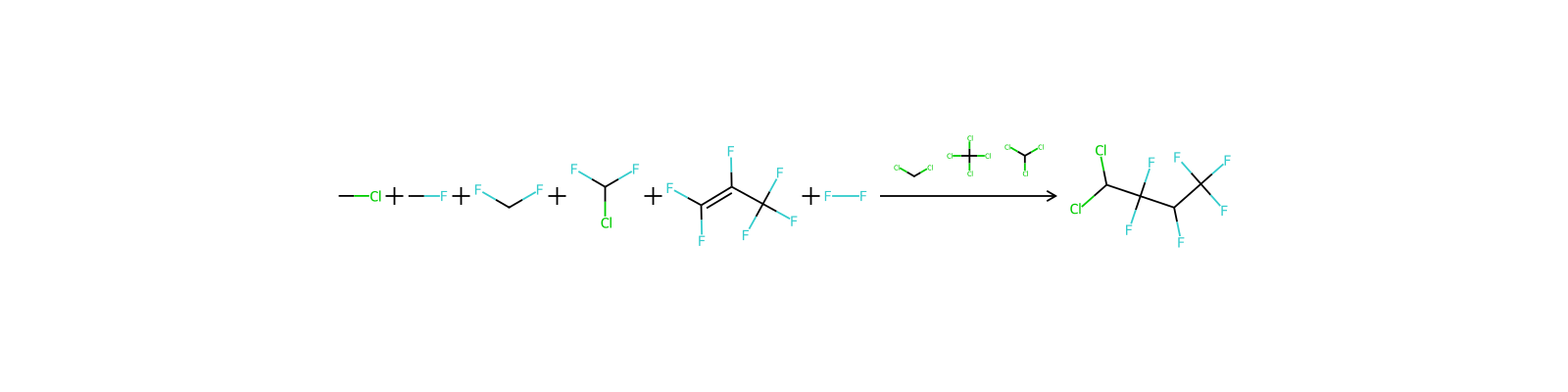
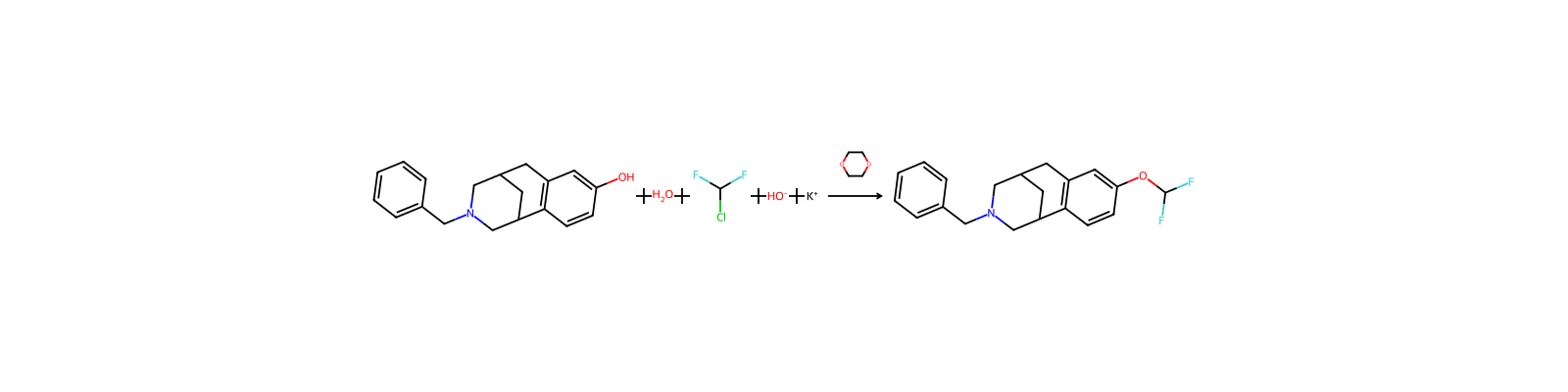
429 records




Linked notes
Loading…