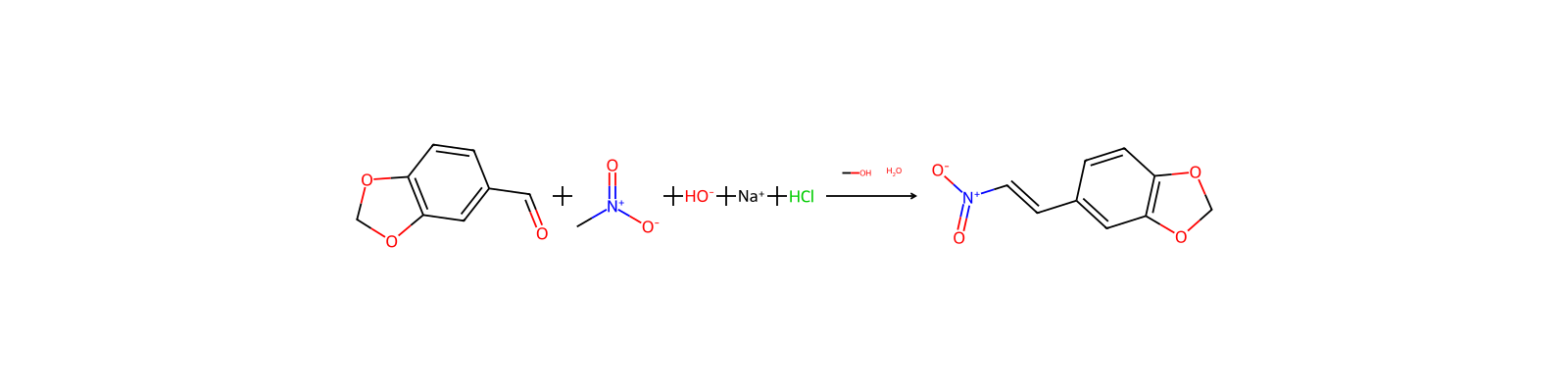

Basic information
- Standard SMILES
C[N+](=O)[O-]- InChIKey
LYGJENNIWJXYER-UHFFFAOYSA-N- Molecular formula
- CH3NO2
- Average molar mass
- 61.04 g/mol
- Monoisotopic mass
- 61.01637834
Overview
Nitromethane can cause cancer according to The National Toxicology Program.
Names & identifiers
- Preferred name
- Nitromethane
- IUPAC
- nitromethane
- English name
- Nitromethane
- Molecular formula
- CH3NO2
- Molecular weight
- 61.04
Names & synonyms
NITROMETHANE75-52-5NitrocarbolMethane, nitro-NitrometanDTXSID2020977RU5WG8C3F4NSC-428DTXCID40977NSC428CHEBI:77701RefChem:6070
Show more names
NMmethane,-nitro-XJJWNITOMETHANEMethyl nitrobenzeneNM-55Nitrofuel
200-876-6CH3NO2NITROMETHANE (15N)nitro methanenitro-methaneNSC 428MFCD00007400MeNO2
Database identifiers
- CAS
23717-53-5、75-52-5- PubChem CID
- 6375
- DTXSID
DTXSID2020977- ChEMBL
CHEMBL276924- ChEBI
CHEBI:77701- UNII
- RU5WG8C3F4
- EC Number
- 200-876-6、684-185-9
- Nikkaji
- J1.450.558J、J2.051.726C、J2.393K
Properties
Computed structural properties
- XLogP
- 0.1
- Topological polar surface area
- 45.8 Ų
- Hydrogen bond donors
- 0
- Hydrogen bond acceptors
- 2
- Rotatable bonds
- 0
- Heavy atoms
- 4
- Formal charge
- 0
- Complexity
- 27.5
Experimental & physicochemical properties
Chemical Classes
Nitrogen Compounds -> Nitros, Aliphatic
Carcinogens
CosmeticsAnticorrosive
pHpH of 0.01M aqueous solution = 6.12
SpringerMaterials PropertiesSchoenflies notation
LogP
low Kow = -0.35
0.08
OdorModerately strong, somewhat disagreeable odor
Density
1.139 at 68 °F (USCG, 1999) - Denser than water; will sink
1.1371 g/cu cm at 20 °C
Bulk density = 9.5 lb/gal
Relative density (water = 1): 1.14
1.139
1.38 @ 20°C
Viscosity0.614 cP at 25 °C
Color/Form
Colorless liquid
Oily liquid
Solubility
greater than or equal to 100 mg/mL at 68 °F (NTP, 1992)
Solubility of water in nitromethane: 2.1% at 25 °C
In water, 1.11X10+5 mg/L at 25 °C
Soluble in ethanol, ethyl ether, acetone, carbon tetrachloride, and alkali
10%
Flash Point
95 °F (NTP, 1992)
95-96 °F
95 °F (35 °C) (Closed Cup)
36 °C (97 °F) (Closed cup)
35 °C c.c.
95 °F
Endocrine DisruptorsPotential endocrine disrupting compound
Physicochemical properties
- Melting point
- -29 °C · -29 °C (lit.)
- Boiling point
- 101.2 °C · 101.2 °C (lit.)
- Density
- 1.127 g/mL · 1.127 g/mL at 25 °C (lit.)
- vapor density
- 2.1 · 2.1 (vs air)
- vapor pressure
- 27.3 mm · 27.3 mm Hg ( 20 °C)
- refractive index
- 20 · n20/D 1.382(lit.)
- Flash point
- 95 °F · 95 °F
- storage temp.
- Flammables area
- solubility
- 105 g/l · 105g/l
- pka
- 10.2 · 10.2(at 25℃)
- form
- Liquid
- color
- 10 · APHA: ≤10
- Relative polarity
- 6.8 · 6.8
- Odor
- Disagreeable fruity odor
- PH Range
- 6.4 at · 6.4 at 0.01 g/l at 20 °C
- PH
- 6.4 · 6.4 (0.6g/l, H2O, 20℃)
- explosive limit
- 7.3 · 7.3-63.0%(V)
- Evaporation Rate
- 1.39 · 1.39
- Water Solubility
- 9.5 g/100 · 9.5 g/100 mL (20 ºC)
- Thermal Conductivity
- 0.154 W/ · 0.154 W/(m·K) at 25 ℃
- Specific Heat Capacity
- 1.75 J/ · Cp(liquid): 1.75 J/(g·K); Cp(gas): 0.91 J/(g·K), at 25℃
- λmax
- 380 nm · λ: 380 nm Amax: 1.00λ: 386 nm Amax: 0.50λ: 395 nm Amax: 0.20λ: 400 nm Amax: 0.10λ: 405 nm Amax: 0.05λ: 430-700 nm Amax: 0.01
- Merck
- 14 · 14,6611
- BRN
- 1698205 · 1698205
- Henry's Law Constant
- 2.24 at · 2.24 at 20.00 °C, 3.61 at 30.00 °C, 5.40 at 40.00 °C, 7.97 at 50.00 °C (inert gas stripping, Bene and Dohnal, 1999)
- Dielectric constant
- 22.7 · 22.7(Ambient)
- Exposure limits
- 20 ppm · ACGIH TLV-TWA:20 ppm (50 mg/m3)OSHA PEL-TWA:100 ppm (250 mg/m³)NIOSH IDLH:750 ppm
- Major Application
- food and beverages
- Cosmetics Ingredients Functions
- ANTICORROSIVE
- InChI
- 1S/CH3NO2/c1-2(3)4/h1H3
- InChIKey
- LYGJENNIWJXYER-UHFFFAOYSA-N
- SMILES
- C[N+]([O-])=O
- Surface tension
- 36.8 mN/m · 36.8mN/m at 20°C
- Toxicology and Carcinogenesis
- Toxicology and Carcinogenesis Studies of Nitromethane (CASRN 75-52-5) in F344 Rats and B6C3F1 Mice (Inhalation Studies)Carcinogenesis Studies of 2,2-bis(Bromomethyl)-1,3-Propanediol, Nitromethane, and 1,2,3-Trichloropropane (CASRNs 3296-90-0, 75-52-5, and 96-18-4) in Guppies (Poecilia reticulata) and Medaka (Oryzias latipes) (Waterborne Studies)
- CAS DataBase Reference
- 75 · 75-52-5(CAS DataBase Reference)
- EWG's Food Scores
- 4 · 4-6
- NCI Dictionary of Cancer Terms
- nM
- FDA UNII
- 5 WG8C3F4 · RU5WG8C3F4
- Proposition 65 List
- Nitromethane
- IARC
- 2 B · 2B (Vol. 77) 2000
- NIST Chemistry Reference
- Methane, nitro-(75-52-5)
- EPA Substance Registry System
- Nitromethane (75-52-5)
- UNSPSC Code
- 41116107 · 41116107
- NACRES
- 24 · NA.24
- Symbol(GHS)
- 2 · GHS02,GHS07,GHS08
- Signal word
- Warning
- Hazard statements
- 226 · H226-H302+H332-H351-H361fd
- Precautionary statements
- 201 · P201-P202-P210-P301+P312-P304+P340+P312-P308+P313
- Hazard Codes
- Xn,F,Xi
- Risk Statements
- 5 · 5-10-22
- Safety Statements
- 41 · 41
- RIDADR
- 1261 · UN 1261
- WGK Germany
- 2 · 2
- RTECS
- 9800000 · PA9800000
- F
- 3 · 3-10
- Autoignition Temperature
- 784 °F · 784 °F
- Hazard Note
- Irritant/Flammable
- TSCA
- TSCA listed
- HazardClass
- 3 · 3
- PackingGroup
- II
- HS Code
- 29042090 · 29042090
- Storage Class
- 4.1 A · 4.1A - Other explosive hazardous materials
- Hazard Classifications
- 4 InhalationAcute · Acute Tox. 4 InhalationAcute Tox. 4 OralCarc. 2Flam. Liq. 3Repr. 2
- Hazardous Substances Data
- 75 · 75-52-5(Hazardous Substances Data)
- Toxicity
- 1000 ppm; · LC (in air) in guinea pigs: 1000 ppm; LD50 orally in mice: 1.44 g/kg (Weatherby)
- IDLA
- 750 ppm · 750 ppm
- REACH Registrations
- Active
- Limited Quantities
- 1 L · 1.0 L (0.3 gallon) (liquid)
- Excepted Quantities
- Not Permitted as Excepted Quantity
Safety & regulation
GHS classification
GHS Classification
Warning
H226: Flammable liquid and vapor [Warning Flammable liquids]
P210, P233, P240, P241, P242, P243, P264, P270, P280, P301+P317, P303+P361+P353, P330, P370+P378, P403+P235, and P501 (click each P-code to see the statement)
Warning
H226 (100%): Flammable liquid and vapor [Warning Flammable liquids]
P203, P210, P233, P240, P241, P242, P243, P261, P264, P270, P271, P280, P301+P317, P303+P361+P353, P304+P340, P317, P318, P330, P370+P378, P403+P235, P405, and P501 (click each P-code to see the statement)
Hazard information
Regulatory Information
Chemical: Methane, nitro-
Hazard Traits - Carcinogenicity
Methane, nitro- is listed on the EPA's Chemical Data Reporting (CDR) system. Manufacturers and importers of Methane, nitro- are required to report information about their production and use of this chemical to the EPA under the Toxic Substances Control Act (TSCA). (40 eCFR Part 711)
Status: Active Update: 22-11-2021 https://echa.europa.eu/registration-dossier/-/registered-dossier/11417
Methane, nitro-: HSNO Approval: HSR001206 Approved with controls
The New Jersey Worker and Community Right to Know Act requires public and private employers to provide information about hazardous substances at their workplaces. (N.J.S.A. 34:5A-1 et. seq.)
Other Safety InformationIMAP assessments - Methane, nitro-: Human health tier II assessment
DOT LabelFlammable Liquid
Fire Hazards
Behavior in Fire: Containers may explode (USCG, 1999)
· HIGHLY FLAMMABLE: Will be easily ignited by heat, sparks or flames.
Flammable. Gives off irritating or toxic fumes (or gases) in a fire. Vapour/air mixtures are explosive. Risk of fire and explosion on contact with incompatible substances. See Chemical Dangers.
Fire PotentialA very dangerous fire hazard when exposed to heat, oxidizers or flame.
Health Hazards
Liquid may dry out skin and cause irritation. (USCG, 1999)
· May cause toxic effects if inhaled or absorbed through skin.
Hazards Summary
The lethal oral dose in humans is between 0.5 and 5 g/kg. Nitromethane can cause respiratory irritation, narcosis, and possibly liver injury. Animals in subchronic inhalation studies suffer thyroid injury. [ACGIH] Not irritating to the skin; Can detonate under conditions of normal temperature and pressure; [CHEMINFO] A skin, eye, and respiratory tract irritant; May cause CNS depression; May cause effects on the liver, kidneys, and peripheral nervous system after repeated exposures; Will turn shock-sensitive if contaminated with acids, bases, metal oxides, hydrocarbons and other combustible materials. [ICSC]
DOT ID and Guide
1261 129
1261 129
Reactive GroupNitro, Nitroso, Nitrate, and Nitrite Compounds, Organic
EC ClassificationSymbol: Xn; R: 5-10-22; S: (2)-41
UN ClassificationUN Hazard Class: 3; UN Pack Group: II
Special Reports
Matthews rd; estimated permissible levels, ambient concentrations, and adverse effects of the nitrogenous products of combustion: the cyanides, nitroolefins, and nitroparaffins; J combust toxicol 7 (aug): 157 (1980). Review with 51 references includes estimate of maximum permissible levels.
Toxicology & Carcinogenesis Studies of Nitromethane in F344/N Rats and B6C3F1 Mice (Inhalation Studies). Technical Report Series No. 461 (1997) NIH Publication No. 97-3377 U.S. Department of Health and Human Services, National Toxicology Program, National Institute of Environmental Health Sciences, Research Triangle Park, NC 27709
European Chemicals Bureau; IUCLID Dataset, Nitromethane (75-52-5) (2000 CD-ROM edition).[Available from, as of July 15,2005: http://esis.jrc.ec.europa.eu/]
Safety & protection
Fire Fighting
Excerpt from ERG Guide 129 [Flammable Liquids (Water-Miscible / Noxious)]:
Use water spray, powder, alcohol-resistant foam, carbon dioxide. In case of fire: keep drums, etc., cool by spraying with water. Combat fire from a sheltered position.
First Aid Measures
Fresh air, rest. Half-upright position. Artificial respiration may be needed. Refer for medical attention.
Rinse skin with plenty of water or shower.
First rinse with plenty of water for several minutes (remove contact lenses if easily possible), then refer for medical attention.
Refer for medical attention .
Accidental Release Measures
· CALL 911. Then call emergency response telephone number on shipping paper. If shipping paper not available or no answer, refer to appropriate telephone number listed on the inside back cover.
· ELIMINATE all ignition sources (no smoking, flares, sparks or flames) from immediate area.
First Aid
EYES: First check the victim for contact lenses and remove if present. Flush victim's eyes with water or normal saline solution for 20 to 30 minutes while simultaneously calling a hospital or poison control center. Do not put any ointments, oils, or medication in the victim's eyes without specific instructions from a physician. IMMEDIATELY transport the victim after flushing eyes to a hospital even if no symptoms (such as redness or irritation) develop.
General First Aid:
(General first aid procedures)
Safe StorageFireproof. Separated from incompatible materials. See Chemical Dangers.
Firefighting HazardsSpecial hazards arising from the substance or mixture: Carbon oxides, nitrogen oxides (NOx).
Exposure Control and Personal Protection· Wear positive pressure self-contained breathing apparatus (SCBA).
Fire Fighting Procedures
Fire Fighting Procedures: Explosive decomposition may occur under fire conditions. Fight fires from protected location or maximum possible distance. Use water spray, dry chemical, foam, or carbon dioxide. Use water spray to keep fire-exposed containers cool.
If material on fire or involved in fire: Do not extinguish fire unless flow can be stopped. Use water in flooding quantities as fog. Solid streams of water may be ineffective. Cool all affected containers with flooding quantities of water. Apply water from as far a distance as possible. Use "alcohol" foam, or carbon dioxide.
Suitable extinguishing media: Use water spray, alcohol-resistant foam, dry chemical or carbon dioxide.
Advice for firefighters Wear self contained breathing apparatus for fire fighting if necessary.
Use water spray to cool unopened containers.
Storage Conditions
Storage Recommendations: Store in a cool, dry, well-ventilated location. Separate from amines, acids, bases, oxidizing materials, and metal oxides. Outside or detached storage is preferred.
Conditions for safe storage, including any incompatibilities: Keep container tightly closed in a dry and well-ventilated place. Containers which are opened must be carefully resealed and kept upright to prevent leakage. Hygroscopic. Store under inert gas.
Cleanup Methods
Remove all ignition sources. establish forced ventilation to keep levels below explosive limit. Absorb liquids in vermiculite, dry sand, earth, peat, carbon, or a similar material and deposit in sealed containers. Follow by washing surfaces well first with alcohol, then with soap and water.
Spill or Leak Procedures: Eliminate all ignition sources. Stop or control the leak, if this can be done without undue risk. Use water spray to cool and disperse vapors and protect personnel.
Accidental Release Measures: Personal precautions, protective equipment and emergency procedures: Use personal protective equipment. Avoid breathing vapours, mist or gas. Ensure adequate ventilation. Remove all sources of ignition. Beware of vapours accumulating to form explosive concentrations. Vapours can accumulate in low areas. Environmental precautions: Prevent further leakage or spillage if safe to do so. Do not let product enter drains. Discharge into the environment must be avoided. Methods and materials for containment and cleaning up: Contain spillage, and then collect with an electrically protected vacuum cleaner or by wet-brushing and place in container for disposal according to local regulations.
Nonfire Spill ResponseExcerpt from ERG Guide 129 [Flammable Liquids (Water-Miscible / Noxious)]:
Disposal Methods
SRP: The most favorable course of action is to use an alternative chemical product with less inherent propensity for occupational harm/injury/toxicity or environmental contamination. Recycle any unused portion of the material for its approved use or return it to the manufacturer or supplier. Ultimate disposal of the chemical must consider: the material's impact on air quality; potential migration in soil or water; effects on animal and plant life; and conformance with environmental and public health regulations.
Incineration. Large quantities of material may require nitrogen oxide removal by catalytic or scrubbing processes.
Waste treatment methods. Product: Burn in a chemical incinerator equipped with an afterburner and scrubber but exert extra care in igniting as this material is highly flammable. Offer surplus and non-recyclable solutions to a licensed disposal company. Contact a licensed professional waste disposal service to dispose of this material. Contaminated packaging: Dispose of as unused product.
SRP: Wastewater from contaminant suppression, cleaning of protective clothing/equipment, or contaminated sites should be contained and evaluated for subject chemical or decomposition product concentrations. Concentrations shall be lower than applicable environmental discharge or disposal criteria. Alternatively, pretreatment and/or discharge to a permitted wastewater treatment facility is acceptable only after review by the governing authority and assurance that "pass through" violations will not occur. Due consideration shall be given to remediation worker exposure (inhalation, dermal and ingestion) as well as fate during treatment, transfer and disposal. If it is not practicable to manage the chemical in this fashion, it must be evaluated in accordance with EPA 40 CFR Part 261, specifically Subpart B, in order to determine the appropriate local, state and federal requirements for disposal.
Toxicology
Body BurdenNitromethane was detected, but not quantified in 1 of 12 human milk samples from four US urban areas(1). Nitromethane was detected (unspecified concentration) in a breast milk sample collected in Jersey City, NJ(2).
Interactions
A patient who ingested a methanol/nitromethane mixture (model airplane fuel) showed an apparent plasma creatinine concentration of 8.0 mmol/L by the Jaff'e reaction when the actual creatinine concentration, as measured by a specific enzymatic method, was 0.09 mmol/L. This effect was due to nitromethane in the plasma. Interference by nitromethane with the determination of creatinine by reaction with alkaline picrate (the Jaff'e reaction) has not previously been reported. When nitromethane was added to plasma, the apparent creatinine measured was linearly related to the amount of nitromethane added. Comparison of spectral changes occurring during creatinine/picrate and nitromethane/picrate reactions show substantial similarity, suggeting a similar structure for the products. Although the findings are of interest for both their toxicological and analytical implications, the main interest lies with their suggestion of a model system for future investigation of the Jaff'e reaction.
Target OrgansEyes, skin, central nervous system, liver
Ecotoxicity Values
LC50; Species: Pimephales promelas (Fathead minnow); Conditions: static; Concentration: <278 mg/L for 96 hr
LC50; Species: Brachydanio rerio (Zebrafish); Conditions: static; Concentration: 460 mg/L for 48 hr
Environmental Fate
TERRESTRIAL FATE: Based on a classification scheme(1), an estimated Koc value of 10(SRC), determined from a structure estimation method(2), indicates that nitromethane is expected to have very high mobility in soil(SRC). Volatilization of nitromethane from moist soil surfaces is expected to be an important fate process(SRC) given a Henry's Law constant of 2.86X10⁻⁵ atm-cu m/mole(3). Nitromethane is expected to volatilize from dry soil surfaces(SRC) based upon a vapor pressure of 35.8 mm Hg(4). Nitromethane was readily degradable in a solid surface photomineralization test with 4.4% mineralization to CO2 in 17 hr(5); therefore, direct photolysis is expected to occur on soil surfaces exposed to sunlight(SRC). Utilizing a soil microcosm test, 5.1 and 2.3% conversion to CO2 in aerobic and anerobic soil, respectively, after 35 days(6) indicates that biodegradation may be important environmental fate process in soil(SRC).
AQUATIC FATE: Based on a classification scheme(1), an estimated Koc value of 10(SRC), determined from a structure estimation method(2), indicates that nitromethane is not expected to adsorb to suspended solids and sediment(SRC). Volatilization from water surfaces is expected(3) based upon a Henry's Law constant of 2.86X10⁻⁵ atm-cu m/mole(4). Using this Henry's Law constant and an estimation method(3), volatilization half-lives for a model river and model lake are 27 hours and 10 days, respectively(SRC). According to a classification scheme(5), a BCF of 1.4 measured for fish (Golden ide)(6) suggests the potential for bioconcentration in aquatic organisms is low(SRC). Direct photolysis in water exposed to sunlight is expected to occur(SRC) based on an observed photodegradation of 64.8% in 24 hours(7). Hydrolysis is not expected to occur in water(7). Biodegradation studies utilizing aqueous media give conflicting results(6,7).
ATMOSPHERIC FATE: According to a model of gas/particle partitioning of semivolatile organic compounds in the atmosphere(1), nitromethane, which has a vapor pressure of 35.8 mm Hg at 25 °C(2), is expected to exist solely as a vapor in the ambient atmosphere. Vapor-phase nitromethane is degraded in the atmosphere by reaction with photochemically-produced hydroxyl radicals(SRC); the half-life for this reaction in air is estimated to be 123 days(SRC), calculated from its rate constant of 1.30X10⁻¹³ cu cm/molecule-sec at 25 °C(3). Nitromethane is expected to undergo direct photolysis in the atmosphere based on 83% degradation within 24 hours, and a half-life of 4.3 hours measured during tests for photodegradation(4,5).
Food Survey ValuesNitromethane has been detected at unspecified concentrations in stored food exudate(1).
Adverse EffectsNeurotoxin - Sensorimotor
Exposure Routes
The substance can be absorbed into the body by inhalation and by ingestion.
inhalation, ingestion, skin and/or eye contact
Milk ConcentrationsENVIRONMENTAL: Nitromethane was detected, but not quantified in 1 of 12 human milk samples from four US urban areas(1). Nitromethane was detected (unspecified concentration) in a breast milk sample collected in Jersey City, NJ(2).
Toxicity Summary
IDENTIFICATION AND USE: Nitromethane is a colorless oily liquid. It is used as solvent for cellulosic compounds, polymers, waxes, fats; chemical synthesis; model rocket fuel; gasoline additive. HUMAN EXPOSURE AND TOXICITY: Symptoms of inhalation include cough, drowsiness, headache, nausea, sore throat, unconsciousness, and vomiting. Allergic contact hand dermatitis was documented in 4 coworkers who similarly handled an adhesive solvent containing nitromethane. All 4 cases were confirmed by patch testing and resolved after allergen avoidance. One case of human poisoning has been reported. In that case, a handyman was exposed to high concentrations of nitrocellulose and nitromethane resulting in a 67% conversion of his hemoglobin to methemoglobin and sulfhemoglobin. Treatment with hyperbaric oxygen, transfusion, peritoneal dialysis and then 6 sessions of hemodialysis resulted in recovery. Nitromethane is confirmed animal carcinogen with unknown relevance to humans. ANIMAL STUDIES: The most common signs of toxicity in acute animal studies were central nervous system (CNS) depression and slight irritation of the respiratory tract. Histopathologic changes were mainly in the liver and kidneys with the liver showing the most prominent injury, ie subcapsular damage, focal necrosis, fatty infiltration, congestion, and edema. The sulfhemoglobinemia and methemoglobinemia formation activities of similar drugs were studied in mice after administration of one or three ip doses. After administration of a single dose, nitromethane did not produce methemoglobinemia. Nitromethane produced sulfhemoglobinemia only after administration of three consecutive doses. Under the conditions of 2 yr inhalation studies conducted by NTP, there was no evidence of carcinogenic activity of nitromethane in male rats. There was clear evidence of carcinogenic activity of nitromethane in female rats based on increased incidences of mammary gland fibroadenomas and carcinomas. There was clear evidence of carcinogenic activity of nitromethane in male mice based on increased incidences of harderian gland adenomas and carcinomas. There was clear evidence of carcinogenic activity in female mice, based on increased incidences of liver neoplasms (primarily adenomas) and harderian gland adenomas and carcinomas. Increased incidences of alveolar/bronchiolar adenomas and carcinomas in male and female mice exposed to nitromethane were also considered to be related to chemical administration. Reproductive effects were investigated in female rats. No differences were found between treated and control rats in percentages of successful matings, litter size, pup mortality, birth weight, or maternal behavior. Pups were tested at 2.5 months of age in a maze-learning apparatus; the offspring of treated rats showed impaired maze learning when compared to controls. In another developmental study male rats had decreased caudal, epididymal, and testicular weights and decreased sperm counts. There was a dose-response decrease in epididymal sperm motility. Female mice showed a dose-related increase in the average estrous cycle length. Nitromethane was not mutagenic in Salmonella typhimurium strains TA 98 and TA 100 with and without activation. Nitromethane was further tested for mutagenicity of using the Salmonella assay, Drosophila melanogaster and an in vivo micronucleus test. Nitromethane was inactive in each of the three mutagenic test systems.
Ecotoxicity Excerpts/PLANTS/ Tested for phytotoxicity in wheat, alfalfa, soybean, tobacco, corn, white oak and scotch pine. Max dose was 25 mg/cu m. Minimum or no injury observed on any of plants.
Signs and Symptoms
Cough. Drowsiness. Headache. Nausea. Sore throat. Unconsciousness. Vomiting.
Dry skin. Redness.
Redness.
See Inhalation.
dermatitis; In Animals: irritation eyes, respiratory system; convulsions, narcosis; liver damage
Regulatory information
TSCA Requirements
Pursuant to section 8(d) of TSCA, EPA promulgated a model Health and Safety Data Reporting Rule. The section 8(d) model rule requires manufacturers, importers, and processors of listed chemical substances and mixtures to submit to EPA copies and lists of unpublished health and safety studies. Nitromethane is included on this list. Effective date: 4/13/89; Sunset date: 12/19/95.
Atmospheric Standards
This action promulgates standards of performance for equipment leaks of Volatile Organic Compounds (VOC) in the Synthetic Organic Chemical Manufacturing Industry (SOCMI). The intended effect of these standards is to require all newly constructed, modified, and reconstructed SOCMI process units to use the best demonstrated system of continuous emission reduction for equipment leaks of VOC, considering costs, non air quality health and environmental impact and energy requirements. Nitromethane is produced, as an intermediate or a final product, by process units covered under this subpart.
DHS Chemicals of Interest (COI)
Nitromethane
A Commercial Grade
400
Explosive/Improvised Explosive Device Precursor material that, if stolen or diverted, can be converted into weapons using simple chemistry, equipment, or techniques.
Safety data
- F
- 3-10
- wgk
- 2
- IDLA
- 750 ppm
- tsca
- TSCA listed
- rtecs
- PA9800000
- ridadr
- UN 1261
- hs_code
- 29042090
- Toxicity
- LC (in air) in guinea pigs: 1000 ppm; LD50 orally in mice: 1.44 g/kg (Weatherby)
- risk_code
- 5-10-22
- Signal word
- Warning
- Symbol(GHS)
- GHS02,GHS07,GHS08
- hazard_code
- Xn,F,Xi
- hazard_note
- Irritant/Flammable
- safety_code
- 41
- hazard_class
- 3
- Storage Class
- 4.1A - Other explosive hazardous materials
- packing_group
- II
- Hazard statements
- H226-H302+H332-H351-H361fd
- Limited Quantities
- 1.0 L (0.3 gallon) (liquid)
- Excepted Quantities
- Not Permitted as Excepted Quantity
- REACH Registrations
- Active
- Hazard Classifications
- Acute Tox. 4 InhalationAcute Tox. 4 OralCarc. 2Flam. Liq. 3Repr. 2
- Autoignition Temperature
- 784 °F
- Precautionary statements
- P201-P202-P210-P301+P312-P304+P340+P312-P308+P313
- Hazardous Substances Data
- 75-52-5(Hazardous Substances Data)
Chemistry & industry
Pharmacology
Metabolism/Metabolites
Nitromethane is apparently metabolized by different mechanism than nitroethane and nitropropane in that negligible amt of nitrites are found in blood following iv injection of 1 mmol in rabbits.
Rabbit liver homogenate yields nitrite after incubation with nitromethane.
Liver microsomes from phenobarbital pretreated rats convert nitromethane to acetone and nitrate in presence of the reduced form of nicotinamide-adenine dinucleotide phosphate and oxygen. Addition of nitromethane to oxidized rat liver microsomal suspension gave rise to substrate binding difference spectrum with peak at 437 nm, interpreted as formation of cytochrome p450 no complex. Parallel to complex formation, oxidized rat liver microsomes catalyzed prodn of formaldehyde from nitromethane in the reduced form of nicotinamide-adenine dinucleotide phosphate-dependent reaction.
Formaldehyde generated from nitromethane was found only in trace amounts after incubation with microsomes from from Fischer 344 rat liver, but none was found after incubation with rat nasal microsomes. Nitromethane inhibited rabbit liver cytochrome P450 activity, apparently competing for the same ferrohaemochrome- binding sites as carbon monoxide.
Absorption, Distribution and ExcretionNitroparaffins are absorbed through lung and from GI tract. Applications to skin give no evidence of sufficient absorption to result in systemic injury. /nitroparaffins/
Uses & manufacturing
Uses
Used as a stabilizer of halogenated organic solvents, a rocket and racing fuel, an explosive, and a chemical intermediate; [ACGIH] Also used as a solvent for cyanoacrylate adhesives, polymers, and waxes; [CHEMINFO]
Working with Glues and Adhesives [Category: Other]
Rocket fuel; solvent for zein. Used in the coating industry.
RACING FUEL ADDITIVE; MILITARY PROPELLANT; SOLVENT FOR CELLULOSIC CMPD, POLYMERS & WAXES; INT FOR NITRO & AMINO ALCOHOLS
It and other nitroparaffins are excellent solvents for vinyls, epoxies, polyamides and acrylic polymers. ... Mixed with methanol and castor oil it is employed as a model airplane fuel.
Solvent for cellulosic compounds, polymers, waxes, fats, etc.; chemical synthesis; rocket fuel; gasoline additive.
U.S. Production
2023: 24,675,719 lb
(1975) PROBABLY GREATER THAN 4.54X10+5 GRAMS
(1986) >10 million - 50 million pounds
(1990) >10 million - 50 million pounds
(1994) >1 million - 10 million pounds
For more U.S. Production (Complete) data for NITROMETHANE (9 total), please visit the HSDB record page.
Consumption PatternsABOUT 4.54X10+8 GRAMS USED IN RACING FUELS (1975)
Consumer UsesSolvent
Industry UsesIntermediate
Methods of Manufacturing
... Produced by high-temperature vapor-phase nitration of propane. This process, which employs nitric acid as the nitrating agent, is based on a free radical reaction, in which the active species is the NO2 radical. ... Individual nitroalkanes are then obtained as pure products by fractional column distillation.
VAPOR-PHASE NITRATION OF METHANE WITH NITRIC ACID
... By the interaction of sodium nitrite and sodium chloroacetate.
By reaction of methane or propane with nitric acid under pressure.
Household ProductsInformation on 5 consumer products that contain Nitromethane in the following categories is provided:
Use ClassificationCosmetics -> Anticorrosive
General Manufacturing Information
Pesticide, Fertilizer, and Other Agricultural Chemical Manufacturing
Methane, nitro-: ACTIVE
Applications
DescriptionNitromethane (75-52-5) is an explosive material that was originally manufactured for various applications including mining, construction, demolition, law enforcement, and military uses. However, due to threats of terrorism and increased attention to accident prevention, regulations concerning the transportation, storage, use, and transfer relating to explosives have steadily increased over the last few years and manufacturing limited.
UsesMost of the nitromethane produced in the United States (85% to 90%) is used in the synthesis of nitromethane derivatives used as pharmaceuticals, agricultural soil fumigants, and industrial antimicrobials (Markofsky 1991, Angus 2001). Nitromethane also is used as a fuel or fuel additive with methanol in racing cars, boats, and model engines. It formerly was used in the explosives industry as a component in a binary explosive formulation with ammonium nitrate and in shaped charges, and it was used as a chemical stabilizer to prevent decomposition of various halogenated hydrocarbons (NTP 1997, IARC 2000, Angus 2001).
UsesSolvent; chemical synthesis; fuel for professional and model racing cars; in explosive mixtures
UsesRocket fuel; solvent for zein. Used in the coating industry.
General DescriptionA colorless oily liquid. Flash point 95°F. May violently decompose if intensely heated when contaminated. Denser than water and slightly soluble in water. Hence sinks in water. Vapors are heavier than air. Moderately toxic. Produces toxic oxides of nitrogen during combustion.
Upstream & downstream products
Upstream raw materials
Downstream products
Additional notes
DefinitionChEBI: Nitromethane is a primary nitroalkane that is methane in which one of the hydrogens is replace by a nitro group. A polar solvent (b.p. 101 ℃), it is an important starting material in organic synthesis. It is also used as a fuel for rockets and radio-controlled models. It has a role as an EC 4.3.1.3 (histidine ammonia-lyase) inhibitor, a polar aprotic solvent and an explosive. It is a primary nitroalkane and a volatile organic compound.
Related reactions
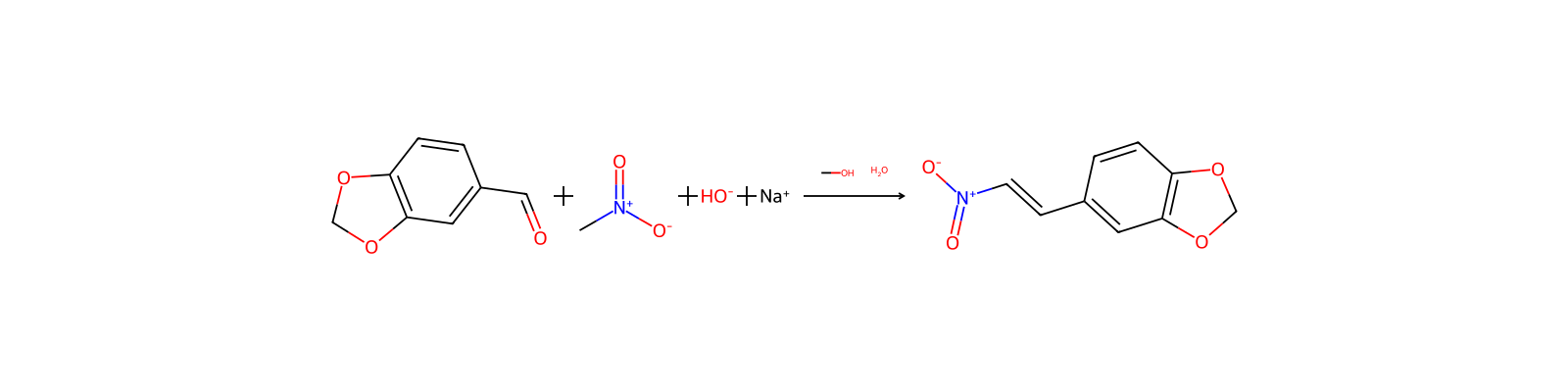
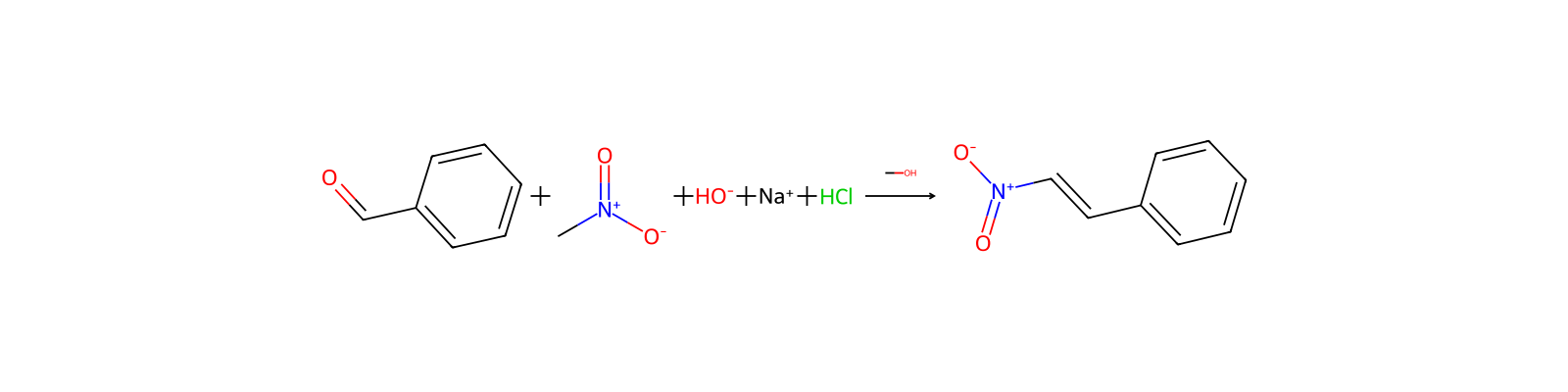
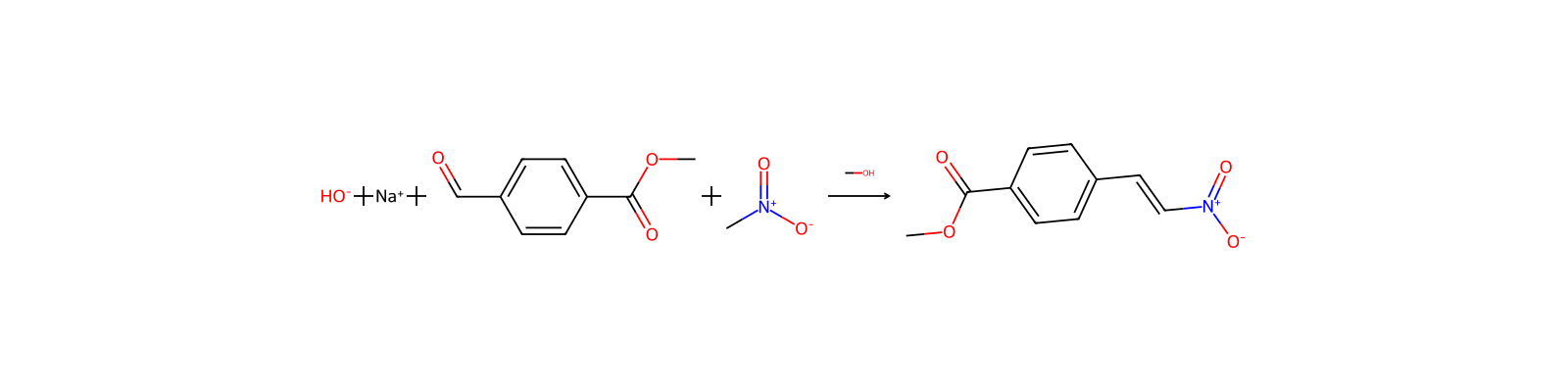
2,619 records



Linked notes
Loading…