HomeMCPWorkbenchSkills
HomeWorkbenchNotificationsMe
llms.txt · MCP GuidePrivacy Policy · Terms of Service · Supportv1.8.0
  1. Home
  2. /Compound

Trichloroacetic Acid
HCID 6421
New noteNew reactionRequest quotes
Print preview
Basic informationOverviewNames & identifiersPropertiesSafety & regulationChemistry & industryRelated reactionsCompound notes
Substructure searchFind similar structures

Basic information

CAS
76-03-9
Standard SMILES
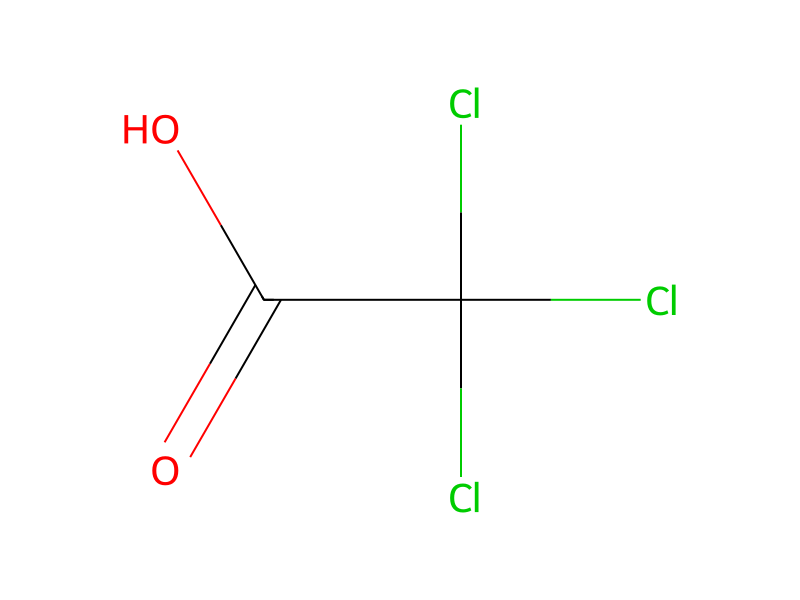
O=C(O)C(Cl)(Cl)Cl
InChIKey
YNJBWRMUSHSURL-UHFFFAOYSA-N
Molecular formula
C2HCl3O2
Average molar mass
163.38 g/mol
Monoisotopic mass
161.90421231

Overview

Trichloroacetic Acid can cause cancer according to California Labor Code.

Names & identifiers

Preferred name
Trichloroacetic Acid
IUPAC
2,2,2-trichloroacetic acid
English name
Trichloroacetic acid
Molecular formula
C2HCl3O2
Molecular weight
163.39

Names & synonyms

TRICHLOROACETIC ACID76-03-9Aceto-caustinAcetic acid, trichloro-Trichloroethanoic acidTrichloracetic acidKonestaTrichloressigsaeureTrichloroacetate2,2,2-trichloroacetic acidAmchem grass killerAcido tricloroacetico
Show more names
TCACCl3COOH500mlnataTkhVNA TA
Acide trichloracetiqueTrichloorazijnzuurTecaneKyselina trichloroctovaTKhUTKhUKTrichloroacetic acid (IUPAC)Trichloromethanecarboxylic acid

Database identifiers

CAS
76-03-9
PubChem CID
6421
DTXSID
DTXSID1021378
ChEMBL
CHEMBL14053
ChEBI
CHEBI:30956
UNII
5V2JDO056X
EC Number
200-927-2
Nikkaji
J2.400G

Properties

Computed structural properties

XLogP
1.3
Topological polar surface area
37.3 Ų
Hydrogen bond donors
1
Hydrogen bond acceptors
2
Rotatable bonds
0
Heavy atoms
7
Formal charge
0
Complexity
83.4

Experimental & physicochemical properties

Chemical Classes · 2 items

Other Classes -> Organic Acids

Carcinogens

DrugsPharmaceuticals -> Metabolite of Chloral hydrate
CosmeticsCosmetics ingredient -> Other (Specify)
pHpH of 0.1 molar aq solution: 1.2
Pesticides · 2 items

Pesticide -> EPA IRIS

Pesticide

LogP · 4 items

log Kow = 1.33

1.33

1.7

1.33

Odor · 2 items

Slight characteristic odor

Sharp, pungent odor

Density · 6 items

1.62 at 77 °F (NTP, 1992) - Denser than water; will sink

1.6126 at 64 °C

Sp Gr: 1.63 at 61/4 °C

1.6 g/cm³

1.62

1.62 @25 °C

Color/Form · 3 items

Colorless to white, crystalline solid.

Safety & regulation

Safety information is for reference only and does not replace the supplier’s Safety Data Sheet (SDS), applicable regulations, or professional assessment.

GHS classification

GHS Classification · 6 items

Danger

H314: Causes severe skin burns and eye damage [Danger Skin corrosion/irritation]

P260, P264, P273, P280, P301+P330+P331, P302+P361+P354, P304+P340, P305+P354+P338, P316, P321, P363, P391, P405, and P501 (click each P-code to see the statement)

Danger

H314 (100%): Causes severe skin burns and eye damage [Danger Skin corrosion/irritation]

P260, P264, P273, P280, P301+P330+P331, P302+P361+P354, P304+P340, P305+P354+P338, P316, P321, P363, P391, P405, and P501 (click each P-code to see the statement)

Hazard information

Regulatory Information · 5 items

Chemical: Acetic acid, trichloro-

Hazard Traits - Carcinogenicity

Status: Active Update: 17-10-2022 https://echa.europa.eu/registration-dossier/-/registered-dossier/10519

Trichloroacetic acid: HSNO Approval: HSR002720 Approved with controls

The New Jersey Worker and Community Right to Know Act requires public and private employers to provide information about hazardous substances at their workplaces. (N.J.S.A. 34:5A-1 et. seq.)

Other Safety InformationIMAP assessments - Acetic acid, trichloro-: Human health tier II assessment
DOT Label · 2 items

Corrosive

Corrosive

Fire Hazards · 5 items

Excerpt from ERG Guide 153 [Substances - Toxic and/or Corrosive (Combustible)]:

Excerpt from ERG Guide 153 [Substances - Toxic and/or Corrosive (Combustible)]:

· Combustible material: may burn but does not ignite readily.

· Combustible material: may burn but does not ignite readily.

Not combustible. Gives off irritating or toxic fumes (or gases) in a fire.

Chemistry & industry

Pharmacology

Mechanism of Action · 3 items

Trichloroethylene may act as a promoter, because it inhibits intercellular communication in vitro. It is converted to trichloroacetic acid (TCA) in mice, but not much in rats. TCA acts as a peroxisome proliferator, and the neoplasm in the liver of mice may arise through this mechanism. These chemicals are conjugated with GSH, yielding products that are converted to the reactive metabolites in the kidneys through the action of beta-lyase. These steps occur to a greater extent in rats than in mice, and account for the pronounced nephrotoxicity, involving alpha-2-microglobin accumulation, probably a key reaction. The nephrotoxicity explains the low but definite yield of kidney neoplasms.

Induction of peroxisome proliferation has been repeatedly associated with the chronic toxicity and carcinogenicity of trichloroacetic acid to the liver ... It can induce peroxisome proliferation in the livers of both mice and rats, as indicated by increased activities of palmitoyl-coenzyme A oxidase and carnitine acetyl transferase, the appearance of peroxisome proliferation associated protein and increased volume density of peroxisomes after exposure to trichloroacetic acid for 14 days. The compound induced peroxisome proliferation in mouse but not in rat kidney, and it induced peroxisome proliferation in primary cultures of hepatocytes from rats and mice but not in those from humans.

A linear dose response relation /was found/ between TCA induced hepatocellular nodules and proliferative lesions in male mice given the compound in their drinking water at 1000 to 2000 ppm for 1 year. Hepatocellular hypertrophy with intracellular glycogen and a marked accumulation of lipofuscin (indicative of massive intracellular lipid peroxidation) developed. These data suggest that TCA induced hepatotoxicity in mice was related to the generation of free radicals during its in vivo biotransformation. Neither necrosis nor hyperplasia were seen in TCA exposed mice.

Biological Half-LifeAfter administration of a single oral dose of 3 mg/kg bw trichloroacetic acid to healthy volunteers, the mean plasma half life of the compound was about 50 hr and the volume of distribution was about 115 mL/kg bw.
Metabolism/Metabolites · 5 items

TCA is a metabolite of chloral hydrate.

A group of 10 men and 10 women employed for the production of polyethylene bags, for which trichloroethylene is used, were examined. The analysis of TCA content in urine shows a 40% reduction after 2 days rest.

Related reactions

184 records
New reaction record
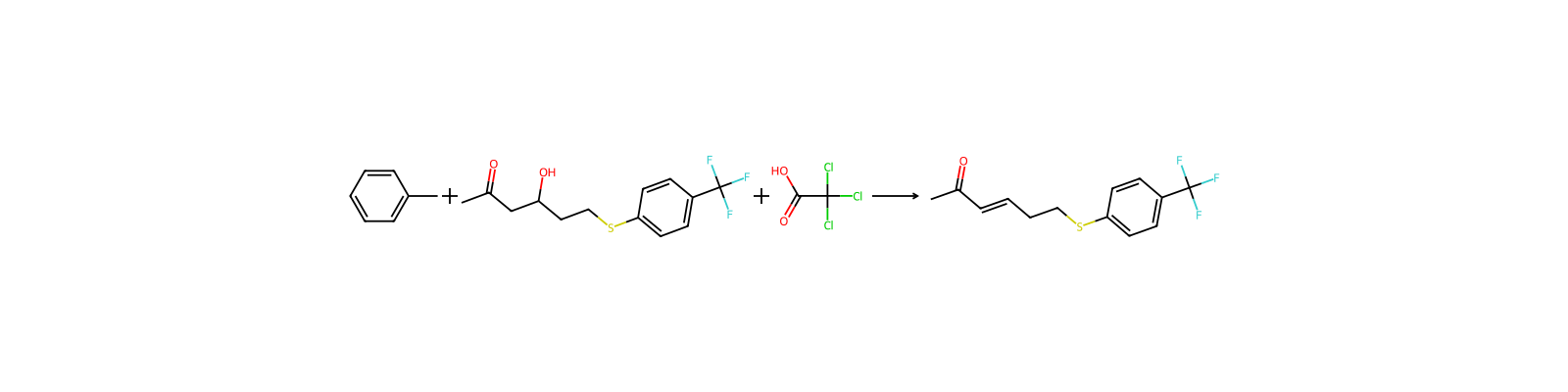
HRID 16615 reaction equation
HRID 16615As reactantuspto-grants-2010_06
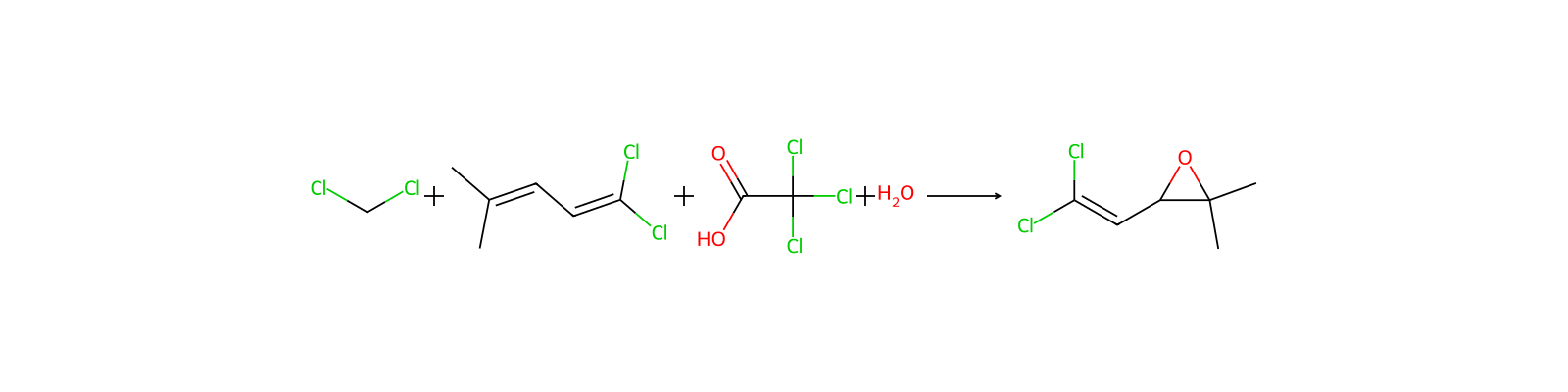
HRID 16639 reaction equation
HRID 16639As reactantuspto-grants-2010_06
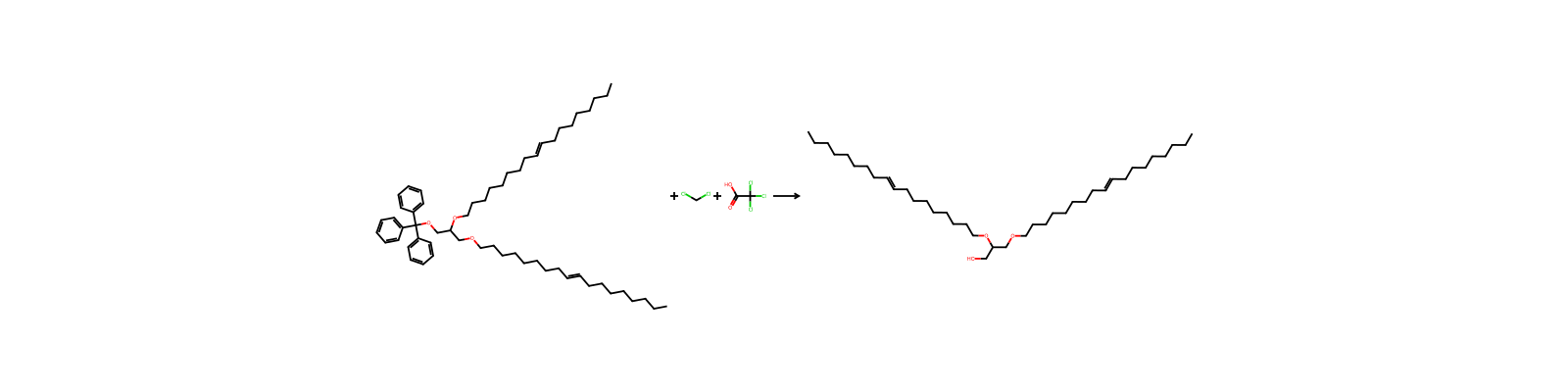
HRID 34259 reaction equation
HRID 34259As reactantuspto-grants-1988_08
HRID 88670 reaction equation
HRID 88670As reactantTraining data from https://doi.org/10.1039/C8SC04228D (2/10)
HRID 90533 reaction equation
HRID 90533As reactantTraining data from https://doi.org/10.1039/C8SC04228D (2/10)
HRID 108159 reaction equation
HRID 108159As reactantTraining data from https://doi.org/10.1039/C8SC04228D (2/10)
HRID 109594 reaction equation
HRID 109594As reactantTraining data from https://doi.org/10.1039/C8SC04228D (2/10)
HRID 110443 reaction equation
HRID 110443As reactantTraining data from https://doi.org/10.1039/C8SC04228D (2/10)
Page 1 of 23

Compound notes

Loading…

On this pageBasic informationOverviewNames & identifiersPropertiesSafety & regulationChemistry & industryRelated reactionsCompound notes
More actions
New noteNew reactionRequest quotes

White deliquescent crystals

Hygroscopic, rhombohedral crystals

Solubility · 6 items

greater than or equal to 100 mg/mL at 72 °F (NTP, 1992)

The acid has a solubility in water at 25 °C of 1,000 g/100 ml; it is soluble in ethanol and diethyl ether.

Sol in 0.1 part water; very sol in alcohol, ether

Sol in ethanol, ethyl ether; slightly sol in carbon tetrachloride

In methanol = 2143 g/100g at 25 °C; in ethyl ether = 617 g/100g at 25 °C; in acetone = 850 g/100g at 25 °C; in benzene = 201 g/100g at 25 °C; in o-xylene = 110 g/100g at 25 °C.

In water, 5.4X10+4 mg/L at 25 °C

Corrosivity · 2 items

Corrosive to iron, zinc, and aluminum.

Extremely corrosive to skin on prolonged contact

Flash Pointgreater than 230 °F (NTP, 1992)

Physicochemical properties

Melting point
54 · 54-58 °C (lit.)
Boiling point
196 °C · 196 °C (lit.)
Density
1.62 g/mL · 1.62 g/mL at 25 °C (lit.)
bulk density
900 kg/m3 · 900kg/m3
vapor density
1 · <1 (vs air)
vapor pressure
1 mm · 1 mm Hg ( 51 °C)
refractive index
20 · n20/D 1.62(lit.)
Flash point
196 °C · 196°C
storage temp.
15 °C · Store at +15°C to +25°C.
solubility
2 O: · H2O: 0.5 M at 20 °C, clear, colorless
pka
0.7 · 0.7(at 25℃)
form
Solid
color
White
Odor
sharp, pungent odor
PH
1 · <1.0 (25℃, 0.5M in H2O)
Water Solubility
120 g/100 · 120 g/100 mL (20 ºC)
Sensitive
Hygroscopic
λmax
210 nm · 210nm(EtOH)(lit.)
Merck
14 · 14,9627
BRN
970119 · 970119
Henry's Law Constant
7.3 · 7.3×102 mol/(m3Pa) at 25℃, Burkholder et al. (2019)
Exposure limits
0.5 ppm · ACGIH TLV-TWA:0.5 ppm (3.34 mg/m3)NIOSH REL-TWA:1 ppm(7 mg/m3)
Dielectric constant
4.9 · 4.9(20℃)
Stability
30 % · Stable, but moisture sensitive. Incompatible with water, strong bases. Note that the Merck Index states that this material is hydrolytically unstable in aqueous solution below 30% by weight. Decomposition products include carbon monoxide and carbon dioxide. The generation of these gases in a sealed container may lead to a pressure rise sufficien
InChI
1S/C2HCl3O2/c3-2(4,5)1(6)7/h(H,6,7)
InChIKey
YNJBWRMUSHSURL-UHFFFAOYSA-N
SMILES
OC(=O)C(Cl)(Cl)Cl
LogP
1.33 · 1.330
CAS DataBase Reference
76 · 76-03-9(CAS DataBase Reference)
EWG's Food Scores
3 · 3-6
FDA UNII
5 V2JDO056X · 5V2JDO056X
Proposition 65 List
Trichloroacetic Acid
IARC
2 B · 2B (Vol. 63, 84, 106) 2014
NIST Chemistry Reference
Acetic acid, trichloro-(76-03-9)
EPA Substance Registry System
Trichloroacetic acid (76-03-9)
UNSPSC Code
41105319 · 41105319
NACRES
22 · NB.22
Symbol(GHS)
5 · GHS05,GHS07,GHS08,GHS09
Signal word
Danger
Hazard statements
303 · H303-H314-H361-H341-H335-H410-H290
Precautionary statements
501 · P501-P273-P260-P202-P234-P201-P271-P264-P280-P390-P312-P391-P303+P361+P353-P301+P330+P331-P363-P304+P340+P310-P305+P351+P338+P310-P403+P233-P406-P405
PPE
3 · Eyeshields, Faceshields, Gloves, type P3 (EN 143) respirator cartridges
Hazard Codes
Xn,N,C,F,Xi
Risk Statements
36 · 36/37/38-40-51/53-50/53-35-38-11-34-67-52/53
Safety Statements
26 · 26-36/37-61-60-45-36/37/39-24/25-16
RIDADR
1839 · UN 1839 8/PG II (TRICHLOROACETIC ACID)
OEB
B
OEL
1 ppm · TWA: 1 ppm (7 mg/m3)
WGK Germany
2 · 2
RTECS
7875000 · AJ7875000
F
10 · 10-21
Autoignition Temperature
711 °C · 711 °C
Hazard Note
Corrosive/Hygroscopic
TSCA
TSCA listed
HazardClass
8 · 8
PackingGroup
II
HS Code
29154000 · 29154000
Storage Class
8 B · 8B - Non-combustible corrosive hazardous materials
Hazard Classifications
1 Aquatic · Aquatic Acute 1Aquatic Chronic 1Eye Dam. 1Skin Corr. 1A
Hazardous Substances Data
76 · 76-03-9(Hazardous Substances Data)
Toxicity
50 orally · LD50 orally in rats: 5000 mg/kg (Bailey, White)
REACH Registrations
Active
Limited Quantities
1 Kg · 1 Kg (2.2 lbs) (solid)
Excepted Quantities
Max Inner Pack (30g or 30ml) and Max Outer Pack (500g or 500ml)
Fire Potential
NONCONBUSTIBLE
Health Hazards · 4 items

Excerpt from ERG Guide 153 [Substances - Toxic and/or Corrosive (Combustible)]:

Excerpt from ERG Guide 153 [Substances - Toxic and/or Corrosive (Combustible)]:

· TOXIC and/or CORROSIVE; inhalation, ingestion or skin contact with material may cause severe injury or death.

· TOXIC and/or CORROSIVE; inhalation, ingestion or skin contact with material may cause severe injury or death.

Hazards Summary · 1 item

May cause skin burns; [NIOSH] Highly corrosive to skin; [Quick CPC] A skin, eye, and respiratory tract irritant; A corrosive substance that can cause pulmonary edema; [ICSC] TLV is based on the potential to cause eye and respiratory tract irritation; Evidence of kidney and liver injury in high-dose animal studies; Mice with lifetime exposures to TCA in drinking water develop hepatic carcinomas (NOEL = 6 to 8 mg/kg); Not carcinogenic in rats; Oral LD50 (rats) = 3.32 g/kg; [ACGIH]

DOT ID and Guide · 4 items

1839 153

2564 153

1839 153(solid)

2564 153(solution)

Reactive Group · 2 items

Acids, Carboxylic

Acids, Carboxylic

EC ClassificationSymbol: C, N; R: 35-50/53; S: (1/2)-26-36/37/39-45-60-61
UN ClassificationUN Hazard Class: 8; UN Pack Group: II
Special ReportsEuropean Chemicals Bureau; IUCLID Dataset, Trichloroacetic Acid (76-03-9) p. 89 (2000 CD-ROM edition). Contains a review of information available on health and environmental effects and use patterns in the European Union as of 2000.

Safety & protection

Fire Fighting · 3 items

Excerpt from ERG Guide 153 [Substances - Toxic and/or Corrosive (Combustible)]:

Excerpt from ERG Guide 153 [Substances - Toxic and/or Corrosive (Combustible)]:

In case of fire in the surroundings, use appropriate extinguishing media.

First Aid Measures · 4 items

Fresh air, rest. Half-upright position. Artificial respiration may be needed. Refer for medical attention.

Remove contaminated clothes. Rinse skin with plenty of water or shower. Refer for medical attention .

First rinse with plenty of water for several minutes (remove contact lenses if easily possible), then refer for medical attention.

Rinse mouth. Do NOT induce vomiting. Give one or two glasses of water to drink. Rest. Refer for medical attention .

Accidental Release Measures · 4 items

· CALL 911. Then call emergency response telephone number on shipping paper. If shipping paper not available or no answer, refer to appropriate telephone number listed on the inside back cover.

· ELIMINATE all ignition sources (no smoking, flares, sparks or flames) from immediate area.

· CALL 911. Then call emergency response telephone number on shipping paper. If shipping paper not available or no answer, refer to appropriate telephone number listed on the inside back cover.

· ELIMINATE all ignition sources (no smoking, flares, sparks or flames) from immediate area.

First Aid · 5 items

EYES: First check the victim for contact lenses and remove if present. Flush victim's eyes with water or normal saline solution for 20 to 30 minutes while simultaneously calling a hospital or poison control center. Do not put any ointments, oils, or medication in the victim's eyes without specific instructions from a physician. IMMEDIATELY transport the victim after flushing eyes to a hospital even if no symptoms (such as redness or irritation) develop.

Excerpt from ERG Guide 153 [Substances - Toxic and/or Corrosive (Combustible)]:

General First Aid:

General First Aid:

(General first aid procedures)

Safe StorageSeparated from food and feedstuffs. See Chemical Dangers. Cool. Dry. Well closed. Keep in a well-ventilated room.
Exposure Control and Personal Protection · 3 items

· Wear positive pressure self-contained breathing apparatus (SCBA).

· Wear positive pressure self-contained breathing apparatus (SCBA).

0.2 [ppm]

Fire Fighting Procedures · 2 items

If material on fire or involved in fire: Extinguish fire using agent suitable for type of surrounding fire. (Material itself does not burn or burns with difficulty.) Cool all affected containers with flooding quantities of water. Apply water from as far a distance as possible. Use water spray to knock-down vapors. /Trichloroacetic acid solution/

If material on fire or involved in fire: Extinguish fire using agent suitable for type of surrounding fire. (Material itself does not burn or burns with difficulty.) Use water in flooding quantities as fog. Cool all affected containers with flooding quantities of water. Apply water from as far a distance as possible. /Trichloroacetic acid, solid/

Storage Conditions · 1 item

IN GENERAL, MATERIALS WHICH ARE TOXIC AS STORED OR WHICH CAN DECOMP INTO TOXIC COMPONENTS ... SHOULD BE STORED IN A COOL, WELL-VENTILATED PLACE, OUT OF ... SUN, AWAY FROM AREAS OF HIGH FIRE HAZARD, AND SHOULD BE PERIODICALLY INSPECTED & MONITORED. INCOMPATIBLE MATERIALS SHOULD BE ISOLATED FROM EACH OTHER.

Cleanup Methods · 1 item

Evacuate persons not wearing protective equipment from area of spill or leak until clean-up is complete. Remove all ignition sources. Wearing protective equipment and clothing, spread soda ash on spill and mop up with water. Shovel slurry into appropriate container. Ventilate area after clean-up is complete. It may be necessary to contain and dispose of this chemical as a hazardous waste. If material or contaminated runoff enters waterways, notify downstream users of potentially contaminated waters. Contact your Department of Environmental Protection or your regional office of the federal EPA for specific recommendations. If employees are required to clean-up spills, they must be properly trained and equipped. OSHA 1910.120(q) may be applicable.

Nonfire Spill Response · 2 items

Excerpt from ERG Guide 153 [Substances - Toxic and/or Corrosive (Combustible)]:

Excerpt from ERG Guide 153 [Substances - Toxic and/or Corrosive (Combustible)]:

Disposal Methods · 3 items

SRP: The most favorable course of action is to use an alternative chemical product with less inherent propensity for occupational exposure or environmental contamination. Recycle any unused portion of the material for its approved use or return it to the manufacturer or supplier. Ultimate disposal of the chemical must consider: the material's impact on air quality; potential migration in soil or water; effects on animal, aquatic, and plant life; and conformance with environmental and public health regulations.

The following wastewater treatment technologies have been investigated for trichloroacetic acid: Concentration process: Reverse osmosis.

Pour on sufficient sodium bicarbonate. After mixing, transfer into a drum and fill with water for drainage after 24 hours.

Spillage Disposal · 1 item

Personal protection: complete protective clothing including self-contained breathing apparatus. Sweep spilled substance into covered water-filled containers. If appropriate, moisten first to prevent dusting. Cautiously neutralize remainder with alkaline materials. Then wash away with plenty of water.

Toxicology

Body Burden · 2 items

Trichloroacetic acid has been discovered as a metabolite in the urine of workers exposed to trichloroethylene vapor. Chloral hydrate is immediately oxidized to trichloroacetic acid in humans

To evaluate exposure to trichloroethene (TCE) and tetrachloroethene (TeCE), urine samples from inhabitants of two villages in Finland were collected. Twenty-four hour urine samples were collected from 95 inhabitants of the village of Oitti and 21 inhabitants of the village of Hattula. GCMS detection of trichloracetic acid, a metabolite of TCE and TeCE, showed a range in Oitti of 19 to 1500 ng/kg/day and in Hattula a range of <5 to 340 ng/kg/day(1). Plasmatic trichloroacetic acid was used as a tracer for monitoring exposure to trichloroethylene (TRI) and tetrachloroethylene (PER) in Milan, Italy during the periods June-July 1978, November-December 1979, and June-July 1979. Twenty-four persons body fluids was analyzed using GC Ni-63 electron capture detection. Concns of trichloroacetic acid were higher for those exposed to >50 ug/L TRI/PER than for those exposed to <1 ug/L TRI/PER. Plasmatic levels of TCA were higher in winter than in summer(2). Trichloroacetic acid was detected in 76% of 403 adult urine samples tested as part of a chlorinated drinking water survey, at a concentration ranging from <0.5 to >25 ug/L, with frequency of detection higher in urban than rural areas of the US(3). Following 30 minute swims/walks in swimming pools with trichloroacetic acid concentrations ranging from 57 to 871 ug/L, urinary levels ranged from 33 to 653 ug(4).

Cancer SitesHepatic
Interactions · 3 items

B6C3F1 mice were administered 0, 400, 800 and 1600 mg/L chloroform in drinking water and 500 mg/kg dichloroacetic acid (DCA) or trichloroacetic acid (TCA) -administered daily by gavage. DCA, TCA and to a lesser extent chloroform decreased the methylation and increased the mRNA expression of the c-myc gene. Co-administering chloroform prevented only DCA and not TCA-induced hypomethylation and increased mRNA expression of the gene. The effect of chloroform on tumor promotion by DCA and TCA was determined in female and male B6C3F1 mice initiated on day 15 of age with N-methyl-N-nitrosourea. Starting at 5 weeks of age, the mice received in their drinking water DCA (3.2 g/L) or TCA (4.0 g/L) with 0, 800 or 1600 mg/L chloroform until they were killed at 36 weeks. Liver tumors promoted by DCA and TCA were predominantly basophilic ... Chloroform prevented DCA, but not TCA promotion of liver foci and tumors. In male mice, TCA promoted kidney tumors...

... The ability of trichloroacetate (TCA) or dichloroacetate (DCA) pretreatment to alter the metabolism of bromodichloroacetate (BDCA) and the disposition of its metabolites was examined in male B6C3F1 mice. Two-week pretreatment with 1 g/L DCA and TCA in the drinking water of mice alters the initial hepatic metabolism of BDCA and the further metabolism of its metabolite DCA. DCA pretreatment inhibits cytosolic metabolism of both 1 mM DCA or BDCA up to 70%. In contrast, DCA pretreatment stimulates hepatic microsomal BDCA metabolism 1.3-fold but has little effect on microsomal metabolism of DCA. Increased microsomal metabolism of BDCA appears to be attributable to the induction of a metabolic pathway that produces CO2 and bromodichloromethane (BDCM) as metabolites. TCA pretreatment inhibits BDCA metabolism up to 70% in the cytosol and 30% in microsomes but has little effect on DCA metabolism. These results indicate that the hepatic metabolism of the haloacetate becomes quite complex at the high doses that have been employed in cancer bioassays. BDCA serves as a good example, because it is metabolized to at least two carcinogenic metabolites that have different modes of action, BDCM and DCA. As doses approach those that induce cancer in mice, the proportion of and amounts of these metabolites as a fraction of the dose administered will change substantially. This article demonstrates that those interactions will occur from mixed treatment with haloacetates as well.

Admin of chloral hydrate, the hypnotic part of dichloralphenazone, decr steady-state plasma warfarin concn due to accum of TCA which displaced warfarin from plasma protein binding sites.

Target Organs · 2 items

Hepatic

Eyes, skin, respiratory system, gastrointestinal tract

Ecotoxicity Values · 5 items

EC50 Daphnia magna /(Water flea)/ 2000 mg/L/48 hr; static; Effect: immobilization

LC50 Daphnia magna /(Water flea)/ 2000 mg/L for 48 hr /Conditions of bioassay not specified/

LC50; Species: Pimephales promelas (Fathead minnow, age <1 yr); Conditions: freshwater; static, 20 °C, pH 8.2, hardness 192 mg/L CaCO3, alkalinity 138 mg/L CaCO3; Concentration: 2000 mg/L for 96 hr /48.2% EC/

LC50 Cyprinus carpio (carp) 2500 mg/L for 96 hr; static

For more Ecotoxicity Values (Complete) data for TRICHLOROACETIC ACID (11 total), please visit the HSDB record page.

Environmental Fate · 4 items

PERSISTENCE IN THE SOIL IS VARIABLE, 21 DAYS TO ABOUT 90 DAYS, DEPENDENT ON SOIL, MOISTURE, TEMP, AND RATE APPLIED.

TERRESTRIAL FATE: Based on a classification scheme(1), an estimated Koc value of 130(SRC), determined from a log Kow of 1.33(2) and a regression-derived equation(3), indicates that trichloroacetic acid is expected to have high mobility in soil(SRC). The pKa of trichloroacetic acid is 0.51(4), indicating that this compound will primarily exist in the anion form in the environment and anions generally do not adsorb more strongly to soils containing organic carbon and clay than their neutral counterparts(5). Volatilization of trichloroacetic acid from moist soil surfaces is not expected to be an important fate process(SRC) given a Henry's Law constant of 1.35X10⁻⁸ atm-cu m/mole(6). Trichloroacetic acid is not expected to volatilize from dry soil surfaces(SRC) based upon a vapor pressure of 6.0X10⁻² mm Hg(7). A half-life of trichloroacetic acid in soil reported as 119.6 days in a laboratory experiment(8) indicates that biodegradation is not an important environmental fate process in soil(SRC).

AQUATIC FATE: Based on a classification scheme(1), an estimated Koc value of 130(SRC), determined from a log Kow of 1.33(2) and a regression-derived equation(3), indicates that trichloroacetic acid is not expected to adsorb to suspended solids and sediment(SRC). Volatilization from water surfaces is not expected(3) based upon a Henry's Law constant of 1.35X10⁻⁸ atm-cu m/mole(4). A pKa of 0.51(5) indicates trichloroacetic acid will exist almost entirely in the anion form at pH values of 5 to 9 and therefore volatilization from water surfaces is not expected to be an important fate process(6). According to a classification scheme(7), a BCF range of 0.4 to 1.7(8), suggests the potential for bioconcentration in aquatic organisms is low(SRC). A 7% theoretical BOD after 4 weeks incubation with activated sludge and the Japanese MITI test(8) indicates that biodegradation is not a fast environmental fate process in water(SRC).

ATMOSPHERIC FATE: According to a model of gas/particle partitioning of semivolatile organic compounds in the atmosphere(1), trichloroacetic acid, which has a vapor pressure of 6.0X10⁻² mm Hg at 25 °C(2), is expected to exist solely as a vapor in the ambient atmosphere. Vapor-phase trichloroacetic acid is degraded in the atmosphere by reaction with photochemically-produced hydroxyl radicals(SRC); the half-life for this reaction in air is estimated to be 31 days(SRC), calculated from its rate constant of 5.2X10⁻¹³ cu cm/molecule-sec at 25 °C(SRC) that was derived using a structure estimation method(3). Trichloroacetic acid does not contain chromophores that absorb at wavelengths >290 nm and therefore is not expected to be susceptible to direct photolysis by sunlight(4).

Food Survey Values · 1 item

The volatile flavor components were isolated from 540 pounds of Idaho Russet Burbank baked potatoes(1). A total of 228 compounds was identified using GC, IR and MS techniques to identify the spectra. Trichloracetic acid was identified on both the mass spectrometer and infrared spectrometer at a relative concn of 0.03 to ethylacetate (1.0); relative concn calculated from the areas of the gas chromatographic peaks(1).

Adverse EffectsDermatotoxin - Skin burns.
Exposure Routes · 2 items

The substance can be absorbed into the body by inhalation of its vapour and by ingestion.

inhalation, ingestion, skin and/or eye contact

Toxicity Summary · 1 item

CONCLUSIONS AND RECOMMENDATIONS. Environment: A potential risk to the aquatic compartment is identified due to high toxicity to algae and local exposure from use as auxiliary in textile dyes, waste water from electroplating facilities, textile washing and pulp mills. A potential risk to the terrestrial environment is identified due to high toxicity to plants and global exposure from the decomposition of C2-chlorocarbons. Human health: The chemical is reprotoxic, corrosive and an eye irritant but adequate protection measures are currently being applied. Trichloroacetic acid is currently considered of low potential risk and low priority for further work. SHORT SUMMARY WHICH ...TCA is mostly used in the production of TCA Na-salt used as a herbicide. TCA is also used as an auxiliary in textile dying processes. ... The most sensitive environmental species to TCA is the alga Chlorella pyrenoidosa (14d-NOEC = 0.01 mg/L) and pine (60d-EC10 = 0.12 mg/kg).The acute oral, dermal and inhalation toxicity is low. This chemical is corrosive and strongly irritant to the eyes. The NOEL in a 90-day study in dogs - the most sensitive species tested - was determined as 500 ppm (approx. 30 mg/kg bw/day). The NOEL for repeated dose toxicity in a 4-month feeding study with rats was 4000 ppm (365 mg/kg bw/day), the NOEL in a 2-year feeding study in rats was 1600 ppm (80 mg/kg bw/day). An inconsistent picture was found in tests on genotoxic action. Point-mutation tests were predominantly negative. In-vivo tests of chromosome mutations were mostly positive, but effects only appeared after high loading of the animals. The SCE test in mice was negative. The results of a micronucleus test in mice are apparently not reproducible. The end point of the sperm anomaly test is not necessarily due to genetic damage. The validity of the positive test results described for the clastogenic effects in mice suffers from the partly insufficient experimental procedure. Drinking water studies in male and female mice to 52 or 61 weeks gave an increased incidence of tumors in the livers of the male mice only. A 2-year feeding study with rats and a drinking water study over 100 - 104 weeks in rats showed no evidence of carcinogenicity. Reproduction toxicology investigations in rats showed maternal and embryonic toxicity from 330 mg/kg body weight and from 800 mg/kg also embryo-lethality. In all dose-groups there was a dose dependent increase in visceral anomalies, particularly in the cardiovascular system. The mean frequency of soft tissue malformations ranged from 9% at the low dose (330 mg/kg) to 97% at the high dose (1800 mg/kg/day). A NOAEL could not be established. Based on these findings TCA was considered to be developmentally toxic in the pregnant rat at doses of 330 mg/kg and above. ... Considering the low exposure potential to humans, available toxicity data support a low risk to human health. The tumorigenic action in male mouse liver corresponds to the type, which leads to liver tumors preferentially in male mice via peroxisome proliferation, hepatotoxicity and liver cell proliferation.

Ecotoxicity Excerpts · 5 items

/OTHER TERRESTRIAL SPECIES/ In a ring test involving 21 laboratories, the acute toxicity of TCA to the earthworm Eisenia fetida according to EEC-Guideline was tested. The mean result was: 14d-LC50 >1140 mg/kg dw. In the same manner a contact filter paper test was performed by 33 laboratories. The mean result was: 48h-LC50 0.0964 mg/cm2.

/OTHER TERRESTRIAL SPECIES/ TCA at 20 kg/ha had no effect on the growth of Allolobophora caliginosa /earthworm/ grown in clay, farmyard manure, and peat; but reduced the mean wt at 40 kg/ha. TCA at 40 kg/ha tended to slow A rosea growth in clay. All levels of TCA were lethal to this species in sand.

/AQUATIC SPECIES/ ...The results from a long-term test are available: Cyprinus carpio 63 day LOEC /was/ 7 mg/L. The weight loss was about 10% compared to the controls. No other behavioral or clinical changes were observed. Histopathological changes were muscular atrophy and hyaline degeneration as well as cell necrosis in the gills.

/AQUATIC SPECIES/ A statistically significant increase of the respiration rate (+27%) was determined /in Somatochlora cingulata (aquatic arthropod)/ at 0.01 mg/L /for 8 hours in a flow-through system/. Respiration rate was related to wet weight of the organisms. .../Also/ a statistically significant increase of the ammonia excretion rate (+15%) was determined at 0.01 mg/L /for 24 hr/; excretion rate was related to wet weight of the organisms. ...Temperature: 21 + or -1 °C. /98% purity/

/AQUATIC SPECIES/ A statistically significant increase of the respiration rate was determined /in Aeschna umbrosa (dragonfly nymphs)/ at 0.1 mg/L /for 8 hours in a flow-through system with 99% water replacement in <4 hr/. Respiration rate was related to wet weight of the organisms. ... Temperature: 21 + or -1 °C.

Plant Concentrations · 3 items

Trichloracetic acid concns in Scots pine (Pinus sylvestris) needles were determined at distances of 5-120 km from the atmospheric emissions of kraft pulp mills in Northwestern Finland during the period of 1992-1994. The method of analysis was negative chemical ion GCMS. Results showed that concns of trichloroacetic acid ranged from 6 to 276 ug/kg in the pine needles, the highest concns found at the sites closest to the pulp mills(1). Trichloroacetic acid concentration in leaves and needles ranges from <1 to 44 ug/kg and 0.6 to 178 ug/kg, respectively(2).

Trichloroacetic acid concns in 2-yr-old pine needles at low pollution locations, 1996-1999(1). [Table#3569]

Trichloroacetic acid concns in 2-yr-old pine needles at high pollution locations, 1996-1999(1). [Table#3570]

Regulatory information

RCRA RequirementsD002; A solid waste containing chloroacetic acid may become characterized as a hazardous waste when subjected to testing for toxicity as stipulated in 40 CFR 261.22, and if so characterized, must be managed as a hazardous waste.
FIFRA Requirements · 1 item

As the federal pesticide law FIFRA directs, EPA is conducting a comprehensive review of older pesticides to consider their health and environmental effects and make decisions about their future use. Under this pesticide reregistration program, EPA examines health and safety data for pesticide active ingredients initially registered before November 1, 1984, and determines whether they are eligible for reregistration. In addition, all pesticides must meet the new safety standard of the Food Quality Protection Act of 1996. Pesticides for which EPA had not issued Registration Standards prior to the effective date of FIFRA, as amended in 1988, were divided into three lists based upon their potential for human exposure and other factors, with List B containing pesticides of greater concern and List D pesticides of less concern. Trichloroacetic acid is found on List D. Case No: 4089; Pesticide type: Herbicide; Case Status: No products containing the pesticide are actively registered ... The case /is characterized/ as "cancelled." Under FIFRA, pesticide producers may voluntarily cancel their registered products. EPA also may cancel pesticide registrations if registrants fail to pay required fees or make/meet certain reregistration commitments, or if EPA reaches findings of unreasonable adverse effects.; Active ingredient (AI): Trichloroacetic acid; AI Status: The active ingredient is no longer contained in any registered pesticide products ... "cancelled."

Federal Drinking Water StandardsEPA 60 ug/l /Haloacetic acids/
Federal Drinking Water GuidelinesEPA 300 ug/l

Safety data

F
10-21
OEB
B
OEL
TWA: 1 ppm (7 mg/m3)
PPE
Eyeshields, Faceshields, Gloves, type P3 (EN 143) respirator cartridges
wgk
2
tsca
TSCA listed
rtecs
AJ7875000
ridadr
UN 2564 8/PG II/III (TRICHLOROACETIC ACID SOLUTION)
hs_code
29154000
Toxicity
LD50 orally in rats: 5000 mg/kg (Bailey, White)
risk_code
36/37/38-40-51/53-50/53-35-38-11-34-67-52/53
Signal word
Danger
Symbol(GHS)
GHS05,GHS07,GHS08,GHS09
hazard_code
Xn,N,C,F,Xi
hazard_note
Corrosive/Hygroscopic
safety_code
26-36/37-61-60-45-36/37/39-24/25-16
hazard_class
8
Storage Class
8B - Non-combustible corrosive hazardous materials
packing_group
II
Hazard statements
H303-H314-H361-H341-H335-H410-H290
Limited Quantities
1 Kg (2.2 lbs) (solid)
Excepted Quantities
Max Inner Pack (30g or 30ml) and Max Outer Pack (500g or 500ml)
REACH Registrations
Active
Hazard Classifications
Aquatic Acute 1Aquatic Chronic 1Eye Dam. 1Skin Corr. 1A
Autoignition Temperature
711 °C
Precautionary statements
P501-P273-P260-P202-P234-P201-P271-P264-P280-P390-P312-P391-P303+P361+P353-P301+P330+P331-P363-P304+P340+P310-P305+P351+P338+P310-P403+P233-P406-P405
Hazardous Substances Data
76-03-9(Hazardous Substances Data)

Interaction of tetrachloroethylene with hepatic microsomal cytochromes p450 was investigated using male Long-Evans rats. Free trichloroacetic acid was the major metabolite of tetrachloroethylene from the hepatic microsomal cytochrome p450 system.

After exposure of workers to trichloroethylene, urinary concentration of trichloroacetic acid was related to trichloroethylene vapor concentration up to 50 ppm, but not at higher concentrations.

For more Metabolism/Metabolites (Complete) data for TRICHLOROACETIC ACID (11 total), please visit the HSDB record page.

MeSH Pharmacological Classification · 1 item

Strong alkaline chemicals that destroy soft body tissues resulting in a deep, penetrating type of burn, in contrast to corrosives, that result in a more superficial type of damage via chemical means or inflammation. Caustics are usually hydroxides of light metals. SODIUM HYDROXIDE and potassium hydroxide are the most widely used caustic agents in industry. Medically, they have been used externally to remove diseased or dead tissues and destroy warts and small tumors. The accidental ingestion of products (household and industrial) containing caustic ingredients results in thousands of injuries per year.

Absorption, Distribution and Excretion · 5 items

After trichloroethylene poisoning, TCA is excreted in urine in high quantities that quickly decr but are detectable for some time. Excretion pattern of TCA in perchloroethylene poisoning is quite variable.

TCA is ... not readily absorbed through the skin.

After trichloroethylene absorption trichloroacetic acid occurs as an intermed that is excreted in the urine as glucuronic acid. /From table/

Administration of a single oral dose of 5, 20, or 100 mg/kg (14)C-TCA to male F344 rats or male B6C3F1 mice was followed by elimination of >50% of the dose as the parent compound in urine. Initial circulating concentrations of the parent TCA were 40% higher in rats (reflected in significantly larger plasma AUC values) than in mice; twice the percentage of TCA was exhaled as (14)CO2 compared to that in mice. After the first 3 hours, elimination kinetics for the two species were essentially identical (plasma t1/2= 5.8 hours).

... Absorption and distribution studies were conducted with radiolabelled trichloro(2-(14)C)acetic acid, which was administered by gavage (500 mg/kg) as aqueous free acid, neutral aqueous solution (sodium salt) or free acid in corn oil. The absorption and distribution of trichloroacetic acid was similar in all cases: the chemical was absorbed rapidly after dosing, maximum plasma liver concn of free radiolabel being achieved in <1 hr. ...

Uses & manufacturing

Uses · 6 items

Used as a medication (peeling agent to remove wrinkles) and in organic synthesis; Generated in chlorinated water that contains organic matter; The sodium salt of TCA is used as a pre- and post-emergent herbicide; [ACGIH]

For trichloroacetic acid (USEPA/OPP Pesticide Code: 081002) there are 0 labels match. /SRP: Not registered for current use in the U.S., but approved pesticide uses may change periodically and so federal, state and local authorities must be consulted for currently approved uses./

The active ingredient is no longer contained in any registered pesticide products ... "cancelled."

MEDICATION

Caustics

For more Uses (Complete) data for TRICHLOROACETIC ACID (13 total), please visit the HSDB record page.

U.S. Exports(1984) 8.60X10+9 G /HALOGENATED HYDROCARBONS, NSPF/
U.S. Imports(1984) 3.67X10+9 G/CHLOROACETIC ACID/
U.S. Production · 3 items

(1975) GREATER THAN 3.60X10+6 G

(1976) GREATER THAN 2.27X10+6 G

Production volumes for non-confidential chemicals reported under the Inventory Update Rule. [Table#3571]

Consumption PatternsBetween the late 1940's until 1990 about 30,000 tons of trichloroacetic acid were applied /as herbicide/ in Germany
Methods of Manufacturing · 3 items

Prepared by oxidation of chloral hydrate with nitric acid.

Trichloroacetic acid is manufactured in the United States via exhaustive chlorination of acetic acid ... hydrolytic oxidation of tetrachloroethene, and hydrogen peroxide oxidation of chloral.

Trichloroacetic acid is produced on an industrial scale by chlorination of acetic acid or chloroacetic acid mother-liquors at 140 - 160 °C. If necessary, calcium hypochlorite is added as a chlorination accelerator. There are conflicting views concerning adding heavy metal salts as chlorination catalysts. Examples of catalysts that have been used are iron and copper compounds, which are precipitated with sulfuric acid or phosphoric acid if decomposition of the reaction mixture occurs; 2% phosphoric acid; and catalysts and UV light. Trichloroacetic acid has also been produced without catalysts. The crude product, containing about 95% trichloroacetic acid, is best isolated by crystallizing the melt, removing the mother-liquor with most of its impurities, and increasing the purity by centrifugation or recrystallization.

Formulations/Preparations · 3 items

Grades: Technical; Chemically Pure: a grade designation signifying a minimum of impurities, but not 100% purity; USP

95% PURITY

Treating chloral hydrate with fuming nitric acid; from glacial acetic acid by the action of chlorine in presence of sunlight, UV radiation, or catalysts.

Household ProductsCosmetics product ingredient: Trichloroacetic acid
General Manufacturing Information · 6 items

Acetic acid, 2,2,2-trichloro-: ACTIVE

The marketing of cosmetic products containing trichloroacetic acid is prohibited in the EU by EEC Directive 76/768/EEC.

In Germany and in Switzerland, the sale and import of NaTCA as a herbicide is prohibited since 1989.

TCA is formed as a by-product: from chlorination of drinking water and swimming pools; in chemical cleaning units using tetrachloroethylene; in electroplating facilities treating cyanide containing waste water with NaOCl; in textile washing facilities using NaOCl as bleaching or disinfection agent; during bleaching of paper in paper mills; during the atmospheric oxidation of C2-chlorocarbons.

TCA SODIUM SALT TENDS TO DECARBOXYLATE TO GIVE CHLOROFORM UNDER STRONGLY ALKALINE CONDITIONS AND IS KNOWN TO UNDERGO SLOW DECOMPOSITION IN DILUTE SOLUTIONS

For more General Manufacturing Information (Complete) data for TRICHLOROACETIC ACID (7 total), please visit the HSDB record page.

Applications · 6 items

DescriptionTrichloroacetic acid, also known as TCA or 76-03-9, is a colorless or white orthorhombic crystal with strong deliquescence and a slight, special irritant smell. It is highly corrosive. TCA's aqueous solution is strongly acidic, with a pH of 1.2 for a 0.1 mol solution. Concentrations of TCA at or below 30% cannot be stored for long periods due to decomposition into chloroform, hydrogen chloride, carbon dioxide, and carbon monoxide. Dilute alkali leads to hydrolysis into chloroform and carbon dioxide. Concentrated alkali results in the formation of formic acid. TCA is a highly toxic substance with an oral LD50 of 3320mg/kg.

UsesTraditionally used to precipitate protein. Has been used to determine protein concentration by quantitative precipitation. Used as decalcifier and fixative, as a laboratory reagent, a herbicide, in medicine, and in microscopy.

UsesAs a reagent for albumin detection; in making herbicides. It is found as a by-product after chlorination of water containing humic materials.

UsesProtein precipitation reagentTrichloroacetic acid is used as a precipitating agent in biochemistry for precipitation of proteins, DNA and RNA. It is an active ingredient used in cosmetic treatments like chemical peels, tattoo removal and the treatment of warts including genital warts. It is also used to determine protein concentration and as a decalcifier and fixative in microscopy.

UsesTrichloroacetate (TCA) is used primarily for the selective control of annual and perennial grass weeds in cropland and noncropland. TCA is acidic in nature and are not strongly sorbed by soils. It is reported to be rapidly degraded in both soil and water by microbial processes. However, the breakdown of TCA occurs very slowly when incubated at 14–15 °C in acidic soils. iming not only accelerates this degradation but also increases the numbers of TCA-degrading bacteria.

General DescriptionTrichloroacetic acid (TCA) is derived from Trichloroethylene (TCE) metabolism. It is used as an acid decalcifying agent. TCA is used as a fixative for nuclear staining and protein precipitation.

Preparation methods · 1 item

PreparationTrichloroacetic acid is produced on an industrial scale by chlorination of acetic acid or chloroacetic acid mother-liquors at 140 - 160 °C. If necessary, calcium hypochlorite is added as a chlorination accelerator. There are conflicting views concerning adding heavy metal salts as chlorination catalysts. Examples of catalysts that have been used are iron and copper compounds, which are precipitated with sulfuric acid or phosphoric acid if decomposition of the reaction mixture occurs; 2% phosphoric acid; and catalysts and UV light. Trichloroacetic acid has also been produced without catalysts. The crude product, containing about 95% trichloroacetic acid, is best isolated by crystallizing the melt, removing the mother-liquor with most of its impurities, and increasing the purity by centrifugation or recrystallization.

Upstream & downstream products

Upstream raw materials

Chloroacetic acid mother liquorChloral hydrateChloralSulfurTitaniumTetrachloroethyleneNitric acid

Downstream products

IsoproturonSodium trichloroacetateIsoxazole-5-carboxylic acidChloroacetic acidChlorpyrifos,E.C.ChlorpyrifosAprotininCITRATE SYNTHASETrypsin inhibitorEthyl trichloroacetateCytidine triphosphateTrichloroacetyl chloride2-(2-Amino-4-biphenyl)propionitrileTriphosphopyridine nucleotideEthyl 3-ethoxybut-2-enoate4,4,4-Trichloroacetoacetic acid ethyl esterisopropyl trichloroacetate
Additional notes · 1 item

DefinitionChEBI: Trichloroacetic acid is a monocarboxylic acid that is acetic acid in which all three methyl hydrogens are substituted by chlorine. It has a role as a metabolite, a carcinogenic agent and a mouse metabolite. It is a monocarboxylic acid and an organochlorine compound. It is functionally related to an acetic acid. It is a conjugate acid of a trichloroacetate.