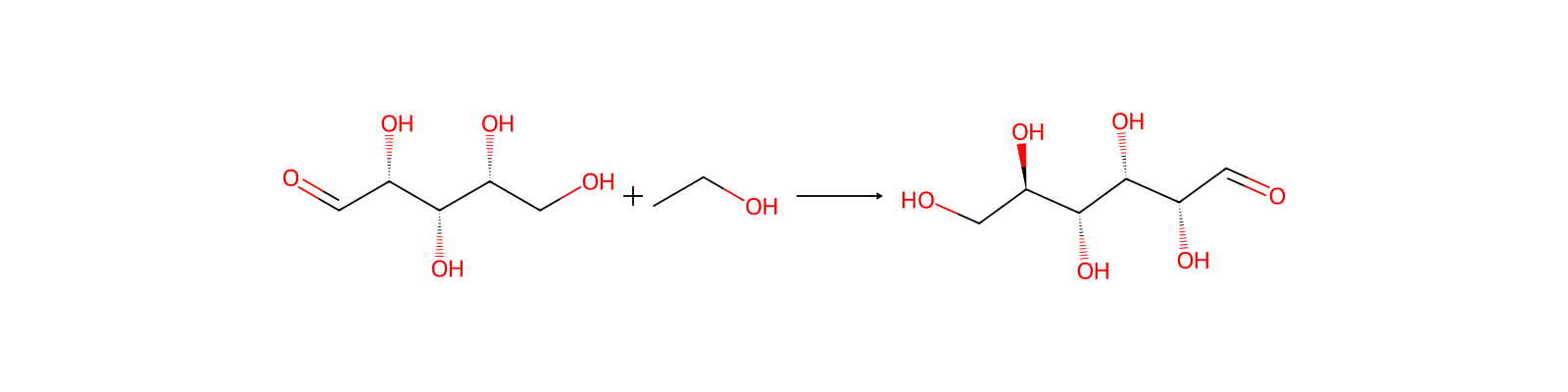
HRID 1432As reactant
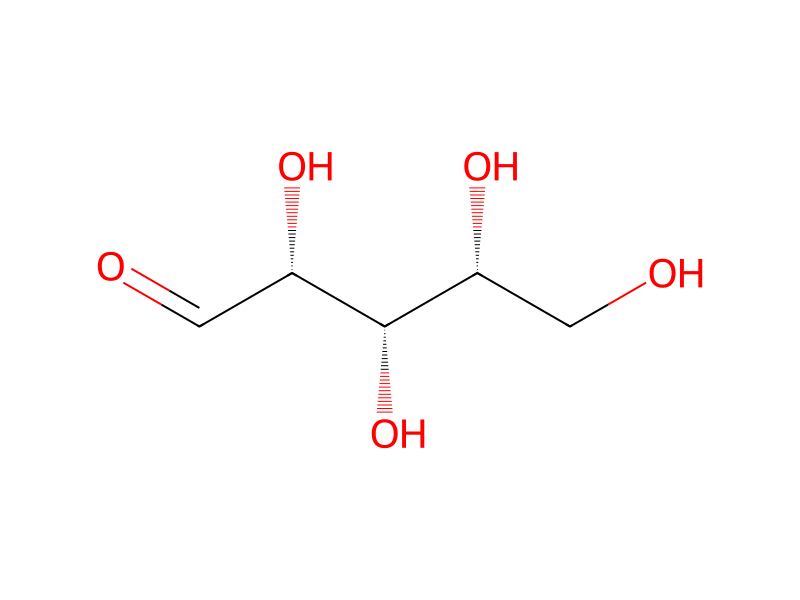
25990-60-7O=C[C@H](O)[C@@H](O)[C@H](O)COPYMYPHUHKUWMLA-VPENINKCSA-NAldehydo-D-xylose is a D-xylose. It has a role as a Saccharomyces cerevisiae metabolite and a human metabolite.
25990-60-7、41247-05-6、58-86-6CHEMBL1236821CHEBI:15936Safety information is for reference only and does not replace the supplier’s Safety Data Sheet (SDS), applicable regulations, or professional assessment.
Xylose is often used as a parent sugar alcohol from which the commonly used food additive sweetener, xylitol, can be derived via the hydrogenation of xylose. Xylitol possesses many characteristics that make it a healthy and effective alternative to regular sugar. For example, although it looks and tastes exactly like ordinary sugar, having a 100% relative sweetness versus normal sucrose, it also has a low impact on blood sugar and insulin secretion and a minimal caloric value of 2.4 calories/gm. Furthermore, xylitol is non-fermentable and thus cannot be transformed to acids by oral bacteria, allowing it to restore a proper alkaline/acid balance in the mouth. Various studies cite this effect for allowing xylitol products like chewing gum to be effective at reducing dental caries. Altogether, these characteristics make xylose and its xylitol metabolite an effective alternative sweetener for healthy food choices for individuals who may be diabetic or for individuals simply wanting to make healthy dietary choices for their bodies.
Xylose is metabolized into various chemical intermediates that can play critical functions in the biological homeostasis of the human body. Via the oxido-reductase metabolism pathway of xylose in eukaryotic organisms, xylose is ultimately catabolized into (D)-xylulose-5-phosphate, which functions as an intermediate in the pentose phosphate pathway. Within the pentose phosphate pathway, NADPH, pentose 5-carbon sugars, and ribose 5-phosphate are generated as materials and precursors for the synthesis of nucleotides. In particular, xylulose-5-phosphate can be used to directly generate glycerinaldehyde-3-phosphate in the pathway. Other studies have also demonstrated that xylulose-5-phosphate may also play a role in gene expression, perhaps by promoting ChREBP transcription factor in the well-fed state.

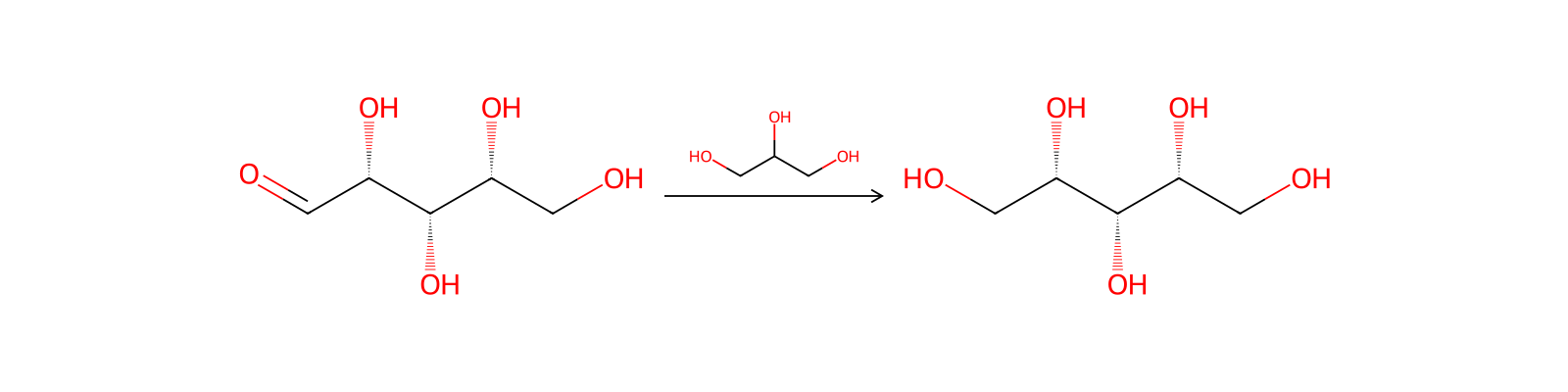


The most common and traditional metabolism pathway for xylose is the oxidoreductase pathway (or xylose reductase-xylitol dehydrogenase, XR-XDH pathway). In this pathway, xylose is first reduced to xylitol using the xylitol dehydrogenase (XDH) enzyme with NADH or NADPH. The resultant xylitol is subsequently oxidized to D-xylulose by the xylitol dehydrogenase (XDH) enzyme while utilizing the cofactor NAD. Finally, the D-xylulose is phosphorylated by an ATP utilizing kinase (xylulose kinase enzyme) to generate D-xylulose-5-phosphate, which serves as an intermediate in the pentose phosphate pathway for nucleotide synthesis.
When 12 normal healthy subjects were given an intravenous D-xylose dosing of 10 grams and then an oral dose of 25 grams a week later, the observed absorption percentage was about 69.4% (p < 0.002) and the observed absorption rate was approximately 1.03/hr (p< 0.05). The maximum concentration observed in the subjects was 0.53 mg/L with 71 minutes being the time to reach the maximum concentration. The absolute bioavailability recorded was 69%.
In patients with normal kidney function, renal excretion accounts for approximately half (50%) of their total D-xylose elimination. Any non-renal D-xylose elimination is presumed to be hepatic clearance.
The volume of distribution observed for d-xylose in normal healthy subjects is 0.22 L/kg.
The renal clearance rate observed in healthy individuals is 89 ml/min. The accompanying plasma and non-renal clearances are 180 and 91 ml/min, respectively.
UsesXylose is a sugar first isolated from wood. Xylose is classified as a monosaccharide of the aldopentose type, which means that it contains five carbon atoms and includes an aldehyde functional group. It is the precursor to hemicellulose, one of the main c
DefinitionChEBI: Aldehydo-D-xylose is a D-xylose. It has a role as a human metabolite and a Saccharomyces cerevisiae metabolite.