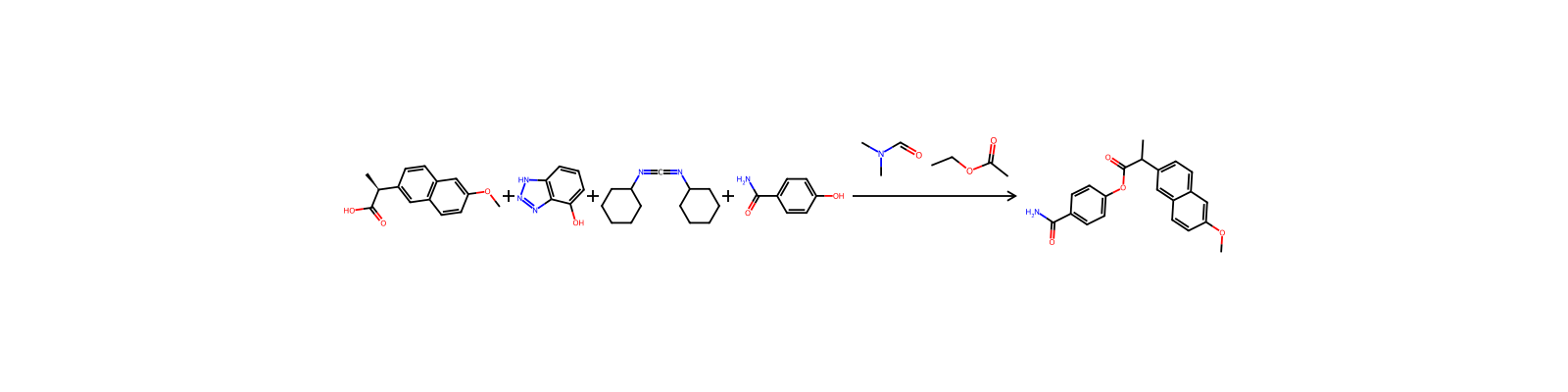
HRID 18626As reactant

619-57-8NC(=O)c1ccc(O)cc1QXSAKPUBHTZHKW-UHFFFAOYSA-NP-Hydroxybenzamide is a member of benzamides.
619-57-8DTXSID10210931CHEMBL123617CHEBI:220253Safety information is for reference only and does not replace the supplier’s Safety Data Sheet (SDS), applicable regulations, or professional assessment.
This chemical does not meet GHS hazard criteria for 11.3% (6 of 53) of reports.
Warning
H315 (88.7%): Causes skin irritation [Warning Skin corrosion/irritation]
P261, P264, P264+P265, P271, P280, P302+P352, P304+P340, P305+P351+P338, P319, P321, P332+P317, P337+P317, P362+P364, P403+P233, P405, and P501 (click each P-code to see the statement)
Aggregated GHS information provided per 53 reports by companies from 8 notifications to the ECHA C&L Inventory. Each notification may be associated with multiple companies.
Uses4-Hydroxybenzamide is a secondary metabolite from marine sponge Phakellia fusca.
Uses4-Hydroxybenzamide was used in the synthesis of balanol, a potent protein kinase C (PKC) inhibitor.
General DescriptionThe standard molar enthalpy of formation of 4-hydroxybenzamide was studied by micro- or macrocombustion calorimetry.
Definition4-Hydroxybenzamide (4HBM) is an important biological active compound that has the presence of various biological activities such as antimycobacterial, antifungal, antimicrobial, herbicidal, and antioxidant. The benzamide derivatives are also used in medical, pharmaceutical, and therapeutic applications because of their anti-inflammatory, antibacterial, and antifungal activities. The amine and carboxylic acids are important functional groups of present molecules. These are mainly utilized in the field of chemical industry. The cocrystallization of itraconazole (a very slightly soluble triazole antifungal drug) with 4-hydroxybenzamide (4OHBZA) can potentially increase the drug solubility at pH1.2 and 37 °C by 64 times[1-2].