

Basic information
- Standard SMILES
CC(C)CO- InChIKey
ZXEKIIBDNHEJCQ-UHFFFAOYSA-N- Molecular formula
- C4H10O
- Average molar mass
- 74.12 g/mol
- Monoisotopic mass
- 74.07316494
Overview
Isobutanol appears as a clear colorless liquid with a sweet odor. Flash point 85 - 100 °F. Less dense than water. Vapors heavier than air.
Names & identifiers
- Preferred name
- Isobutanol
- IUPAC
- 2-methylpropan-1-ol
- English name
- 2-Methyl-1-propanol
- Molecular formula
- C4H10O
- Molecular weight
- 74.12
Names & synonyms
Isobutanol2-Methyl-1-propanolISOBUTYL ALCOHOL2-Methylpropan-1-ol78-83-1Isopropylcarbinol1-Propanol, 2-methyl-1-HydroxymethylpropaneIso-butyl alcohol2-Methylpropyl alcoholIsobutylalkohol2-Methylpropanol
Show more names
IBAi-Butanol1-propanol,2-methyl-isobutanoNATURAL ISO BUTYL ALCOHOLFEMA 2179
2-Methyl propanolAlcool isobutyliqueFermentation butyl alcoholRCRA waste number U140FEMA No. 2179FEMA Number 2179DTXSID002175956F9Z98TEM
Database identifiers
- CAS
78-83-1- PubChem CID
- 6560
- DTXSID
DTXSID0021759- ChEMBL
CHEMBL269630- ChEBI
CHEBI:46645- UNII
- 56F9Z98TEM
- EC Number
- 201-148-0
- Nikkaji
- J2.831B
Properties
Computed structural properties
- XLogP
- 0.8
- Topological polar surface area
- 20.2 Ų
- Hydrogen bond donors
- 1
- Hydrogen bond acceptors
- 1
- Rotatable bonds
- 1
- Heavy atoms
- 5
- Formal charge
- 0
- Complexity
- 17.6
Experimental & physicochemical properties
Chemical ClassesFlammable agents - 3rd degree
LipidsFatty Acyls [FA] -> Fatty alcohols [FA05]
SolventsSolvents -> Alcohols (<C12)
CosmeticsCosmetics ingredient -> Fragrance
SpringerMaterials PropertiesAcentric factor
FragrancesFragrance Ingredient (Isobutyl alcohol) -> IFRA transparency List
PesticidesPesticide -> EPA IRIS
LogP
log Kow = 0.76
0.76
0.8
Odor
Sweet, musty odor
Odor like that of amyl alcohol, but weaker
Penetrating, wine-like, disagreeable odor
Suffocating odor of fusel oil
Slightly suffocating; nonresidual alcoholic
TasteSweet whiskey taste
Food AdditivesFLAVORING AGENT OR ADJUVANT -> FDA Substance added to food
Density
0.802 at 68 °F (USCG, 1999) - Less dense than water; will float
0.8018 g/cu cm at 24 °C
Liquid heat capacity: 0.554 BTU/lb-F at 70 °F; Liquid thermal conductivity: 0.911 Btu-inch/hr-sq ft-F at 75 °F; Saturated vapor density: 0.00218 lb/cu ft at 70 °F; Ideal gas heat capacity: 0.392 BTU/lb-F at 75 °F
Relative density (water = 1): 0.80
0.799-0.801
0.8
Physicochemical properties
- Melting point
- -108 °C · -108 °C (lit.)
- Boiling point
- 108 °C · 108 °C (lit.) 108 °C
- Density
- 0.803 g/mL · 0.803 g/mL at 25 °C (lit.)
- vapor density
- 2.55 · 2.55 (vs air)
- vapor pressure
- 8 mm · 8 mm Hg ( 20 °C)
- refractive index
- 20 · n20/D 1.396(lit.)
- FEMA
- 2179 · 2179 | ISOBUTYL ALCOHOL
- FLAVIS Number
- 2.001 · 02.001 | 2-Methylpropan-1-ol
- Flash point
- 82 °F · 82 °F
- storage temp.
- 5 °C · Store at +5°C to +30°C.
- solubility
- 70 g/L · water: miscible70g/L at 20°C; miscible with alcohol and oils.
- pka
- 14 · >14 (Schwarzenbach et al., 1993)
- form
- Solid
- color
- 10 · APHA: ≤10
- Odor
- Slightly suffocating; nonresidual alcoholi
- Relative polarity
- 0.552 · 0.552
- PH
- 7 · 7 (80g/l, H2O, 20℃)
- explosive limit
- 1.5 · 1.5-12%(V)
- Odor Threshold
- 0.011 ppm · 0.011ppm
- biological source
- synthetic
- Odor Type
- ethereal
- Water Solubility
- 95 g/L · 95 g/L (20 ºC)
- Specific Heat Capacity
- 2.45 J/ · Cp(liquid): 2.45 J/(g·K), at 25℃
- Thermal Conductivity
- 0.134 W/ · 0.134 W/(m·K)
- λmax
- 260 nm · λ: 260 nm Amax: 0.10λ: 280 nm Amax: 0.06
- JECFA Number
- 251 · 251
- Merck
- 14 · 14,5131
- BRN
- 1730878 · 1730878
- Henry's Law Constant
- 20 at · 20.0 at 30.00 °C, 72.2 at 50.00 °C, 133 at 60.00 °C, 216 at 70.00 °C, 330 at 80.00 °C (headspace- GC, Hovorka et al., 2002)
- Exposure limits
- 50 ppm · ACGIH:TLV-TWA 50 ppm (152 mg/m3)OSHA:PEL-TWA 100 ppm (300 mg/m3)NIOSH:REL-TWA 50 ppm
- Dielectric constant
- 31.7 · 31.7(-80℃)
- Stability
- Stable. Flammable. Incompatible with strong oxidizing agents, aluminium.
- Cosmetics Ingredients Functions
- PERFUMING
- InChI
- 1S/C4H10O/c1-4(2)3-5/h4-5H,3H2,1-2H3
- InChIKey
- ZXEKIIBDNHEJCQ-UHFFFAOYSA-N
- SMILES
- CC(C)CO
- LogP
- 1 at · 1 at 25℃
- Surface tension
- 22.92 mN/m · 22.92mN/m at 293.15K
- CAS DataBase Reference
- 78 · 78-83-1(CAS DataBase Reference)
- Substances Added to Food (formerly EAFUS)
- ISOBUTYL ALCOHOL
- FDA 21 CFR
- 175.105 · 175.105; 176.180; 176.200;176.210; 177.2800
- FDA UNII
- 56 F9Z98TEM · 56F9Z98TEM
- NIST Chemistry Reference
- 1 · 1-Propanol, 2-methyl-(78-83-1)
- EPA Substance Registry System
- Isobutanol (78-83-1)
- UNSPSC Code
- 41116107 · 41116107
- NACRES
- 26 · NA.26
- Symbol(GHS)
- 2 · GHS02,GHS05,GHS07,GHS08
- Signal word
- Danger
- Hazard statements
- 303 · H303+H313-H315-H318-H335-H336-H305-H226
- Precautionary statements
- 501 · P501-P240-P261-P210-P233-P243-P241-P242-P271-P264-P280-P370+P378-P312-P331-P362+P364-P303+P361+P353-P332+P313-P301+P310-P304+P340+P312-P305+P351+P338+P310-P403+P233-P403+P235-P405
- target organs
- Central nervous system, Respiratory system
- Hazard Codes
- Xi
- Risk Statements
- 10 · 10-37/38-41-67
- Safety Statements
- 13 · 13-26-37/39-46-7/9
- RIDADR
- 1212 · UN 1212
- OEB
- A
- OEL
- 50 ppm · TWA: 50 ppm (150 mg/m3)
- WGK Germany
- 1 · 1
- RTECS
- 9625000 · NP9625000
- Autoignition Temperature
- 801 °F · 801 °F
- TSCA
- TSCA listed
- HazardClass
- 3 · 3
- PackingGroup
- III
- HS Code
- 29051990 · 29051990
- Storage Class
- 3 · 3 - Flammable liquids
- Hazard Classifications
- 1 Flam · Eye Dam. 1Flam. Liq. 3Skin Irrit. 2STOT SE 3
- Hazardous Substances Data
- 78 · 78-83-1(Hazardous Substances Data)
- Toxicity
- 50 orally · LD50 orally in rats: 2.46 g/kg (Smyth)
- IDLA
- 1 · 1,600 ppm
- REACH Registrations
- Active
- Limited Quantities
- 5 L · 5.0 L (1.3 gallons) (liquid)
- Excepted Quantities
- Max Inner Pack (30g or 30ml) and Max Outer Pack (1Kg or 1L)
Safety & regulation
GHS classification
GHS Classification
Danger
H226: Flammable liquid and vapor [Warning Flammable liquids]
P210, P233, P240, P241, P242, P243, P261, P264, P264+P265, P271, P280, P302+P352, P303+P361+P353, P304+P340, P305+P354+P338, P317, P319, P321, P332+P317, P362+P364, P370+P378, P403+P233, P403+P235, P405, and P501 (click each P-code to see the statement)
This chemical does not meet GHS hazard criteria for < 0.1% (1 of 3818) of reports.
Danger
H226 (99.7%): Flammable liquid and vapor [Warning Flammable liquids]
Hazard information
Regulatory Information
Chemical: 1-Propanol, 2-methyl-
Hazard Traits - Neurotoxicity
Regulation (EC) No 1831/2003 (amended)
1-Propanol, 2-methyl- is listed on the EPA's Chemical Data Reporting (CDR) system. Manufacturers and importers of 1-Propanol, 2-methyl- are required to report information about their production and use of this chemical to the EPA under the Toxic Substances Control Act (TSCA). (40 eCFR Part 711)
Status: Active Update: 14-02-2023 https://echa.europa.eu/registration-dossier/-/registered-dossier/15092
1-Propanol, 2-methyl-: HSNO Approval: HSR001097 Approved with controls
Other Safety InformationIMAP assessments - 1-Propanol, 2-methyl-: Human health tier II assessment
DOT LabelFlammable Liquid
Fire Hazards
Excerpt from ERG Guide 129 [Flammable Liquids (Water-Miscible / Noxious)]:
· HIGHLY FLAMMABLE: Will be easily ignited by heat, sparks or flames.
· HIGHLY FLAMMABLE: Will be easily ignited by heat, sparks or flames.
Flammable. Above 28 °C explosive vapour/air mixtures may be formed.
Fire Potential
Flammable in the presence of a source of ignition when the temperature is above the flash point. Keep away from heat/sparks/open flame/ hot surface. No smoking.
Dangerous fire hazard when exposed to heat or flame.
Health Hazards
Contact with eyes is extremely irritating and may cause burns. Breathing vapors will be irritating to the nose and throat. In high concentrations, may cause nausea, dizziness, headache, and stupor. (USCG, 1999)
· May cause toxic effects if inhaled or absorbed through skin.
· May cause toxic effects if inhaled or absorbed through skin.
Hazards SummaryIn mice, 6400 ppm produces narcosis, but not death. [ACGIH] A skin, eye, and respiratory tract irritant; Inhalation of high concentrations can cause CNS depression; [ICSC]
DOT ID and Guide
1212 129
1212 129
1212 129
FDA Requirements
Isobutyl alcohol is a food additive permitted for direct addition to food for human consumption as a synthetic flavoring substance and adjuvant in accordance with the following conditions: a) they are used in the minimum quantity required to produce their intended effect, and otherwise in accordance with all the principles of good manufacturing practice, and 2) they consist of one or more of the following, used alone or in combination with flavoring substances and adjuvants generally recognized as safe in food, prior-sanctioned for such use, or regulated by an appropriate section in this part.
Isobutyl alcohol is an indirect food additive for use only as a component of adhesives.
Isobutyl alcohol may be used in inks for marking food supplements in tablet form, gum, and confectionery. Restrictions: no residue.
Reactive GroupAlcohols and Polyols
EC ClassificationSymbol: Xi; R: 10-37/38-41-67; S: (2)-7/9-13-26-37/39-46
UN ClassificationUN Hazard Class: 3; UN Pack Group: III
Safety & protection
Fire Fighting
Excerpt from ERG Guide 129 [Flammable Liquids (Water-Miscible / Noxious)]:
Use water spray, powder, foam, carbon dioxide. In case of fire: keep drums, etc., cool by spraying with water.
First Aid Measures
Fresh air, rest.
Remove contaminated clothes. Rinse skin with plenty of water or shower.
First rinse with plenty of water for several minutes (remove contact lenses if easily possible), then refer for medical attention.
Rinse mouth. Give one or two glasses of water to drink. Do NOT induce vomiting. Refer for medical attention .
Accidental Release Measures
· CALL 911. Then call emergency response telephone number on shipping paper. If shipping paper not available or no answer, refer to appropriate telephone number listed on the inside back cover.
· ELIMINATE all ignition sources (no smoking, flares, sparks or flames) from immediate area.
· CALL 911. Then call emergency response telephone number on shipping paper. If shipping paper not available or no answer, refer to appropriate telephone number listed on the inside back cover.
· ELIMINATE all ignition sources (no smoking, flares, sparks or flames) from immediate area.
First Aid
EYES: First check the victim for contact lenses and remove if present. Flush victim's eyes with water or normal saline solution for 20 to 30 minutes while simultaneously calling a hospital or poison control center. Do not put any ointments, oils, or medication in the victim's eyes without specific instructions from a physician. IMMEDIATELY transport the victim after flushing eyes to a hospital even if no symptoms (such as redness or irritation) develop.
General First Aid:
General First Aid:
(General first aid procedures)
Safe StorageFireproof. Separated from strong oxidants and aluminium.
Firefighting HazardsFlashback along vapor trail may occur.
Exposure Control and Personal Protection
· Wear positive pressure self-contained breathing apparatus (SCBA).
· Wear positive pressure self-contained breathing apparatus (SCBA).
1818.0 [ppm]
100.0 [ppm]
Fire Fighting Procedures
Use water spray, alcohol-resistant foam, dry chemical or carbon dioxide.
Wear self contained breathing apparatus for fire fighting if necessary.
Storage Conditions
Keep container tightly closed in a dry and well-ventilated place. Containers which are opened must be carfully resealed and kept upright to prevent leakage.
Keep away from heat and open flame.
Cleanup Methods
1. Remove all ignition sources. 2. Ventilate area of spill or leak. For small quantities, absorb on paper towels. Evaporate in safe place ... allow sufficient time for evaporating vapors to completely clear hood ductwork. Burn paper in suitable location away from combustible materials. Large quantities can be collected & atomized in suitable combustion chamber.
Contain spillage, and then collect with an electrically protected vacuum cleaner or by wet-brushing and place in container for disposal according to local regulations.
Prevent further leakage or spillage if safe to do so. Do not let product enter drains. Discharge into the environment must be avoided.
Nonfire Spill ResponseExcerpt from ERG Guide 129 [Flammable Liquids (Water-Miscible / Noxious)]:
Disposal Methods
Generators of waste (equal to or greater than 100 kg/mo) containing this contaminant, EPA hazardous waste number U140, must conform with USEPA regulations in storage, transportation, treatment and disposal of waste.
SRP: Wastewater from contaminant suppression, cleaning of protective clothing/equipment, or contaminated sites should be contained and evaluated for subject chemical or decomposition product concentrations. Concentrations shall be lower than applicable environmental discharge or disposal criteria. Alternatively, pretreatment and/or discharge to a permitted wastewater treatment facility is acceptable only after review by the governing authority and assurance that "pass through" violations will not occur. Due consideration shall be given to remediation worker exposure (inhalation, dermal and ingestion) as well as fate during treatment, transfer and disposal. If it is not practicable to manage the chemical in this fashion, it must be evaluated in accordance with EPA 40 CFR Part 261, specifically Subpart B, in order to determine the appropriate local, state and federal requirements for disposal.
Good candidate for liquid injection incineration, with a temperature range of 650 to 1600 °C, and a residence time of 0.1 to 2 seconds. Also, a good candidate for rotary kiln incineration, with a temperature range of 820 to 1600 °C, and a residence time of seconds. Additionally, a good candidate for fluidized bed incineration, with a temperature range of 450 to 980 °C, and a residence time of seconds. /From table/
... Atomizing in suitable combustion chamber.
For more Disposal Methods (Complete) data for ISOBUTYL ALCOHOL (6 total), please visit the HSDB record page.
Toxicology
Body BurdenIsobutyl alcohol was identified, not quantified, in human blood(1).
Interactions
Industrial exposure to mixed vapors of butyl acetate & isobutyl alcohol has caused vacuolar keratitis in several workers, but it is not known which of the substances was responsible.
Potentiation of carbon tetrachloride toxicity by aliphatic alcohols was measured by the elevation of serum glutamic oxalacetic transaminase activity. Ethanol, isopropyl alcohol, sec-butyl alcohol, and tert-butyl alcohol had a marked potentiating action. On an equimolar basis, sec-butyl alcohol and tert-butyl alcohol were more effective as potentiators than butyl alcohol and iso-butyl alcohol.
Metabolism in vivo of isobutanol, even in low concn, was markedly inhibited by simultaneous oxidation of ethanol.
Adding 1 g/l0 L of propan-1-ol, propan-2-ol, butan-1-ol, butan-2-ol, isobutanol to 40% ethanol in orange juice lowered and delayed blood ethanol max in 10 20-30 yr-old men who drank 3.75 mL/kg of synthetic beverage.
Target Organs
Nervous
Eyes, skin, respiratory system, central nervous system
Ecotoxicity Values
EC50; Species: Scenedesmus subspicatus (Green Algae) exponential growth phase; Conditions: freshwater, static, 24 °C, pH 8.0-9.3; Concentration: 1250000 ug/L for 48 hr; Effect: population, decreased biomass /formulation/
EC50; Species: Scenedesmus subspicatus (Green Algae) exponential growth phase; Conditions: freshwater, static, 24 °C, pH 8.0-9.3; Concentration: 230000 ug/L for 48 hr; Effect: general population changes, decreased /formulation/
LC50; Species: Xenopus laevis (African Clawed Frog) age 3-4 wk; Conditions: freshwater, static, 20 °C; Concentration: 18300 ug/L for 48 hr /formulation/
LC50; Species: Rana catesbeiana (Bullfrog) weight 2.44 g; Conditions: freshwater, flow through, 17.1 (16.8-17.5) °C, pH 8.03 (8.00-8.06), hardness 196 mg/L CaCO3, alkalinity 172 mg/L CaCO3, dissolved oxygen 7.91 mg/L (7.54-8.16 mg/L); Concentration: 3010000 ug/L for 96 hr (95% confidence interval: 2820000-3210000 ug/L)
For more Ecotoxicity Values (Complete) data for ISOBUTYL ALCOHOL (19 total), please visit the HSDB record page.
Environmental Fate
TERRESTRIAL FATE: Based on a classification scheme(1), an estimated Koc value of 2.9(SRC), determined from a structure estimation method(2), indicates that isobutyl alcohol is expected to have very high mobility in soil(SRC). Volatilization of isobutyl alcohol from moist soil surfaces is expected to be an important fate process(SRC) given a Henry's Law constant of 9.78X10⁻⁶ atm-cu m/mole(3). Isobutyl alcohol is expected to volatilize from dry soil surfaces(SRC) based upon a vapor pressure of 10.4 mm Hg at 25 °C(4). Results of various biodegradation screening tests indicate that isobutyl alcohol is readily biodegradable(5). The biodegradation half-life of isobutyl alcohol was 2.4 days in a basic soil and 11.3 days in an acidic soil(6).
AQUATIC FATE: Based on a classification scheme(1), an estimated Koc value of 2.9(SRC), determined from a structure estimation method(2), indicates that isobutyl alcohol is not expected to adsorb to suspended solids and sediment(SRC). Volatilization from water surfaces is expected(3) based upon a Henry's Law constant of 9.78X10⁻⁶ atm-cu m/mole(4). Using this Henry's Law constant and an estimation method(3), volatilization half-lives for a model river and model lake are 3.3 and 27 days, respectively(SRC). According to a classification scheme(5), an estimated BCF of 3(SRC), from its log Kow of 0.76(6) and a regression-derived equation(2), suggests the potential for bioconcentration in aquatic organisms is low. Isobutyl alcohol is not expected to undergo hydrolysis in the environment due to the lack of functional groups that hydrolyze under environmental conditions(3). Results of various biodegradation screening tests indicate that isobutyl alcohol is readily biodegradable(7). In a river die-away test, isobutyl alcohol achieved 58% of its theoretical BOD in 5 days(8), suggesting biodegradation will be an important fate process in water(SRC).
ATMOSPHERIC FATE: According to a model of gas/particle partitioning of semivolatile organic compounds in the atmosphere(1), isobutyl alcohol, which has a vapor pressure of 10.4 mm Hg at 25 °C(2), is expected to exist solely as a vapor in the ambient atmosphere. Vapor-phase isobutyl alcohol is degraded in the atmosphere by reaction with photochemically-produced hydroxyl radicals(SRC). The half-life for the reaction in air with hydroxyl radicals is estimated to be 1.7 days(SRC), calculated from its measured rate constant of 9.2X10⁻¹² cu cm/molecule-sec at 25 °C(3). Isobutyl alcohol does not contain chromophores that absorb at wavelengths >290 nm(4) and, therefore, is not expected to be susceptible to direct photolysis by sunlight(SRC).
Food Survey Values
Isobutyl alcohol was detected in beans at 72 ppb (average), split peas, 140 ppb (average) and lentils, 100 ppb (average)(1). Isobutyl alcohol was identified, not quantified, in volatiles from ripening bananas(2). Isobutyl alcohol was detected in Japanese beers at concentrations >1.5 ppm(3). Isobutyl alcohol was detected in soybeans at concentrations of 1,131.4 to 26,826.3 ug/kg(4). Isobutyl alcohol was identified, not quantified, in grain(5). Isobutyl alcohol was identified, not quantified, in volatiles from raw and roasted almonds(6). Isobutyl alcohol was identified in the skin and pulp of Queen Anne's melon at respective concentrations of 26.2 and 8.5 ug/kg(7).
Isobutanol has been identified as a volatile compound in the flavor component of fried chicken coated with 2% flour and fried in shortening consisting of 90% beef fat and 10% cotton seed oil. It is identified in apples, prickly pear pads, dried bonito, dried foliage of Cryptotaenia japonica and in gases volatilizing from potatoes in storage. Isobutanol is also found in most alcoholic beverages such as wine, distilled alcoholic beverages and various whiskeys at levels up to 1 g/L
Adverse EffectsNeurotoxin - Acute solvent syndrome
Exposure Routes
The substance can be absorbed into the body by inhalation of its vapour and by ingestion.
inhalation, ingestion, skin and/or eye contact
Milk ConcentrationsIsobutyl alcohol has been reported found in cow milk(1).
Toxicity Summary
IDENTIFICATION AND USE: Isobutyl alcohol is colorless, oily liquid with a penetrating, wine-like, disagreeable odor and sweet whiskey taste. Isobutyl alcohol is a solvent for surface coatings , adhesives, pharmaceuticals, pesticides, flavor, and fragrance. It is employed as an intermediate for synthetic resins. Not registered for current pesticide use in the U.S., but approved pesticide uses may change periodically and so federal, state and local authorities must be consulted for currently approved uses. HUMAN EXPOSURE AND TOXICITY: Isobutyl alcohol is rapidly absorbed following inhalation and dermal or oral exposures. In general, acute exposure to higher alcohols results primarily in CNS depression, hypotension, nausea, vomiting, and diarrhea. If aspirated, hemorrhagic pneumonitis may be noted. Eye exposure to vapors or liquid may result in burning, lacrimation, blurring of vision, and vacuoles in the cornea. There is a report of 3 cases with severe vertigo after handling butanol and isobutyl alcohol. ANIMAL STUDIES: Repeated inhalation by mice of 2125 ppm caused no deaths. Repeated exposures to moderate to high concentrations of isobutyl alcohol are well tolerated in rats. In a 90-day inhalation study, a reduced response to an external stimulus was noted in the exposed animals only during the exposure period. Repeated exposures did not exacerbate these transient effects. There was no evidence of neurotoxicity based on functional observational battery (FOB), quantitative motor activity, neuropathy and scheduled-controlled operant behavior endpoints. A 13-week oral gavage study conducted with isobutanol resulted in hypoactivity, ataxia and salivation in the 1,000 mg/kg bw/day dose groups. Hypoactivity and ataxia were resolved by the 4th week of the study. In addition, slight decreases in body weight gain and feed consumption were noted in the first two weeks of the 13-week study in the 1,000 mg/kg bw/day dose group. An inhalation, two-generation, reproductive toxicity study conducted with isobutyl alcohol (up to 2500 ppm) did not cause any parental systemic, reproductive, or neonatal toxicity when administered for two generations via whole-body exposure. In lifetime studies, rats given isobutyl alcohol by gavage or sc had increased incidences of total tumors including liver carcinomas, spleen sarcomas, proventricular carcinomas and myeloid leukemia, relative to controls. No adverse developmental effects were noted in rats or rabbits exposed by inhalation to 10,000 mg/cu m isobutyl alcohol during gestation. An increased rate of reverse mutation was demonstrated when Escherichia coli CA274 was treated with 0.7% isobutyl alcohol, without metabolic activation. In addition, isobutayl alcohol was negative in an in vivo mouse micronucleus study. ECOTOXICITY STUDIES: The lobster (Homarus americanus) was quickly and reproducibly anesthetized by the injection of isobutyl alcohol into the abdominal sinus. Isobutyl alcohol promoted cell elongation and increased total growth of wheat roots grown in white light; a higher concentration inhibited meristematic activity.
Ecotoxicity Excerpts
/AQUATIC SPECIES/ The lobster (Homarus americanus) was quickly and reproducibly anesthetized by the injection of 2-methyl-1-propanol into the abdominal sinus. The min effective (100%) dose was lower when the lobsters were held at 15 °C seawater (1.0 uL/10 g live weight) than when they were held at 6.0-8.5 °C (2.0 uL/10 g).
/PLANTS/ N-propanol, n-butanol, and isobutanol at 1x10⁻⁴ molar promoted cell elongation and increased total growth of wheat roots grown in white light; higher concentration inhibited meristematic activity.
Plant Concentrations
Reported found in the essential oils of: Java citronella, tea, Eucalyptus amygdalina; also present in apple and currant aromas; in apricots, banana, sweet cherry, orange, grapefruit and tangerine juice, berries, guava, grapes, melon, papaya, pear, pineapple, leek, peas, rutabaga, tomato, ginger, spearmint oil, hop oil, cocoa, tea, coffee, nuts, oats, soybean, avocado, olive, passion fruit, plum, beans, mango, starfruit, tamarind, fig, cardamom, gin, quince, radish, prickly pear, litchi, lovage leaf, buckwheat, sweet corn, laurel, malt, wort, elderberry juice, dried bonito krill, kiwifruit, loquat, endive, truffle, red currants, Roman chamomile oils(1).
Regulatory information
FDA Requirements
Isobutyl alcohol is a food additive permitted for direct addition to food for human consumption as a synthetic flavoring substance and adjuvant in accordance with the following conditions: a) they are used in the minimum quantity required to produce their intended effect, and otherwise in accordance with all the principles of good manufacturing practice, and 2) they consist of one or more of the following, used alone or in combination with flavoring substances and adjuvants generally recognized as safe in food, prior-sanctioned for such use, or regulated by an appropriate section in this part.
Isobutyl alcohol is an indirect food additive for use only as a component of adhesives.
Isobutyl alcohol may be used in inks for marking food supplements in tablet form, gum, and confectionery. Restrictions: no residue.
RCRA Requirements
U140; As stipulated in 40 CFR 261.33, when isobutyl alcohol, as a commercial chemical product or manufacturing chemical intermediate or an off-specification commercial chemical product or a manufacturing chemical intermediate, becomes a waste, it must be managed according to Federal and/or State hazardous waste regulations. Also defined as a hazardous waste is any residue, contaminated soil, water, or other debris resulting from the cleanup of a spill, into water or on dry land, of this waste. Generators of small quantities of this waste may qualify for partial exclusion from hazardous waste regulations (40 CFR 261.5).
TSCA Requirements
Pursuant to section 8(d) of TSCA, EPA promulgated a model Health and Safety Data Reporting Rule. The section 8(d) model rule requires manufacturers, importers, and processors of listed chemical substances and mixtures to submit to EPA copies and lists of unpublished health and safety studies. 1-Propanol, 2-methyl is included on this list. Effective date: 3/7/86; Sunset date: 3/7/96.
FIFRA Requirements
Residues of isobutyl alcohol are exempted from the requirement of a tolerance when used in accordance with good agricultural practice as inert (or occasionally active) ingredients in pesticide formulations applied to growing crops only. Use: solvent.
Atmospheric Standards
This action promulgates standards of performance for equipment leaks of Volatile Organic Compounds (VOC) in the Synthetic Organic Chemical Manufacturing Industry (SOCMI). The intended effect of these standards is to require all newly constructed, modified, and reconstructed SOCMI process units to use the best demonstrated system of continuous emission reduction for equipment leaks of VOC, considering costs, non air quality health and environmental impact and energy requirements. Isobutanol is produced, as an intermediate or a final product, by process units covered under this subpart.
CERCLA Reportable Quantities
Persons in charge of vessels or facilities are required to notify the National Response Center (NRC) immediately, when there is a release of this designated hazardous substance, in an amount equal to or greater than its reportable quantity of 5000 lb or 2270 kg. The toll free number of the NRC is (800) 424-8802; The rule for determining when notification is required is stated in 40 CFR 302.4 (section IV. D.3.b).
State Drinking Water Guidelines(FL) FLORIDA 2,100 ug/L
Safety data
- OEB
- A
- OEL
- TWA: 50 ppm (150 mg/m3)
- wgk
- 1
- IDLA
- 1,600 ppm
- tsca
- TSCA listed
- rtecs
- NP9625000
- ridadr
- UN 1212
- hs_code
- 29051990
- Toxicity
- LD50 orally in rats: 2.46 g/kg (Smyth)
- risk_code
- 10-37/38-41-67
- Signal word
- Danger
- Symbol(GHS)
- GHS02,GHS05,GHS07,GHS08
- hazard_code
- Xi
- safety_code
- 13-26-37/39-46-7/9
- hazard_class
- 3
- Storage Class
- 3 - Flammable liquids
- packing_group
- III
- target organs
- Central nervous system, Respiratory system
- Hazard statements
- H303+H313-H315-H318-H335-H336-H305-H226
- Limited Quantities
- 5.0 L (1.3 gallons) (liquid)
- Excepted Quantities
- Max Inner Pack (30g or 30ml) and Max Outer Pack (1Kg or 1L)
- REACH Registrations
- Active
- Hazard Classifications
- Eye Dam. 1Flam. Liq. 3Skin Irrit. 2STOT SE 3
- Autoignition Temperature
- 801 °F
- Precautionary statements
- P501-P240-P261-P210-P233-P243-P241-P242-P271-P264-P280-P370+P378-P312-P331-P362+P364-P303+P361+P353-P332+P313-P301+P310-P304+P340+P312-P305+P351+P338+P310-P403+P233-P403+P235-P405
- Hazardous Substances Data
- 78-83-1(Hazardous Substances Data)
Chemistry & industry
Pharmacology
Mechanism of Action
The limited isobutanol tolerance of Escherichia coli is a major drawback during fermentative isobutanol production. Different from classical strain engineering approaches, this work was initiated to improve E. coli isobutanol tolerance from its transcriptional level by engineering its global transcription factor cAMP receptor protein (CRP). Random mutagenesis libraries were generated by error-prone PCR of crp, and the libraries were subjected to isobutanol stress for selection. Variant IB2 (S179P, H199R) was isolated and exhibited much better growth (0.18/hr) than the control (0.05/hr) in 1.2% (v/v) isobutanol (9.6g/L). Genome-wide DNA microarray analysis revealed that 58 and 308 genes in IB2 had differential expression (>2-fold, p< 0.05) in the absence and presence of 1% (v/v) isobutanol, respectively. When challenged with isobutanol, genes related to acid resistance (gadABCE, hdeABD), nitrate reduction (narUZYWV), flagella and fimbrial activity (lfhA, yehB, ycgR, fimCDF), and sulfate reduction and transportation (cysIJH, cysC, cysN) were the major functional groups that were up-regulated, whereas most of the down-regulated genes were enzyme (tnaA) and transporters (proVWX, manXYZ). As demonstrated by single-gene knockout experiments, gadX, nirB, rhaS, hdeB, and ybaS were found associated with strain isobutanol resistance. The intracellular reactive oxygen species (ROS) level in IB2 was only half of that of the control when facing stress, indicating that IB2 can withstand toxic isobutanol much better than the control.
Escherichia coli has been engineered to produce isobutanol, with titers reaching greater than the toxicity level. However, the specific effects of isobutanol on the cell have never been fully understood. Here, /researchers/ aim to identify genotype-phenotype relationships in isobutanol response. An isobutanol-tolerant mutant was isolated with serial transfers. Using whole-genome sequencing followed by gene repair and knockout, /researchers/ identified five mutations (acrA, gatY, tnaA, yhbJ, and marCRAB) that were primarily responsible for the increased isobutanol tolerance. /They/ successfully reconstructed the tolerance phenotype by combining deletions of these five loci, and identified glucosamine-6-phosphate as an important metabolite for isobutanol tolerance, which presumably enhanced membrane synthesis. The isobutanol-tolerant mutants also show increased tolerance to n-butanol and 2-methyl-1-butanol, but showed no improvement in ethanol tolerance and higher sensitivity to hexane and chloramphenicol than the parental strain. These results suggest that C4, C5 alcohol stress impacts the cell differently compared with the general solvent or antibiotic stresses. Interestingly, improved isobutanol tolerance did not increase the final titer of isobutanol production.
Metabolism/Metabolites
Urine was analyzed immediately, 1, 2, 8, and 9 hr after drinking (during 2 hr) 3.75 mL/kg of beverages containing orange juice, 15 or 40% ethanol, and 1 g/L of 1-propanol, 2-propanol, 1-butanol, 2-butanol, isobutyl alcohol or a mixture of 1-propanol & isobutyl alcohol. Maximum urine levels /in mg/L/ were found 1 hr after drinking ended: 1-propanol 5.04, 2-propanol 3.36, 1-butanol 0.43, 2-butanol 2.55, isobutyl alcohol ... 1.7-2.03 mg/L. Urine treatment with beta-glucuronidase before analysis indicated that significant amounts of the alcohols were excreted as glucuronides, esp isobutyl alcohol. 2-Propanol and 2-butanol were the slowest to be metabolized. When mixtures of alcohols were given, the concentrations of isobutyl alcohol glucuronides were high with the mixtures containing 5 and 15% ethanol, and decreased at 40% ethanol.
Isobutyl alcohol is conjugated by glucuronic acid to form the glucuronide. It is also metabolized to isobutyraldehyde & isovaleric acid.
Metabolism of ethanol, propanol, isopropanol, butanol, isobutanol, sec-butanol, & tert-butanol were studied after oral admin in rabbits. Blood pH was on the acid side with propanol, butanol, & isobutanol, and on the alkaline side with isopropanol & sec-butanol, but no change was observed with ethanol & tert-butanol. Butanol & isobutanol had the lowest rate of urinary excretion. Acetaldehyde and acetic acid were detected as the urinary metabolites of ethanol and propanol, whereas isobutyraldehyde & isovaleric acid were the metabolites of isobutanol.
The hydroxylation of iso-butane led to the production of both t-butyl alcohol and iso-butyl alcohol by resting cell suspensions of methane grown Methylosinus trichorsporium 0B3b, at an optimum pH of 6-7, and an optimum temp of 40 °C.
Isobutanol has known human metabolites that include (2S,3S,4S,5R)-3,4,5-trihydroxy-6-(2-methylpropoxy)oxane-2-carboxylic acid.
Absorption, Distribution and Excretion
Isobutyl alcohol is absorbed through the gastrointestinal tract, lungs, & skin.
Urine was analyzed immediately, 1, 2, 8, and 9 hr after drinking (during 2 hr) 3.75 mL/kg of beverages containing orange juice, 15 or 40% ethanol, and 1 g/L of 1-propanol, 2-propanol, 1-butanol, 2-butanol, isobutyl alcohol or a mixture of 1-propanol & isobutyl alcohol. Maximum urine levels /in mg/L/ were found 1 hr after drinking ended: 1-propanol 5.04, 2-propanol 3.36, 1-butanol 0.43, 2-butanol 2.55, isobutyl alcohol ... 1.7-2.03 mg/L. Urine treatment with beta-glucuronidase before analysis indicated that significant amounts of the alcohols were excreted as glucuronides, esp isobutyl alcohol. 2-Propanol and 2-butanol were the slowest to be metabolized. When mixtures of alcohols were given, the concentrations of isobutyl alcohol glucuronides were high with the mixtures containing 5 and 15% ethanol, and decreased at 40% ethanol.
Twelve subjects were exposed to 300 or 600 mg/cu m of butyl alcohol in inspired air during rest and during exercise on a bicycle ergometer. Exposure lasted 2 hr. The arterial blood concentration was low. The concentration in the last part of the expired air, ie, the alveolar concentration, was low. The quotient of alveolar concentration was low in relation to the low percentage uptake. The high solubility of butyl alcohol in water may explain the results.
Isobutyl alcohol has been observed in the blood of humans who did not have clearly defined exposure to isobutyl alcohol sources.
About 618 mg/kg isobutanol was administered by gavage to rabbits. After 24 hours, 4.4% of the dose was excreted as a glucuronic acid conjugate in the urine. Analysis of urinary or breath data suggested that a negligible fraction of orally administered isobutanol was excreted as unchanged isobutanol within 40 hours after administration to rabbits.
Uses & manufacturing
Uses
Used as solvent in lacquers, paint removers, and liquid chromatography; used in organic synthesis; [ACGIH]
Painting (Solvents) [Category: Paint]
For Isobutyl alcohol (USEPA/OPP Pesticide Code: 001507) there are 0 labels match. /SRP: Not registered for current use in the U.S., but approved pesticide uses may change periodically and so federal, state and local authorities must be consulted for currently approved uses./
Isobutanol, a solvent for surface coatings & adhesives, is employed in lacquers, paint strippers, perfumes, cleaners & hydraulic fluid.
SOLVENT FOR SURFACE COATINGS & ADHESIVES; PROCESSING SOLVENT IN PHARMACEUTICAL, PESTICIDE, FLAVOR, & FRAGRANCE MFR; CHEM INT FOR ISOBUTYLAMINES, ZINC DIISOBUTYLDITHIOPHOSPHATE, ISOBUTYL ACETATE, ACRYLATE, METHACRYLATE ESTERS, ACRYLATE, & METHACRYLATE ESTERS; DILUENT-REACTANT IN THE ALKYLATION OF AMINO RESINS; COSOLVENT IN TERTIARY OIL RECOVERY
Isobutyl alcohol is used with dimethyl sulfoxide to prepare food additives such as sucrose fatty acid esters.
U.S. Exports
(1985) 1.60X10+10 g
(1987) 2.61X10+6 lb
(1988) 1.82X10+6 lb
U.S. Imports
(1985) 5.87X10+8 g
(1986) 1.08X10+6 lb
U.S. Production
2023: 100,000,000 - <250,000,000 lb
(1993) 6.0292X10+7 kg
1-Propanol, 2-methyl- is listed as a High Production Volume (HPV) chemical (65FR81686). Chemicals listed as HPV were produced in or imported into the U.S. in >1 million pounds in 1990 and/or 1994. The HPV list is based on the 1990 Inventory Update Rule. (IUR) (40 CFR part 710 subpart B; 51FR21438).
Production volumes for non-confidential chemicals reported under the Inventory Update Rule.[Table#84]
Production volume for non-confidential chemicals reported under the 2006 Inventory Update Rule. Chemical: 1-Propanol, 2-methyl-. Aggregated National Production Volume: 100 to < 500 million pounds.
Non-confidential 2014 Chemical Data Reporting (CDR) information on the production and use of chemicals manufactured or imported into the United States. Chemical: 1-Propanol, 2-methyl-. National Production Volume: 172,360,823 lb/yr.
Consumption Patterns
SOLVENT (EG, FOR SURFACE COATINGS & ADHESIVES & FOR PHARMACEUTICAL, PESTICIDE, FLAVOR & FRAGRANCE MFR), 26%; CHEM INT FOR ISOBUTYLAMINES, 22%; CHEM INT FOR ZINC DIISOBUTYLDITHIOPHOSPHATE, 17%; CHEM INT FOR ISOBUTYL ACETATE, 13%; CHEM INT FOR ACRYLATE & METHACRYLATE ESTERS, 4%; DILUENT-REACTANT IN PRODN OF AMINO RESINS, 4%; OTHER USES, 14% (1979)
Consumer UsesDiluent
Industry UsesFuel
Methods of Manufacturing
... Produced by fermentation of carbohydrates.
From isobutylene; by reduction of isobutyraldehyde with sodium amalgam or in the presence of a catalyst; by fermentation of isobutyraldehyde.
Commercial isobutyl alcohol is made almost exclusively from the hydrogenation of isobutyraldehyde obtained by the hydroformylation of propylene. However, this alcohol is also commonly obtained as a coproduct in the Fischer Tropsch synthesis of methanol.
By-product of synthetic methanol production, purified by rectification.
For more Methods of Manufacturing (Complete) data for ISOBUTYL ALCOHOL (6 total), please visit the HSDB record page.
Household Products
Cosmetics product ingredient: Isobutyl alcohol
Information on 17 consumer products that contain Isobutyl alcohol in the following categories is provided:
Use Classification
Fragrance Ingredients
Flavoring Agents -> JECFA Flavorings Index
Flavouring Agent -> FLAVOURING_AGENTFood Additives -> EXTRACTION_SOLVENT -> JECFA Functional Classes
Flavouring Agent -> FLAVOURING_AGENTFood Additives -> EXTRACTION_SOLVENT -> JECFA Functional Classes
Flavouring Agent -> FLAVOURING_AGENTFood Additives -> EXTRACTION_SOLVENT -> JECFA Functional Classes
General Manufacturing Information
Wholesale and Retail Trade
1-Propanol, 2-methyl-: ACTIVE
Applications
DescriptionIsobutanol, also known as isopropyl alcohol or 2-methyl propanol, is a colorless and flammable liquid. It is one of the main ingredients of fresh tea leaves, black tea and green tea to produce the wonderful aroma. The molecular weight of isobutanol is 74.12, with a boiling point of 107.66 ℃, a relative density of 0.8016, a refractive index of 1.3959, and a flash point of 37 ℃. It is soluble in alcohol and ether, but only slightly soluble in water. Isobutanol can form explosive mixtures with air, with an explosion limit of 2.4% (volume). It can also form addition compounds, such as CaCl2 • 3C4H10O, with calcium chloride.
Uses(1) For analysis reagents, chromatography reagents, solvents and extraction agent. (2) As raw materials for the organic synthesis, and also act as a superior solvent. (3) Isobutanol is raw materials for organic synthesis. It mainly used in the synthesis of isobutyronitrile, an intermediate for diazinon. (4) As raw materials of organic synthesis, isobutanol is used in the manufacture of petroleum additives, antioxidants, 2, 6-butylated hydroxytoluene, isobutyl acetate (paint solvents), plasticizers, synthetic rubber, artificial musk, fruit oil and synthetic drugs. It can also be used to purify strontium, barium and lithium salts and other chemical reagents and used as a superior solvent. (5) Extraction solvent. Food flavors listed in GB 2760-96.
DescriptionIsobutyl alcohol has a disagreeable odor. May be prepared from isobutylene; by reduction of isobutyraldehyde with sodium amalgam or in the presence of a catalyst; by fermentation of isobutyraldehyde; isolated during fermentation of carbohydrates.
OccurrenceReported found in the essential oils of Java citronella, tea, Eucalyptus amygdalina. Also reported in apple and currant aromas; in apricots, banana, sweet cherry, orange, grapefruit and tangerine juice, berries, guava, grapes, melon, papaya, pear, pineapple, leek, peas, rutabaga, tomato, ginger, spearmint oil, vinegar, breads, cheeses, milk, fish oil, meats, hop oil, beer, cognac, rum, whiskies, sherry, cider, grape wines, cocoa, tea, coffee, nuts, oats, soybean, avocado, olive, passion fruit, plum, beans, mango, starfruit, bantu beer, plum brandy, tamarind, fig, cardamom, gin, quince, radish, prickly pear, litchi, sukiyaki, lovage leaf, buckwheat, sweet corn, laurel, malt, wort, elderberry juice, dried bonito, krill, kiwifruit, loquat, fruit brandies and wines, endive, shrimp, truffle, red currants, Roman chamomile oil and other sources.
Uses2-Methyl-1-propanol (Isobutyl alcohol) may be used to prepare the isobutyl alcohol-benzene solution for use in the quantification of inorganic phosphates. It may be used for the estimation of phosphate (inorganic phosphorous) by a colorimetric method.
UsesIsobutanol is commonly used to produce isobutyl acetate for lacquers, isobutylphthalate for plasticizers, and as a solvent for plastics, textiles, oils, and perfumes. It is also used in the production of fruit flavoring esters and as a solvent in paint and varnish removers.
UsesIsobutyl Alcohol is a reagent used in organic reactions. It is used in the synthesis of new fluorinating reagents. It is also used in the lipase-catalyzed production of biodiesel as an energy source.
General DescriptionA clear colorless liquid with a sweet odor. Flash point 85 - 100°F. Less dense than water. Vapors heavier than air.
Preparation methods
PreparationFrom isobutylene; by reduction of isobutyraldehyde with sodium amalgam or in the presence of a catalyst; by fermentation of isobutyraldehyde; isolated during fermentation of carbohydrates
Upstream & downstream products
Upstream raw materials
Downstream products
Additional notes
DefinitionChEBI: Isobutanol is an alkyl alcohol that is propan-1-ol substituted by a methyl group at position 2. It has a role as a Saccharomyces cerevisiae metabolite. It is a primary alcohol and an alkyl alcohol. It derives from a hydride of an isobutane.
Related reactions
732 records


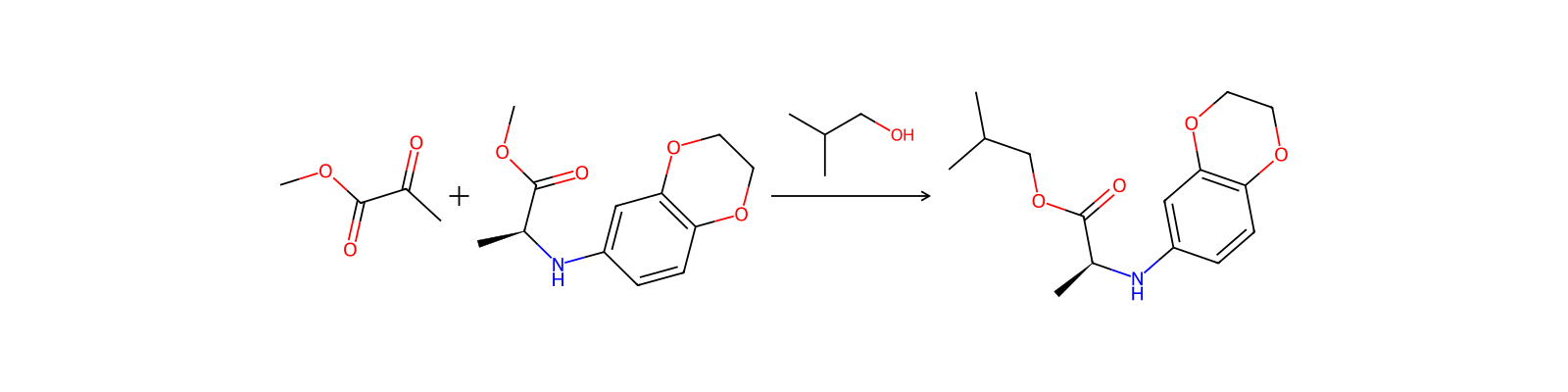
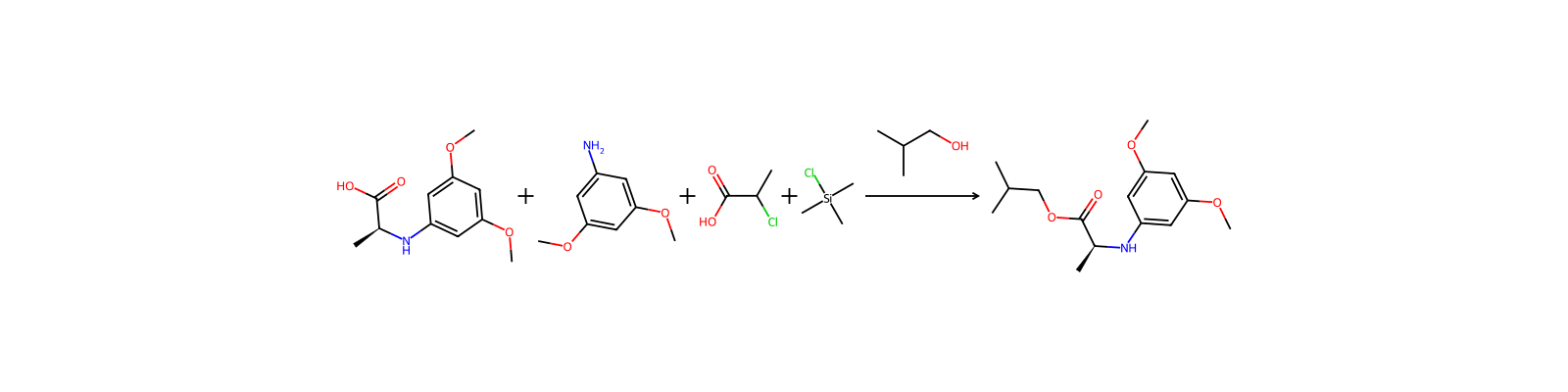
Linked notes
Loading…