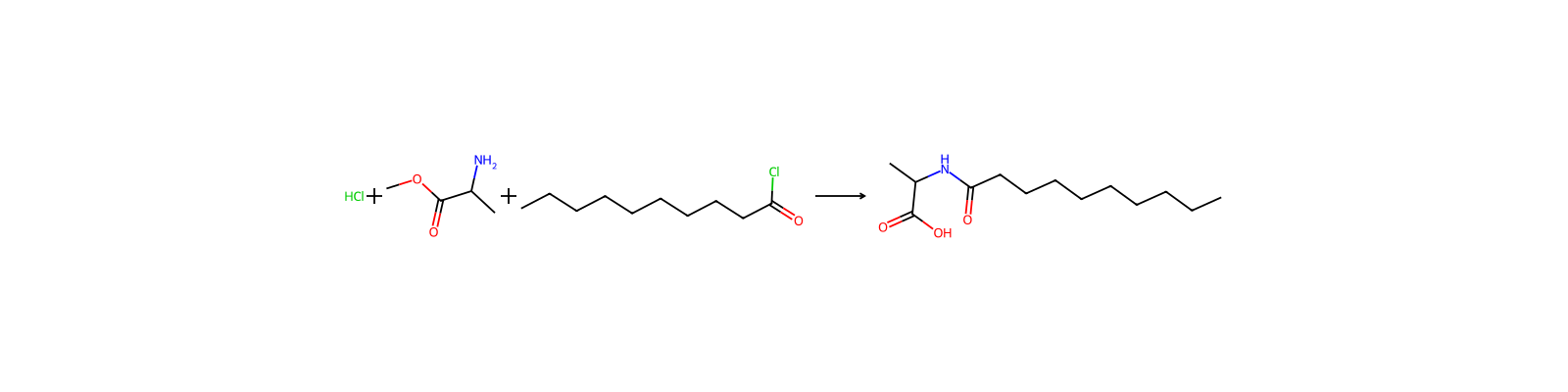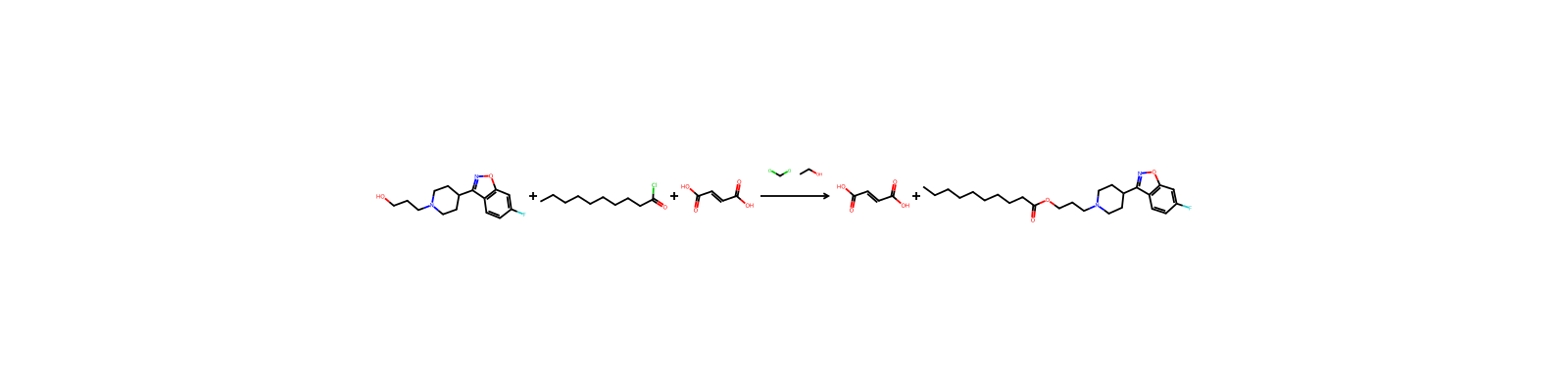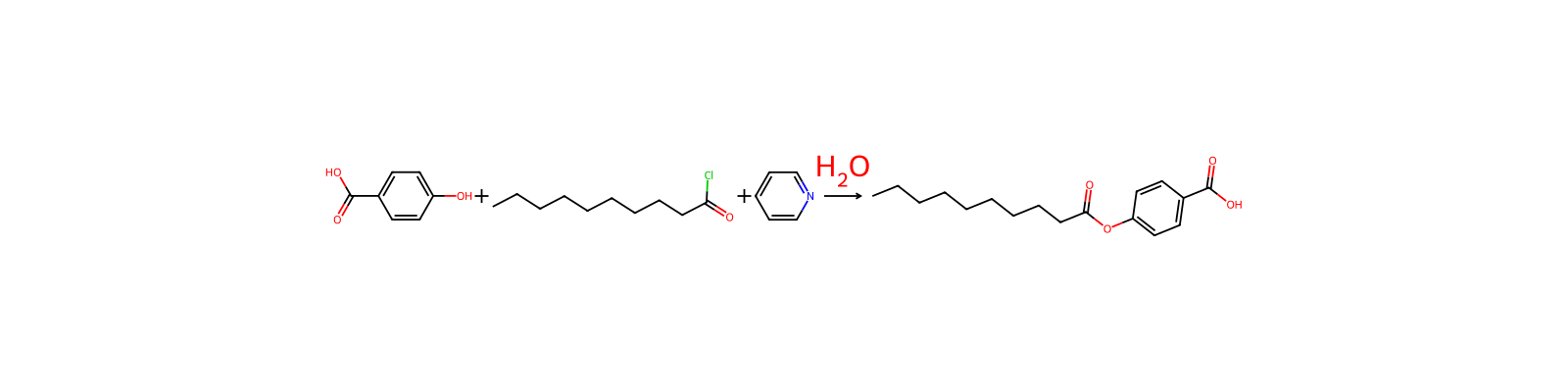
HRID 752As reactant
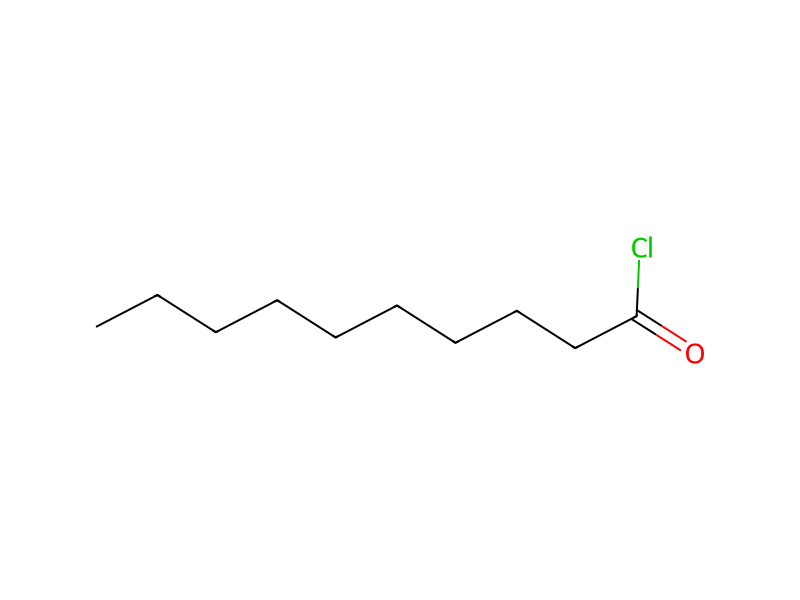
112-13-0CCCCCCCCCC(=O)ClIPIVAXLHTVNRBS-UHFFFAOYSA-N112-13-0DTXSID4059413Safety information is for reference only and does not replace the supplier’s Safety Data Sheet (SDS), applicable regulations, or professional assessment.
This chemical does not meet GHS hazard criteria for 0.6% (1 of 170) of reports.
Danger
H290 (70.6%): May be corrosive to metals [Warning Corrosive to Metals]
P234, P260, P261, P264, P264+P265, P270, P271, P272, P273, P280, P284, P301+P317, P301+P330+P331, P302+P352, P302+P361+P354, P304+P340, P305+P354+P338, P316, P317, P320, P321, P330, P333+P317, P362+P364, P363, P390, P403+P233, P405, P406, and P501 (click each P-code to see the statement)
Aggregated GHS information provided per 170 reports by companies from 12 notifications to the ECHA C&L Inventory. Each notification may be associated with multiple companies.
Chemical: Decanoyl chloride
REACH registered substance: Decanoyl chloride (EC: 203-938-0)
Decanoyl chloride: Does not have an individual approval but may be used under an appropriate group standard
UsesDecanoyl chloride is used in the synthesis of oligomers composed of alternating 2,6-diaminopyridine and 2,6-pyridinedicarbonyl units. It enhances the activity of proleather from Bacillus sp. during the synthesis of poly(lactic acid) in organic solvents.
General DescriptionDecanoyl chloride enhances the activity of proleather from Bacillus sp. during the synthesis of poly(lactic acid) in organic solvents.