

Basic information
- CAS
126-00-1- Standard SMILES
CC(CCC(=O)O)(c1ccc(O)cc1)c1ccc(O)cc1- InChIKey
VKOUCJUTMGHNOR-UHFFFAOYSA-N- Molecular formula
- C17H18O4
- Average molar mass
- 286.32 g/mol
- Monoisotopic mass
- 286.12050905
Overview
Diphenolic acid is a bisphenol.
Names & identifiers
- Preferred name
- 4,4'-Bis(4-hydroxyphenyl)valeric acid
- IUPAC
- 4,4-bis(4-hydroxyphenyl)pentanoic acid
- English name
- Diphenolic acid
- Molecular formula
- C17H18O4
- Molecular weight
- 286.32
Names & synonyms
Diphenolic acid126-00-14,4-Bis(4-hydroxyphenyl)valeric acid4,4-Bis(4-hydroxyphenyl)pentanoic acidDTXSID0022436Benzenebutanoic acid, 4-hydroxy-gamma-(4-hydroxyphenyl)-gamma-methyl-2SIZ2CO5L3NSC-33714-Hydroxy-gamma-(4-hydroxyphenyl)-gamma-methylbenzenebutanoic acid4,4'-Bis(4-hydroxyphenyl)valeric acidDTXCID302436RefChem:506561
Show more names
CTFA4,Bisphenol AcidGFRαNMDAε2-Methyl-5-(45-Methyl-3-(4GABAA RαDiphenolicAci
204-763-24,4-Bis(p-hydroxyphenyl)valeric acid4,4-Bis(p-hydroxyphenyl)pentanoic acidNSC 3371NSC34824MFCD00002800NSC-34824Valeric acid, 4,4-bis(p-hydroxyphenyl)-
Database identifiers
- CAS
126-00-1- PubChem CID
- 67174
- DTXSID
DTXSID0022436
Properties
Computed structural properties
- XLogP
- 3.3
- Topological polar surface area
- 77.8 Ų
- Hydrogen bond donors
- 3
- Hydrogen bond acceptors
- 4
- Rotatable bonds
- 5
- Heavy atoms
- 21
- Formal charge
- 0
- Complexity
- 317
Experimental & physicochemical properties
CosmeticsViscosity controlling
Endocrine DisruptorsPotential endocrine disrupting compound
Food Contact SubstancesFCS -> FDA Inventory of Food Contact Substances Listed in 21 CFR
Collision Cross Section177.5 Ų [M-H]- [CCS Type: DT; Buffer gas: N2; Ionization: ESI-; Dataset: TOXCAST; Source Identifier: DTXSID0022436]
Physicochemical properties
- Melting point
- 167 · 167-170 °C(lit.)
- Boiling point
- 388.69 °C · 388.69°C (rough estimate)
- Density
- 1.3 · 1.30
- refractive index
- 1.545 · 1.5450 (estimate)
- Flash point
- 208 °C · 208°C
- storage temp.
- Inert atmosphere,Room Temperature
- solubility
- DMSO (Slightly), Methanol (Slightly)
Safety & regulation
Safety information is for reference only and does not replace the supplier’s Safety Data Sheet (SDS), applicable regulations, or professional assessment.
GHS classification
GHS Classification
Warning
H315 (91.1%): Causes skin irritation [Warning Skin corrosion/irritation]
P261, P264, P264+P265, P271, P280, P302+P352, P304+P340, P305+P351+P338, P319, P321, P332+P317, P337+P317, P362+P364, P403+P233, P405, and P501 (click each P-code to see the statement)
Aggregated GHS information provided per 45 reports by companies from 5 notifications to the ECHA C&L Inventory. Each notification may be associated with multiple companies.
Hazard information
Regulatory InformationChemical: Benzenebutanoic acid, 4-hydroxy-.gamma.-(4-hydroxyphenyl)-.gamma.-methyl-
Hazard Classes and CategoriesSkin Irrit. 2 (91.1%)
Safety data
- F
- 10
- PPE
- dust mask type N95 (US), Eyeshields, Gloves
- wgk
- 3
- tsca
- TSCA listed
- hs_code
- 29182900
- risk_code
- 36/37/38-36
- Signal word
- Warning
- Symbol(GHS)
- GHS07
- hazard_code
- Xi
- safety_code
- 26-37/39-36
- Storage Class
- 11 - Combustible Solids
- target organs
- Respiratory system
- Hazard statements
- H315-H319-H335
Chemistry & industry
Uses & manufacturing
Use ClassificationCosmetics -> Viscosity controlling
General Manufacturing InformationBenzenebutanoic acid, 4-hydroxy-.gamma.-(4-hydroxyphenyl)-.gamma.-methyl-: ACTIVE
Applications
UsesDiphenolic acid (DPA) has been identified as a potential replacement for bisphenol A, which is one of the monomers for epoxy resins and polycarbonates. DPA also can Intermediate for surface coatings, lubricating oil additives, cosmetics, surfactants, plasticizers, textile chemicals.
UsesDiphenolic Acid is a flux compound. Adhesives for semiconductor devices.
UsesSince diphenolic acid is a close structural analog of bisphenol A, diphenolic acid has the potential to displace bisphenol A. A possible endocrine disruptor, bisphenol A is used in polymer applications such as for use in baby bottles, dental resins, and lacquers to coat food cans.
Preparation methods
PreparationDiphenolic acid (DPA) can be made by the condensation reaction of levulinic acid with phenol in the presence of acid catalysts. Synthesis of diphenolic acid from levulinic acid
Upstream & downstream products
Upstream raw materials
Suppliers100 total
梯希爱(上海)化成工业发展有限公司021-67121386 · [email protected]
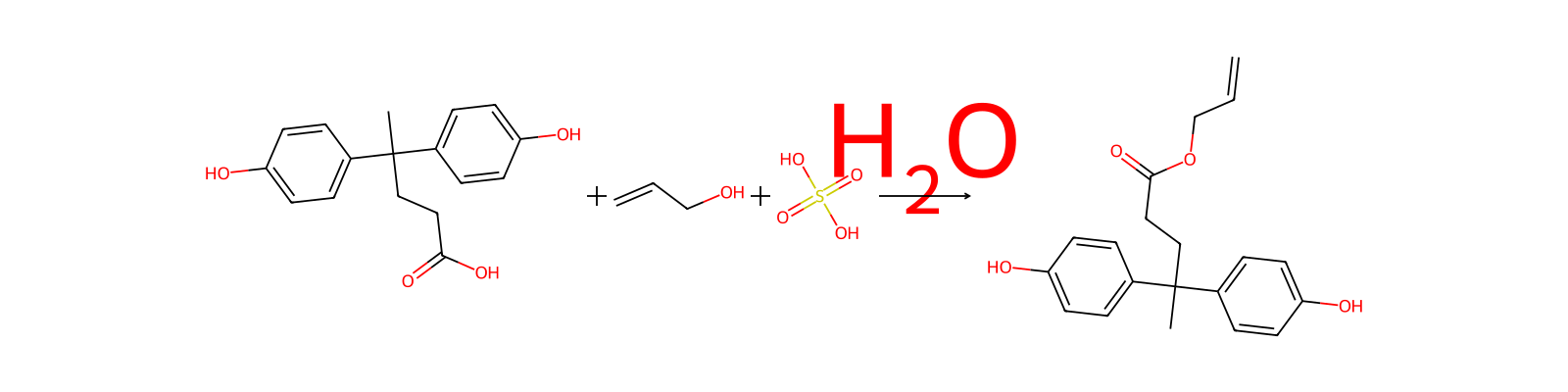
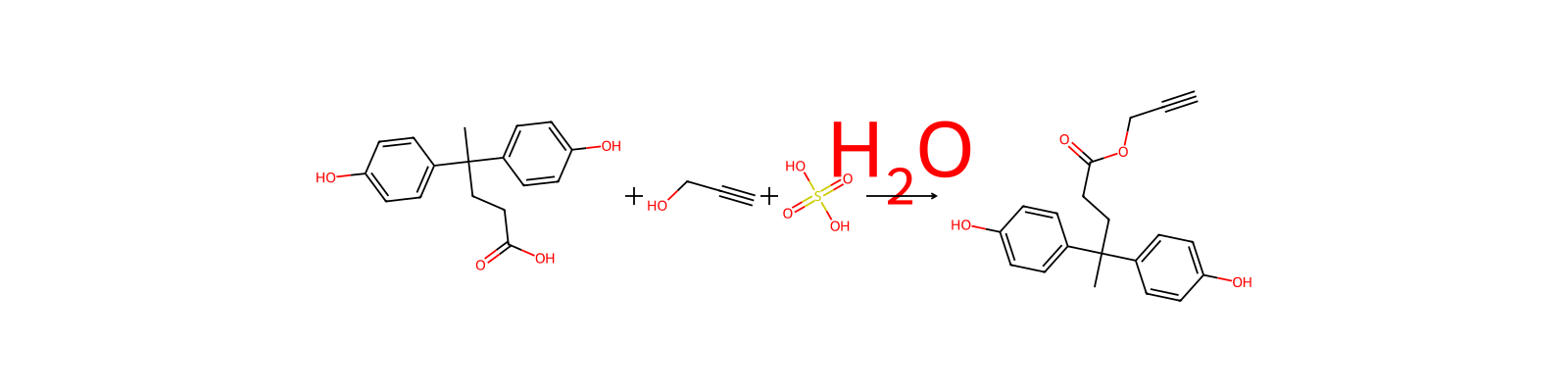
Related reactions
10 records


Compound notes
Loading…