

Basic information
- Standard SMILES
NC(=S)Nc1ccccc1- InChIKey
FULZLIGZKMKICU-UHFFFAOYSA-N- Molecular formula
- C7H8N2S
- Average molar mass
- 152.22 g/mol
- Monoisotopic mass
- 152.04081926
Overview
Needle-like crystals. Used in the manufacture of rodenticides and in medical genetics. (EPA, 1998)
Names & identifiers
- Preferred name
- Phenylthiourea
- IUPAC
- phenylthiourea
- English name
- 1-Phenyl-2-thiourea
- Molecular formula
- C7H8N2S
- Molecular weight
- 152.22
Names & synonyms
Phenylthiourea1-PhenylthioureaN-Phenylthiourea103-85-51-PHENYL-2-THIOUREAPhenylthiocarbamideThiourea, phenyl-Urea, 1-phenyl-2-thio-Fenylthiomocovinaalpha-PhenylthioureaUSAF EK-1569NCI-C02017
Show more names
PTCphenyl-thiourePTC1PTCH1MTC1u6324
monophenyl thioureaDTXSID9021134U 63246F82C6Q54CNSC-5779DTXCID801134CHEBI:46261RefChem:173126
Database identifiers
- CAS
103-85-5- PubChem CID
- 676454
- DTXSID
DTXSID9021134- ChEMBL
CHEMBL263376- ChEBI
CHEBI:46261- UNII
- 6F82C6Q54C
- EC Number
- 203-151-2
- Nikkaji
- J5.517D
Properties
Computed structural properties
- XLogP
- 0.7
- Topological polar surface area
- 70.1 Ų
- Hydrogen bond donors
- 2
- Hydrogen bond acceptors
- 1
- Rotatable bonds
- 1
- Heavy atoms
- 10
- Formal charge
- 0
- Complexity
- 119
Experimental & physicochemical properties
Chemical ClassesNitrogen Compounds -> Thiourea Compounds
DrugsPharmaceuticals -> Listed in ZINC15
SpringerMaterials PropertiesDensity
LogP
log Kow = 0.71
0.73
Taste
Bitter or tasteless ... depending upon heredity of taster
Taste threshold (detection in water): 2.00X10⁻⁵ moles/L; 2.03X10+1 mg/L; (recognition in water): 3.10X10⁻⁴ g/100 mL water
Density
1.3 (EPA, 1998) - Denser than water; will sink
1.3
1.3 @25 °C
Color/Form
Needles from water; prisms from alcohol
Needles
Solubility
less than 1 mg/mL at 70 °F (NTP, 1992)
In water, 2.47X10+3 mg/L at 25 °C
Soluble in 400 parts cold water, 17 parts boiling water
Soluble in ethanol and sodium hydroxide
DecompositionWhen heated to decomposition ... it emits highly toxic fumes of sulfoxides and nitroxides.
Melting Point
298.4 °F (EPA, 1998)
154 °C
154 °C
Vapor Pressure0.00209 [mmHg]
Physical Description
Needle-like crystals. Used in the manufacture of rodenticides and in medical genetics. (EPA, 1998)
Solid; [Merck Index] White or light brown powder; [Alfa Aesar MSDS]
Physicochemical properties
- Melting point
- 145 · 145-150 °C(lit.)
- Boiling point
- 266.7 · 266.7±23.0 °C(Predicted)
- Density
- 1.3 · 1.3
- refractive index
- 1.55 · 1.5500 (estimate)
- storage temp.
- Keep in dark place,Inert atmosphere,Room temperature
- solubility
- Soluble in alcohol
- pka
- 13.12 · 13.12±0.70(Predicted)
- form
- Crystalline Powder
- color
- Off-white to beige
- biological source
- rabbit
- Water Solubility
- Soluble in hot water and alcohol.
- Merck
- 14 · 14,7315
- Specific Activity
- 364 · 364-546nmol/min·mg
- BRN
- 907309 · 907309
- Henry's Law Constant
- 9.9 · 9.9×104 mol/(m3Pa) at 25℃, HSDB (2015)
- Stability
- Stable. Incompatible with strong acids, strong oxidizing agents, strong bases.
- InChI
- 1S/C7H8N2S/c8-7(10)9-6-4-2-1-3-5-6/h1-5H,(H3,8,9,10)
- InChIKey
- FULZLIGZKMKICU-UHFFFAOYSA-N
- SMILES
- NC(=S)Nc1ccccc1
- Toxicology and Carcinogenesis
- 1 · Bioassay of 1-Phenyl-2-thiourea for Possible Carcinogenicity (CASRN 103-85-5)
- CAS DataBase Reference
- 103 · 103-85-5(CAS DataBase Reference)
- EWG's Food Scores
- 1 · 1
- NCI Dictionary of Cancer Terms
- 2 A; · MEN2A; MEN2B; PTC
- FDA UNII
- 6 F82C6Q54C · 6F82C6Q54C
- EPA Substance Registry System
- Phenylthiourea (103-85-5)
- UNSPSC Code
- 12352203 · 12352203
- NACRES
- 41 · NA.41
- Symbol(GHS)
- 6 · GHS06
- Signal word
- Danger
- Hazard statements
- 300 · H300-H317
- Precautionary statements
- 280 · P280-P301+P310+P330-P302+P352
- PPE
- 3 · Eyeshields, Faceshields, Gloves, type P3 (EN 143) respirator cartridges
- Hazard Codes
- T+
- Risk Statements
- 28 · 28-43
- Safety Statements
- 28 · 28-36/37-45
- RIDADR
- 2811 · UN 2811 6.1/PG 1
- WGK Germany
- 3 · 3
- RTECS
- 1400000 · YU1400000
- TSCA
- TSCA listed
- HazardClass
- 6.1 · 6.1
- PackingGroup
- I
- HS Code
- 29309090 · 29309090
- Storage Class
- 6.1 B · 6.1B - Non-combustible acute toxic Cat. 1 and 2very toxic hazardous materials
- Hazard Classifications
- 1 OralSkin · Acute Tox. 1 OralSkin Sens. 1
- Hazardous Substances Data
- 103 · 103-85-5(Hazardous Substances Data)
- Toxicity
- 50 in · LD50 in rats, rabbits (mg/kg): 3, 40 orally (Scheline)
- Excepted Quantities
- Max Inner Pack (1g or 1ml) and Max Outer Pack (300g or 300ml)
Safety & regulation
GHS classification
GHS Classification
This chemical does not meet GHS hazard criteria for 3.8% (3 of 78) of reports.
Danger
H300 (94.9%): Fatal if swallowed [Danger Acute toxicity, oral]
P261, P264, P270, P272, P280, P301+P316, P302+P352, P321, P330, P333+P317, P362+P364, P405, and P501 (click each P-code to see the statement)
Aggregated GHS information provided per 78 reports by companies from 5 notifications to the ECHA C&L Inventory. Each notification may be associated with multiple companies.
Danger
Hazard information
Regulatory Information
Chemical: Thiourea, phenyl-
N-Phenylthiourea: HSNO Approval: HSR003406 Approved with controls
The New Jersey Worker and Community Right to Know Act requires public and private employers to provide information about hazardous substances at their workplaces. (N.J.S.A. 34:5A-1 et. seq.)
DOT LabelPoison
Fire HazardsDangerous disaster hazard; emits toxic fumes of oxides of sulfur and nitrogen when heated to decomposition. Avoid acids or acid fumes. (EPA, 1998)
Health HazardsIt is classified as extremely toxic. The probable oral lethal dose is 5-50 mg/kg or between 7 drops and 1 teaspoon for a 70 kg (150 lb.) person. (EPA, 1998)
Hazards Summary
After ingestion or skin absorption, may cause difficulty breathing, cyanosis, hypothermia, pleural effusions, pulmonary edema, and hyperglycemia; Teratogenic in mice; No evidence of carcinogenicity in rats or mice; [HSDB] Causes hyperglycemia in intraperitoneal lethal-dose studies of rats; [RTECS] A skin and eye irritant; [EPA] An irritant; [Alfa Aesar MSDS]
Reactive GroupAmides and Imides
Special ReportsDHEW/NCI; Bioassay of 1-Phenyl-2-thiourea for Possible Carcinogenicity (1978) Technical Rpt Series No. 148 DHEW Pub No. (NIH) 78-1704
RCRA Requirements
P093; As stipulated in 40 CFR 261.33, when phenylthiourea, as a commercial chemical product or manufacturing chemical intermediate or an off-specification commercial chemical product or a manufacturing chemical intermediate, becomes a waste, it must be managed according to federal and/or state hazardous waste regulations. Also defined as a hazardous waste is any container or inner liner used to hold this waste or any residue, contaminated soil, water, or other debris resulting from the cleanup of a spill, into water or on dry land, of this waste. Generators of small quantities of this waste may qualify for partial exclusion from hazardous waste regulations (40 CFR 261.5(e)).
Reactivity ProfilePHENYLTHIOUREA is incompatible with strong oxidizers, strong acids and strong bases. It emits toxic fumes on contact with acid fumes. (NTP, 1992)
Air and Water ReactionsInsoluble in water.
EPA Hazardous Waste NumberP093; An acute hazardous waste when a discarded commercial chemical product or manufacturing chemical intermediate or an off-specification commercial chemical product or a manufacturing chemical intermediate.
CERCLA Reportable Quantities
Persons in charge of vessels or facilities are required to notify the National Response Center (NRC) immediately, when there is a release of this designated hazardous substance, in an amount equal to or greater than its reportable quantity of 100 lb or 45.4 kg. The toll free number of the NRC is (800) 424-8802. The rule for determining when notification is required is stated in 40 CFR 302.4 (section IV. D.3.b).
Releases of CERCLA hazardous substances are subject to the release reporting requirement of CERCLA section 103, codified at 40 CFR part 302, in addition to the requirements of 40 CFR part 355. Phenylthiourea is an extremely hazardous substance (EHS) subject to reporting requirements when stored in amounts in excess of its threshold planning quantity (TPQ) of 100 or 10,000 lbs. Extremely hazardous substances that are solids are subject to either of two threshold planning quantities ... The lower quantity applies only if the solid exists in powdered form and has a particle size less than 100 microns; or is handled in solution or in molten form; or meets the criteria for a National Fire Protection Association (NFPA) rating of 2, 3 or 4 for reactivity. If the solid does not meet any of these criteria, it is subject to the upper ... threshold planning quantity ... .
Safety & protection
Fire FightingFires involving this material can be controlled with a dry chemical, carbon dioxide or Halon extinguisher. A water spray may also be used. (NTP, 1992)
First Aid
Signs and Symptoms of Phenylthiourea Exposure: Acute exposure to phenylthiourea may result in vomiting, difficult breathing, noisy breathing, cyanosis, and low body temperature. Antithyroid activity and hyperglycemia may be observed after chronic sublethal exposure.
Firefighting HazardsSpecial hazards arising from the substance or mixture: Carbon oxides, nitrogen oxides (NOx), sulphur oxides.
Fire Fighting Procedures
Suitable extinguishing media: Use water spray, alcohol-resistant foam, dry chemical or carbon dioxide.
Advice for firefighters: Wear self-contained breathing apparatus for firefighting if necessary.
Storage Conditions
Rooms used only for storage should be soundly constructed and fitted with secure locks. Floors should be kept clear and the pesticides clearly identified. /Pesticides/
Conditions for safe storage, including any incompatibilities: Keep container tightly closed in a dry and well-ventilated place.
Cleanup Methods
Spillages often occur in storage and repacking rooms, and they must be cleaned up with care. /Pesticides/
Accidental Release Measures. Personal precautions, protective equipment and emergency procedures: Wear respiratory protection. Avoid dust formation. Avoid breathing vapours, mist or gas. Ensure adequate ventilation. Evacuate personnel to safe areas. Avoid breathing dust. Environmental precautions: Prevent further leakage or spillage if safe to do so. Do not let product enter drains. Methods and materials for containment and cleaning up: Pick up and arrange disposal without creating dust. Sweep up and shovel. Keep in suitable, closed containers for disposal.
Nonfire Spill ResponseAvoid inhalation or contact with skin. (EPA, 1998)
Disposal Methods
Generators of waste (equal to or greater than 100 kg/mo) containing this contaminant, EPA hazardous waste number P093, must conform with USEPA regulations in storage, transportation, treatment and disposal of waste.
A potential candidate for rotary kiln incineration at a temperature range of 820 to 1600 °C and residence times of seconds for liquids and gases, and hours for solids. A potential candidate for fluidized bed incineration at a temperature range of 450 to 980 °C and residence times of seconds for liquidsand gases, and longer for solids.
Waste treatment methods. Product: Offer surplus and non-recyclable solutions to a licensed disposal company. Contact a licensed professional waste disposal service to dispose of this material. Dissolve or mix the material with a combustible solvent and burn in a chemical incinerator equipped with an afterburner and scrubber. Contaminated packaging: Dispose of as unused product.
Preventive Measures
... Eating, drinking and smoking should be prohibited /when pesticides are being handled./
Precautions for safe handling: Avoid contact with skin and eyes. Avoid formation of dust and aerosols. Provide appropriate exhaust ventilation at places where dust is formed.Normal measures for preventive fire protection.
Appropriate engineering controls: Avoid contact with skin, eyes and clothing. Wash hands before breaks and immediately after handling the product.
Gloves must be inspected prior to use. Use proper glove removal technique (without touching glove's outer surface) to avoid skin contact with this product. Dispose of contaminated gloves after use in accordance with applicable laws and good laboratory practices. Wash and dry hands.
SRP: Local exhaust ventilation should be applied wherever there is an incidence of point source emissions or dispersion of regulated contaminants in the work area. Ventilation control of the contaminant as close to its point of generation is both the most economical and safest method to minimize personnel exposure to airborne contaminants. Ensure that the local ventilation moves the contaminant away from the worker.
Isolation and EvacuationExcerpt from ERG Guide 154 [Substances - Toxic and/or Corrosive (Non-Combustible)]:
Protective Action Criteria (PAC)
0.0090 [mg/m3]
0.099 [mg/m3]
0.59 [mg/m3]
Personal Protective Equipment (PPE)
For emergency situations, wear a positive pressure, pressure-demand, full facepiece self-contained breathing apparatus (SCBA) or pressure- demand supplied air respirator with escape SCBA and a fully-encapsulating, chemical resistant suit. (EPA, 1998)
Eye/face protection: Face shield and safety glasses Use equipment for eye protection tested and approved under appropriate government standards such as NIOSH (US) or EN 166(EU).
Skin protection: Handle with gloves.
Body Protection: Complete suit protecting against chemicals, The type of protective equipment must be selected according to the concentration and amount of the dangerous substance at the specific workplace.
Respiratory protection: Where risk assessment shows air-purifying respirators are appropriate use a full-face particle respirator type N100 (US) or type P3 (EN 143) respirator cartridges as a backup to engineering controls. If the respirator is the sole means of protection, use a full-face supplied air respirator. Use respirators and components tested and approved under appropriate government standards such as NIOSH (US) or CEN (EU).
Toxicology
Interactions
The present study examined the combined effect of dopamine and 1-methyl-4-phenylpyridinium (MPP(+)) on the membrane permeability in isolated brain mitochondria and on cell viability in PC12 cells. MPP(+) increased effect of dopamine against the swelling, membrane potential, and Ca(2+) transport in isolated mitochondria, which was not inhibited by the addition of antioxidant enzymes (SOD and catalase). Dopamine or MPP(+) caused the decrease in transmembrane potential, increase in reactive oxygen species, depletion of GSH, and cell death in PC12 cells. Antioxidant enzymes reduced each effect of dopamine and MPP(+) against PC12 cells. Co-addition of dopamine and MPP(+) caused the decrease in the transmembrane potential and increase in the formation of reactive oxygen species in PC12 cells, in which they showed an additive effect. Dopamine plus MPP(+)-induced the depletion of GSH and cell death in PC12 cells were not decreased by the addition of antioxidant enzymes, rutin, diethylstilbestrol, and ascorbate. Melanin caused a cell viability loss in PC12 cells. The N-acetylcysteine, N-phenylthiourea, and 5-hydroxyindole decreased the cell death and the formation of dopamine quinone and melanin induced by co-addition of dopamine and MPP(+), whereas deprenyl and chlorgyline did not show an inhibitory effect. The results suggest that co-addition of dopamine and MPP(+) shows an enhancing effect on the change in mitochondrial membrane permeability and cell death, which may be accomplished by toxic quinone and melanin derived from the MPP(+)-stimulated dopamine oxidation.
Pretreatment of animals with 1-methyl-1-phenylthiourea prevents desulfuration & reduces toxicity of PTU.
Cysteine & reduced glutathione partially reduced the liver glycogen-depleting effect of a toxic phenylthiourea dose in rats.
In vitro binding of (14)Carbon thiourea to rat lung protein was antagonized by the presence of phenylthiourea.
For more Interactions (Complete) data for 1-PHENYL-2-THIOUREA (7 total), please visit the HSDB record page.
Environmental Fate
TERRESTRIAL FATE: Based on a classification scheme(1), an estimated Koc value of 100(SRC), determined from a structure estimation method(2), indicates that 1-phenyl-2-thiourea is expected to have high mobility in soil(SRC). The estimated pKa of 1-phenyl-2-thiourea is 9.62(3), indicating that this compound will exist partially in the anion form in the environment and anions generally do not adsorb more strongly to soils containing organic carbon and clay than their neutral counterparts(4). Volatilization of the anion form of 1-phenyl-2-thiourea from moist soil surfaces is not expected because anions do not volatilize(SRC). Volatilization of neutral 1-phenyl-2-thiourea from moist soil surfaces is not expected to be an important fate process(SRC) given an estimated Henry's Law constant of 8.7X10⁻⁸ atm-cu m/mole(SRC), using a fragment constant estimation method(2). 1-Phenyl-2-thiourea is not expected to volatilize from dry soil surfaces(SRC) based upon an estimated vapor pressure of 2.8X10⁻⁴ mm Hg at 25 °C(SRC), determined from a fragment constant method(2). Biodegradation data in soil were not available(SRC, 2014).
AQUATIC FATE: Based on a classification scheme(1), an estimated Koc value of 100(SRC), determined from a structure estimation method(2), indicates that 1-phenyl-2-thiourea is expected to adsorb to suspended solids and sediment(SRC). An estimated pKa of 9.62(3) indicates 1-phenyl-2-thiourea will exist partially in the anion form at pH values of 5 to 9 and, therefore, volatilization of the anion form from water surfaces is not expected to be an important fate process(SRC). Volatilization of the neutral form from water surfaces is not expected(4) based upon an estimated Henry's Law constant of 8.7X10⁻⁸ atm-cu m/mole(SRC), developed using a fragment constant estimation method(2). 1-Phenyl-2-thiourea is not expected to undergo hydrolysis in the environment due to the lack of functional groups that hydrolyze under environmental conditions(4). According to a classification scheme(5), an estimated BCF of 3(SRC), from its log Kow of 0.71(6) and a regression-derived equation(2), suggests the potential for bioconcentration in aquatic organisms is low(SRC). Biodegradation data in water were not available(SRC, 2014).
ATMOSPHERIC FATE: According to a model of gas/particle partitioning of semivolatile organic compounds in the atmosphere(1), 1-phenyl-2-thiourea, which has an estimated vapor pressure of 2.8X10⁻⁴ mm Hg at 25 °C(SRC), determined from a fragment constant method(2), is expected to exist solely as a vapor in the ambient atmosphere. Vapor-phase 1-phenyl-2-thiourea is degraded in the atmosphere by reaction with photochemically-produced hydroxyl radicals(SRC); the half-life for this reaction in air is estimated to be 5 hours(SRC), calculated from its rate constant of 6.3X10⁻¹¹ cu cm/molecule-sec at 25 °C(SRC) that was derived using a structure estimation method(2). 1-Phenyl-2-thiourea contains chromophores that absorb at wavelengths >290 nm(3) and, therefore, may be susceptible to direct photolysis by sunlight(SRC).
Toxicity Summary
IDENTIFICATION AND USE: 1-Phenyl-2-thiourea is a bitter or tasteless (depending on the individual's genetic background) needle- or prism-like solid material used in medical genetics studies, as a repellent for rats, rabbits, and weasels, and in the production of rodenticides. HUMAN EXPOSURE AND TOXICITY: 1-Phenyl-2-thiourea can be absorbed by ingestion and parenterally; it may be absorbed and cause systemic toxicity following inhalation or dermal exposure. The bitter taste perception (associated with the ability or inability to taste 1-phenyl-2-thiourea) is mediated by the tas2r38 gene. Some studies have found higher proportions of nontasters among those with a family history of alcoholism than controls, whereas others have not. ANIMAL STUDIES: Vomiting, noisy or difficult breathing, cyanosis, and hypothermia may occur. Pleural effusions and pulmonary edema have been seen in exposed experimental animals, and this compound destroys cytochrome P450 in vivo. Hypoglycemia lasting for up to 5 hours was seen in rats injected with 1-phenyl-2-thiourea. In mice it was nearly as effective as a strong dose of licl in reducing sucrose drinking. 1-Phenyl-2-thiourea produced a concn-dependent inhibition of rat lung acetylcholinesterase activity in vitro. Phenylthiourea caused mutagenicity in the Salmonella typhimurium assay without S9 activation, but was negative in the salmonella/microsome preincubation assay. At the standard concentration of 0.003% (200 uM), 1-phenyl-2-thiourea inhibits melanogenesis and reportedly has minimal other effects on zebrafish embryogenesis. The administration of 0.003% 1-phenyl-2-thiourea altered retinoic acid and insulin-like growth factor regulation of neural crest and mesodermal components of craniofacial development. 1-Phenyl-2-thiourea also decreased retinoic acid-induced teratogenic effects on pharyngeal arch and jaw cartilage despite morphologically normal appearing 1-phenyl-2-thiourea -treated controls. 1-Phenyl-2-thiourea inhibited neural crest development at higher concentrations (0.03%) and had the greatest inhibitory effect when added prior to 22 hours post fertilization (hpf). Addition of 0.003% 1-phenyl-2-thiourea between 4 and 20 hpf decreased thyroxine (T4) in thyroid follicles in the nasopharynx of 96 hpf embryos. 1-Phenyl-2-thiourea is an experimental teratogen in mice. In NTP 78 weeks feeding study 1-phenyl-2-thiourea was not carcinogenic to rats (120 and 60 ppm) and mice (300 and 150 ppm) in both males or females.
Ongoing Test Status
The following link will take the user to the National Toxicology Program (NTP) Test Agent Search Results page, which tabulates all of the "Standard Toxicology & Carcinogenesis Studies", "Developmental Studies", and "Genetic Toxicity Studies" performed with this chemical. Clicking on the "Testing Status" link will take the user to the status (i.e., in review, in progress, in preparation, on test, completed, etc.) and results of all the studies that the NTP has done on this chemical.[Available from, as of October 20, 2014: http://ntp-apps.niehs.nih.gov/ntp_tox/index.cfm?fuseaction=ntpsearch.searchresults&searchterm=103-85-5]
Soil Adsorption/Mobility
Using a structure estimation method based on molecular connectivity indices(1), the Koc of 1-phenyl-2-thiourea can be estimated to be 100(SRC). According to a classification scheme(2), this estimated Koc value suggests that 1-phenyl-2-thiourea is expected to have high mobility in soil. The estimated pKa of 1-phenyl-2-thiourea is 9.62(3), indicating that this compound will exist partially in anion form in the environment and anions generally do not adsorb more strongly to soils containing organic carbon and clay than their neutral counterparts(4).
Human Toxicity Excerpts
/SIGNS AND SYMPTOMS/ Information profiles were presented for thiourea and the following thiourea compounds considered important in the industrial community: 1-allyl-3-(2-hydroxyethyl)-2-thiourea (105817), allylthiourea (109579), N,N'-bis(hydroxymethyl)thiourea (3084251), N,N'-bis(methoxymethyl)thiourea (51872265), 1-butyl-3-ethyl-2-thiourea (32900064), 1,3-dibutyl-2-thiourea (109466), 1,3-diisopropyl-2-thiourea (2986176), 1,3-dimethyl-2-thiourea (534134), N,N'-di-o-tolylthiourea (137973), 3-ethyl-1,1-dimethyl-2-thiourea (15361861), ethylthiourea (625536), (hydroxymethyl)thiourea (1000835), (2-methylphenyl)thiourea (614788), thiourea (62566), 1,3-diethyl-2-thiourea (105555), 1,3-diphenyl-2-thiourea (102089), ethylenethiourea (96457), 1-naphthylthiourea (86884), 1-phenyl-2-thiourea (103855), 1,1,3,3-tetramethylthiourea (2782914) and 1,1,3-trimethyl-2-thiourea (2489772)... Positive mutagenic effects have been elicited in various assays with several of these compounds. The use of thiourea, diethylthiourea and tetramethylthiourea as antithyroid drugs indicated these compounds have antithyroidal effects in humans. Frequently observed side effects from the use of these medications have included headache, anxiety, fever, skin rash, and gastrointestinal disturbances. /thioureas/
/SIGNS AND SYMPTOMS/ In the manufacture of rubber, irritant contact dermatitis may occur from a variety of acids, alkalis, detergents, and solvents used in the process. Allergic contact dermatitis occurs not infrequently and is almost always due to an organic accelerator or antioxidant. While the list of potential sensitizing accelerators and antioxidants is enormous, common allergens include ... thioureas. /Thioureas/
/EPIDEMIOLOGY STUDIES/ The bitter taste perception (associated with the ability or inability to taste phenylthiocarbamide) is mediated by the TAS2R38 gene. Most of the variation in this gene is explained by three common amino-acid polymorphisms at positions 49 (encoding proline or alanine), 262 (alanine or valine) and 296 (valine or isoleucine) that determine two common isoforms: proline-alanine-valine (PAV) and alanine-valine-isoleucine (AVI). PAV is the major taster haplotype (heterozygote and homozygote) and AVI is the major non-taster haplotype (homozygote). Amino acid 49 has the major effect on the distinction between tasters and non-tasters of all three variants. The sense of bitter taste protects us from ingesting toxic substances, present in some vegetables, that can affect the thyroid when ingested in large quantities. Balancing selection has been used to explain the current high non-taster frequency, by maintaining divergent TAS2R38 alleles in humans. /Researchers/ have amplified and sequenced the TAS2R38 amino acid 49 in the virtually uncontaminated Neanderthal sample of El Sidron 1253 and have determined that it was heterozygous. Thus, this Neanderthal was a taster individual, although probably slightly less than a PAV homozygote. This indicates that variation in bitter taste perception pre-dates the divergence of the lineages leading to Neanderthals and modern humans.
/EPIDEMIOLOGY STUDIES/ Test strips impregnated with phenylthiocarbamide (PTC) have been used to identify genetic differences based on whether a bitter taste is perceived. To determine whether smokers who perceive PTC as bitter tasting ("tasters") would differ from those who describe it as tasteless ("non-tasters") on smoking-related variables, /this research/ studied 464 current smokers (70% female, 79% White; mean age 30.5+/-9 years) recruited to participate in laboratory experiments and clinical trials. Of these, 217 (47%) reported the PTC strips as tasteless and 154 (33%) as tasting bitter. The remaining 93 (20%) described the taste as salty, sweet, or other and were excluded from further analyses. Comparing tasters with non-tasters, /this research/ found significant differences in mean (S.D.) total years smoked (14.5 [9.2] for non-tasters, vs. 12.6 [8.4] for tasters, p<.05), Fagerstrom Tolerance Questionnaire scores (6.4 [2.1] vs. 5.8 [2.1], p<.01), and scores on the Positive Reinforcement scale of the Michigan-Nicotine Reinforcement Questionnaire (8.1 [2.9] vs. 6.8 [3.1], p<.05). Results suggest that among smokers, ability to taste PTC may confer some protection from development of nicotine dependence and positive reinforcement from smoking.
For more Human Toxicity Excerpts (Complete) data for 1-PHENYL-2-THIOUREA (9 total), please visit the HSDB record page.
Artificial Pollution Sources
1-Phenyl-2-thiourea's production and use in medical genetics(1) and as an ingredient in silver polishes may result in its release to the environment through various waste streams(SRC). It's limited use as an inert ingredient in residential pesticides(2) will result in its direct release to the environment(SRC).
Carcinogen Classification
1-Phenyl-2-thiourea
TR-148: Bioassay of 1-Phenyl-2-thiourea for Possible Carcinogenicity (CASRN 103-85-5) (1978 )
06/25/78
No Evidence
No Evidence
No Evidence
Environmental Bioconcentration
An estimated BCF of 3 was calculated in fish for 1-phenyl-2-thiourea(SRC), using a log Kow of 0.71(1) and a regression-derived equation(2). According to a classification scheme(3), this BCF suggests the potential for bioconcentration in aquatic organisms is low(SRC).
Volatilization from Water/Soil
An estimated pKa of 9.62(1) indicates 1-phenyl-2-thiourea will exist partially in the anion form at pH values of 5 to 9 and, therefore, volatilization of the ionic form from water and moist surfaces is not expected to be an important fate process(SRC). The Henry's Law constant for 1-phenyl-2-thiourea is estimated as 8.7X10⁻⁸ atm-cu m/mole(SRC) using a fragment constant estimation method(2). This Henry's Law constant indicates that neutral 1-phenyl-2-thiourea is expected to be essentially nonvolatile from water and moist soil surfaces(3). 1-Phenyl-2-thiourea is not expected to volatilize from dry soil surfaces(SRC) based upon an estimated vapor pressure of 2.8X10⁻⁴ mm Hg(SRC), determined from a fragment constant method(2).
Non-Human Toxicity Excerpts
/LABORATORY ANIMALS: Acute Exposure/ Previous work has demonstrated that SWR/J (SW) mice avoid phenylthiocarbamide (PTC) to a greater degree than C3HeB/FeJ mice in 48 hr, two-bottle preference tests given in ascending series. The authors hypothesized, based also on previous work, that SW mice might form a conditioned taste aversion over time due to the toxic properties of PTC. /This study/ directly tested this hypothesis by attempting to condition a taste aversion to sucrose by injections of PTC. In experiment 1, PTC was nearly as effective as a strong dose of LiCl in reducing sucrose drinking. In experiment 2, the sucrose aversions were parametrically modified by both sucrose concentration and PTC dose, a hallmark of conditioned taste aversion. /This study/ concludes that PTC can cause a conditioned taste aversion and discuss the importance of considering toxic effects of aversive tastants when analyzing behavioral strain differences.
/LABORATORY ANIMALS: Acute Exposure/ POISONED RATS EXHIBITED PLEURAL EFFUSIONS & PULMONARY EDEMA. ... MICE GIVEN MASSIVE DOSES OF PTU (100 MG/KG) IP SURVIVED AT LEAST 8 HR ALTHOUGH ALL HAD DIED BY 22 HR. SIMILARLY, RATS GIVEN 25 MG/KG IP SURVIVED MANY HR.
/LABORATORY ANIMALS: Developmental or Reproductive Toxicity/ Teratogenic in mice given 168 mg/kg or higher doses orally on days 1 to 21 of pregnancy.
/LABORATORY ANIMALS: Developmental or Reproductive Toxicity/ 1-Phenyl 2-thiourea (PTU) is a tyrosinase inhibitor commonly used to block pigmentation and aid visualization of zebrafish development. At the standard concentration of 0.003% (200 uM), PTU inhibits melanogenesis and reportedly has minimal other effects on zebrafish embryogenesis. /The study/ found that 0.003% PTU altered retinoic acid and insulin-like growth factor (IGF) regulation of neural crest and mesodermal components of craniofacial development. Reduction of retinoic acid synthesis by the pan-aldehyde dehydrogenase inhibitor diethylbenzaldehyde, only when combined with 0.003% PTU, resulted in extraocular muscle disorganization. PTU also decreased retinoic acid-induced teratogenic effects on pharyngeal arch and jaw cartilage despite morphologically normal appearing PTU-treated controls. Furthermore, 0.003% PTU in combination with inhibition of IGF signaling through either morpholino knockdown or pharmacologic inhibition of tyrosine kinase receptor phosphorylation, disrupted jaw development and extraocular muscle organization. PTU in and of itself inhibited neural crest development at higher concentrations (0.03%) and had the greatest inhibitory effect when added prior to 22 hours post fertilization (hpf). Addition of 0.003% PTU between 4 and 20 hpf decreased thyroxine (T4) in thyroid follicles in the nasopharynx of 96 hpf embryos. Treatment with exogenous triiodothyronine (T3) and T4 improved, but did not completely rescue, PTU-induced neural crest defects. Thus, PTU should be used with caution when studying zebrafish embryogenesis as it alters the threshold of different signaling pathways important during craniofacial development. The effects of PTU on neural crest development are partially caused by thyroid hormone signaling.
For more Non-Human Toxicity Excerpts (Complete) data for 1-PHENYL-2-THIOUREA (14 total), please visit the HSDB record page.
Environmental Abiotic Degradation
The rate constant for the vapor-phase reaction of 1-phenyl-2-thiourea with photochemically-produced hydroxyl radicals has been estimated as 6.4X10⁻¹¹ cu cm/molecule-sec at 25 °C(SRC) using a structure estimation method(1). This corresponds to an atmospheric half-life of about 5 hours at an atmospheric concentration of 5X10+5 hydroxyl radicals per cu cm(1). 1-Phenyl-2-thiourea is not expected to undergo hydrolysis in the environment due to the lack of functional groups that hydrolyze under environmental conditions(2). 1-Phenyl-2-thiourea contains chromophores that absorb at wavelengths >290 nm(2) and, therefore, may be susceptible to direct photolysis by sunlight(SRC).
Regulatory information
RCRA Requirements
P093; As stipulated in 40 CFR 261.33, when phenylthiourea, as a commercial chemical product or manufacturing chemical intermediate or an off-specification commercial chemical product or a manufacturing chemical intermediate, becomes a waste, it must be managed according to federal and/or state hazardous waste regulations. Also defined as a hazardous waste is any container or inner liner used to hold this waste or any residue, contaminated soil, water, or other debris resulting from the cleanup of a spill, into water or on dry land, of this waste. Generators of small quantities of this waste may qualify for partial exclusion from hazardous waste regulations (40 CFR 261.5(e)).
CERCLA Reportable Quantities
Persons in charge of vessels or facilities are required to notify the National Response Center (NRC) immediately, when there is a release of this designated hazardous substance, in an amount equal to or greater than its reportable quantity of 100 lb or 45.4 kg. The toll free number of the NRC is (800) 424-8802. The rule for determining when notification is required is stated in 40 CFR 302.4 (section IV. D.3.b).
Releases of CERCLA hazardous substances are subject to the release reporting requirement of CERCLA section 103, codified at 40 CFR part 302, in addition to the requirements of 40 CFR part 355. Phenylthiourea is an extremely hazardous substance (EHS) subject to reporting requirements when stored in amounts in excess of its threshold planning quantity (TPQ) of 100 or 10,000 lbs. Extremely hazardous substances that are solids are subject to either of two threshold planning quantities ... The lower quantity applies only if the solid exists in powdered form and has a particle size less than 100 microns; or is handled in solution or in molten form; or meets the criteria for a National Fire Protection Association (NFPA) rating of 2, 3 or 4 for reactivity. If the solid does not meet any of these criteria, it is subject to the upper ... threshold planning quantity ... .
Safety data
- PPE
- Eyeshields, Faceshields, Gloves, type P3 (EN 143) respirator cartridges
- wgk
- 3
- tsca
- TSCA listed
- rtecs
- YU1400000
- ridadr
- UN 2811 6.1/PG 1
- hs_code
- 29309090
- Toxicity
- LD50 in rats, rabbits (mg/kg): 3, 40 orally (Scheline)
- risk_code
- 28-43
- Signal word
- Danger
- Symbol(GHS)
- GHS06
- hazard_code
- T+
- safety_code
- 28-36/37-45
- hazard_class
- 6.1
- Storage Class
- 6.1B - Non-combustible acute toxic Cat. 1 and 2very toxic hazardous materials
- packing_group
- I
- Hazard statements
- H300-H317
- Excepted Quantities
- Max Inner Pack (1g or 1ml) and Max Outer Pack (300g or 300ml)
- Hazard Classifications
- Acute Tox. 1 OralSkin Sens. 1
- Precautionary statements
- P280-P301+P310+P330-P302+P352
- Hazardous Substances Data
- 103-85-5(Hazardous Substances Data)
Chemistry & industry
Pharmacology
Mechanism of Action
Thyroid hormone (T4) can be detected in thyroid follicles in wild-type zebrafish larvae from 3 days of development, when the thyroid has differentiated. In contrast, embryos or larvae treated with goitrogens (substances such as methimazole, potassium percholorate, and 6-n-propyl-2-thiouracil) are devoid of thyroid hormone immunoreactivity. Phenythiourea (PTurea; also commonly known as PTU) is widely used in zebrafish research to suppress pigmentation in developing embryos/fry. PTurea contains a thiocarbamide group that is responsible for goitrogenic activity in methimazole and 6-n-propyl-2-thiouracil. In the present study, /this research/ shows that commonly used doses of 0.003% PTurea abolish T4 immunoreactivity of the thyroid follicles of zebrafish larvae. As development of the thyroid gland is not affected, these data suggest that PTurea blocks thyroid hormone production. Like other goitrogens, PTurea causes delayed hatching, retardation and malformation of embryos or larvae with increasing doses. At doses of 0.003% PTurea, however, toxic side effects seem to be at a minimum, and the maternal contribution of the hormone might compensate for compromised thyroid function during the first days of development.
The ability or inability to taste the compound phenylthiocarbamide (PTC) is a classic inherited trait in humans and has been the subject of genetic and anthropological studies for over 70 years. This trait has also been shown to correlate with a number of dietary preferences and thus may have important implications for human health. The recent identification of the gene that underlies this phenotype has produced several surprising findings. This gene is a member of the T2R family of bitter taste receptor genes. It exists in seven different allelic forms, although only two of these, designated the major taster and major non-taster forms, exist at high frequency outside sub-Saharan Africa. The non-taster allele resides on a small chromosomal region identical by descent, indicating that non-tasters are descended from an ancient founder individual, and consistent with an origin of the non-taster allele preceding the emergence of modern humans out of Africa. The two major forms differ from each other at three amino acid positions, and both alleles have been maintained at high frequency by balancing natural selection, suggesting that the non-taster allele serves some function. We hypothesize that this function is to serve as a receptor for another, as yet unidentified toxic bitter substance. At least some of the remaining five haplotypes appear to confer intermediate sensitivity to PTC, suggesting future detailed studies of the relationships between receptor structure and taste function.
Humans' bitter taste perception is mediated by the hTAS2R subfamily of the G protein-coupled membrane receptors (GPCRs). Structural information on these receptors is currently limited. Here we identify residues involved in the binding of phenylthiocarbamide (PTC) and in receptor activation in one of the most widely studied hTAS2Rs (hTAS2R38) by means of structural bioinformatics and molecular docking. The predictions are validated by site-directed mutagenesis experiments that involve specific residues located in the putative binding site and trans-membrane (TM) helices 6 and 7 putatively involved in receptor activation. Based on our measurements, we suggest that (i) residue N103 participates actively in PTC binding, in line with previous computational studies. (ii) W99, M100 and S259 contribute to define the size and shape of the binding cavity. (iii) W99 and M100, along with F255 and V296, play a key role for receptor activation, providing insights on bitter taste receptor activation not emerging from the previously reported computational models.
Metabolism/Metabolites
Yields aniline, p-hydroxyphenylthiourea, phenylcyanamide, & phenylurea in rabbit. /From table/
... Investigated S-oxidation of N-substituted thioureas by purified hog liver mixed-function amine oxidase and pig and hamster liver microsomal fractions. In the presence of enzyme, O2, and nicotinamide adenine dinucleotide phosphate reductase, phenylthiourea ... metabolized to the corresponding formamidine sulfinic acid ... reaction ... occurred through intermediary sulfenic acids, indicating two consecutive oxidations. The formamidine sulfinic acid products then auto-oxidized slowly to the corresponding sulfonic acids.
Absorption, Distribution and Excretion
Extensively metabolized in rabbits & 86% excreted in urine over 2 days with addnl 10% in feces. Desulfuration of the molecule is extensive, & the sulfur label is excreted more slowly. Eventually 60% is recovered as urinary sulfate.
After admin of (35)Sulfur-cmpd to ... /rats & rabbits/ excretion of (35)Sulfur was slower compared to that of (14)Carbon after (14)Carbon-cmpd. ... /Results/ indicated that desulfuration of 1-phenyl-2-thiourea occurred in vivo & ... suggested that some hydrogen sulfide was liberated ... & may be responsible for toxic effects ... 2 hr after ip admin of (35)Sulfur-cmpd to rats, levels of (35)Sulfur were high in organs of biotransformation & excretion (liver & kidneys) & also in lung & thyroid gland, organs affected by 1-phenyl-2-thiourea.
Uses & manufacturing
Uses
Used to make rodenticides, as repellant for rats, rabbits, and weasels, and in medical genetics; [HSDB]
In medical genetics.
Ingredient in silver polishes and residential pesticides
U.S. Imports
(1976) 1.03X10+6 GRAMS (PRINCPL CUSTMS DISTS)
(1978) 1.00X10+6 GRAMS (PRINCPL CUSTMS DISTS)
U.S. Production(1975) PROBABLY GREATER THAN 4.54X10+5 GRAMS
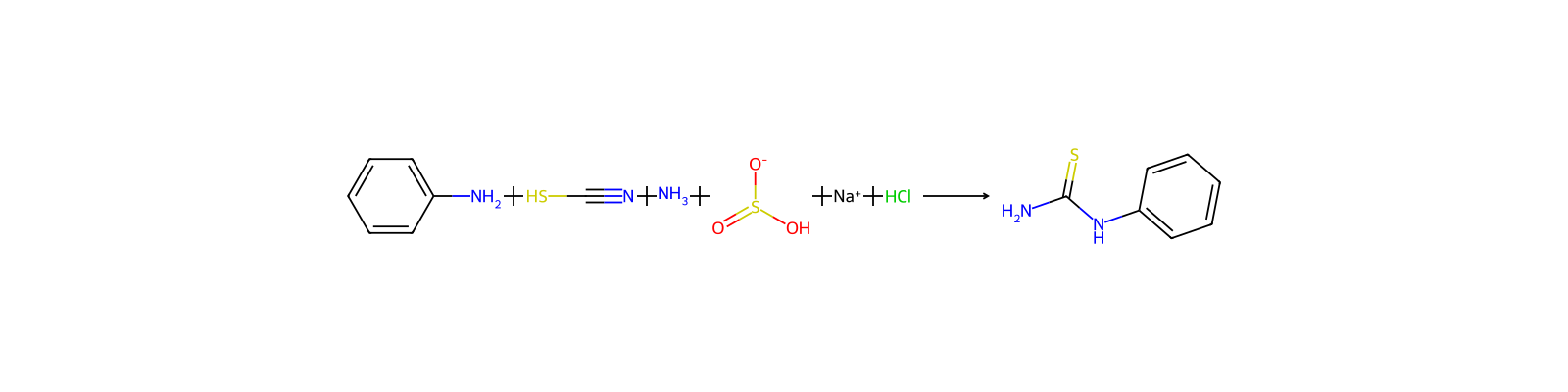
Methods of ManufacturingPrepared by evaporating an aqueous solution of aniline hydrochloride and ammonium thiocyanate and carefully heating the residue.
General Manufacturing Information
Thiourea, N-phenyl-: ACTIVE
Phenylthiourea is a repellent for rats, rabbits, and weasels. Effective concn are 0.012-0.014%, & can be lowered to 0.002-0.003% by addition of 5% sucrose.
Applications
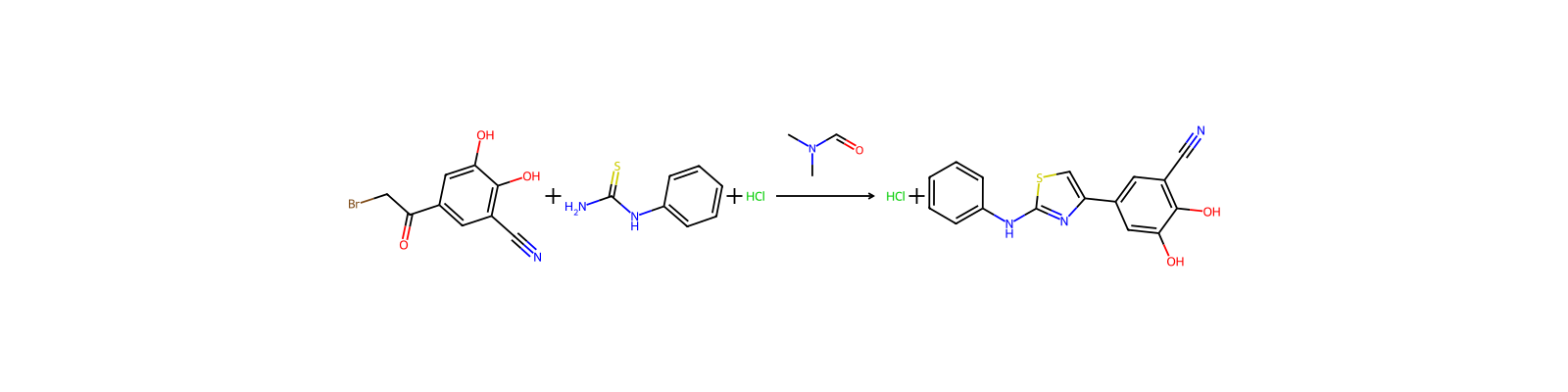
Uses1-Phenylthiourea is used as a reactant in the preparation of disubstituted thiazoles as potential antibacterial and antiinflammatory agents via condensation of phenacyl bromide with thioureas and thiosemicarbazones.
UsesIn medical genetics.
General DescriptionNeedle-like crystals. Used in the manufacture of rodenticides and in medical genetics.
Upstream & downstream products
Upstream raw materials
Downstream products
Suppliers50 total
国药集团化学试剂有限公司86-21-63210123 · [email protected]
梯希爱(上海)化成工业发展有限公司021-67121386 · [email protected]
上海阿拉丁生化科技股份有限公司400-6206333 13167063860 · [email protected]
合肥翰刚医药科技有限公司+8618062405514 · [email protected]
上海泰矶林实业有限公司02150630626 17717886015 · [email protected]
爱斯特(成都)生物制药股份有限公司+86-28-85122536 85324413 · [email protected]
Dayang Chem (Hangzhou) Co.,Ltd.+86-0571-88938639 17705817739 · [email protected]
上海将来实业股份有限公司400-0066400 13621662912 · [email protected]
Syntechem Co.,Ltd[email protected]
北京华威锐科化工有限公司0757-86329057 18934348241 · [email protected]
上海晶抗生物工程有限公司021-54721350 13524668266 · [email protected]
阿法埃莎(中国)化学有限公司400-6106006 · [email protected]
太原市瑞和丰科贸有限公司+86 351 7031519 · [email protected]
安耐吉化学&3A(安徽泽升科技股份有限公司)400-0056266 · [email protected]
上海瀚鸿科技股份有限公司021-54306202 13764082696 · [email protected]
上海钰康生物科技有限公司+86-18930848214 +86-021-56762820 · [email protected]
上海景颜化工科技有限公司13817811078 · [email protected]
Pure Chemistry Scientific Inc.001-857-928-2050 or 1-888-588-9418 · [email protected]
上海隆盛化工有限公司58099637 13585536065 · [email protected]
山东西亚化学有限公司13355009207 13355009207 · [email protected]
玛雅试剂+86 (573) 82222445 (0)18006601000 452520369 · [email protected]
HONG KONG IPURE BIOLOGY CO.,LIMITED86 18062405514 18062405514 · [email protected]
四川库利南科技有限公司400-1166-196 18981987031 · [email protected]
湖南汇百侍生物科技有限公司0731-85526065 13308475853 · [email protected]
斯百全化学(上海)有限公司021-021-021-67601398-809-809-809 15221380277 · [email protected]
上海源叶生物科技有限公司13636370518 · [email protected]
艾科试剂4008-755-333 18080918076 · [email protected]
上海思域化工科技有限公司86-21-34053660 · [email protected]
赛默飞世尔科技(中国)有限公司800-810-5118 · [email protected]
北京伊诺凯科技有限公司400-810-7969 010-59572699 · [email protected]
上海健超生物科技有限公司150-2103-5486 18017383231 · [email protected]
TCI AMERICA800-4238616 · [email protected]
TOKYO CHEMICAL INDUSTRY CO., LTD.03-36680489 · [email protected]
TCI Europe320-37350700 · [email protected]
南京杜莱生物技术有限公司025-84699383-8003;025-846993838003-8003 18013301590 · [email protected]
北京环宇世纪化学科技有限公司hysj_bj.com
上海将来实业股份有限公司400-0066400 13621662912 · [email protected]
安徽科迪达化工有限公司0554-2106669 · [email protected]
Labnetwork lnc.+86-27-50766799 +86-18062016861 · [email protected]
天津奥立非医药技术有限公司18202662021 18522876413 · [email protected]
成都零六生物科技有限公司400-1166-196 13458535857 · [email protected]
湖南华腾制药有限公司400-8592883 · [email protected]
上海麦克林生化科技股份有限公司15221275939 15221275939 · [email protected]
杭州杰恒化工有限公司0571-87396432 · [email protected]
江苏艾康生物医药研发有限公司025-66028182 17714375163 · [email protected]
成都润泽本土化工有限公司13096311329 028-88469284 616445927 · [email protected]
上海皓骏医药科技有限公司021-34621078 13120882795 · [email protected]
Sigma-Aldrich西格玛奥德里奇(上海)贸易有限公司021-61415566 800-8193336 · [email protected]
TargetMol中国(陶术生物)021-021-33632979 15002134094 · [email protected]
九鼎化学(上海)科技有限公司4009209199 · [email protected]
Additional notes
DefinitionChEBI: N-phenylthiourea is a member of the class of thioureas that is thiourea in which one of the hydrogens is replaced by a phenyl group. Depending on their genetic makeup, humans find it either very bitter-tasting or tasteless. This unusual property resulted in N-phenylthiourea being used in paternity testing prior to the advent of DNA testing. It has a role as an EC 1.14.18.1 (tyrosinase) inhibitor. It is functionally related to a thiourea.
Related reactions
43 records


Linked notes
Loading…