HomeMCPWorkbenchSkills
HomeWorkbenchNotificationsMe
llms.txt · MCP GuidePrivacy Policy · Terms of Service · Supportv1.8.0
  1. Home
  2. /Compound

Phthalimide

HCID 6809
New noteNew reactionRequest quotes
Print preview

Completing data — refresh the page later to see the latest

Basic informationOverviewNames & identifiersPropertiesSafety & regulationChemistry & industryRelated reactionsCompound notes
Substructure searchFind similar structures

Basic information

CAS
85-41-6
Standard SMILES
O=C1NC(=O)c2ccccc21
InChIKey
XKJCHHZQLQNZHY-UHFFFAOYSA-N
Molecular formula
C8H5NO2
Average molar mass
147.13 g/mol
Monoisotopic mass
147.0320284

Overview

Phthalimide is a white to light tan powder. Slightly acidic. (NTP, 1992)

Names & identifiers

Preferred name
Phthalimide
IUPAC
isoindole-1,3-dione
English name
Phthalimide
Molecular formula
C8H5NO2
Molecular weight
147.13

Names & synonyms

PHTHALIMIDE85-41-6Isoindole-1,3-dione1H-Isoindole-1,3(2H)-dioneo-Phthalic imideBenzoimide1,3-Isoindolinedione2-Diazoindan-1,3-dionePhenylimidePhthalimid1,2-BenzenedicarboximideFtalimmide
Show more names
Isoindoline-1,3-dionePHTALIMIDEo-Phthalimide2H-Isoindole-1,3-dionePHTHALIC ACID IMIDE1,3-DIHYDROISOINDOLE-1,3-DIONE
DTXSID30265141J6PQ7YI80NSC-3108DTXCID506514CHEBI:38817RefChem:6138201-603-3621-254-4

Database identifiers

CAS
85-41-6
PubChem CID
6809
DTXSID
DTXSID3026514
ChEMBL
CHEMBL277294
ChEBI
CHEBI:38817
UNII
1J6PQ7YI80
EC Number
201-603-3
Nikkaji
J4.918B

Properties

Computed structural propertiesFilling in

XLogP
1.1
Topological polar surface area
46.2 Ų
Hydrogen bond donors
1
Hydrogen bond acceptors
2
Rotatable bonds
0
Heavy atoms
11
Formal charge
0
Complexity
190

Experimental & physicochemical properties

Chemical Classes · 2 items

Nitrogen Compounds -> Other Nitrogen Rings

Phthalate

pHHAS SLIGHTLY ACIDIC PROPERTIES
PesticidesEnvironmental transformation -> Pesticide transformation products (metabolite, successor)
LogP · 2 items

log Kow = 1.15

1.04

Color/Form · 3 items

MONOCLINIC PRISMS FROM WATER OR BY SUBLIMATION

NEEDLES FROM WATER, PRISMS FROM ACETIC ACID; LEAFLETS (SUBLIMATION)

White crystalline leaflets

Solubility · 3 items

less than 1 mg/mL at 67.1 °F (NTP, 1992)

FREELY SOL IN AQ ALKALI HYDROXIDES; ALMOST INSOL IN BENZENE, PETROLEUM ETHER; FAIRLY SOL IN BOILING ACETIC ACID; SATURATED AQ SOLN CONTAINS 0.036 G @ 25 °C, 0.07 G @ 40 °C, ABOUT 0.4 G @ BOILING POINT; 100 G OF BOILING ALCOHOL DISSOLVES 5 G PHTHALIMIDE

Water solubility = 360 mg/l

Boiling Point · 2 items

Sublimes (NTP, 1992)

Safety & regulation

Safety information is for reference only and does not replace the supplier’s Safety Data Sheet (SDS), applicable regulations, or professional assessment.

GHS classification

GHS Classification · 3 items

This chemical does not meet GHS hazard criteria for 98.2% (111 of 113) of all reports.

Not Classified

Aggregated GHS information provided per 113 reports by companies from 3 notifications to the ECHA C&L Inventory.

Hazard information

Regulatory Information · 4 items

Chemical: 1H-Isoindole-1,3(2H)-dione

1H-Isoindole-1,3(2H)-dione is listed on the EPA's Chemical Data Reporting (CDR) system. Manufacturers and importers of 1H-Isoindole-1,3(2H)-dione are required to report information about their production and use of this chemical to the EPA under the Toxic Substances Control Act (TSCA). (40 eCFR Part 711)

Status: Active Update: 29-11-2022 https://echa.europa.eu/registration-dossier/-/registered-dossier/13146

Phthalimide: Does not have an individual approval but may be used under an appropriate group standard

Fire HazardsLiterature sources indicate that this compound is combustible. (NTP, 1992)
Health HazardsACUTE/CHRONIC HAZARDS: When heated to decomposition this compound emits toxic fumes of nitrogen oxides. (NTP, 1992)
Hazards Summary · 1 item

Highly irritating to skin, eyes, and upper respiratory tract; No teratogenic effects observed in rabbits at doses of 150mg/kg on days 7-12 of pregnancy; Emergency treatment: Phthalimide fungicides; Phthalimide fungicides include Captan and Captafol that are of low order of acute toxicity. Both are skin sensitizers that in animal experiments can cause cancer and liver, reproductive, and developmental toxicity. [HSDB] Not irritating to skin and mildly irritating to eyes of rabbits; In 4-week inhalation study of rats, no gross, hematological, or histopathological findings; No evidence of mutagenicity; Of about twelve studies, only two produced any evidence of teratogenicity; [IUCLID] Not teratogenic in rabbits at 150 mg/kg/day; Rabbits are very sensitive to teratogenic effects of thalidomide (suspected human teratogen), of which phthalimide is a residue; [REPROTOX] An irritant; Can be absorbed through skin; [Alfa Aesar MSDS] See Captan and Captafol. See N-(Cyclohexylthio)phthalimide.

Chemistry & industry

Uses & manufacturing

Uses · 6 items

Used to make dyes, primary amines, amino acids, and Folpet (fungicide); Also used as a fungicide, laboratory reagent, and inhibitor of oxidation and photochemical reactions; [HSDB]

Farming (Pesticides) [Category: Industry]

IN PRODUCTION OF PHTHALOCYANINE DYES

IN SYNTHESIS OF PRIMARY AMINES & AMINO ACIDS IN FORM OF ITS SODIUM OR POTASSIUM SALT

SYNTHETIC INDIGO, VIA ANTHRANILIC ACID; FUNGICIDE; ORGANIC SYNTHESIS; LABORATORY REAGENT

CHEM INT FOR PRIMARY AMINES, AMINO ACIDS, DYES, EG INDIGO, & FOLPET (A FUNGICIDE)

U.S. Production · 3 items

2023: <75,000 lb

(1977) PROBABLY GREATER THAN 2.27X10+6 GRAMS

(1979) PROBABLY GREATER THAN 4.54X10+6 GRAMS

Consumer UsesPigment
Industry UsesPigment
Methods of Manufacturing · 2 items

REACTION OF PHTHALIC ANHYDRIDE WITH AMMONIUM HYDROXIDE OR UREA

FROM PHTHALIC ANHYDRIDE & NH4OH OR (NH4)2CO3.

Use Classification · 2 items

Environmental transformation -> Pesticide transformation products (metabolite, successor)

Transformation products

General Manufacturing Information · 2 items

Synthetic Dye and Pigment Manufacturing

1H-Isoindole-1,3(2H)-dione: ACTIVE

Applications · 3 items

UsesPhthalimide, C6H4(CO)2NH, is an imide of commercial and industrial importance, forming a number of interesting derivatives. With alcoholic potash, phthalimide forms a potassium derivative, C6H4 (CO)2 NK, which, when reacted with ethyl iodide (or other alkyl halides), yields ethylphthalimide, C6H4(CO)2 N C2H5. The latter product, when hydrolyzed with an acid or alkali, further yields ethylamine [CAS: 75-04-7] C2H7N. Such reaction chains are useful in the preparation of certain primary amines and their derivatives.

Related reactions

2,220 records

New reaction record
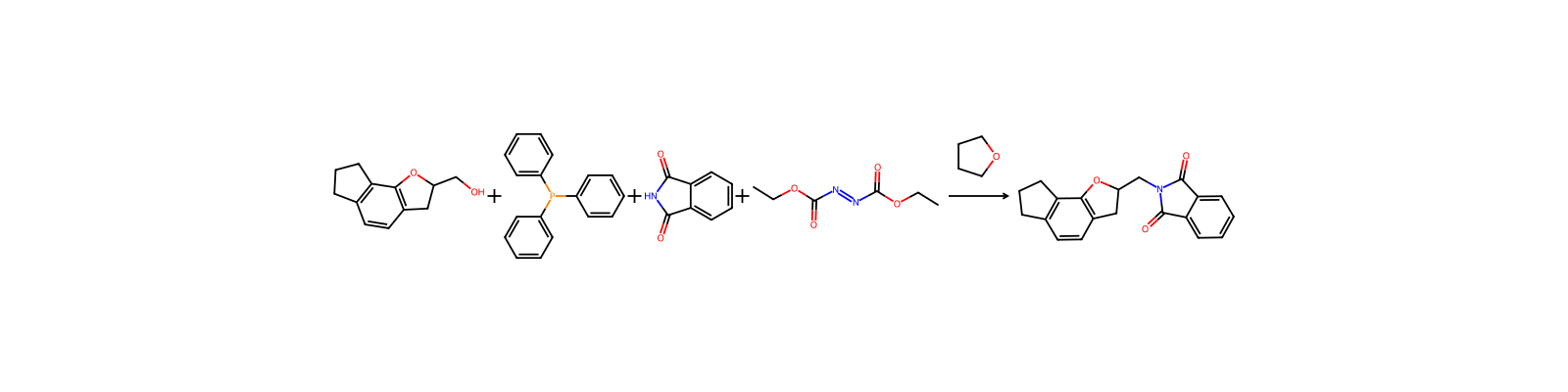
HRID 1077 reaction equation
HRID 1077As reactantuspto-grants-1998_03
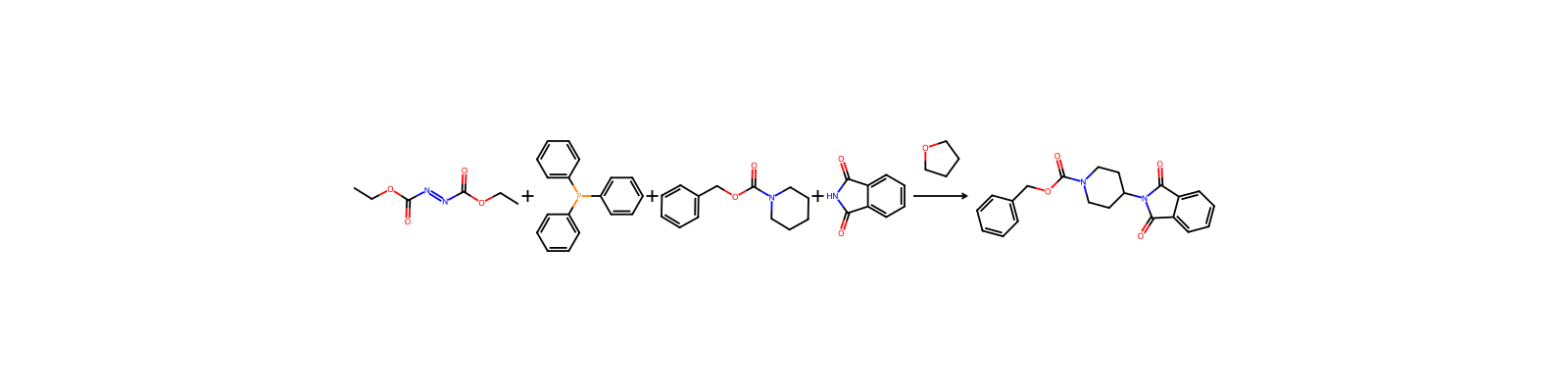
HRID 2452 reaction equation
HRID 2452As reactantuspto-grants-1998_03
HRID 5861 reaction equation
HRID 5861As reactantuspto-grants-1993_09
HRID 10358 reaction equation
HRID 10358As reactantuspto-grants-2006_08
HRID 12378 reaction equation
HRID 12378As reactantuspto-grants-2010_06
HRID 13956 reaction equation
HRID 13956As reactantuspto-grants-2010_06
HRID 17100 reaction equation
HRID 17100As reactantuspto-grants-2010_06
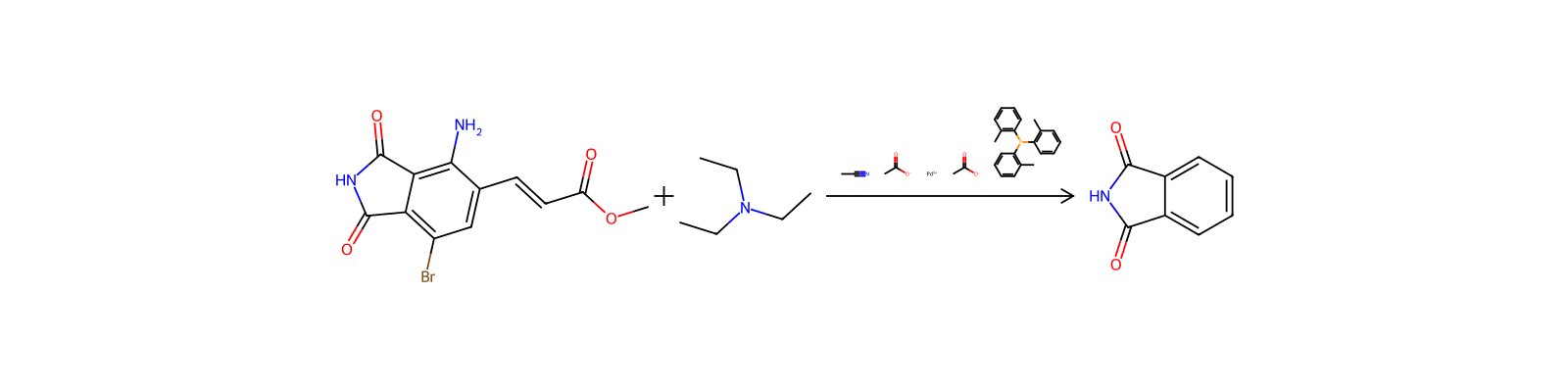
HRID 21004 reaction equation
HRID 21004As productuspto-grants-2010_06
Page 1 of 278

Compound notes

Loading…

On this pageBasic informationOverviewNames & identifiersPropertiesSafety & regulationChemistry & industryRelated reactionsCompound notes
More actions
New noteNew reactionRequest quotes

Sublimes

DecompositionWHEN PHTHALIMIDE IS HEATED IT EMITS TOXIC VAPORS.
Melting Point · 2 items

460 °F (NTP, 1992)

238 °C

Vapor Pressure0.00000001 [mmHg]
Physical Description · 3 items

Phthalimide is a white to light tan powder. Slightly acidic. (NTP, 1992)

Dry Powder; CBI

White solid; [Hawley] White to light tan solid; [CAMEO] White crystalline powder; [Alfa Aesar MSDS]

Ionization Efficiency · 6 items

Negative

0.05

10.5

Agilent XCT

Electrospray ionization

ammonia (10nM)

Physicochemical properties

Melting point
232 · 232-235 °C(lit.)
Boiling point
366 °C · 366 °C
Density
1.21 · 1.21
vapor pressure
0.001 Pa · 0.001Pa at 25℃
refractive index
1.47 · 1.4700 (estimate)
Flash point
165 °C · 165 °C
storage temp.
30 °C · Store below +30°C.
solubility
water: slightly soluble(lit.)
pka
8.3 · 8.3(at 25℃)
form
Crystalline Flakes
color
White to slightly yellow
PH
3.8 · 3.8 (0.6g/l, H2O)
Water Solubility
0.1 g/100 · <0.1 g/100 mL at 19.5 ºC
Sublimation
366 · 366 ºC
Merck
14 · 14,7373
BRN
118522 · 118522
Henry's Law Constant
9.9 · 9.9×102 mol/(m3Pa) at 25℃, HSDB (2015)
InChI
1S/C8H5NO2/c10-7-5-3-1-2-4-6(5)8(11)9-7/h1-4H,(H,9,10,11)
InChIKey
XKJCHHZQLQNZHY-UHFFFAOYSA-N
SMILES
O=C1NC(=O)c2ccccc12
LogP
1.15 · 1.15
CAS DataBase Reference
85 · 85-41-6(CAS DataBase Reference)
EWG's Food Scores
1 · 1
FDA UNII
1 J6PQ7YI80 · 1J6PQ7YI80
NIST Chemistry Reference
Phthalimide(85-41-6)
EPA Substance Registry System
Phthalimide (85-41-6)
UNSPSC Code
12352115 · 12352115
NACRES
22 · NA.22
Symbol(GHS)
7 · GHS07
Signal word
Warning
Hazard statements
303 · H303-H315-H319-H335-H402
Precautionary statements
501 · P501-P261-P273-P271-P264-P280-P302+P352-P312-P337+P313-P305+P351+P338-P362+P364-P332+P313-P304+P340+P312-P403+P233-P405
PPE
95 · Eyeshields, Gloves, type N95 (US)
Risk Statements
20 · 20/21/22-36/37/38-40
Safety Statements
22 · 22-24/25
WGK Germany
1 · 1
RTECS
3920000 · TI3920000
Autoignition Temperature
500 °C · >500 °C
TSCA
TSCA listed
HS Code
2925290090 · 2925290090
Storage Class
13 · 13 - Non Combustible Solids
Hazardous Substances Data
85 · 85-41-6(Hazardous Substances Data)
Toxicity
50 orally · LD50 orally in Rabbit: > 10000 mg/kg LD50 dermal Rabbit > 7940 mg/kg
REACH Registrations
Active
Reactive GroupAmides and Imides
Reactivity Profile · 1 item

PHTHALIMIDE is an imide. Amides/imides react with azo and diazo compounds to generate toxic gases. Flammable gases are formed by the reaction of organic amides/imides with strong reducing agents. Amides are very weak bases (weaker than water). Imides are less basic yet and in fact react with strong bases to form salts. That is, they can react as acids. Mixing amides with dehydrating agents such as P2O5 or SOCl2 generates the corresponding nitrile. The combustion of these compounds generates mixed oxides of nitrogen (NOx). This chemical forms salts with bases. (NTP, 1992)

Air and Water ReactionsInsoluble in water.
Hazard Classes and CategoriesNot Classified
Skin, Eye, and Respiratory Irritations...IT ACTS AS STRONG SKIN, EYE & UPPER RESP TRACT IRRITANT.

Safety & protection

Fire FightingFires involving this material can be controlled with a dry chemical, carbon dioxide or Halon extinguisher. (NTP, 1992)
First Aid · 1 item

EYES: First check the victim for contact lenses and remove if present. Flush victim's eyes with water or normal saline solution for 20 to 30 minutes while simultaneously calling a hospital or poison control center. Do not put any ointments, oils, or medication in the victim's eyes without specific instructions from a physician. If symptoms (such as redness or irritation) develop, immediately transport the victim to a hospital.

Nonfire Spill Response · 1 item

SMALL SPILLS AND LEAKAGE: If a spill of this chemical occurs, FIRST REMOVE ALL SOURCES OF IGNITION, then you should dampen the solid spill material with acetone and transfer the dampened material to a suitable container. Use absorbent paper dampened with acetone to pick up any remaining material. Seal your contaminated clothing and the absorbent paper in a vapor-tight plastic bag for eventual disposal. Solvent wash all contaminated surfaces with acetone followed by washing with a soap and water solution. Do not reenter the contaminated area until the Safety Officer (or other responsible person) has verified that the area has been properly cleaned.

Disposal Methods · 1 item

SRP: At the time of review, criteria for land treatment or burial (sanitary landfill) disposal practices are subject to significant revision. Prior to implementing land disposal of waste residue (including waste sludge), consult with environmental regulatory agencies for guidance on acceptable disposal practices.

Preventive Measures · 1 item

SRP: The scientific literature for the use of contact lenses in industry is conflicting. The benefit or detrimental effects of wearing contact lenses depend not only upon the substance, but also on factors including the form of the substance, characteristics and duration of the exposure, the uses of other eye protection equipment, and the hygiene of the lenses. However, there may be individual substances whose irritating or corrosive properties are such that the wearing of contact lenses would be harmful to the eye. In those specific cases, contact lenses should not be worn. In any event, the usual eye protection equipment should be worn even when contact lenses are in place.

Personal Protective Equipment (PPE) · 1 item

RECOMMENDED RESPIRATOR: Where the neat test chemical is weighed and diluted, wear a NIOSH-approved half face respirator equipped with an organic vapor/acid gas cartridge (specific for organic vapors, HCl, acid gas and SO2) with a dust/mist filter. (NTP, 1992)

Toxicology

Ecotoxicity Values · 1 item

Cotton seedlings were used in phytotoxicity screening of phthalimide and 15 N-substituted derivatives. The seedlings were severely injured. To determine the target of this phytotoxicity ATPase isolated from wheat seedling roots was incubated with the phthalimides. Most of the phtha1imides had no significant irihibitory effect on ATPase activity. Further studies in which diamine oxidase iso1ated from wheat root tissues was incubated with the herbicides produced a good correlation between phytotoxic injury and degree of DAO inhibition. Since it is known that amine oxidases are involved in the biosynthesis of the plant hormnone indoleacetate it is suggested that these DAO inhibitors act by affecting plant growth regulation.

Environmental Fate · 3 items

TERRESTRIAL FATE: Based on a recommended classification scheme(1), an estimated Koc value of 100(SRC), determined from an experimental log Kow(2) and a recommended regression-derived equation(3), indicates that phthalimide should have high mobility in soil(SRC). The adsorptivity of phthalimide is expected to be sensitive to pH since phthalimide has a pKa of 8.3(9). Volatilization of phthalimide should not be important from moist soil surfaces(SRC) given an estimated Henry's Law constant of 1X10⁻⁸ atm-cu m/mole(4,SRC), or from dry soil surfaces(SRC) based on an estimated vapor pressure of 1X10⁻⁸ mm Hg(5,SRC). Phthalimide may not be susceptible to direct photolysis on soil surfaces based on its lack of absorption of light at wavelengths >290 nm(6,SRC). According to two activated sludge biodegradation studies, phthalimide will biodegrade rapidly in soil(7,8).

AQUATIC FATE: An estimated Koc value of 100(SRC), determined from an experimental log Kow(1) and a recommended regression-derived equation(2), indicates that phthalimide should not adsorb to suspended solids and sediment(SRC) in the water(2,SRC). The adsorptivity of phthalimide is expected to be sensitive to pH since phthalimide has a pKa of 8.3(8). Phthalimide will be essentially non-volatile from water surfaces based on an estimated Henry's Law constant of 1X10⁻⁸ atm-cu m/mole(SRC), developed using a fragment constant estimation method(3). An estimated BCF value of 4.4(2,SRC), from an experimental log Kow(1), suggests that phthalimide will not bioconcentrate in aquatic organisms(SRC) according to a recommended classification scheme(4). The half-lives for the base-catalyzed hydrolysis of phthalimide have been determined to be 1.6 days at a pH of 7, and 4 hours at a pH of 8(5,SRC). According to two activated sludge biodegradation studies, phthalimide will biodegrade rapidly in water(6,7).

ATMOSPHERIC FATE: According to a model of gas/particle partitioning of semivolatile organic compounds in the atmosphere(1), phthalimide, which has an estimated vapor pressure of 1X10⁻⁸ mm Hg at 25 °C(2,SRC) will exist primarily in the particulate phase in the ambient atmosphere. Vapor-phase phthalimide is degraded in the atmosphere by reaction with photochemically produced hydroxyl radicals(SRC); the half-life for this reaction in air is estimated to be about 2.6 days(3,SRC). Particulate-phase phthalimide may be physically removed from the air by wet and dry deposition(SRC).

Effluent ConcentrationsPhthalimide was listed as a contaminant found in advanced treatment water in a survey of US cities, including Orange County,CA, on 1/27/76(1).
Soil Adsorption/Mobility · 1 item

The Koc of phthalimide is estimated as approximately 100(SRC), using an experimental log Kow of 1.15(1) and a regression-derived equation(2,SRC). According to a recommended classification scheme(3), this estimated Koc value suggests that phthalimide should have high mobility in soil(SRC). The adsorptivity of phthalimide is expected to be sensitive to pH since phthalimide has a pKa of 8.3(4).

TSCA Test Submissions · 3 items

The ability of phthalimide to induce specific locus mutations at the TK locus in cultured L5178Y mouse lymphoma cells (Mouse Lymphoma Mutagenicity Assay) was evaluated in the presence and absence of mouse liver S-9 metabolic activation. Based on preliminary toxicity tests, 5 nonactivated cultures treated with 65, 130, 260, 520 and 1040ug/ml were cloned, producing a range of 295.7 - 171.5% relative growth. Five S-9 activated cultures treated with the same concentrations were cloned, producing a range of 648.9 - 142.9% relative growth. None of the cultures produced mutant frequencies significantly greater than the solvent control (DMSO).

The mutagenicity of phthalimide was evaluated in Salmonella tester strains TA98, TA100, TA1535, TA1537 and TA1538 (Ames Test) and in Saccharomyces cerevisiae tester strain D4, both in the presence and absence of Aroclor-induced rat liver S-9 fraction. Phthalimide, diluted with DMSO, was tested at concentrations up to 500ug/plate using the Overlay Method. Phthalimide did not cause a positive response in any of the tester strains with or without metabolic activation.

Subchronic toxicity was evaluated in groups of 5 male and 5 female Sprague-Dawley rats receiving once daily 6 hour exposures to heated phthalimide dust at concentrations of 51, 154 or 523 mg/m3, 5 days a week for 4 weeks. Mortality, changes in body weight, or abnormal behavioral reactions were not observed in any animal at any dose level during the treatment period. Phthalimide did not induce changes in the following parameters at any dose level when treated animals were compared to controls: erythrocyte and leukocyte counts; hemoglobin; hematocrit; corpuscular volume; hemoglobin concentration; blood levels of urea nitrogen, alkaline phosphatase, glutamic pyruvic transaminase, and glucose; urine levels of glucose, albumin, and microscopic elements; urine pH. Lung weights were statistically significantly (test not specified, p < 0.05) lower in females in the 51 and 154 mg/m3 dose groups, while decreases were observed in lung weights (p < 0.01) and lung to body weight ratios (p < 0.05) in the 523 mg/m3 dose group females. The weights of the brain, gonads, heart, kidneys, liver, and spleen were not statistically significantly (p > 0.05) changed in any animal at any dose level compared to controls. Gross necropsy with histopathological examination of brain, gonads, heart, kidneys, liver, lung, spleen, lymph node, pituitary gland, and urinary bladder did not reveal any pathology in the 523 mg/m3 dose group; a single renal cortical adenoma observed in one male in the 523 mg/m3 dose group was not attributed to the effect of the test article.

Human Toxicity Excerpts · 2 items

...IT ACTS AS STRONG SKIN, EYE & UPPER RESP TRACT IRRITANT.

... N-sulfinyl phthalimide fungicides are widely used agricultural products with low acute toxicity. /Phthalimides/

Artificial Pollution Sources · 1 item

Phthalimide's production and use in the production of phthalocyanine dyes(1), in the synthesis of primary amines and amino acids in the form of its sodium or potassium salt(1), as synthetic indigo via anthranilic acid(2), as a fungicide(2), in organic synthesis(2) and as a laboratory reagent(2) may result in its release to the environment through various waste streams(SRC).

Environmental Biodegradation · 2 items

PHTHALIMIDES WERE EASILY DECOMPOSED BY TEST ACTIVATED-SLUDGE.

Using activated sludge which was daily used in operating a joint wastewater treatment plant, phthalimide was easily biodegraded according to COD and TOC removal of 63 and 88 percent, respectively(1). Using adapted activated sludge as the inoculum, phthalimide degraded 96.2 percent based on COD removal at a biodegradation rate of 20.8 mg COD/g-hour(2).

Environmental Bioconcentration · 1 item

An estimated BCF value of 4.4 was calculated for phthalimide(SRC), using an experimental log Kow of 1.15(1) and a recommended regression-derived equation(2). According to a recommended classification scheme(3), this BCF value suggests that bioconcentration in aquatic organisms will not be an important fate process(SRC).

Volatilization from Water/Soil · 1 item

The Henry's Law constant for phthalimide is estimated as 1X10⁻⁸ atm-cu m/mole(SRC) using a fragment constant estimation method(1). This value indicates that phthalimide will be essentially nonvolatile from water surfaces(2,SRC). Phthalimide's vapor pressure, 1X10⁻⁸ mm Hg(3,SRC) and Henry's Law constant(1,SRC) indicate that volatilization from dry and moist soil should not occur(SRC).

Non-Human Toxicity Excerpts · 5 items

SINGLE ADMIN MORE SENSITIVE METHOD TO DETECT TERATOGENICITY. MATERNAL MORTALITY OR FETAL RESORPTION PREDOMINANT RESULTS OF REPEATED ADMIN OF TOXIC LEVELS.

... Was noted not teratogenic in rabbits when used in amounts of 150 mg/kg on days 7 through 12 of pregnancy.

The mouse limb bud micromass assay is one of many short-term tests proposed as preliminary screens for potential developmental toxicity. Previous efforts to validate this assay have used too few "nonteratogens." The purpose of this study was to examine additional compounds, most of which, based on the literature were perceived to have low potential for developmental toxicity in vivo. In addition a method of data analysis was sought that would identify selective developmental toxins in the micromass assay i.e. those that are effective at dosages not maternally toxic. The concentration of each of 23 compounds that produced a 50% inhibition of radiolabeled thymidine and sulfate incorporation was determined and used to calculate a thymidine/sulfate ratio. The thymidine/sulfate ratio may be a useful measure of developmental hazard since thymidine incorporation measures toxicity toward a general cell function (DNA synthesis) and sulfate incorporation measures mainly toxicity toward a developmentally specific cell activity (chondroitin sulfate synthesis). All compounds tested produced thymidine/sulfate ratios of less than 2.0. Since 22 of these 23 compounds are classified as nonteratogens or nonselective developmental toxins in vivo a low thymidine/sulfate ratio in this in vitro assay system nay be capable of discriminating potential for developmental hazard in vivo.

An in vitro teratogen assay has been developed that uses Drosophila embryo cell cultures. The endpoints selected in assessing the teratogenic potential of any agent (physical or chemical) involves detection of interference with normal muscle and/or neuron differentiation, induction of heat shock (stress) proteins, and inhibition of normal neurotransmitter levels. Current studies involve use of reporter gene technology (protein fusions) to identify teratogenicity. Results so far suggest that the Drosophila assay is capable of accurately establishing if a particular agent tested can act as a teratogen by a variety of appropriate endpoints (morphological, biochemical, molecular). Furthermore, this assay can be used not only as a teratogen screen, but also in mechanistic studies of abnormal development, gene involvement in teratogenic resistance, and the possible role of heat shock proteins in preventing birth defects.

Glutamate neurotoxicity is correlated with an increase of cytosolic free calcium(2+) some cell systems activation of calcium(2+) dependent endonucleases or formation of free radicals can damage DNA and activate the chromatin bound enzyme poly(A~P-ribose) polymerase. We have investigated whether poly(ADP-ribose) may be Involved In glutamate neurotoxicity in vitro. Cerebellar granule cells at 12 days in culture when treated with a toxic dose of glutamate (100 uM) showed a rapid and transient increase of polyADP-ribose immunoreactivity. Cellular immunostaining was heterogeneous and returned to control levels after washout of glutamate. In the same cell preparations glutamate elicited a marked increase in enzyme protein immunoreactivity which persisted at later times. Non-toxic doses of glutamate did not affect immunostaining. In another set of experiments, poly(ADP-ribose) mRNA was increased 30 min after glutamate. In order to investigate the role of poly(ADP-ribose) in glutamate-mediated neurotoxicity structurally different inhibitors of poly(ADP-ribose) (3-aminobenzamide, benzamide, 3-aminophthalhydrazide) and their inactive analogues benzoic acid and phthalimide) were tested in this model. Addition of the inhibitors to cultures 60 min before and during the 30 min of glutamate treatment prevented neuronal death by 60-100%, assessed 24 hr later. Glutamate-induced calcium(2+) influx was not affected. Inactive analogues failed to afford neuroprotection. These data indicate that not only is poly(ADP-ribose) activated by the early possib1y calcium(2+)-mediated mechanisms initiated by glutamate but that it might also actively contribute to the subsequent neuronal death.

Environmental Abiotic Degradation · 1 item

The rate constant for the vapor-phase reaction of phthalimide with photochemically produced hydroxyl radicals has been estimated as 6.3X10⁻¹² cu cm/molecule-sec at 25 °C(SRC) using a structure estimation method(1,SRC). This corresponds to an atmospheric half-life of about 2.6 days at an atmospheric concentration of 5X10+5 hydroxyl radicals per cu cm(1,SRC). The rate constant for the base-catalyzed hydrolysis of phthalimide has been determined to be 4.8 l/mole-sec(2). This corresponds to a half-life of approximately 1.6 days at a pH of 7, and 4 hours at a pH of 8(2,SRC). Phthalimide may not be susceptible to direct photolysis based on its lack of absorption of light at wavelengths >290 nm(3,SRC).

Safety data

PPE
Eyeshields, Gloves, type N95 (US)
wgk
1
tsca
TSCA listed
rtecs
TI3920000
hs_code
2925290090
Toxicity
LD50 orally in Rabbit: > 10000 mg/kg LD50 dermal Rabbit > 7940 mg/kg
risk_code
20/21/22-36/37/38-40
Signal word
Warning
Symbol(GHS)
GHS07
safety_code
22-24/25
Storage Class
13 - Non Combustible Solids
Hazard statements
H303-H315-H319-H335-H402
REACH Registrations
Active
Autoignition Temperature
>500 °C
Precautionary statements
P501-P261-P273-P271-P264-P280-P302+P352-P312-P337+P313-P305+P351+P338-P362+P364-P332+P313-P304+P340+P312-P403+P233-P405
Hazardous Substances Data
85-41-6(Hazardous Substances Data)

UsesPhthalimide is a reagent used to transform allyl- and alkyl halides into protected primary amines. Phthalimide analogues have been extensively used in medicinal chemistry owing to their wide spectrum of applications as anti-convulsant, anti-inflammatory, analgesic, hypolipidimic and immunomodulatory activities. Dyes and metabolites, Environmental Testing.

General DescriptionWhite to light tan powder. Slightly acidic.

Upstream & downstream products

Upstream raw materials

Ammonium hydroxideMini-efficient pulverizerUreaPhthalic anhydrideAmmonium bicarbonateAmmonia

Downstream products

Phthalamic acidN-(Hydroxymethyl)phthalimide1-(1H-pyrazol-1-yl)propan-2-amineFmoc-8-amino-3,6-dioxaoctanoic acidPhthalonitrileC-(3,4-Dihydro-2H-benzo[1,4]oxazin-3-yl)-methylaminePhthalide4-NitrophthalimideN-(Chloromethyl)phthalimideCaptanN-(2-[4-(4-Chlorophenyl)piperazin-1-yl]ethyl)-3-methoxybenzamideBenzylamine(Aminomethyl)phosphonic acid4-Fluorobenzylamine2-(1-Methyl-2-oxopropyl)-1H-isoindole-1,3-(2H)-dioneN-Morpholinothio PhthaldamidePhosmetOfloxacin2-(4-Bromopentyl)-1H-isiondole-1,3(2H)dione2-(Phenoxymethyl)benzoic acidFolpet5-Aminophthalide1,4-Diaminobutane2-(3-Bromo-1-methyl-2-oxopropyl)-l H-isindole-1,3-(2H)-dione5-[(1,3-Dioxo-1,3-dihydro-2H-isoindol-2-yl)methyl]-2-furaldehydeCyclohexylthiophthalimide

Additional notes

DefinitionChEBI: Phthalimide is a dicarboximide that is 2,3-dihydro-1H-isoindole substituted by oxo groups at positions 1 and 3.