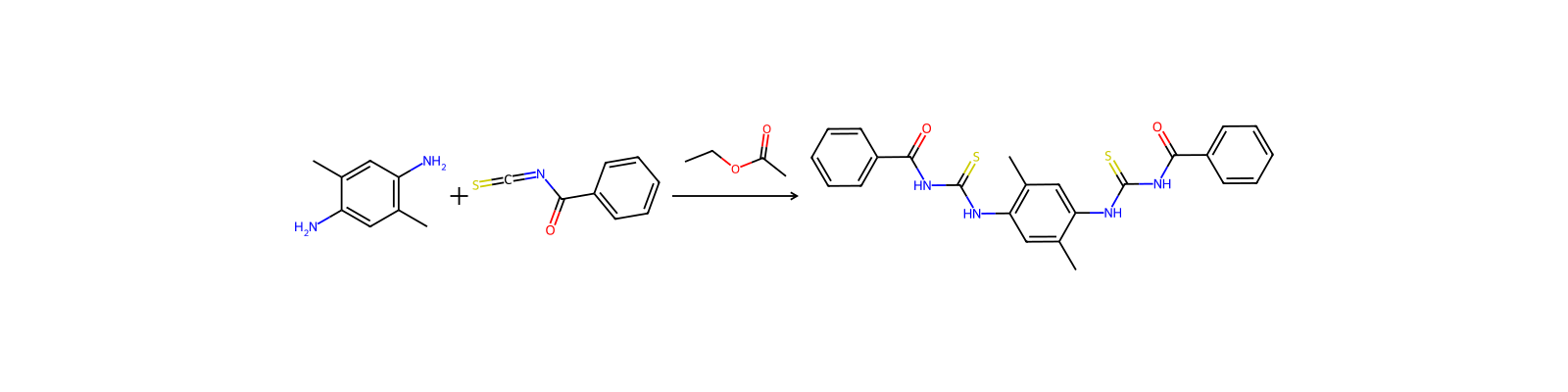
Benzoyl isothiocyanate
Completing data — refresh the page later to see the latest
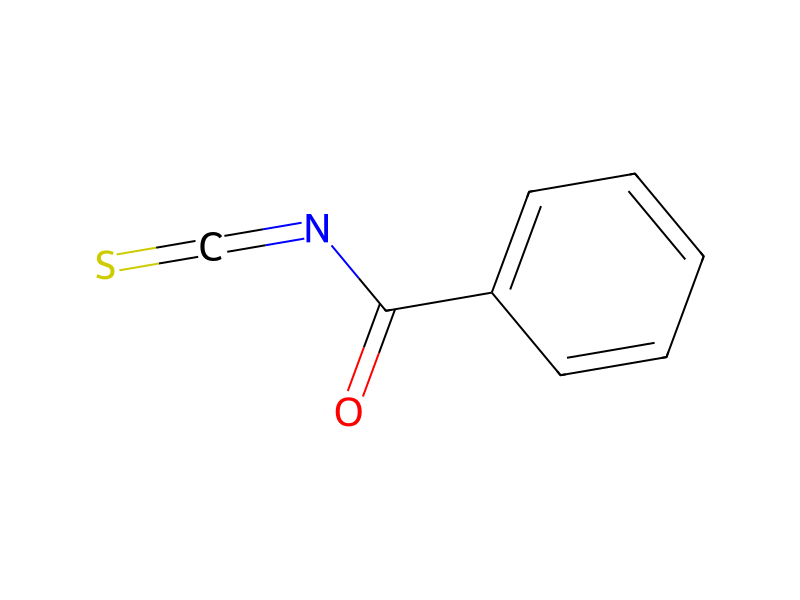
Basic information
- CAS
532-55-8- Standard SMILES
O=C(N=C=S)c1ccccc1- InChIKey
CPEKAXYCDKETEN-UHFFFAOYSA-N- Molecular formula
- C8H5NOS
- Average molar mass
- 163.2 g/mol
- Monoisotopic mass
- 163.00918478
Names & identifiers
- Preferred name
- Benzoyl isothiocyanate
- IUPAC
- benzoyl isothiocyanate
- English name
- Benzoyl isothiocyanate
- Molecular formula
- C8H5NOS
- Molecular weight
- 163.2
Names & synonyms
Benzoyl isothiocyanate532-55-8Benzoylthiocarbimiden-benzoyl isothiocyanateBenzoic acid, anhydride with HNCSBenzoic acid, anhydride with isothiocyanic acidUNII-U8J7Q32B86U8J7Q32B86EINECS 208-540-0NSC 29259NSC-29259DTXSID00201257
Show more names
BenzoylisothiocyanteBenzoylisothiocyanatEpinastine Impurity 29N-BENZOYLISOTHIOCYANATEBenzoylIsothiocyanate>Benzoyl isothiocyate, 98%Chloropyramine Impurity 3
BENZOYL ISOTHIOCYANATE [MI]ISOTHIOCYANIC ACID, ANHYDRIDE WITH BENZOIC ACIDRefChem:118782DTXCID00123748208-540-0CPEKAXYCDKETEN-UHFFFAOYSA-NBenzoylisothiocyanateIsothiocyanic Acid Benzoyl Ester
Database identifiers
- CAS
532-55-8- PubChem CID
- 68284
- DTXSID
DTXSID00201257- UNII
- U8J7Q32B86
- EC Number
- 208-540-0
- Nikkaji
- J6.990F
Properties
Computed structural propertiesFilling in
- XLogP
- 3.2
- Topological polar surface area
- 61.5 Ų
- Hydrogen bond donors
- 0
- Hydrogen bond acceptors
- 2
- Rotatable bonds
- 1
- Heavy atoms
- 11
- Formal charge
- 0
- Complexity
- 190
Experimental & physicochemical properties
SpringerMaterials PropertiesChemical shift
Physicochemical properties
- Melting point
- 128 °C · 128 °C
- Boiling point
- 128 · 128-131 °C/15 mmHg (lit.)
- Density
- 1.214 g/mL · 1.214 g/mL at 25 °C (lit.)
- refractive index
- 20 · n20/D 1.6354(lit.)
- Flash point
- 230 °F · >230 °F
- storage temp.
- 2 · 2-8°C
- solubility
- Chloroform
- form
- Liquid
- color
- Clear yellow to orange-brown
- Specific Gravity
- 1.214 · 1.214
- Water Solubility
- almost insoluble
- Sensitive
- Moisture Sensitive/Lachrymatory
- Merck
Safety & regulation
Safety information is for reference only and does not replace the supplier’s Safety Data Sheet (SDS), applicable regulations, or professional assessment.
GHS classification
GHS Classification
Danger
H301 (87.8%): Toxic if swallowed [Danger Acute toxicity, oral]
P261, P264, P264+P265, P270, P271, P272, P280, P301+P316, P301+P317, P302+P352, P304+P340, P305+P354+P338, P317, P321, P330, P333+P317, P362+P364, P405, and P501 (click each P-code to see the statement)
Aggregated GHS information provided per 49 reports by companies from 6 notifications to the ECHA C&L Inventory. Each notification may be associated with multiple companies.
Hazard information
Regulatory InformationBenzoyl isothiocyanate: Does not have an individual approval but may be used under an appropriate group standard
Hazard Classes and CategoriesAcute Tox. 3 (87.8%)
Safety data
- PPE
- Eyeshields, Faceshields, Gloves, type ABEK (EN14387) respirator filter
- wgk
- 3
- tsca
- T
- ridadr
- UN 2810 6.1/PG 3
- hs_code
- 29309070
- risk_code
- 25-32-36-43-42/43-36/37/38-20/21/22
- Signal word
- Danger
- Symbol(GHS)
- GHS05,GHS06
- hazard_code
- T,Xi
- hazard_note
- Lachrymatory/Moisture Sensitive
- safety_code
- 26-36/37-45-36/37/39
- hazard_class
- 6.1
Chemistry & industry
Applications
DescriptionBenzoyl isothiocyanate is a chemical compound commonly used in organic synthesis and as a reagent in the pharmaceutical industry. It finds applications in producing dyes, pesticides, and pharmaceutical intermediates. Safety precautions must be taken when handling this compound as it can irritate the skin, eyes, and respiratory system. It should be stored in a tightly sealed container from heat sources or open flames. Proper ventilation and personal protective equipment such as gloves and goggles should be used during handling. Benzoyl isothiocyanate may have environmental impacts if not properly disposed of according to local regulations. Not for human consumption.
UsesBenzoyl isothiocyanate has been used in the preparation of:1-benzoyl-3-(5-chloro-2-hydroxyphenyl)thiourea, new thiourea derivativeguanine
Upstream & downstream products
Upstream raw materials
Downstream products
Related reactions
899 records

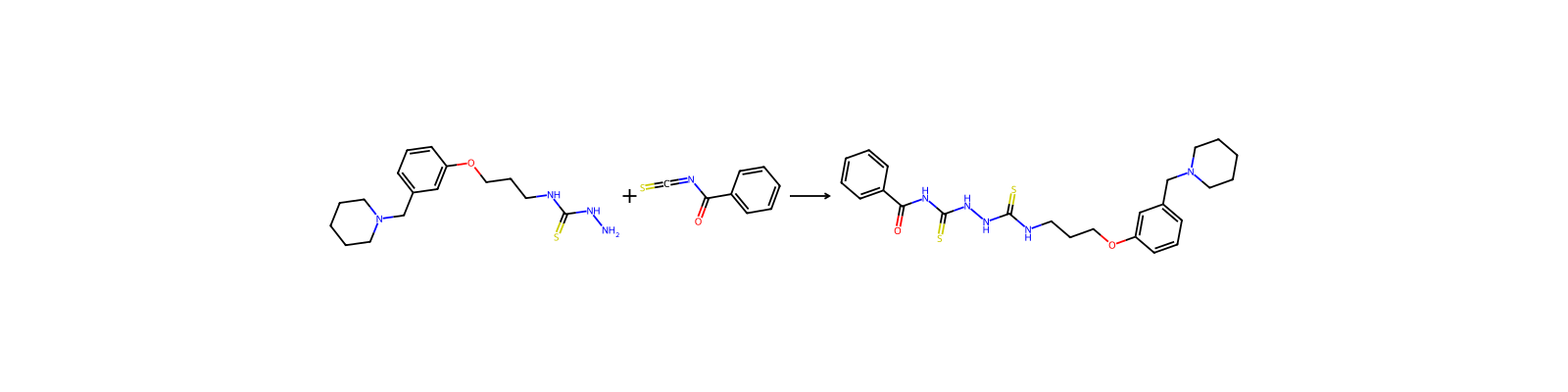
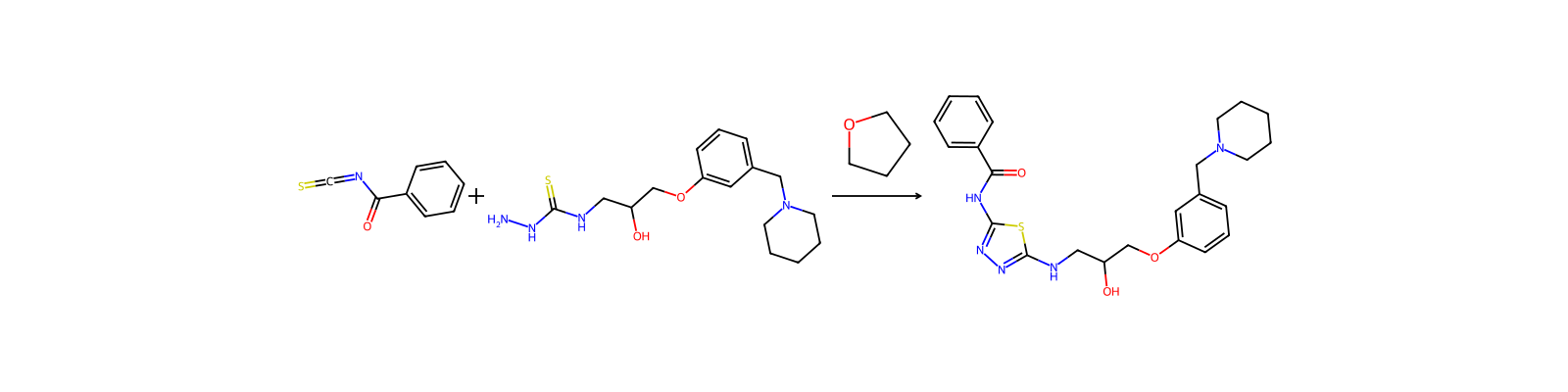


Compound notes
Loading…